REVIEW · MARRAKECH
3-Day Berber Villages Hike from Marrakech
Book on Viator →Operated by Toubkal Trekking · Bookable on Viator
If you want a Morocco hike that feels real, this one delivers. I love the combo of local guiding and walking paths used for generations, and I also like the practical touches like mules for luggage and private transport from Marrakech. One thing to consider: this trek runs in all weather and only includes basic sleeping setup, so you’ll want to plan for nights that can feel chilly in the mountains and bring what’s missing.
Imlil is the start point for many people chasing Jebel Toubkal dreams, and it’s also a great place to acclimate before higher passes. You’re guided through villages like Tacheddirt and then deeper into mountain valley life, with sunrise moments and wildlife chances in the High Atlas. For families, it’s often a smart way to get real trekking time without going full expedition mode.
In This Review
- Key points to know before you go
- From Marrakech to Imlil: getting into the High Atlas rhythm
- Day 1: Imlil Valley mornings and the climb toward Tacheddirt
- Day 2: rising toward the 4,000-meter zone and High Atlas pass vibes
- Day 3: Azzaden Valley village life, then back through Imlil
- Sleeping in mountain gites: warm meals, basic comfort, plan ahead
- Price and value at $280: where your money goes
- Who this trek fits best (and who should choose a different adventure)
- Guide quality and communication you can rely on
- Weather, dress code, and trail habits that actually help
- Should you book the 3-Day Berber Villages hike from Marrakech?
- FAQ
- What time does the hike start from Marrakech?
- How long is the trek?
- How much does it cost per person?
- Is pickup from Marrakech included?
- Are meals included?
- Is accommodation included?
- Are sleeping bags included?
- Who leads the hike?
- Is there a group size limit?
- What is the cancellation window for a full refund?
Key points to know before you go
- Pickup from Marrakech + private transport keeps the start stress-free at 8:30 am.
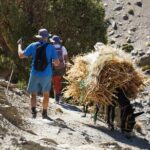
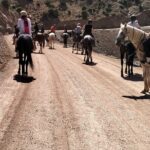
- Mules handle luggage, so you can focus on the trail and your daypack.
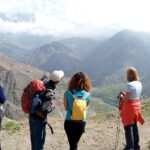
- Local guide-led walking helps you understand village life and the mountain route.
- High Atlas wildlife window includes chances to spot geckos and bird life like bee-eaters and Lanner falcons.
- Gite-style mountain stays give you that unplugged, community-feeling night in Morocco.
- Small group size (max 15) usually means more attention and a calmer pace.
From Marrakech to Imlil: getting into the High Atlas rhythm
This trek is built for travelers who want mountains without the chaos. You start in Marrakech and get private transport back and forth, with a centrally located meeting point and a set start time of 8:30 am. That matters because in the Atlas, the day gets longer, colder, and more demanding the farther you go. Starting early helps you get to viewpoints and villages while it’s still light, and before the mountain weather changes its mood.
Once you’re headed toward the High Atlas, you’ll feel the shift: city pace fades fast, and the route turns into a slow-motion lesson in Morocco’s geography. The trek’s whole feel is practical and human—paths, foot traffic, gite meals, and guide-led decisions—so you’re not just “hiking somewhere,” you’re moving through a living region.
And yes, this is a multi-day hike—so you’ll do enough walking to feel you truly left Marrakech behind, but the structure (guide, food, luggage support) helps keep it enjoyable.
You can also read our reviews of more hiking tours in Marrakech
Day 1: Imlil Valley mornings and the climb toward Tacheddirt
Day 1 starts in Imlil Valley, a favorite base for mountain trekkers. It’s also just about a five-hour hike from the base of Jebel Toubkal, which gives you a clue about what kind of terrain you’re entering. If you’re traveling in spring, this area can look especially good with flowering foothills—one of those small seasonal perks that makes the first day feel like more than just logistics.
Imlil is also a helpful “warm-up” before higher elevation. Even if you’re not climbing Toubkal, you’ll still notice how quickly air and light change once you’re in the Atlas foothills. It’s the kind of first-day terrain that lets you settle in and find your pace.
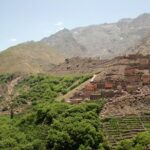
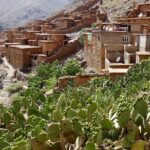
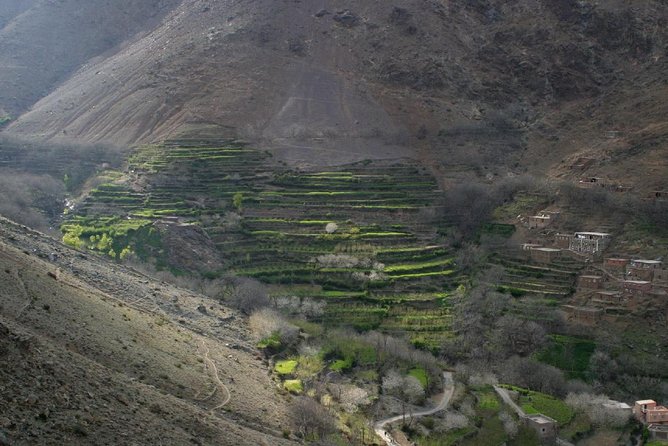
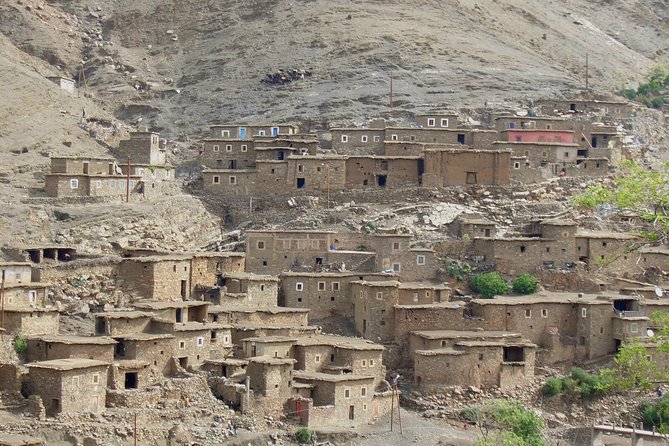
Then you move upward to Tacheddirt (Tachdirt), a small village sitting at around 2314 meters in the Rhirhaia Valley. This is the part of the day that feels like you’re really in the mountains. The village has about 200–300 people, and importantly, it has no road—you reach it via footpaths. That means the hike isn’t just scenery; it’s access to a way of life where walking is the normal transport.
There’s also a detail worth holding onto: Tacheddirt is about 2.5 miles further up than Ikkiss, which suggests you’re not just doing a short village hop. You’re gaining elevation, and you’ll likely feel that on your legs even if your pace is steady and controlled.
Possible drawback on Day 1: if you’re expecting a stroll, this won’t be it. It’s short compared to full expedition treks, but it still climbs, and your body will feel it. For many people, that’s exactly the point: you want a real trek, not a themed walk.
Day 2: rising toward the 4,000-meter zone and High Atlas pass vibes
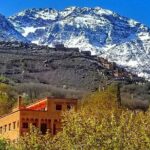
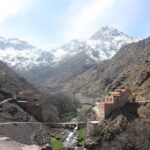
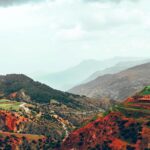
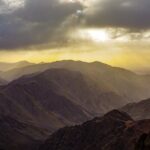
Day 2 is where the High Atlas geography turns serious. You’ll be in the region tied to the massif with several peaks over 4,000 meters, including Jebel Toubkal (4,167 m) and Ighil m’Goun (4,071 m). Even if you’re not summiting, being in Toubkal country changes how the mountain looks and feels. The scale becomes harder to ignore.
This is also a day built around the atmosphere of high places: you’ll rise over high passes and you’ll be watching for wildlife. The High Atlas is home to creatures like the Moorish gecko, and bird life such as bee-eaters and the Lanner falcon. You can’t force wildlife sightings, but having the time and elevation for lookout moments improves your odds.
Another smart thing about Day 2 is that it gives you perspective on how the Atlas connects to other regions. The range drops sharply toward the Atlantic and the Anti-Atlas, while toward the north (in the direction of Marrakech) it descends less abruptly. On the heights around Ouarzazate, the massif is cut through by the Draa Valley, which opens southward. When you’re standing in the mountains, that kind of geography stops being trivia—it helps you understand what you’re seeing and why the terrain funnels travel and settlement the way it does.
What I like about this structure: it’s not only “walk, walk, walk.” The day is tied to a sense of place—high points, pass crossings, and wildlife watch—so your attention stays on the mountain instead of the clock.
What to consider: Day 2 is likely the most demanding day for your body. You’ll benefit from steady pacing and not treating it like a race. A good guide keeps the group moving safely, but you still need to bring your own patience.
Day 3: Azzaden Valley village life, then back through Imlil
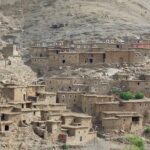
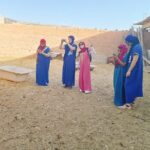
On the final day, you shift from dramatic high-mountain feeling to something more intimate: village life in the Azzaden Valley. The trek includes time in a “nice village” there in the High Atlas, and that matters because it changes the rhythm. You’re not only chasing views; you’re meeting the end result of mountain living: homes, routines, and local hospitality in a place that remains largely tied to walking routes.
After that, you return toward Imlil Valley. Imlil works as a practical finishing point, since it’s a known trekking hub and a place that feels familiar after being “up in the clouds” for a couple of days. Returning here also helps you transition back to your Marrakech plans without feeling like the trek ends abruptly in the middle of nowhere.
There’s a nice emotional arc to Day 3. If Day 1 and Day 2 feel like you’re climbing into the mountain system, Day 3 feels like you’re leaving the wilderness edge and re-entering human-scale places. It’s the kind of landing that helps the experience feel complete, not just exhausting.
Sleeping in mountain gites: warm meals, basic comfort, plan ahead
This trek includes accommodation in traditional mountain gites, plus breakfasts (2), lunches (3), and dinners (2). That’s a big deal for value. Meals are not an add-on; they’re part of the rhythm of your day and help you keep energy up between walking hours.
From the way guides and hikers describe these trips, the food tends to be a highlight rather than an afterthought—especially lunch during mountain moments when you can finally stop moving and actually take in what surrounds you. Having that planned means you don’t end up hungry, rushed, or hunting for snacks in places that don’t work like cities.
The one clear “plan ahead” item is what’s not included: sleeping bags. If you don’t bring one, you might end up cold depending on the season and the gite setup. You’re also told to dress appropriately because the tour operates in all weather conditions. In the High Atlas, layers matter more than style.
My practical advice: bring a warm liner or full sleeping bag based on the time of year. If you’re a light sleeper, pack earplugs or a small comfort item—gites are friendly, but you’re in mountain villages, not boutique hotels.
Price and value at $280: where your money goes
At $280 per person for about three days, this is the kind of price that usually covers what trekking actually costs: guiding, meals, lodging, and transport. The standout value items are the ones you can’t easily DIY without organization.
You get:
- Local guide leadership throughout
- Private transport to and from Marrakech
- Mules for luggage, which changes the whole experience
- Accommodation in mountain gites
- Meals included across the three days (breakfasts, lunches, dinners)
When I look at trekking value, I’m less focused on the dollar amount and more on the load you’re saving. Mules for luggage mean you can travel with a lighter daypack, which makes the hike more enjoyable rather than punishing. Private transport also cuts down uncertainty, especially if you’re not comfortable with Moroccan logistics right away after arrival.
Another value signal: the tour size is capped at 15 travelers. That typically makes the guide’s job easier and your experience less chaotic. It also supports families; the format is clearly built for people who want to hike but still be part of a supported group.
Who this trek fits best (and who should choose a different adventure)
This hike is described as ideal for families, and the structure backs that up. You have a guided route, organized meals, and luggage support. It’s also meant for people with moderate physical fitness, which is a useful benchmark. If you can walk for sustained periods and handle uphill terrain, you’ll likely be in the right zone.
It’s also a strong pick if you want culture without forcing it. The villages you pass through—like Tacheddirt and the Azzaden Valley village—aren’t “stops” in the museum sense. You’re walking those routes and seeing the lived-in mountain environment from the inside.
When it might not be the right fit: if you want guaranteed gentle flat walking or if you’re extremely temperature-sensitive at night, you’ll need to adjust expectations and pack smart. The tour runs in all weather conditions, so your clothing choices matter.
Guide quality and communication you can rely on
A big part of why trekking tours work (or don’t) is how well the guide handles the day. In these kinds of Atlas treks, a strong guide manages pace, route decisions, and the comfort factor—where to stop, when to watch, and how to keep everyone moving smoothly.
In the information you were given, guides are described as very friendly and providing solid English communication. One named organizer, Mustapha, is mentioned in connection with arranging a family trek and keeping it running very well. Even if your exact leader is different, that kind of naming detail is a good sign: there’s real local professionalism behind the trip, not a last-minute scramble.
With a local guide, you also get more than directions. You learn what you’re seeing—how settlements sit at these elevations, why certain passes matter, and what wildlife and bird activity might mean in the moment.
Weather, dress code, and trail habits that actually help
This tour operates in all weather conditions, so you should assume that conditions can change quickly—clouds, wind, cool nights, and occasional rain. You’re told to dress appropriately, which is the best advice here: bring layered clothing you can adjust on the move.
Also, there’s a formal dress code listed. That sounds odd for a hike, but in practice it often means: bring something neat enough for dinner at the gite or for respectful village moments. Don’t overthink it, but do pack at least one set of cleaner, presentable clothes for the evening.
Trail habit that pays off: keep a steady pace and don’t drink only when you feel thirsty. In altitude terrain, you can start feeling fine and then get behind on fluids. A guide will typically encourage stops that keep the group safe, but you’re the one controlling your effort.
Should you book the 3-Day Berber Villages hike from Marrakech?
I’d book this if you want a supported High Atlas trek that’s serious enough to feel like real walking, but structured enough that you’re not wrestling logistics. The combination of local guide, private transport, and mule luggage support is a strong value match for most people, including families.
Book it if:
- You like village routes and want mountain life, not just mountain views
- You want a guided experience with practical pacing
- You can handle moderate hiking and you’ll pack a warm sleep setup (since sleeping bags aren’t included)
Skip or switch plans if:
- You dislike cool nights and don’t want to prep for them
- You’re looking for a mostly flat day-by-day stroll
- You don’t want to hike in changeable mountain weather
If you’re on the fence, the final deciding factor should be simple: are you excited to walk between Berber villages and high passes, with gite nights and real mountain meals? If yes, this is a very solid way to do the High Atlas from Marrakech.
FAQ
What time does the hike start from Marrakech?
The start time is 8:30 am.
How long is the trek?
It runs for 3 days (approximately).
How much does it cost per person?
The price is $280.00 per person.
Is pickup from Marrakech included?
Yes. Pickup is offered from a centrally located meeting point, and the tour includes private transport from and back to Marrakech.
Are meals included?
Yes. You’ll have 2 breakfasts, 3 lunches, and 2 dinners included.
Is accommodation included?
Yes. Accommodation is included as per the itinerary, with stays in mountain gites.
Are sleeping bags included?
No. Sleeping bags are not included.
Who leads the hike?
A local guide leads the trip.
Is there a group size limit?
Yes. The tour has a maximum of 15 travelers.
What is the cancellation window for a full refund?
You can cancel up to 6 days in advance for a full refund (based on local time cut-offs).