REVIEW · MOSHI
7 Days Kilimanjaro Climbing | Hiking Tour via the Lemosho Route
Book on Viator →Operated by KILIMANJARO CLIMBING TOURS · Bookable on Viator
Kilimanjaro in seven days is a tight schedule. What makes the Lemosho Route interesting is the steady build-up through changing zones: forest to savannah, then moorland and high-altitude plateaus. I also like that the trek includes meals and camping gear so you can pack lighter and focus on your body, not your cupboards.
The main drawback to keep in mind is simple: altitude is serious, and summit success isn’t guaranteed even with a good plan. You’ll be moving in cold air for long stretches, especially on summit night, and you’ll need to follow your guide’s pace and instructions closely.
In This Review
- Quick hits: what stands out on this 7-day Lemosho trek
- Lemosho’s slow build up Kibo in one week
- Price and logistics: what $965 really covers
- Getting to the gates from Moshi (and why that first drive matters)
- Day-by-day on the mountain: camps, clues, and challenges
- Day 1: Lemosho forest to Mti Mkubwa (Big Tree) Camp
- Day 2: Jungle to savannah, Shira camps 1 and 2
- Day 3: Shira Plateau and the Lava Tower acclimatization step
- Day 4: Barranco Wall into the Karanga Valley
- Day 5: Crevasse path to Barafu, then summit-night rest
- Day 6: Barafu to Uhuru Peak and the cold dawn gamble
- Day 7: Mweka Gate, certificates, and back to Moshi
- The mountain team: why support can make or break your week
- Camping comfort and food: tents provided, water realities included
- Moshi after trekking: shopping, soft landings, and quick city fun
- Should you book this 7-day Lemosho climb?
- FAQ
- How long is the Kilimanjaro trek on the Lemosho Route?
- Where does the tour start, and what time does it begin?
- What’s included in the tour price?
- Are camping tents provided?
- What’s not included in the price?
- What happens if weather is poor or plans change?
Quick hits: what stands out on this 7-day Lemosho trek
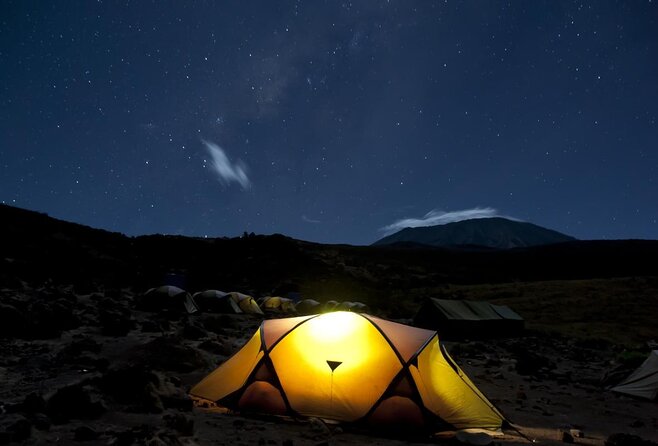
- Lemosho-to-high-camp progression through Shira, Lava Tower area, and Barranco before the summit push
- Park fees and taxes included, plus a guide and group support setup designed for camping trekking
- Meals are covered (breakfast 6, lunch 7, dinner 6), so you’re not budgeting every day on the mountain
- Camping gear included with tents provided, which helps you travel with less weight
- Transfers from Moshi are included, which takes one big logistics headache off your plate
- Cold and limited water at higher altitudes are real factors, especially above 4000m
Lemosho’s slow build up Kibo in one week
This is a one-week Kilimanjaro trek, and the route is built around the idea that your best shot at a summit is not rushing. The big strength of Lemosho is that the scenery changes often, which usually means your body isn’t stuck in the same kind of slog day after day.
You’ll start in lower elevations with forest walking, then transition upward into Shira-area highlands, and later into the moorland and plateau feel around Lava Tower and the Shira Plateau. After that, you hit the Barranco area, a classic “step up” moment that prepares you for the Barafu-to-summit effort. By the time you’re near Barafu and Uhuru Peak, it’s not about sightseeing anymore—it’s about steady movement and cold-weather stamina.
One practical takeaway: this route includes a built-in acclimatization walk to a high point (Lava Tower at 4640m) and then a descent to camp. That pattern—go up, then settle lower—often helps your body adapt. It doesn’t remove risk, but it’s a smarter rhythm than straight up-and-go.
Price and logistics: what $965 really covers
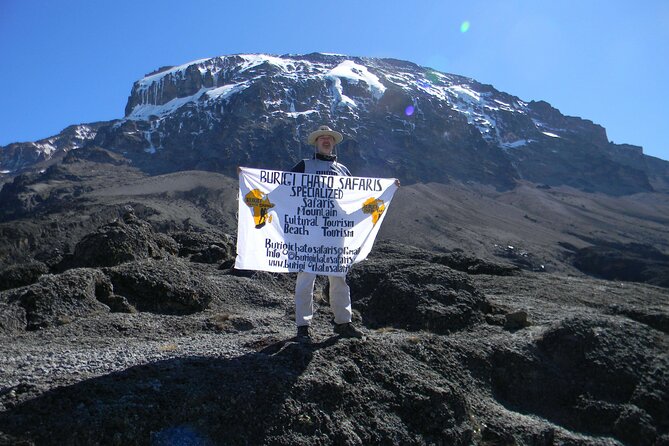
At $965 per person, this trek is not cheap, but it’s also not “bare bones.” The value here comes from what’s included: all fees and taxes, a guide, camping setup with tents, and transfers from Moshi. You also get meals every day in a specific count: 6 breakfasts, 7 lunches, and 6 dinners.
That matters because on Kilimanjaro, your budget can get messy fast if you’re paying separately for park fees, meals, and gear. Here, you’re buying a package that handles the mountain basics: food, guided movement, and the camping structure.
The costs you should plan for separately are also clear:
- tipping your guide
- visas (if needed)
- medical and travel insurance
- flight costs
- airport pick-up costs
- one night hotel accommodation before the tour
Also, there’s a practical note from the tour details: the experience uses a mobile ticket, and there are group discounts. And the listing notes a maximum of 500 travelers, which doesn’t tell you your trekking group size, but it does suggest your planning is within a controlled operator framework.
Getting to the gates from Moshi (and why that first drive matters)
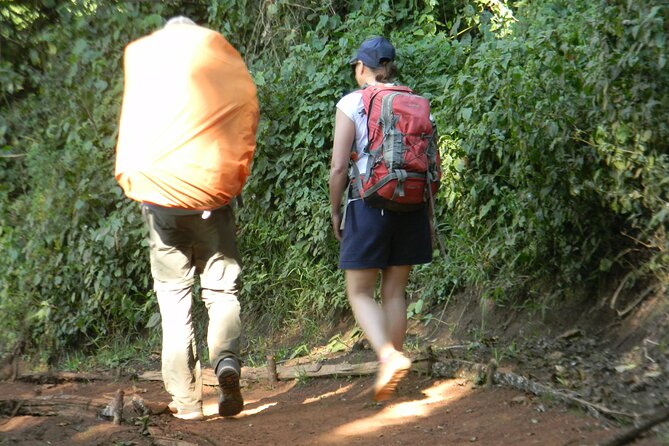
Most Kilimanjaro stress comes before you even start walking. The good news is that this trip includes transfers from Moshi, with a meeting point at Burigi Chato Safaris Co Ltd on Mkwawa Street, Shanty town, Moshi. The start time is 8:30 am.
On Day 1, you’re picked up from your inn around late morning (around 10:00 to 10:30, based on the day’s flow), then driven to Londorosi entry. Expect park entry procedures there. You’ll likely have a chance to grab a lunch before the main hiking start, and the route description also mentions a general store where you can buy anything extra you forgot.
Then comes the key transition: you drive from Londorosi to the Lemosho gate/starting point (Lemosho door in the plan). That first long transfer is why you should hydrate early and keep your daypack simple. Once you start hiking, your energy is for walking, not searching for missing items.
Day-by-day on the mountain: camps, clues, and challenges
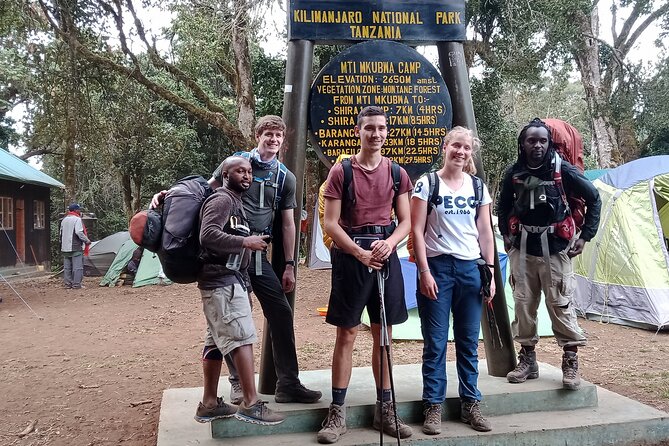
Here’s how the week unfolds and what each day feels like on the ground.
Day 1: Lemosho forest to Mti Mkubwa (Big Tree) Camp
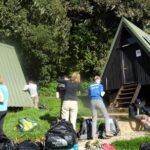
Your first walking day starts after the drive to Lemosho door. You’ll move through lush forest, following the trail until Big Tree (Mti Mkubwa) Camp.
A small but memorable detail: the plan calls out seeing colobus monkeys along the way. Those moments help the first day feel less like logistics and more like “I’m actually here.”
You’ll prepare for dinner at camp and spend the evening settling in. Day 1 tends to feel manageable—but treat it as a warm-up, not a victory lap. Your job is to start building a rhythm you can repeat for several more days.
Day 2: Jungle to savannah, Shira camps 1 and 2
Day 2 is a change-of-gear day. You’re looking at about 8 km of trekking through tropical jungle, then transitioning toward savannah and rougher terrain. There are also multiple water-stream crossings in the route description.
You reach Shira Camp 1 for lunch, and the plan notes that at Shira edge you get excellent views of Kibo, plus a chance to experience the climate while you’re still in the middle of the day. Then you continue onward to Shira Camp 2 for the evening.
This is a day where you’ll feel altitude creeping in—not necessarily by pain, but by breath and effort. Keep your pace controlled. If you’re racing to “feel strong,” you’ll pay later.
Day 3: Shira Plateau and the Lava Tower acclimatization step
Today includes the big acclimatization mission: walking up toward Lava Tower (4640m) for lunch. The plan describes journeying across moorland vegetation, then through the zone of giant heather, before reaching Shira Plateau—described as one of the longest level areas on the planet.
After lunch at the Lava Tower area, you travel down and pass striking Senecio kilimanjari trees (often called giant groundsels in Kilimanjaro contexts). Then you end at Barranco Camp (3960m).
This day matters because it’s a deliberate “go high, then recover” structure. It also sets you up for the Barranco terrain tomorrow, which is longer and can feel more tiring than it looks.
Day 4: Barranco Wall into the Karanga Valley
Day 4 includes the Barranco Wall, described as not extremely difficult but specialized and long-tiring. If you’re expecting an easy day, this is the day that corrects that assumption.
After Barranco, you descend toward the Karanga Valley (3963m) for rest, mingling, and meals, then back to your tent for the overnight.
This is also the kind of day where posture and foot placement really help. If your feet are getting sloppy, slow down. The “wall” portion isn’t just a challenge for legs—it’s a challenge for focus.
Day 5: Crevasse path to Barafu, then summit-night rest
Day 5 is a pivotal one. You start with a route that follows a crevasse and rises toward the west until you arrive at Barafu Camp (4664m).
The climb to Barafu is described as a roughly 3 km walk, with cairns marking the way. The route also points out that Barafu can be very cool, so this is when those top layers matter.
At camp you’ll have your initial dinner and then get pre-summit rest. The plan says you start around 11 to 12 am for the final push.
Temperatures and weather start doing their own math here. Above 4000m, the plan notes you’re in elevated desert conditions, and it even calls out wildlife like white-necked raven near the camp area. Another practical detail: there’s no water for wash and no water streams over this rise. Plan your hygiene expectations accordingly.
Day 6: Barafu to Uhuru Peak and the cold dawn gamble
This is summit day. Before you go, you’ll have coffee and treats or rolls, then you’ll layer up with your “highest point” clothing. The summit push from Barafu to Uhuru Peak is described as about 6 to 7 hours.
The route notes extreme cold conditions, specifically that in June temperatures can drop to around -20°C. Even if you’re not traveling in June, the point is clear: this is winter-style cold. If you run warm at lower altitude, you might still feel frozen here.
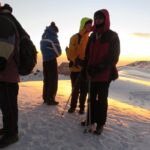
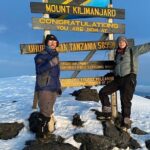
Once you reach Uhuru Peak, you’re rewarded with major views, and the plan calls out sunrise if weather allows. Then you descend after short summit memories.
A realistic expectation: this is the day where altitude management matters most. Walk gradually. Follow your guide’s pacing. If you ignore those instructions because you feel fine early on, you can still end up feeling awful later.
Day 7: Mweka Gate, certificates, and back to Moshi
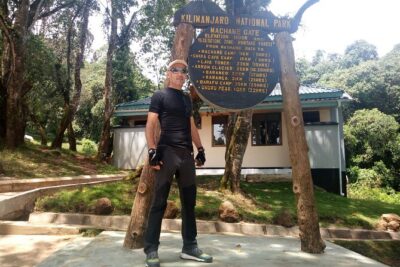
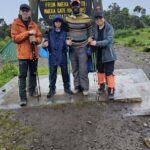
After breakfast, you descend to Mweka Gate, then sign out and receive your certificates. After that, the driver-guide takes you back to Moshi Town.
The plan notes a fun option: you can coordinate with your aide for a quick lager celebration with your group once you’re back in town. If you’re the quiet, soak-it-in type, you can also just head to your lodge and reset.
This final day is also your transition back to normal life. If you’re continuing on to Zanzibar or a safari afterward, this is when you shift gears and think about your next set of plans.
The mountain team: why support can make or break your week
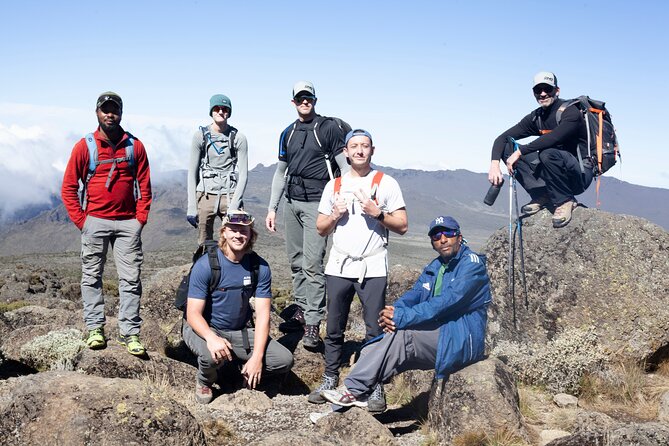
Kilimanjaro is a group sport, even when you’re walking alone in your own head. The guide is the key, and the tour includes a guide as part of the package.
From the glowing feedback pattern, the team composition is a big part of the positive experience: guides, porters, and cooks working together to keep the trek running smoothly. In particular, director Geoffrey is mentioned in reviews as handling questions and queries before the trip, which I think matters. When you feel organized on the front end, your stress stays lower once you’re on the mountain.
Also, support isn’t just about friendliness. It’s about logistics: tents being carried, food being set up, and the entire system working when you’re tired. The more smoothly that happens, the more energy you can spend on breathing and walking.
Camping comfort and food: tents provided, water realities included
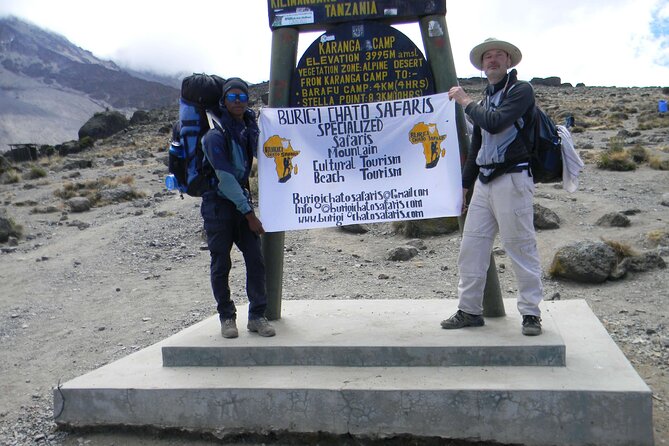
This trek is camping-based, and the big practical win is that tents are provided. That makes a difference in what you carry, and it reduces the “what if my gear breaks” anxiety.
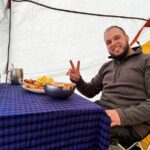
Food is also handled for you. Meal counts are included: 6 breakfasts, 7 lunches, and 6 dinners. That means you can plan on predictable fuel at predictable times, which helps when appetite changes with altitude.
One more detail that affects comfort: the plan notes no water for wash above 4000m. That’s not just annoying—it’s part of high-altitude realities. Don’t plan to feel like you’re in a hotel bathroom up there. Instead, treat personal comfort as “enough,” and put your energy into keeping your body warm and moving steadily.
Moshi after trekking: shopping, soft landings, and quick city fun
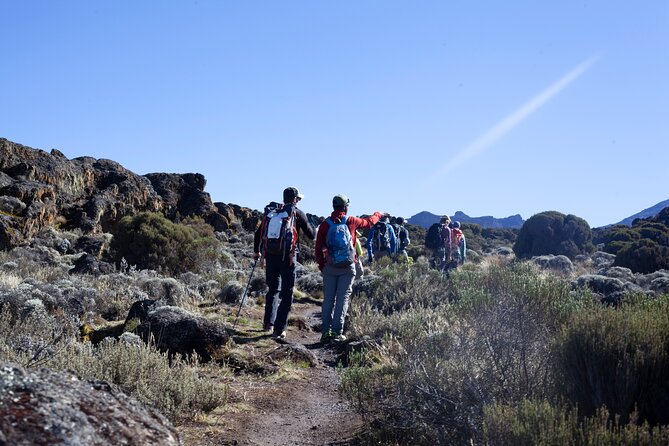
The last touchdown in Moshi can be more than just paperwork and a bus ride. The itinerary specifically mentions that once you’re back, you can arrange a small celebration with your group.
There’s also a bonus idea for your downtime: Moshi has market-style shopping that’s convenient after the trek. Reviews highlight Moshi as clean and set up for shopping with local markets and goods arranged in a practical way. One review also compares prices favorably versus Arusha, which matters if you’re trying to pick up gifts or small supplies without overpaying.
If you’re continuing to safari after Kilimanjaro, this is a smart buffer day to gather yourself and get your bearings again.
Should you book this 7-day Lemosho climb?
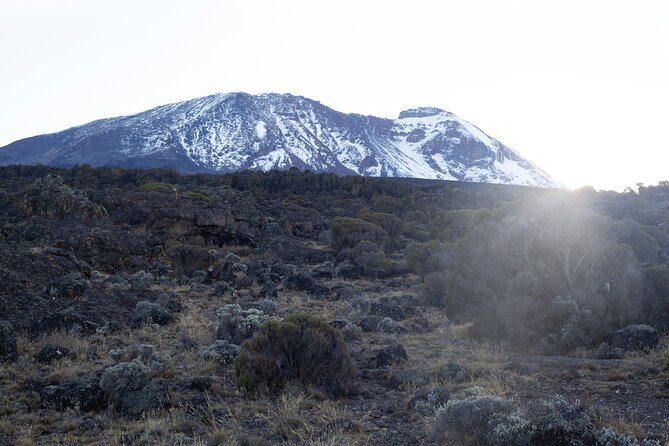
I’d say book it if you want a structured one-week plan with a route that includes an acclimatization step, and you value a package that covers the mountain essentials: guide, meals, tents, and transfers. At $965, the included park fees and the “food plus camping gear” setup are where the value comes from.
Don’t book it if you know you’re likely to ignore pacing advice, don’t handle cold well, or you need a guaranteed summit. Summit bids come with risk, and you should take altitude seriously from the first day.
If you do book, do these two things: pack light, and mentally commit to slow walking. The people who do best on Kilimanjaro aren’t the ones who feel fastest. They’re the ones who stay steady, listen early, and keep their effort controlled all the way to summit night.
FAQ
How long is the Kilimanjaro trek on the Lemosho Route?
The trek is approximately 7 days.
Where does the tour start, and what time does it begin?
It meets at Burigi Chato Safaris Co Ltd in Moshi, Tanzania, and the start time is 8:30 am.
What’s included in the tour price?
The package includes all fees and taxes, a guide, and meals (6 breakfasts, 7 lunches, and 6 dinners). It also includes camping gear (tents provided) and transfers from Moshi.
Are camping tents provided?
Yes. Tents are provided so you can pack light.
What’s not included in the price?
Not included: tipping the guide, visas, medical and travel insurance, local and international flight costs, airport pick up costs, and one night hotel accommodation before the tour.
What happens if weather is poor or plans change?
The experience requires good weather. If it’s canceled due to poor weather, you’ll be offered a different date or a full refund. Free cancellation is available up to 24 hours in advance for a full refund.