Want Barcelona views without the crowds? This Tibidabo hike takes you out of the city and up through Parc de Collserola to the Temple of the Sacred Heart of Jesus, with several smart stops along the way and photo windows that feel like a reward you earned.
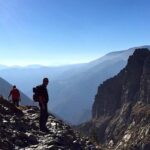
What I like most is the mix of forest time and clear city payoff. You’ll walk under trees that help take the edge off the climb, and the air smells like Mediterranean herbs like rosemary and thyme. Then you reach Tibidabo at 512 meters and get wide panoramas over Barcelona, the sea, and even mountains on clear days.
One consideration: you’re doing a continuous uphill climb for about 90 minutes. It’s described as moderate and accessible, but you’re still gaining roughly 300 meters over about 5 km, so go in with a realistic pace and good footwear.
In This Review
- Key Points That Make This Hike Worth Your Time
- Why Tibidabo Beats the Usual Barcelona Viewpoints
- Meeting at Baixador de Vallvidrera: How the Day Starts
- First Climb: Vil·la Joana and the Collserola Park Entrance Area
- Parc de Collserola: The Real Payoff Starts Here
- Collserola Tower Sightline: A Teeny Detour in Your Head
- Temple of the Sacred Heart of Jesus: The Big Views at 512 Meters
- Parc d’Atraccions Tibidabo: The Finish Includes More Than Views
- Snacks, Water, and Pace: What the 1.5–2 Hour Format Really Means
- Getting Back Down: Minibus and Train Connections
- How to Pick the Right Day for the Best Views
- Who This Hike Is For (and Who Might Skip It)
- Should You Book This Tibidabo Best-Views Hike?
- FAQ
- How long is the hike?
- Where does the tour start?
- What’s the difficulty level?
- Is the tour in English?
- Are snacks included?
- Do I have to pay to enter the Temple of the Sacred Heart?
- Is bottled water included?
- How many people are in a group?
- What happens if the weather is bad?
Key Points That Make This Hike Worth Your Time
- Parc de Collserola forest walk: shaded, calm, and very “away from traffic,” with Mediterranean plants like rosemary and thyme.
- Landmark stops without detours: Vil·la Joana, the park information center, then the Collserola Tower sightline.
- Tibidabo’s Temple viewpoint: big views from the top, plus an optional lift to reach the upper terrace for a higher photo angle.
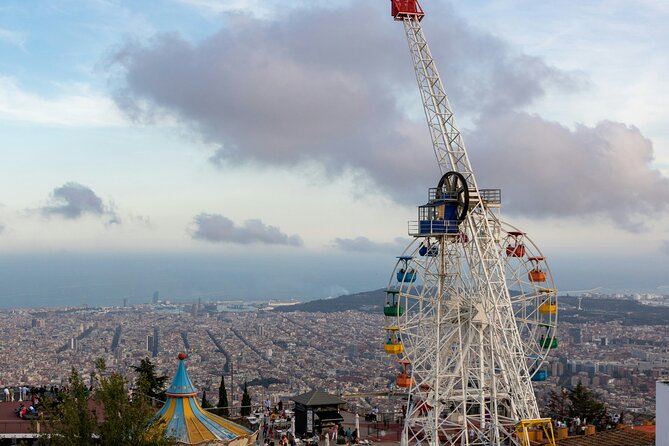
- Tibidabo amusement park finish: you stroll the upper area near the temple for iconic shots with the noria in the background.
- Small group feel (max 15): easier conversation with the guide and a more controlled pace on a route that keeps climbing.
- Guide support you can feel: Núria is praised for pacing, history, clear communication, and help getting back down.
Why Tibidabo Beats the Usual Barcelona Viewpoints
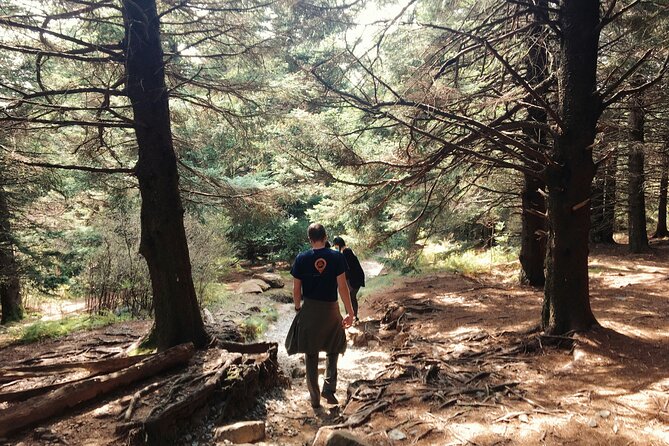
Barcelona has plenty of lookouts. Tibidabo is different. You don’t just “arrive at a viewpoint.” You earn it with a climb through Collserola’s forested slopes, where the city noise fades fast.
This route is also built for photos. You hit the Temple of the Sacred Heart of Jesus at the top, and Tibidabo’s upper area gives you more angles than one static terrace. On a clear day, people talk about seeing Montserrat far in the distance. Even if the sky’s not crystal-clear, you still get a strong sense of how Barcelona sits between the sea and the hills.
And because the hike is only about 1 hour 30 minutes to 2 hours, it fits into a normal travel day without stealing your whole afternoon.
You can also read our reviews of more hiking tours in Barcelona
Meeting at Baixador de Vallvidrera: How the Day Starts
You start at Baixador de Vallvidrera in the Sarrià-Sant Gervasi area (08017 Barcelona). The tour ends in a different location, and in practice you’re taken back down afterward—more on that later.
Before you go, think like a hiker for just a little while. This isn’t an all-flat city stroll. You’ll be walking roughly 5 km with about a 300-meter gradient. That’s why the time window matters: it’s listed as 1.5–2 hours total, with the uphill climb taking up most of that.
Two practical notes:
- Bring water. Bottled water isn’t included, and the route may not have places to refill.
- If you get snacky, pack a sandwich. Food is available at the top, but starting with something simple helps.
If you want a smoother start, link this hike to a day when you’ll be okay with changing light conditions. Clear days bring those mountain views; gray or wet weather can make footing less fun.
First Climb: Vil·la Joana and the Collserola Park Entrance Area
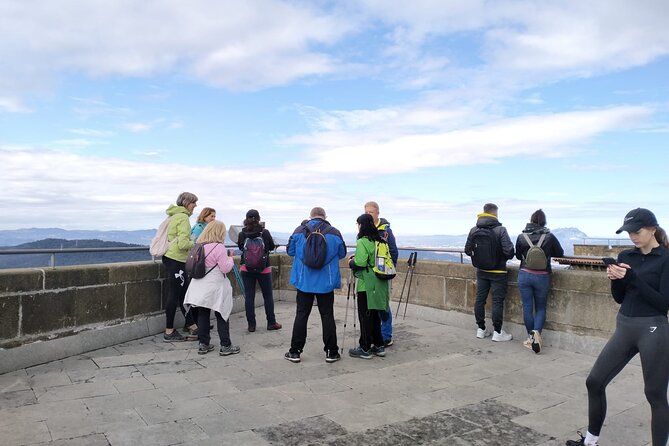
The climb begins from Vallvidrera and quickly turns into “history meets nature.” About 10 minutes after the start, you pass Vil·la Joana, a historic 19th-century farmhouse now converted into a museum about Jacint Verdaguer, one of the important poets of Catalan literature.
You don’t stop for a long visit there. But you do get the feel for how this area has layered meaning: rural Catalonia, then modern Barcelona spreading nearby. Even a quick pass can reset your mind from sightseeing to walking-through-place.
Within about 15 minutes of starting, you also pass the Collserola Natural Park Information Center. Again, you don’t stop for a formal break, but it signals that you’re entering a protected space with Mediterranean vegetation and biodiversity.
Why I like this early setup: it doesn’t force you into museum time. It frames what you’re about to experience—trees, herbs, and ridge views—right when you’re still warming up.
Parc de Collserola: The Real Payoff Starts Here
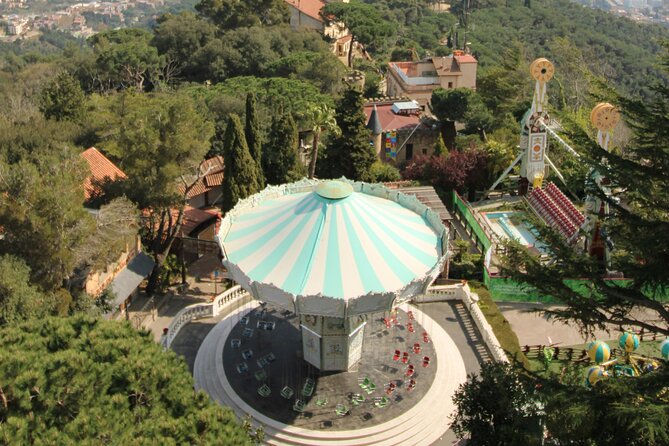
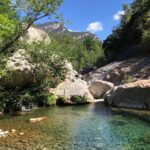
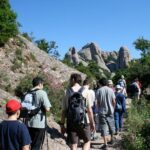
The heart of the hike is the walk through Parc de Collserola, described as a green lung of Mediterranean vegetation. Expect a charming path winding through the forest, with shade that makes the climb more comfortable.
This is the part that most people remember most clearly: the blend of quiet and sensory detail. The route is described with the scent of plants like rosemary and thyme, which sounds like a small thing until you’re standing under those branches and realizing you’re not thinking about schedules anymore.
Timing also matters here. This forest section is about 1 hour 30 minutes in the tour flow. That matches the tour’s overall shape: you’re working steadily upward for a good chunk of time, not doing a stop-start walk every few minutes.
One practical takeaway: treat it like a “controlled effort” hike. You don’t need to sprint. In fact, the guide’s pacing is part of the experience—Núria is specifically praised for keeping the hike well-paced and comfortable for different energy levels.
Collserola Tower Sightline: A Teeny Detour in Your Head
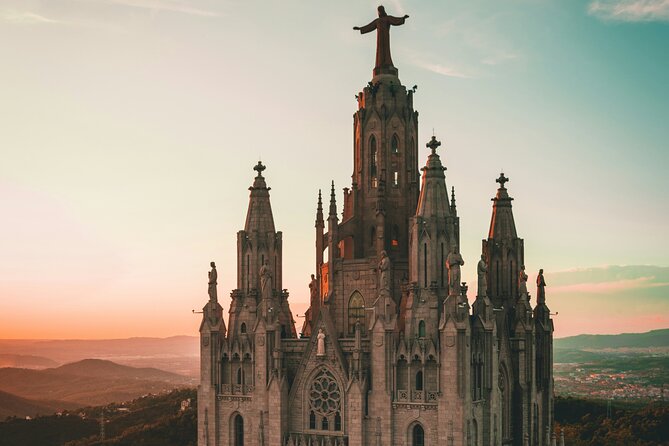
About 15 minutes before reaching Tibidabo, you pass by the Collserola Tower, designed by Norman Foster for the 1992 Olympic Games.
You don’t climb the tower. You just get a strong landmark view as you approach the top area. It’s a good contrast: engineered Barcelona next to deep green slopes. It also gives you a reference point if you’re trying to understand where you are and how the city works from above.
This stop is short on purpose, which keeps the overall hike from feeling like a bus tour with exercise attached. You get the cue, then you keep moving.
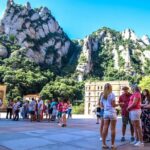
Temple of the Sacred Heart of Jesus: The Big Views at 512 Meters
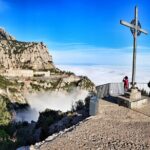
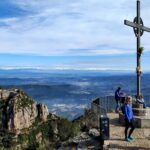
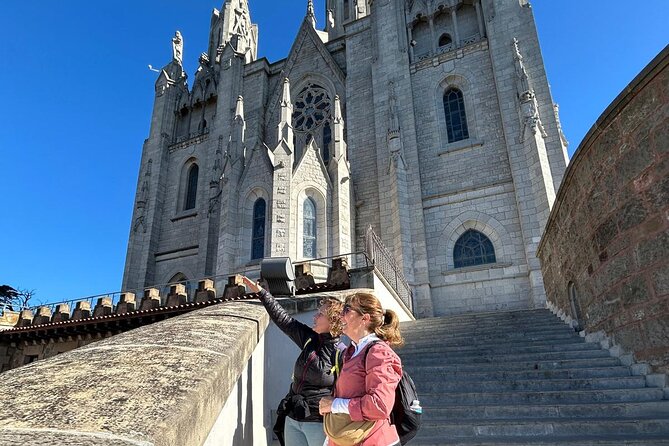
When you arrive at Tibidabo, you’re at 512 meters above sea level, and the Temple of the Sacred Heart of Jesus is the main photo moment. This temple mixes Gothic and Modernist styles, with construction beginning in 1902.
The viewpoint is what you’re here for: panoramic photos of Barcelona, the Mediterranean, and the mountains on clear days. People also mention that a sunny day really turns the experience into a standout memory—clear light makes the sea look closer and the distant peaks easier to pick out.
Inside the temple area, there’s an optional add-on: a lift ticket (€5 per person) to the upper terrace at 560 meters. From that higher point, you can access the feet of Christ for even more dramatic city angles.
Is it worth paying the extra €5? If you’re the type who loves getting higher than the crowd and wants that stronger “from above” perspective, yes. If you’re already happy with the main panoramic view, you can skip it and spend more time taking photos where you are.
Parc d’Atraccions Tibidabo: The Finish Includes More Than Views
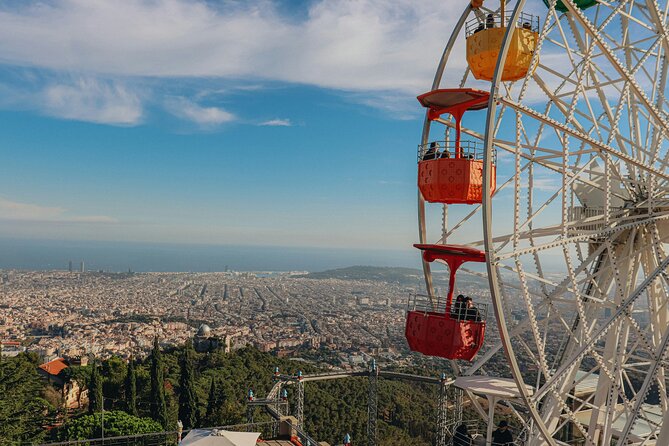
After the temple, the tour shifts to Parc d’Atraccions Tibidabo. You’ll walk freely through the upper level near the temple area, soaking in more angles where the city meets the sea and the forest fills the frame.
This is where you can get that iconic “Tibidabo vibe.” You might see the noria as a photo background element, which gives the place a playful contrast to the seriousness of the temple architecture.
A practical heads-up: there are no restaurants on site during this time window. But souvenir shops can sell snacks and hot and cold drinks, so you’re not stuck with only what you brought.
Also, the park itself is historically old—opened in 1901—so part of the charm is that you’re walking through a place that has been serving visitors for a long time, not a brand-new theme spot.
The tour time at the top is short (about 5 minutes in the itinerary flow), but the idea is that you’ll have enough freedom to look, snap photos, and feel the setting without rushing through a whole day at an amusement park.
Snacks, Water, and Pace: What the 1.5–2 Hour Format Really Means
Price for this tour is $36.09 per person, and the structure gives you good value if you care about guided context plus exercise.
Here’s what you’re getting for the money:
- A guided hike through Collserola with multiple context stops
- Typical Catalan snacks offered during the walk
- Temple and park area admissions are described as free in the tour flow (the lift to the upper terrace is an optional extra €5)
- A small group size, up to 15 travelers, which helps keep the hike organized
What you should plan for yourself:
- Bring water in your backpack.
- If you’ll want a fuller meal feel later, bring a sandwich. You can buy food at the top, but the walking time isn’t long enough to assume a full restaurant stop will fit.
Pacing: the hike includes a continuous climb for about an hour and a half. Still, multiple guide-focused reviews mention it as manageable, even for people not in top shape and for families with kids. The key is the guide’s rhythm—Núria is praised for maintaining a steady pace and helping people feel safe and comfortable.
One more small but important travel detail: the tour is offered in English, and you use a mobile ticket.
Getting Back Down: Minibus and Train Connections
Hiking up is one thing. Getting down without stress is another, and that’s where this tour scores points.
You’re guided back after reaching Tibidabo. In one detailed account, the group is taken down by minibus to the Tibidabo Funicular, and then onward to the train station so you can continue your day.
This matters because downhill can be harder than uphill when your legs get tired. Having a plan helps you keep the day enjoyable rather than turning it into a navigation problem.
If you’re planning other parts of your itinerary afterward, give yourself a little buffer for this transition time.
How to Pick the Right Day for the Best Views
This experience works best when weather cooperates. It’s listed as requiring good weather, and if it’s canceled due to poor weather, you’ll be offered another date or a full refund.
So what should you do as a smart planner?
- If you’re chasing mountain views like Montserrat, prioritize a day with clearer skies.
- If you’re sensitive to slick footing, choose a drier day. Even on a wet day (not pouring), people note things like fallen branches and how the guide handled the moment—but you’ll be happier if the ground is straightforward.
Time of day can also change your photos. One review specifically calls out that evening is the best time for the sparkling city light feeling. That’s not a guarantee for every departure time, but it’s a good clue: if you have options when booking, late-day light is often the sweet spot for skyline photos.
Who This Hike Is For (and Who Might Skip It)
This tour fits best if you want:
- A guided hike that lasts under 2 hours
- City views with a nature walk feel
- History sprinkled in, without turning the day into a museum marathon
- Support and pacing from a guide (Núria gets repeatedly praised for clarity and helpfulness)
It also seems to work well for a range of travelers, including solo travelers and families. One review highlights that kids (ages 11 and 13) loved it because it stayed peaceful and didn’t turn into an obstacle-course hike.
Who might skip it? If you know you struggle with sustained uphill effort—even at a moderate level—this won’t be the easiest day on your legs. The route gain is meaningful: about 300 meters over roughly 5 km.
Should You Book This Tibidabo Best-Views Hike?
If you want the best views of Barcelona, but you don’t want to ride a bus and forget the rest of the day, I’d book this.
It’s a smart “exercise plus payoff” combo. The forest portion gives you a real break from city streets, and the Temple of the Sacred Heart is a strong, photo-friendly reward at 512 meters. Then Parc d’Atraccions adds a little fun without eating your whole schedule.
I’d especially recommend it if:
- You’re short on time in Barcelona but want a mountain viewpoint
- You like guided explanations and don’t want to figure out every turn alone
- You value small-group pacing and clear guidance (Núria’s communication and help getting down are highlighted again and again)
If you’re likely to struggle with a continuous climb, go in prepared. Good shoes, water, and a realistic pace matter more here than chasing speed.
FAQ
How long is the hike?
It lasts about 1 hour 30 minutes to 2 hours.
Where does the tour start?
The meeting point is Baixador de Vallvidrera, Sarrià-Sant Gervasi, 08017 Barcelona, Spain.
What’s the difficulty level?
It involves moderate hiking with a continuous climb for about an hour and a half, covering about 5 km with a 300-meter gradient.
Is the tour in English?
Yes, the tour is offered in English.
Are snacks included?
Yes. Typical Catalan snacks are offered during the tour. You should also bring water, and a sandwich if you get hungry.
Do I have to pay to enter the Temple of the Sacred Heart?
Admission to the Temple area is described as free in the tour flow. There is an optional lift ticket to the upper terrace at 560 meters for €5 per person.
Is bottled water included?
No. Bottled water is not included, and you should bring your own bottle since sources may not be available.
How many people are in a group?
The tour has a maximum group size of 15 travelers.
What happens if the weather is bad?
The experience requires good weather. If it’s canceled due to poor weather, you’ll be offered a different date or a full refund.
—
If you tell me when you’re visiting Barcelona (month + whether you prefer mornings or late afternoon), I can help you choose a day/time that best fits the light for those Tibidabo panoramas.