REVIEW · QUEENSTOWN
Tasman Glacier Heli-Hike Tour from Queenstown
Book on Viator →Operated by True South Flights · Bookable on Viator
Crampons on, glacier ahead, helicopter overhead. This Tasman Glacier heli-hike blends helicopter access and an ice-cave hike you can’t match from a viewpoint, with a guided glacier experience built for your actual feet, not just your camera. The one real consideration: the tour depends on good weather, so you’ll want a flexible day.
I like that the day is structured so you spend most of it where it matters. You get airport-style safety briefings, professionally provided gear (boots, crampons, and glacier safety equipment), and a proper professional mountaineering guide leading you for about two hours on the ice. Your small-group size also helps you feel like a person, not a number.
You’ll also want to be comfortable with English. Safety instructions are given in English only, and you’ll need to understand them (or be with a translator). Plan for that, and the rest of the logistics click into place smoothly.
In This Review
- Key things that make this heli-hike work
- From Queenstown to the ice: how the day flows
- The fixed-wing flight to the Mt Cook area: scenery with structure
- Helicopter to Tasman Glacier: the short flight that changes everything
- Two hours on the ice: crampons, caves, and controlled adventure
- Pace and fitness reality check
- A practical tip for comfort
- Safety and guiding: what you can expect once you’re suited up
- Lunch, timing, and what to pack for a 6-hour glacier day
- Price and value: what you’re really paying for
- Who should book this and who should rethink it
- Should you book the Tasman Glacier heli-hike from Queenstown?
- FAQ
- What time does the Tasman Glacier heli-hike tour start?
- How long is the tour?
- Is pickup from Queenstown accommodations included?
- What’s included for the glacier hike?
- Do I need to bring lunch?
- Are there weight limits?
- Is the tour dependent on weather?
Key things that make this heli-hike work
- Two-aircraft approach, not just a helicopter ride: a fixed-wing scenic hop to the glacier region, then a helicopter land-on-glacier transfer.
- A real glacier hike with real footing: you’ll have crampons and guided movement on snow and ice, not a quick walk-by.
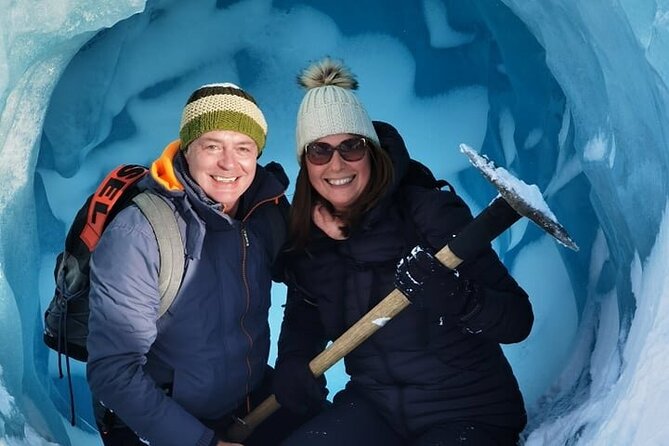
- About 2 hours on Tasman Glacier: time on the ice is long enough to actually explore ice formations and caves.
- Professionals handle the risk: you get glacier safety equipment and mountaineering guidance.
- Small group size (max 11): it keeps the experience controlled and easier to manage on the ice.
- English-only safety briefing: this matters more than you’d think once you’re gearing up and listening for instructions.
From Queenstown to the ice: how the day flows
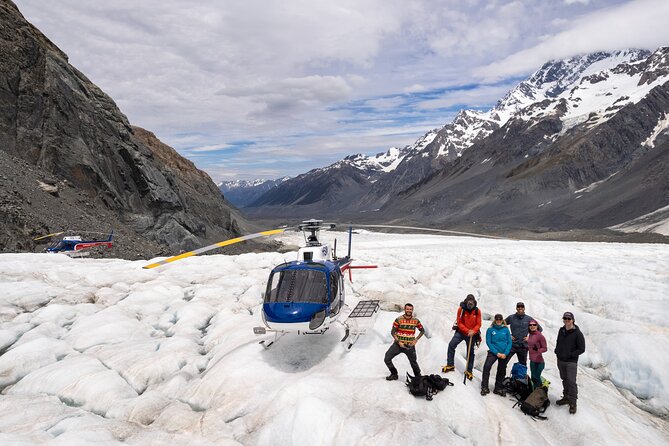
This tour is built around one simple idea: minimize travel time and maximize time on the glacier. You start in Queenstown at 8:00 am, with pick-up offered from central accommodations, and transfers that bring you to the departure terminal area. You’ll return to the same meeting point at the end of the activity, so you’re not scrambling to figure out transport when you’re cold, tired, and buzzing from the day.
The day runs about 6 hours, which is long enough to feel like a full adventure but short enough to fit into most South Island itineraries. The pace is also intuitive: first you’re in “watch and listen” mode in the air, then you switch into “put on gear and follow the guide” mode once you’re on the ice.
You can also read our reviews of more hiking tours in Queenstown
The fixed-wing flight to the Mt Cook area: scenery with structure
Before you ever step on snow, you’ll fly from Queenstown on a scenic round-trip fixed-wing flight between Queenstown and Mt Cook. This segment matters even if you think the helicopter is the headline.
Here’s why: the plane portion is where you get broad views of the Southern Alps, plus the kind of route narration that helps the whole glacier day make sense. Many people specifically highlight pilots like Luke or James for giving clear points of interest during the flight, which makes the scenery feel connected instead of random.
Also, the fixed-wing segment keeps the day efficient. Instead of driving through mountain roads and losing hours to logistics, you’re already near the action when it’s time to go up and land. If you’re the type who hates long transfers and loves time on the ground, this is a smart design.
Helicopter to Tasman Glacier: the short flight that changes everything
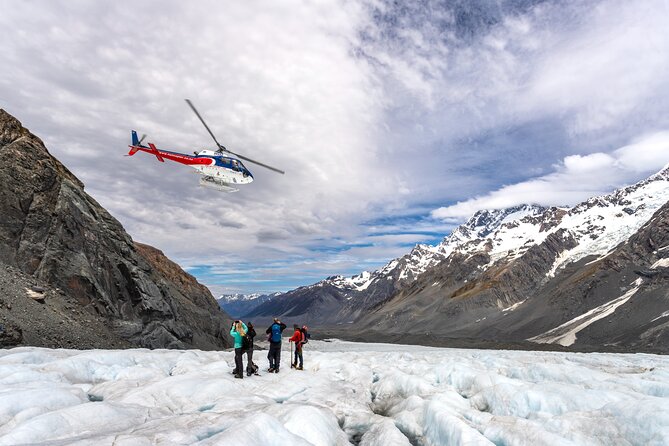
Then you switch to helicopter, flying up to a landing point high on the glacier. This is where the experience stops being “seeing a glacier” and becomes “being in the glacier world.”
The helicopter transfer is the moment you’ll feel in your stomach even if you’re not a nervous flyer. It’s quick, direct, and purpose-built: drop-off at an ice landing site instead of a long hike from the road. That’s why this tour is such a strong value for what you get. You’re paying for access that’s basically impossible to replicate with normal trail access.
People often mention the ride itself as a huge part of the day, especially when the weather cooperates. One theme you’ll notice across happy comments is that the helicopter view makes you realize the glacier isn’t a single photo-worthy slab. It’s a living system of ice features that shift and reshape over time.
Two hours on the ice: crampons, caves, and controlled adventure
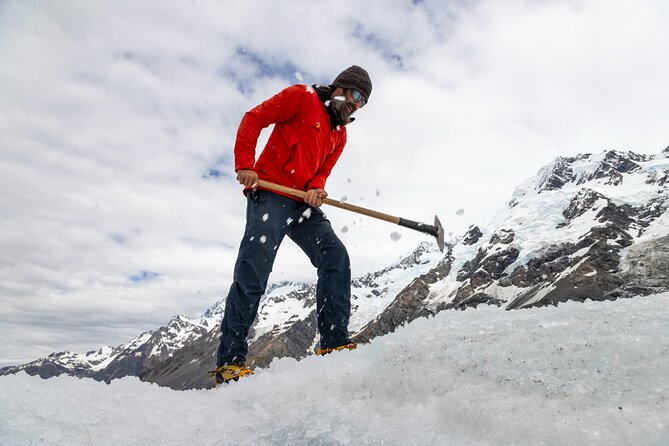
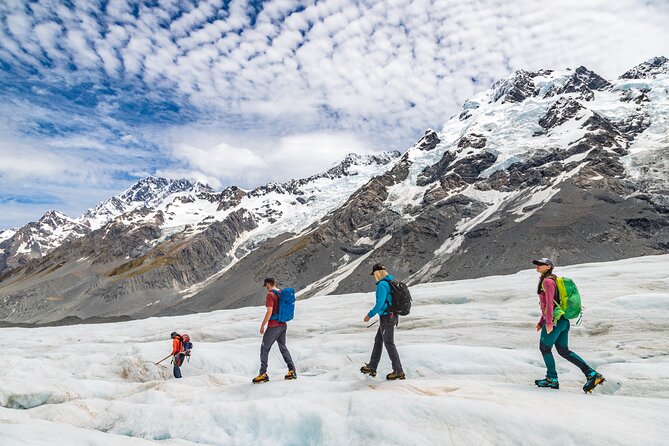
Once you’re on Tasman Glacier, you’ll get about two hours on the ice. This is the heart of the tour, and it’s also where the gear list becomes more than “extras.”
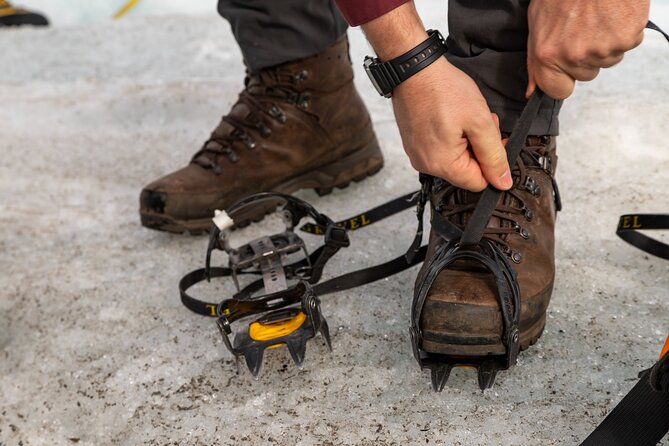
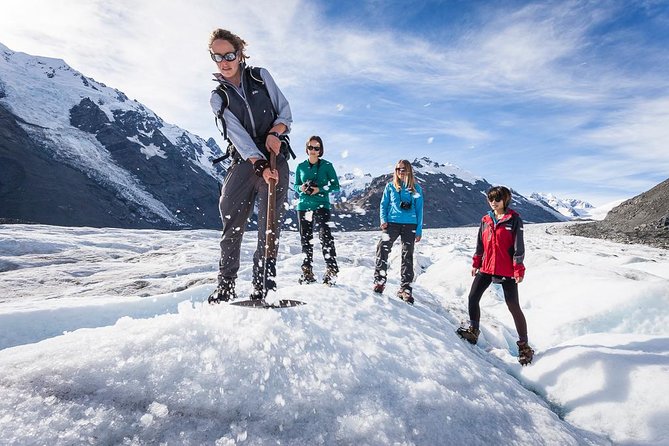
You’ll be provided hiking boots and crampons, plus all glacier safety equipment. Your guide will walk you through safety instructions and how to move safely on ice. You’ll hear setup advice on things like attaching crampons properly and what to do when a helicopter is near—small moments that make a huge difference once you’re standing on uneven ice.
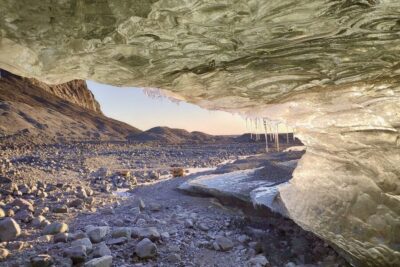
What do you actually do during that glacier time? You explore deep areas of the glacier and see ice caves and natural features that aren’t accessible any other way. Several comments mention ice structures and cave spaces feeling like another planet. You may find yourself stopping often to look, listen, and understand what you’re seeing, because the glacier isn’t just blue ice—it’s a changing environment with its own rules.
Pace and fitness reality check
The tour lists a moderate physical fitness level. That doesn’t mean you need to be a mountain athlete, but it does mean you should be prepared for:
- standing and walking on snow/ice with traction
- moving carefully during cave exploration
- keeping balance in colder, slippery conditions
If you’re used to hiking, you’ll probably adapt fast. If you’re returning from a sedentary stretch, give yourself a couple days to get back into walking rhythm before you go.
A practical tip for comfort
Bring layers you can manage quickly. The equipment is provided, but your comfort is still your job—warm base layers, a jacket you can seal up, and gloves you’re confident wearing. If you’re prone to motion sickness on flights, bring whatever helps you normally. You’ll have multiple air segments in one day.
Safety and guiding: what you can expect once you’re suited up
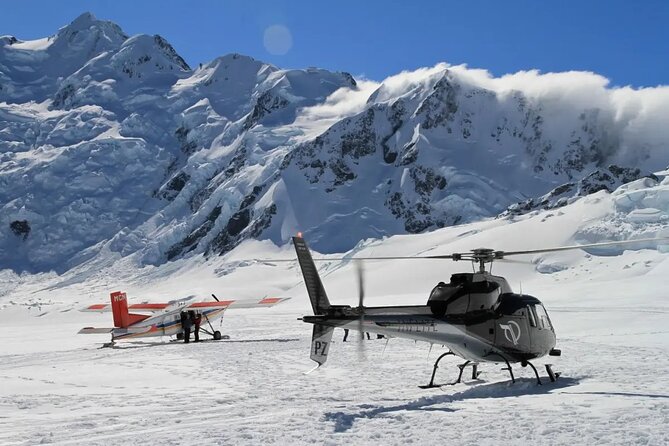
This is a guided glacier hike with a professional mountaineering guide. That matters because glacier travel is not just about looking brave. It’s about knowing where to place your weight, how to move between ice surfaces, and how to respond if conditions shift.
Two key points from the way this operation runs:
- You’ll get glacier safety gear, not just crampons.
- Guides provide safety instructions in English only.
That English-only note is easy to overlook when you’re excited about the helicopter, but it’s crucial. If English isn’t your strongest language, plan for a translator in advance or choose an alternative where instructions are offered in a language you understand well.
People also specifically mention guide styles that feel calm and supportive—names like Scott, Sam, Emma, Chris, Matt, and others come up as folks who keep the group moving in a safe way and show cool cave spots. Even when conditions are perfect, your guide’s job is to manage pace, footing, and timing so you get the best experience without rushing.
Lunch, timing, and what to pack for a 6-hour glacier day
Lunch isn’t included. Time is limited, and it’s specifically noted that you should bring your own food and snacks while in the Mt Cook area.
That’s a bigger deal than it sounds. After hours in cold air and then working your legs on ice, you’ll want quick energy. Pack snacks you can eat without fuss, plus water you can manage in winter conditions. If you’re traveling with dietary needs, keep it simple and bring what you know you’ll actually eat.
Also, think about your timing and senses. You’ll likely be taking photos and looking around. Then you’ll be gearing up quickly. Then you’ll be moving carefully on ice. Having a snack plan helps you avoid the hangry, shaky moment that ruins what could have been a great part of the day.
Price and value: what you’re really paying for
At $1,178.47 per person, this isn’t a casual add-on. The value question is really: what does that price buy you that you can’t do yourself?
It buys you:
- scenic round-trip fixed-wing flight between Queenstown and the Mt Cook area
- the helicopter transfer to a glacier landing site
- guided glacier hike of about 2 hours
- a professional mountaineering guide
- hiking boots, crampons, and all glacier safety equipment
- transfers between central Queenstown accommodations and the departure terminal
That package is why this feels worth it to many people. You’re paying for access (the helicopter land-on-glacier part), for safety support (gear and glacier systems), and for expertise (a mountaineering guide) all in one controlled schedule.
Could you spend less by going to a glacier viewpoint? Sure. But that’s not the same day. Here, you’re not just staring at the ice—you’re on it, with traction, with caves to explore, and with experts managing the risk. If glacier hikes are high on your list, this is one of the cleanest “time-to-experience” options you’ll find in the South Island.
Who should book this and who should rethink it
This tour is best for people who want a serious glacier experience but don’t want to earn access the hard way. You’ll likely enjoy it most if:
- you have moderate fitness and can walk carefully for a couple hours on ice
- you can follow safety instructions in English
- you want a day that feels like adventure, not just sightseeing
- you appreciate small-group handling (max 11)
You should rethink if:
- you’re not comfortable with the physical demands of walking on snow and ice with crampons
- you can’t understand English safety instructions
- you’re traveling in a tight weather schedule with no flexibility
There are also child and weight restrictions. The max weight listed is 150 kg (331 lbs) per traveler. If you’re close to the limit or traveling with kids, check requirements before you commit.
Should you book the Tasman Glacier heli-hike from Queenstown?
I think you should book it if glacier walking is on your South Island “must” list and you can handle the weather gamble. When conditions are good, this is the kind of day that changes how you understand the mountains: you stop thinking of glaciers as postcards and start seeing them as dynamic icy worlds.
You might skip or choose a different option if you hate uncertain weather plans, or if English-only safety instructions would be a problem for you. And if you’re looking for a relaxed stroll, this is not that. It’s active, cold, and guided for a reason.
If you want the highest chance of feeling awe for the right reasons—ice caves, caves you can’t reach by foot from a roadside, and experts running the show—this is a strong pick.
FAQ
What time does the Tasman Glacier heli-hike tour start?
The start time is 8:00 am. The activity ends back at the meeting point.
How long is the tour?
The tour duration is listed as about 6 hours.
Is pickup from Queenstown accommodations included?
Yes, transfers between central Queenstown accommodations and the departure terminal are included, and pickup is offered.
What’s included for the glacier hike?
You’ll get hiking boots, crampons, and all glacier safety equipment, plus a professional mountaineering guide and a guided glacier hike (about 2 hours).
Do I need to bring lunch?
Yes. Lunch isn’t included, and time is limited around Mt Cook, so you should bring your own food and snacks.
Are there weight limits?
Yes. The maximum weight is listed as 150 kg (331 lbs) per traveler.
Is the tour dependent on weather?
Yes. The experience requires good weather. If it’s canceled due to poor weather, you’ll be offered a different date or a full refund.