REVIEW · CAPE TOWN
Skeleton Gorge to Table Mountain summit
Book on Viator →Operated by Hike Table Mountain · Bookable on Viator
Table Mountain is famous for shortcuts, not slow time. This guided climb takes you up the eastern slopes instead, where the mountain feels wilder and more personal than the usual cable-car approach.
What I like most is the small group limit of 7, which keeps things calm and allows the guide to help with footing and pacing. I also like that you learn as you walk, with the route passing through indigenous forest and even a small beach near the reservoirs—Table Mountain with variety, not just altitude. One consideration: this is a mountain climb, with uneven sections and some scrambling, so you’ll want decent sure-footedness.
In This Review
- Key takeaways
- Why this Table Mountain climb starts at Kirstenbosch
- The route: forest, reservoirs, a beach, then the tabletop summit
- What makes each phase feel worth it
- Scrambling reality check: moderate fitness still means uneven ground
- Small group (up to 7) and why it changes the climb
- Expert mountain guiding: what you’ll actually gain on the trail
- Views on the highest point and across the plateau
- Price and value: what $115.44 buys you
- Weather matters on Table Mountain: wind can reroute the day
- What to pack (and what to skip)
- Who should book this hike, and who should choose differently
- Should you book this Skeleton Gorge to Table Mountain summit hike?
- FAQ
- How long is the hike?
- What time does the tour start?
- Where does the hike begin?
- How many people are in the group?
- Does the route include a summit and the tabletop area?
- What’s included in the price?
- Are snacks included?
- What fitness level do I need?
- What happens if the weather is poor?
- Where does the tour end?
Key takeaways
- Max 7 people means more attention on route-finding and pacing
- Kirstenbosch start gives you a smooth lead-in before the climb
- Indigenous forest + reservoir beach keeps it interesting all the way up
- Scrambling and uneven ground are part of the experience
- Wind and weather can change plans, so stay flexible
Why this Table Mountain climb starts at Kirstenbosch
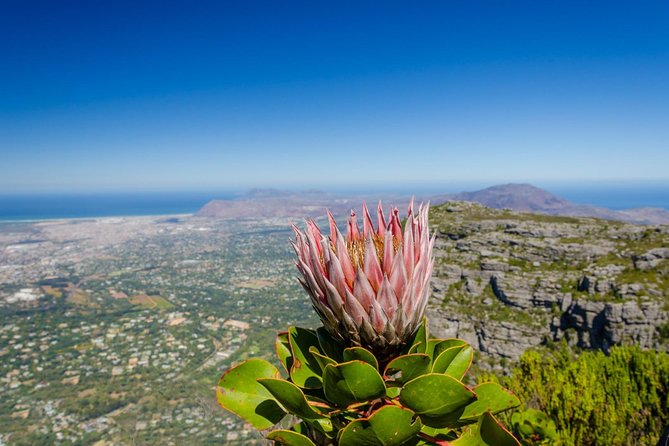
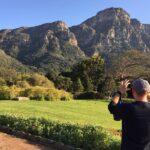
Kirstenbosch Botanical Gardens is a smart place to begin because it sets the tone right away: this isn’t just about getting to the top. You start with nature that’s designed to help you notice plants, shapes, and textures—then the hike gradually turns more rugged as you head into Table Mountain National Park.
Starting here also means you’re not diving straight into steep rock without context. You get a guided progression from the garden area into the mountain’s more rugged world, so you’ll feel less rushed and more ready when the grade increases.
And since the hike is guided, it’s not just a workout. You’ll have someone who can explain what you’re walking through, from indigenous forest features to how the route relates to Table Mountain’s formation and access points.
You can also read our reviews of more tours and experiences in Cape Town.
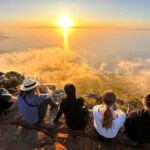
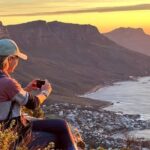
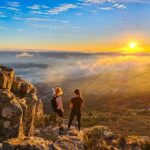
The route: forest, reservoirs, a beach, then the tabletop summit
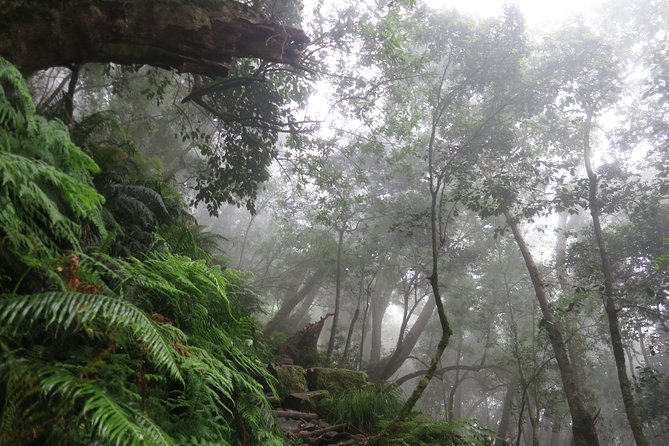
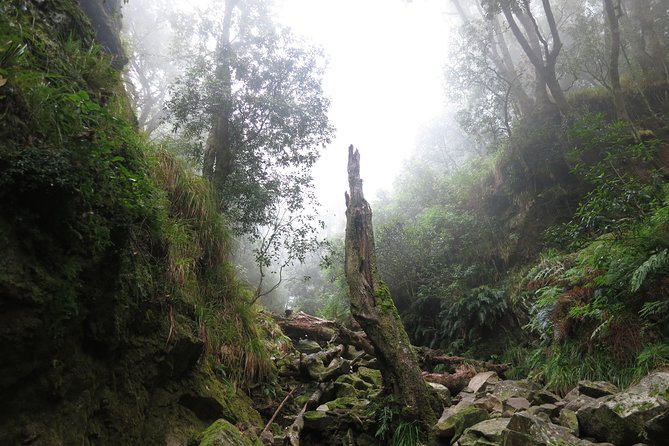
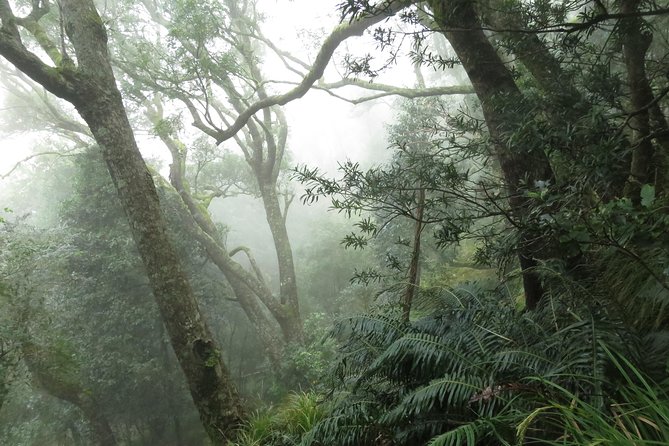
The climb runs up the lush eastern slopes of Table Mountain, with a first stretch through indigenous forest that can feel surprisingly jungle-like. This is the part where you slow down naturally because it’s shaded, rooted, and full of details.
As you keep going, the trail brings you past a small beach near historical reservoirs. It’s a neat curveball on a mountain hike: you’re moving upward, but the environment briefly includes shoreline-like views and a different set of textures and air.
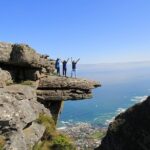
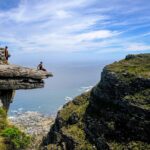
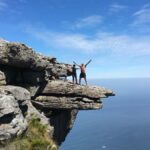
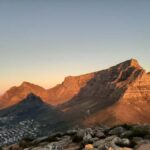
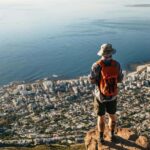
Then you reach the highest point on Table Mountain, topping out before traversing along the famous tabletop summit toward the upper cable station. That final section matters. It’s not just “stand at a summit and take photos.” You’re moving across the plateau, which helps you feel like you’re actually touring the mountain—step-by-step, not just arriving.
What makes each phase feel worth it
The forest phase pays off if you enjoy walking with your eyes open. You’ll be less focused on time and more on plants and terrain.
The reservoir-beach moment breaks the monotony. It also gives you a quick change in perspective, so when you later look back, it feels like the whole climb has been a sequence of different ecosystems.
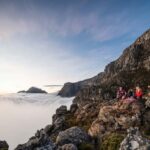
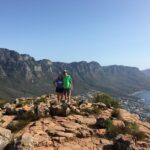
The tabletop summit phase is where you get the classic Table Mountain effect: broad views, big sky, and that “you’re really up here” feeling.
Scrambling reality check: moderate fitness still means uneven ground
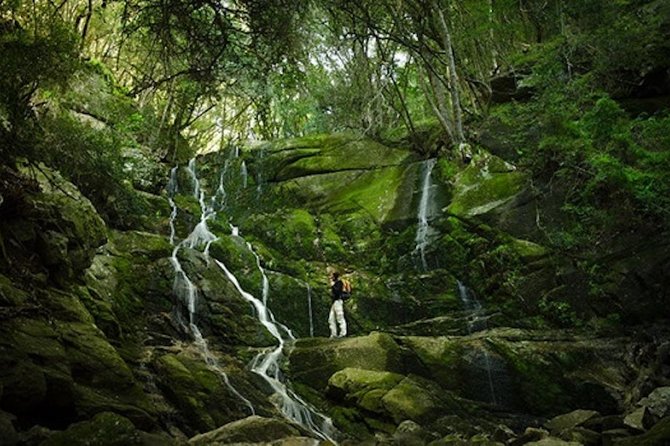
This hike is timed at about 4 hours, but the bigger factor is how the trail feels underfoot. One review summed it up well: this is a mountain climb, not a relaxed stroll.
Expect uneven ground and sections that may involve scrambling. That means you’ll need good balance more than brute strength. If you’re used to well-maintained city walking, you might be fine for distance—but you’ll still want to respect the rocks and roots.
A practical way to judge it: ask yourself if you’re comfortable stepping on irregular surfaces and adjusting your footing without getting flustered. If yes, you’ll likely find the experience fun and challenging. If no, consider a gentler option.
Also, the pace is guided. You’re not doing this solo, which helps. A competent guide can manage where you place your steps and how long you spend on the trickier bits.
Small group (up to 7) and why it changes the climb
Small-group hiking isn’t just a nice-to-have. It affects your entire experience on a mountain.
With a maximum of 7 people, you’ll get more feedback on where to put your feet. You’re also less likely to get stuck in a long line that forces you to rush. Instead, you can keep a steady rhythm, which is a huge deal when you’re tired and the trail gets uneven.
It also makes the talk-time feel useful. This isn’t generic “history talk.” The guide is focused on the plants and surrounding features you pass, so the explanations fit the terrain you’re standing in.
And if wind or conditions make a section risky, smaller groups are easier to manage and reroute quickly. That matters because Table Mountain weather can shift fast.

Expert mountain guiding: what you’ll actually gain on the trail
The hike includes a qualified, highly-experienced, knowledgeable mountain-guide—and that shows up in how you move and what you notice. In one standout review, the guide named Riaan came across as seriously invested in both knowledge and safety. That kind of approach matters when you’re near exposed areas or on sections that require careful footing.
You’ll also get practical guidance for the moment-to-moment hiking experience. For example: where to slow down, when to look for stable steps, and how to keep moving without burning energy too early.
On top of that, you’re learning as you go. The route’s through indigenous forest, and the guide’s explanations can make those plants feel less like background and more like part of the hike itself. If you enjoy “why this plant?” and “what makes this area different?” you’ll likely find that time moves faster.
Views on the highest point and across the plateau
Reaching the highest point on Table Mountain is the obvious goal, but the better part is what comes right after. Instead of stopping and turning around immediately, you continue across the length of the tabletop summit toward the upper cable station.
That traverse helps your brain understand the mountain’s shape. You get a sense of openness and distance that you don’t always get from a single lookout.
Your ability to enjoy it will depend on weather, especially wind. Table Mountain can be dramatic—clear one moment, gusty the next. If conditions are good, you’ll feel like you’ve earned the views through steady work.
Price and value: what $115.44 buys you
At $115.44 per person, you’re paying for more than a route map. Here’s what you’re really buying:
- A guided climb with a competent mountain guide
- A small-group format (max 7)
- Access that includes a free admission ticket for the hike area (the itinerary notes admission ticket free)
- A structured route that moves from Kirstenbosch into Table Mountain National Park and onward toward the upper cable station
Is it cheap? No. But it’s not overpriced for what you get, especially if you compare it to the cost of figuring everything out alone. The guide’s role isn’t just storytelling—it’s pacing, safety choices, and making sure you can handle the terrain.
One thing to plan for: snacks are not included. So if you’ll need energy after 90 minutes or during the last push across the plateau, bring something you know you can eat comfortably while hiking.
Weather matters on Table Mountain: wind can reroute the day
This experience requires good weather. That’s not a casual note—it’s essential to how the hike happens.
On windy days, the plan can shift. One review described a change to the Lions Head Trail because of inclement wind gusts. The important takeaway for you is this: don’t assume every day runs the exact same way to the highest point. The goal is still a safe, worthwhile hike, but the route may adjust to match conditions.
Also, the hike is designed with real mountains in mind, not just casual sightseeing. If it’s gusty, exposed stretches can feel harder and more tiring. Flexible people do best here.
If the hike gets canceled due to poor weather, you’ll be offered a different date or a full refund. That’s reassuring, because it means you’re not stuck gambling with lost money if the mountain won’t cooperate.
What to pack (and what to skip)
Since snacks aren’t included, pack light but smart. You’ll likely want:
- Water (you’ll burn it faster than you think on the climb)
- A small snack you tolerate while moving
- Comfortable hiking shoes with grip for uneven ground
- Sun protection, because the plateau can be exposed
Also, dress for changing conditions. Even if the day starts mild, the higher you go the more wind and temperature swings can matter.
If you’re prone to getting cold when you stop moving, bring a light layer. It’s easier than trying to “tough it out” once you’re up on the tabletop areas where wind can keep you moving or keep you shivering.
Who should book this hike, and who should choose differently
This is a great match if you want Table Mountain without the cable-car feeling. You’ll get a grounded hike through indigenous forest, a surprising reservoir beach moment, and a real summit push.
Book it if you like guided nature walks and you enjoy learning while walking. It’s also ideal if you prefer smaller groups and appreciate safety-focused guidance.
Consider skipping it if you want a simple, low-scramble experience. This climb includes uneven terrain and some scrambling, so people who want an easy walk will probably find it stressful rather than fun.
Should you book this Skeleton Gorge to Table Mountain summit hike?
I’d book it if you want a guided mountain experience with variety and enough challenge to feel like you earned the views. The small group size (max 7), the guided explanations, and the route’s mix of forest, reservoirs, and plateau traversal make this more than a single-photo summit.
I’d think twice if your idea of hiking is smooth paths and zero scrambling. If that’s you, the terrain could feel like more work than you want.
If you’re in good shape and you’re comfortable with uneven ground and potential wind-related route changes, this is a strong way to experience Table Mountain in a way that feels close to the mountain itself.
FAQ
How long is the hike?
It’s about 4 hours.
What time does the tour start?
The start time is 8:00 am.
Where does the hike begin?
It starts at FynkosGate 2 Kirstenbosch Botanical Gardens, Rhodes Drive, Newlands, Wynberg, Cape Town, 7700, South Africa.
How many people are in the group?
The maximum group size is 7 people.
Does the route include a summit and the tabletop area?
Yes. You’ll top out at the highest point on Table Mountain and then traverse the tabletop summit toward the upper cable station.
What’s included in the price?
The tour includes a qualified, highly-experienced, competent, knowledgeable mountain-guide.
Are snacks included?
No, snacks are not included.
What fitness level do I need?
You should have a moderate physical fitness level.
What happens if the weather is poor?
The experience requires good weather. If it’s canceled due to poor weather, you’ll be offered a different date or a full refund.
Where does the tour end?
It ends back at the meeting point at Kirstenbosch Botanical Gardens.