REVIEW · HILO
Hawaii’s GOAT Experience: Mauna Kea Summit, Sunset & Stars
Book on GetYourGuide →Operated by hawaii island holidays · Bookable on GetYourGuide
Mauna Kea turns a normal evening into starlight. This guided sunset-and-stars trip takes you up to the highest point in the Pacific, where you’ll bundle up, sip something warm, and watch a sky full of planets and constellations open up. I love the sunset from the summit and the way the night gets explained—then shared back to you with guide-taken photos afterward. One thing to plan around: weather can change fast, and the summit road can close without warning.
What I like most is that you’re not just standing around. You get snacks and hot chocolate while your guide talks Hawaii and what’s worth looking for, and you also get a chance to use a telescope for close-up views when conditions allow. That combo makes the night feel guided but still personal, especially when the Milky Way pops.
The main drawback is simple: it gets very cold at high elevation, and the ground can be uneven or rocky. If you’re not comfortable walking in wintery conditions (even if you’re coming from beach weather in Hilo), this trip might feel like a fight instead of a treat.
In This Review
- Key Things You’ll Remember From Mauna Kea Summit Sunset & Stars
- Mauna Kea Summit Sunset: What Makes This Evening Different
- Getting Up to the Summit Without the Headache
- Stop at Mauna Kea: Telescopes, Science, and a Sense of Scale
- The Star Show: Hot Chocolate, Planets, and Telescope Time
- Your Guide: The Difference Between Seeing It and Getting It
- What You’ll Actually Do at Each Moment of the Night
- Cold, Walking, and Altitude: Your Real Checklist
- Weather and Summit Access: The Honest Reality
- Price and Value: Is $289 Worth It?
- Who Should Book, and Who Might Skip
- Should You Book This Mauna Kea Summit Sunset & Stars Tour?
- FAQ
- How long is the Mauna Kea Summit Sunset & Stars experience?
- Where do pickup and drop-off happen?
- What is included in the tour price?
- Do you get to use a telescope?
- Are summit conditions guaranteed?
- What should I bring?
- Is alcohol allowed?
- Is this suitable for kids or pregnant women?
Key Things You’ll Remember From Mauna Kea Summit Sunset & Stars
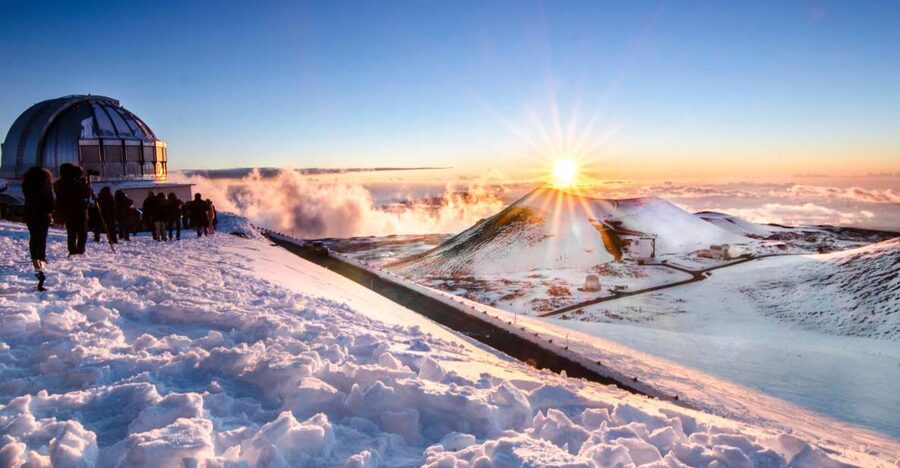
- Summit sunset at the highest point in the Pacific, above the clouds in a place most people never reach
- Hot drinks, snacks, parkas, and gloves so you can focus on the sky, not freezing hands
- A professional telescope session for close-up sky viewing when weather permits
- The black hole photo connection, including two of the eight telescopes involved in the first image
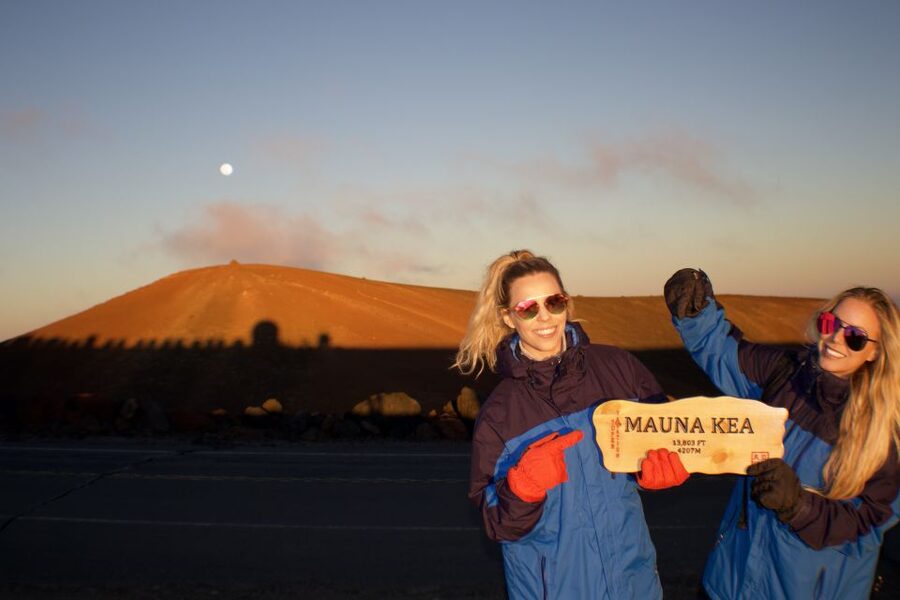
- Your own star-themed photos, taken by your guide and emailed after the experience
- A guided drive and story time, with astronomy and Hawaii background along the way
Mauna Kea Summit Sunset: What Makes This Evening Different
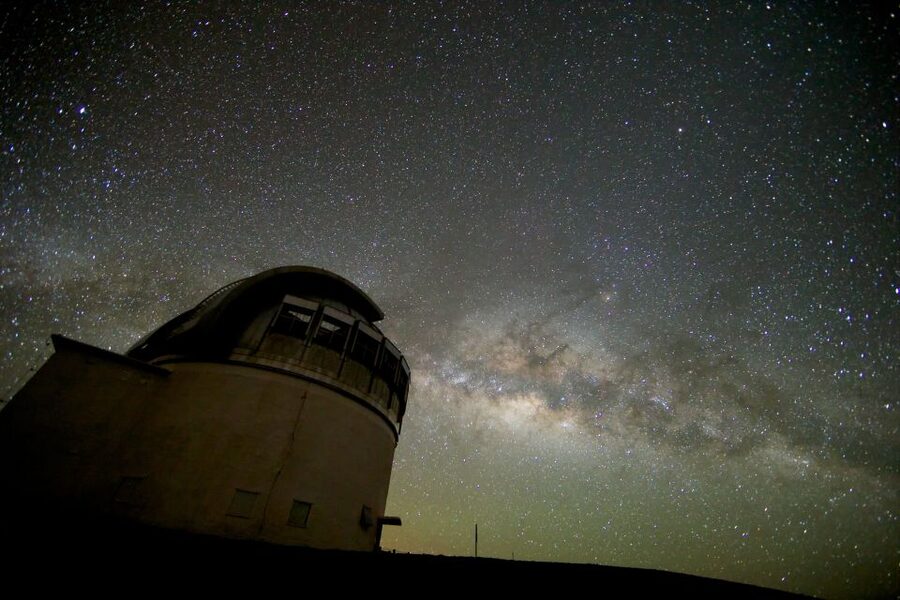
This is the kind of Hawaii night that starts like a trip and ends like a memory you don’t want to stop replaying. You’ll get to Mauna Kea during that sweet spot when daylight fades but the air still feels crisp enough to cut through haze. From the summit, sunset isn’t just pretty—it’s dramatic. You’re looking down on cloud layers, and the horizon feels bigger than it does from sea level.
The best part is that the tour doesn’t treat stargazing like a bonus. Sunset and stars are built into the same flow: you watch the sky change, then you stay warm and focused while your guide points out what’s showing up in real time. One minute you’re watching the day leave, and the next you’re learning how to read the sky like it’s a map.
The practical advantage is that you’re going to a place where most DIY plans get messy. The summit drive is part of the experience, and doing it on your own often means figuring out timing, clothing, and where to stand. This tour handles those moving parts so you can spend your energy on the sky.
Getting Up to the Summit Without the Headache
You have pickup options around Hilo: Starbucks, Grand Naniloa Hotel Hilo (a DoubleTree by Hilton), and Bank of Hawaii. After the experience, you’ll be dropped back at one of the listed locations, so you’re not stuck thinking about rides in the dark.
The time window is 6.5 to 7.5 hours, and the starting time depends on availability. That matters because the trip is built around light levels—sunset needs to land at the summit, and stargazing needs darkness. When a guide is timing the night for you, the sky viewing gets better, not worse.
And yes, the road and elevation are real. One reviewer noted the need for a 4WD setup to reach the summit area. The tour takes care of the vehicle piece, which is a big deal on Mauna Kea where conditions and access can be unpredictable.
Stop at Mauna Kea: Telescopes, Science, and a Sense of Scale
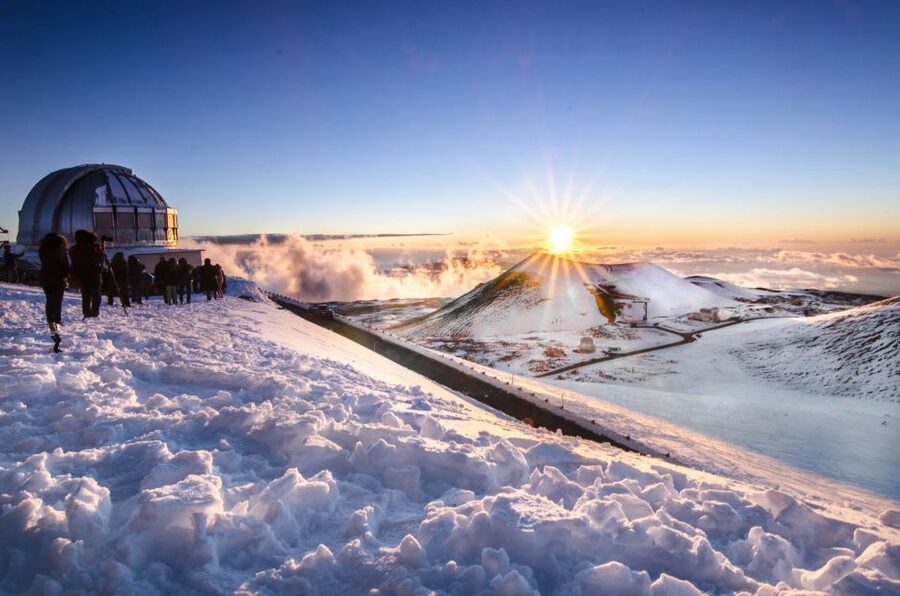
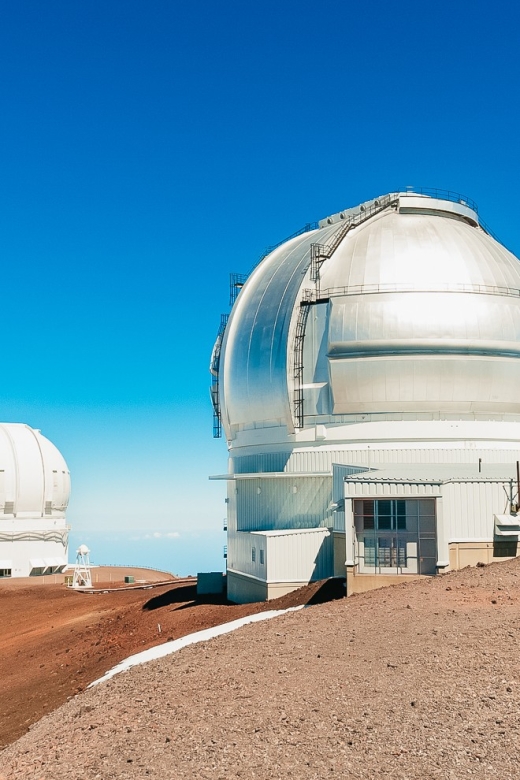
When you arrive, you’re not just at a viewpoint. You’re at the edge of some of the most serious astronomy on Earth. You’ll stand among the world’s largest collection of research telescopes and spend time seeing two of the eight telescopes that were part of getting the first photo of a black hole.
That detail isn’t included just for trivia. It changes how you look at the sky. Instead of seeing stars as decoration, you start seeing them as data—light that’s traveled huge distances, then been captured and interpreted with equipment built for precision. It also helps explain why Mauna Kea is such a big deal for astronomers. The site’s conditions make it valuable, and the tour’s telescope-focused story connects that value to what you can see with your own eyes tonight.
If you’re a beginner, this works because the guide translates the science into something you can picture. If you’re a longtime stargazer, it still feels special because you’re standing in the real physical space where research happens, not just reading about it after the fact.
The Star Show: Hot Chocolate, Planets, and Telescope Time
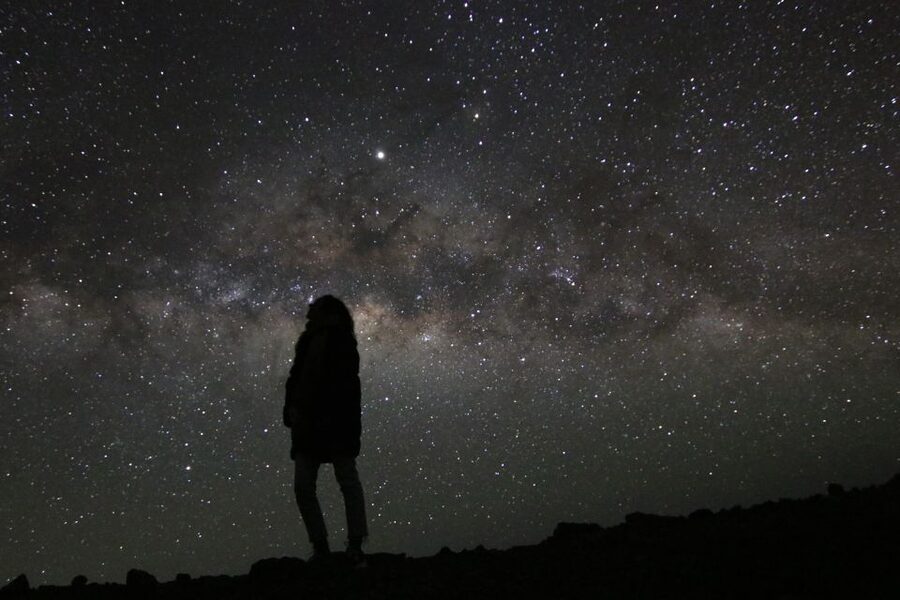
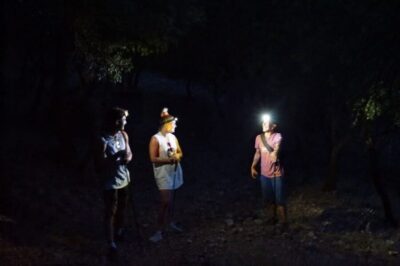
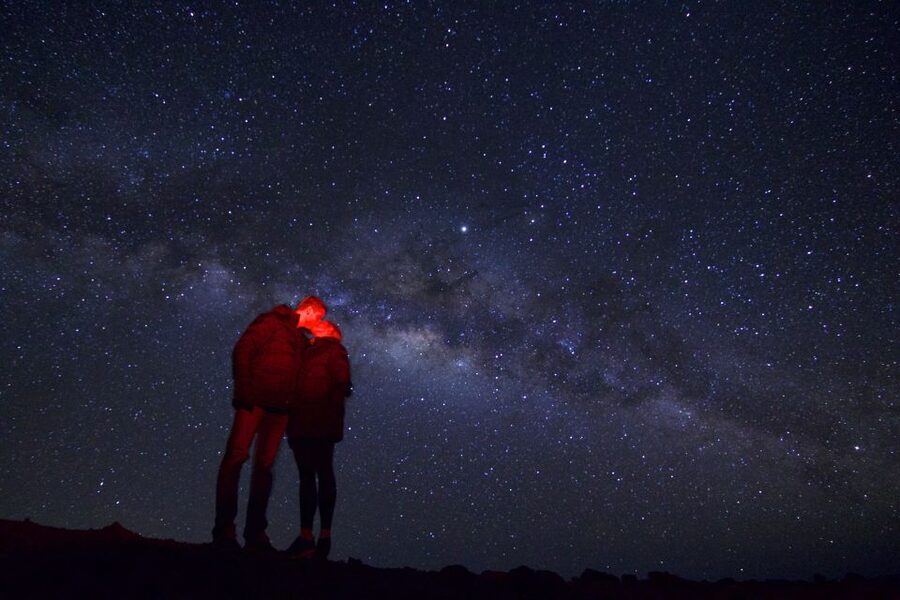
After sunset, the evening shifts from color to clarity. You’ll stay cozy with the gear provided—parkas and gloves—and you’ll sip something warm while your guide brings the sky to life with explanations of constellations and planets.
In reviews, people often mention seeing planets like Jupiter around the time the sun is going down. That’s exactly the kind of moment you want a guide for. It’s easy to miss a planet when you’re staring at the sky without knowing where to look. With guidance, you don’t waste prime-darkness minutes trying to figure out what’s what.
Then comes the telescope session. The experience includes using the tour’s professional telescope for closer views, but it’s explicitly weather permitting. That’s important to understand. Clouds, wind, or poor visibility can change the plan, so you’re not paying for a guarantee that the sky will cooperate. You’re paying for a setup that’s ready to go when the sky gives you a break.
One more detail that matters: you’ll get photos taken by your guide. That’s a real time-saver because night-sky photography can be tricky, especially at cold temperatures. You’ll be focused on looking up and learning, not juggling a camera settings struggle while your fingers go numb.
Your Guide: The Difference Between Seeing It and Getting It
This tour is guided, and the guide really shapes the night. Based on guide names that have led this experience—people like Mitch, James, Jessica, Rob, Zac, Tei, Zack, Blaze, and Tae—you can expect a mix of astronomy pointing, Hawaii storytelling, and practical help with where to stand and how to take pictures.
In plain terms, you want someone who can do two jobs at once:
- Tell you what you’re seeing without turning it into a lecture.
- Know when to give you space to just look.
That balance comes up again and again in feedback. Guides also help with safety and comfort during the summit drive. If you’ve never been at that elevation before, having someone manage the pace and timing makes the difference between a stressful night and a smooth one.
What You’ll Actually Do at Each Moment of the Night
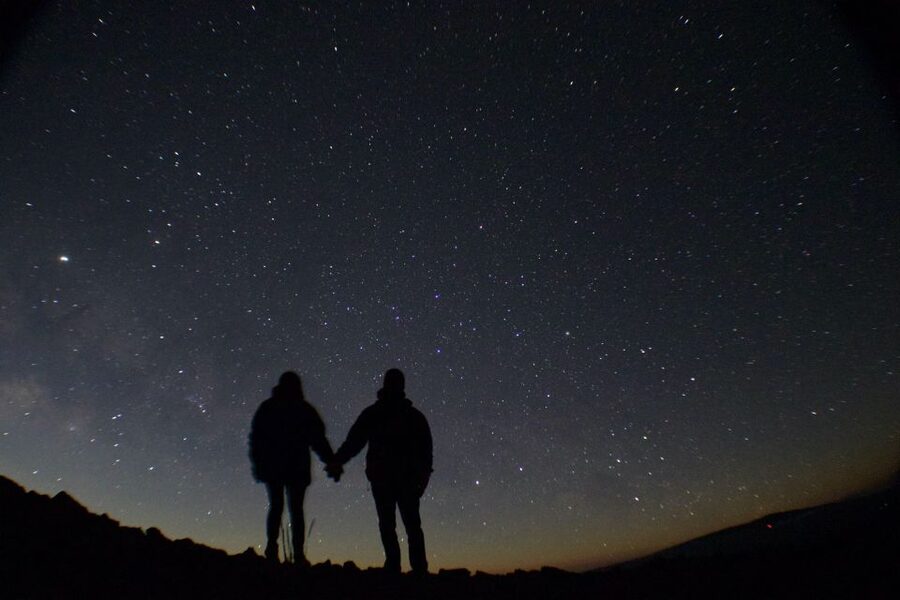
Here’s the flow, and what to watch for as it happens.
Before you start: You meet at a listed pickup point in Hilo—Starbucks, Grand Naniloa Hotel Hilo, or Bank of Hawaii. You’ll head out with the group, and that drive is part of the experience, not wasted time.
At the summit: You arrive with daylight still around, then you settle in for the main show: the sunset from Mauna Kea. Expect real cold at this elevation, so don’t treat the parkas like a costume you can ignore. Put them on early enough that you’re not shivering while everyone else is relaxing.
After sunset: You transition into stargazing. You’ll keep warm with hot chocolate and snacks, and your guide points out what’s visible. This is when you might catch planets like Jupiter, and when constellations become easier to spot because it’s properly dark.
Telescope time: If conditions cooperate, you use the telescope for close-up views. This is often the moment that turns a good experience into a jaw-drop one.
Photos to remember it: Your guide takes photos of you with the stars and emails them afterward. Night photos are a value-add, because getting them yourself on a windy, cold mountaintop is a whole separate project.
Cold, Walking, and Altitude: Your Real Checklist
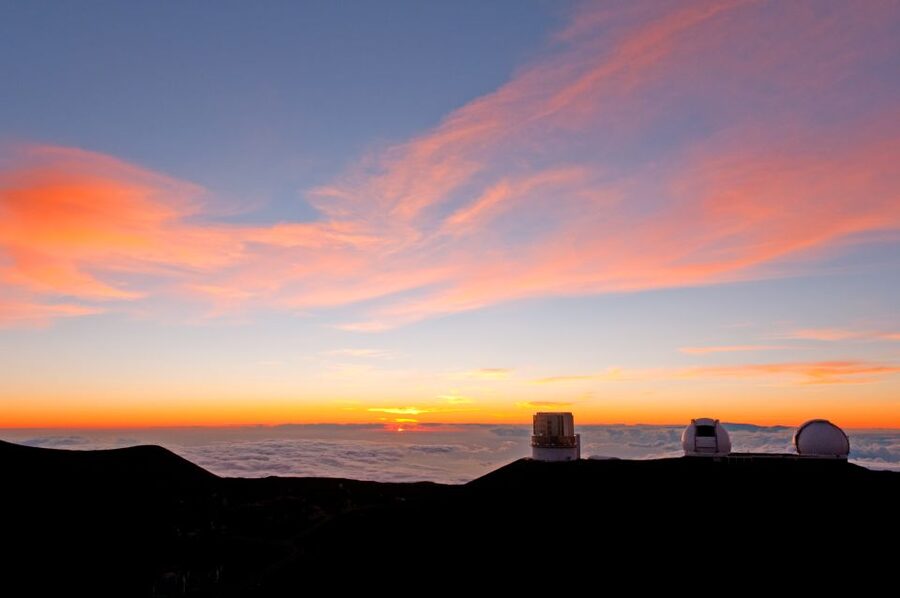
This is where most people either prepare well or pay for it later. Mauna Kea sits high enough that temperature can drop below freezing. Even if the island is warm where you start, the summit can be a different world.
You’ll get parkas and gloves, which helps a lot. But you still need to show up ready. Bring comfortable shoes with good grip and wear long pants. The ground can be uneven or rocky, and sometimes cool, wet, or muddy conditions happen.
A few smart add-ons, based on what people have done successfully:
- Layer under the provided gear so you’re warm even if you get stuck outside longer than expected
- Wear warm socks and consider a hat or beanie for extra head warmth
- Plan on slow steps and steady footing—this isn’t the place for thin-soled sneakers
Also note the tour doesn’t fit everyone. It’s not suitable for people with mobility impairments, those with back problems, heart problems, or respiratory issues, and it’s not designed for people with altitude sickness. It also isn’t suitable for pregnant women or children under 13.
If any of those apply, you’ll want to think carefully before booking. Cold plus uneven footing plus high elevation is a lot even for strong hikers.
Weather and Summit Access: The Honest Reality
Here’s the key expectation to hold onto: Mauna Kea is weather-dependent. The tour explicitly warns that access road conditions can change quickly, and the summit may not be reachable or the conditions may not be favorable.
That means the experience is best understood as a guided attempt under real mountain conditions, not a guaranteed “sit on the summit no matter what” promise. The good news is that the tour framework is built for this. Guides are there to adapt in the moment—within the limits of safety and access.
If you’re the kind of person who will obsess over worst-case scenarios, plan flexibility into your Big Island schedule. If you’re visiting during a season when you already expect changing weather, this becomes less stressful.
Price and Value: Is $289 Worth It?
At $289 per person, you’re paying for more than a viewpoint. You’re paying for the combination of:
- Transportation with pickup and drop-off from Hilo-area locations
- Summit access logistics handled by the operator
- Weather-ready warmth (parkas and gloves), plus snacks and hot chocolate
- A guided stargazing session, including telescope time when weather permits
- Free night photos taken by your guide and delivered by email
Could you DIY this? Sure. You might also spend hours planning the drive timing, sorting out clothing, finding a decent spot to view, and trying to photograph in cold wind. The tour removes those friction points and compresses the learning curve. It also includes the “I don’t want to figure out this gear” part—photos and telescope support.
When a tour is priced like this, I look for one thing: does it reduce the effort needed to get the best moments? In this case, that’s exactly what it does. You show up, you’re equipped, you’re guided to the right moments, and you go home with photos that are hard to get solo in the cold.
Who Should Book, and Who Might Skip
This experience fits best if you:
- Want the Mauna Kea summit sunset with guidance instead of figuring it out alone
- Like astronomy explanations that help you find planets and constellations quickly
- Value being comfortable (parkas, gloves, warm drinks) while learning something real
- Want someone else to handle night-sky photos so you can just look
You might skip it if you:
- Hate cold-weather walking or have trouble with uneven, rocky terrain
- Need an accessible route and have mobility limitations
- Have health conditions affected by cold, altitude, or extended outdoor standing
- Want a casual, short outing (this is a several-hour evening on a mountain, not a quick stop)
Should You Book This Mauna Kea Summit Sunset & Stars Tour?
I’d book it if Mauna Kea is on your Big Island “must do” list and you’re comfortable with a chilly, high-elevation outing. The value isn’t just the view. It’s the guided stargazing flow, the telescope time when conditions allow, and the fact you’re leaving with photos instead of trying to make night photography work with numb hands.
If you’re on the fence, make one decision based on your travel style: do you want an expert-led experience that handles the hard parts, or do you prefer DIY planning and accept the guesswork? For most people, paying to remove that guesswork is the difference between a night you remember and a night you spent troubleshooting.
FAQ
How long is the Mauna Kea Summit Sunset & Stars experience?
It runs about 6.5 to 7.5 hours. Starting times depend on availability.
Where do pickup and drop-off happen?
Pickup and drop-off are available at select locations in the Hilo area, including Starbucks, Grand Naniloa Hotel Hilo (a DoubleTree by Hilton), and Bank of Hawaii.
What is included in the tour price?
The tour includes pickup and drop-off (select locations), a guide, snacks and hot chocolate, parkas and gloves, and free night photos sent via email.
Do you get to use a telescope?
Yes. You’ll use the tour’s professional telescope for close-up sky viewing, but it depends on weather conditions.
Are summit conditions guaranteed?
No. Weather can change quickly, and the access road to the summit can close without warning, so favorable summit conditions can’t be guaranteed.
What should I bring?
Bring comfortable shoes and long pants.
Is alcohol allowed?
No. Alcohol and drugs are not allowed on this experience.
Is this suitable for kids or pregnant women?
No. It’s not suitable for children under 13 and not suitable for pregnant women.