REVIEW · POSITANO
Path of Gods Hike, with Food Experience at Shepherd’s Hut
Book on Viator →Operated by Go in Italy · Bookable on Viator
This hike tastes like the Amalfi. You get a guided run along the Path of Gods with real local context, plus lunch at a shepherd’s hut where food comes from the land. What I like most is the mix of hiking and eating like a local—goats’ cheese, fresh tomatoes, bread, water, and wine. The other big win is that the guide handles the route and tells you what you’re actually looking at, like the plants and animals along the way. A heads-up though: you’ll need proper hiking shoes, and transportation isn’t included unless you upgrade.
I also like the way this day is paced. The whole thing is about 4 to 5 hours, with scenic stops built in so you’re not just marching for views. And the group stays small, capped at 15, which keeps questions and conversation possible, not just chaos.
One possible drawback: the experience depends on decent weather. If conditions are poor, you can be offered another date or a refund. So if you’re only in town for one day, plan a little buffer.
In This Review
- Key Takeaways Before You Go
- Entering The Path of Gods From Bomerano (Agerola’s Practical Starting Point)
- Why a Guided Hike Changes Everything on This Trail
- The Scenic Stops That Actually Make the Trail Worth It
- Amalfi Coast Views, First
- Agerola Stop for Context
- Positano View From the Path
- The Shepherd’s Hut Lunch: Where the Amalfi Day Becomes a Memory
- What’s on the plate
- Animals up close, plus the human side
- What You Learn Along the Trail: Herbs, Bugs, and Farm Life
- Shoes, Pace, and Fitness: Getting It Right From the Start
- Do you need hiking shoes?
- How to prepare for a 4 to 5 hour hike
- Price and Value: Is $240.96 Worth It?
- Getting to the Trailhead Without Losing Your Day
- Small Group Size: Less Crowding, More Conversation
- When Weather Changes Plans
- Should You Book This Tour (Path of Gods + Shepherd’s Hut Food)?
- FAQ
- What’s the typical duration of the hike?
- Is lunch included?
- Do I need hiking shoes?
- Is transportation included from Positano?
- How big is the group?
- What happens if the weather is poor?
Key Takeaways Before You Go
- Skip the route stress with a local certified mountain guide, so you can focus on the scenery
- Snack with a purpose: lunch at a shepherd’s hut includes goats’ cheese, pasta with Piennolo tomatoes, bread, water, and wine
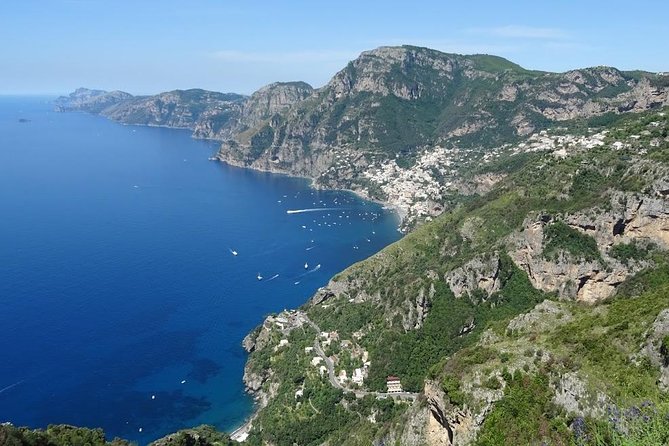
- See Positano from above on the Path of Gods, without juggling maps
- Expect moderate hiking and bring grippy soles, not fashion sneakers
- Small group energy with a maximum of 15 travelers
Entering The Path of Gods From Bomerano (Agerola’s Practical Starting Point)
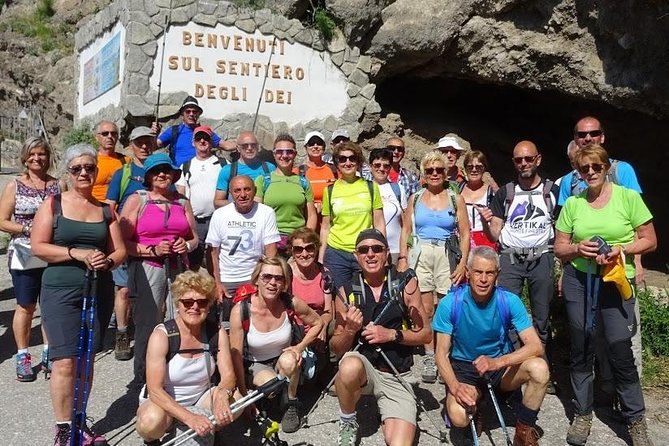
You start in Bomerano di Agerola, at Piazza Paolo Capasso, 12 (about a 9:30 am start). It’s a helpful setup because you’re not trying to figure out a trailhead on your own with limited time. The meeting point is in Agerola, and the tour ends back where it starts, which keeps the day simple.
This part matters because the Path of Gods isn’t just scenery—it’s also a real hike. Your best day comes when you start with a clear plan: meet on time, do the shoe check, then let your guide worry about the route. A lot of people underestimate how quickly a mountainous trail can wear you down. Starting organized makes the rest of the day feel fun instead of frantic.
Also, you’ll be in English, and you get a mobile ticket. That’s one less thing to manage when you’re juggling views, photos, and walking.
You can also read our reviews of more food & drink experiences in Positano
Why a Guided Hike Changes Everything on This Trail
The most practical win here is that you’re not trying to follow signage while your brain is busy spotting cliffs, sea views, and that one perfect photo angle. The guide keeps you moving through the right spots and shares context as you go.
From the descriptions, this guide work is more than “walk and talk.” You learn about the flora and fauna of the Amalfi Coast, and you’ll pick up local culture and mythology along the way. One guide name that came up in feedback is Gaetano, and the way people described his style makes sense for this kind of hike: he gave clear instructions on what to bring, where to meet, and he wove in stories rather than just reading a script.
You also get a built-in “watch for this” mindset. When you know what you’re looking for—herbs, flowers, insects, farm animals—you stop treating the trail like a checklist and start noticing it like a landscape with a job to do.
The Scenic Stops That Actually Make the Trail Worth It
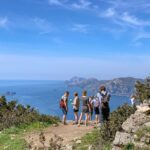
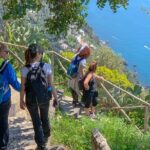
This hike has a few key view moments that keep the day from turning into only footsteps. Expect short stops (around 10 minutes each) where you can look, breathe, and take photos without feeling like you’re falling behind.
Amalfi Coast Views, First
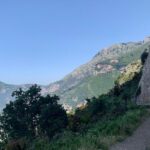
Early on, you’ll pause for classic Amalfi Coast views—the kind of wide panorama that makes the Path of Gods famous. This is your “okay, I get it” moment. It’s also the part where it’s worth slowing down. If the day is warm, take a moment before you move again so you’re not rushing your body.
Agerola Stop for Context
You’ll then head toward Agerola. This isn’t just a point on a map—it helps explain why this area looks the way it does and how the coast is shaped by living and farming inland. It’s the kind of stop that makes later lunch at the shepherd’s hut feel connected, not random.

Positano View From the Path
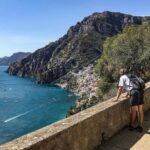
The last scenic highlight listed is Positano. Seeing this vertical town from above gives you perspective fast. Instead of postcard-level guessing, you get the real geography: terraces, curves, and that dense coastline feel. It’s the perfect wrap-up before you head to food—because you’ll already feel like you traveled through the coast, not just around it.
The Shepherd’s Hut Lunch: Where the Amalfi Day Becomes a Memory
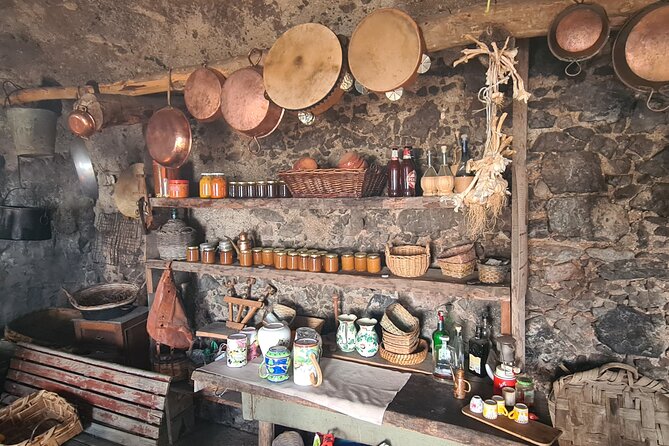
This is the reason many people book. The Path of Gods alone is great, but the shepherd’s hut stops the day from feeling like just another hike.
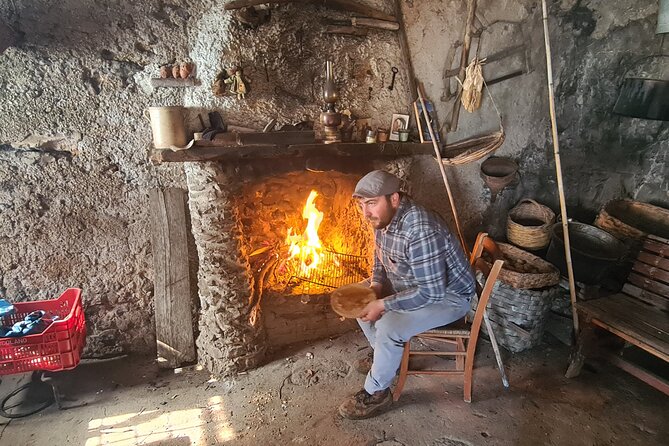
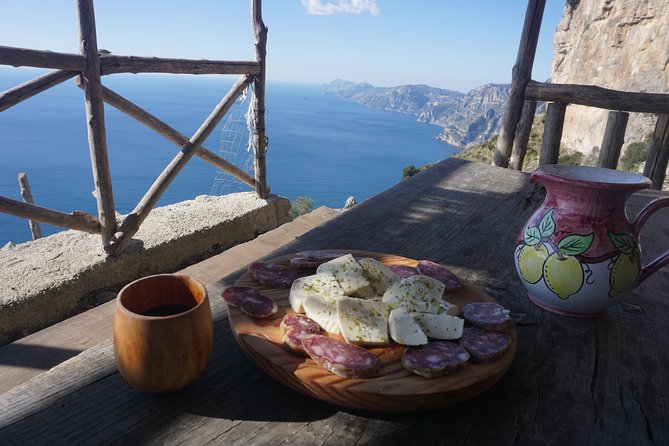
You eat at a shepherd’s hut where the shepherd prepares produce selection from his garden, then cooks you a plate of pasta with fresh tomatoes. The meal is served with bread, water, and local red wine. That simple combo is exactly why it works: it’s not fussy, and it’s tied to what’s grown locally.
What’s on the plate
The menu described includes:
- Starter with veggies, cold cuts, and cheese
- Bruschetta, bread, water, and home-made wine
- Main: spaghetti with fresh tomatoes, specifically the Piennolo variety
The Piennolo detail is a smart touch. It signals a local tomato type that’s grown and used in the area. You’re not just eating pasta—you’re tasting a regional ingredient.
Also, the experience includes locally sourced components like fresh goats’ cheese. That’s a big deal on the Amalfi Coast, where food is part of the landscape. And if you’re the type who wants to eat what you see (not just what sounds good), this fits your style.
Animals up close, plus the human side
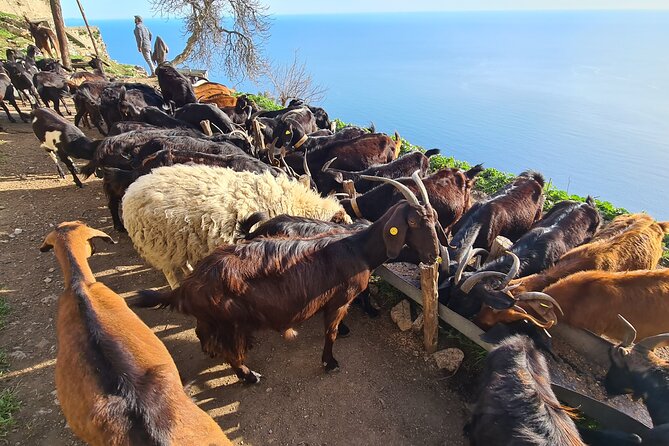
One of the standout details people mentioned is how the hut feels “understated,” meaning it’s not a big show. Instead, you get close interaction with farm life—donkeys, pigs, goats, and herding dogs. That’s the kind of moment that doesn’t translate in photos. It’s quieter, slower, and a little more real than a restaurant meal.
If your guide is someone like Gaetano and your shepherd is Antonio (names mentioned in feedback), you’re likely to get the full personality of the place: stories, garden-to-plate details, and an atmosphere that feels like you stepped into someone’s working day.
What You Learn Along the Trail: Herbs, Bugs, and Farm Life
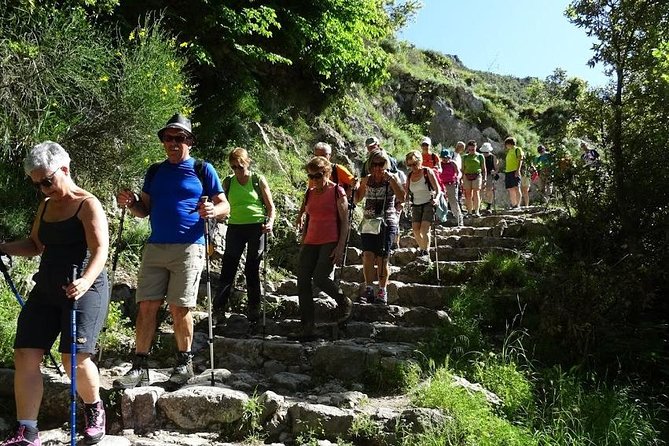
This is one of those experiences where you’ll probably notice more than you expected. The hike includes explanations about flora and fauna, and that means you might spot things you’d otherwise walk right past.
Guides in this setting often focus on:
- Common plants and how they grow in coastal conditions
- Farming connections between the inland area and the coast
- Animals you’ll see on or near the trail and around the farm stop
The food experience also reinforces learning. When your lunch comes from garden produce, it makes the agriculture lesson click. You stop thinking of the Amalfi Coast as just sea and cliffs, and start seeing it as a working system—animals, herbs, tomatoes, and people making it all function.
You’ll also hear local legends and mythology. That’s not just for fun. On the Path of Gods, stories help you remember landmarks. After a few tales, a view isn’t just a view—it becomes a named place in your head.
Shoes, Pace, and Fitness: Getting It Right From the Start
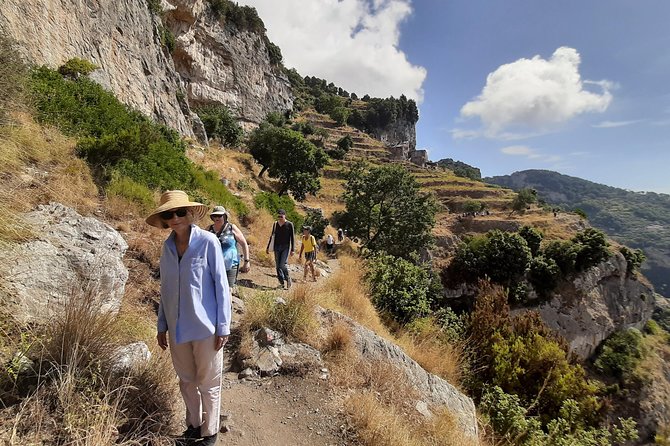
This tour is for travelers with moderate physical fitness. That wording matters. You don’t need to be an athlete, but you do need to be comfortable walking on uneven ground and managing elevation.
Do you need hiking shoes?
Yes. The guidance is clear: you should wear hiking shoes. Sneakers are only acceptable if they have a very tight, sculpted sole (good grip). The key here is stability. If your sole slips even a little, the whole day can feel less safe.
How to prepare for a 4 to 5 hour hike
Even though the stops are short, the total time adds up. Bring a water plan (lunch includes water, but you’ll still want to stay hydrated before that). Dress for sun and shade swings. The Amalfi region can feel warm fast, especially on open ridges.
If you’re traveling with service animals, they’re allowed. And because it’s near public transportation, you can likely build a simple schedule around it, depending on where you’re staying.
Price and Value: Is $240.96 Worth It?
At $240.96 per person, this isn’t a cheap add-on. But it also isn’t just a scenic stroll. You’re paying for a local certified mountain guide, guided stops with interpretation, and a full lunch experience that includes goats’ cheese, pasta made with fresh Piennolo tomatoes, bread, wine, and water.
The value gets better if you’d otherwise have trouble navigating or if you want the route handled. Paying for guidance here isn’t about luxury—it’s about efficiency and safety on a trail where getting lost would ruin the day.
Transportation is the separate question. The standard package does not include transport, and you can arrange private transportation for an additional cost. If you’re staying in Positano, that choice matters. Many people want door-to-door comfort, and feedback included someone who added a driver and felt it was worth it because it turned the transfer into extra sightseeing.
So my take: this is worth it if you want the full “hike plus food plus guide story” experience and you don’t want to spend your energy on logistics.
Getting to the Trailhead Without Losing Your Day
You start at Bomerano di Agerola and finish back at the meeting point. That means your transport planning is really about getting to and from Agerola.
Because transportation is not included by default, you have two realistic options:
- Plan your own way there using public transportation (the meeting point is near it)
- Upgrade to round-trip transport to and from the trailhead for an extra cost
If you want to minimize stress, the transport upgrade is often the best use of money. The terrain and schedule will already be enough to manage. And if you like learning while you move, transport can add extra context en route, turning the “getting there” time into part of the day.
Small Group Size: Less Crowding, More Conversation
The maximum group size is 15 travelers, and there’s a minimum of 4 for the hike to run. That small cap is a big deal on famous viewpoints. When groups are smaller, you get:
- More space for photos
- Less waiting at stops
- A better chance to ask questions and actually hear the guide
This is exactly the kind of tour that feels like it’s run with care, not just filled for volume. Even if you’re not the chatty type, smaller groups make the entire day feel smoother.
When Weather Changes Plans
This experience requires good weather. If weather doesn’t cooperate, you’ll be offered a different date or a full refund. I’d plan with a bit of flexibility in your schedule, especially if you’re traveling during shoulder season or if your Amalfi plans are tight.
Should You Book This Tour (Path of Gods + Shepherd’s Hut Food)?
Book it if you want a classic Amalfi hike but you also care about the “what’s for lunch” part as much as the views. The shepherd’s hut meal with goats’ cheese and Piennolo tomato pasta turns this into a full experience, not just a workout.
Skip it or think twice if:
- You really dislike uneven ground and need a very gentle walk
- You’re unwilling to spend extra money on transport, and you don’t like planning routes
- Your schedule is so rigid that a weather shift would strand you
If you’re deciding between doing this trail alone versus paying for a guide and lunch: I’d choose the guided version. On a trail like the Path of Gods, knowing where to stand, when to pause, and what you’re seeing makes the whole day feel more intentional—and the food makes it unforgettable.
FAQ
What’s the typical duration of the hike?
It runs about 4 to 5 hours.
Is lunch included?
Yes. Lunch is included and features goats’ cheese, vegetables, cold cuts, pasta with tomato sauce, bread, wine, and water.
Do I need hiking shoes?
Yes. Bring hiking shoes. Sneakers are only acceptable if they have a very tight, sculpted, grippy sole.
Is transportation included from Positano?
No. Transportation is not included, but private round-trip transport can be arranged for an additional cost.
How big is the group?
There’s a maximum of 15 travelers and a minimum of 4 participants is required for the hike to run.
What happens if the weather is poor?
The experience requires good weather. If it’s canceled due to poor weather, you’ll be offered a different date or a full refund.