REVIEW · DRAKE BAY
Nativos Corcovado Night Hike in DrakeBay
Book on Viator →Operated by NativosCorcovado Tours and Travel · Bookable on Viator
Night hiking here feels raw and real. This 3-hour Drake Bay outing takes you along the Rio Agujitas and the Rio Agujitas EcoFarm area, guided through the dark to spot nocturnal life—frogs, insects, spiders, and the tracks and shadows of bigger animals.
I love the small private format (up to 6 people per guide), because you actually move slowly enough to notice what’s moving. I also love how the guide’s eyes turn the dark into something readable, with creature spotting that goes beyond generic “look for wildlife” talk. One drawback: you should be ready for wet, muddy trails and river crossings, especially if the weather turns.
In This Review
- Key points at a glance
- Night hiking on Rio Agujitas: what makes this Corcovado-area walk special
- Timing and format: why 6:30–9:30 pm works so well
- Your guide’s role: turning random dark into real animal sightings
- What you’ll look for: frogs, snakes, spiders, and the river-side big stuff
- Stop-by-stop: how the hike unfolds after you meet at Nativos Corcovado Tours
- Starting out: getting your bearings fast
- Mid-hike: river-side searching and quick creature moments
- Final stretch: wrapping up after you’ve been out long enough
- What to wear for wet feet, muddy trails, and river crossings
- Price and value: is $68 worth it for a small-group wildlife hunt?
- Who should book this night hike (and who might not love it)
- How far in advance to plan in Drake Bay
- Should you book the Nativos Corcovado Night Hike in Drake Bay?
- FAQ
- What is the duration of the Nativos Corcovado Night Hike?
- What time does the hike run?
- Where do we meet for the tour?
- Is this tour private?
- How many people are in a group per guide?
- Do they offer Spanish and English tours?
- Is hotel pickup included?
- What kind of animals might we see at night?
- What should I wear for the hike?
- What happens if the weather is bad?
Key points at a glance
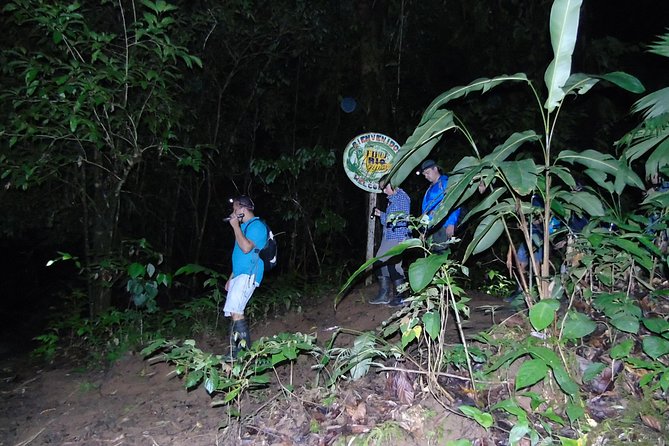
- 3 hours from 6:30 to 9:30 pm in Drake Bay, timed for peak nighttime activity
- Private group experience with up to 6 people per guide, so you’re not blended into a crowd
- Flashlights and rubber boots are part of the practical setup for the hike
- Rio Agujitas + EcoFarm terrain means shallow water, mud, and plenty of animal signs
- You’ll focus on nocturnal species you might not see in daytime tours, including frogs, snakes, and spiders
- If you want a shot at tracking bigger wildlife, you’ll be looking along the river side for clues like tapir signs
Night hiking on Rio Agujitas: what makes this Corcovado-area walk special
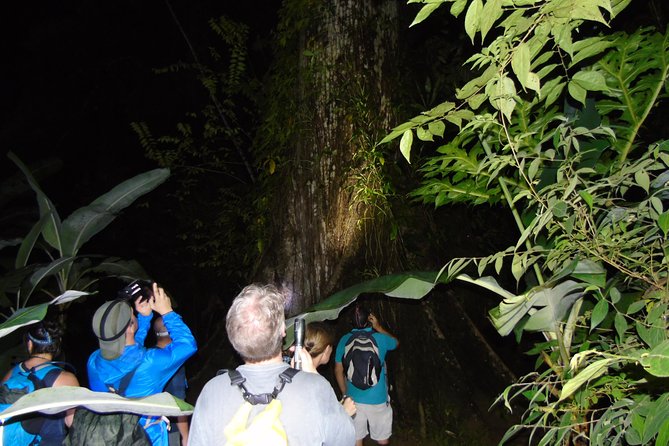
Drake Bay is already about wildlife. At night, it becomes a different place. The Nativos Corcovado Night Hike leans hard into that idea: instead of sightseeing from a distance, you walk the paths where animals actually travel after dark.
The route centers on the Rio Agujitas area and the Rio Agujitas EcoFarm. That matters because rivers create reliable habitat. You’ll be moving through a world where scents, tracks, calls, and movement matter more than color and scenery. In plain terms, you’re learning how to read nighttime Costa Rica.
The vibe also feels intimate. This is not a “busload and shuffle” type of tour. It’s set up as a private outing with a small group size (up to 6 people per guide). That gives you a better shot at noticing tiny things—like insects and spiders—and also at following the guide when something bigger shows up or when tracks appear near the trail.
Timing and format: why 6:30–9:30 pm works so well
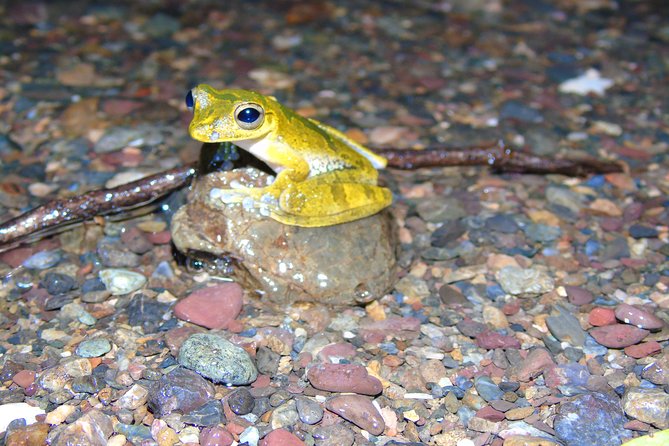
This hike runs daily (Monday–Sunday) from 6:30 pm to 9:30 pm. The time window is tight, which is good news. You’re not spending half the night waiting for activity. You’re out during the stretch when nocturnal animals are most likely to be active and noticeable.
The format is also built for attention. Each person gets a bright hand-held flashlight to use during the walk. That may sound minor, but it changes everything. In a jungle at night, your biggest enemy is not just darkness—it’s not being able to aim and focus. A personal light means you can help spot things the moment they move, and you can take quick photos without turning your whole body into a lantern.
Language choice is another practical detail. Tours are available in Spanish and English, so you can pick the guide style that fits you best. If you care about learning names and behavior, the ability to match your language helps.
One more logistics point: hotel pickup is not included. Still, hotel transfer can be arranged in Drake Bay. So you’ll want to plan how you’re getting to the start point, then confirm the exact meet-up details when you book.
Your guide’s role: turning random dark into real animal sightings
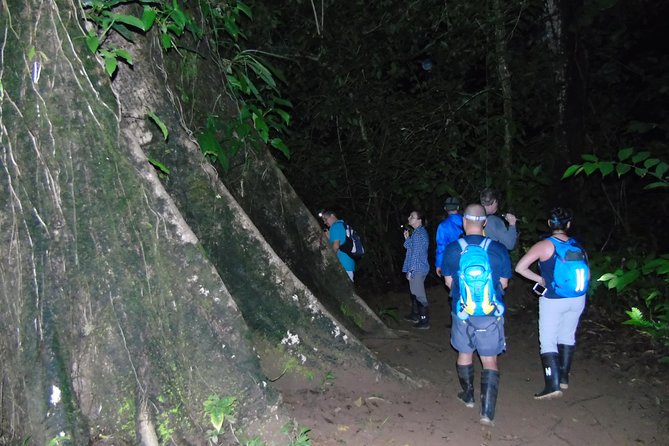
The biggest difference between a good night hike and a forgettable one is the guide. Here, you’re not just walking. You’re being taught how to look.
You’ll have a guide accompanying you throughout the hike to point out creatures and signs. The focus is on nocturnal animals, including things you’d never think to search for in daylight. Think: frogs and insects, spiders and other night-active species, plus the chance to spot larger wildlife along the river side.
Guides mentioned in past groups include Emilio and Eric—and the common theme is practical nature knowledge. You’re not getting a lecture. You’re watching what they notice, then trying to spot it yourself a few minutes later. That hands-on feel is exactly what makes the whole experience click.
You should also expect a mix of “spotting” and “tracking.” You might see animals briefly, then switch to reading tracks and movement near the trail. It’s not a guaranteed parade of wildlife. It’s a guided hunt in the real sense—go slow, look closely, and stay ready for surprises.
What you’ll look for: frogs, snakes, spiders, and the river-side big stuff
Let’s talk wildlife odds without promising the moon. Night hikes are always variable. Weather, moonlight, and animal movement all affect what you’ll find. But the targeted search here is clear: nocturnal species around rivers and forest edges.
On this walk, you’ll have a serious chance to see:
- Frogs (including red-eye tree frog, cane toad, and glass frog have shown up on past hikes)
- Snakes and viper-like species (the river corridor is a good place for opportunistic wildlife)
- Spiders (including tarantulas and other large night spiders)
- Other night creatures like stick bugs and praying mantis
- Water-adjacent life such as blue river shrimp
- Signs and presence of bigger animals along the Rio Agujitas side
The bigger wildlife possibilities are part of what makes this tour tempting. The experience includes the chance to see or at least find signs of tapir and ocelot, and there’s also mention of pumas along the river side. That’s not something you can bank on every time, but the fact that the hike is set up along the right habitat makes the possibility real.
You’ll also hear about reptiles and night-adapted hunters like basilisks. In the dark, even a quick flash of movement can become a moment you remember for years.
Stop-by-stop: how the hike unfolds after you meet at Nativos Corcovado Tours
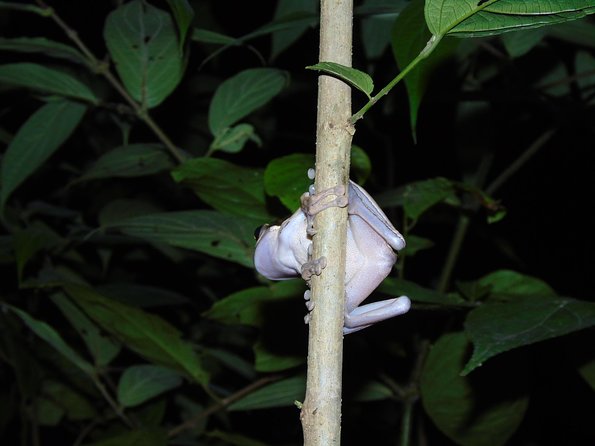
There’s one main meeting point conceptually—Nativos Corcovado Tours—and then the hike becomes a flowing sequence of creature stops and river-side scanning. Here’s what the pacing feels like.
Starting out: getting your bearings fast
When you start at the evening time window, your first job is simple: adjust to the dark and learn how your flashlight beam should behave. Too bright and you scare things. Too dim and you miss movement. Your guide sets the rhythm early.
Expect the guide to explain what you’re likely to see and where animals tend to appear: near water edges, on trail margins, and in spots where insects and prey cluster. The tour is built around small observations, not big sweeping views.
Mid-hike: river-side searching and quick creature moments
As you move along the trail near the river area, the hunt gets more physical and more exciting. This is where the tour earns its reputation as rugged.
You may cross shallow river water, and the ground can get muddy quickly. That’s not a downside in this setting—it’s part of why you’re seeing things up close. Amphibians, insects, and hunting reptiles often use these margins. Your flashlight will help you spot eye-shine and movement on the ground level, not just in treetops.
This is also where you might get longer focus moments—watching for movement, then following a clue like tracks. Some groups have tracked tapir signs for stretches, which gives you the kind of “we’re really here” feeling that makes a night hike more than just a photo walk.
Final stretch: wrapping up after you’ve been out long enough
By the last chunk of the tour, you’ll have the sense that the jungle has changed in your perception. Early on, you’re scanning the trail. Later, you’re scanning reactions—small movements, slight pauses in the dark, and where the guide’s attention locks on.
That’s when the tour often delivers its best stories: a frog in a beam of light, a spider perched where it shouldn’t be, or a brief glimpse of something larger moving in the margins.
And then you finish with the return to the base area. The night doesn’t feel like it dragged. It feels like it ended right when it should.
What to wear for wet feet, muddy trails, and river crossings
Here’s the practical truth: you’re going to get wet. The trail can involve walking through shallow river water, and you should assume muddy ground.
Good news: rubber boots are provided. That’s a big deal because good footwear matters more than people expect on a night hike. But boots alone don’t guarantee comfort.
The most important clothing tip from past hikers is simple:
- wear pants to tuck into the boots, or you risk rubbing that can lead to blisters.
Also plan for sweat and dampness. You’re hiking for about 3 hours, and the temperature and humidity do their thing even at night. If you show up thinking this is a light stroll, you’ll be surprised in a hurry.
Bring a calm mindset instead. Expect discomfort in exchange for access. Night trails like this are not built for dry shoes and dry socks.
Price and value: is $68 worth it for a small-group wildlife hunt?
At $68 per person for roughly 3 hours, this is not a bargain bargain. But it also isn’t overpriced for what you’re getting.
You’re paying for:
- a guided nighttime search focused on nocturnal wildlife
- a small private group format (up to 6 per guide)
- the setup that actually helps you see animals, like personal flashlights and rubber boots
- access to the kinds of habitats that make wildlife spotting possible (the Rio Agujitas/ EcoFarm river-side area)
If you compare it to “generic” nature tours where you might see a few distant animals, the value here improves fast. This hike is designed for up-close encounters with frogs, insects, and spiders, plus the chance to follow clues for bigger animals.
Also, the best part of the value equation is attention. With a smaller group, your guide can slow down when something appears. That’s when the experience goes from good to memorable.
If you care most about learning and spotting in real-time, this price makes sense.
Who should book this night hike (and who might not love it)
This tour is a strong fit if you:
- love wildlife and want a nighttime view of Corcovado-area nature
- enjoy bugs, frogs, snakes, and spiders more than perfect scenery photos
- are okay with rugged terrain and being wet for a few hours
- want a small private group and more direct guide time
You might think twice if you:
- hate getting muddy or wet
- want a totally comfortable walk with no risk of uncomfortable conditions
- expect a guaranteed sighting of bigger animals like ocelot, tapir, or pumas
That said, even when bigger sightings don’t happen, the focus on nocturnal creatures around the river can still deliver a strong night. The tour is built so the experience doesn’t collapse if one big moment doesn’t show up.
How far in advance to plan in Drake Bay
On average, this hike is booked about 23 days in advance. That doesn’t mean you can’t find space at the last moment, but it does suggest demand is steady. If your travel dates matter, book earlier rather than later.
And once you book, confirm how you’re handling getting to the start point. Since hotel pickup and drop-off are not included, it’s worth having a clear plan. If you’re staying in Drake Bay, transfer can often be arranged, but details matter.
Should you book the Nativos Corcovado Night Hike in Drake Bay?
I’d book this if your idea of a great evening is simple: dark trails, a flashlight in your hand, and a guide who knows what to look for in Costa Rica after sunset. The small-group format, the river-side setting, and the focus on nocturnal wildlife make it feel like you’re doing something few people try.
I’d skip it if your top priority is comfort or if you’re not okay with wet feet and mud. This is wildlife-first. Comfort comes second.
If you’re the type who gets excited by frogs, spiders, and track-following moments, this hike is a very solid value for the experience you’re getting.
FAQ
What is the duration of the Nativos Corcovado Night Hike?
The tour lasts about 3 hours.
What time does the hike run?
It runs from 6:30 PM to 9:30 PM.
Where do we meet for the tour?
You meet at Nativos Corcovado Tours.
Is this tour private?
Yes. It’s a private tour for your group only.
How many people are in a group per guide?
The private tour is capped at 6 people per guide.
Do they offer Spanish and English tours?
Yes, Spanish and English tours are available.
Is hotel pickup included?
No. Hotel pickup and drop-off are not included, though hotel transfer can be arranged in Drake Bay.
What kind of animals might we see at night?
You may find nocturnal animals such as frogs, insects, spiders, and other night creatures. There is also a chance of seeing animals like tapir or ocelot, and looking along the river side where larger wildlife signs may appear.
What should I wear for the hike?
Expect wet feet and river crossings. Rubber boots are provided, and it helps to wear pants that you can tuck into the boots to avoid rubbing and blisters.
What happens if the weather is bad?
The experience requires good weather. If it’s canceled due to poor weather, you’ll be offered a different date or a full refund. You can cancel up to 24 hours in advance for a full refund.