REVIEW · PICO
Mount Pico Guided Climb – Summit Portugal’s Highest Peak
Book on Viator →Operated by Tripix Azores · Bookable on Viator
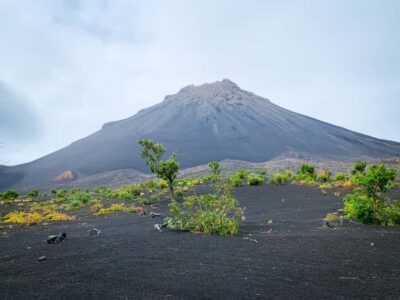
Fog and lava rock make a serious day. This guided Pico climb is built for people who want a safe route and real context as you climb, with guides explaining geology and biodiversity along the way. I also like the small-group feel, which helps you move as a team instead of following a vague trail by guesswork.
The big consideration is effort. This is a medium-to-high climb on steep, irregular ground, and it also hinges on wind, cloud altitude, and rain forecasts.
In This Review
- Key things that make this Pico climb special
- Why Pico is worth the early 6:00 am start
- The climb math: 8 km, 2,200 m of accumulated elevation, and real effort
- Meeting at Mountain House and the Montanha do Pico stop
- Casa da Montanha trailhead and the main push toward Piquinho
- Guides make the difference: how Bruno and Matteo help your whole day
- On the trail: lava flows, scramble rocks, and pacing that works
- Weather calls the shots: wind, cloud altitude, and rain forecasts
- What you learn on Pico: geology and biodiversity in motion
- Included value: poles, reserve access, insurance, and a certificate
- Getting the timing and body prep right
- Who should book this guided Pico climb (and who should reconsider)
- Should you book this guided Pico climb?
- FAQ
- How long does the Pico guided climb take?
- What time does the climb start and where do I meet?
- What distance and elevation gain should I expect?
- How hard is the climb?
- What’s included in the price?
- What gear do I need to bring?
Key things that make this Pico climb special
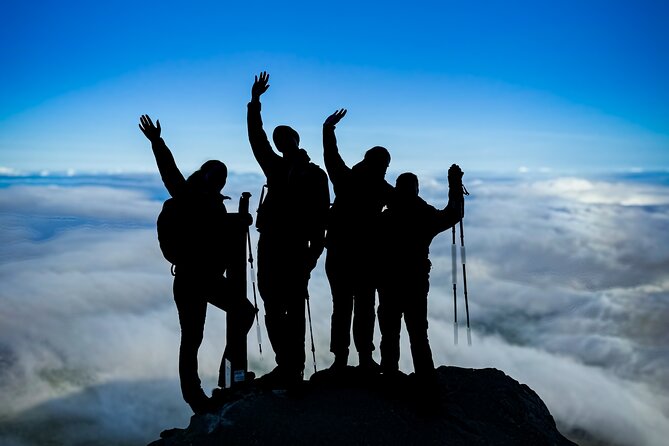
- Portugal’s highest summit (Piquinho) with certified guidance
- Small group size (max 9) for calmer pacing and less route anxiety
- Poles + reserve access + insurance + a certificate of achievement
- Geology and biodiversity explanations while you’re actually on the volcano
- Weather-driven planning with clear meteorological decision points
Why Pico is worth the early 6:00 am start
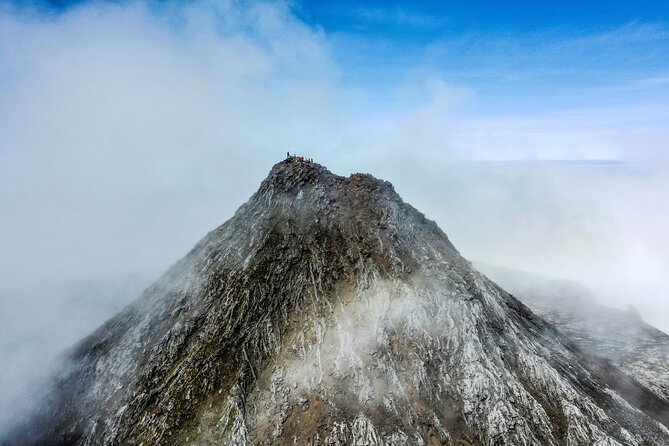
You’re meeting in Candelária (Madalena) at 6:00 am, at Mountain House. That early start matters on Pico because the climb is long, the trail can be rough under changing light, and your summit window depends on weather.
Pico is Portugal’s top altitude game, but what makes it feel worthwhile is how the day is paced. You don’t just “walk to a number.” You’re moving through a volcanic landscape where solidified lava flows and scrambley rock force you to pay attention, and a good guide turns that attention into confidence.
The price, at $102.84 per person, also feels easier to justify once you look at what you get: certified guiding, reserve access, hiking poles, and Allianz personal accident insurance. You’re paying for safety, navigation, and interpretation, not just footsteps.
The climb math: 8 km, 2,200 m of accumulated elevation, and real effort
This isn’t a casual hike. Expect a medium-to-high difficulty level that depends on your physical preparation and coordination. If you’re active and comfortable on uneven ground, you’ll likely find it challenging but doable.
From the Casa da Montanha area (around 1,230 m altitude), the hike to the top of Mount Pico (Piquinho at 2,351 m) covers about 4 km with roughly 1,100 m of elevation gain. When you include the full route up and down from the starting context, you’re looking at about 8 km total with around 2,200 m accumulated elevation.
Now the part people often underestimate: the descent. Even if your legs survive the ascent, the descent can feel endless on steep, irregular footing. Going in with a plan helps—steady steps, short pauses, and a willingness to go slower than your pride wants.
Meeting at Mountain House and the Montanha do Pico stop
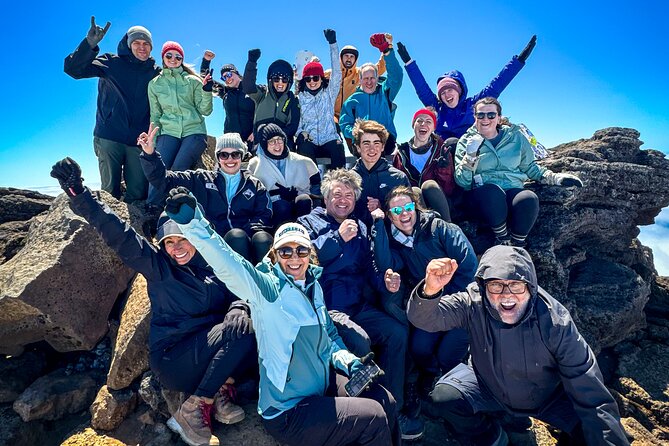
Your day begins at Mountain House in Candelária. It’s also where you’ll want to show up ready with proper mountain boots and equipment suitable for a mountain activity, because not having the right gear can mean you’re left out of the climb.
After the start, you’ll transition through the area with a stop at Montanha do Pico. This is a useful segment even if you’re eager to get moving, because it’s the moment when your guide can set expectations for the trail ahead and start putting the volcanic features into context.
In practical terms, guides also help reduce decision fatigue. When the trail gets unclear—especially with fog—you’re not wasting energy second-guessing directions. That’s exactly the kind of help people highlight when they say they needed guidance to stay on track.
Casa da Montanha trailhead and the main push toward Piquinho
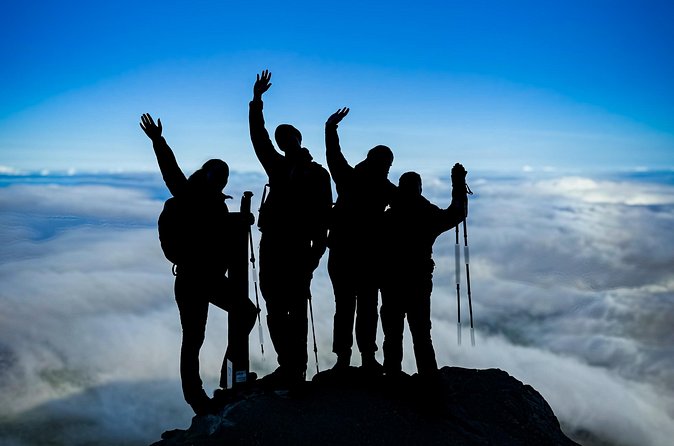
A key anchor of the route is Casa da Montanha, which sits at about 1,230 m altitude. You’ll reach it as part of the morning rhythm, and from there the climb steepens into the portion that most people think of as the “real ascent.”
This stretch follows solidified lava flows and scramble rocks. That combination is what makes Pico feel different from a forest trail or a well-paved path: you’re constantly adjusting your foot placement, using your hands at times, and managing balance on uneven surfaces.
From this point, the ascent generally starts around 7:00 am and often takes about 7 to 9 hours overall, depending on pace and conditions. In other words, build your energy for a full-day outing, not a quick mission.
Guides make the difference: how Bruno and Matteo help your whole day
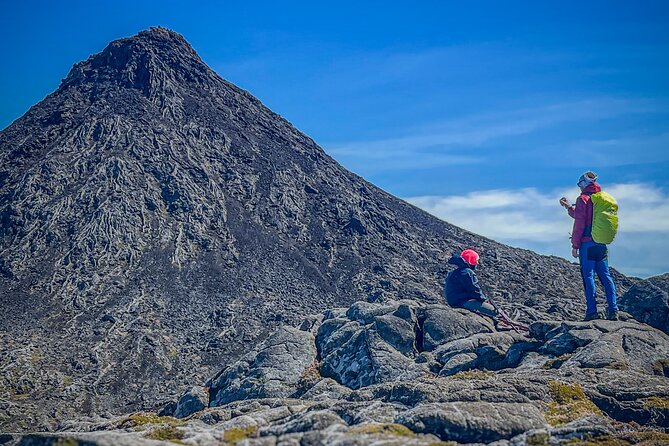
Certified guide leadership is the heart of this experience. The guides lead you by the best track possible to keep you safer and also help you enjoy the climb instead of worrying about navigation.
People repeatedly call out Bruno for being patient and knowledgeable, and for helping them reach the top when fatigue or uncertainty might have stopped them. That kind of guidance can matter most in two moments: when fog or cloud rolls in and when the trail forces you to slow down and reset.
Matteo is also mentioned for strong support, especially when weather makes plans change. In one case, the guide offered to move the hike to a different day, and there was flexibility around outcomes when conditions covered the top with clouds or snow. Even if your day runs as planned, it’s reassuring to know the operator isn’t treating the summit as a rigid checkbox.
With small groups capped at 9, your guide can actually read the room. You’re more likely to get coaching when you need it, and less likely to feel like you’re being dragged along by a faster group.
On the trail: lava flows, scramble rocks, and pacing that works
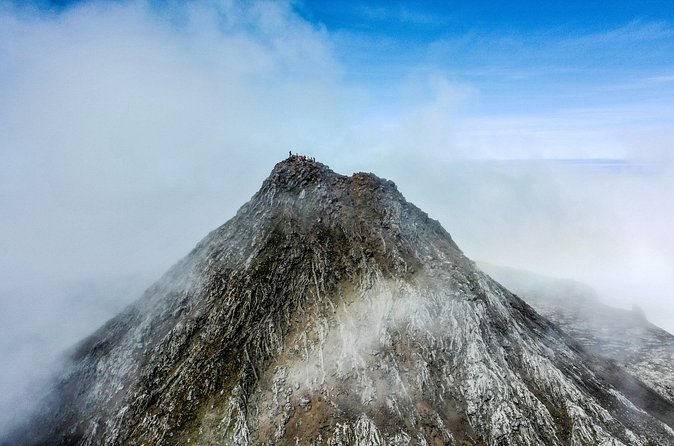
The trail is steep and irregular, and it doesn’t “smooth out” once you get warmed up. Instead, you’ll keep switching between firm footing and sections where you need to pick a line.
That’s where pacing becomes more than comfort—it’s safety. A slower, consistent tempo helps prevent scrambling accidents and reduces the chance of getting too winded too early. People mention a calm team spirit and a guide who pushes when needed, usually in a way that keeps the group within time targets.
Also, bring a mindset shift: on Pico, effort isn’t only physical. It’s also coordination. You’re constantly balancing, stepping around rock edges, and adjusting your stride. If you’ve ever felt stiff fear on rocky trails, this is the type of climb where you’ll feel better knowing you have someone leading the route.
Weather calls the shots: wind, cloud altitude, and rain forecasts
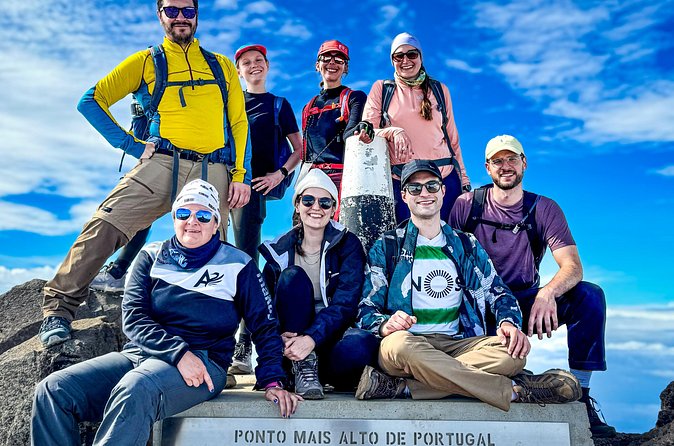
This climb depends on three meteorological factors: wind direction and intensity, cloud altitude levels, and rain forecasts. That sounds technical, but it’s really simple in practice.
- Strong wind can make exposed rock feel harder and more hazardous.
- Low cloud and mist can hide the summit route and key landmarks.
- Rain (or wet rock) can turn scramble sections into slippery footing.
So even with good fitness, you can’t force the mountain. The guide’s job is to judge conditions and guide you along the best possible track, which may mean changes to what’s safe that day. If weather is rough, expect the day to feel intense, and if weather is unsafe, expect a decision rather than a gamble.
This is also why early starts matter. Conditions can improve as the day unfolds, or they can worsen fast. Being out there before the worst of the day can give guides more options.
What you learn on Pico: geology and biodiversity in motion
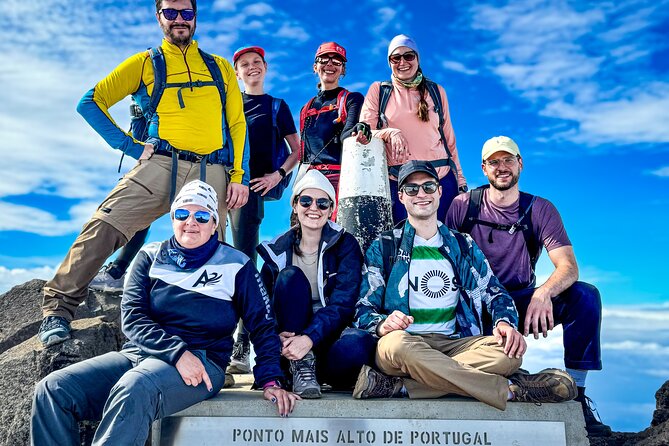
One of the best parts of a guided volcano climb is that you get interpretation while you’re still close to the evidence. Your guides share information about the volcano’s geology and the local biodiversity as you move through the terrain.
That matters because Pico’s scenery isn’t just “pretty.” It’s a physical record. Solidified lava flows explain why the ground looks the way it does, and the biology discussion helps you understand how life adapts to a volcanic island environment.
You’ll likely notice that guides keep explanations practical rather than lecture-style. Even when you’re focused on stepping safely, the way the information is woven into the route makes it easier to remember what you’re seeing.
If you like nature facts but don’t want your walk slowed down by long stops, this format tends to work well.
Included value: poles, reserve access, insurance, and a certificate
Here’s what you get in the booking price package:
- Entrance fee for Mount Pico Natural Reserve access
- Hiking poles
- A professional, certified Mount Pico guide
- Allianz personal accident insurance
- A Climbing Certificate of Achievement
You’re also told that an air-conditioned vehicle isn’t included, and meals aren’t included either. That means you should plan for your energy day: bring what you can eat during the climb and stay hydrated.
If you’re the type who likes to travel light but still be prepared, the provided poles help. You don’t need to bring trekking poles from home unless you prefer your own.
Also, the certificate is a fun little extra. It’s not a souvenir you bought for decoration. It’s tied to the fact that this is a real climb with real effort.
Getting the timing and body prep right
The ascent generally begins around 7:00 am after the early morning start, and the full outing averages about 7 to 9 hours. So your day is built around movement, not sightseeing in between.
You should have strong physical fitness and good motor coordination. If you have any physical restrictions—especially lower limb issues, vertigo, heart problems, asthma, diabetes, pregnancy, or mental health concerns—you’re asked to inform the operator so they can advise properly.
One more very specific prep note: don’t go diving within 24 hours of the climb. That’s an odd detail to many people, but it’s important because it’s tied to safety guidelines.
Finally, bring the right footwear and gear. Proper mountain boots are mandatory. If you show up without suitable equipment, you may be excluded from the climb, without refund, based on the Mountain House decision.
Who should book this guided Pico climb (and who should reconsider)
This is best for people who:
- Are active and comfortable with steep, rocky paths
- Want guided navigation and safety on a route that can be unclear in fog
- Prefer a small-group experience with coaching and encouragement
- Enjoy learning about the volcano’s geology and biodiversity as you hike
It may be a tougher fit if you:
- Get nervous on uneven scramble terrain
- Struggle with steep descents (your knees and thighs may feel it for a few days)
- Don’t have strong coordination, balance, or overall fitness for a medium-to-high climb
- Are dealing with health concerns that affect exertion or movement
There’s a helpful practical test here: if you’re fine with a full day on rocky terrain and you can maintain steady pacing, you’re in the right category.
Should you book this guided Pico climb?
If you want to summit Portugal’s highest peak, you’ll be glad you booked a guided climb. The combination of certified leadership, small-group pacing, and the guides’ ability to help you stay on track in tricky sections makes this feel like a safer bet than trying to piece together the route on your own.
The “yes” is strongest if you care about more than just photos. You’ll likely enjoy the geology and biodiversity explanations, and you’ll appreciate how the guide manages time and effort so the group has a realistic shot at the top.
The “wait” is worth considering if your schedule can’t flex with weather. Because wind, cloud altitude, and rain forecasts steer what happens that day, you should be comfortable with the idea that conditions can affect the outcome.
If you’re ready for a challenging volcano hike and you bring proper boots and gear, this is a climb with solid value baked in—especially with poles, reserve access, insurance, and an experienced guide included.
FAQ
How long does the Pico guided climb take?
The activity is about 7 hours on average, but it can run between 7 and 9 hours depending on group pace and weather conditions.
What time does the climb start and where do I meet?
You meet at Mountain House, Caminho Florestal nº 9, Candelária, 9950-000 Madalena, Portugal. The start time is 6:00 am, and the ascent begins around 7:00 am.
What distance and elevation gain should I expect?
The climb is about 4 km with roughly 1,100 m of elevation from Casa da Montanha (around 1,230 m) to the summit at Piquinho (2,351 m). The full climb totals about 8 km with around 2,200 m accumulated elevation.
How hard is the climb?
It’s described as medium to high difficulty, depending on your physical preparation and coordination. It’s for people with strong physical fitness.
What’s included in the price?
Included are Mount Pico Natural Reserve entrance access, hiking poles, a professional and certified Mount Pico guide, Allianz personal accident insurance, and a Climbing Certificate of Achievement.
What gear do I need to bring?
You must bring proper mountain boots and equipment suitable for mountain hiking. Hiking poles are provided, but your own footwear and appropriate equipment are mandatory.