REVIEW · HONOLULU
Downhill Bike and Ko’olau Waterfall Hike Tour
Book on Viator →Operated by Bike Hawaii · Bookable on Viator
Downhill bikes beat Waikiki traffic, and this Ko’olau bike-and-waterfall day pairs a five-mile ride into the Pu’u ‘Ohia rainforest with sweeping views over Honolulu, Waikiki, and Manoa Valley. I love the mostly downhill setup that keeps the ride manageable for many skill levels, and I love the guide-led nature talk about flora, fauna, and island geology. One heads-up: the optional hike can be muddy, and the full day can feel longer once hotel pick-ups and commuting are part of your plan.
After hotel pickup, you start with pedal time into the rainforest, then switch into a fun, controlled downhill mode with a helmet and rain gear (provided if required). This is a small-group tour (max 20), so you’re not shouting over a crowd, and the cruiser-style bikes are made for comfortable coasting.
If you add the hike, you’ll get hiking gear and walk roughly two miles on volcanic rainforest trails toward the waterfall area. It’s mild to moderate, but it’s still real hiking (and some of it can be slippery), so plan for wet footing and a bit of effort.
In This Review
- Key things I’d zero in on
- From hotel pickup to Pu’u ‘Ohia: how the day actually starts
- The downhill bike ride: easy on legs, serious on control
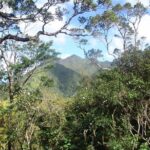
- The rainforest hike to the waterfall: what you’re walking through
- Views above Waikiki and Manoa Valley: why the commute exists
- Guides and storytelling: why names like Daniel and Ray matter
- What to pack: rain gear is included, your shoes are your choice
- Timing, groups, and why some days feel shorter
- Price and value: what $196.64 buys you (and what it doesn’t)
- Who should book this Honolulu bike-and-waterfall tour
- Final call: should you book the Downhill Bike and Ko’olau Waterfall Hike Tour?
- FAQ
- What time does the Downhill Bike and Ko’olau Waterfall Hike Tour start?
- How long is the tour?
- Is hotel pickup and drop-off included?
- Do I get biking and rain gear?
- Is the waterfall hike included, and how long is it?
- What are the height and health requirements?
- What happens if the weather is bad?
Key things I’d zero in on
- Pu’u ‘Ohia rainforest start: a five-mile pedal ride to get you into the real jungle mood fast
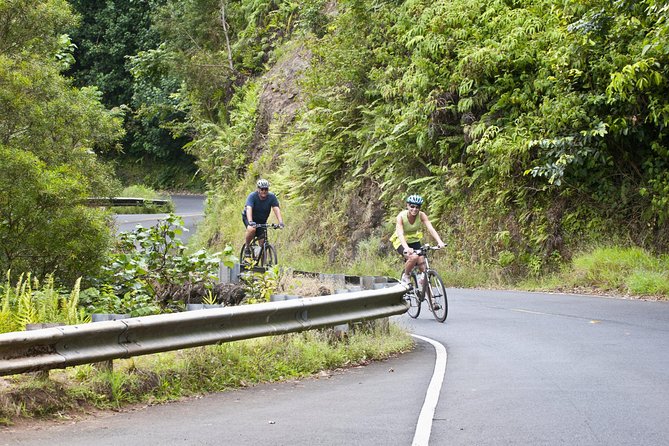
- Mostly downhill, minimal pedaling: coasting with lots of braking, plus a short uphill pinch for balance
- Optional Ko’olau waterfall hike: about two miles with volcanic rainforest and rare plant/wildlife focus
- Guide quality is the engine: names like Daniel, Ray, Terrii, Jeremy, and Mike show up in praise for island knowledge and humor
- Weather and mud are part of the deal: rain gear helps on bikes, but hiking can still mean wet, dirty trails
From hotel pickup to Pu’u ‘Ohia: how the day actually starts
This tour is built around a simple rhythm: get you out of Waikiki, move you into the rainforest zone, then reward you with viewpoints on the way back. The day starts at 9:00 am with complimentary round-trip transportation, so you’re not juggling rides, parking, or directions while half-asleep.
Once you meet your nature guide, you’ll hop on a comfortable KHS cruiser bike. Then you pedal roughly five miles (about eight kilometers) into the Pu’u ‘Ohia rainforest. That “pedal in first” part matters, because it sets expectations: you are not only coasting off a mountain right away. You’re transitioning from city heat and traffic noise into bird calls and quiet trail sounds.
You’ll also hear commentary as you ride. The focus isn’t generic sightseeing; it’s the specific why of Oahu. Expect talk about flora, fauna, and geology, plus the way native plants and volcanic rock shapes create what you see. If you like learning while moving, this format works well.
You can also read our reviews of more cycling tours in Honolulu
The downhill bike ride: easy on legs, serious on control
Let’s talk about what you mean when you say downhill. Here, the bike part is designed for mostly downhill cruising with very little pedaling. Multiple guides keep stressing safety and control, and the ride is set up for enjoyment, not racing.
That said, “downhill” still has physics. One review described the topography as slightly hairier once speed builds, and they noted public-road segments where cars share the route. Translation for your planning: you need to be confident with braking, staying in your lane, and handling your bike smoothly at varying speeds.
A few more practical points that help you picture it:
- You’ll likely do a short uphill pinch at some point, but it’s usually brief (think about keeping your legs warm rather than preparing for a climb).
- You should expect a lot of braking on winding downhill roads, which is different from “sit and glide” biking.
- Your bike helmet is included, and if rain is in the forecast, rain gear is provided (if required).
The cruiser bikes matter more than you’d think. High handlebars and upright seating tend to reduce wrist strain and let you look around comfortably. That’s a big deal when you’re also scanning for turns and road-sharing traffic.
The rainforest hike to the waterfall: what you’re walking through
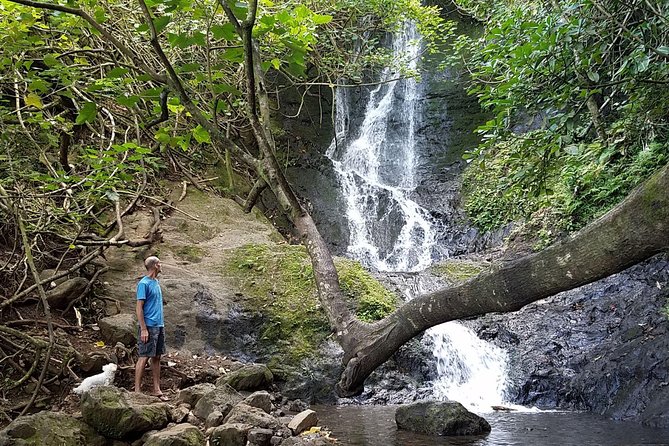
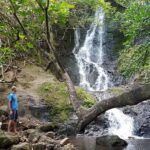
The optional add-on is a guided hike through volcanic rainforest toward the waterfall. This part is where the tour becomes less about bikes and more about footwork, footing, and patience.
You’re looking at about 1.5 hours for the hiking portion, and it’s described as roughly a 2-mile guided hike. Effort is rated mild to moderate. Still, don’t treat it like a casual stroll. One important heads-up: the hike can involve an uphill first stretch, even if the overall vibe is manageable.
The trail experience is the point:
- You’ll explore acres of sacred land that aren’t commonly seen by visitors.
- You’ll get guidance aimed at rare plants and wildlife, with enough context to make the rainforest feel less random.
- You’ll end with the waterfall payoff, which is the emotional reason to do the hike portion.
Mud is the practical catch. If you go when the trail is wet, expect sloppy footing. Several comments stress that you can get very muddy, so your best strategy is footwear that can handle grime. In at least one case, rubber boots were offered, but you shouldn’t rely on that as your only plan. Bring (or wear) shoes you’re okay sacrificing to the trail.
Views above Waikiki and Manoa Valley: why the commute exists
You’ll hear this from people after they book it: a good chunk of the day can feel like transit. That’s not a flaw in the tour so much as the reality of getting out of Honolulu and into Ko’olau terrain and back again.
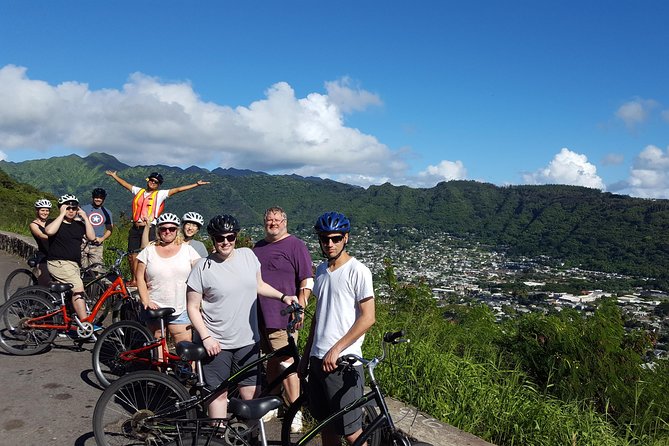
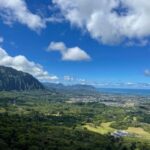
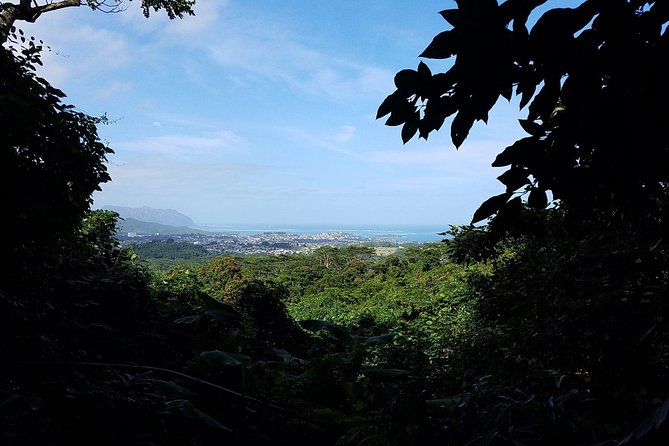
Here’s what makes those detours worth it: you’re not just riding in a straight line. The route is designed around viewpoint moments—especially the scenery over Honolulu, Waikiki, and Manoa Valley. The views are one of the top reasons the ride is so popular, because it flips your perspective fast. One minute you’re thinking of beach day basics; the next you’re looking down at the city from a rainforest edge.
To make this work on your trip schedule, I’d plan for a relaxed morning and a buffer afterward. Even when the bike and hike segments are shorter than you might imagine, your pickup window and travel time fill the gaps.
Guides and storytelling: why names like Daniel and Ray matter
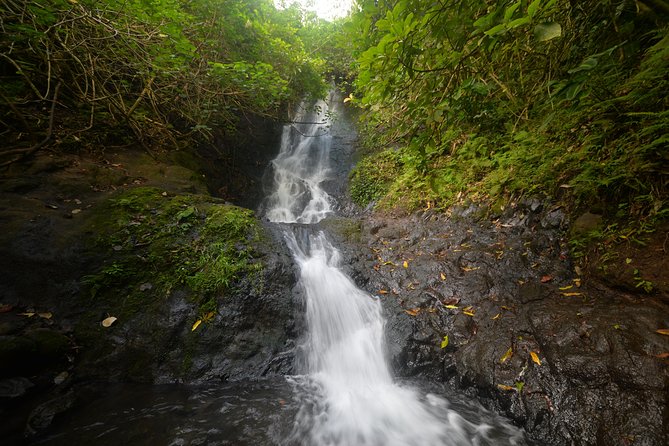
This is where the tour gets its personality. The guide role is not just “lead the group.” People repeatedly highlight that their guides are funny, safety-minded, and genuinely tuned into the island’s natural details.
From the praise in the details you provided, you’ll see names like:
- Daniel, noted for being very informative
- Ray, praised for island land masses, trees, history, and a clear love for the place
- Terrii, highlighted as an exceptional guide
- Jeremy, praised for making the hike fun and the group engaged
- Mike, mentioned as a great guide
Even if you don’t match with the same guide on your date, the pattern is useful. It suggests the operator invests in guides who can talk plants, geology, and what to notice while you ride. If you’re the type who gets something out of a reason why story—how the rainforest forms, why the rock matters, what birds sound like—this tour is built for that.
And safety does come up. Multiple notes point to a safety-first approach, which is reassuring when you’re on winding roads and walking slippery trails.
You can also read our reviews of more hiking tours in Honolulu

What to pack: rain gear is included, your shoes are your choice
You’ll get a helmet and rain gear if it’s required, and you’ll receive hiking gear if you choose the hike option. That handles the big gear needs.
But you should still pack like you expect wet ground and messy stops. At minimum:
- Shoes you don’t mind getting muddy
- A light layer for rainforest humidity
- A small day bag for a phone and a little water/snacks
Food planning is the other practical question. One tip that shows up clearly: bring lunch if you’re doing both the bike ride and the hike. The tour format includes breaks, and some people describe lunch stops, but what you personally get and when you get it can vary with timing. Your safest move is to carry at least a snack so you don’t end up waiting hungry during pickup shuffle time.
If you hate the idea of carrying a lunch, do a compromise: pack a couple of sandwiches worth of snacks and keep expectations flexible.
Timing, groups, and why some days feel shorter
The published format runs about 6 hours (approx.) from the start of the day. The ride and hike portions are shorter than the total time, because hotel pickup, commuting, and regrouping are part of the experience.
A few reviews also mention finishing earlier than expected. The most important takeaway for your planning isn’t the exact minute—it’s how quickly your energy disappears when you’ve combined:
- bike time (with braking and attention),
- muddy hiking (with steps and balance),
- and weather changes.
So I’d plan this as your main active block, not as a “do it and then casually tour Chinatown at noon” type of day.
Group size is kept small-ish (max 20), which helps. Still, you may have some waiting if your group includes people on different options (bike-only vs bike + hike). If you’re traveling with a tight schedule, pick the full day option only if you genuinely want both parts.
Price and value: what $196.64 buys you (and what it doesn’t)
At $196.64 per person, this is not a cheap activity. So the real question is whether you’re paying for a shortcut or for guided learning plus logistics support.
You are paying for:
- hotel pickup and drop-off,
- professional nature guide,
- a KHS cruiser bike,
- helmet and rain gear if required,
- and optional hiking gear for the waterfall hike.
You’re also paying for something harder to price: the ability to get out of Waikiki and into a specific rainforest environment with interpretation built in. If you wanted to do the same day on your own, you’d spend time figuring out transport and likely lose the “why this plant matters” part.
What might make it feel expensive:
- If you’re expecting a very long time actually riding, the bike portion is not the whole day.
- If you’re only interested in the waterfall hike, the biking still takes place first.
- If your day’s weather or logistics slow things down, the total clock time can creep.
My advice: this tour feels like value if you want an active half-day experience with real guidance, and you’re okay with the day’s structure. If you only want a quick downhill ride with minimal time commitments, you might feel underwhelmed.
Who should book this Honolulu bike-and-waterfall tour
This is a strong fit for you if:
- you can ride a bicycle confidently and safely,
- you want great Oahu viewpoints without spending the whole day behind a dashboard,
- you like nature guiding that includes plant and geology context,
- and you’re open to getting a little muddy if you hike.
It’s a weaker fit if:
- you have ankle, knee, or hip problems (not recommended for those),
- you’re shopping with young kids (not recommended for age 5 and under),
- or you don’t want to deal with rain-soaked trails and uneven footing.
Also note the height requirement: riders must be at least 4 feet (122 cm). That’s a key check before you commit.
Final call: should you book the Downhill Bike and Ko’olau Waterfall Hike Tour?
I’d book it if you want a guided way to see more than Waikiki in one day. The combo works because the day has variety: rainforest ride, controlled downhill biking, then a real guided walk with a waterfall goal.
Two things decide whether you’ll love it. First, your comfort with bikes that require attention and braking on downhill roads. Second, your readiness for mud if you take the hiking option. If you’re okay with both, you’ll likely come away with a much more “Oahu” feeling than a standard sightseeing loop.
If either mud or time commitments stress you out, consider skipping the hike or planning a backup day. But for the right traveler, this is a fun, active, and viewpoint-heavy way to spend a morning in Honolulu’s rainforest edge.
FAQ
What time does the Downhill Bike and Ko’olau Waterfall Hike Tour start?
The tour starts at 9:00 am.
How long is the tour?
The experience runs about 6 hours (approx.).
Is hotel pickup and drop-off included?
Yes. You get complimentary round-trip transportation, with hotel pickup and drop-off included.
Do I get biking and rain gear?
You get a bike helmet, and rain gear is provided if required. You’ll also ride a KHS cruiser bike.
Is the waterfall hike included, and how long is it?
The waterfall hike is optional. If you choose it, you’ll take a guided rainforest hike of about 1.5 hours (described as an approximately 2-mile hike) and you’ll receive hiking gear.
What are the height and health requirements?
Riders must be at least 4 feet (122 cm). The tour is not recommended for children age 5 and under, and it is not recommended for travelers with ankle, knee, or hip problems.
What happens if the weather is bad?
This experience requires good weather. If it’s canceled due to poor weather, you’ll be offered a different date or a full refund.