REVIEW · METEORA
Meteora Small Group Hiking tour with Transfer and Monastery Visit
Book on Viator →Operated by Visit Meteora · Bookable on Viator
Meteora feels made for walking. This small-group morning blends guided hiking on little-known paths with stops at classic monasteries, so you get the rocks, the history, and the quiet that big coach days miss.
I especially love the chance to see the UNESCO rocks up close on foot, plus the guide adds real context about how these monasteries formed on and inside the stone. One catch: monastery entrance fees are not included, and there’s a strict dress code once you get near the churches.
In This Review
- Key highlights at a glance
- Why a small-group hike beats monastery-only days
- Price, time, and the real value you’re paying for
- 8:30 pickup from Kalambaka or Kastraki: how the day actually starts
- The guided rock-forest hike: hidden trails, pacing, and photos
- Stop 1: Great Meteoron Monastery and why the “suspended” idea matters
- Stop 2: Ypapanti Old Monastery inside the rock cavity
- More monastery scenery: Varlaam and Saint Nicholas of Anapafsas
- Holy Monastery of Varlaam
- Saint Nicholas of Anapafsas
- Guide impact: why names like Chris and Evan keep showing up
- What to wear and how to prepare for monastery dress code
- Weather reality: when the plan shifts
- Who this tour is best for
- Should you book this Meteora small-group hiking tour?
- FAQ
- What time does the Meteora tour start?
- Where do pick-ups happen?
- How long is the tour?
- Is the entrance fee included?
- How big is the group?
- What should I wear for the monasteries?
- Is the tour in English?
- Is the hike difficult?
- Are mobile tickets used?
Key highlights at a glance
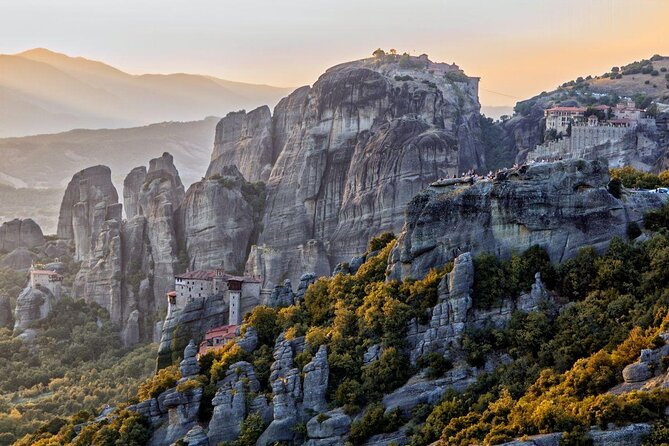
- Hidden trails in Meteora’s rock forest for calmer views than the main routes
- Small group (max 12) for a more personal pace and more time for questions
- Grand Meteoron and Ypapanti included, with Ypapanti specifically listed as free-entry
- Pickup and drop-off from Kalambaka or Kastraki in an air-conditioned minivan
- Guides who point out plants and wildlife, not just buildings and dates
- A hike that’s doable for many fit walkers, but you do need solid shoes
Why a small-group hike beats monastery-only days
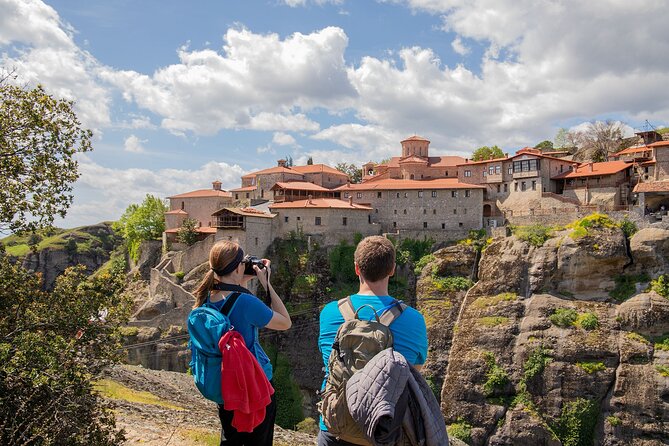
Meteora is famous for monasteries perched on giant rock pillars. The trick is that most people only see the approach roads and the viewpoints from crowds. This tour makes you walk through the rock formations and pathways between them, so the place feels more lived-in and less like a postcard.
What you get is practical: you’re active for part of the morning, then you slow down for monastery visits. That rhythm also helps if you want photos without waiting in a throng, because you’ll see the best angles from trails before you hit the busiest viewpoints.
You can also read our reviews of more hiking tours in Meteora
Price, time, and the real value you’re paying for
The price is $36.28 per person for about 4 hours. That may sound simple, but it’s not just a “walk with a guide” price tag. You’re also getting round-trip transportation from Kalambaka or Kastraki, a local English-speaking mountain guide, bottled water, and visits that cover multiple monastery areas.
Entrance fees are listed as €5.00 per person (not included). On top of that, Ypapanti is marked as free admission, so the added cost may be less than you fear. Still, it’s worth budgeting that small extra amount before you go.
If you like planning ahead, this tour tends to be booked early (on average about a month). In practice, that’s your cue to reserve early if you’re traveling in peak season or want a specific day.
8:30 pickup from Kalambaka or Kastraki: how the day actually starts
The tour starts at 8:30 am and includes pickup and drop-off to hotels and Airbnbs in Kalambaka and Kastraki. You’ll ride in an air-conditioned minivan, which matters because Meteora mornings can get warm fast once the sun clears the rocks.
You’ll also get a mobile ticket, so you don’t need to hunt for paperwork. The meeting point details are straightforward: they come to where you’re staying in those two towns. This is one of those tours where you can travel light—bring your shoes and a sensible layer, and the logistics are handled.
The guided rock-forest hike: hidden trails, pacing, and photos
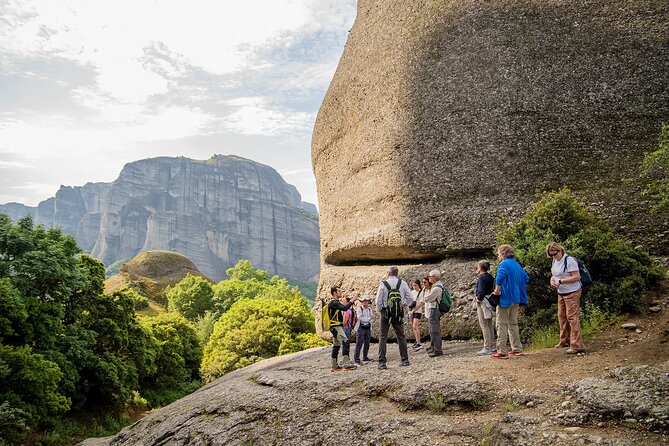
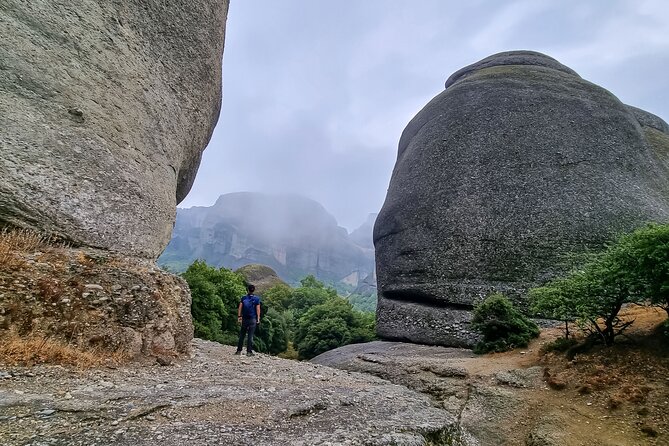
The heart of the experience is the hike through Meteora’s “rock forest.” Your guide leads you along paths that are described as little-known and locally favored, so you’re not stuck walking the same crowded routes everyone else takes.
Expect a guided morning focused on three things:
- Geology and setting: you’ll connect the huge pillars of rock to why monasteries could exist here at all
- History of the monastic community: the route follows how early monks moved through the area over centuries
- Small moments in nature: you may hear about plants and wildlife along the trail
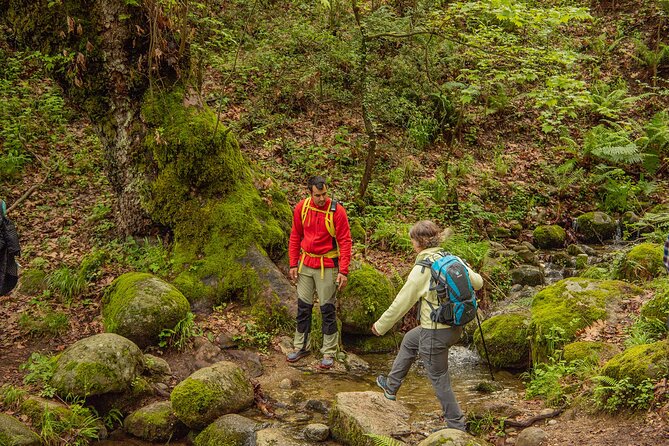
From the guides’ style (Chris, Evan/Evangelos, Christos, Kristos, Dimitris are repeatedly named), pacing is a big deal. More than one person highlighted that breaks are built in, and that the hike is manageable even in warm or tricky conditions. One person even described the hike as not difficult overall, with the walk becoming a bit more challenging after the monastery portion—nothing extreme, but worth respecting if your knees or stamina are limited.
Practical tip for your shoes: the route involves uneven, rock-adjacent trails. Comfortable, grippy hiking shoes are a must, and bringing socks you trust helps more than you’d think. If you’re doing this as a couple or with teens, the guide’s pacing tends to work better than a self-guided hustle.
Stop 1: Great Meteoron Monastery and why the “suspended” idea matters
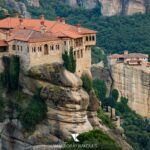
The Great Meteoron Monastery is the big one—described as the oldest and largest among the major monasteries. The name idea connects to the sensation that the monastery was “suspended in the air,” built on a massive rock above the plain.
This stop gives you the anchor monastery for Meteora. It’s also tied to foundational monastic organization: the monastery is associated with Saint Athanasios the Meteorite, linked to early structured monastic life here. Even if you’re not a church-history person, this is a place where the story helps you “read” what you’re seeing—rock, access, and the choice to build vertically.
Because admission fees aren’t included, you’ll want to have that €5.00 per person in mind for the day’s total. The payoff is that you get the main scale of Meteora’s monastic architecture without turning it into a rushed sprint between gift shops.
Stop 2: Ypapanti Old Monastery inside the rock cavity
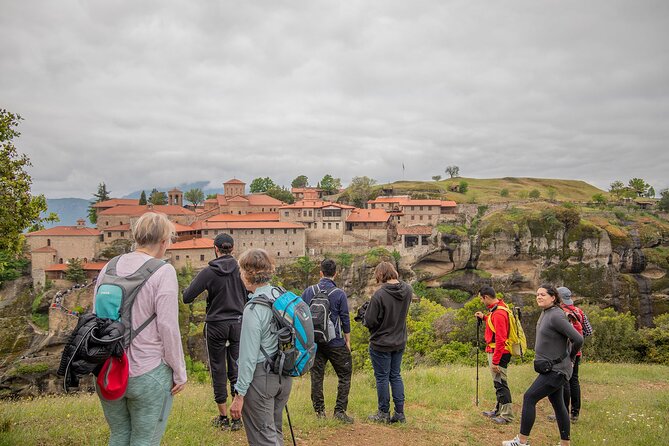
Ypapanti is the monastery stop that feels different right away. It’s described as being fully constructed inside a large cavity of a rock, which is part of what makes it so memorable: it’s not just on a rock, it’s in the rock.
This stop is also conveniently short—listed at about 30 minutes. Admission is marked as free, and the pathway is described as simple and pleasant, which helps if you want at least one monastery visit that doesn’t feel like a climb-burnout.
Historically, the monastery is linked to founders including a monk named Nilos (with another monk named Cyprianus) in the year 1367 AD, and later events tied to destruction in 1809. That storyline matters because it explains why Meteora wasn’t just a spiritual project; it was also shaped by politics, conflict, and power shifts in the region.
More monastery scenery: Varlaam and Saint Nicholas of Anapafsas
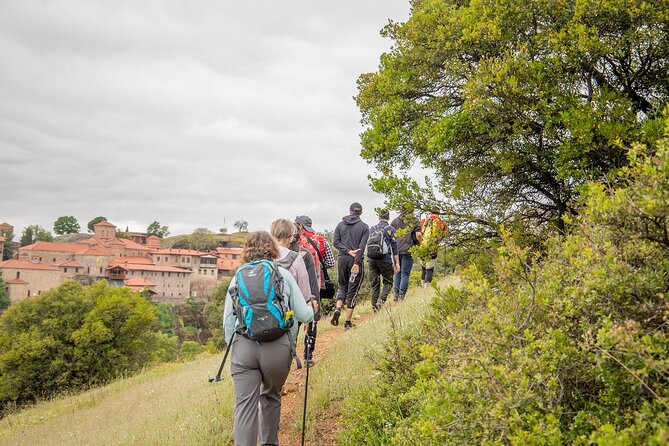
Beyond the two major featured stops, the tour includes additional monastery areas that round out what Meteora looks like from different angles.
Holy Monastery of Varlaam
Varlaam is described as the second biggest monastery. It’s positioned opposite the Great Meteoron, and it was founded in the mid-14th century by Hosios Varlaam. This matters because it shows you Meteora’s “pairing” effect—how monasteries face each other across valleys and rock paths.
Saint Nicholas of Anapafsas
You also encounter the Holy Monastery of Saint Nicholas of Anapafsas, described as one of the monasteries you meet on the way up. The name has multiple interpretations, including one tied to its being the first stop for pilgrims before continuing upward.
Even if you don’t spend long inside every church, the value here is the way the day’s walking connects the dots. You don’t just see isolated buildings; you see how the monasteries relate to the terrain and to each other.
Guide impact: why names like Chris and Evan keep showing up
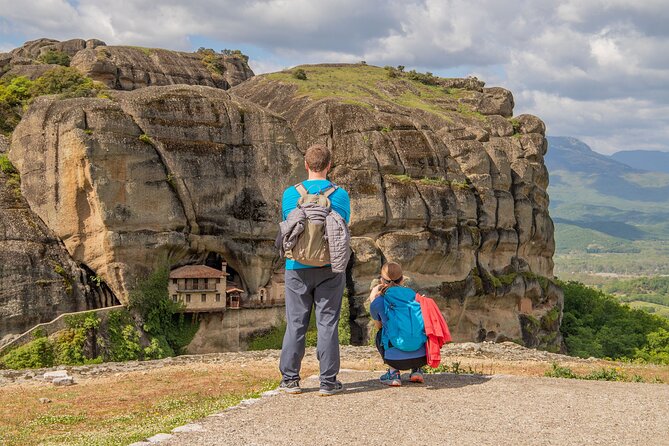
In Meteora, the guide is the difference between a sightseeing walk and a meaningful one. On this tour, the guides are repeatedly praised for mixing history, geology, and nature observations in a way that’s easy to follow.
Some guide names you may encounter:
- Chris and Christos: often singled out for storytelling, humor, and keeping the group safe and hydrated
- Evan / Evangelos: praised for clear English and for combining history with nature and fauna
- Kristos: highlighted for being entertaining and helping you see strong monastery viewpoints without feeling trapped in a van
- Dimitris: noted for an upbeat, passionate way of talking about local attractions
A few practical details show up in people’s descriptions: guides tend to be punctual, they pace the hike for mixed ability levels, and they build in time for photos and short rest breaks. If you’re traveling with kids or a mixed group, this kind of pacing is where the small-group advantage really pays off.
What to wear and how to prepare for monastery dress code
The hike part is about comfort. The monastery part is about rules.
You’ll need comfortable, appropriate hiking shoes. Meteora can be sunny, but mornings can still feel cool when you start early. Bringing a light layer helps.
Then comes the monastery dress code:
- Men: trousers and long sleeves
- Women: a long skirt
If you show up in shorts, trousers, or skirts won’t automatically ruin the day—trousers and skirts will be provided. Still, you’ll have an easier time if you plan ahead and arrive in compliant clothing.
Also note that the tour requires you to be physically fit and it’s aimed at people with at least moderate fitness. One helpful reality check from experience: the hike is described as manageable for many walkers, but some stretches can feel more intense depending on your knees and conditioning.
Weather reality: when the plan shifts
Meteora is outdoors-focused, so weather matters. If conditions are bad, one traveler described a switch away from hiking to a bus-based plan to still see several monasteries. That tells you the operator is thinking about keeping the day useful, not cancelling the whole thing the moment clouds roll in.
So pack for flexibility: if rain or fog appears, you might get an adjusted route while still seeing key monastery highlights.
Who this tour is best for
This is a great fit if you:
- Want a guided hike instead of only driving around
- Like learning about geology and monastic history together
- Prefer fewer crowds and more time for photos on foot
- Travel with family members, including teens, and want a guide who adapts pacing
You might think twice if you:
- Have serious mobility limits and can’t manage uneven, outdoor walking
- Hate dress-code constraints (even with loaned clothing, it’s still a hassle)
- Expect to see every monastery up close in one day (this format focuses on key areas plus the hiking viewpoints)
Should you book this Meteora small-group hiking tour?
Yes, I’d book it if you want the most “Meteora-feeling” day for your time. You’re getting a smart mix: walking between rock formations, then stepping into major monasteries like Great Meteoron and Ypapanti’s cave setting. The small group size (max 12) plus guide names people keep praising for pacing and clarity is a strong sign you won’t feel like you’re just herded from stop to stop.
But decide fast if you’re traveling during busy periods, since it’s commonly booked ahead. Also budget that €5.00 entrance fee and plan your outfit for monastery rules. If you do those two things, you’ll start your day at 8:30 am, hike through the stone world, and end up with photos that show Meteora from the angles most visitors miss.
FAQ
What time does the Meteora tour start?
It starts at 8:30 am.
Where do pick-ups happen?
Pickups and drop-offs are offered for hotels and Airbnbs located in Kalambaka and Kastraki.
How long is the tour?
The duration is about 4 hours.
Is the entrance fee included?
No. Entrance fees are €5.00 per person and are not included.
How big is the group?
This is a small-group tour with a maximum of 12 travelers.
What should I wear for the monasteries?
Monasteries have a strict dress code: men must wear trousers and long sleeves, and women must wear a long skirt. If you arrive in shorts, trousers and skirts will be provided.
Is the tour in English?
Yes. The tour is offered in English.
Is the hike difficult?
The tour requires you to be physically fit and is best for people with moderate physical fitness. Comfortable hiking shoes are recommended.
Are mobile tickets used?
Yes, the tour includes a mobile ticket.