REVIEW · METEORA
Meteora: Hiking Tour with Local Guide and Monastery Visit
Book on Viator →Operated by Meteora Trip · Bookable on Viator
Some mornings in Greece feel made for hiking. This Meteora trip mixes a small-group hike with old monastic paths, then folds in monastery stops like Ypapanti and the ruins of St. Dimitrios, all with a local mountain guide and lots of photo time.
What I like most is the walking itself—following centuries-old footsteps on “hidden trails”—and the way the route earns you big views without wasting the whole day in buses and lines. One thing to plan for: the hike is listed as moderate, so if stairs and rocky paths wear you out fast, you’ll need to think hard before you book.
You start early, you get picked up in Kalabaka or Kastraki, and you’re back with enough time left for lunch and the rest of Meteora—without feeling like you spent your holiday in transit.
In This Review
- Key things to know before you go
- The morning pickup that saves your energy
- Walking the monks’ footsteps on hidden trails
- Ypapanti monastery and the ruins of St. Dimitrios
- Great Meteoron or Varlaam: your monastery depends on the day
- Panoramas, fauna, and why the pacing works
- Price and value: what your $36.12 includes
- Logistics that affect your day (without wasting your time)
- Who this Meteora hike is best for
- Should you book Meteora Trip’s 4-hour hike?
- FAQ
- How long is the Meteora hiking tour?
- What time does the tour start?
- Where does pickup happen?
- How big is the group?
- What language is the tour offered in?
- Is there an admission ticket included?
- Are monastery interiors included with a guided tour?
- What should my physical fitness level be?
- Is it suitable for children?
- What if the weather is bad?
Key things to know before you go
- Small group up to 15 people keeps the pace friendly and the guide easier to ask questions
- Local mountain guide leads you through lesser-walked routes and monastery viewpoints
- Hidden trails tied to the first monks make the hike feel more meaningful than a standard viewpoint loop
- Monastery stops include Ypapanti plus either Great Meteoron or Varlaam (depends on the day)
- Monastery entrance fees aren’t included (plan €5 per person), and guided tours inside aren’t part of the deal
The morning pickup that saves your energy
This is built for an early start. The day begins at 8:30 am, and you’re picked up from your accommodation area in Kalambaka or Kastraki using a VIP minibus. It’s one of those practical choices that makes a hike like this easier to enjoy—less hunting for a meeting point, more time walking and looking.
The tour runs about 4 hours, which is a sweet spot in Meteora. It’s long enough to get meaningful trail time and real views, but not so long that your day turns into one long uphill slog.
Also, you get a mobile ticket and the tour is offered in English, so you’re not stuck guessing what you’re looking at when you’re standing right in front of huge rock formations and monastery viewpoints.
You can also read our reviews of more guided tours in Meteora

Walking the monks’ footsteps on hidden trails
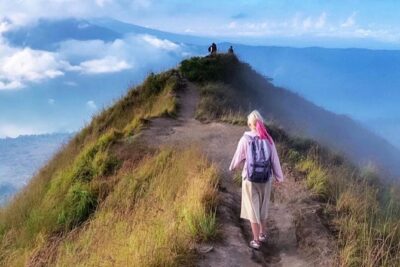
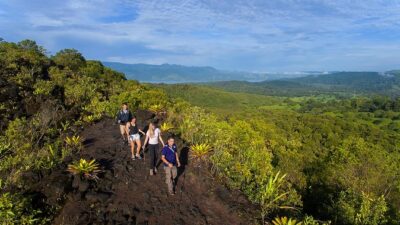
The heart of the experience is the morning hike from the foothills of Meteora. You join a group of hikers and head out with a local mountain guide, following routes tied to the 15 centuries-old footsteps of the first monks.
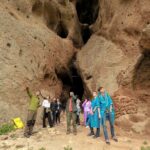
This is not just a straight line from viewpoint to viewpoint. The route includes “hidden trails” that locals know, plus stops where you can see plants, small wildlife, and natural features along the way. You’ll also encounter caves and other historical elements connected to how people lived and traveled here long before modern access.
Here’s why I think this part matters for you: Meteora can become a checklist if you only do the big, obvious overlooks. A guided hike focused on lesser-walked paths turns the day into a story you can physically follow—rock, path, monastery, view, repeat.
One more practical point: the trip is described for people with moderate physical fitness. That means you should expect uneven terrain and a steady hiking effort. If you’re between levels, I’d lean toward going only if you’re comfortable with hiking in the morning and don’t mind some climb.
Ypapanti monastery and the ruins of St. Dimitrios

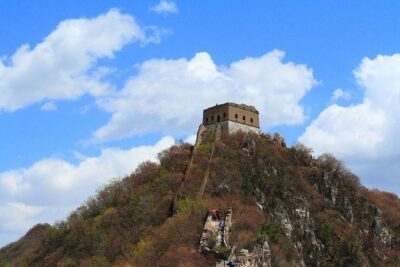
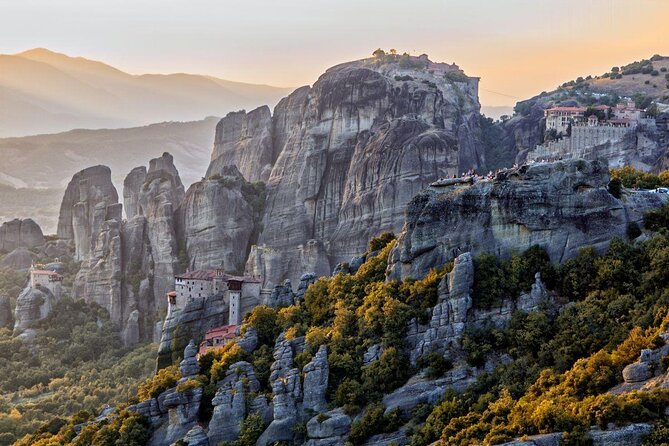
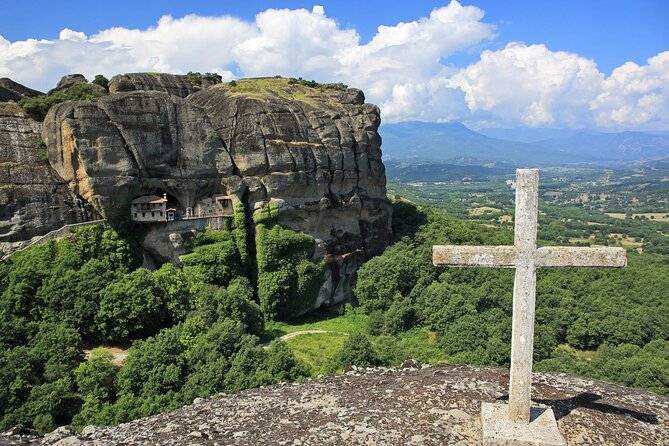
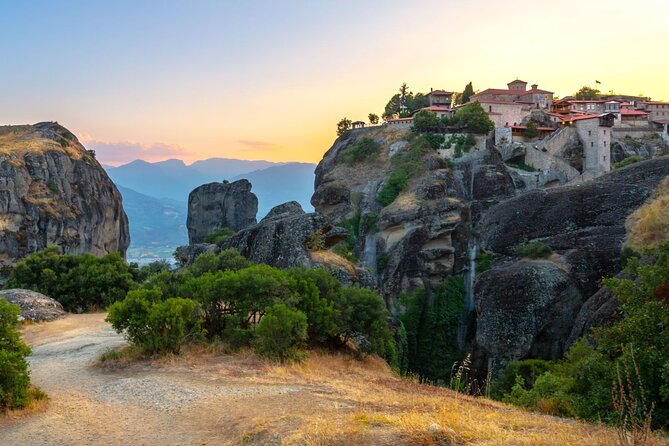
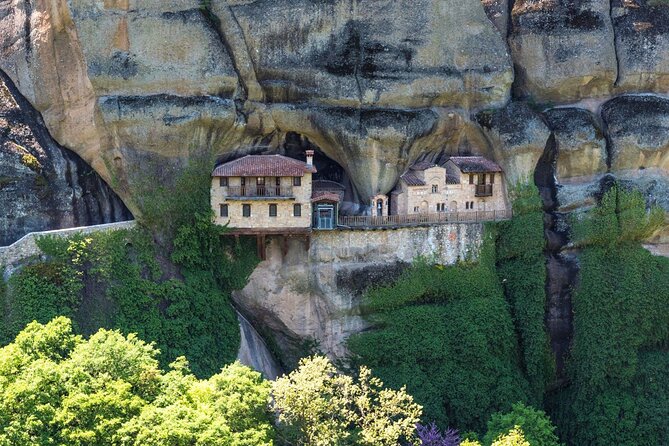
After you’ve warmed up on the trails, the tour brings you to a major spiritual viewpoint area: the hidden monastery of Ypapanti. It’s one of the standout monastery stops on this hike, and it’s where the scenery starts feeling cinematic—sudden cliffs, monastery buildings perched above, and the sense that the rock itself is part of the architecture.
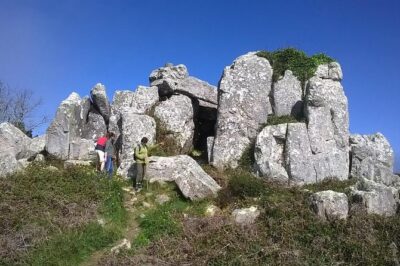
From there, you also see the ancient Ruins of St. Dimitrios. Ruins can sometimes feel like a quick glance and move on, but paired with the route and the guide’s explanation, they give you context for how the area functioned beyond today’s monastery circuit.
I like this combo because it keeps the day from being only one note. You get the living monastery presence at Ypapanti and then the quieter, layered feel of ruins. Together, they help you understand why Meteora became so important for monks and travelers over the centuries.
Photo tip that’s practical: take a few minutes before each stop to switch your phone camera stance slowly—wide shot first, then a vertical detail shot (monastery shapes, rock edges, or stairways if you can see them). Those small changes usually beat frantic snapping while you’re walking.
Great Meteoron or Varlaam: your monastery depends on the day

One of the nicest things about this hike is that it gives you real monastery time without trying to cram in multiple full stops. After the earlier sites, you’ll visit either the monastery of Great Meteoron or Varlaam, depending on the day of the hike.
You’re not just seeing buildings. Your local mountain guide explains the history and legends connected to these monasteries, which is exactly the kind of context that makes the structures feel more than scenery.
If you care about variety, this is a good choice because either monastery gives you the Meteora “wow” factor—those dramatic cliff-top settings are hard to describe until you’re there. If you’re the type who wants to make sure you see a specific monastery name, then you’ll want to check what’s scheduled for your date before you lock it in, since the tour varies.
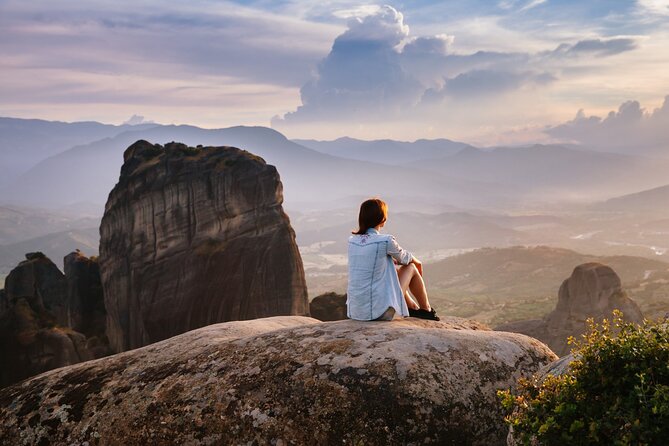
Either way, you’ll also have time to enjoy the panoramic views. This is a hike where the breaks are part of the design, not an afterthought.
Panoramas, fauna, and why the pacing works
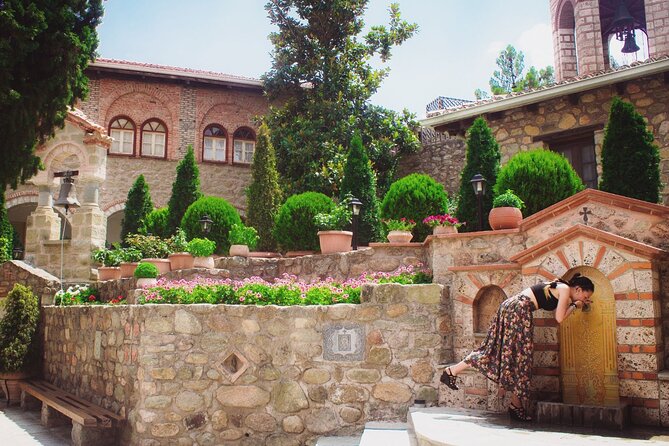
Meteora’s rock pillars are famous, but the day isn’t just about big cliffs. The highlights include beautiful fauna and flora and natural features like caves. That means there are moments where the guide’s route helps you pay attention at human scale—plants, terrain, small details around the trail.
The pacing also helps. This isn’t a race. You’re given enough time at viewpoint stops to take photos and absorb what’s around you, which matters because Meteora is the kind of place where you want your eyes to adjust between “wide” and “close.”
For the best experience, plan to walk with your camera ready but not constantly in your hand. The trail changes, and your best shot might be something you only notice after you’ve stopped and looked for a second.
You can also read our reviews of more hiking tours in Meteora
Price and value: what your $36.12 includes
At $36.12 per person, this is positioned as a budget-friendly way into guided hiking in Meteora. The big value points for me are the included logistics and guidance:
Included:
- pickup and drop-off from Kalabaka or Kastraki
- a local mountain guide
- small group hiking tour
- bottle of water
It also notes admission ticket is free, but here’s the important part: entrance fees for each Meteora monastery are not included and are listed at €5.00 per person. And it also says a guided tour inside the monastery isn’t included.
So how do you judge value? You’re paying for a guided hike that gets you to monastery areas and viewpoints without you organizing the whole day yourself. If you were to self-plan the hiking route and monastery stops, you’d likely spend time figuring out paths and timing. This tour compresses that work into a few efficient hours.
My practical advice: budget at least the monastery entrance fee(s) on top of the base price, and treat the inside-of-monastery time as self-guided rather than a deep, guided walk-through.
Logistics that affect your day (without wasting your time)
This activity runs in the morning and works best when the weather is stable. It’s noted that the experience requires good weather. If it’s canceled due to poor weather, you’re offered another date or a full refund.
The tour also runs with a maximum of 15 travelers, which usually means less waiting around and more chance to hear what the guide says. It’s also listed as near public transportation, so if you’re staying a bit outside Kalabaka or Kastraki, you’ll have options, though the pickup specifically targets those areas.
Language is English, and you get a confirmation at booking time.
Good to know for your plans: the activity is not recommended for children under 7 years old, and it requires moderate physical fitness. If you’re traveling with mixed fitness levels, the group hiking format can be more fun when everyone is comfortable walking.
Who this Meteora hike is best for
This tour is a strong match for you if:
- you want guided hiking in Meteora rather than only looking from a bus
- you like learning the meaning behind what you see, including legends and monastery context
- you want a half-day plan with pickup and drop-off handled
- you’re comfortable with moderate hiking effort and uneven terrain
It’s also a good fit if you’re visiting in a season when days are short or you just want to keep momentum. Four hours is easy to plug into a bigger Meteora itinerary.
If you’re the type who needs fully accessible paths, very short stops, or a relaxed pace without climbing, then this might feel like too much. In that case, it may be better to choose a less hiking-focused option.
Should you book Meteora Trip’s 4-hour hike?
I’d book this if you want a Meteora morning that feels human—walking paths, seeing caves, and getting to monasteries with a guide who can explain what you’re looking at. The small-group format and included pickup make it low-friction, and the route through hidden trails gives you a different experience than the standard sightseeing loop.
I’d hesitate only if you know your body doesn’t do well with moderate hiking or if you’re hoping for a fully guided monastery interior tour. The monastery inside visit isn’t described as guided here, and entrance fees apply.
If your goal is to experience Meteora as a place people actually approached on foot—past monks’ routes, ruins, and cliff-top monasteries—this is a practical, good-value way to do it.
FAQ
How long is the Meteora hiking tour?
It runs about 4 hours.
What time does the tour start?
The start time is 8:30 am.
Where does pickup happen?
Pickup and drop-off are offered from your accommodation in Kalambaka or Kastraki.
How big is the group?
The tour has a maximum of 15 travelers.
What language is the tour offered in?
The tour is offered in English.
Is there an admission ticket included?
The experience states an admission ticket is free, but monastery entrance fees are not included. Entrance fees are €5.00 per person for each Meteora monastery.
Are monastery interiors included with a guided tour?
Guided tours inside the monasteries are not included.
What should my physical fitness level be?
It’s recommended for people with moderate physical fitness.
Is it suitable for children?
It is not recommended for children under 7 years old.
What if the weather is bad?
The experience requires good weather. If it’s canceled due to poor weather, you’ll be offered a different date or a full refund.