REVIEW · MARSEILLE
Marseille: Urban Hiking Tour with a Local Guide
Book on GetYourGuide →Operated by Urban Hike · Bookable on GetYourGuide
Marseille makes sense on foot. This urban hike threads you from the Old Port toward the hills and up to Notre-Dame de la Garde, with a local guide turning streets into stories, fast. It’s part sightseeing, part orientation, and part workout in the best possible way.
I love how the walk mixes sea air with real neighborhood life. You’ll get history and culture in plain language, plus humor and good question time in a small group (up to 10 people). The route also includes side streets and less-obvious spots, so it doesn’t feel like a checklist tour.
One consideration: this is not a stroll. Expect uneven pavement, stairs, and an incline, and on nice-weather days the outing can run past 3.5 hours—so don’t pack a tight schedule.
In This Review
- Key takeaways before you lace up
- Why this Marseille hike is worth your time
- Getting started at Burger King (and what to expect from the group)
- Old Port of Marseille: your quick orientation in real surroundings
- Palais du Pharo: a photo stop with shoreline context
- Plage des Catalans: sea views plus the feeling of a lived-in coast
- Monument aux morts: a brief moment that adds meaning
- Vallon des Auffes: fishing port vibes and those tight-water views
- Anse de Malmousque and Anse de La Fausse Monnaie: coves that keep the story moving
- Chemin du Bois Sacré: quieter greens before the big climb
- The secret stop: where the tour turns into a real local experience
- Notre-Dame de la Garde: the climb, the narrow alleys, and the view payoff
- Boulevard André Aune and the return to the Old Port finish
- Price and value: $46 for 210 minutes of guided city hiking
- Pace, fitness, and who should skip this one
- What to bring so the hike feels easy (even when it isn’t)
- Should you book this Marseille urban hiking tour?
- FAQ
- How long is the Marseille Urban Hiking Tour?
- Where do we meet the guide?
- What languages are available for the guided tour?
- How big is the group?
- What’s included, and what should I bring?
- Is this tour refundable, and who shouldn’t book it?
Key takeaways before you lace up
- Old Port to basilica views: You’ll end up above the city with a big lookout payoff.
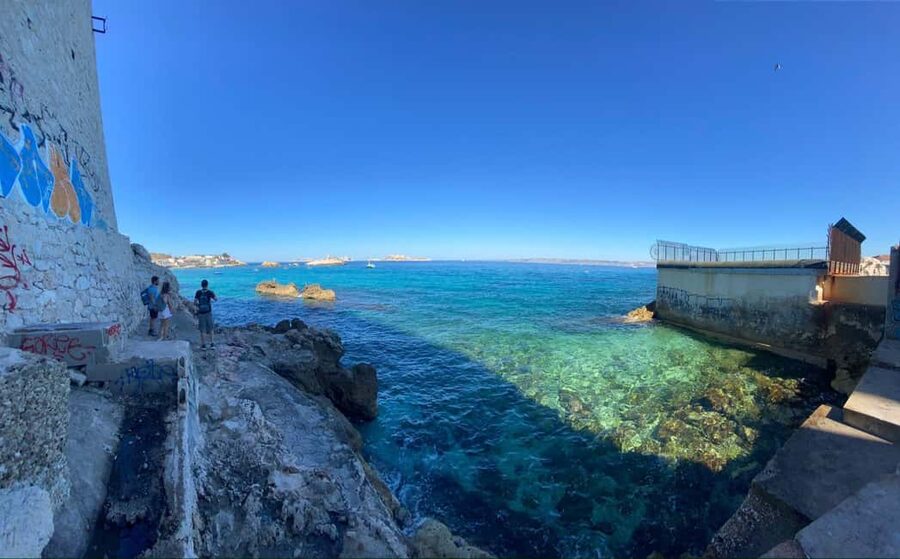
- Sea coves, fishing harbors, and small beaches: A classic Marseille route, but handled like a neighborhood walk.
- Guide-led history plus culture and sociology: You’re not just shown places, you’re given context.
- Small group format: Up to 10 participants means more interaction (and fewer “where’s the guide?” moments).
- Real walking pace: Grippy shoes matter, and you should be ready for steep sections.
Why this Marseille hike is worth your time
Marseille has a way of confusing first-time visitors. The port looks like one world, the hills look like another, and the neighborhoods feel like they’re speaking different languages. This tour helps you connect the dots by walking the in-between parts, with a guide who makes sense of the city in real time.
What I like is that you’re not stuck in one theme. You’ll move from the Working Port zone to seaside viewpoints, then into quieter green pockets inland. And when you finally climb up to Notre-Dame de la Garde, the view doesn’t feel random. It feels earned—and it helps you understand how the city is shaped.
You can also read our reviews of more guided tours in Marseille
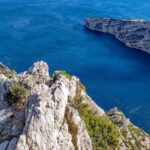
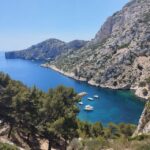
Getting started at Burger King (and what to expect from the group)
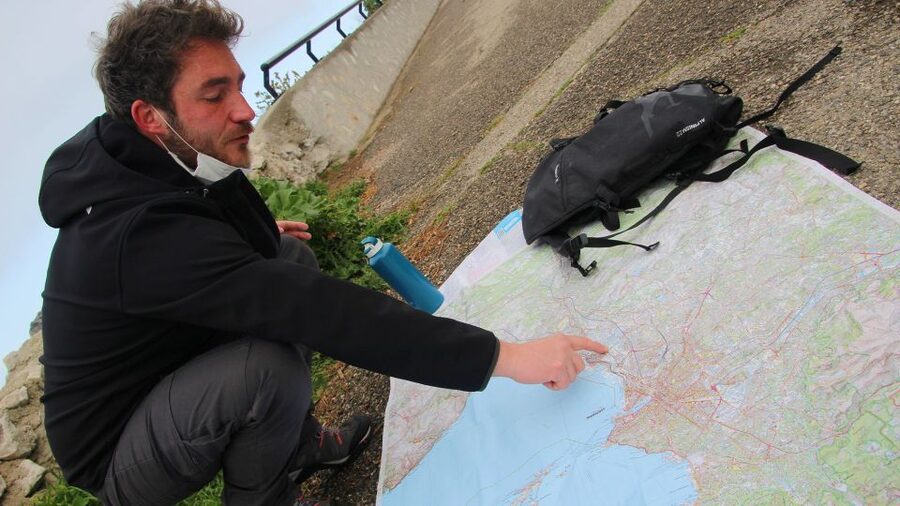
You meet in front of Burger King at the intersection of La Canebière and the Quai des Belges. Your guide will be wearing hiking gear with a backpack, easy to spot, and the group size stays limited to 10 participants.
This tour runs about 210 minutes, but plan for the fact that the pace depends on weather and conversation. When the day is pleasant and people ask questions, the walk can stretch beyond 3.5 hours. That’s normal here. It’s also why you’ll want to go into it with a relaxed mindset.
Bring comfortable shoes. The tour is built around walking narrow streets and changing elevation. Even if you’re fit, you’ll still want something with good grip for uneven steps.
Old Port of Marseille: your quick orientation in real surroundings
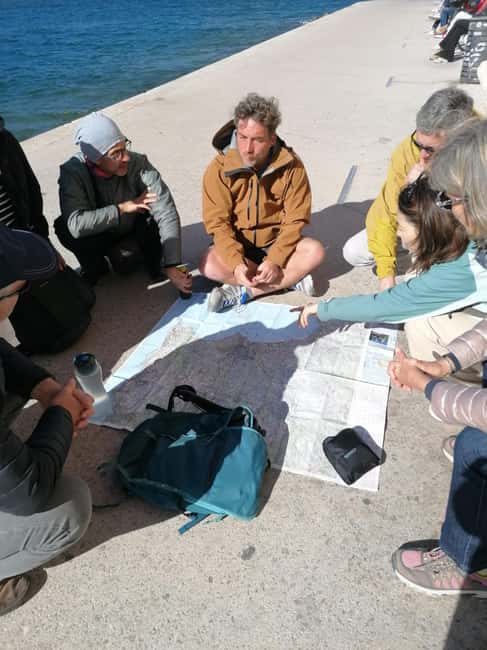
The tour begins at the Old Port of Marseille with a short guided introduction. Ten minutes isn’t long, but it’s enough to help you get your bearings. You’ll start seeing Marseille less like a postcard and more like a working city—where the port connects to everyday routines.
This is also where the guide’s tone sets you up for the rest of the hike. If you like learning how places work socially and historically—not just what’s there—you’ll probably click with the format right away. Guides like Oliver and Olivier (names you may hear in the local stories) are praised for explaining not only landmarks, but the city’s character and how neighborhoods evolved.
Palais du Pharo: a photo stop with shoreline context
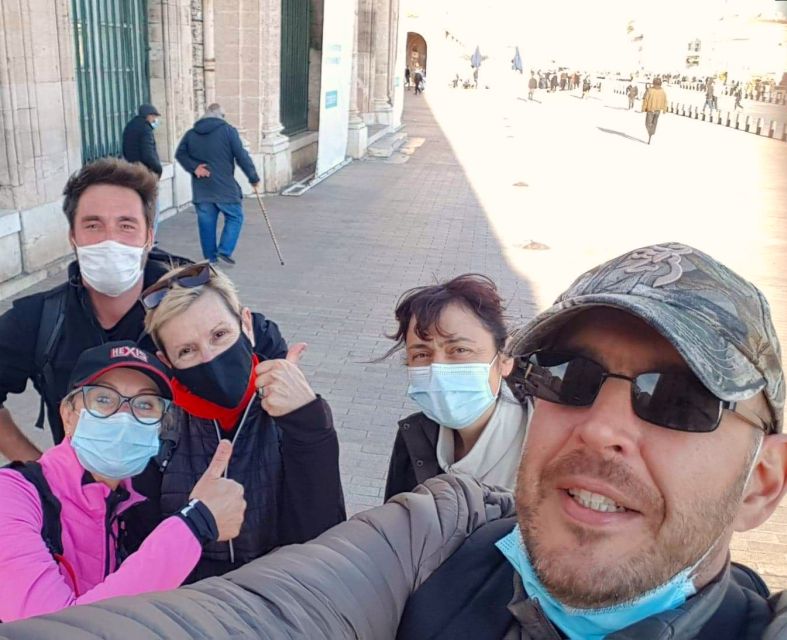
Next comes Palais du Pharo, with a photo stop plus guided sightseeing. This stretch is part of the “sea first” experience. You get to enjoy the water views without immediately committing to the toughest climb.
Photo stops can sometimes feel like wasted time on tours. Here, the photo moment usually comes with context: where you are, why this part matters, and how the route connects to the city’s geography. It’s a simple way to make the rest of the walk easier to follow later.
Plage des Catalans: sea views plus the feeling of a lived-in coast
Plage des Catalans is another short stop, again mixing guided comments with sightseeing. This is the kind of seaside spot that feels like it belongs to Marseille, not a set built for visitors.
You’ll get those classic coastal views, and the guide uses them to explain how the city relates to the sea. It’s not just scenery. It’s geography, climate, and daily life all in one.
If you’re traveling with someone who wants both water views and history, this is a good early balance point.
You can also read our reviews of more hiking tours in Marseille

Monument aux morts: a brief moment that adds meaning
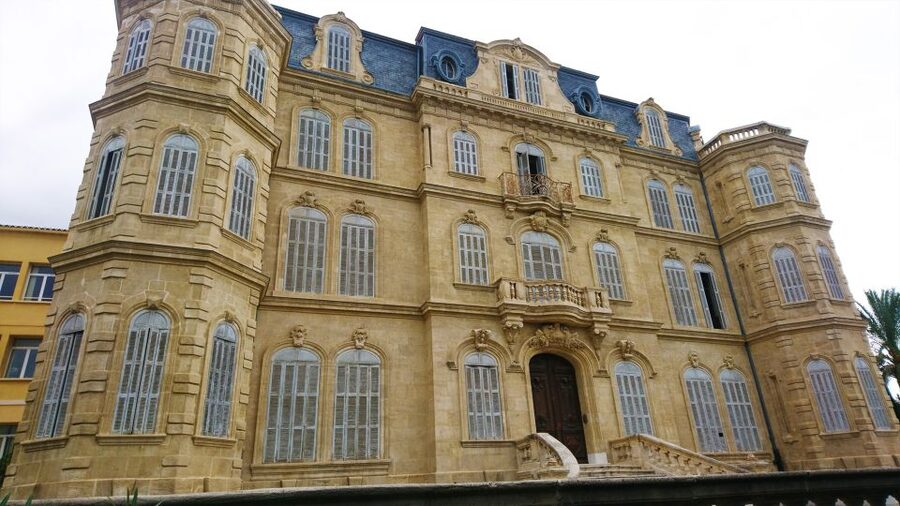
There’s a stop for the Monument aux morts de l’Armée d’Orient et des terres lointaines. It’s a short photo stop, but the point is bigger than the photo.
This kind of stop matters because it grounds the walk. Marseille isn’t only about beaches and angles for skyline photos. It’s also shaped by events, migrations, and the long memory of the region. Even a quick pause here helps you understand why the city looks the way it does—and why certain public places carry weight.
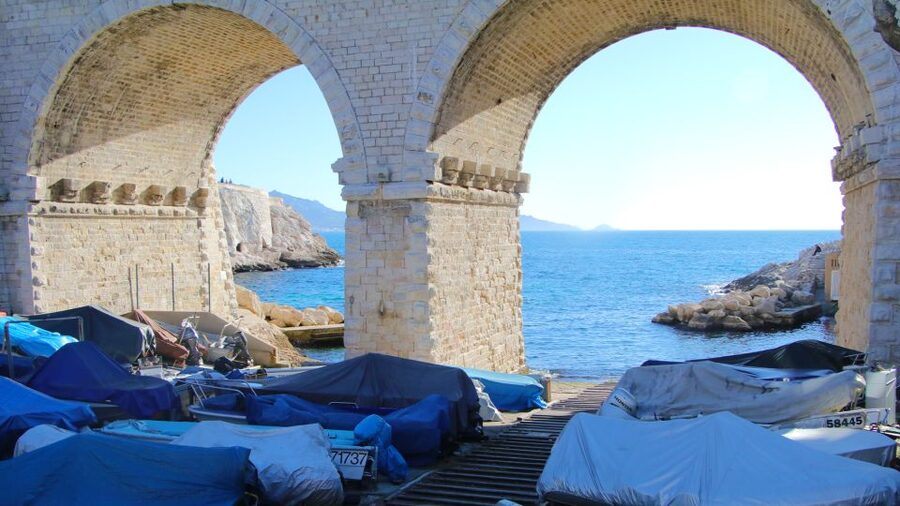
Vallon des Auffes: fishing port vibes and those tight-water views
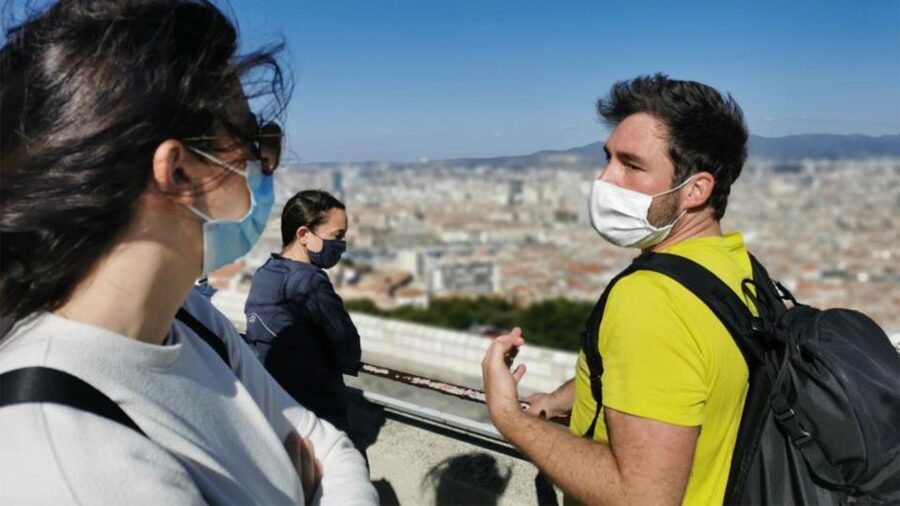
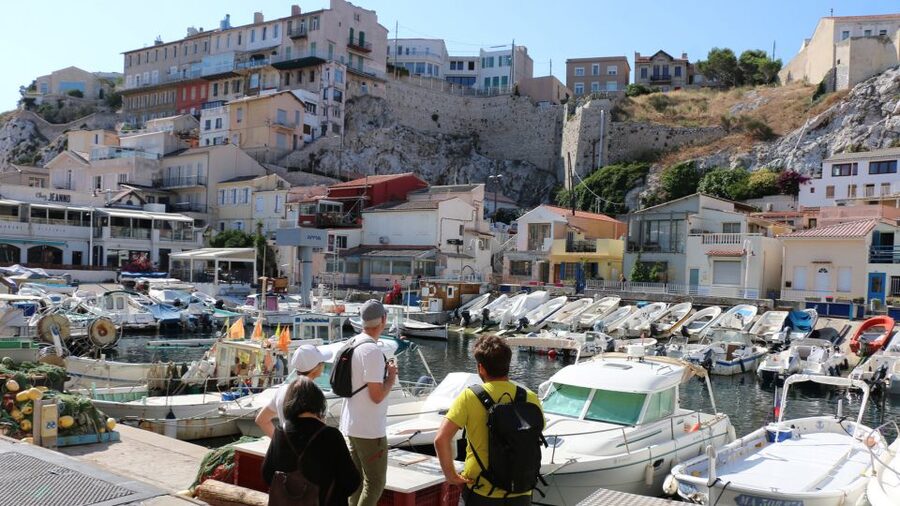
Then you head toward Vallon des Auffes, with a photo stop plus guided sightseeing. This is where Marseille’s smaller coastal personality shows up.
You’ll get the feeling of tucked-in coves and working waterfronts, the kind of place you’re unlikely to stumble into on your own unless you know where to look. The route also keeps changing scenes, so you’re not stuck repeating the same shoreline view.
The benefit for you: when you reach the higher lookout later, you’ll recognize the water indentations and understand how the coast curves around the city.
Anse de Malmousque and Anse de La Fausse Monnaie: coves that keep the story moving
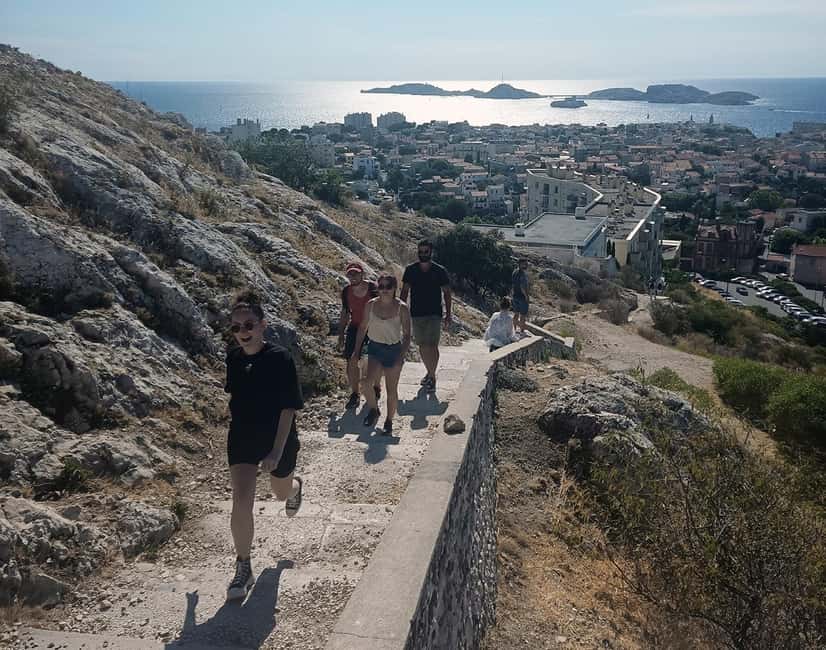
You’ll pass by or stop at Anse de Malmousque, then Anse De La Fausse Monnaie, each with guided sightseeing and scenic views.
These are shorter moments, but they matter because the hike rhythm changes as you move from one cove to the next. Instead of watching one view all day, you get mini reveals—different angles, different water textures, and different neighborhood edges.
If you like coastal walking, this section is often the “I didn’t know Marseille could look like this” part of the day. And if you don’t care about photos much, you can still enjoy it simply by noticing how the city hugs the shoreline.
Chemin du Bois Sacré: quieter greens before the big climb
After the sea-cove sequence, the tour starts heading inland through quieter parks and shaded areas when available. Chemin du Bois Sacré is another guided walking segment with scenic views on the way.
This is a smart pacing choice. You’re building toward the climb to Notre-Dame de la Garde, so you get a break from the constant open-sun feeling. In hotter months, this kind of park pause makes a difference, and the tour includes 8 water points along the route to help you stay steady.
If you hate stopping constantly, you’ll still appreciate that the guide times breaks around actual route needs—breath, hydration, and small perspective moments.
The secret stop: where the tour turns into a real local experience
There’s a “secret stop” built into the route: a long photo stop, guided sightseeing, and a walking segment that lasts about 40 minutes.
This is the part that often makes a guided walk feel worth it. It’s where you get something more off the standard tourist line. The guide uses this time to add extra context and to show a different side of Marseille’s neighborhoods.
In the same general idea, guides like Olivier are praised for leading people through lesser-known paths and describing the city with maps and on-the-ground explanation. That’s why this kind of stop works: you don’t just see it. You understand it.
Notre-Dame de la Garde: the climb, the narrow alleys, and the view payoff
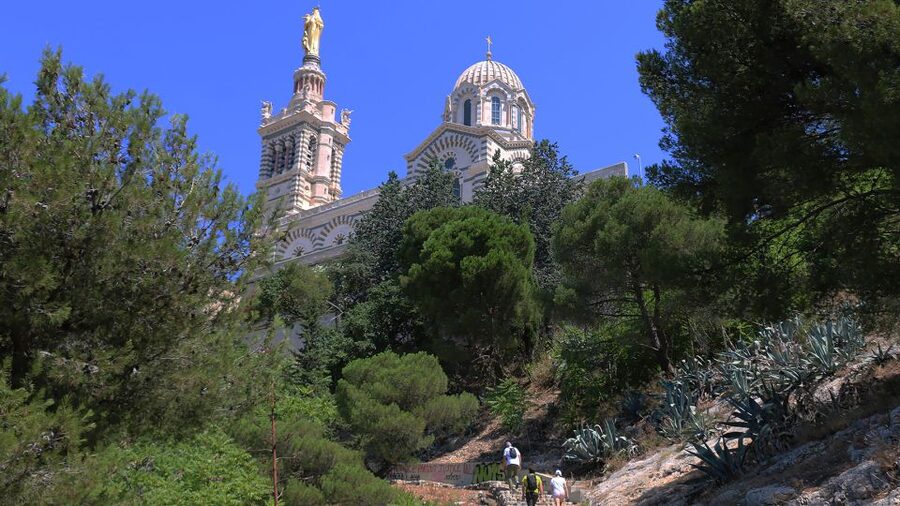
Eventually, you’ll reach Notre-Dame de la Garde. Expect a photo stop plus a visit, with guided help and then time for self-guided wandering. This is the signature moment.
The route includes narrow alleys and climbing sections. You’ll feel the effort. In one experience note, a participant described it as real hiking with pavement, uneven steps, and steep parts, and that tracks with what this tour is built around.
But then you get the payoff: wide views over the sea and the city. From up there, Marseille stops looking like separate pieces. You can see how the coastline and the inland rises fit together. That’s what turns a sightseeing day into something memorable.
Boulevard André Aune and the return to the Old Port finish
On the way back, you pass by Boulevard André Aune with guided sightseeing, photo stops, and walking segments. This section helps you reconnect what you learned at height with what you see back near street level.
Finally, you return to the Old Port of Marseille with a short free-time window. That’s a useful way to end: you can grab a drink or snack on your terms, or simply sit and process the walk while the city feels fresh in your mind.
Price and value: $46 for 210 minutes of guided city hiking
At $46 per person for about 210 minutes, you’re paying for a guide, time, and a structured route that includes water points and sunscreen. Even without comparing to other city walks, this is priced like an “experience” rather than a basic walking tour.
The best value pieces for your money:
- Small group size (max 10) so you can ask questions and not lose the guide to the crowd.
- 8 water points included, which matters on a hike where hydration isn’t optional.
- Sunscreen included, helpful for sunny coastal days.
What’s not included is water or drinks, so you’ll still want to plan to bring something or buy along the way if you need it. The included water points help, but they don’t remove the need for smart pacing.
And yes, there are stairs and steep sections. If you go in expecting a light walk, you’ll feel it. If you go in ready for a real urban hike, you’ll probably feel very satisfied afterward.
Pace, fitness, and who should skip this one
This tour is small-group and guided, but it’s not designed as a stroller-friendly loop. It’s not suitable for children under 7, and it isn’t for people with mobility impairments.
If you’re comfortable walking for a few hours and handling uneven steps, you’ll likely enjoy it. In the participant notes, people mention steep stretches and a fast walking pace that the guide manages by waiting for everyone often. That’s good—but it still means you should be ready to keep up at least part of the time.
This is ideal if you want:
- a city orientation you can feel in your legs
- history and culture explained in a practical way
- sea views plus neighborhood details, not just big-ticket landmarks
What to bring so the hike feels easy (even when it isn’t)
Even with the included sunscreen and water points, you’ll have a better time if you show up prepared.
Bring:
- Comfortable shoes with grip
- Water (drinks aren’t included)
- Sunscreen (even though it’s included, having your own can be comforting)
If you’re sensitive to heat, plan on taking breaks when the guide offers them. Also keep your schedule loose. This route sometimes runs past 3.5 hours when the weather is good and conversation stays lively.
Should you book this Marseille urban hiking tour?
Book it if you want Marseille to feel real fast. This walk gives you a mix of coastal coves, inland park air, and a climb to Notre-Dame de la Garde with real views and real context from the guide. The small group format and the guide’s storytelling style are the core strengths here.
Skip it if you want a mostly flat, low-effort sightseeing day, or if mobility limitations make stairs and uneven steps a problem. It’s a hiking tour in an urban setting, not a casual wander.
FAQ
How long is the Marseille Urban Hiking Tour?
It lasts about 210 minutes, though on some days the walk can exceed 3.5 hours.
Where do we meet the guide?
Meet in front of Burger King at the intersection of La Canebière and the Quai des Belges. The guide will be dressed in hiking gear and carrying a backpack.
What languages are available for the guided tour?
The live guide speaks French and English.
How big is the group?
The tour is limited to a small group of up to 10 participants.
What’s included, and what should I bring?
Included: a guide, 8 water points on the route, and sunscreen. Bring: comfortable shoes and water (water or drinks are not included).
Is this tour refundable, and who shouldn’t book it?
You can cancel up to 24 hours in advance for a full refund. It’s not suitable for children under 7 or for people with mobility impairments.