REVIEW · MARSEILLE
From Marseille: Calanques National Park Guided Hike
Book on GetYourGuide →Operated by Planetazur · Bookable on GetYourGuide
If you like your day with views and a swim, this one delivers. This guided hike out of Marseille takes you through Calanques National Park’s rocky coastline—pine woods, rosemary bushes, dramatic limestone cliffs, and that famously electric Mediterranean water you’ll want to jump into. Guides like Geoffroy and Alex are big on pacing and safety, plus they’ll point out the plants and wildlife as you go.
What I love most is the mix of guided trail finding and stops that actually matter: viewpoints over the Frioul and Riou archipelagos, then a beach for picnic lunch and swimming. A second highlight is the optional Blue Cave swim (about 700 meters round-trip), which turns the hike into more than just scenery.
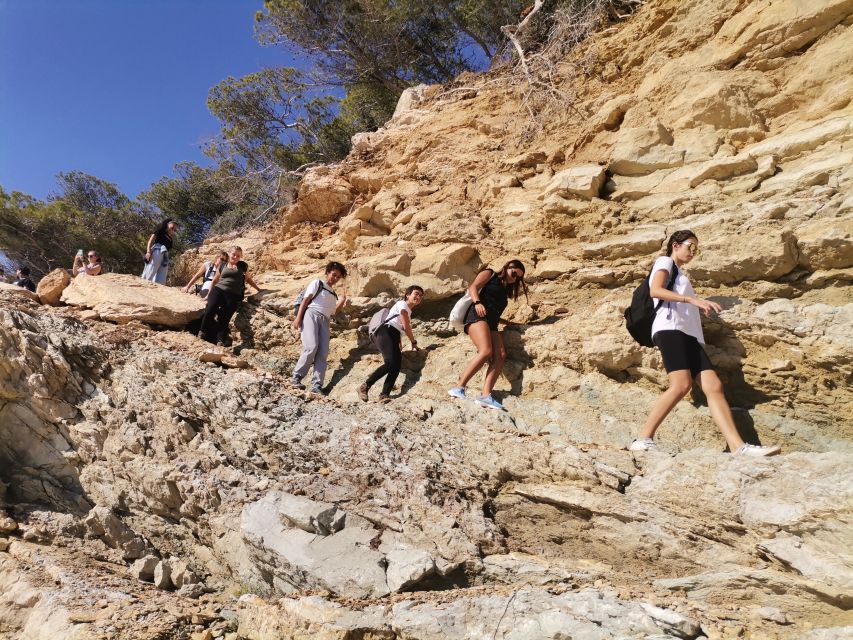
One thing to consider: this is a real hike. There’s over 250 meters of elevation gain, about 7.51 km total, and some sections can feel vertiginous or steep, with rocky footing and at least one chain-assisted climb for some routes.
In This Review
- Quick hit points before you lace up
- Getting to the Calanques: Luminy is the smart starting point
- The hike pace and timing: a day with 3 big chapters
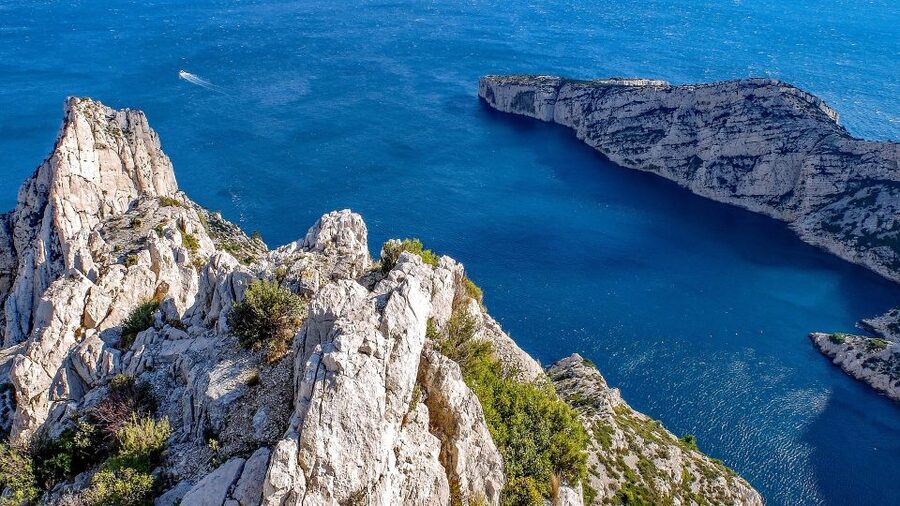
- What the scenery feels like: limestone cliffs meet pine air
- Viewpoints that make you slow down: Frioul, Riou, and Mont Puget
- The flora and fauna breaks: why the pauses aren’t boring
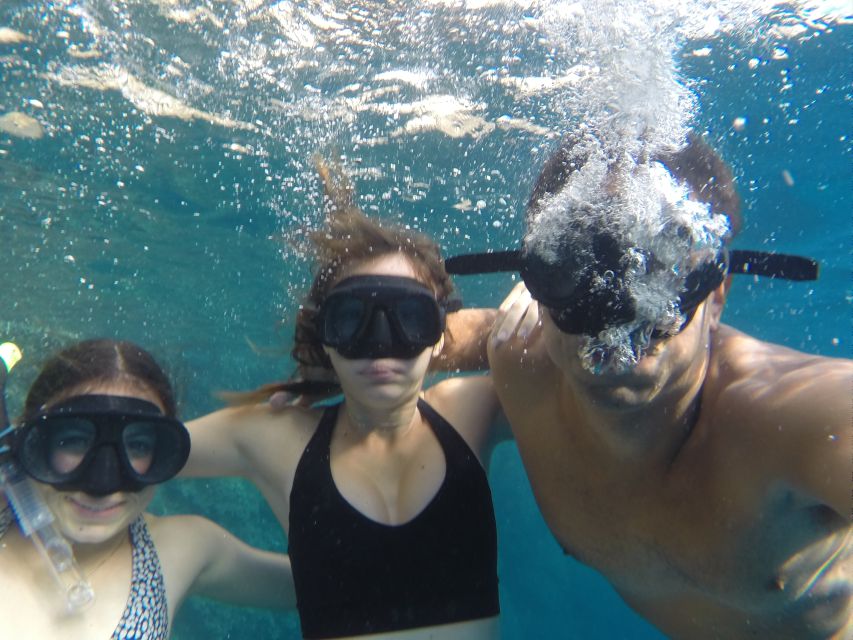
- The beach chapter: picnic lunch, swim time, and cold-water reality
- The optional Blue Cave swim: 700 meters of fun or a deal-breaker
- Vertigo, heights, and slippery rock: know what kind of hike this is
- Price and value: why $41 can make sense here
- Who this is best for (and who should skip it)
- Should you book the Calanques guided hike from Marseille?
- FAQ
- What time and where do we meet for the Calanques hike?
- How long is the hike, and how is the time divided?
- Is the Blue Cave included, or is it optional?
- What should I bring?
- What languages is the guide available in?
- What happens if weather is bad?
Quick hit points before you lace up
- Pine-and-rosemary approach: you start in fragrant vegetation, then the terrain turns into limestone and sea coves.
- Frioul and Riou viewpoints: you get big panoramic breaks, not just a steady shuffle.
- Picnic lunch included: it’s built into the timing—about an hour when you reach the beach.
- Swim stop mid-hike: your break isn’t just resting; you’re encouraged to get in the water.
- Optional Blue Cave swim: doable for confident swimmers, but it’s not mandatory.
- Real physical effort: bring good shoes and expect climbs, heat, and uneven ground.
Getting to the Calanques: Luminy is the smart starting point
The meeting spot is straightforward: you meet your guide in front of the Baux Arts de Marseille at 8h55 (Luminy campus area). This early start matters in summer. The Calanques can get punishingly hot, and your best chance of enjoying the views without feeling cooked is to get moving while the day still has some cool air.
Getting there is mostly about picking your transport:
- Bus: Take B1 from Castellane Metro, then get off at Luminy PN des calenques. Bring cash or a ticket for the fare (it’s 3.5€ round trip). If you already used a metro ticket, it still works within an hour. Day/week passes can work too.
- Car: There’s parking near the architecture and fine arts school in Luminy, with a large free section right by the entrance.
From there, expect about 30 minutes of transport one way to reach the start of the walk (the hike timing you’re really planning around is the walking and the beach break).
You can also read our reviews of more guided tours in Marseille
The hike pace and timing: a day with 3 big chapters
This tour runs about 4 to 5 hours, and the day is organized into a few clear blocks:
- 30 minutes to get to the National Park area
- ~3 hours walking through the Calanques
- ~1 hour for lunch and swimming
That timing is a big part of why the experience feels fun instead of exhausting. You’re not stuck walking for five hours straight. The rhythm is more like: hike hard-ish, pause for a view or plant talk, then reach the beach where you can actually reset.
Elevation and distance are worth taking seriously:
- More than 250 meters of elevation gain
- 7.51 km total distance
Also note the guide has flexibility. Depending on group size and temperature, your exact pace and stops can shift, and the route can adjust for weather.
What the scenery feels like: limestone cliffs meet pine air
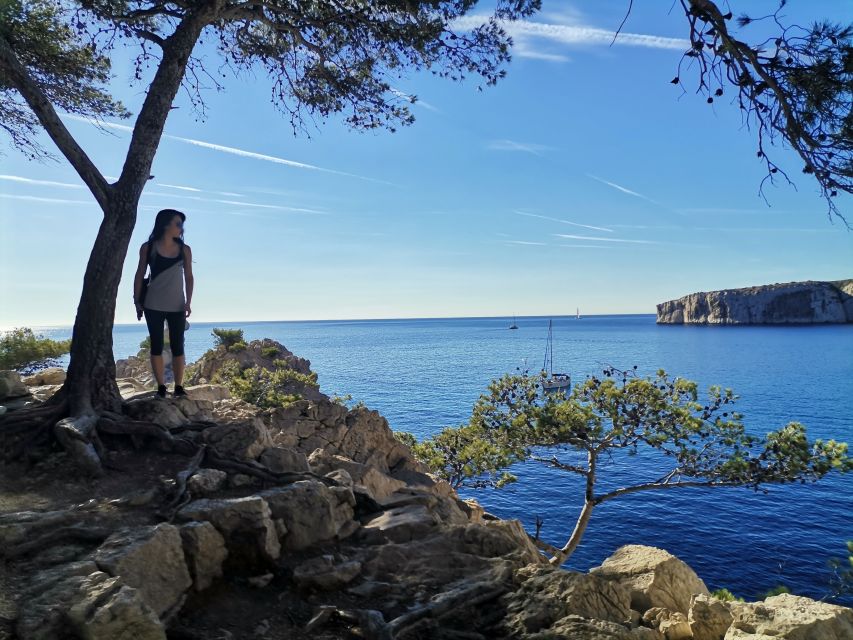
The Calanques here aren’t just pretty from one angle. Early on, you’re walking through pine woods and rosemary bushes, so you get real “North of Italy / Provence scrub” vibes—smell the plants, feel the shade, then gradually transition into the rocky coastline where the sea dominates.
Then the terrain changes from gentle footpaths to something more technical:
- rocky ground
- steep sections
- uneven footing that can turn slippery
- places where you’ll want to move carefully instead of quickly
That’s also why this hike feels so rewarding. You earn the view. When you reach the classic coves, the Mediterranean looks like it’s been turned up a notch.
Viewpoints that make you slow down: Frioul, Riou, and Mont Puget
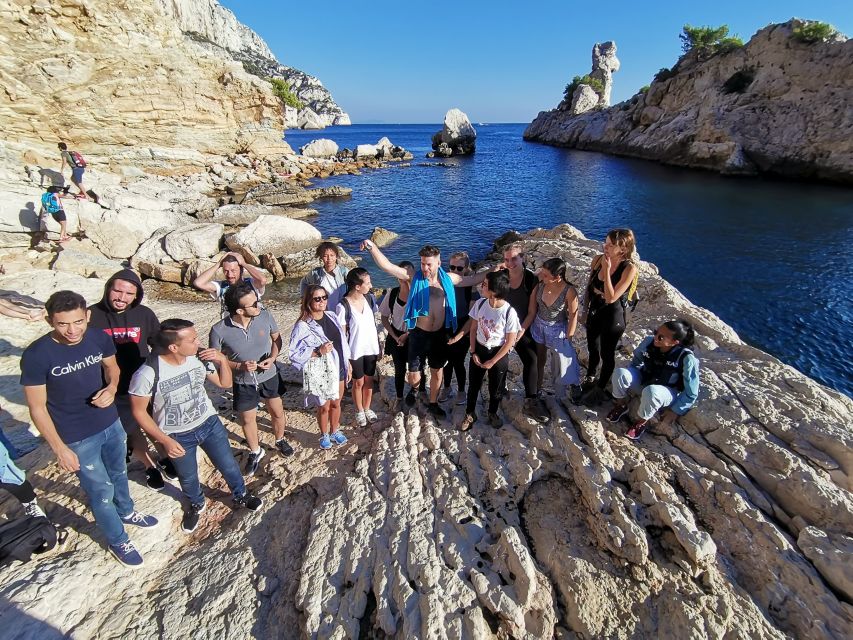
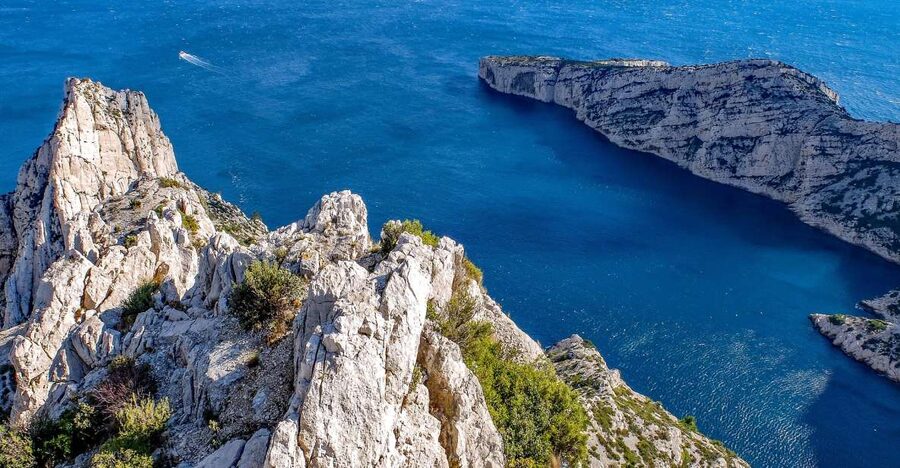
One of the best parts of booking with a guide is that you don’t have to guess where the “wow” moments are. Your guide leads you through viewpoints over:
- the Frioul and Riou archipelagos
- Falaises Soubeyrannes
- Mont Puget, noted as the highest sea cliff in Europe
You’ll also get taught a little about what you’re seeing, not in a classroom way—more like: why the cliffs look like that, why certain plants survive here, and how the coast ties into Marseille’s relationship with the Calanques.
In the reviews, guides stood out for how they kept groups moving without rushing people. If you’re nervous on steep ground, that matters. You don’t want someone barking commands. You want steady leadership that keeps the group safe and still enjoying the place.
The flora and fauna breaks: why the pauses aren’t boring
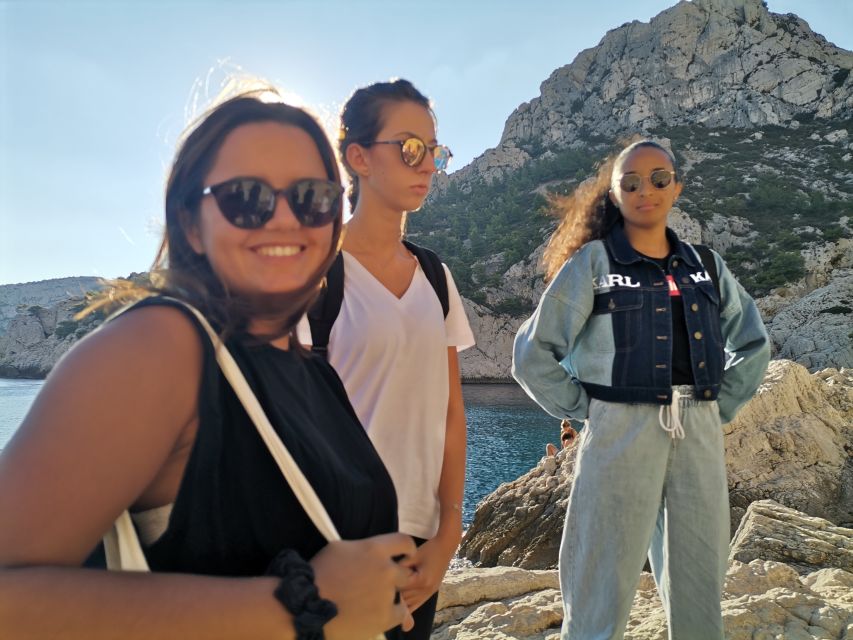
You’ll take “refreshment” breaks to soak in views and learn about local life. This is where the tour stops being only cardio and becomes a real sense of place.
You’ll learn about the flora and fauna along the route—especially how plants handle wind, salt spray, and limestone soils. Even if you don’t care about botany, these moments make the walk feel guided rather than just routed.
A practical tip: use these breaks to drink, refill your focus, and take out your camera before the trail forces you to look down at your shoes.
You can also read our reviews of more hiking tours in Marseille
The beach chapter: picnic lunch, swim time, and cold-water reality
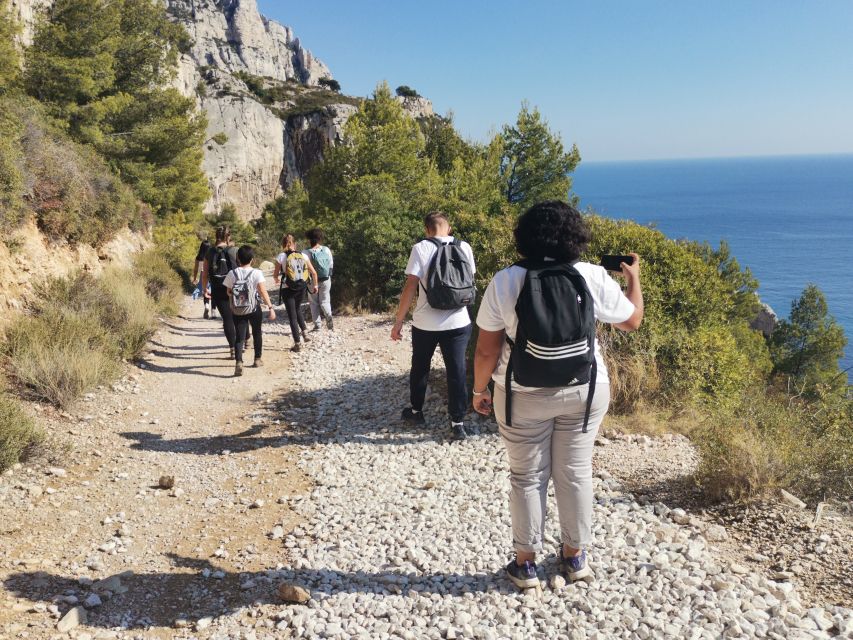
Eventually, you reach the beach where the experience becomes a proper Mediterranean reset. Your picnic is included, and it’s timed for about one hour. The lunch is a big reason this tour feels good value, because you’re not arriving at a beach hungry and then scrambling for food.
You’ll have time to:
- eat your picnic
- enjoy the sea water
- relax before heading back (or continuing the rest of the route)
In warmer months, the water can look like it belongs in a postcard. Reviews also make clear that it can be cold, even when the air is hot. If you’re planning the swim, bring that mindset and go in steadily.
What to bring here is not optional if you want a relaxed day:
- swimwear
- hiking shoes
- water
- sports shoes (useful if you want something more comfortable for beach time)
And if you pack like a local, you’ll feel prepared: a towel helps, and water shoes can make rocky entry easier.
The optional Blue Cave swim: 700 meters of fun or a deal-breaker
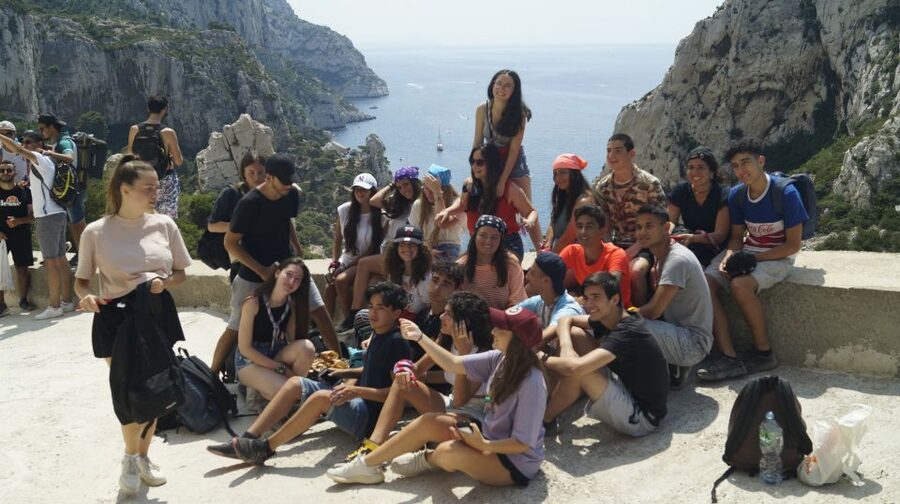
This is the “choose your own adventure” moment. The Blue Cave is accessible during the activity, but only if you’re comfortable with swimming.
What’s on the table:
- reaching the grotto requires a round-trip swim of about 700 meters
- natural conditions can affect access
- jellyfish presence can change what’s safe to attempt
- weather can influence whether the grotto portion is a go
Your guide will prioritize safety, and you should treat this as an optional challenge, not a promise. If you’re not a confident swimmer, skip it without guilt. The main hike and the picnic swim stop already deliver the point of this day.
Also keep this realistic: 700 meters in open water is different from a casual pool length. It’s not about speed—it’s about comfort, stamina, and calm breathing.
Vertigo, heights, and slippery rock: know what kind of hike this is
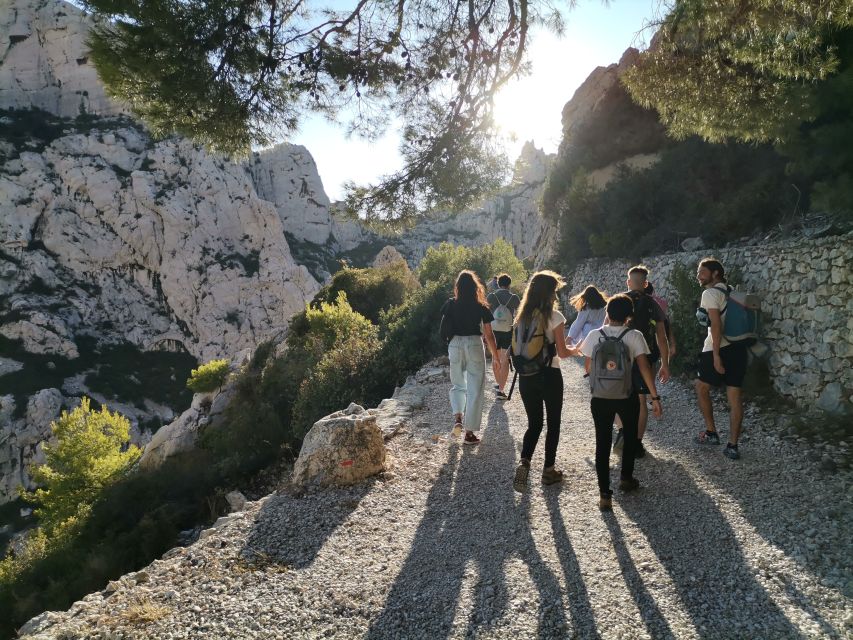
This tour can be vertiginous for some people. The terrain includes steep and rocky sections, and at least some routes involve chain-assisted climbing (one reason it’s not recommended for anyone who hates heights). Add heat and sun, and you get a hiking day that’s “easy to enjoy, hard to fake.”
Also, it’s not for people with:
- mobility impairments or wheelchair use
- vertigo
- respiratory issues
- visual impairments
- altitude sickness
- pre-existing medical conditions
- recent surgeries
- motion sickness
- people over 70
Even if you’re in good shape, you still should plan for rough footing. Reviews repeatedly mention needing good shoes, and that the trail can be rocky and slippery.
Practical move: go slow on the up sections, and don’t try to “win” the climb. That’s how people slip. Use your hands when needed for balance.
Price and value: why $41 can make sense here
At $41 per person, this isn’t a cheap “walk to a view” situation. But it also isn’t just a guided stroll.
You’re paying for:
- an actual guide to lead you through the National Park terrain
- structured timing (hike, picnic, swim, optional cave)
- the picnic included
- trekking poles if needed (ask ahead)
- guidance around what’s safe and what’s worth attempting
When you add up a guide plus a picnic plus the time saved figuring out trails, it starts to feel fair. And there’s a hidden value here too: you avoid the stress of route-finding in a park area where trails aren’t always marked like US-style parks.
For me, this price works best if you’re the kind of person who wants a guided experience but still plans to do the hard parts yourself—walking, careful climbing, and potentially swimming.
Who this is best for (and who should skip it)
This hike is ideal if you:
- like active days with scenic payoffs
- can handle rocky, uneven ground
- enjoy a swim stop as part of the hike
- want plant and coast explanations without extra museum time
- are comfortable with heights enough to climb carefully
It’s less ideal if you:
- get motion sickness
- avoid steep slopes or have a strong fear of heights
- want a flat, easy stroll
- aren’t comfortable with open-water swimming for the Blue Cave option
If you’re a strong intermediate hiker and you’re okay turning your day into cardio plus sea-time, you’ll likely love it. If you’re looking for a gentle nature walk, this isn’t that.
Should you book the Calanques guided hike from Marseille?
Yes—if your idea of a great day is walking into stunning coves, stopping for a proper picnic, and getting into the water while the day is still young.
Book this when you:
- want a guided route through Calanques National Park
- value safety support for steep, rocky terrain
- are happy to trade comfort for real views
- plan to bring the right gear: swimwear, hiking shoes, and enough water
Skip it if you:
- have vertigo or a high fear of heights
- aren’t comfortable on rocky climbs
- can’t swim comfortably for the optional 700m Blue Cave portion
If you match that sweet spot, this is one of the best ways to experience the Calanques without turning the day into a navigation project.
FAQ
What time and where do we meet for the Calanques hike?
You meet your guide in front of the Baux Arts de Marseille at 8h55.
How long is the hike, and how is the time divided?
The experience runs about 4 to 5 hours total, with around 30 minutes of transport one way, about 3 hours walking, and about 1 hour for lunch and swimming.
Is the Blue Cave included, or is it optional?
The Blue Cave is accessible during the activity, but reaching it requires an optional round-trip swim of approximately 700 meters. Your comfort level and safety conditions on the day matter.
What should I bring?
Bring swimwear, hiking shoes, water, and sports shoes. Eating breakfast before you go is also recommended.
What languages is the guide available in?
The live guide is available in English and French.
What happens if weather is bad?
The tour can change depending on meteorological conditions, and if conditions are bad, you’ll be refunded. It’s also suggested to check wind forecasts using sources like Windfinder instead of relying only on Google.