REVIEW · GARDINER MONTANA
Lamar Valley: Safari Hiking Tour with Lunch
Book on GetYourGuide →Operated by Yellowstone Hiking Guides · Bookable on GetYourGuide
Wildlife is the main event in Lamar Valley. This safari-style hiking tour turns the famous Yellowstone spotting grounds into a guided day with binoculars, a trail pace you can actually keep, and a picnic lunch in prime country.
I like two things in particular: the wildlife spotting setup (binoculars plus a group spotting scope) and the fact that your lunch is taken on the move, riverside in the Lamar Valley. You also get a real safety and wildlife etiquette briefing, not just a casual walk.
One possible catch is the physical side. You’ll hike about six miles with up-and-down terrain at 6,500 feet, rain or shine, and the rain jacket and water are not included.
In This Review
- Key things I’d plan around
- Lamar Valley safari hiking at 8am: how the day is set up
- What’s included for $192: gear, lunch, and wildlife support
- The 6-hour timeline: from hot drinks to a riverside picnic
- Wildlife spotting in Yellowstone’s Lamar Valley: what you can realistically expect
- Sage, sagebrush, and the human stories you’ll hear on the way
- Elevation, weather, and fitness: the practical reality check
- Price and logistics: is $192 a good deal for this kind of Yellowstone hike?
- Who this tour fits best (and who should skip it)
- Should you book this Lamar Valley safari hike?
- FAQ
- Where do I meet for the Lamar Valley hike?
- What time does the tour start, and how long is it?
- Is the hike rain or shine?
- What should I bring?
- What’s included in the tour price?
- Are park entrance fees included?
- Are pets or drones allowed?
- What wildlife rules do I need to follow?
- How long and how difficult is the hike?
- Who shouldn’t take this tour?
- What’s the cancellation policy and can I reserve without paying right away?
Key things I’d plan around
- Meet at the Lamar River Trailhead (not the Stock Trailhead) so you don’t start late or walk an extra 20 minutes uphill.
- Binoculars plus a spotting scope make a huge difference when animals are far out on the valley floor.
- Bear spray is provided, and the day includes a safety presentation so you know what to do when wildlife is close.
- Riverside picnic lunch means you’re not rushing back to a car before the best viewing window.
- Guide styles vary by group, and you may see reroutes when bison block the trail.
Lamar Valley safari hiking at 8am: how the day is set up
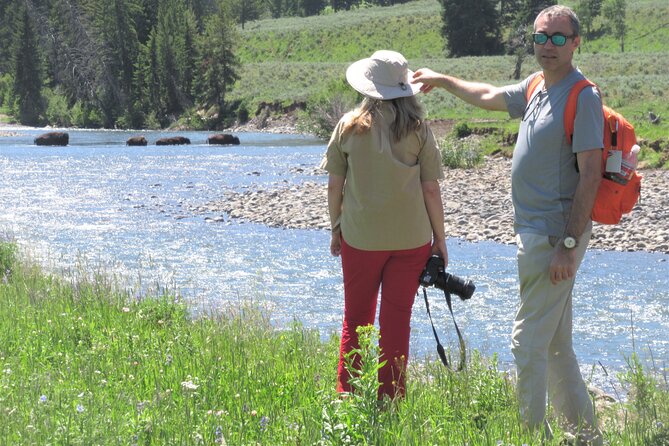
You start at 8:00 am at the Lamar River Trailhead. This matters because Lamar Valley wildlife activity often makes the morning hours worth the early start. The tour is listed as a 6-hour experience, so you’ll be fully into the hike and lunch before the afternoon crowds really thicken.
Bring yourself to the right parking area. The Lamar River Stock Trailhead is for horse users and is where you’ll find the last bathroom option mentioned for this route (two latrines). Your meeting spot is the Hiker Trailhead, about 0.25 mile upstream, and the parking lot for that hiker area has no latrines. If you want to keep the day easy, plan for that before you park.
Getting there by car is straightforward. From Tower Junction, the trailhead is about 14.8 miles and roughly 25 minutes away, after turning onto Highway 212 toward Cooke City. From Cooke City, it’s about 18.3 miles and around 30 minutes, roughly 0.5 mile past the small, white Soda Butte thermal formation.
No one picks you up from hotels here. You’re driving yourself, meeting your guide on-site, and starting together. If you like having a clear plan for your morning, this setup is a plus.
What’s included for $192: gear, lunch, and wildlife support
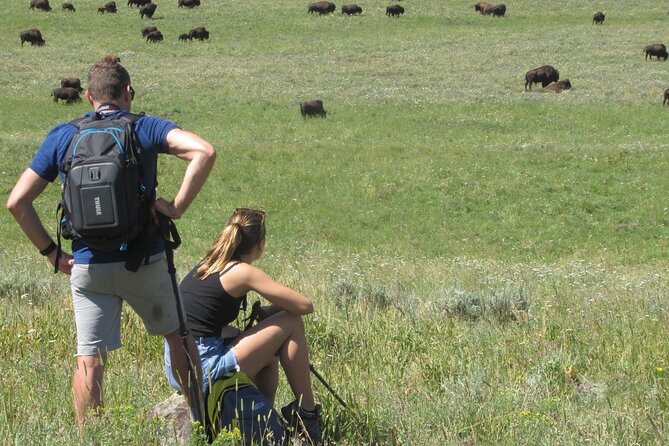
At $192 per person for a 6-hour outing, the value really comes from what you get in your hands and what you don’t have to figure out. This isn’t just a hike with a friendly guide.
You’re provided with binoculars and a group spotting scope, plus a professional wildlife guide. You also get a backpack for your necessities and trekking pole(s), which is a big help on an up-and-down route that totals around six miles.
Safety gear is included too. You get bear spray and you’ll have a short safety presentation before you walk. That combination matters in Yellowstone country, where wildlife can be close and unpredictable.
Food is covered in a practical way. You get a morning snack and hot drink (coffee, tea, or cocoa), and a brown bag picnic lunch you eat out on the trail area by the Lamar River.
Two important things are not included. Water is on you, and you’ll need your own rain jacket (the hike runs rain or shine). If you show up planning to refill only from nearby sources, you may end up stressed—bring water and a real layer.
The 6-hour timeline: from hot drinks to a riverside picnic
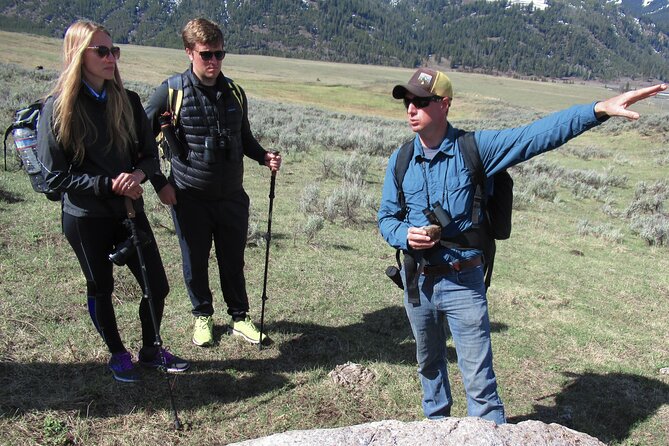
This tour runs as a smooth half-day loop: gear up, learn the rules, hike across Lamar Valley, eat at the river, then return at a viewing-friendly pace.
8:00 am at the Lamar River Trailhead
You meet your guide at the hiker trail parking area. After setup, you get packs, trekking poles, binoculars, and bear spray, plus a morning snack and hot drink. That’s not just comfort—it helps you start moving without feeling hungry or rushed.
Safety presentation, then trail hiking
Before you head out, there’s a brief safety talk. You learn the basics of wildlife etiquette—especially the do-not-do items like feeding or touching animals—so you can enjoy sightings without turning your hike into a problem.
Across Lamar Valley: wildlife viewing with binoculars
From there, you’re on the trail for wildlife spotting with binoculars. The guide helps you track the action across the valley and calls out what to watch for—bison and pronghorn are key, plus the possibility of bear, wolf, elk, badgers, and other birds.
This is where the guided format helps. One guide style you may run into, like Bob, can be friendly and history-forward, while others may focus more on tracking behavior and trail positioning. If your group includes five people, Dallas-style pacing is described as tuned to the group rather than a one-size-fits-all march.
Lamar River area: sage stops and lunch
As you hike toward the Lamar River, you’ll stop along the way—one of the described pleasures is taking time to smell the sage while still keeping the day moving. Eventually, lunch becomes a real break rather than a rushed snack: you eat a picnic lunch riverside.
That timing is smart. Instead of trying to cram lunch at a roadside pull-off, you stay in the habitat zone longer. You get a food break while you’re still in the area where wildlife is showing up.
Return to the trailhead
When it’s time to head back, the tour keeps you on the same general route. A good guide will use the return leg to keep your attention on spotting opportunities, not just get you through the distance.
Wildlife spotting in Yellowstone’s Lamar Valley: what you can realistically expect
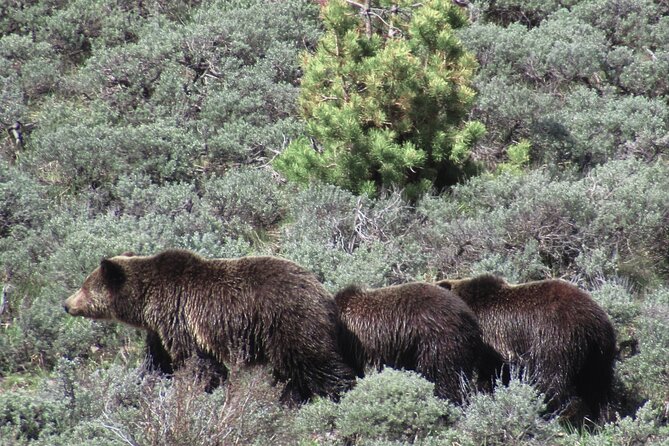
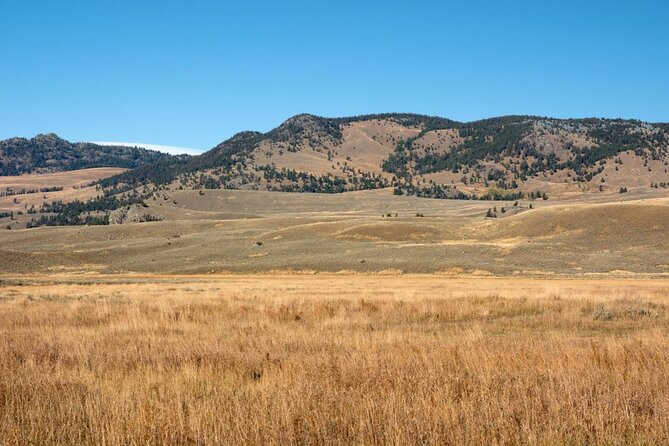
The Lamar Valley part of Yellowstone is famous for big views and big animals. What makes this tour feel different is that you’re not just hoping for a sighting—you’re hiking with tools and guidance designed for animal watching.
You’re specifically geared for spotting bison and pronghorn. Those two are the headline acts for many days in Lamar Valley, and they’re also great for learning how to read animal movement from a distance. When pronghorn appear, you’re often watching groups rather than lone animals—one example from a tour included more than 20 pronghorn with cubs, which is exactly the kind of thing binoculars help you catch.
Bears and wolves are possible, but the honest way to think about it is this: the guide improves your odds by helping you watch smarter. A guide like Dallas is described as spotting a grizzly bear along the river, and that sort of moment is often tied to knowing where to stand, when to pause, and how to keep your group at a respectful distance.
You also need to be ready for reroutes. Bison can block a trail or move into the area you’re approaching. If your guide is Marisa-style, you can expect safety-minded changes to the route when bison situation calls for it, with everyone kept feeling secure.
Sage, sagebrush, and the human stories you’ll hear on the way
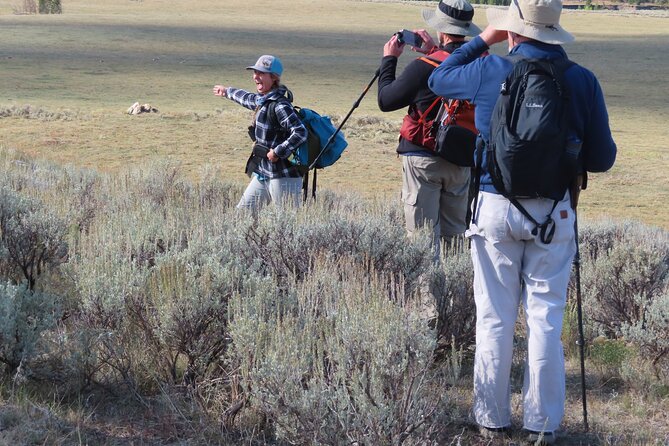
This isn’t only about animals. You also get context about what you’re walking through, including Native American history. That kind of storytelling tends to matter most when it’s tied to places you’re actively seeing, not just facts dumped while you stand still.
Guides also share details about plants and geology. One guide, Chris, is described as friendly and attentive to how everyone is doing, which is useful on a route with up-and-down hills. If you care about learning while you move, this format gives you that without turning the day into a lecture.
Even small route moments—like stopping for sage—become part of the story. It’s a reminder that Lamar Valley is a living system, not just a postcard.
Elevation, weather, and fitness: the practical reality check
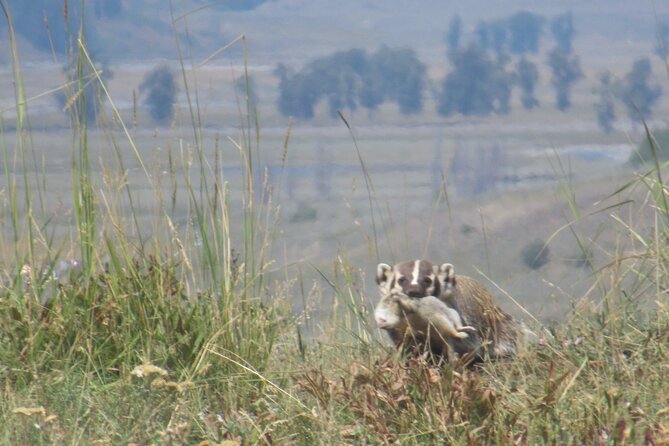
This hike is at about 6,500 feet, and it includes up and downhills along six miles of trail. That doesn’t mean it’s a hardcore climb, but it does mean you should show up with shoes that are comfortable for uneven ground.
The tour runs rain or shine. That’s not a marketing line—it’s a planning directive. If you skip real rain gear, you’ll feel it after a few hours. The rain jacket is required but not included, and water is not included, so you’ll want to pack both.
Not everyone should take this one. It’s listed as not suitable for children under 8, people with heart problems, wheelchair users, and people over 80. If you’re in any of those groups, it’s better to choose a gentler alternative.
If you’re on the fence because of fitness, look at the six-mile distance plus the elevation. You’re hiking for most of the morning and early afternoon, with a lunch break, so pace and stamina matter.
Price and logistics: is $192 a good deal for this kind of Yellowstone hike?
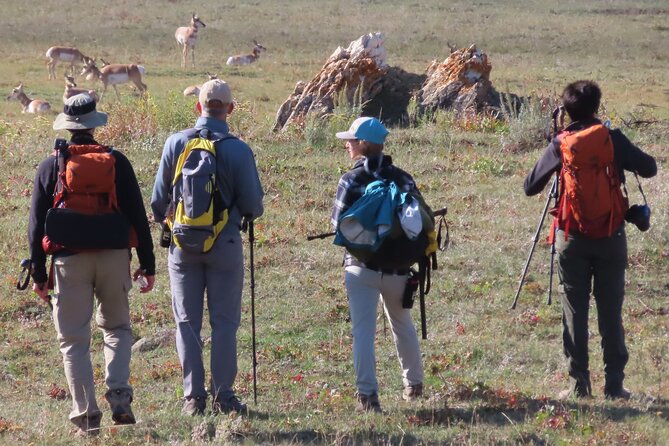
For many people, the $192 price tag is the first question. Here’s how I’d weigh it.
You’re getting more than a guide. You’re getting binoculars, a spotting scope, bear spray, a trekking pole, and a morning hot drink plus a snack and a picnic lunch. If you’d otherwise rent gear or buy it outright, the packaged approach saves hassle and decision-making.
The other part is the “you’ll get more out of it” factor. In wildlife country, knowing where to stop and where to look matters. When a guide adjusts pace for a group of five or reroutes for bison, you’re also buying time spent watching instead of wandering.
Two costs to keep in mind are simple: park entrance fees are not included, and you still need your own water and rain jacket. Those are normal travel costs, but they do affect your total.
Overall, if you want a guided day that blends wildlife spotting, safety, and lunch out in the field, this price starts to make sense quickly.
Who this tour fits best (and who should skip it)
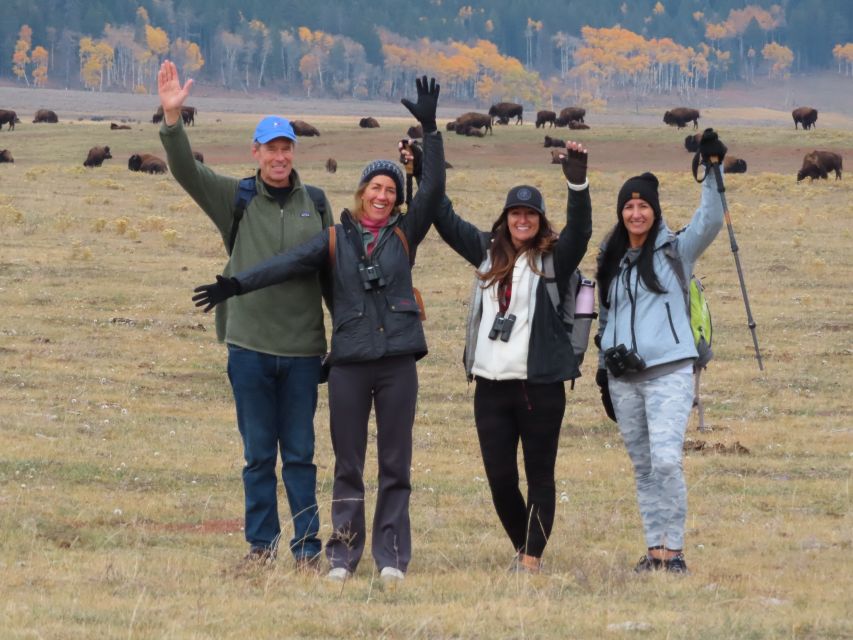
This is a strong pick if you:
- Want bison and pronghorn sightings with real viewing support (binoculars and scope)
- Enjoy hiking that lasts about six miles without being an all-day ordeal
- Prefer a guide who shares both wildlife information and history
- Like the idea of lunch that’s part of the experience, not just a stop off the trail
It’s not a good fit if you:
- Can’t handle 6,500 feet and up-and-down trail work
- Need wheelchair access
- Have limitations related to heart problems or advanced age, based on the tour’s listed limits
- Want to bring a pet (pets are not allowed)
- Are flying a drone (drones are not allowed)
Also note the animal etiquette rules: feeding animals and touching animals are not allowed, and you won’t be riding the animals. If you like wildlife but don’t want close-contact chaos, this is the right kind of format.
Should you book this Lamar Valley safari hike?
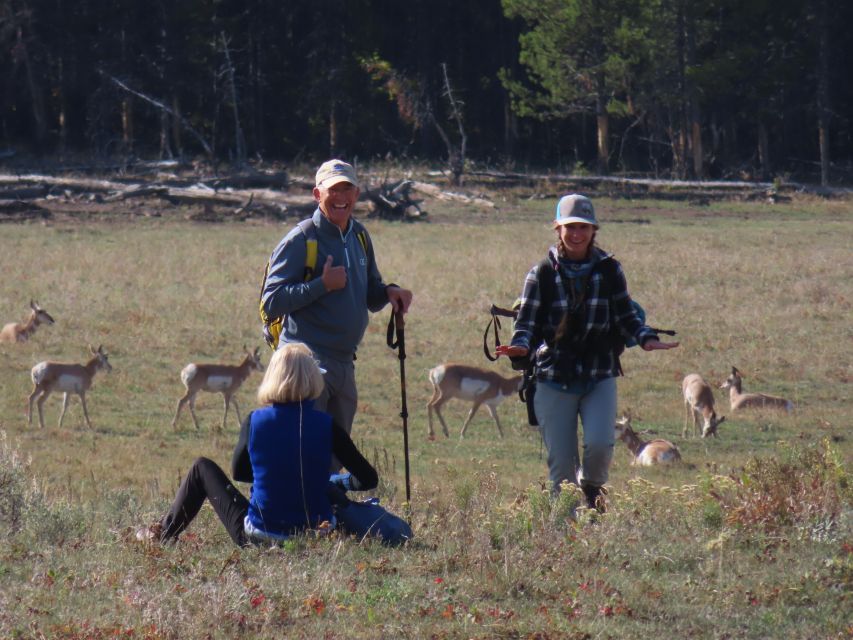
I’d book it if you want a guided Yellowstone half-day that’s built around wildlife viewing and a real break with riverside picnic lunch. The combination of binoculars, spotting scope, bear spray, and a wildlife guide makes this feel safer and more productive than trying to do the same day solo with guesswork.
Skip it if you’re not comfortable with the route length and altitude, or if you’re missing rain gear and water planning. This one rewards people who show up ready to walk, watch, pause, and listen.
If you do decide to go, my best advice is simple: arrive early, use the correct hiker trailhead, pack water and a true rain jacket, and treat wildlife distance like part of the experience.
FAQ
Where do I meet for the Lamar Valley hike?
You meet at the Lamar River Trailhead, and it should be the Hiker Trailhead, not the Stock Trailhead. The Stock Trailhead is for horse users, and the hiker trailhead is about 0.25 mile upstream.
What time does the tour start, and how long is it?
The tour meets at 8:00 am and lasts about 6 hours.
Is the hike rain or shine?
Yes. The hike takes place rain or shine.
What should I bring?
Bring comfortable shoes, water, and rain gear. A rain jacket is required but not included.
What’s included in the tour price?
Included items include a morning snack and hot drink, binoculars and a group spotting scope, a backpack for your necessities, a trekking pole, bear spray, and a brown bag picnic lunch, plus a professional wildlife guide.
Are park entrance fees included?
No. Park entrance fees are not included.
Are pets or drones allowed?
No. Pets and drones are not allowed.
What wildlife rules do I need to follow?
You must not feed animals or touch animals. Also, you won’t be riding the animals.
How long and how difficult is the hike?
The hike covers about six miles and takes place at around 6,500 feet elevation, with up and downhills.
Who shouldn’t take this tour?
It’s listed as not suitable for children under 8, wheelchair users, people with heart problems, and people over 80.
What’s the cancellation policy and can I reserve without paying right away?
There is free cancellation up to 24 hours in advance for a full refund. The tour also offers reserve now & pay later, so you can book without paying immediately.