REVIEW · HILO
Hilo: Mauna Kea Summit, Sunset, & Stargazing Experience
Book on GetYourGuide →Operated by hawaii island holidays · Bookable on GetYourGuide
A night sky this close is rare. This Mauna Kea summit tour strings together an unforgettable sunset above the clouds and guided stargazing through a telescope. You’ll get warm parka and gloves, plus hot chocolate and snacks to make the altitude and cold feel manageable. The one real drawback is you must be ready for the physical side of the summit: strong cold, wind risk, and thinning oxygen.
I like how the evening is built around comfort and timing, not just sightseeing. You start with pickup around Hilo, ride up in heated-style comfort, then stop long enough at the top to soak in the observatories and the sky. Expect to learn why Mauna Kea matters scientifically, including where the first black hole photo was taken, and then get your own telescope time when weather permits.
The tour also handles something most DIY trips miss: the team takes photos for you, so you’re not juggling a camera while trying to keep your fingers working. Still, it’s not cheap at $289, so you’ll want to be confident you’ll enjoy stargazing enough to justify the price and the altitude requirements.
In This Review
- Key things I’d circle before you book
- Why Mauna Kea sunset hits harder than a normal beach sunset
- Altitude and cold: the part you should plan around, not hope for
- Getting from Hilo to the summit: how the ride sets you up for success
- At the summit: observatories, the black hole photo story, and the view over clouds
- Stargazing through a telescope: what you’ll actually do after sunset
- Warm drinks, snacks, and why it matters more than you think
- Price check: is $289 per person worth it?
- Who should book this, and who should skip it
- Should you book the Mauna Kea Summit, Sunset, and Stargazing experience?
- FAQ
- What is the duration of the Mauna Kea summit and stargazing tour?
- Where do I get picked up and dropped off?
- What is included in the price?
- Do I need to bring my own clothing for the cold?
- Are telescope views guaranteed?
- What photos do I get afterward?
- Is dinner included?
- Who should not join this tour due to safety and health limits?
Key things I’d circle before you book
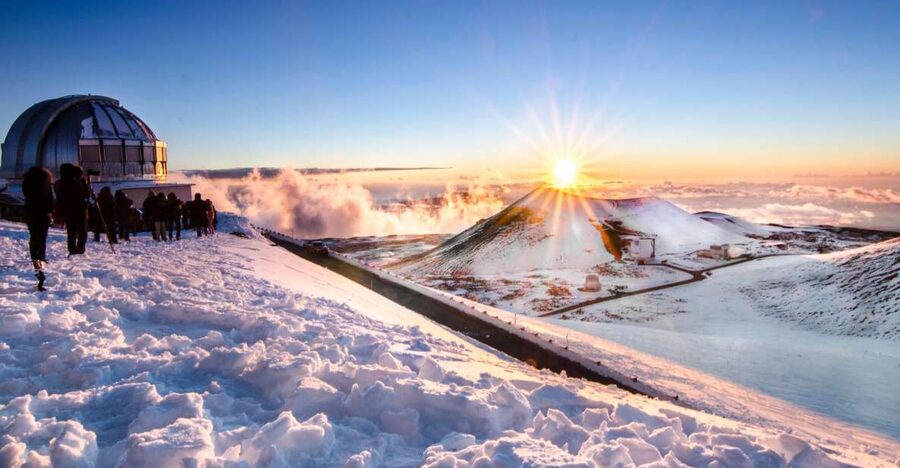
Sunset from Mauna Kea’s summit, then immediate stargazing
Warm parka and gloves, plus hot chocolate and snacks
Telescope viewing with a guide-led star talk when weather allows
Mauna Kea’s research telescopes, including the black hole photo connection
Free night photos emailed after the tour, taken by your guide
Strong physical requirements for ~14,000 ft with oxygen available if needed
Why Mauna Kea sunset hits harder than a normal beach sunset
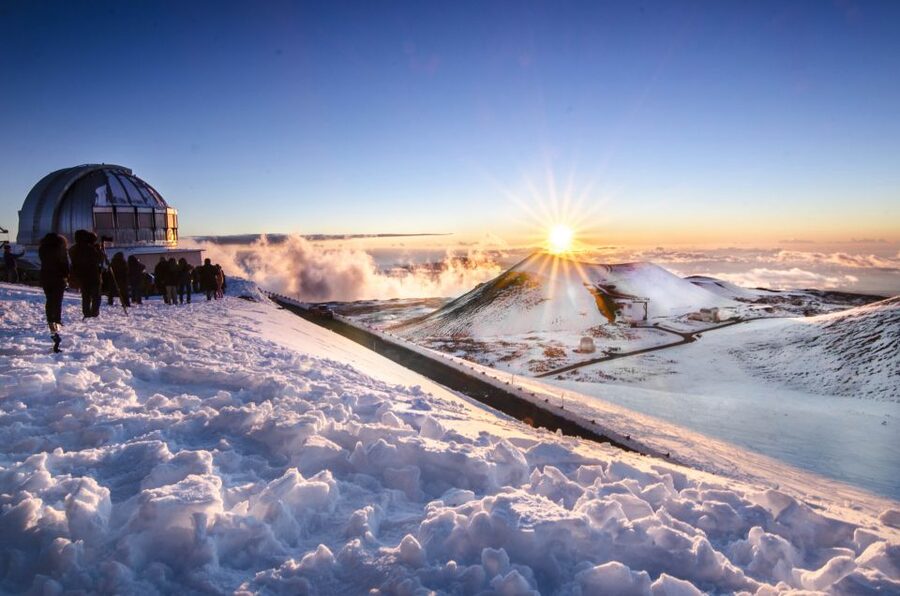
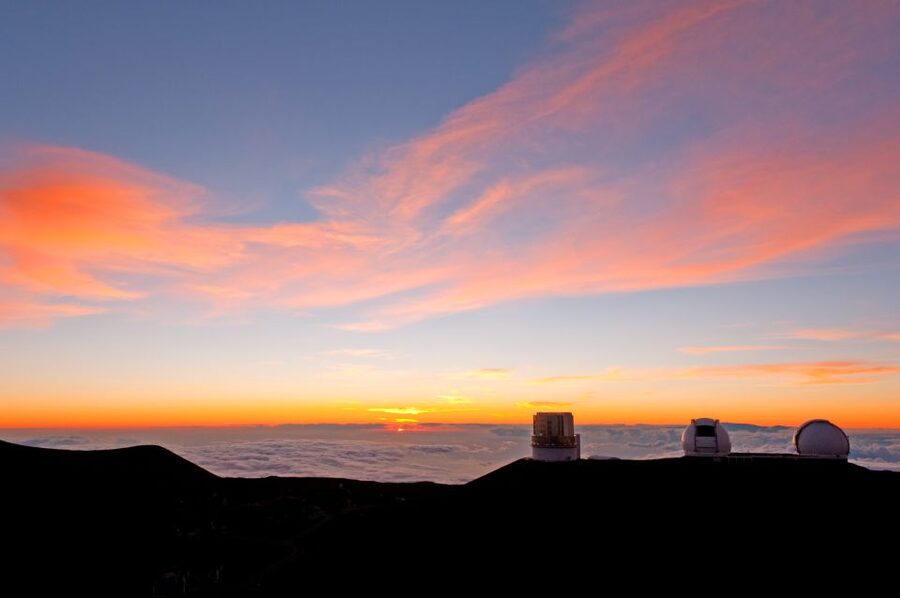
A Mauna Kea sunset is a different species of sunset. At the top, you’re high enough that the ocean-level world can feel far away, and the sky becomes the main event. The view is often above the cloud layer too, so sunset colors look sharper and more dramatic than what you get down in Hilo’s humid air.
What I like most is the way the tour builds the night sky right after the sun goes down. Instead of rushing you back to “cool down” somewhere else, this experience keeps you in position to watch the darkness settle in. That matters because stargazing gets better as the sky darkens, and your eyes need a few minutes to adjust.
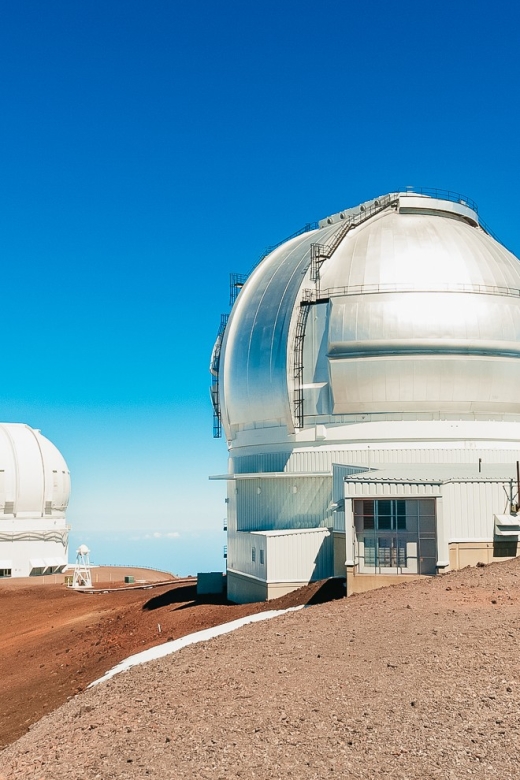
You’ll also be standing in a place most people only see in documentaries: the world’s largest collection of research telescopes. The guide explains what you’re looking at, including the observatories’ roles in modern astronomy. If you’ve ever wondered what all those domes are actually for, this is the night where the lights finally make sense.
Altitude and cold: the part you should plan around, not hope for
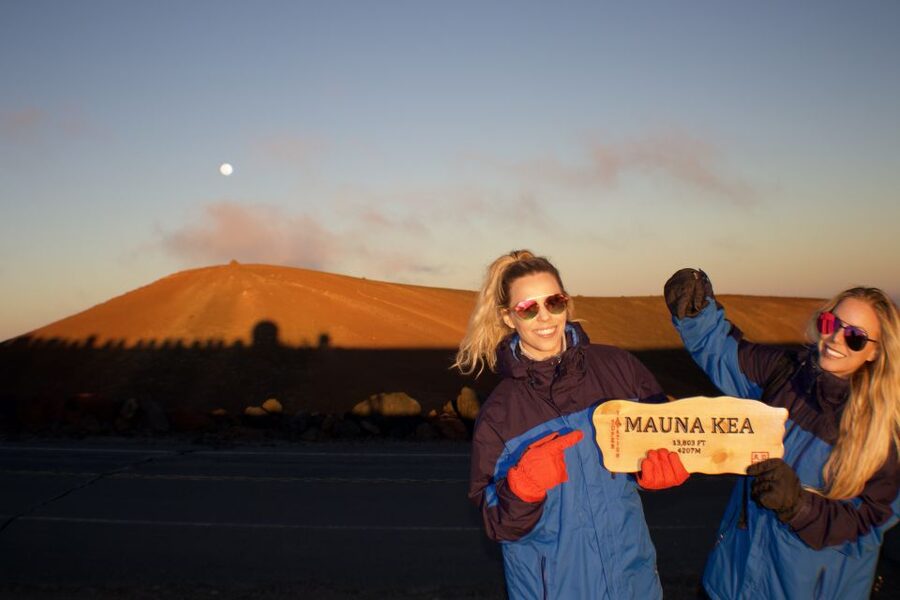
This is where the tour draws a hard line. The summit elevation is about 14,000 ft, and the oxygen level is roughly 40% less than sea level. That can feel challenging even for healthy people, especially if you’re slower to adjust to altitude, you’re out of breath easily, or you get headaches easily.
The good news: you’re not on your own. The tour provides parkas and gloves, and there are hot drinks and snacks to help you stay comfortable while your body acclimates a bit. Oxygen is also available if needed, which is a practical safety feature.
Still, you should take the restrictions seriously:
- Don’t go if you’re pregnant, or if you have heart or lung conditions.
- Don’t go if you’ve had altitude sickness concerns before.
- Avoid the tour if you have back problems or mobility impairments.
- If you plan to drive yourself, also remember this area can be cold, windy, and dark on the way up.
Dress smart. Comfortable shoes and long pants are required. And if you run cold easily, you might still want to layer underneath your provided parka even though the gear helps. The goal is steady warmth, not bulk.
Getting from Hilo to the summit: how the ride sets you up for success
Pickup runs from Hilo-area locations, including Bank of Hawaii, Starbucks, and the Grand Naniloa Hotel (a DoubleTree by Hilton). The tour duration is 390–450 minutes total, which is about 6.5 to 7.5 hours. That time budget is realistic: you’re going high, spending meaningful time at the summit, then waiting for the sky to cooperate.
I also like that this isn’t a long, complicated puzzle. You choose a pickup point and you’re dropped back at one of the return stops. You don’t have to figure out turn-by-turn directions in the dark, deal with parking rules, or wonder whether you’re in the right place at the right time.
On the road, guides often share stories that connect the mountain to Hawaii’s geology and culture, not just facts about stars. Several guide names show up in the experience—people like John, Val, Tay, Jess, Rob, Zack, Mitch, and Chris—and the pattern is the same: you get an educational ride that makes the climb feel purposeful.
One practical consideration: you’ll want to arrive at your pickup location at least 10 minutes early, because waiting at the start of an evening like this is a fast way to compress your time at the top.
At the summit: observatories, the black hole photo story, and the view over clouds
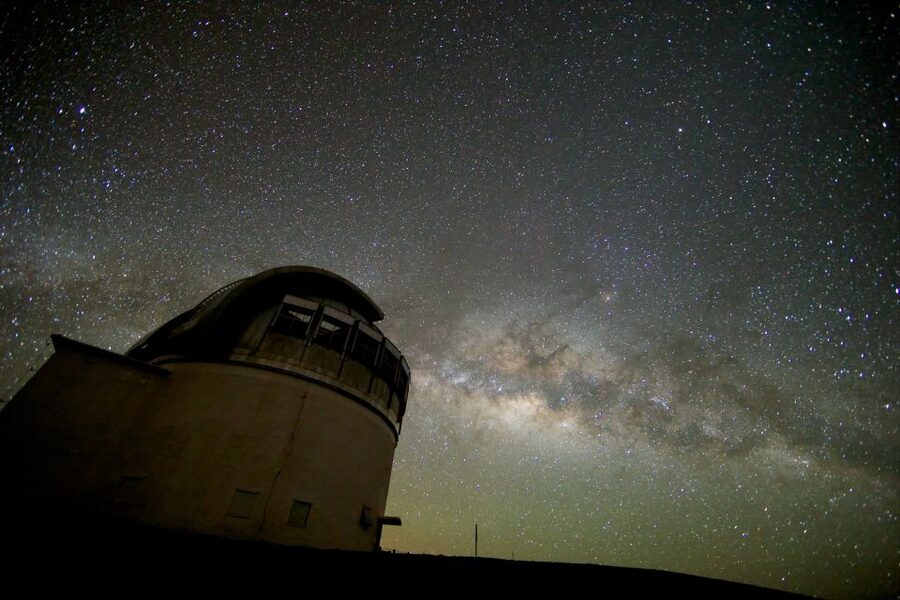
Mauna Kea’s summit is where the experience turns from pretty to mind-blowing. The tour places you among the observatories, the giant domes you’ve seen in photos. Your guide points out what you’re looking at and explains the scientific work happening here.
A standout detail is the connection to the first black hole photo. The tour notes that you’ll see two of the eight telescopes involved in that breakthrough. That’s the kind of detail that makes the night feel more than scenic—it turns the sky into something human-built and reasoned through, not just pretty.
And yes, you’ll also get the classic summit moment: the sunset when you’re above the clouds and looking outward from the highest point in the Pacific. It’s the kind of view that makes normal “sunset watching” feel like rehearsal.
You may also spend time adjusting at the visitors center area before reaching the summit, which helps with the transition from lower elevations. If you’re prone to feeling lightheaded, that adjustment time can be the difference between enjoying the top and white-knuckling it.
Stargazing through a telescope: what you’ll actually do after sunset
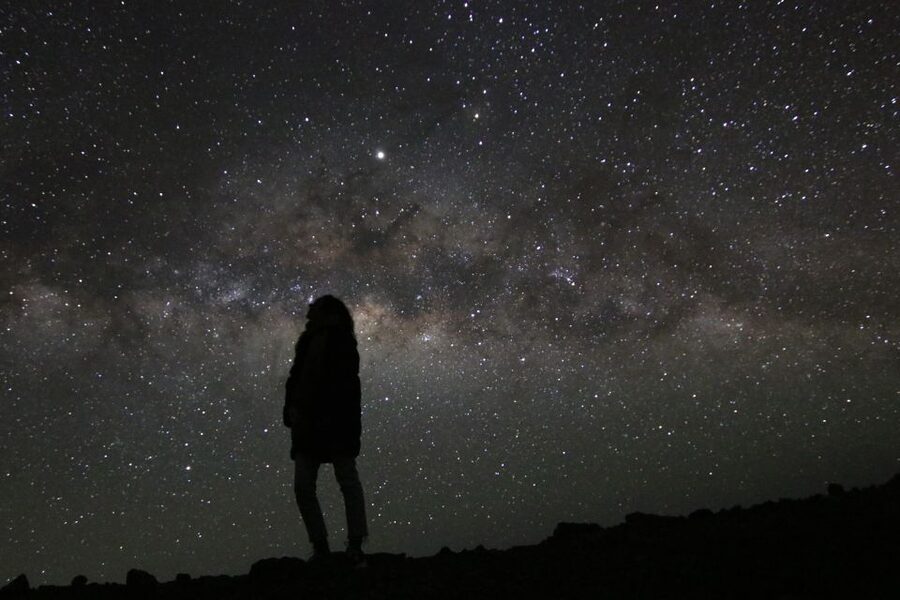
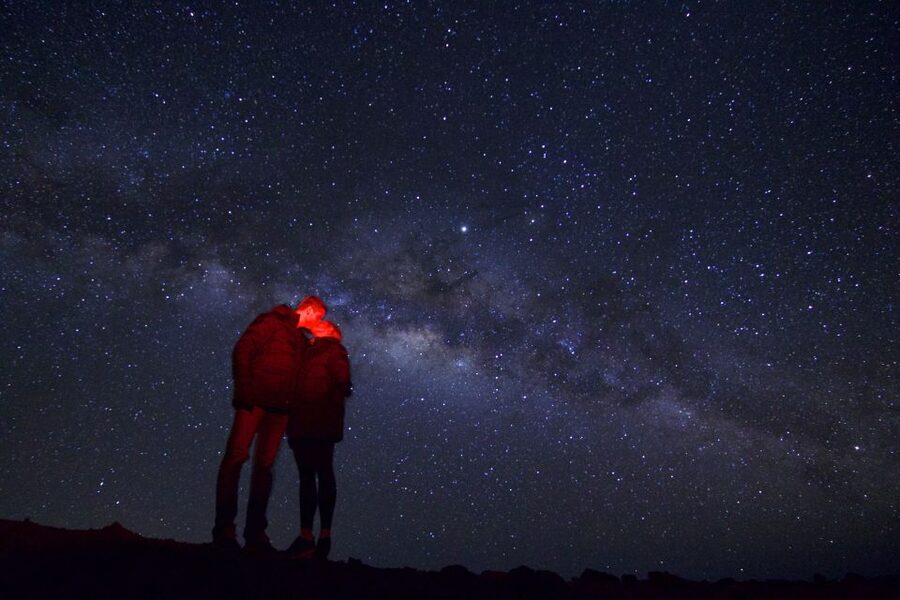
The star show is the heart of the tour, and it’s not just casual pointing. After sunset, you’ll get a guided astronomy session where the guide explains constellations and how Hawaiian culture connects to the stars. The guides use a mix of stories and sky maps, which helps you follow along even if you’ve never done astronomy before.
Then comes the part you’re paying for: telescope viewing. The experience includes time using a professional telescope for up-close views of objects when weather permits. This is the moment where the night stops being a sky you look at and becomes a sky you can see in detail.
What might you see? The tour data emphasizes the telescope viewing and the star talk, and the experience often includes highlights like major constellations. Based on the kinds of objects described in guide-led sessions, you may spot bright targets such as Orion-area objects, plus other deep-sky treats through the telescope when conditions are good.
Weather matters. Clouds, wind, and haze can limit what you can see and how comfortably you can stay out. But even on nights when the sky is only decent, the telescope time and the guide’s star explanations usually make the night feel like more than a coin flip.
Warm drinks, snacks, and why it matters more than you think
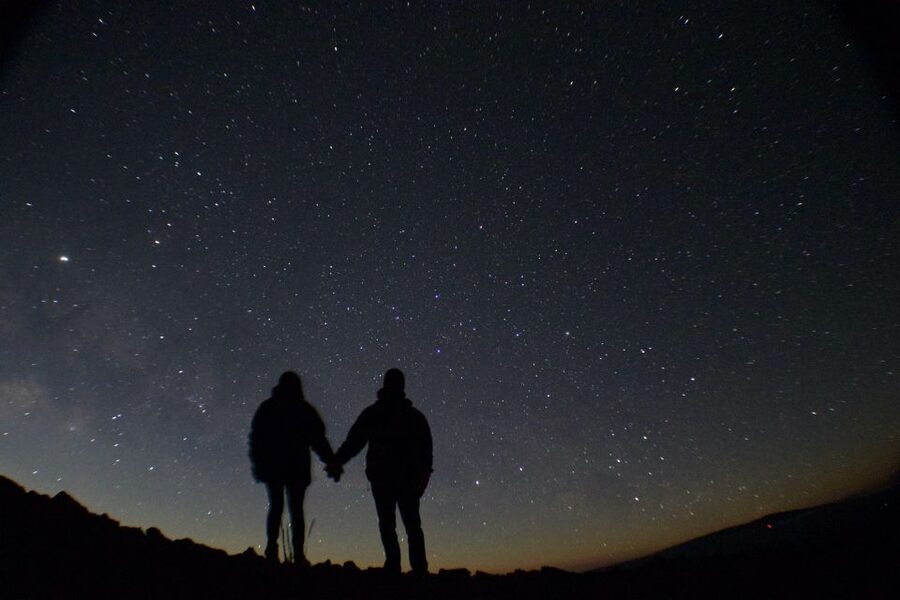
It’s easy to think hot chocolate is just a cute bonus. On Mauna Kea, it’s actually part of how you get through the evening. At summit elevations, cold hits fast, and the body burns energy just staying warm. Snacks also help you avoid the empty, shaky feeling that can happen when you’re moving, breathing thin air, and sitting still for long stretches.
The tour includes hot chocolate and snacks, and you’ll also get a photo taken by the guide during the star-filled portion of the experience. You even receive the photos by email after the tour, which is a real quality-of-life win. You can enjoy the night without worrying about whether your camera settings survived the cold.
One small but useful note: dinner is not included. If you want a full day without stress, eat before pickup in Hilo. Then plan on this tour being your “evening event,” not your meal plan.
Price check: is $289 per person worth it?
At $289 per person, this isn’t a budget sunset. So here’s the fair way to judge the value: the tour bundles four things that are hard to replicate well on your own.
First, you’re getting timing and positioning. Mauna Kea night skies are mostly about being in the right place at the right moment, then staying there long enough for darkness to settle.
Second, you’re getting expert guidance. The guides don’t just say “that’s a star.” They connect what you see to Hawaiian constellations and explain the sky in a way most non-astronomers can follow.
Third, you’re getting telescope time. DIY star parties can be beautiful, but you usually need the gear and the access.
Fourth, you’re getting comfort and photo support. Parkas, gloves, hot chocolate, snacks, and guide-taken night photos remove a big chunk of the friction.
If you’re the type who loves the idea of stars but gets bored by explanations, you might feel the price more. If you genuinely enjoy learning what you’re looking at—especially with Hawaiian context—this is the kind of outing where the cost starts to make sense.
Who should book this, and who should skip it
This tour is a strong match for:
- Adults and teens aged 13–80
- People who want a guided astronomy experience, not just a scenic drive
- Anyone who hates the idea of doing telescope logistics in the dark
- Travelers who want the Mauna Kea observatory experience without worrying about gear, parking, or timing
It’s not a match for:
- People who are pregnant
- Anyone with heart or lung conditions, or anyone who struggles with altitude
- People with mobility impairments or back problems
- People who scuba dived within the prior 24 hours
- Anyone who can’t do a summit-style outing requiring strong physical condition
If you’re on the fence because you’re worried about cold, the parkas and gloves are a real help. If you’re on the fence because you’re worried about altitude effects, don’t gamble with that. That part is the deal, not a small detail.
Should you book the Mauna Kea Summit, Sunset, and Stargazing experience?
If you want a sunset that feels like you’ve stepped into a science movie, and you also want a guided night-sky session with telescope views, this is a solid “yes.” The $289 price is steep, but the combination of summit access, telescope viewing when weather cooperates, warm gear, and free guide-taken photos adds up.
I’d book it if:
- You’re healthy enough for a high-altitude evening
- You care about learning the sky (Hawaiian stories included)
- You want a team handling the logistics so you can focus on the view
I’d skip it if:
- Altitude could be a problem for you
- You’re unable to handle cold and wind exposure
- You’re mostly after a quick photo and not interested in telescope time or star explanations
Book this one when you’re ready for the mountain experience in full, not just the postcard version.
FAQ
What is the duration of the Mauna Kea summit and stargazing tour?
The tour runs about 390 to 450 minutes, depending on the starting time and how the evening goes.
Where do I get picked up and dropped off?
Pickup and drop-off are available at Hilo-area locations, including Bank of Hawaii, Starbucks, and the Grand Naniloa Hotel (a DoubleTree by Hilton). The exact meeting point can vary by the option you book.
What is included in the price?
Included are pickup and drop-off (select locations), a guide, snacks and hot chocolate, free night photos sent by email, and warm gear like parkas and gloves.
Do I need to bring my own clothing for the cold?
You should bring comfortable shoes and long pants. The tour provides parkas and gloves, but layering is still smart if you run cold.
Are telescope views guaranteed?
Telescope use and stargazing depend on weather conditions. The tour states telescope viewing is available weather permitting.
What photos do I get afterward?
You’ll get photos taken by your guide, and they’re emailed to you after the experience, including night-sky photos.
Is dinner included?
No, dinner is not included.
Who should not join this tour due to safety and health limits?
It’s not suitable for people who are pregnant, and it’s also not recommended for those with heart or lung conditions or who have strong altitude concerns. The tour also lists an age limit of 13–80 and notes oxygen is available if needed.