REVIEW · DODECANESE
Karpathos Lastos mountain Hike with guide
Book on Viator →Operated by Art and Walk Karpathos · Bookable on Viator
Silence here hits you fast. This guided Lastos mountain hike on Karpathos takes you from the monastery area through pine-tree forests, over rocky paths, and out to wide viewpoints—without the usual scramble of figuring it all out yourself.
I like the small-group feel and the practical safety support: you can hike with walking sticks (on request) and follow a guide who keeps the route clear. I also love the rhythm of the day—there are coffee or tea breaks, plus moments where the group just stops and lets the quiet do its job.
One thing to think about: the walk includes spectacular viewpoint sections, so if you have a strong fear of heights, this may not be the best fit even with guidance and stable walking.
In This Review
- Key highlights at a glance
- Lastos Mountain: why this hike feels quieter than the usual Karpathos plan
- Meeting in Pigadia and finding the trailhead without stress
- From the monastery of Archangelou Mychael into pine-tree forests
- Kyra Panagia and Mertonas: the viewpoints that make the island make sense
- Mt Limni, the Stone Giant, and how safety support changes the experience
- Goats, sheep bells, and the calm coffee-stop rhythm
- Waterfalls in winter and spring: how the season can change the payoff
- Coffee, tea, and the little end-of-hike moments that stick
- Guides on Karpathos: what Renate, Thom, and Jax tend to add
- Price and value: what $68.97 buys for 4.5 hours on a small group hike
- Who this Lastos hike suits best (and who should reconsider)
- Bottom line: should you book this Lastos mountain hike?
- FAQ
- FAQ
- How long is the Lastos mountain hike?
- What fitness level do I need?
- What’s included in the tour?
- Where do we meet, and where does the tour end?
- What language is the hike offered in?
- How big is the group?
- What happens if weather is poor or plans change?
Key highlights at a glance
- Small group size (max 10 travelers) for a more personal pace on a mountain trail
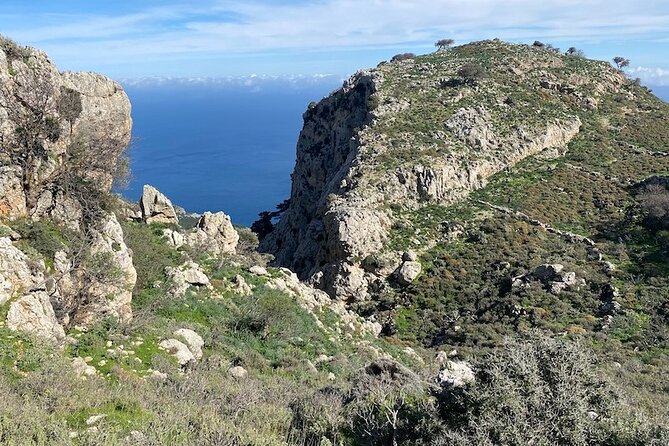
- Lastos route with real variety: monastery start, pine forest, rocky sections, and viewpoints
- Goats and sheep on the path with bells ringing in the distance, plus calm pauses
- Kyra Panagia and Mertonas viewpoints tied to where the water for Pigadia comes from
- Seasonal waterfalls possible in winter and spring, when the route changes with the weather
- Guide-driven storytelling from people like Renate, Thom, and Jax, who add island context while you walk
Lastos Mountain: why this hike feels quieter than the usual Karpathos plan
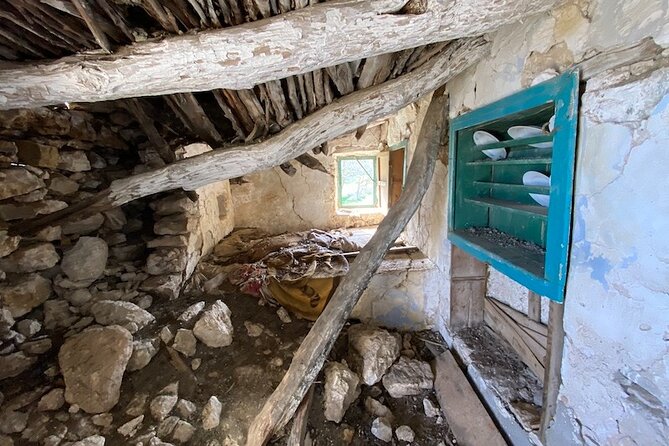
Karpathos has plenty of hikes, but the Lastos trail has a different vibe. It starts in a monastery area and then heads into pine-tree forests, so you get shade early and that mountain-air feeling that resets your morning. Then the path opens up into viewpoints where you can see Kyra Panagia and the fertile parts of the island that feed life around Pigadia.
What I like most is the emotional tone of the route. The pace is active, but it’s not about racing. Your guide stops the group for a coffee or snack, and you get that rare experience of feeling the sound of the place—until the bells of goats and sheep come floating through. It’s exactly the kind of hike that makes your phone photos look like they actually belong in your memory.
Meeting in Pigadia and finding the trailhead without stress
This hike starts in the Pigadia area, with the meeting point listed near Auto Tour Karpathos on an unnamed road. The good news: it’s near public transportation. The slightly annoying news: one person noted that the starting point can take a bit of effort to find if you’re new to the island, so I’d plan to arrive early and take your time getting your bearings.
Because the group is capped at 10, you won’t be stuck in a crowd. That small size also matters at the beginning, when everyone needs to sort out gear, water, and the simple question of whether the group is ready to move. If you like guided structure on a half-day outing, this setup fits.
The hike ends back at the meeting point, so you don’t have to worry about transfers or a separate finish area. That keeps your afternoon flexible once you’re done.
From the monastery of Archangelou Mychael into pine-tree forests
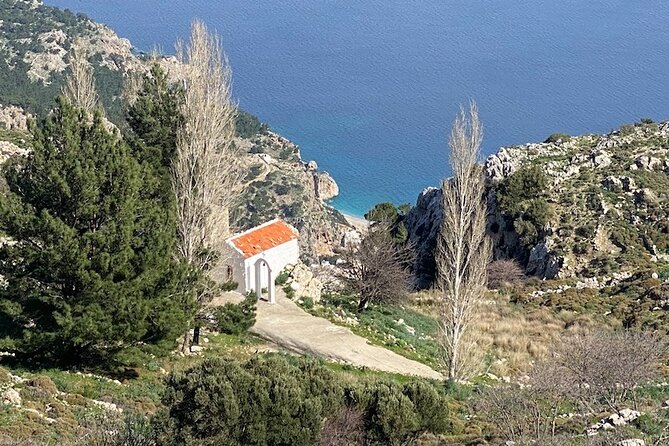
The trek begins at the monastery of Archangelou Mychael. Starting in a sacred setting changes the way you feel the first 20–30 minutes. Even if you’re not into monuments for their own sake, there’s a built-in quiet here, and you’re still close to the island’s human history before you head fully into nature.
From there, the route moves into pine-tree forests. This section is important because it breaks up the climb and gives you a more forested pace before the more exposed viewpoints. You’re not just walking from point A to point B—you’re getting different textures of Karpathos: shade and scent under pines, then rock and open air later.
You’ll likely notice how quickly your guide sets the tone for safe walking. With guides like Thom and Renate, the group is kept on track, and you’re guided in a way that helps you avoid the slow, uncertain feeling you get on trails where you’re left to your own decisions.
Kyra Panagia and Mertonas: the viewpoints that make the island make sense
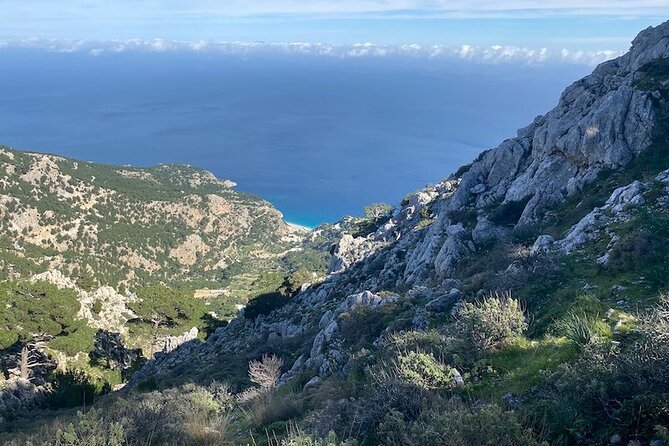
A big part of the Lastos experience is seeing where the island’s life comes from. The hike takes you toward viewpoints where you can see Kyra Panagia, and you also pass through or near areas linked with Mertonas, described as fertile land that provides water for Pigadia.
That detail matters. Without context, a mountain view is just scenery. With context, the same view becomes a map of how people historically used land—where water originates, how settlers may have spotted opportunity, and why certain places stayed important over generations.
The hike also includes a thread through Old Stavlos and the fertile land around it, giving you a clue about how earlier settlers took advantage of this ground. It’s the kind of storytelling that makes your photos feel smarter, not just prettier.
If you like hikes where you learn something practical about the place while you walk, this one delivers.
Mt Limni, the Stone Giant, and how safety support changes the experience
One reviewer highlighted a close-up view of the island’s tallest peak, Mt Limni, which is a serious “wow” moment in a hike day. Another fun reference people made is the hidden sleeping Stone Giant—a landmark that adds a playful, almost myth-like feel to an otherwise physical day.
Now for the practical part: this is not a flat stroll. The trail includes rocky sections and viewpoint edges where you’ll feel height in the air. The tour is described as safe in the way it’s handled—guides help you and you can use walking sticks for stability. So the goal is to keep you steady and confident.
Still, it’s worth being honest with yourself. The description also notes this hike might not be for a person with fear of heights. If you know you react strongly to exposure, you might want to choose a different walk and keep your day pleasant instead of stressful.
Goats, sheep bells, and the calm coffee-stop rhythm
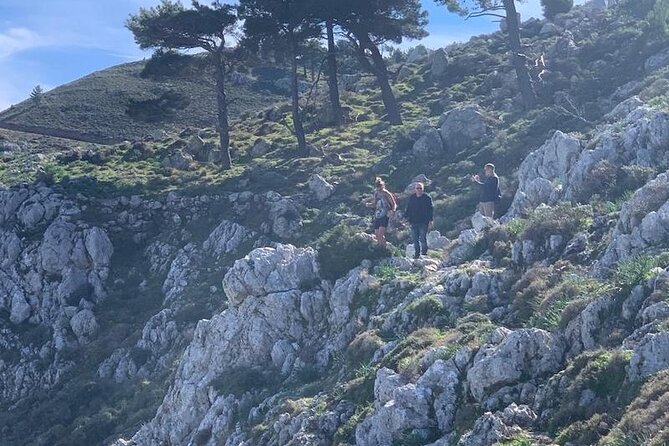
This is one of those rare hikes where the animals feel like a living part of the path, not an unexpected gimmick. Goats and sheep follow along and you may hear their bells ringing in the distance. That’s not just cute background noise—it gives the hike a sense of being in the working rhythm of the island.
Your guide also builds in breaks. There’s a moment where the group stops for coffee or tea or a small snack, and you’re encouraged to take in the quiet when the group pauses. That pause is part of the point. You’re hiking, yes, but you’re also collecting the feeling of a place.
And the tour’s motto is simple: take only pictures, leave no trace. It’s not said like a lecture. It shows up in the way the hike is paced and in the quiet respect the guide brings to the walk.
Waterfalls in winter and spring: how the season can change the payoff
One of the coolest itinerary notes here is seasonal. The route includes waterfalls in winter and spring. That means the hike’s highlight moments can shift depending on when you go.
If you’re traveling in colder months and you want nature that looks more active and wet, this detail is a strong reason to pick this specific day and not just another trail. If you’re going in a different season, you might still get the views and the quiet, but the waterfall element may not be present in the same way.
Either way, the route is described as off the grid in a fantastic way, with nature doing the heavy lifting for the experience.
Coffee, tea, and the little end-of-hike moments that stick
Coffee and/or tea is included, and the guide often pauses at a natural point so you can stop without rushing. One small thing I value on hikes: a coffee stop that feels part of the walk, not an interruption. Here, the break supports the mood—quiet minutes, wide air, and time to recharge before the next stretch.
Also, one review mentioned a shot of raki at the end. That kind of finish turns a hike into a memory, even if it’s not guaranteed for every group. Treat it as a possible bonus rather than a promise.
At the end of the hike, you return to the meeting point, which keeps the rest of your day straightforward.
Guides on Karpathos: what Renate, Thom, and Jax tend to add
The guide can make or break a day hike, especially when you’re on a route with viewpoints and rocky ground. Here, names keep coming up. Renate is repeatedly described as energetic, joyful, and helpful, with a strong sense of island knowledge—trail details, flowers, local customs, and history along the path. One person even called out her ability to answer lots of questions, which is great if you like explanations as you walk.
Thom was mentioned as taking groups through the higher part of Lastos with stories and island context. One reviewer also said he has lived in the mountains on Karpathos for years with his wife, exploring nature and collecting stories. That kind of personal connection usually comes through as confidence on the trail and a more natural storytelling style.
Jax was referenced as helping keep the group on track, while Renate handled the information side. When you have both—route confidence plus story—you get a hike that feels guided rather than just supervised.
With a maximum of 10 people, the guides also have a chance to keep the group together without turning the day into a noisy factory line. It’s one reason the views and silence can actually land.
Price and value: what $68.97 buys for 4.5 hours on a small group hike
The price is $68.97 per person for about 4 hours 30 minutes. That’s not a bargain-bin price, but it also isn’t inflated for a short experience. You’re paying for a live guide, a structured route, safety support (walking sticks on request), and included coffee/tea.
The value improves when you factor in the size limit of 10 travelers. Smaller groups generally mean more attention, fewer delays, and better pacing—especially on uneven trails. And because the starting point is in the Pigadia area and you finish back there, you’re not adding extra transportation cost or hassle.
If you enjoy guided hikes where the guide explains what you’re seeing—like Kyra Panagia and why Mertonas matters for Pigadia’s water—this price starts to feel like it covers the whole day’s usefulness, not just the motion of walking.
Who this Lastos hike suits best (and who should reconsider)
This hike is for people with moderate physical fitness. It’s active and includes up-and-down walking, so if you only want a gentle half-day, you’ll probably feel it here. Still, the fact that guides provide stability support helps you focus on enjoying the scenery instead of constantly wrestling with the ground.
It’s also a good option if you care about authenticity: goats and sheep are part of the path, pine forests bring that early softness, and the “quiet pause” is built into the tour style. If your ideal morning is not rushing from viewpoint to viewpoint, this one matches.
A note on practical needs: service animals are allowed, and the tour is offered in English. Mobile tickets are used, which helps keep the start simple.
Main drawback is the fear-of-heights consideration. The description says it might not be for someone with that fear, even though the hike is described as safe with guides and walking sticks. If you’re sensitive to exposure, it’s worth choosing another route where you’ll feel more comfortable.
Bottom line: should you book this Lastos mountain hike?
I’d book the Karpathos Lastos mountain hike with a guide if you want a small-group mountain day with real scenery variety, goats and sheep as part of the trail, and guide-led context about places like Kyra Panagia, Mertonas, and the water link to Pigadia. The coffee/tea stop and the quieter stretches are the kind of details that make a half-day feel like a highlight.
Don’t book this one if you know heights exposure will ruin your mood. Even with walking sticks and careful guidance, the route’s viewpoints can be intense.
If you can handle a moderate hike and you want off-the-grid Karpathos with guided storytelling, this is a strong choice—especially since it’s often booked about a week ahead and runs only with a maximum of 10 people.
FAQ
FAQ
How long is the Lastos mountain hike?
The hike lasts about 4 hours 30 minutes.
What fitness level do I need?
You should have a moderate physical fitness level.
What’s included in the tour?
Walking sticks are included on request, and coffee and/or tea are included.
Where do we meet, and where does the tour end?
The tour starts at the meeting point near Auto Tour Karpathos, in the Pigadia area, and it ends back at the same meeting point.
What language is the hike offered in?
The tour is offered in English.
How big is the group?
The group size is capped at a maximum of 10 travelers.
What happens if weather is poor or plans change?
The experience requires good weather. If it’s canceled due to poor weather, you’ll be offered a different date or a full refund. Free cancellation is available up to 24 hours in advance for a full refund.