REVIEW · TENERIFE
Hiking tour in the Anaga biosphere reserve in Tenerife
Book on Viator →Operated by Sergio Walking Tours · Bookable on Viator
Laurel forest in Tenerife feels like another world. This trek is interesting because you start in La Laguna, ride there-and-back by public bus, and walk into Anaga Rural Park, a protected UNESCO biosphere full of rare plants and bird life. I especially love how it helps you get off the tourist track without feeling complicated.
My second favorite thing is the human touch: you hike with your own private guide (Sergio Walking Tours) who adjusts pace and gives clear explanations on plants, geology, and local life. The only real drawback to plan for is the weather can swing fast in the north—windy, cooler on climbs, and damp inside the forest—so you’ll want proper layers and rain gear.
In This Review
- Key highlights worth knowing before you go
- Why Starting at La Laguna and Riding the Bus Matters
- Parque Rural de Anaga: UNESCO Biosphere and Volcanic Time
- Forest Trails: Moss, Lichen, and the Feeling of Stepping Away from Tenerife
- The Route Near an Indigenous Hamlet: Tenerife Before Modern Life
- Timing, Distance, and the Real Pace You Should Expect
- Sergio Walking Tours: Small Group Size and Real-World Guide Support
- Weather and Packing: What Changes in Anaga Quickly
- What You Get for $119.21: Value, Coverage, and What to Bring Anyway
- Who Should Book This Anaga Hike (and Who Might Skip It)
- Should You Book This Anaga Hike From La Laguna?
- FAQ
- What time does the hike start?
- Where do I meet for the Anaga hike?
- How long is the walk and how long is the whole experience?
- Is lunch included?
- Is bottled water included?
- What fitness level do I need?
- What languages is the guide available in?
- Do I need to bring trekking poles?
- What happens if the weather is poor?
Key highlights worth knowing before you go
- Anaga Rural Park, UNESCO biosphere: volcanic mountains shaped between 8 and 3 million years ago
- Public transit style travel: bus to the start, bus back to La Laguna
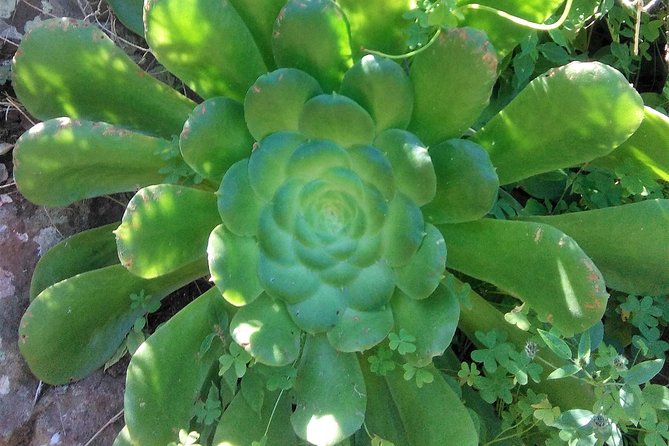
- Subtropical laurel forest feel: moss, lichen, and hanging plants that make the air look alive
- Endemics and wildlife focus: 120+ local endemic species plus birds and butterflies
- Small group size: maximum 12 travelers, minimum 3 to run the hike
- Guide support that removes stress: clear meeting guidance and in-hike technique help
Why Starting at La Laguna and Riding the Bus Matters
I like tours that don’t act like you’re visiting a theme park. This one is built around the local rhythm: you meet at Intercambiador Laguna (the bus interchange in San Cristóbal de La Laguna) and then go to the trail start by public bus. That single choice changes the whole vibe. You’re moving like people who actually live on Tenerife, not like people shuttled around in a bubble.
You’ll also avoid the common stress loop of, Where do we go next? The tour is designed with the meeting point near public transport and a clear return back to La Laguna. By the time you’re walking, you can focus on what you came for: the forest trails of Anaga Rural Park.
One more practical upside: you’re not guessing your way through transit schedules mid-holiday. In the experience, the guide provides meeting instructions ahead of time, and Sergio has shared that kind of detail clearly (including using digital links and follow-ups in advance).
You can also read our reviews of more hiking tours in Tenerife
Parque Rural de Anaga: UNESCO Biosphere and Volcanic Time
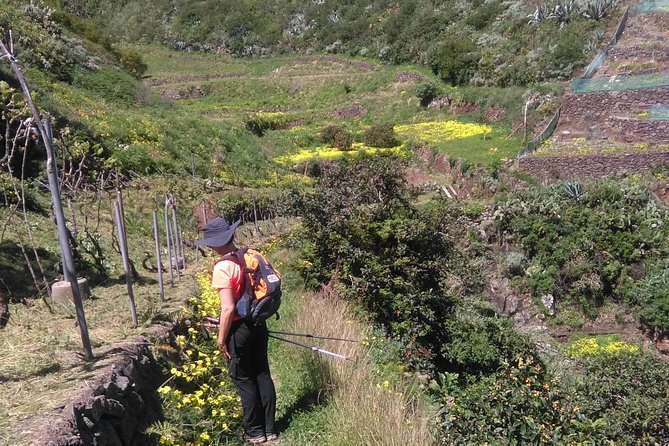
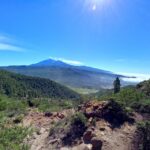
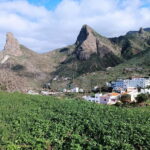
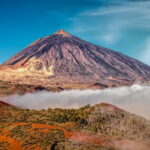
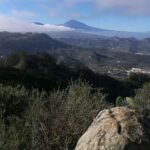
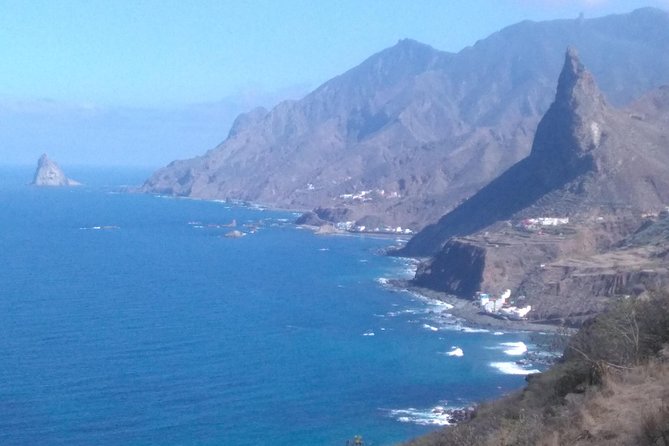
This is not just “nice hiking.” Anaga is geologically old. The mountains are volcanic, formed by eruptions between 8 and 3 million years ago, and that age shows up in the way the terrain is folded and varied. It’s also protected as a rural park and recognized as a UNESCO World Heritage biosphere reserve, which helps keep the area from getting swallowed by development.
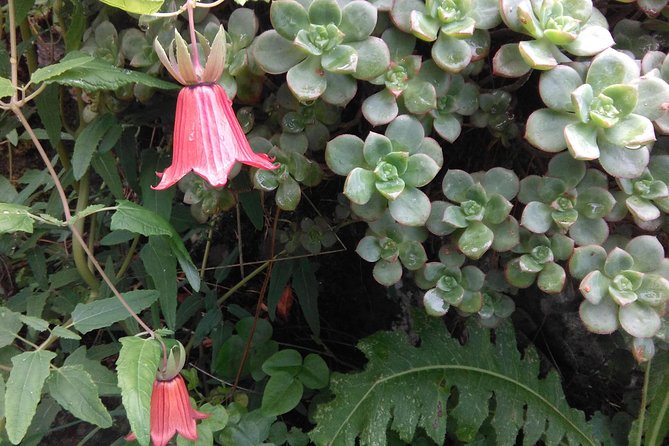
What makes it special for your senses is the plant life. Anaga is described as home to mammoth plants that don’t exist anywhere else on the planet. And it’s not just one or two oddities—there are more than 120 local endemic species, with ecosystems found here that represent some of the Canary Islands’ best examples.
If you care about nature watching, you’ll also appreciate how the tour frames the area. You’re not only ticking boxes like trees = check. You’re walking through a system: laurel trees with heavy moss and lichen, plus lianas climbing through the humid air. Add in the mention of birds and butterflies, and you get a strong sense that you’re walking through a living habitat, not a postcard backdrop.
Forest Trails: Moss, Lichen, and the Feeling of Stepping Away from Tenerife
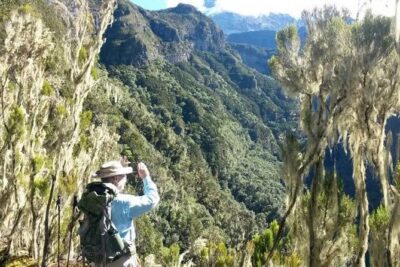
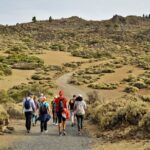
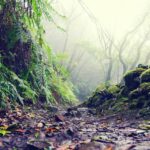
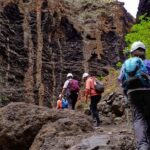
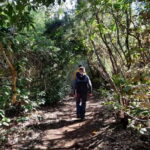
The core of this tour is the hike through forest trails in Anaga Rural Park. Expect a walk on paths where the canopy and humidity do a lot of the work for the scenery. In this part of Tenerife, condensation and cool, damp air can collect under the trees, and the world feels softened.
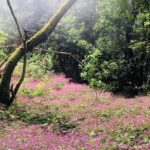
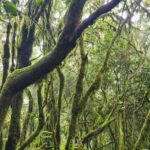
This is where you’ll understand why people get attached to the north side of the island. You’ll see the dense look of laurel forest up close—moss, lichen, and hanging plant growth that can make the air feel close to magical. And because the area is naturally isolated, the experience leans toward quiet, even when you’re in a small group.
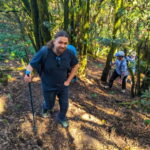
You’ll also be hiking on a route built for outdoors comfort: trekking poles are available if you specify you need them when booking. That matters because slippery forest ground isn’t always about difficulty—it’s about footing, especially when conditions are damp.
One practical note: the tour includes guidance and professional mountain support, so if you’re not sure about technique on uneven trail, you’ll likely get helpful coaching. That’s a big deal if you’re worried about feeling clumsy or slow.
The Route Near an Indigenous Hamlet: Tenerife Before Modern Life
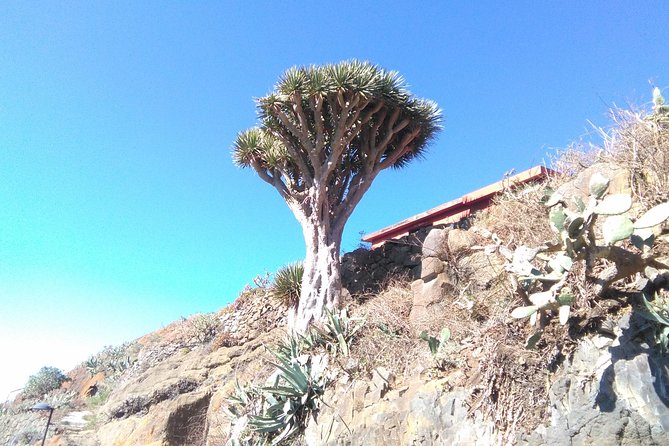
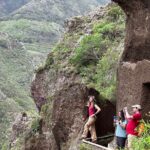
There’s more here than plants and birds. The walk passes close to an indigenous hamlet area, tied to how the ancient inhabitants of Tenerife lived. You won’t be touring a museum; it’s more of a quiet, observational moment where the guide can connect what you’re seeing in front of you to the human story of the island.
I like this kind of stop because it keeps the hike grounded. You’re not just collecting nature facts. You’re understanding why people chose these landscapes in the first place—water availability, shelter, and the practical realities of living on volcanic terrain.
If you enjoy island history but don’t want a lecture, this works. It’s integrated into the walk, so the human details come naturally while you’re already outside breathing the forest air.
Timing, Distance, and the Real Pace You Should Expect
The full experience runs about 4 hours 30 minutes. The actual walking portion is usually 3 to 4.5 hours, covering roughly 5.5 to 9 km depending on how the guide structures the route and the group’s pace.
The tour is aimed at people with moderate physical fitness. That doesn’t mean you need to be an athlete, but it does mean you should be comfortable walking several hours on uneven, possibly damp trails. The good news is that the guide can adapt to abilities and interests, so you’re not stuck with a one-size-fits-all itinerary.
What you should plan around is the day flow. You start at 9:30 am, and you’ll return back to the central bus station in La Laguna, finishing around 3:00 pm. That gives you a useful rhythm: you get your outdoors time early, then you still have a chunk of afternoon for the city, food, or a second activity.
Also, remember: the temperature can drop slightly as you ascend, and weather can change quickly. So even if the distance sounds manageable, the conditions can make the walk feel more serious than it would on a sunny flat trail.
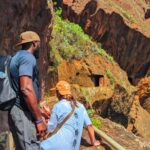
Sergio Walking Tours: Small Group Size and Real-World Guide Support
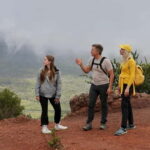
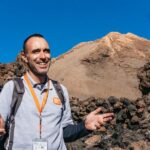
This tour is run by Sergio Walking Tours, and the guiding is described as professional mountain guiding with multilingual support in English, German, Spanish, French, and Italian. Your guide isn’t just pointing; they’re explaining what matters and helping with technique when needed.
I really value the way this tour handles logistics. In practice, Sergio has offered very clear meeting guidance—using tools like Google links and confirming the plan again the night before (including phone and message follow-ups in advance). That kind of redundancy is what makes meeting at a bus interchange feel calm instead of risky.
And because the group size is capped at 12 travelers (with a minimum of 3 for the hike to run), you’re not disappearing into a crowd. Small groups help you ask questions, adjust pace, and stay present on the trail instead of always feeling rushed.
You’ll also want to know about pacing and comfort. One of the best things in the experience is that the route can be tailored to the group’s abilities and interests. If you’re coming in with a bit of uncertainty about buses or navigation, that flexibility is a big confidence booster.
Weather and Packing: What Changes in Anaga Quickly
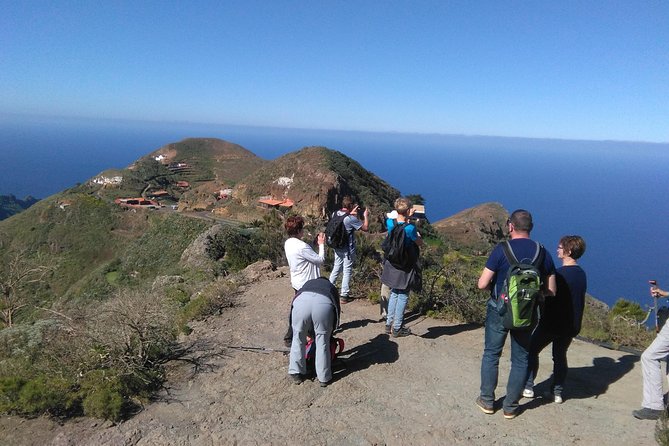
The north of Tenerife can be dramatic. The tour specifically warns that weather can change quickly and be very windy, with humidity and condensation inside the forest. On top of that, the temperature drops slightly when you climb into the mountain area.
So pack like you’re walking through a damp, changeable microclimate:
- Walking shoes with rigid sole (not just soft sneakers)
- Rain coat
- Warm clothes, even if you’re starting in mild morning air
- Enough to drink, because bottled water isn’t included
- Consider bringing layers you can adjust as you warm up
If you’re tempted to travel light, don’t. The forest won’t care that you packed a single jacket. Wind and mist can make your body feel colder even when the sun breaks through later.
It’s also worth mentally preparing for fog or sun swings. One of the nicest aspects of this guide-led style is that the walk can still feel worthwhile when the weather shifts—your guide will manage the day so you still get meaningful trail time.
What You Get for $119.21: Value, Coverage, and What to Bring Anyway
The price is $119.21 per person, and what makes it feel reasonable is what’s included for that half-day window. You’re paying for a qualified guide experience, plus the safety and logistics pieces that can ruin a hike if they’re missing.
Included items that matter in real life:
- Local guide and professional mountain guide
- Insurances
- All fees and taxes
- Security and emergency equipment
- Transport
- Air-conditioned vehicle
- Infrastructures of the Anaga Rural Park
- Mobile ticket
- Trekking poles if you specify you need them
What’s not included (so you should plan ahead):
- Hotel pickup and drop-off
- Private transportation
- Lunch
- Bottled water
This is where your expectations should be clear. Lunch isn’t listed as included, and you shouldn’t assume it will be provided. That said, you may find your guide brings along simple food/snacks for breaks, and there are examples of groups being treated to things like sandwiches and drinks during the walk. Still, treat that as a bonus, not a guarantee.
For value, the biggest point is this: you’re not paying for a generic nature chat. You’re paying for guided navigation in a protected area plus knowledgeable interpretation, all while traveling from La Laguna using public bus connections.
Who Should Book This Anaga Hike (and Who Might Skip It)
You should book if you want:
- A small-group, guided hike in a UNESCO biosphere
- A route that feels local, starting from La Laguna and using public transport
- A nature-focused walk with plant and wildlife explanations
- A half-day plan that still gives you time to enjoy the rest of the island
You might reconsider if you:
- Hate windy, damp conditions, or aren’t willing to pack rain gear and layers
- Expect a very flat, easy stroll (this is several hours on trails with distance up to 9 km)
- Need hotel pickup (you’ll meet at Intercambiador Laguna)
Should You Book This Anaga Hike From La Laguna?
Yes, I’d book it if your goal is to experience Anaga the way it’s meant to be seen—on foot, with a guide who knows the terrain and explains what you’re actually looking at. The mix of forest trails, UNESCO biosphere context, and the practical bus-based start from La Laguna makes it both authentic and manageable.
If you’re on Tenerife and you keep hearing that the north feels different, this is a strong way to test that claim. Just show up prepared for shifting weather, and you’ll get a hike that feels like you left the island’s usual crowds behind for a few hours.
FAQ
What time does the hike start?
The tour starts at 9:30 am.
Where do I meet for the Anaga hike?
You meet at Intercambiador Laguna (T) 38205 San Cristóbal de La Laguna, Santa Cruz de Tenerife, Spain.
How long is the walk and how long is the whole experience?
The full experience is about 4 hours 30 minutes. The hiking time is typically 3 to 4.5 hours, covering about 5.5 to 9 km.
Is lunch included?
No. Lunch is not included.
Is bottled water included?
No. Bottled water is not included, so bring enough to drink.
What fitness level do I need?
You should have moderate physical fitness, since the hike lasts several hours on forest trails.
What languages is the guide available in?
Guidance is available in English, German, Spanish, French, and Italian.
Do I need to bring trekking poles?
Trekking poles are included if needed, but you should specify that when you book.
What happens if the weather is poor?
This experience requires good weather. If it’s canceled due to poor weather, you’ll be offered a different date or a full refund.