REVIEW · ANTIGUA
Hike to Pacaya Volcano from Antigua
Book on Viator →Operated by Voyageur Tours · Bookable on Viator
A volcano hike that smells like campfire. This half-day outing from Antigua takes you to Pacaya Volcano, where you’ll hike through volcanic terrain and roast marshmallows by steaming heat vents.
I like how it’s set up for real people: hotel pickup (selected hotels), small-group transport, and a professional local guide pacing you up and back down. I also love the hands-on “this is active geology” part, with crater-area views from a safe distance, plus plenty of photo-worthy stops.
One thing to watch: this hike is steeper than it looks, and the advertised price does not include the mandatory Pacaya National Park entrance fee you pay in cash at the gate.
In This Review
- Key things I’d plan around
- Pacaya in Half a Day: What You Actually Experience
- Getting There From Antigua: Pickup, Timing, and the Meeting Point
- Starting the Trail: Forest, Volcanic Ground, and Real-World Pace
- Plateau Time and Lava Marshmallows: The Signature Moment
- Summit Views Without Crater Access: Safety Rules That Still Pay Off
- Morning Fog vs Sunset Conditions: Timing Matters on Pacaya
- Price and Logistics: What $35 Really Buys
- Horses, Harassment, and How to Keep the Day Smooth
- What to Pack: Boots, Layers, and Dust-Proofing
- Your Guide: The Human Part (Names You Might Hear)
- How Hard Is This Really? A Practical Fitness Check
- Who This Tour Suits Best
- Should You Book This Pacaya Hike?
- FAQ
- How long is the Pacaya hike from Antigua?
- Is the park entrance fee included in the $35 price?
- Do I get hotel pickup in Antigua?
- Will I be allowed to get close to the volcano crater?
- Can I ride a horse instead of hiking?
- What’s the weather like and does the tour run in rain?
- What should I wear and bring?
- How big is the group?
Key things I’d plan around
- Small-group guidance with Spanish-English support (basic English), plus breaks that help you keep your footing
- Lava-field marshmallows cooked over steaming vents, right on the volcano terrain
- Views without crater access for safety, but you still feel the heat underfoot
- Horse and walking-stick add-ons available on-site if you want help on the steep parts
- Later departures can mean darkness on the return, so a small flashlight/headlamp is smart
Pacaya in Half a Day: What You Actually Experience
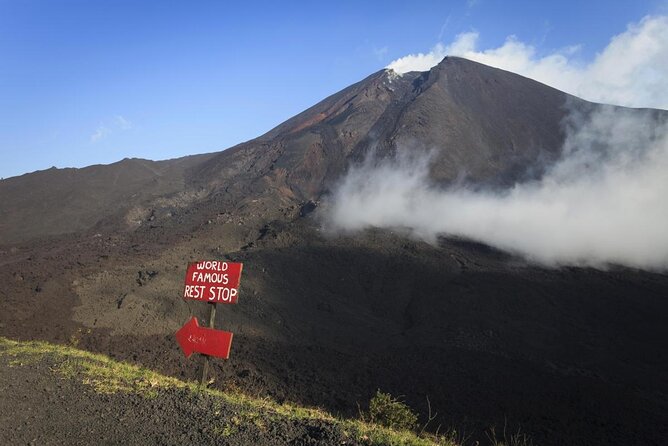
Pacaya is one of Guatemala’s most active volcanoes, and that matters here. This isn’t a “look from far away” outing. You get close enough to hike on volcanic ground, see steaming vents in action, and stand on a high plateau with big views of nearby volcanoes and the wider landscape.
The most memorable moment is the mix of rugged trail and low-key fun. You’ll roast marshmallows over heat vents scattered across the lava field. It’s goofy in the best way, like camping combined with science class.
The top takeaway: you’ll leave with both the views and the feeling that you were really in an active volcanic environment—even though safety keeps you from going right up to the crater.
You can also read our reviews of more hiking tours in Antigua
Getting There From Antigua: Pickup, Timing, and the Meeting Point
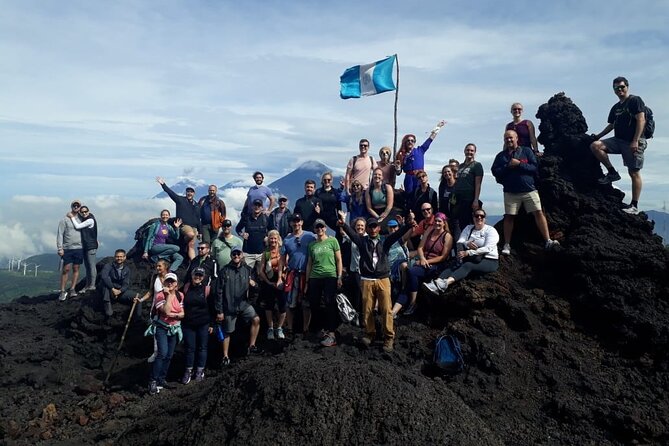
Most departures start with pickup directly from your Antigua hotel (for selected hotels), then a shared transfer to Pacaya National Park, roughly an hour away. If you’re not in a pickup zone, you’ll use the central meeting point at Café La Parada on 6a Avenida Norte No. 42, in front of Iglesia de la Merced.
I like that the start location is easy to find in the center of Antigua, and the tour returns you to the same general area (drop-off can vary slightly within city center). For the 6am departure, weekends, and peak season periods (like Lent and Holy Week), the tour may conclude at that meeting point.
One practical wrinkle: if you book the 2:00pm tour, afternoon traffic can cause delays in and around Antigua. In that case, you may be asked to meet at a central pickup point instead of your hotel, so build in some flexibility and patience.
Starting the Trail: Forest, Volcanic Ground, and Real-World Pace
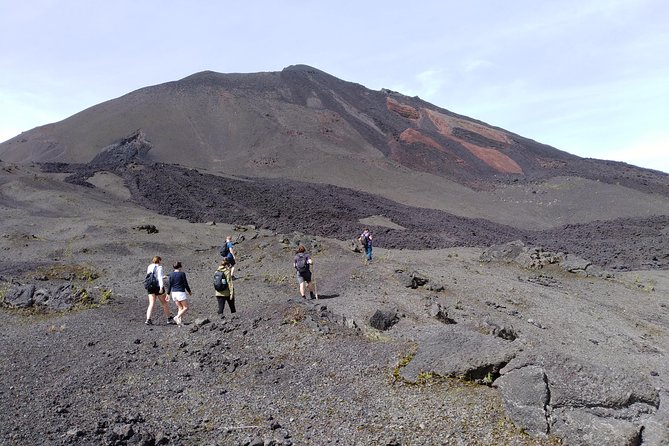
Once you arrive, you’ll get a quick restroom stop and a stretch before setting off. Then it’s on foot, guided along a trail that mixes lush forest and volcanic terrain. Expect pauses for views, because Pacaya is scenic even before you reach the lava fields.
The hike is rated moderate, but the trail profile feels more “steep climb” than “easy walk.” Plan for an uphill burn early and then another challenge as the path transitions to volcanic ground. If you’re not used to elevation and incline, you’ll probably notice it quickly.
If you want help, horseback rides are available for an extra charge. The key is to decide early rather than suffering it out. A number of people do the first stretch on foot and then switch to a horse when the grade feels like too much.
Plateau Time and Lava Marshmallows: The Signature Moment
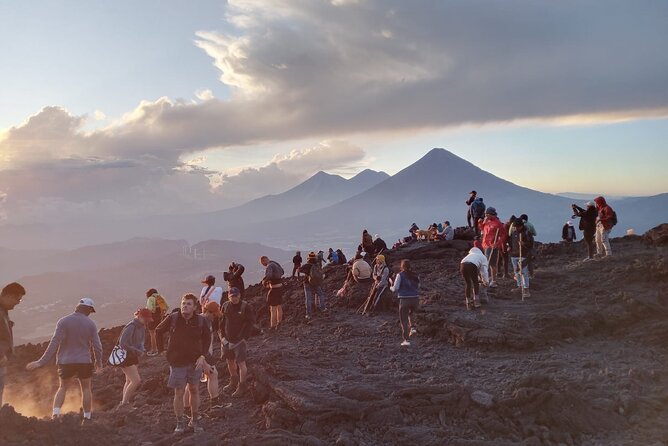
The core route leads you to a high-altitude plateau overlooking the volcanic crater area. You can’t approach the crater for safety, but you still get the payoff: steaming vents, lava rock terrain, and a vantage point that feels dramatic.
This is also where the tour turns into a memorable activity, not just a hike. You’ll spend time exploring the plateau and walking through the lava field. Then comes the standout “campfire moment” of roasting marshmallows over the heat vents. It’s simple, interactive, and it helps you connect what you’re seeing to how an active volcano actually behaves.
A small heads-up: the heat vents are part of an active geothermal area, so you’ll feel the environment around you, but you’ll still be guided to stay in safe walking zones.
Summit Views Without Crater Access: Safety Rules That Still Pay Off
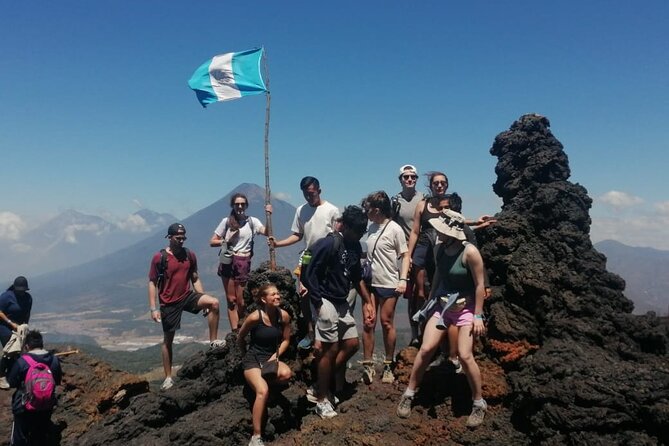
Pacaya’s crater area is off-limits, and that’s a good thing. The tour keeps you at viewing distance and on approved ground, so you don’t get the kind of close-up access that would be risky.
What you do get is a different kind of satisfaction. From the plateau and higher points, you’ll see panoramic views of nearby volcanoes and the Guatemalan landscape. That “big picture” view is the reward for climbing rather than the reward for getting right to the rim.
Another thing I appreciate: the heat you feel underfoot gives you that active-volcano sensation without requiring you to do anything extreme. You can focus on your footing, follow the guide, and take in the scenery.
Morning Fog vs Sunset Conditions: Timing Matters on Pacaya
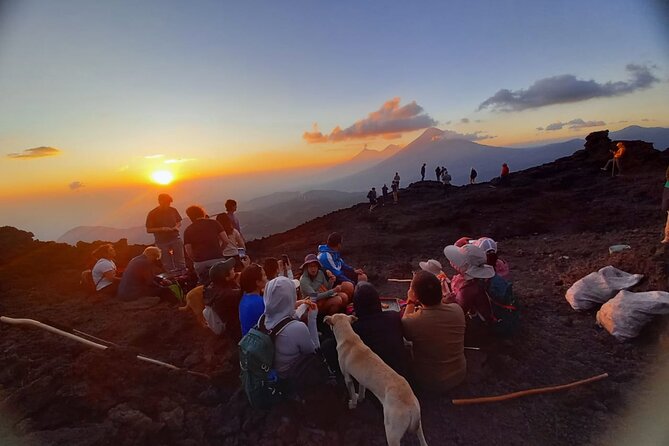
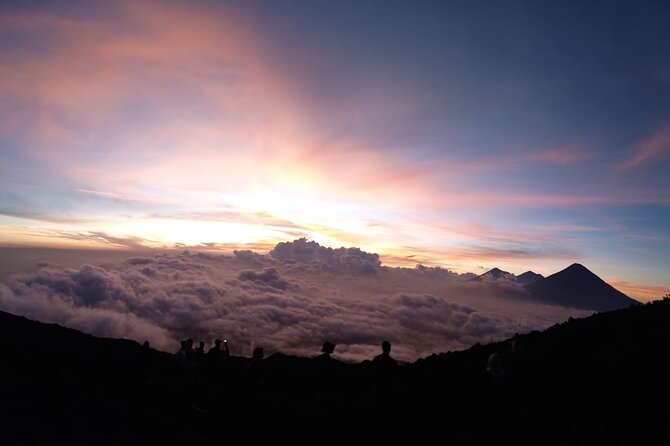
Pacaya conditions can swing based on time of day. In the morning, it can be foggier, and that may soften views at the top. If you care most about the summit view, a later departure often feels better because the clouds have more time to clear.
There’s also a real-world timing issue for later departures. If you’re doing a sunset-style hike, the return can include darker trail sections. I’d bring a small flashlight or headlamp for any later schedule so you’re not relying on luck and phone brightness.
One more timing note: the entire outing runs about 6 hours total including transport. That means you’re committing a half-day that can be tight with other Antigua plans, especially if you want lunch and downtime afterward.
Price and Logistics: What $35 Really Buys
The headline price is $35 per person, but Pacaya costs a bit more once you’re actually there. The mandatory Pacaya National Park entrance fee is Q100 per person (about USD $14), paid in cash in quetzales at the park entrance.
So your realistic baseline cost is closer to $49 per person before any optional extras. For many people, that still feels like good value because you get round-trip transport from Antigua plus a guide to lead the hike, keep the group together, and manage the safe route through volcanic terrain.
Where costs can rise is the optional add-on side:
- Horse rental: available for an extra charge (listed as about Q300 per horse, around USD $40), paid directly to local providers
- Wooden walking stick: optional, listed at Q10 (about $1.50)
- Food and drinks on the trail: you may want water, and some people buy snacks along the way
- Pizza experience: there’s a fun pizza-over-hot-rock possibility on select departures, and there’s also an independent Pizza Pacaya option the guide can help arrange, but it’s not included
One cash reality: bring enough cash for the entrance fee and possible add-ons. There may not be an ATM nearby, and you don’t want your day to hinge on a single payment attempt.
Horses, Harassment, and How to Keep the Day Smooth
If you’re considering the horse, know how it plays out on the ground. Horses can be a lifesaver on a steep, rocky climb, and you can often choose after the hike starts. That said, the on-site area is busy, and locals can be very persistent about offering rides.
My advice is boring but effective: decide your plan before you get swept up in the chaos. If you want the horse, ask early and get clear on pricing. If you don’t, politely decline and keep walking with your guide so you’re not stuck in repeated conversations while the group moves.
Also, keep your eyes on your guide’s instructions and regroup points. Some unhappy moments come from people getting separated or missing a check-in step in low-light situations or on confusing forks. Staying close to the group removes most of that risk.
What to Pack: Boots, Layers, and Dust-Proofing
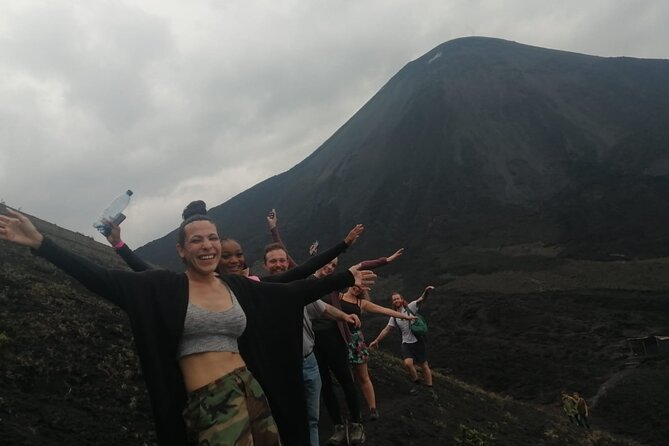
This is not a “sneakers and vibes” hike. Good traction matters because volcanic ground can be dusty, loose, and uneven.
Wear hiking boots with good tread and toe protection. If you’re wearing shoes that feel delicate, you’ll regret it by the time you’re halfway up and your feet are coated in trail grit. Some people use tall socks to help keep dust and small stones out.
Layers are a must. Even in warm months, mornings can be cold, and the plateau can be windy. Bring a light jacket or warmer top, plus a hat and sunscreen for sun exposure.
For rainy season (May–Oct), expect afternoon rain. Pack waterproof boots, a raincoat or poncho, and moisture-wicking layers. A waterproof backpack cover is smart since you’ll likely be dealing with damp gear for the rest of the day.
And for later departures: bring a small flashlight/headlamp so you can see the last stretches.
Your Guide: The Human Part (Names You Might Hear)
The guide experience is a big part of why people rate this hike so well. Many people praise guides who keep things organized, share plant and eruption-related context, and make sure slower hikers aren’t left behind.
You might meet guides like Irving, Ervin, or Mono, who show up in the feedback as particularly helpful and upbeat. The best guides also read the group: they encourage breaks, adjust pacing, and keep the hike from feeling like a forced march.
Language is the one variable. The guide is listed as Spanish-English with basic English, and that generally works for most people. Still, some guests have reported hearing little or no English during the tour. If you’re English-only, I’d come prepared with a few simple Spanish phrases and a way to show what you’re curious about (like pointing and asking short questions).
How Hard Is This Really? A Practical Fitness Check
This hike is described as moderate, but the steepness can surprise you. A number of people call it harder than expected, especially early in the climb and in the middle section where the grade stays persistent.
If you’re reasonably active, you’ll likely be fine as long as you pace yourself and use rest stops. If you’re less comfortable with steep inclines, the horse option is worth seriously considering, even if you start on foot.
Also remember elevation and wind. One guest noted the climb starts around 5,000 feet and then rises another 1,500 feet, and that’s enough to make it feel like more than just a short hike. If you get winded easily, take it slow from the beginning.
Who This Tour Suits Best
This is a great pick if you want an active, hands-on volcano outing without turning it into a full day. It’s especially good for people staying in Antigua who want a guided experience that’s both scenic and memorable.
You’ll enjoy it if you like:
- steep walking with frequent rest moments
- learning from a local guide about the environment and eruptions
- the novelty of lava-vent marshmallows
- small-group vibes that don’t feel like a city bus parade
It may be less ideal if you:
- need lots of English narration throughout
- hate steep climbs or rocky footing
- show up without boots or layers and then expect everything to feel comfortable
Should You Book This Pacaya Hike?
I’d book it if you want one of Antigua’s best “one outing, big story” days. The mix of guided trail time, dramatic volcano scenery, and the lava-vent marshmallows is exactly the kind of experience that makes you feel like you didn’t just see a postcard—you walked into the real geology.
Before you book, do two quick reality checks:
1) Budget for the entrance fee on top of the $35 price, plus cash for any add-ons.
2) Be honest about your comfort with steep climbs. If you’re unsure, plan to start on foot and switch early—or commit to the horse from the start.
If those points sound workable, this tour is an excellent way to experience Pacaya in a half-day without the guesswork.
FAQ
How long is the Pacaya hike from Antigua?
The total experience runs about 6 hours, including transport.
Is the park entrance fee included in the $35 price?
No. The Pacaya National Park entrance fee is Q100 per person (paid in cash in quetzales at the park entrance).
Do I get hotel pickup in Antigua?
Hotel pickup is included for selected hotels. If your hotel isn’t in the pickup list, you’ll meet at Café La Parada in Antigua.
Will I be allowed to get close to the volcano crater?
No. For safety reasons, you can’t approach the crater, but you’ll still have views from the plateau and you’ll feel the volcanic heat.
Can I ride a horse instead of hiking?
Yes. Horse rental is optional and arranged directly with local authorized providers at the park for an extra charge.
What’s the weather like and does the tour run in rain?
The tour runs rain or shine. It only cancels in the event of a dangerous storm or if local authorities restrict access.
What should I wear and bring?
Bring hiking boots with good traction, comfortable pants, a light jacket, sun protection, and layers. In rainy season, bring waterproof boots and rain gear. A flashlight/headlamp is helpful for later departures.
How big is the group?
The tour has a maximum of 24 travelers.