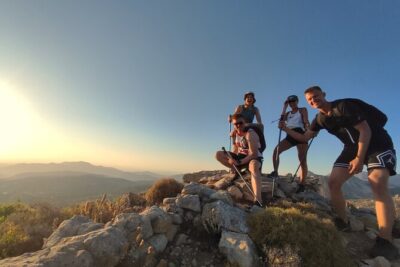
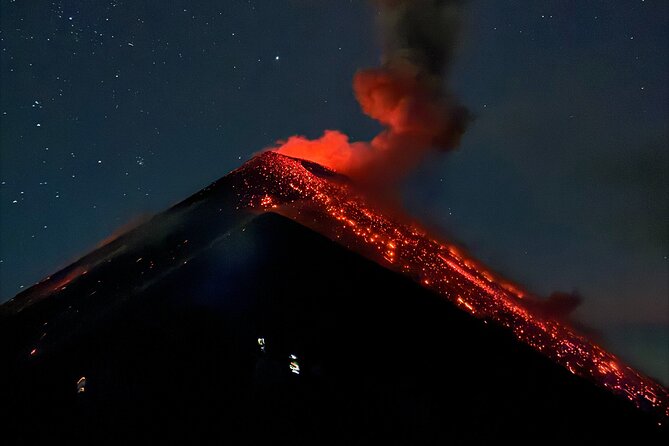
Acatenango at night feels like a different planet. This overnight hike from Antigua combines a long climb through changing air and views, then a night camping on the volcano slopes under real stars. Two things I especially like: the included basics (sleeping bag, mat, gloves, sweaters), and the chance to experience the eruption-view setup from base camp with guides like Angell and Rogelio who know how to keep things moving. One drawback to keep in mind is that some departures have reported confusion at the start and group sizes that can run well above the advertised 15-person limit.
If you’re fit and ready for cold, you’ll get a memorable “I can’t believe I did that” trip. You’re not just walking; you’re trading comfort for high payoff: fresh air as you climb, hot drinks along the way (coffee/tea setup depends on giving water to the guide), and that quiet nighttime feeling that most travelers only see in photos. The consideration is real: food can be hit or miss, and weather can change morning plans, including whether you can push higher.
In This Review
- Key things to know before you go
- Why an Acatenango overnight hike is worth the effort
- Day 1 from Antigua: the big climb begins
- Comfort reality check on day 1
- Camping overnight: stargazing, hot drinks, and the cold question
- Hot chocolate, coffee, and how to handle it
- Day 2: breakfast, morning views, and weather-driven changes
- Food, guidance, and group size: where the experience can swing
- Guides can be a highlight
- Food is inconsistent
- Group size can affect safety and comfort
- What’s included (and what you may still need to budget)
- Value math you can use
- Who this tour fits best
- How to prepare so day 1 doesn’t crush you
- Should you book this Acatenango overnight hike?
- FAQ
- What is the starting point for the Acatenango overnight hike?
- What time does the tour start?
- How long is the tour?
- Is breakfast included?
- What gear is included in the tour price?
- Are park entrance fees included?
- What other rentals might I need to pay for?
- Is the hike suitable for everyone?
- How close is the meeting point to public transportation?
- Can I cancel for a full refund?
- Is the group size limited?
Key things to know before you go
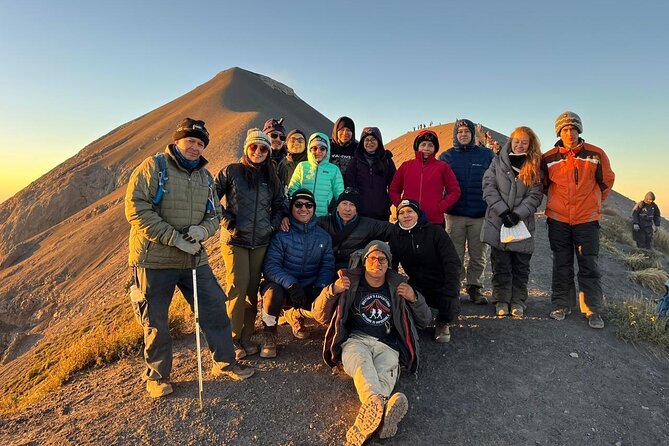
- Camp on the Acatenango slopes for an overnight stargazing experience that’s hard to replicate without proper gear.
- Hike starts at 8:00 am in Antigua and the trip is about 2 days, so you’ll want a full day before and after.
- Gear is included (sleeping bag, mat, gloves, sweaters), but flashlights and other items cost extra.
- Park entrance and rentals cost extra, so your real total price depends on what you need.
- Guides matter: people praise Angell and Rogelio for being friendly and helpful.
- Group size can vary—some people reported far more hikers than expected, which affects comfort and pacing.
Why an Acatenango overnight hike is worth the effort
Acatenango is one of those climbs where the payoff is bigger than the time on the trail. You start in Antigua and move into cooler air as the elevation rises, and the whole vibe changes as you gain height. Then you camp on the slopes and spend the night outside, which turns the trip from a daytime hike into an overnight “live here for a bit” experience.
What makes this particular tour feel good on paper is the balance between adventure and support. The basics are provided: sleeping bags, mats, gloves, and sweaters. That’s not nothing. It lowers the barrier for people who don’t want to spend days shopping for gear in Guatemala.
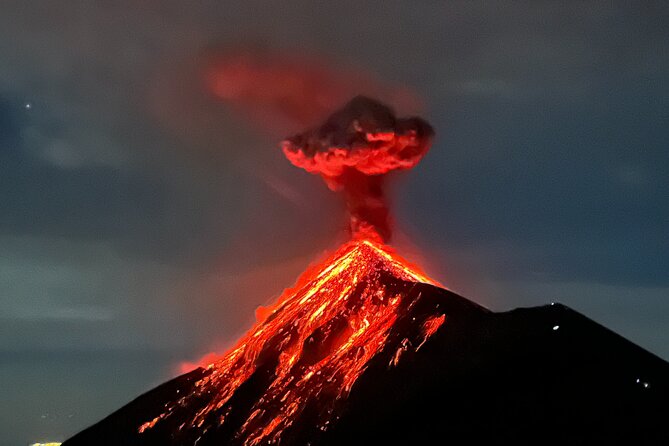
The other big plus is that the goal is the volcano itself, including eruption-view moments from camp/base camp areas. One traveler specifically mentioned wanting to see the erupting volcano and feeling rushed during photo moments, which tells you where the priorities can land when conditions shift.
You can also read our reviews of more hiking tours in Antigua
Day 1 from Antigua: the big climb begins
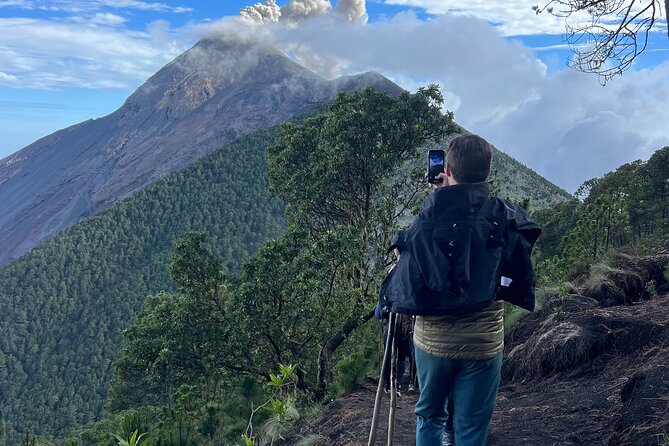
The tour starts in Antigua Guatemala at 8:00 am. You end back at the meeting point when you’re finished, so you’re not dealing with a complicated drop-off and pickup plan. The meeting point is listed as near public transportation, which helps if you’re staying in town.
From there, the first day is your uphill day. Expect a steady ascent through changing terrain, with the air getting fresher as you go higher. The tour description frames this as a walk through unique flora and fauna, and that matches the general character of Acatenango: the trail feels alive as you gain elevation.
A practical note based on real-world experiences: one person had trouble with the meeting point details and had to contact the operator quickly to avoid missing the tour. So do yourself a favor and confirm the meeting spot the day before, then arrive early. In tours like this, “arrive at 8:00” can easily mean “arrive after the scramble starts.”
Comfort reality check on day 1
This is a strong-fitness hike. You should assume you’ll be cold at altitude at some point, especially at night later. Even though gloves and sweaters are included, sizing and availability may vary. One traveler said advertised hats/jackets were gone when they arrived and they stayed cold most of the trek. That doesn’t mean it will happen to you, but it’s a reminder: bring your own layers if you run cold.
Camping overnight: stargazing, hot drinks, and the cold question
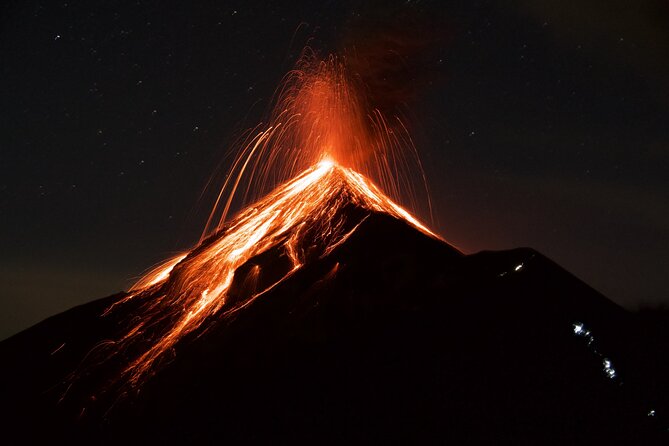
The headline here is the overnight stay on the volcano slopes. You’re not just climbing, taking a view photo, and leaving. You camp, then settle in and wait for the night. People come for the stars and the quiet. One review described feeling the energy of the volcano underfoot and the tranquility of night on the slopes—exactly the reason this kind of tour has such strong word-of-mouth.
You’ll also deal with the practical side of sleeping outside. The tour includes a sleeping bag and mat, which should cover the biggest comfort gap for most travelers. Still, sleeping cold is a skill you learn quickly. If you’re the type who hates sleeping in cold air, treat this as a “prepare for chill” trip, not a casual overnighter.
Hot chocolate, coffee, and how to handle it
The tour includes coffee and/or tea, and it gives a very specific instruction: you should give water so the guide can prepare hot chocolate, and the next day give water again for coffee or tea. That tells you the drink setup depends on what you carry and when you hand it over.
So plan on being a little more hands-on than you would on a city tour. Pay attention during the drink moments. Ask the guide when water is needed and how much.
Day 2: breakfast, morning views, and weather-driven changes
The biggest change from day 1 to day 2 is that breakfast is included on the second day (it is not included on day 1). That’s useful because day 2 often starts early, and you’ll appreciate having food already planned instead of guessing where to buy something at altitude.
Day 2 is about continuing the adventure after the night at camp. This is also where your expectations have to stay flexible. One traveler felt strongly about summit plans because they expected an early push when morning conditions looked favorable, but their group was told they couldn’t go higher due to weather changes. Another traveler liked the experience but still noted that things were tough, and group handling affected the pacing.
The safe takeaway for you: this tour is weather dependent, especially for any higher “push” goals. If you’re chasing a specific summit moment, be mentally ready for the guide to adjust the plan for safety and visibility.
Food, guidance, and group size: where the experience can swing
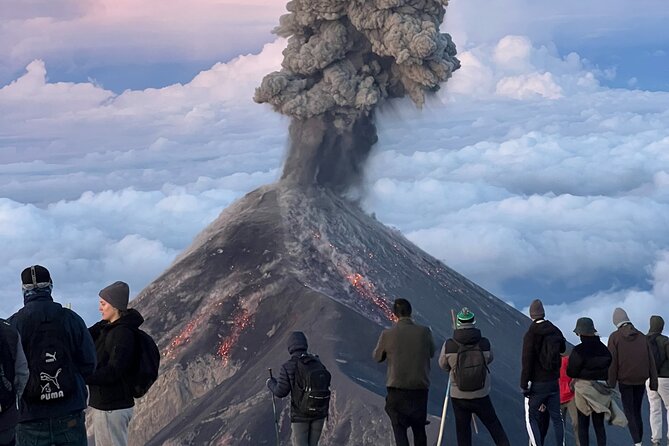
This is where the tour gets real. The hike is physically demanding and you’ll rely on the guides to run the schedule, keep everyone together, and manage energy levels.
Guides can be a highlight
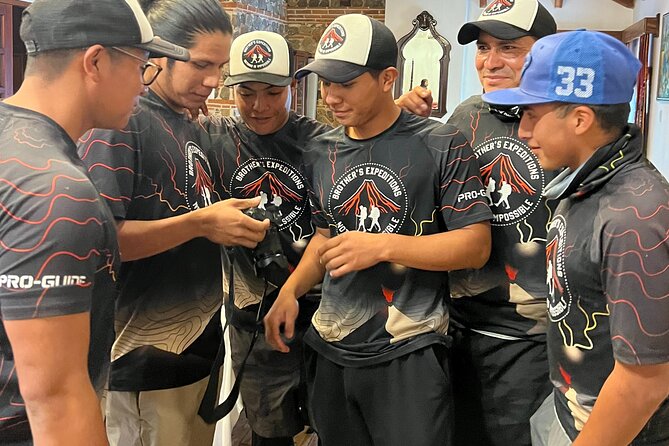
Positive experiences mention guides such as Angell and Rogelio as great—helpful and friendly. That’s the kind of guide presence that matters on a volcano hike: someone who can keep you informed, manage your pace, and make the day feel coordinated instead of chaotic.
Food is inconsistent
At least two travelers had complaints about the meals. One person described cold, hard bread with a small portion of filling, followed by bland pasta/noodles compared with what they felt other tours provide (hearty, hot meals). Another review said food was edible but nothing notable, and meal times weren’t clearly communicated, so people had to figure dinner and breakfast on their own.
That doesn’t mean the tour won’t feed you. It means you should treat meals as basic fuel rather than a culinary experience. If you’re picky about food texture or you need calories at specific times, pack extra snacks you can control (as long as you follow whatever rules the operator gives on what you can carry).
Group size can affect safety and comfort
The tour states a maximum of 15 travelers. That’s a big deal because smaller groups usually mean smoother pacing, more instruction, and less crowding near viewpoints.
But at least one traveler reported chaotic conditions with far more people than advertised (including groups in the 30+ range). Another said it felt like a cash grab during a busy period with little regard for safety and experience. These are serious complaints. You don’t have to assume they’re universal, but you should take them seriously.
My practical advice: when you book, ask how they manage group size on your date and whether your guide-to-hiker ratio is the same as the posted limit. If you can’t get a clear answer, bring more patience—and don’t plan your trip around being able to linger for photos whenever you want.
What’s included (and what you may still need to budget)
The base price is $84.00 per person for the 2-day adventure. That’s strong value for an overnight hike where sleeping setup is included. But you should budget for the extras below, because they can add up.
Included:
- Sleeping bags
- Mats
- Gloves
- Sweaters
- Coffee and/or tea (with water provided for the guide to prepare hot drinks)
- Breakfast is not included on day 1, and it is included on day 2
Not included (listed as additional costs):
- Entrance to Acatenango Park: $14.00 per person
- Backpacks: $14.00 per person
- Walking sticks: $14.00 per person
- Flashlights: $7.00 per person
Value math you can use
If you need park entrance and a few rental items, your total will be higher than $84. The upside is that you likely won’t need to rent everything. Still, I’d plan as if the trip could cost more than the headline price unless you already own hiking gear like a headlamp/flashlight, walking sticks, and a suitable day pack.
Who this tour fits best
This is for you if:
- You have a strong physical fitness level and don’t mind a tough climb.
- You want the full overnight experience, not just a quick view.
- You’re okay with basic meals and you prioritize the volcano moments over comfort.
It might be a tough fit if:
- You get stressed in crowded group situations or dislike unclear instructions.
- You’re sensitive to cold overnight and you don’t like improvising with layers.
- You expect a carefully timed, luxury-style food plan at altitude.
One encouraging detail from the experiences: even when things felt disorganized, fellow hikers were supportive and looked out for one another. That kind of shared effort can make the difference on a hard hike.
How to prepare so day 1 doesn’t crush you
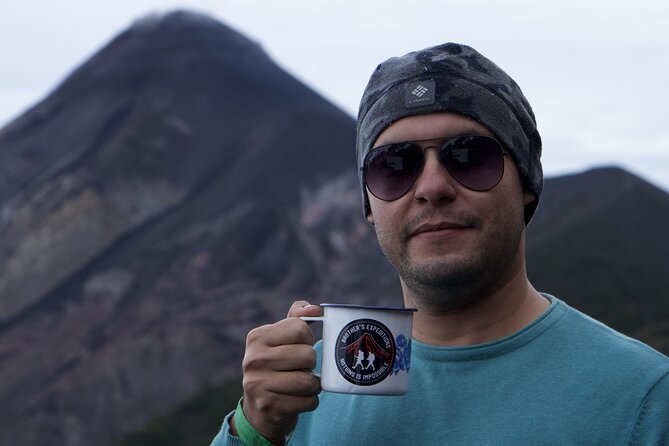
Even though the tour gives you some gear, your prep matters more than people think.
- Bring extra layers if you tend to run cold, because you could still end up chilly despite the included sweaters/gloves.
- If you rely on headlamps at night, make sure you’re sorted. Flashlights cost extra, so don’t wait until the morning scramble.
- Pack snacks if you know you’ll want steady calories. Meals may not match the expectations you have from other tours.
- Arrive early and confirm the meeting point details so you don’t start the day in a panic.
Should you book this Acatenango overnight hike?
If you want an authentic volcano overnight and you’re ready for a hard hike, I think it’s a yes for the right traveler. The included sleep gear helps, and the stargazing/camping experience is the kind of memory you carry for years. The presence of friendly guides like Angell and Rogelio is another strong reason to consider it.
But I’d book with eyes open. Group size problems and meal communication issues have shown up in past experiences, and weather can change higher-goal plans. Your best move is to confirm meeting point accuracy and ask how they handle the group on your departure date.
If you’re flexible, fit, and prepared for cold and basic food, you’ll likely come away feeling like this was worth every step.
FAQ
What is the starting point for the Acatenango overnight hike?
The tour starts in Antigua Guatemala, Guatemala at the meeting point, and it ends back at the same meeting point.
What time does the tour start?
The start time is 8:00 am.
How long is the tour?
The duration is about 2 days.
Is breakfast included?
Breakfast is not included on the first day, but breakfast is included on the second day.
What gear is included in the tour price?
Sleeping bags and mats are included, plus gloves and sweaters.
Are park entrance fees included?
No. Entrance to Acatenango Park costs $14.00 per person.
What other rentals might I need to pay for?
Backpacks are $14.00 per person, walking sticks are $14.00 per person, and flashlights are $7.00 per person.
Is the hike suitable for everyone?
It’s recommended for travelers with a strong physical fitness level.
How close is the meeting point to public transportation?
The meeting point is listed as near public transportation.
Can I cancel for a full refund?
Yes. You can cancel up to 24 hours in advance for a full refund.
Is the group size limited?
The tour lists a maximum of 15 travelers.