REVIEW · MAUI
Hike Honolua Ridgeline
Book on Viator →Operated by HeleWai Eco Tours · Bookable on Viator
Maui has a side you can’t see from the road. This Honolua Ridgeline hike takes you through native forest and private conservation lands near the Pu’u Kukui Watershed Preserve, with a guide calling out plants, threats, and why water matters. If you care about Hawaii’s ecology, this is the kind of outing that turns a pretty trail into real understanding fast.
I like that the hike is short enough for a relaxed pace (about 2 miles) but still feels like a full, guided experience, with stops at lookouts along the ridgeline. I also like the human scale: small groups (max 12) and guides who bring the trail to life—names you may hear include Jason, Yancy, and Kevin. One thing to plan for: it’s mild overall, but there can be slippery spots, so good footwear helps.
In This Review
- Key Highlights You’ll Want to Know
- Why the Honolua Ridgeline Hike Works So Well
- Getting Started: Lahaina Meeting Point and a 9:00 AM Kick
- The Trail Itself: Native Forest Shade, Ridgeline Views, and Slippery Spots
- Learning the Water Story at Pu’u Kukui Watershed Preserve
- What Conservation Teams Do on Private Lands (and Why You’ll Care)
- Guides Who Can Point Out Plants Like They Matter
- Views Without the Long Haul: Ridgeline Lookouts and Photo Stops
- Pace, Comfort, and Gear That Actually Helps
- The Small Snack at the End: Pineapple, Expectations, and Local Flavor
- Weather and Rescheduling: When the Trail Changes Plans
- Value Check: Is This the Right Kind of Maui Hike for You?
- Should You Book HeleWai Eco Tours for Honolua Ridgeline?
- FAQ
- Where is the meeting point for the Honolua Ridgeline hike?
- What time does the hike start?
- How long is the tour?
- How far is the hike?
- Is this hike suitable for beginners or only experienced hikers?
- How many people are in the group?
- What language is the tour offered in?
- Is a mobile ticket used?
- Is there any snack provided during the hike?
- What happens if the weather is poor or I need to cancel?
Key Highlights You’ll Want to Know
- Private conservation lands near Pu’u Kukui give you access to places most people simply drive past.
- A 2-mile, shade-heavy ridgeline route makes the hike feel manageable even if you’re not a hardcore hiker.
- Interpretive stops on native vs. invasive plants help you spot what matters and why.
- Lookouts over valley views add payoff without stretching the day.
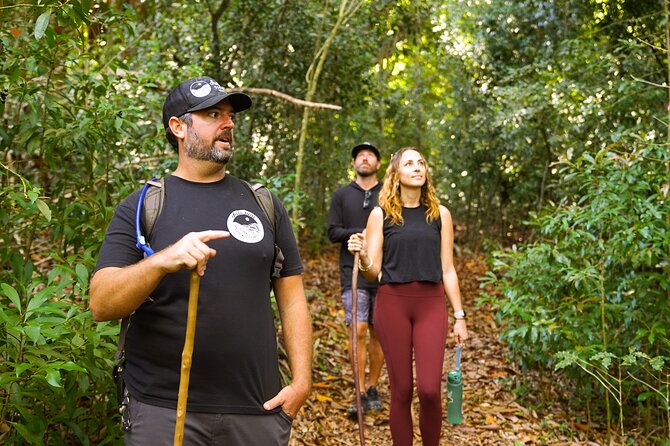
- Walking sticks are provided, which is a big help on uneven ground.
- A small bite at the end (often Maui Gold pineapple) finishes the walk with a local touch.
Why the Honolua Ridgeline Hike Works So Well
The Honolua Ridgeline is one of those Maui hikes that doesn’t require a big day plan to be memorable. You get the shade, the ridgeline views, and a clear sense of place. The difference here is the story you’re given as you walk. Instead of just naming scenery, your guide connects the plants to the larger system that keeps the island going—especially the watershed and the island’s relationship to water.
This is also a practical choice for many travelers. You’re on your feet for about 3 hours 15 minutes total, but the actual hiking distance is about 2 miles (3.2 kilometers). That means you can fit it in without turning your Maui trip into a recovery week.
Finally, the small group size (up to 12) helps the guide slow down and explain things in a way that sticks. You’ll get more than the drive-by version of conservation.
You can also read our reviews of more hiking tours in Maui


Getting Started: Lahaina Meeting Point and a 9:00 AM Kick
The tour meets at 800 Office Rd, Lahaina, HI 96761 and starts at 9:00 am. That morning start matters. The trail is described as shaded under a canopy, which helps, but Maui sun can still creep up. If you’re the type who hates being rushed, getting an early start is a win.
Also, because you’re outdoors for a few hours, morning timing usually sets you up for a nicer, calmer day afterward. You’ll likely be able to go eat lunch or keep exploring without feeling wrecked.
The day is designed to be straightforward: the activity ends back at the meeting point, so there’s no tricky end-to-the-airport puzzle.
The Trail Itself: Native Forest Shade, Ridgeline Views, and Slippery Spots
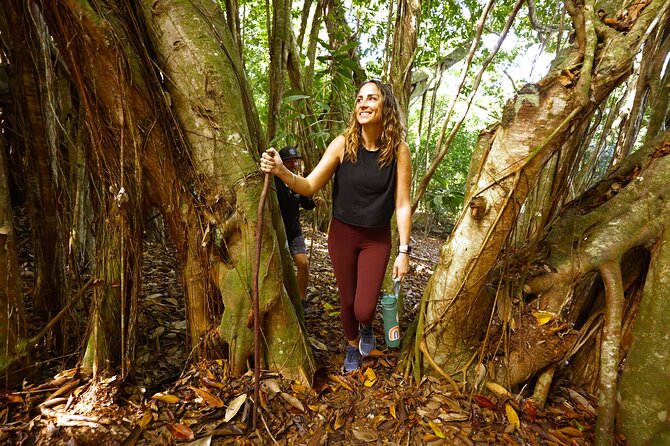
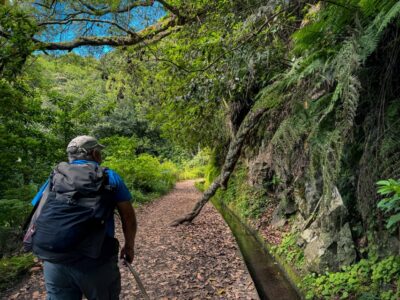
Here’s the core experience: you hike along the valley ridgeline beneath a canopy of shade. Expect a steady walking pace, not a steep suffer-fest. The hike is described as not too strenuous for most people with moderate physical fitness, and guides help people find rhythm.
One note from real-life trail feedback: there can be slippery spots. That’s not a reason to avoid it—it’s a heads-up. Wear shoes with real grip, not slippery sandals. If you’re traveling with trekking poles or hiking shoes, this is one of the places where they earn their keep.
You’ll also see the kinds of trees and plants that make Hawaii’s ecosystems feel different from what you get on the mainland. One standout example from guide-style interpretation is the chance to see a large banyan in the forested area, used as a teaching point for what you’re looking at and how the ecosystem functions.
Learning the Water Story at Pu’u Kukui Watershed Preserve
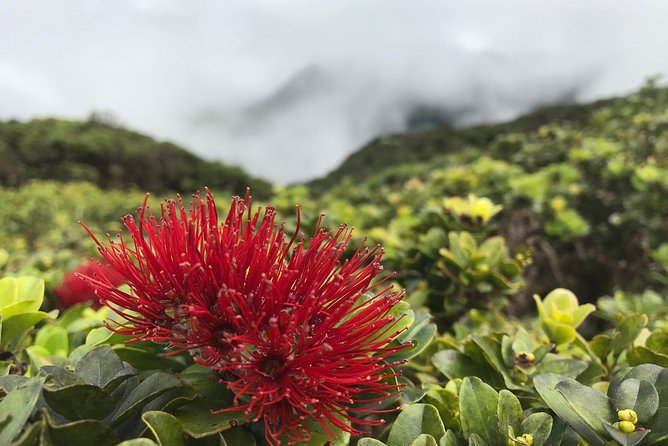
This hike isn’t just botany for the sake of it. The route is framed around the Pu’u Kukui Watershed Preserve and the idea that water is sacred, practical, and connected to everything living on the island.
As you walk, your guide explains how conservation work ties into that watershed. That matters because it’s easy to think of water as something that just comes out of a tap or falls from the sky. On Maui, water is dynamic. It’s shaped by land, vegetation, and the balance between native species and what doesn’t belong.
So you’re hiking, yes—but you’re also building a mental map. You start connecting what you see (plants, forest structure, ridge patterns) to what you depend on (healthy water systems). That’s the part that tends to stick long after you’ve left the trailhead.
What Conservation Teams Do on Private Lands (and Why You’ll Care)
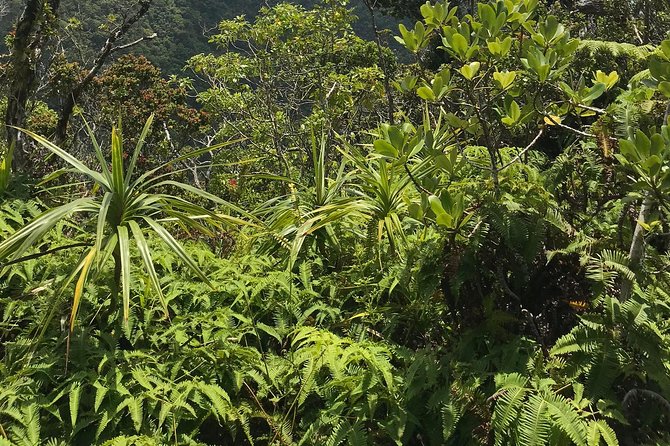
A big selling point is that this isn’t only public trail education. You’ll explore private conservation lands near the preserve, and you learn about what a conservation team does there.
That changes the tone. You’re not just walking through a protected area; you’re being shown how protection actually happens on the ground. Conservation is active. It’s work done by real people, using real strategies, in real terrain.
It also helps you understand a hard truth: invasive species aren’t a distant problem. They affect the native plants you’re trying to learn about. Your guide points out native and invasive plants so you can recognize the difference and understand what the conservation team is trying to protect. That’s one of the most valuable outcomes of this hike—your eyes get trained.



Guides Who Can Point Out Plants Like They Matter
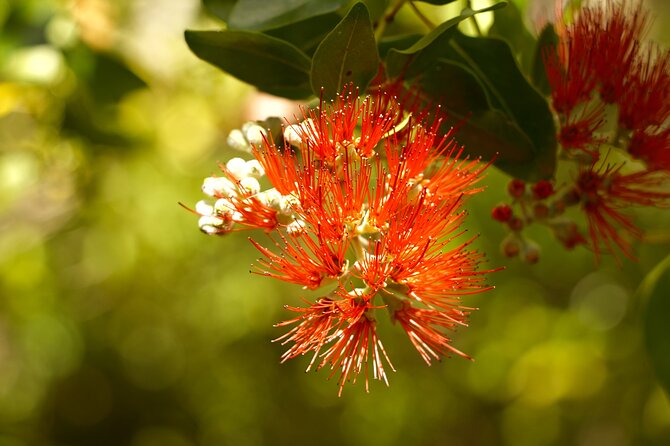
The best part of this experience is how the guide brings attention to details. Different guides appear in the feedback—people have especially praised guides such as Jason, Yancy, and Kevin—and the common thread is the way they explain plant life, ecology, and conservation without turning it into a lecture you can’t follow.
You’ll likely get plenty of plant identification moments, including discussion of how to tell native plants from invasive ones. You’ll also get explanations tied to why each group matters. That’s the difference between hearing names and actually understanding what’s going on.
You’ll also find that guides help keep the hike comfortable. One review highlights that they thoughtfully provide walking sticks, which is helpful on uneven, slick ground. When a guide anticipates these needs, the hike feels easier than the distance suggests.
Views Without the Long Haul: Ridgeline Lookouts and Photo Stops
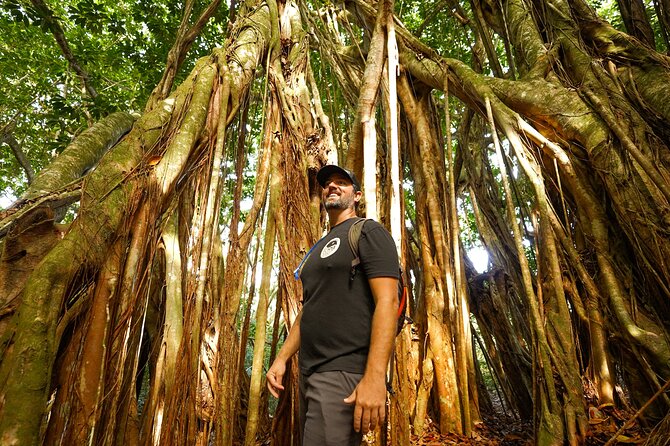
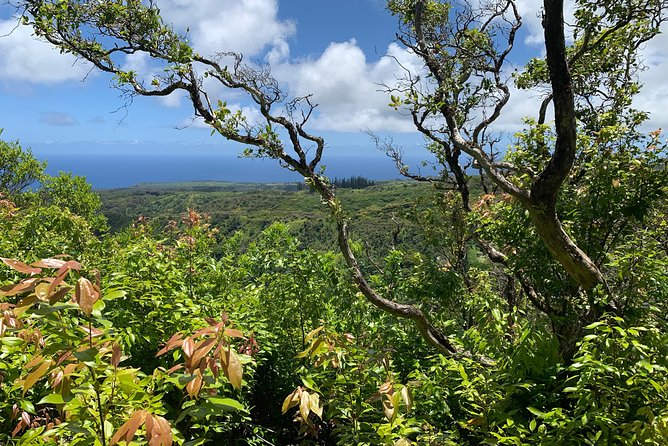
The ridgeline setup gives you repeated payoff. You’re not just walking through a quiet corridor. You get outlooks where you can see valleys and get a sense of Maui’s scale.
These are good places to slow down. Take a breath. Look past the obvious view and watch what your guide is pointing out—how vegetation changes with conditions, how the landscape funnels water, and how conservation priorities relate to those patterns.
If you’re the type who wants photos, this is a workable hike. It’s long enough to feel worth the camera time, but short enough to keep it relaxed.
Pace, Comfort, and Gear That Actually Helps

This hike is built for people with moderate fitness. That usually means: you should be comfortable walking for a couple of hours at a steady pace, and you shouldn’t mind some uneven ground.
Bring:
- Closed-toe shoes with grip for slippery sections
- A light layer for morning shade and changing airflow
- A small bottle of water (even if the hike is short)
What you might not expect is how much comfort factors matter here. The canopy of shade helps, but ridgeline trails can still be tricky underfoot. That’s why the provided walking sticks can make a real difference, especially if you’re traveling with someone who isn’t used to hiking.
And since this is a guided interpretive hike, you’re not just moving forward. You’re pausing, looking, and listening. That takes energy, but it also makes the time go quickly.
The Small Snack at the End: Pineapple, Expectations, and Local Flavor
At the end, there’s typically a small bite. The feedback mentions Maui Gold pineapple, served as a light treat after the hike.
One traveler felt the snack advertising set the wrong expectations, because it was only a few pieces of cut-up pineapple. That’s a fair heads-up: this is not a full meal situation. It’s a short, friendly finishing touch.
So if you need calories to power your whole afternoon, plan to eat a proper lunch after. If you’re happy with a light, local taste at the end of a short hike, it lands nicely.
Weather and Rescheduling: When the Trail Changes Plans
This experience requires good weather. If it’s canceled due to poor weather, you’ll be offered a different date or a full refund. That’s a sensible setup for a ridgeline hike, where slick conditions can turn a mild trail into an uncomfortable one.
In practice, this is the kind of tour where flexibility helps. If your Maui schedule is packed with tight reservations, build in some cushion.
Value Check: Is This the Right Kind of Maui Hike for You?
There’s real value here if you want the ecological side of Hawaii, not just the postcard side. You’re getting:
- A guided hike with interpretive teaching
- Native forest and ridgeline viewpoints
- Access to private conservation lands near Pu’u Kukui
- Clear conservation themes tied to water
This is also a great fit if you want a moderate hike that feels doable for a broad range of fitness levels. Family friendly experiences have been reported, including a group that included a 12-year-old and an adult who didn’t do much hiking.
You might want to skip this if you’re looking for a long, strenuous hike, or if you expect the snack to replace a meal. The distance is short, and the focus is learning and observing, not high-intensity exercise.
Should You Book HeleWai Eco Tours for Honolua Ridgeline?
I’d book this if your idea of a great Maui day includes one guided element that changes how you see the island. The combination of native ecosystem education, ridgeline lookouts, and the watershed conservation story makes this more than a walk in the woods.
I’d think twice if slippery footing worries you and you don’t have the right shoes, or if you prefer hikes where you barely talk and never stop. This one is meant for slowing down—looking, learning, and walking with purpose.
If you want a small-group, guided Maui hike that gives you both views and real context, this is a strong choice.
FAQ
Where is the meeting point for the Honolua Ridgeline hike?
The tour meets at 800 Office Rd, Lahaina, HI 96761, USA.
What time does the hike start?
The start time is 9:00 am.
How long is the tour?
The duration is about 3 hours 15 minutes.
How far is the hike?
The hike is about 2 miles (3.2 kilometers).
Is this hike suitable for beginners or only experienced hikers?
It’s listed for travelers with moderate physical fitness.
How many people are in the group?
The tour/activity has a maximum of 12 travelers.
What language is the tour offered in?
The tour is offered in English.
Is a mobile ticket used?
Yes, the tour uses a mobile ticket.
Is there any snack provided during the hike?
A small bite at the end is mentioned in feedback, including Maui Gold pineapple.
What happens if the weather is poor or I need to cancel?
The experience requires good weather. If canceled due to poor weather, you’ll be offered a different date or a full refund. Free cancellation is available up to 24 hours in advance for a full refund.