REVIEW · MAUI
Haleakala Summit Best Self-Guided Bike Tour with Bike Maui
Book on Viator →Operated by Bike Maui AND Haleakala EcoTours · Bookable on Viator
Some rides are just points and views. This one is more like a job interview with gravity. You’ll cycle down from Maui’s highest volcano with custom Kona bikes, take in the crater area at Haleakalā National Park, then roll your own pace through Upcountry charm in Makawao. Two things I really like: the setup gives you real riding gear (helmet, windbreaker suit pieces, and a backpack), and you still get that special morning context from an interpretive guide (in several accounts, the guide named Kimo brings Maui history and culture to life). One drawback to plan around: this is self-guided on the bike, so you need to be comfortable navigating safely around traffic and possibly a few detours or closures.
The day runs about 7 hours and starts at 8:00 am from 810 Haiku Rd in Haiku. You’ll get taken up by air-conditioned vehicle, stop at the crater, then drop into a downhill that’s famous for its switchbacks—while still letting you stop for photos and choose your comfort level on the road.
In This Review
- Key Things to Know Before You Ride
- The Real Appeal: Haleakalā’s Summit View, Then a Bike That Actually Feels Like Fun
- Getting Up There: The Morning Ride to the Crater Stop
- Your Bike and Safety Setup: What You Get (and What You Still Control)
- The 15-Mile Downhill: Switchbacks, Road Edges, and Real-Time Adjustments
- Where the Ride Feels Friendliest (and Where It Gets Trickier)
- Makawao and Haiku: Upcountry Towns, Lunch Options, and the Finish
- Price and Value: Is $238.59 Worth It?
- Who This Tour Fits Best (and Who Might Want a Backup Plan)
- Weather, Clothing, and What to Carry So You Don’t Freeze or Fizzle
- Cancellation and Weather Sensitivity, in Plain Terms
- Should You Book This Haleakalā Summit Self-Guided Bike Tour?
- FAQ
- How long is the Haleakalā Summit Best Self-Guided Bike Tour?
- What time does the tour start?
- Where is the meeting point?
- Do I get the bike and helmet, or do I need to rent gear?
- Is this tour self-guided the whole time?
- How far is the downhill ride?
- What gear should I bring?
- What fitness and experience do I need?
- Are there age or height requirements?
- What happens if weather is bad?
Key Things to Know Before You Ride
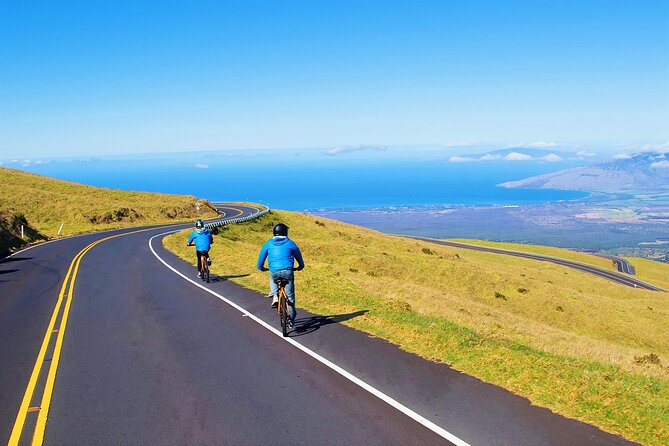
- Famous switchback downhill (the Fabulous 29): the part people remember most, ridden at your own pace.
- Guided storytelling before the bike: an NAI certified interpretive guide shares history and culture on the way up.
- Kona mountain bikes plus real cold-weather gear: helmet, windbreaker suit top and bottom, and a backpack are included.
- Self-guided means you manage navigation and timing: you won’t be in a tight convoy.
- Upcountry finish in Makawao and Haiku: you’ll bike through Makawao, then continue back down toward Haiku with options for lunch.
- A few ride segments may be affected: road conditions and closures can change what’s accessible on some days.
The Real Appeal: Haleakalā’s Summit View, Then a Bike That Actually Feels Like Fun
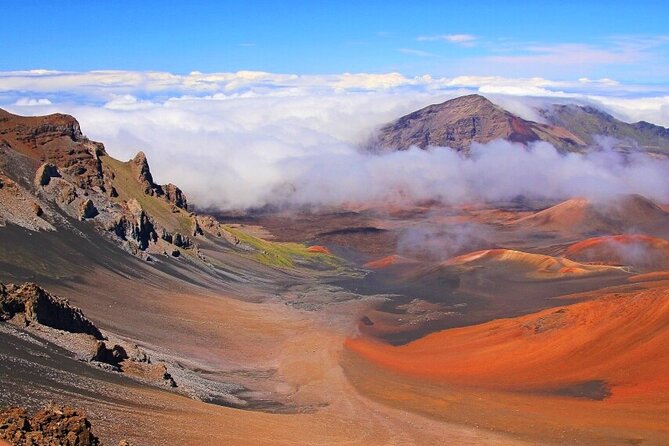
This tour hits a rare combo: one of Hawai‘i’s biggest wow moments, followed by motion—lots of it. The crater stop at Haleakalā National Park is your anchor point. After that, you swap the slow, high-elevation sightseeing mood for a downhill run that feels physical, thrilling, and freeing at the same time.
What makes the experience work is the balance. You get interpretation and guidance before you ride. Then, once you’re on the bike, you have room to go at your own pace instead of being locked into someone else’s rhythm. It’s not a casual stroll; you’ll want to be alert and ready for a ride that spends time close to the roadway.
You can also read our reviews of more tours and experiences in Maui.


Getting Up There: The Morning Ride to the Crater Stop
You start in Haiku at 810 Haiku Rd, with an 8:00 am departure. From there, you ride uphill by air-conditioned vehicle, and that drive matters more than you might expect. The interpretive guide—NAI certified—shares stories about Hawaii’s history and culture on the way up, which helps the crater stop feel like more than a photo stop.
Then you reach the Haleakalā Crater area as your first major stop. The point is simple: you’re seeing a world-class, high-altitude volcanic landscape from the top, with your context already in your head. If you like understanding what you’re looking at, this part improves the entire day.
At the same time, keep one reality in mind: the day isn’t just “bike time.” You’ll spend a good chunk of your morning inside the vehicle and at the crater before the downhill even begins. That long lead-in is part of the trade-off for riding the famous descent.
Your Bike and Safety Setup: What You Get (and What You Still Control)
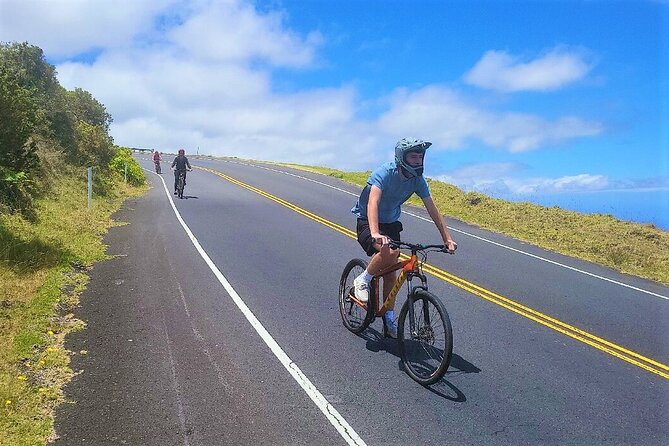
You bike on custom Kona Mountain Bikes, with a bell, helmet, and a Da Kine backpack included. You also get a windbreaker suit top and bottom through the tour, which is a big deal because Haleakalā conditions can shift fast.
You’re not just showing up to ride. You’re expected to have recent biking experience required and a moderate physical fitness level. Minimum age is 15, and you must be at least 4’10” tall. If you’re comfortable riding a real bike outdoors, not just casual flat-ground cruising, you’re more likely to enjoy this instead of fight it.
Safety is clearly treated as a priority. Still, you’re riding on public roads and the guidance you get matters. One theme from rider feedback: you need to ride carefully and be prepared for traffic, especially once you’re outside the most controlled-feeling sections. This isn’t a theme-park track, so your good judgment is part of the equipment.
The 15-Mile Downhill: Switchbacks, Road Edges, and Real-Time Adjustments
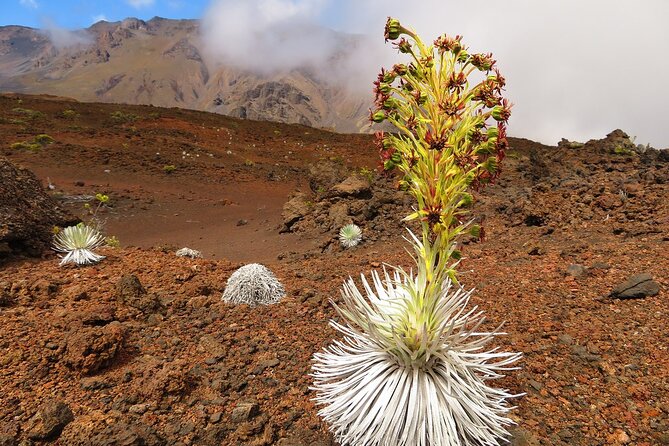
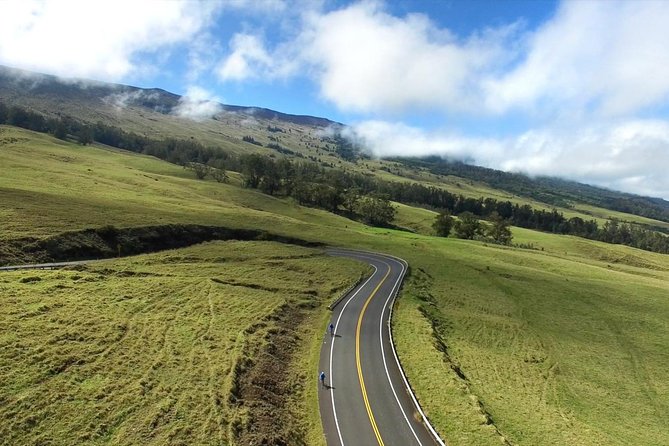
After the crater, the ride portion starts from around 6,500 ft and runs about 15 miles downhill. The tour is self-guided, and that means you get independence rather than a strict group convoy.
Here’s what to look forward to: the ride is known for the “Fabulous 29” switchbacks. That’s the heart of the descent. The turn-by-turn feel gives you a rhythm—slow enough to enjoy the views, quick enough to feel the adrenaline, and broken into manageable chunks.
Now for the realistic part. Some riders found they had to rely on Google Maps at times to confirm directions. That’s not surprising: self-guided tours depend on you being comfortable with your own routing and timing. Make sure your phone works reliably, and don’t treat this like you can fully zone out once you start rolling.
Also, pay attention to how closures can affect the line you ride. One rider was disappointed to learn that a section through Kula was closed to riders, and another noted that local laws removed a middle portion of the ride. In other words, you should be prepared that your downhill may not look identical to what you’ve seen in videos.
The good news? Even with changes, the experience still tends to deliver the main thrill: a long descent with famous turns and big open views.
Where the Ride Feels Friendliest (and Where It Gets Trickier)
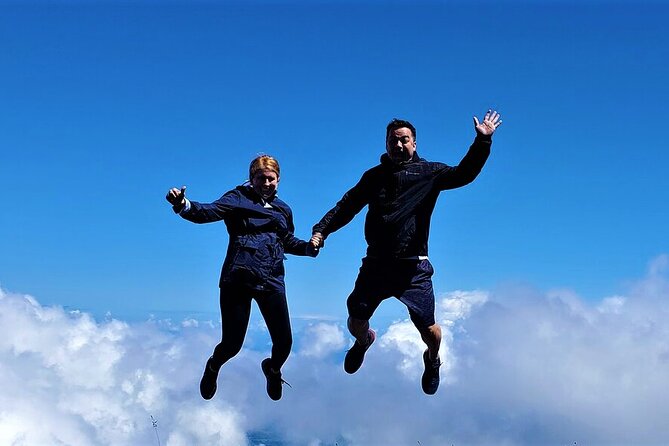
Within the Haleakalā National Park area, the roads tend to feel more “rideable” because you’re in the park environment. Once you exit and move farther away, the roads can get less friendly to cyclists.
One rider also pointed out a sense of roads not always being shared as well in local neighborhoods. That’s not meant to scare you off—it’s meant to help you ride with your eyes open. If you’re the type who relaxes only after checking the road twice, you’ll fit in well here.
So how do you make this work for your comfort? Start slowly. Keep a steady pace. Don’t try to sprint the switchbacks. And leave extra distance where cars can appear quickly around bends.


Makawao and Haiku: Upcountry Towns, Lunch Options, and the Finish
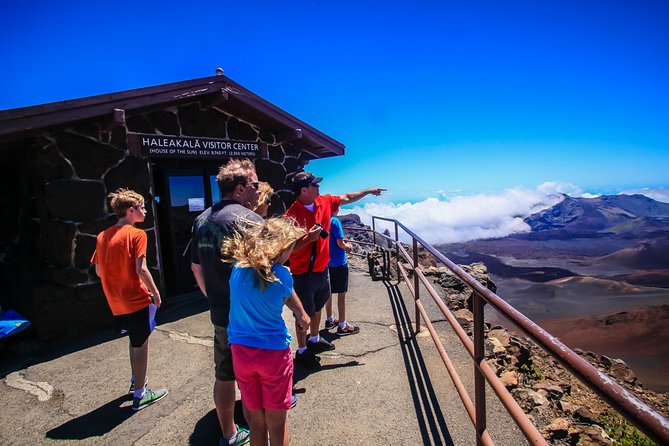
Once the downhill drops you to a shuttle pickup location just above the historic town of Makawao, the day shifts from pure riding to Upcountry cruising. You’ll bike through Makawao and then continue toward Haiku.
That town time is one reason this tour feels more complete than a straight downhill-only ride. Makawao has an old-town feel, and biking through it gives you a different slice of Maui than the coast-only visitors usually get.
Lunch is not included, and it’s a no-host option. You can stop for lunch in either Makawao or Haiku. You’ll want to bring credit card or cash for that meal, and the tour also nudges you to bring your own water and snacks.
The tour ends back at the meeting point in Haiku. So yes—you’re riding back into town at the end of the day, not getting dropped in some random far-away spot. That makes it easier to plan the rest of your afternoon.
Price and Value: Is $238.59 Worth It?
At $238.59 per person, this isn’t a budget impulse purchase. But the price starts to make sense when you tally what’s included: bike rental, helmet, windbreaker suit pieces, a backpack, and shuttle/vehicle support around the summit and end of the day. You’re also paying for the specialized nature of the descent—Haleakalā summit biking is not something you can easily reproduce on your own without time, permits, and logistics.
Where this tour tends to deliver extra value is in the experience mix. You’re not just getting a bike. You’re getting crater access, interpretation on the way up, then a long, iconic downhill that’s hard to replicate independently.
So the “value check” comes down to you: if you’re physically ready to ride, enjoy a self-paced challenge, and want Haleakalā without spending your whole day hunting rentals and routes, the price can feel fair. If you’re mostly looking for sightseeing with minimal biking effort, you may feel the time-to-bike ratio.
Who This Tour Fits Best (and Who Might Want a Backup Plan)
This tour is a strong match if you’re:
- A confident, recent bike rider who can handle mixed road conditions
- Comfortable riding near traffic and making your own safety decisions
- Traveling with older kids or teens (minimum age is 15) who can follow instructions and ride responsibly
- Interested in combining a major Maui nature highlight with real activity
You might want a backup plan—or consider a more guided approach—if you:
- Get stressed by navigation and prefer turn-by-turn guidance
- Have limited downhill experience
- Want a day where every minute is structured without any self-management
Also, note the maximum group size: up to 48 travelers. That’s not tiny, but it usually helps keep logistics smooth.
Weather, Clothing, and What to Carry So You Don’t Freeze or Fizzle
Even though you get a windbreaker suit top and bottom, you should treat the summit area as changeable. One rider described it as freezing cold at first, then rain showers, then strong sun later—enough for sunburn.
So pack smart:
- Bring water and snacks (not included)
- Wear layers you can adjust quickly
- Expect wind at altitude even if the sun is out
- Use sunscreen, because Hawai‘i sun doesn’t ask permission
If you have a way to keep your phone secure while riding, do it. Self-guided tours often mean you’ll want quick map checks.
Finally, remember gratuity is not included. If you feel the guide did a great job on the interpretive portion and the bike operation ran smoothly, plan on budgeting some extra.
Cancellation and Weather Sensitivity, in Plain Terms
This experience requires good weather. If it’s canceled due to poor weather, you’ll be offered a different date or a full refund. You can cancel for a full refund up to 24 hours in advance, which gives you some breathing room if plans change.
Should You Book This Haleakalā Summit Self-Guided Bike Tour?
I’d book it if your goal is the legendary Haleakalā descent plus a genuine Maui morning story before you ride. The included bikes, helmets, and cold-weather gear take a lot of friction out, and the 15-mile downhill is the kind of activity that makes you feel like you did something, not just watched something.
I wouldn’t rush to book it if downhill riding is new to you, navigation stresses you out, or you’re hoping for a totally hands-off, low-traffic cycling day. This is self-guided on the bike portion, so your riding confidence is part of the equation.
Bottom line: if you’re ready to pedal smart, ride safe, and enjoy the independence, this is one of the more memorable ways to experience Haleakalā without spending the whole day on viewpoints alone.
FAQ
How long is the Haleakalā Summit Best Self-Guided Bike Tour?
It lasts about 7 hours (approx.).
What time does the tour start?
The start time is 8:00 am.
Where is the meeting point?
The meeting point is 810 Haiku Rd, Haiku, HI 96708, USA.
Do I get the bike and helmet, or do I need to rent gear?
Bike Maui provides a custom Kona mountain bike and a bell helmet.
Is this tour self-guided the whole time?
You get guided storytelling on the way up, but the bike ride portion is self-guided (you ride at your own pace and there is no convoy).
How far is the downhill ride?
You’ll ride about 15 miles downhill.
What gear should I bring?
Bring your own water and snacks. Lunch is no-host, so bring credit card or cash. Gratuity is also not included.
What fitness and experience do I need?
You should have a moderate physical fitness level, and recent biking experience is required.
Are there age or height requirements?
Yes. Minimum age is 15. Minimum height is 4’10”.
What happens if weather is bad?
The tour requires good weather. If canceled due to poor weather, you’ll be offered a different date or a full refund.