REVIEW · SEDONA
From Sedona: Archeology and Nature Hike
Book on GetYourGuide →Operated by AZ Safari Jeep Tours · Bookable on GetYourGuide
Petroglyphs have a way of grabbing you. This Native American ruins hike near Sedona is a hands-on walk through ancient life—36 pit houses/dwellings, rock carvings, and desert scenery—all in a moderate-to-difficult 2-mile hike. I really liked the mix of petroglyphs you can study up close and the way the guide ties them to daily life. One heads-up: the ruin site isn’t right next to where the jeep parks, so you should be ready to walk.
I also like that the day starts with an open-air jeep ride to a secluded area the guide has access to, and you’re not stuck in a crowded tour herd. With a small group (limited to 8) plus included water and walking sticks, it feels doable even though it’s outdoorsy. The biggest “consideration” isn’t the ruins—it’s whether you’re comfortable with the hike portion and the desert setting.
In This Review
- Key Things I’d Plan Around
- Sedona’s Ruins Are Close Enough to Feel Real
- The Open-Air Jeep Ride: Quick, Scenic, and Kept Simple
- The 150 Minutes: What the Clock Really Means
- The 2-Mile Desert Hike You Can Actually Plan For
- What You’ll See at the Ruins (Pit Houses, Petroglyphs, and Daily Life Clues)
- Your Guide Turns Rocks Into Stories
- Walking Sticks, Water, and the Rules That Keep It Smooth
- Price and Value: Is $123 Worth It?
- Who This Tour Fits (And Who Should Pass)
- Should You Book? A Simple Decision Checklist
- FAQ
- How long is the tour, and how far do we hike?
- Do you do any off-roading in the jeep?
- What’s included in the price?
- What should I bring for the hike?
- Is there a bathroom onsite?
- Is this tour suitable for small children?
- What group size is it?
Key Things I’d Plan Around
- 36 pit houses/dwellings plus petroglyphs and other visible traces of past life
- Open-air jeep transport with pavement-only driving (no off-roading)
- A moderate-to-difficult 2-mile walk where the site isn’t near the parking spot
- Walking sticks + water included, so you can travel lighter
- A small group of 8 max, which makes questions easier
- An expert guide who actively points out artifacts in the field (Charlie and Moose have both led)
Sedona’s Ruins Are Close Enough to Feel Real
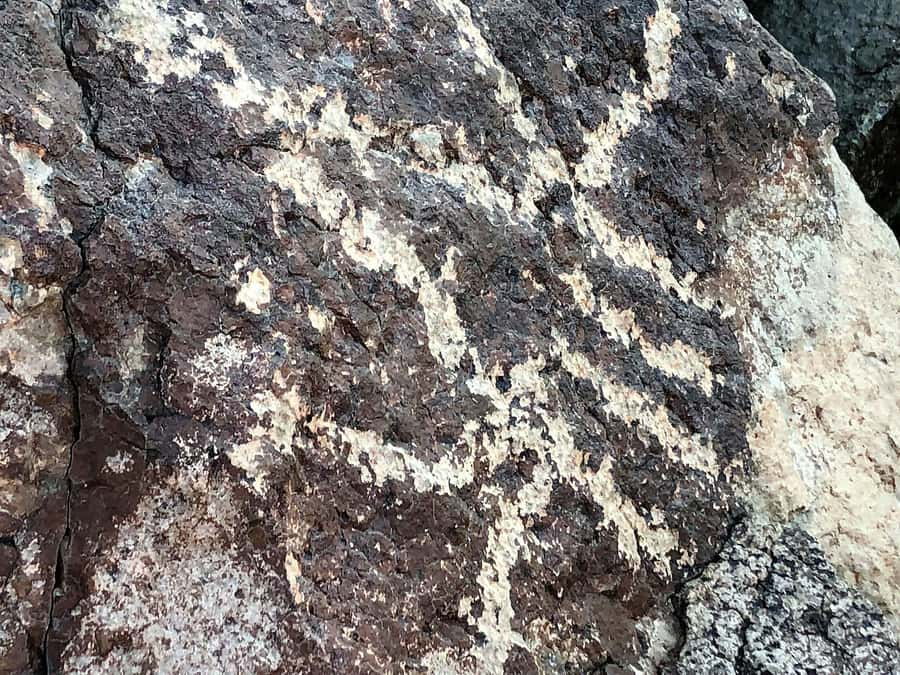
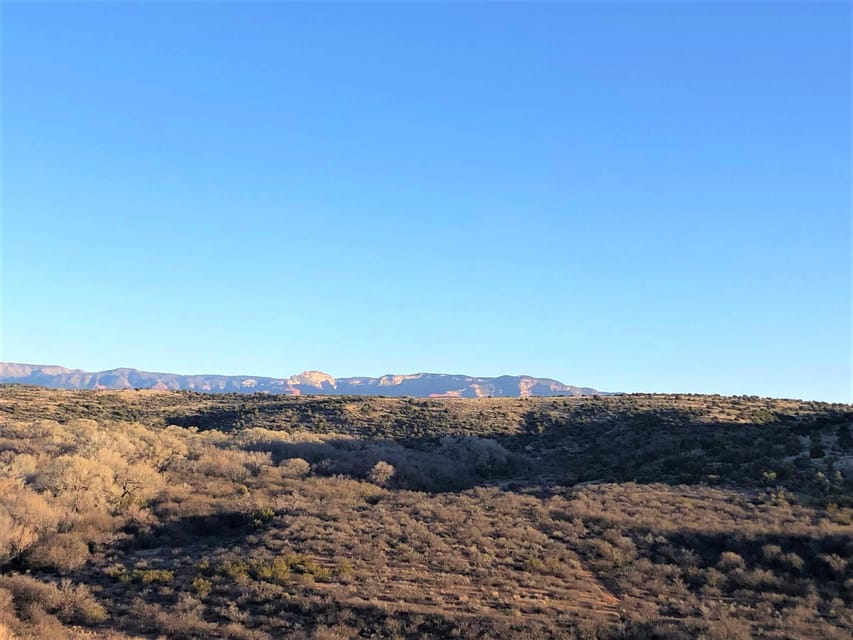
The Sedona area is famous for views, but this tour leans hard into something older: Native American ruins you can walk among, not just glance at from a viewpoint. You’ll follow in the footsteps of the tribes who lived here long ago, and that shift in focus makes the whole hike feel different. Instead of “pretty scenery first,” it’s “history first,” with the land explaining the story around it.
What you’re looking at isn’t one single rock feature. The site includes an extensive set of dwellings—36 pit houses/dwellings—plus rock art like petroglyphs, and other signs the guide will help you notice. That matters because it turns a short hike into an actual field experience.
The desert setting also keeps you alert. Sun, uneven ground, and wildlife are part of the deal. That’s not a bad thing—it’s what makes it feel like a real walk on an actual site, rather than a staged stop.
You can also read our reviews of more hiking tours in Sedona

The Open-Air Jeep Ride: Quick, Scenic, and Kept Simple
Before you hike, you’ll meet your guide at Safari Jeep Tours, 335 Jordan Rd. Then you’re headed out on an open-air jeep to a secluded location. The tone here is practical: you get transportation without turning the trip into a bumpy adrenaline contest.
Important detail: the jeep ride is pavement only, with no off-roading. That’s good news if you don’t want the tour to get rough on your back or if you’re trying to keep your footing stress-free. It also means you should expect a straightforward drive and then a change into hiking mode.
Because the hike area isn’t right by the jeep parking spot, the ride is just the warm-up. When you get out, you’ll still have work to do on foot. I like that trade-off: you’re not spending the day sitting; you’re spending it moving through the site.
The 150 Minutes: What the Clock Really Means
The total tour time is listed at 150 minutes. That’s long enough to make the hike meaningful, but short enough that you don’t feel trapped by a half-day schedule.
Within that window, the day generally follows a simple rhythm:
1) Meet up and get oriented
2) Jeep transport to a secluded start area
3) Hike through the desert landscape to see the ruins
4) Learn while walking, then wrap up after you’ve covered the key points
The best way to think about it: you’re buying a guided, story-led hike plus transport. If you like tours where time is used efficiently—rather than stretched out with long stops that don’t teach you much—you’ll likely feel satisfied.
The 2-Mile Desert Hike You Can Actually Plan For
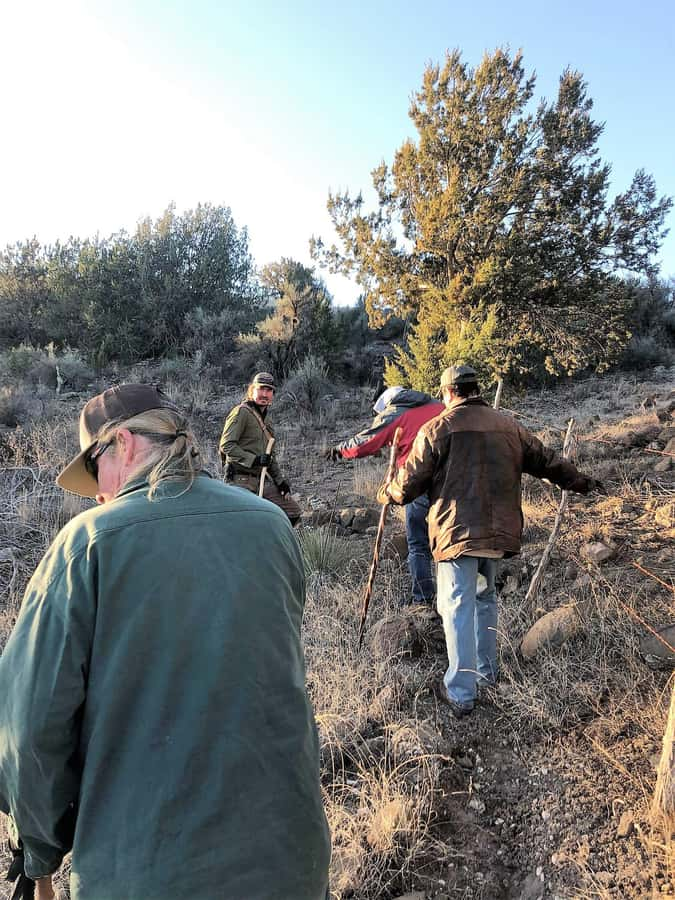
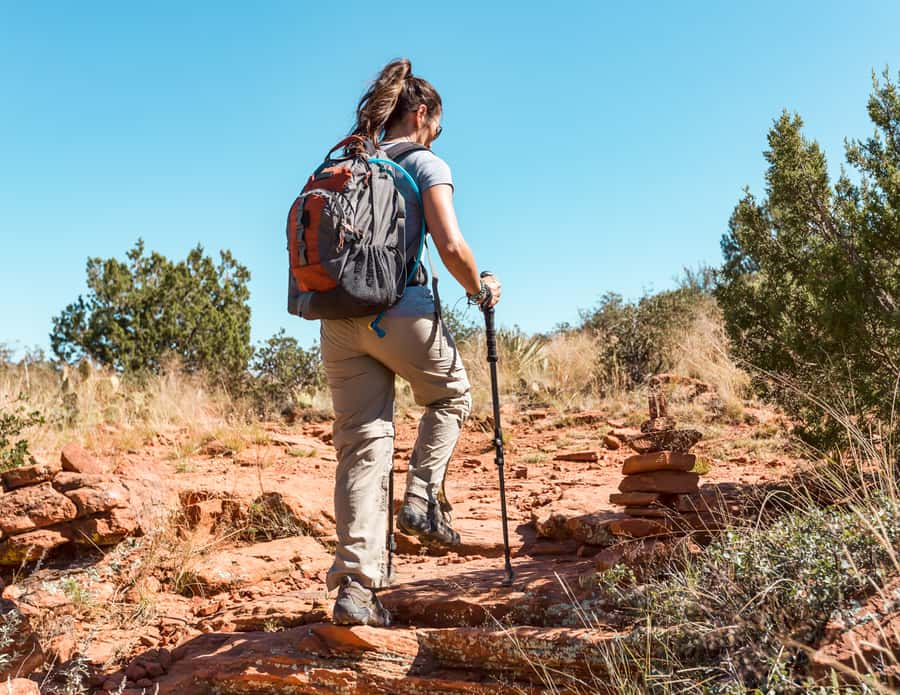
This is described as a moderately difficult hike, about 2 miles. For me, that classification is the sweet spot: it’s enough to give you a workout, but it’s not so long that you’re just trying to survive.
You’ll want comfortable tennis shoes or hiking boots with a closed toe. You’re also given walking sticks, which helps on uneven ground and can make the pace more comfortable. I appreciate that because it lowers the pressure to come in with “perfect gear.” Still, you’ll feel the desert under your feet, so choose shoes you trust.
One more practical note: this tour can run depending on weather conditions. If the weather is questionable, it’s not a “push through no matter what” situation. That’s a plus in the real world, especially in desert environments where conditions can change quickly.
What You’ll See at the Ruins (Pit Houses, Petroglyphs, and Daily Life Clues)
The headline is the site itself: extensive Native American ruins with 36 pit houses/dwellings. Pit houses are one of those things you can see from the ground and still struggle to imagine as “home.” That’s where a good guide earns their fee.
As you hike, you’ll stop or slow down when the guide finds key features. Expect a focus on:
- Pit houses/dwellings: where people likely lived and how the architecture relates to life in the area
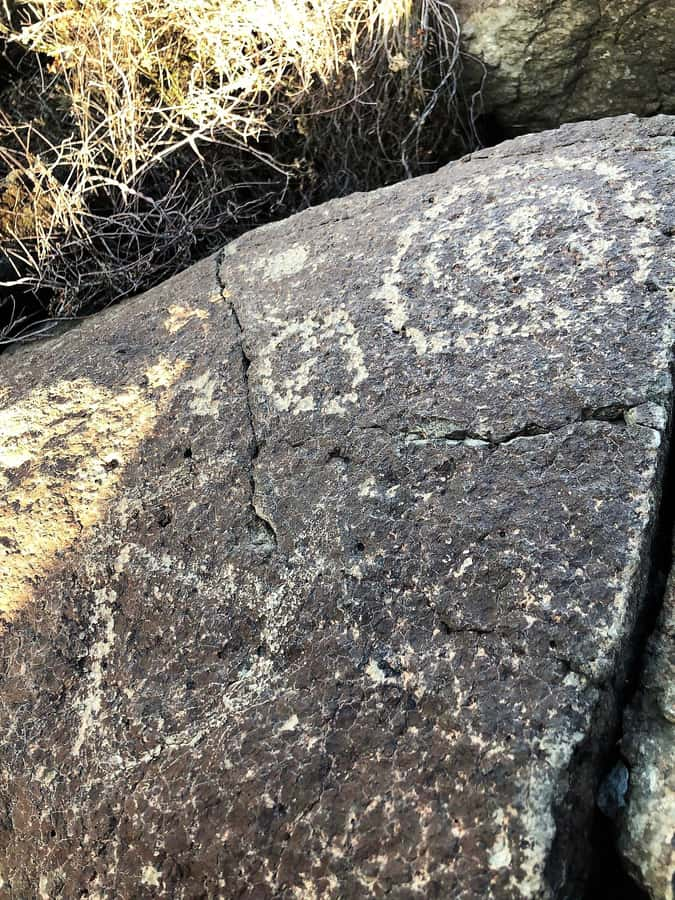
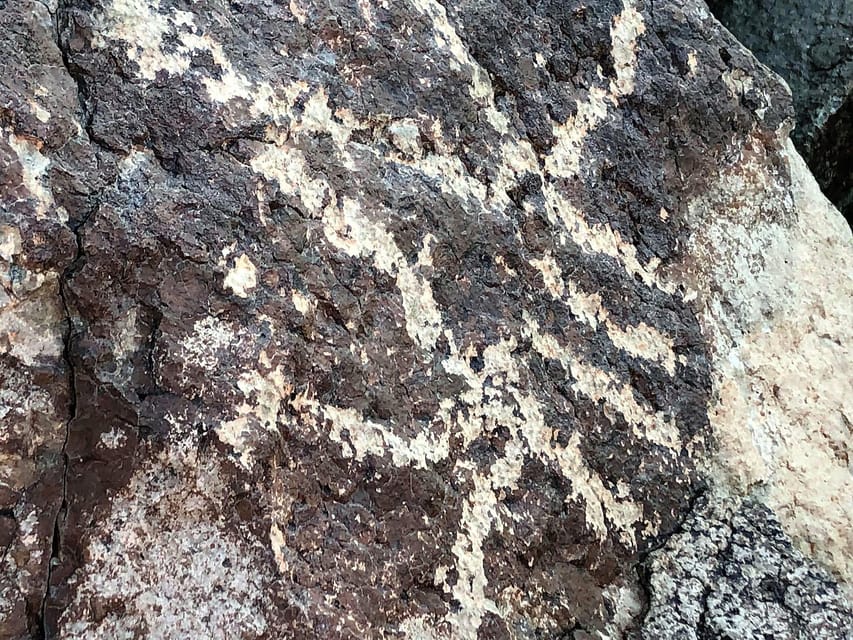
- Petroglyphs: rock carvings that you can study in context instead of as random marks
- Artifacts and visible remnants: what the guide points out, and why those clues matter to understanding how people used the land
The guide’s job isn’t only to point. It’s to connect the carvings and structures to patterns—where people placed dwellings, what they might have valued or recorded, and how the natural setting shaped daily routines.
A nice touch from the tour vibe: the guide actively interacts with the outdoors, not just recites facts. In the past, guides like Charlie and Moose have been described as patient and highly engaged, and that kind of energy makes a hike like this feel like a conversation you can walk through.






Your Guide Turns Rocks Into Stories
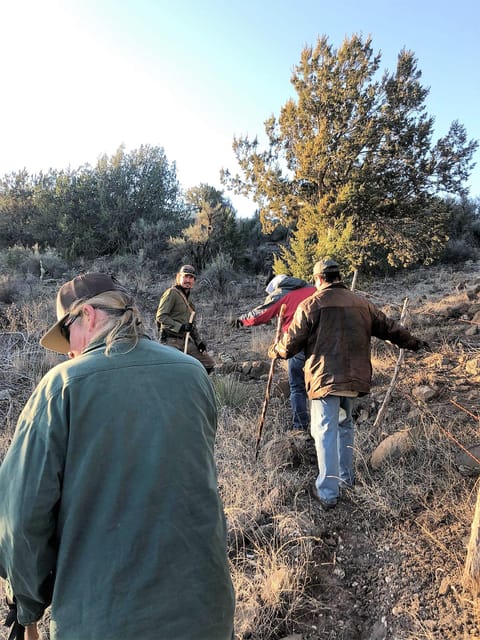
This tour leans on the guide heavily, and the payoff is real. One review notes Charlie as extremely knowledgeable and passionate, with patience and room for questions. Another mentions Moose as well informed, easy to talk to, and willing to exchange ideas.
You’ll get an English-speaking live guide who points out artifacts during the hike. That matters because it’s easy to walk past meaningful marks if you don’t know what you’re looking at. With a guide, you’re basically handed a visual filter:
- you notice the carvings because someone shows you how to read them
- you understand the pit houses as more than old shapes
- you connect plants, geology, and human use of the land
If you’re the type who likes asking questions—What is that? How do we know? Why would people build there?—you’ll get more out of this than someone who prefers a silent walk.
Walking Sticks, Water, and the Rules That Keep It Smooth
You’ll want to pack for a desert hike, but you don’t need to overthink it.
Included:
- Water
- Walking sticks
What to bring:
- Hiking shoes / closed-toe shoes
Not allowed:
- Luggage or large bags
- Glass objects
I’m glad these rules are spelled out because they keep the experience practical. If you arrive with a bulky bag, you’ll lose time dealing with it. Keep your load light and you’ll enjoy the walking part more.
One small but important comfort detail: there’s no bathroom onsite, but a public restroom is nearby. I’d plan to use it before the hike starts, because desert hikes are not the place you want to be improvising.
Price and Value: Is $123 Worth It?
At $123 per person for about 150 minutes, this isn’t a cheap “just go see ruins” outing. But it can feel fair when you break down what’s included and what you’re paying for.
Here’s the value logic I see:
- Small group (max 8) means more guide attention and less time waiting
- Expert guide plus in-field interpretation is the core product here
- Open-air jeep transport moves you to a secluded location
- Walking sticks and water reduce what you have to carry or buy
If you compare it to doing the same kind of hike on your own, the guide is the biggest difference. You’re not paying for the rocks—you’re paying for the ability to understand them while you’re standing right there.
Is it worth it? If you want a guided archaeology-and-nature experience with hands-on context, I’d say yes. If you mostly want a long scenic walk with minimal explanation, you may feel it’s priced for education.
Who This Tour Fits (And Who Should Pass)
This is a hike-based experience, and the tour info is clear about who should skip it.
Not suitable / not recommended for:
- Children under 5
- Pregnant women
- People with recent surgeries
- People with limited mobility or mobility impairments
Also, the guide notes the site isn’t near where the jeep parks, so you should be comfortable walking to reach the ruins.
If you’re generally healthy, can handle a moderate-to-difficult walk, and like learning while moving, this tour is a strong match. If you need low-impact options, or you’re recovering from something, look for a different style of tour with less walking.
Should You Book? A Simple Decision Checklist
Book this tour if you want:
- A guided look at Native American ruins with pit houses and petroglyphs
- An outing that mixes desert nature with archaeology in one package
- A small group where questions are realistic
- Included extras like water and walking sticks
Skip it if:
- You can’t manage the 2-mile moderate-to-difficult hike
- You need a tour where stops happen close to parking
- Your situation fits the tour’s non-recommendations (recent surgeries, limited mobility, pregnancy, kids under 5)
My take: this is one of those experiences where the guide matters more than the map. If you like being taught while you walk, and you don’t mind a real outdoor hike, you’ll likely leave with a stronger sense of how people lived here—and why those carvings and dwellings still matter.
FAQ
How long is the tour, and how far do we hike?
The tour duration is about 150 minutes, and the hike itself is about a 2-mile moderate-to-difficult walk.
Do you do any off-roading in the jeep?
No. It’s a pavement-only jeep transport with no off-roading on this tour.
What’s included in the price?
The tour includes a knowledgeable, experienced guide, plus water and walking sticks.
What should I bring for the hike?
Bring comfortable closed-toe shoes or hiking shoes. The tour also provides walking sticks and water.
Is there a bathroom onsite?
There’s no bathroom onsite, but a public restroom is nearby.
Is this tour suitable for small children?
It’s not suitable for children under 5 years old.
What group size is it?
It’s a small group limited to 8 participants.