REVIEW · PANAJACHEL
From Antigua: 2-Day Acatenango Volcano Hiking with Guide
Book on GetYourGuide →Operated by Marvelus Travel · Bookable on GetYourGuide
Acatenango at night is the kind of sight that resets your brain. This 2-day trek lets you watch Volcán de Fuego erupt across the valley and still earn a sunrise summit view the next morning. What I like most is the built-in structure: you get local Spanish-speaking guides, a planned pace, and the overnight setup so you’re not figuring everything out in the dark.
The main thing to consider is the cold. Even with a provided zero-degree sleeping bag plus jacket, cap, and gloves, some people found the layers not thick enough for their comfort level, and the night can feel brutally cold on the mountain. Bring your own serious warm layers and you’ll feel a lot better.
In This Review
- Key highlights you’ll feel on this hike
- Volcán de Fuego from Acatenango: why this is such a sought-after trek
- From Antigua to La Soledad: your day starts earlier than you think
- Day 1 hike: farmlands, cloud forest, and a big 5-hour climb
- Base camp reality on Acatenango: dinner, stars, and Fuego in your view
- The optional Day 1 climb toward Fuego: the extra cost for extra closeness
- Day 2 at 4:00 a.m.: sunrise summit and a long descent
- Price and value check: the $53 rate plus the extras that matter
- What to pack (and why): warm layers, traction, and lights
- Guides, group pace, and safety: who you’ll rely on
- Who should book this, and who should skip it
- Should you book the 2-Day Acatenango hike from Antigua?
- FAQ
- How long is the Acatenango volcano hiking experience?
- What time does pickup happen in Antigua?
- Is the sunrise hike included?
- How hard is the hike?
- What sleeping setup is included for the overnight camp?
- What food and drinks do you get?
- Are there extra fees besides the tour price?
- Do I need to bring my own gear?
- What language are the guides?
- What should I bring for cold and wet conditions?
Key highlights you’ll feel on this hike
- Volcán de Fuego eruptions from base camp all night, if weather and cloud cover cooperate
- Sunrise from Acatenango’s summit with wide views when visibility is clear
- A steady group pace with rest stops and guides who keep things organized
- Camping gear included (bed, mattress, zero-degree sleeping bag, plus cold-weather items)
- Optional extra effort to get closer to Fuego on Day 1 for the bold
- Lots of real effort for the money, especially when you show up prepared
Volcán de Fuego from Acatenango: why this is such a sought-after trek
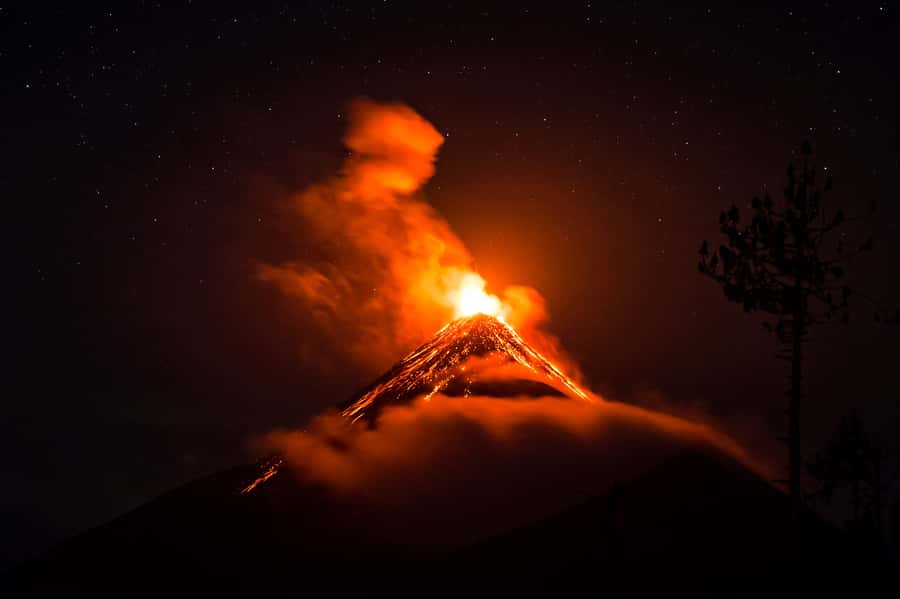
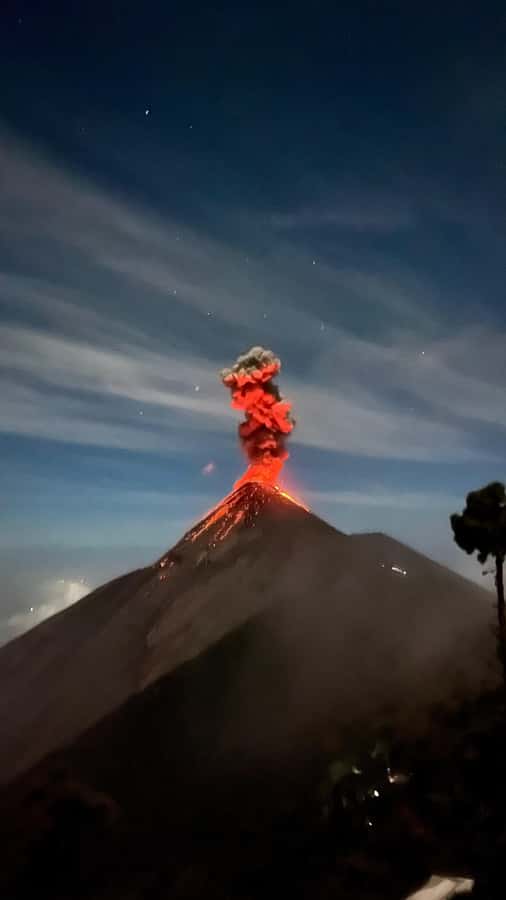
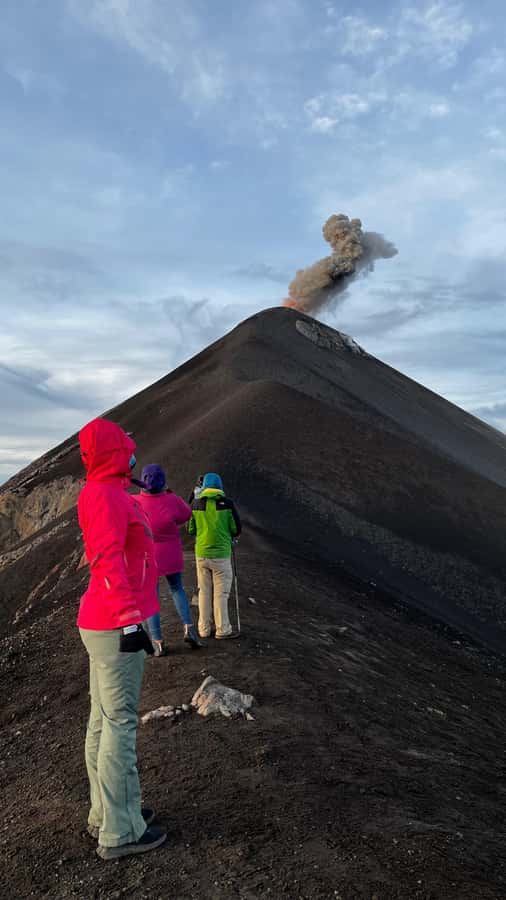
Acatenango is tall enough to make your legs wonder why you ever said yes to hiking. But the real hook is what you can see after you’ve climbed: Volcán de Fuego lighting up the valley night after night. You’re not just “near” volcanoes. You’re positioned where you can watch eruptions for hours while you eat, sleep, and stare up at the sky.
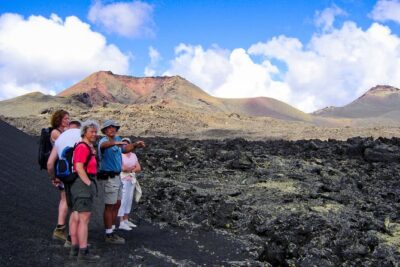
The trek also gives you variety. You’ll move through farmlands and cloud-forest type greenery, then transition into more volcanic terrain as you gain altitude. That mix matters because it keeps the hike from feeling like one long treadmill.
And then there’s the timing. You start early, climb during daylight, camp close to the action, and (if you choose it) go back up before sunrise. That rhythm is exactly why the views feel earned instead of random.
You can also read our reviews of more tours and experiences in Panajachel.
From Antigua to La Soledad: your day starts earlier than you think
The tour begins in Antigua with pickup at the Barco Expeditions Office area. You’re looking at an arrival window around 8:30 a.m. to 9:00 a.m. The ride is shared, usually by minivan, and you don’t just get transported—you get staged.
A key part of the first phase is the supply stop. This is where you receive included items like food and water (and the cold-weather clothing package), plus you can choose rentals if you don’t want to bring your own gear. If you already packed right, this moment is smoother. If you didn’t, it can turn into a shopping line—so consider bringing your basic cold protection and hiking setup.
You continue to the trailhead near La Soledad Village, where you meet your guide and get a safety briefing plus the hiking plan. The trailhead matters because it’s where you stop being a city traveler and start being a person climbing a volcano in layers.
Day 1 hike: farmlands, cloud forest, and a big 5-hour climb
Day 1 is the main ascent. Expect around 5 hours of hiking to reach base camp near the summit area of Acatenango. The route climbs through:
- farmlands
- cloud-forest type sections
- volcanic terrain
You should plan for a challenging, steady workout. The hike isn’t a race; groups move together, and guides use rest stops to keep everyone functioning. If you’re fit, you’ll still feel the altitude. If you’re not used to climbing, you’ll feel it even more.
This is also where footwear choices show up fast. Multiple people noted that the ground can be slippery. So bring boots or shoes with grip. Running trainers can work on dry days, but you’re better with something made for traction and mud.
Lunch and dinner are included on Day 1, and the tour also includes drinks like coffee, tea, or chocolate. In other words: you’re not hiking with nothing in your stomach while the sky turns cold.
Base camp reality on Acatenango: dinner, stars, and Fuego in your view
Once you reach camp late afternoon, the pace shifts from climbing to managing your body. You set up at base camp, then settle in for sunset and the night eruptions across the valley.
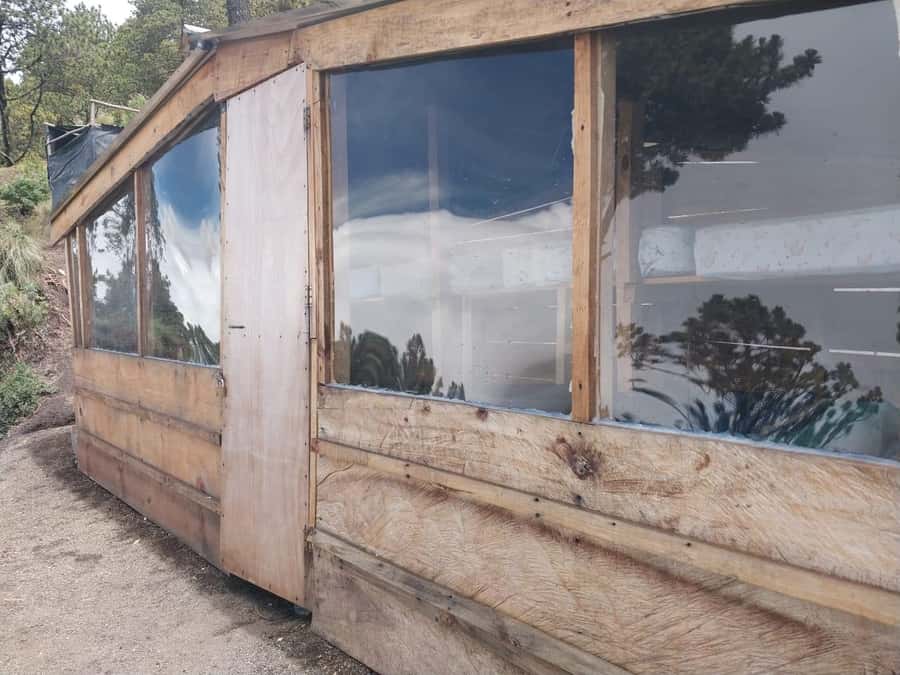
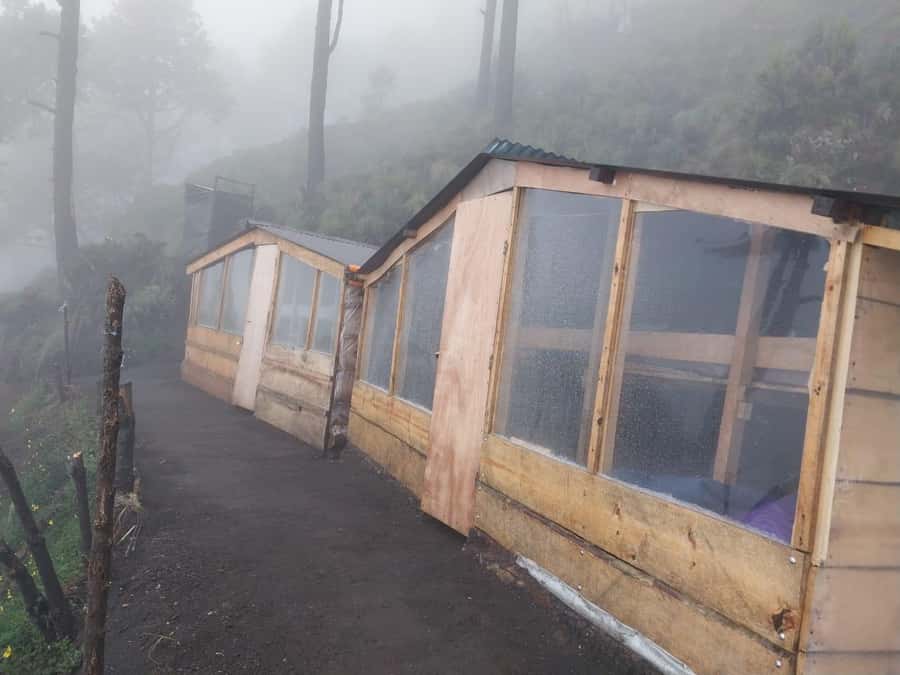
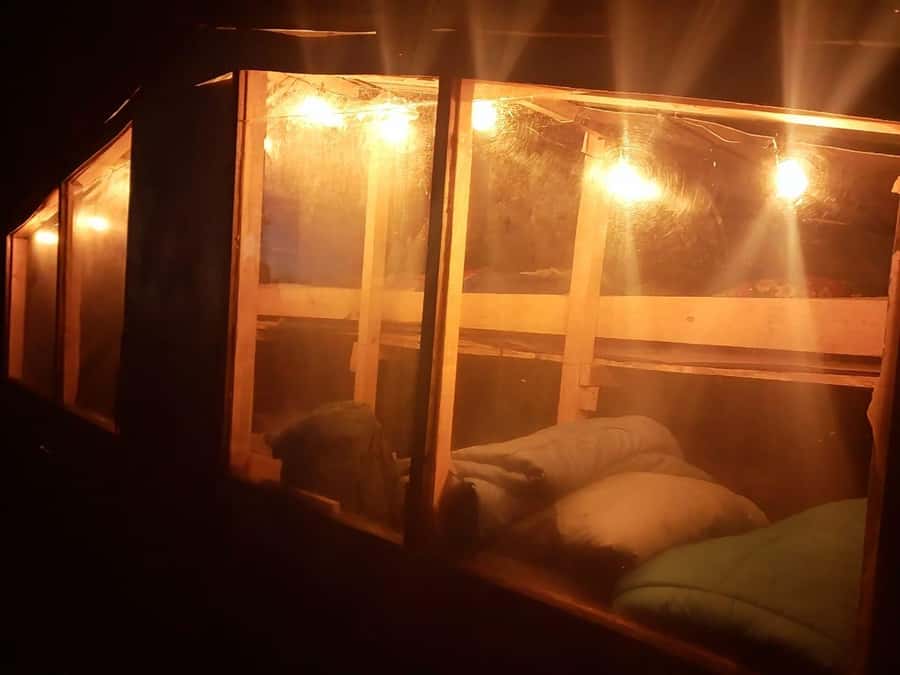
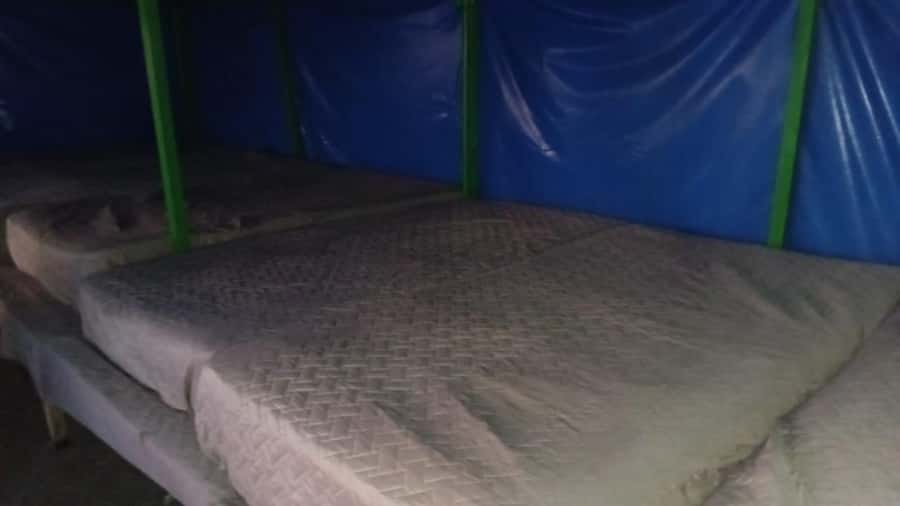
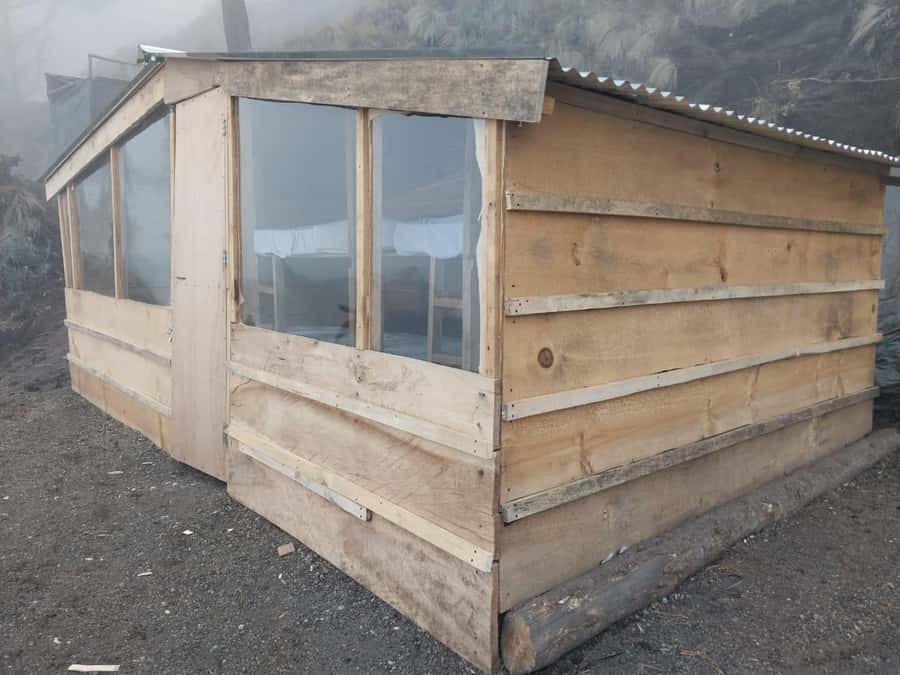
The accommodation is basic. You’ll sleep in shared cabins, with capacity noted as up to 10 people in the included setup, while the overnight area can involve up to 18 passengers depending on how the group is arranged. Expect simple backpacker conditions rather than comfort-hotel vibes.
Good news: you get practical shelter basics—bed, mattress, and a zero-degree sleeping bag. One review also mentioned beds raised off the floor, which helps reduce cold transfer. That matters because cold often comes from below, not just from the air.
Not-so-fun news: the cold can still bite. Some people felt the provided jacket, gloves, and sleeping bag weren’t thick enough for the chilliest nights. If you run cold, pack your own serious layers anyway. That one decision is the difference between enjoying the night sky and spending half the evening fighting the temperature.
Meals are included, and they tend to be simple and filling. Several people called the food decent or adequate, but a few found it less exciting and recommended bringing extra snacks. You might not need it, but having a snack stash for energy and morale is smart.
The optional Day 1 climb toward Fuego: the extra cost for extra closeness
There’s an optional add-on on Day 1 that aims to get you closer to Volcán de Fuego. It’s an extra hike of about 3 hours round trip, and it costs Q200 per person (confirm with your local guide directly if you want this).
This is not for people who want a laid-back evening. It’s a tougher extension on top of an already demanding ascent. The reward is a stronger sense of being near the action, especially at night.
If you’re considering it, think realistically about:
- how your legs feel after the main hike
- how you handle altitude and cold after dark
- whether you want to trade rest time for more dramatic proximity
If your goal is maximum spectacle and you’re comfortable pushing a little further, it can be worth it. If you’re hoping to enjoy the night without extra strain, skip it and just watch Fuego from base camp.
Day 2 at 4:00 a.m.: sunrise summit and a long descent
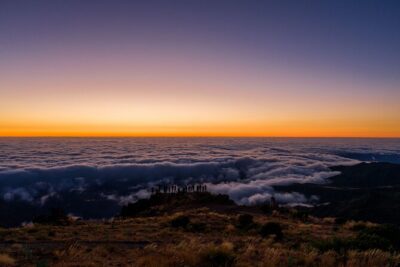
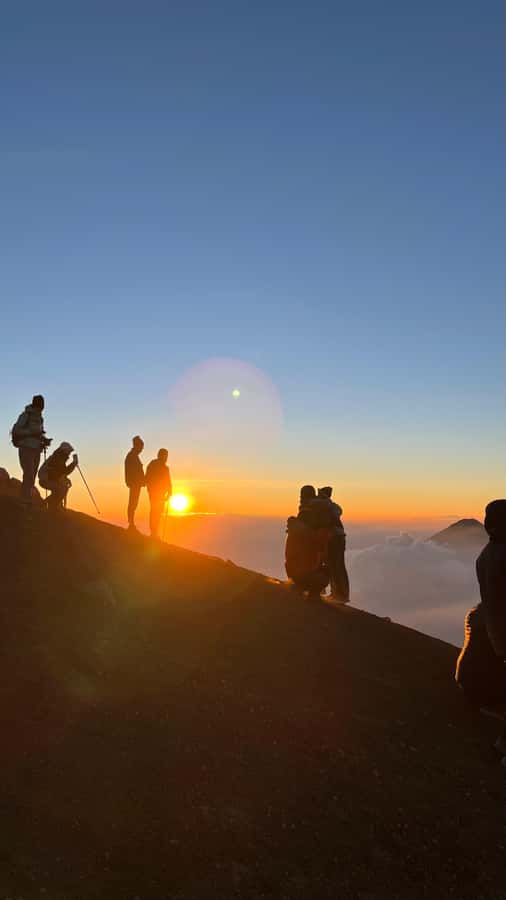
Day 2 starts early, around 4:00 a.m. for the optional sunrise push to the summit of Acatenango. If you go, you’re rewarded with panoramic views. On clear days, people noted visibility stretching even toward the Pacific Ocean.
This part is about patience and slow climbing. Your body is tired already, and sunrise hikes require you to keep moving without sprinting. You’ll want to dress warmly—cold at that hour is not a minor detail.
After you return to camp, you have breakfast and pack up. Then you hike down using the same trail. Late morning or early afternoon, you reach the trailhead and then transport back to Antigua.
One practical point: the descent takes just as much mental energy as the climb. Your knees will know. And if the ground is slick, slow steps win.
Price and value check: the $53 rate plus the extras that matter
The headline price is $53 per person for a 2-day experience. That’s usually what makes Acatenango accessible compared to more private or luxury-adjacent tours.
But here’s the honest math. The tour rate covers a lot of core logistics:
- hotel pickup and drop-off
- round-trip transportation
- a local Spanish-speaking guide
- lunch and dinner Day 1, breakfast Day 2
- 3 liters of water included
- shared cabin sleeping setup
- bed/mattress and a zero-degree sleeping bag
- jacket, cap, gloves
- drinks like coffee/tea/chocolate
- vegetarian/vegan/gluten-free meal options (when available)
What’s not included includes items that can affect your total budget:
- Entrance fees: Q100
- Optional Fuego extra hike: Q200
- equipment rentals at La Soledad: wood poles (Q15 each), bag rental (Q50 each)
- luggage storage: Q15 each in Soledad Village
- porter hire: Q250
- horse one-way support: US$100 each
So when is it “good value”? When you show up with your own hiking boots, layers, and a plan that doesn’t require lots of rentals or porter help. When you arrive without basics, the add-ons can climb quickly.
That’s why smart packing isn’t just for comfort. It protects your wallet too.
What to pack (and why): warm layers, traction, and lights
This tour is mainly about cold and footing.
Bring:
- warm clothing (real layers, not just a light hoodie)
- hiking shoes with grip
- sunglasses (even in cold conditions)
- rain gear (weather can shift)
- sunscreen
- a flashlight (or headlamp—some people wished they had better lighting for dark downhill time)
- snacks and extra energy for when meals aren’t your favorite
- cash for entrance fees and optional add-ons
- biodegradable insect repellent
Also consider:
- spare socks
- a 45–55 liter backpack if you’re carrying your own gear
- a waterproof bag or waterproofing solution for your essentials
One detail I’d emphasize: people struggled with cold even when rentals were provided. So if you’re the type who gets chilly in cold rooms, don’t gamble. Pack your own gloves and extra warm layer, even if the tour hands you gear.
Guides, group pace, and safety: who you’ll rely on
You’re not hiking this alone. You’ll have a local Spanish-speaking guide, and the group stays together at a steady pace. Rest stops are part of the plan, and that helps slower hikers keep moving without falling behind.
I also like that the experience tends to run with multiple guides for group control. Some people mentioned teams with several guides handling different needs and keeping everyone together. That matters because the climb includes night elements and early mornings where tired decisions can turn into problems.
If your Spanish is limited, you might still manage with body language and simple instructions, but communication can be harder. One review specifically said having an English-speaking guide would have helped. If you need English, you’ll want to confirm what language support is available with the provider before you book.
Who should book this, and who should skip it
This is challenging. It attracts people who want real effort and iconic views.
It’s not suitable for:
- children under 10
- people with back problems
- people with heart problems
- people with respiratory issues
- people with epilepsy
- people with diabetes
- people with kidney problems
- people over 309 lbs (140 kg)
- people over 70
If you’re generally healthy and comfortable with steep uphill walking, this tour can be a life-list moment. It’s also a strong choice if you want guided logistics and a simple setup for a night near the eruptions.
If you’re sensitive to altitude, plan to take it slow at the start and don’t treat the ascent like a workout sprint. Some people reported altitude symptoms late at night, so keep an eye on yourself and signal the guides quickly if you feel off.
Should you book the 2-Day Acatenango hike from Antigua?
Book it if you want the full volcanic experience: strenuous hiking, base camp eruptions from Volcán de Fuego, and a sunrise that makes the early alarm feel worth it.
Think twice if:
- you hate cold nights and don’t plan to pack serious layers
- you’re unsure about slippery footing
- you want a relaxed schedule with lots of downtime
- you don’t want extra costs for entrance fees or the optional Fuego climb
My practical advice is simple: treat this as an adventure hike first, and a “tour” second. If you come prepared, follow the group pace, and dress for the mountain, you’ll get why Acatenango is such a classic. If you come underpacked, the sights might still be incredible—but the night could be miserable.
FAQ
How long is the Acatenango volcano hiking experience?
It’s a 2-day trek.
What time does pickup happen in Antigua?
Pickup is scheduled for between 8:30 a.m. and 9:00 a.m. at the Antigua meeting point near Barco Expeditions Office.
Is the sunrise hike included?
A sunrise hike to the summit on Day 2 is optional and starts around 4:00 a.m.
How hard is the hike?
Day 1 is about a 5-hour climb and is described as challenging. There is also an optional extra hike toward Fuego on Day 1 of about 3 hours round trip.
What sleeping setup is included for the overnight camp?
You’ll get shared cabins, plus a bed, mattress, and a zero-degree sleeping bag.
What food and drinks do you get?
You get lunch and dinner on Day 1, and breakfast on Day 2. Drinks like coffee, tea, or chocolate are included, and 3 liters of water is provided.
Are there extra fees besides the tour price?
Yes. Entrance fees are Q100. The optional Fuego extra hike is Q200 per person. You may also pay for luggage storage, equipment rentals, porter hire, or one-way horse support.
Do I need to bring my own gear?
You can bring your own hiking shoes and warm layers, and you can also rent some equipment if needed. Bringing your own is often more cost-effective than renting.
What language are the guides?
The guides are Spanish-speaking.
What should I bring for cold and wet conditions?
Warm clothing, rain gear, gloves, and a flashlight are all strongly recommended. Long pants, proper hiking shoes, sunscreen, and sunglasses help too.