REVIEW · CHIANG MAI
From Chiang Mai: Mae Taeng Valley Hike & Bike Day Trip
Book on GetYourGuide →Operated by Active Thailand · Bookable on GetYourGuide
The Mae Taeng valley hike-and-bike day feels like a reset button. I love the easy-to-moderate hike on paths used by local villagers, and I also love how the afternoon cycling threads through quiet roads, rice fields, and village alleyways. One thing to plan for: it’s an active day, with about 5 km of walking and roughly 15–20 km of cycling, so it’s not a sit-and-snap tour.
If you want a hands-on way to understand northern Thai life, this trip brings it to you through what the guide points out along the trail—plants, fruit orchards, and everyday customs. English-guided and packed with basics like water, snacks, and a solid Thai lunch, it’s a great value for a full seven hours in the hills.
In This Review
- Key Points at a Glance
- Getting Into Mae Taeng: A 7-Hour Active Day From Chiang Mai
- The Morning Hike: 5 km on Villager Trails and Fruit Orchards
- Lunch in the Countryside: Thai Food at a Restaurant or Private House
- Jeep Down the Valley: Reset Before the Bike Portion
- Afternoon Cycling: 15–20 km Through Villages, Rice Fields, and Quiet Roads
- Wat Ban Den Photo Stop: A Quick Cultural Thread Before You Return
- What the Guide Brings to the Day (Not Just “Point and Go”)
- Bike Comfort, Equipment, and Fitness Reality Check
- Price and Value: Is $83 a Good Deal?
- Weather and Route Changes: Plan for the Real World
- Who Should Book This Mae Taeng Hike & Bike Tour
- Should You Book This Mae Taeng Hike and Bike Day Trip?
- FAQ
- How long is the Mae Taeng Valley hike and bike day trip?
- What distances are included for hiking and cycling?
- Is hotel pickup and drop-off included?
- What kind of bike do you get?
- What time do you visit Wat Ban Den?
- Can the lunch accommodate dietary needs?
- What should I bring, and what’s not allowed?
Key Points at a Glance
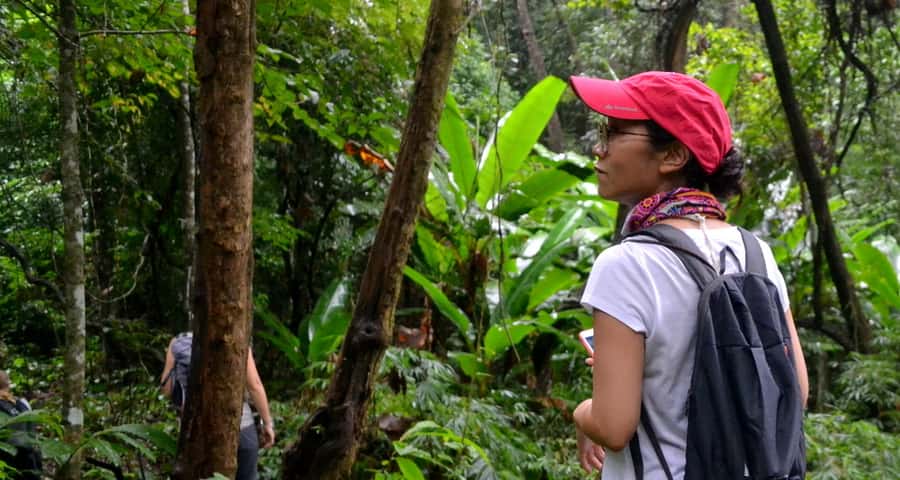
- Village-used trail for the hike: about 5 km, undulating terrain, and a real sense of daily life in the hills.
- Guided bike ride on low-traffic routes: 15–20 km through countryside, villages, and rice fields.
- What you learn goes beyond views: flora details, fruit varieties, and rice cultivation context from an English-speaking guide (often including Tri).
- Lunch where you can actually slow down: Thai meal at a local restaurant or a private house, depending on the day.
- A temple photo stop to tie it together: Wat Ban Den for a quick look and a break before returning to Chiang Mai.
- Gear covered, but pack smart: mountain bikes (24 gears, front suspension) and helmets provided; no large bags.
Getting Into Mae Taeng: A 7-Hour Active Day From Chiang Mai
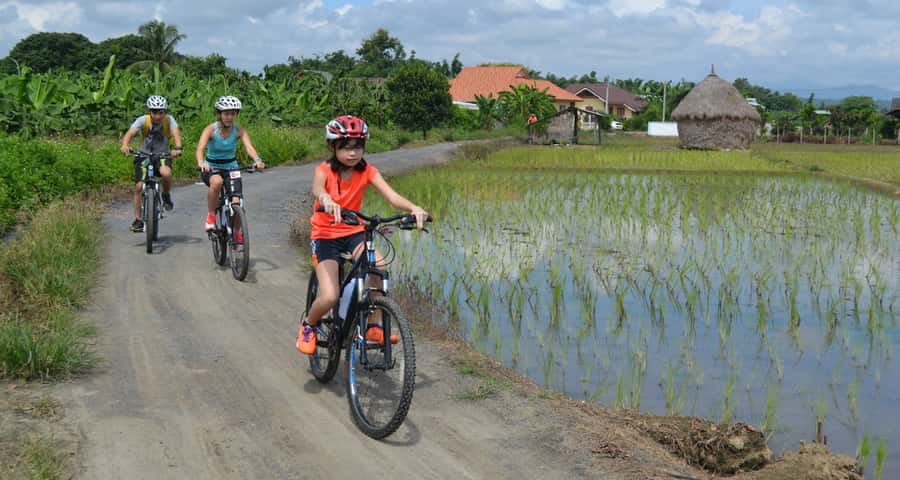
This is a full, structured day trip out of Chiang Mai Province, built around one simple idea: walk a bit with a local rhythm, then bike the valley at a relaxed pace. You’ll start with a drive of about 1.5 hours up into the hills, then spend roughly three hours hiking, eat lunch, and continue by jeep back down the valley for your cycling portion.
The timing can shift seasonally. In some periods, you might hike in the morning and bike later, or the order may swap so you’re not always dealing with the hottest part of the day. Either way, the main parts stay the same: hike, lunch, cycle, temple photo stop, and back to Chiang Mai.
What I like most is that the day doesn’t feel like you’re checking boxes. The hike route runs along trails villagers use, so you’re not just walking in scenery—you’re moving through an actual working area. Then the bike ride gives you a slower, wider view as you roll past fields and homes.
You can also read our reviews of more cycling tours in Chiang Mai
The Morning Hike: 5 km on Villager Trails and Fruit Orchards
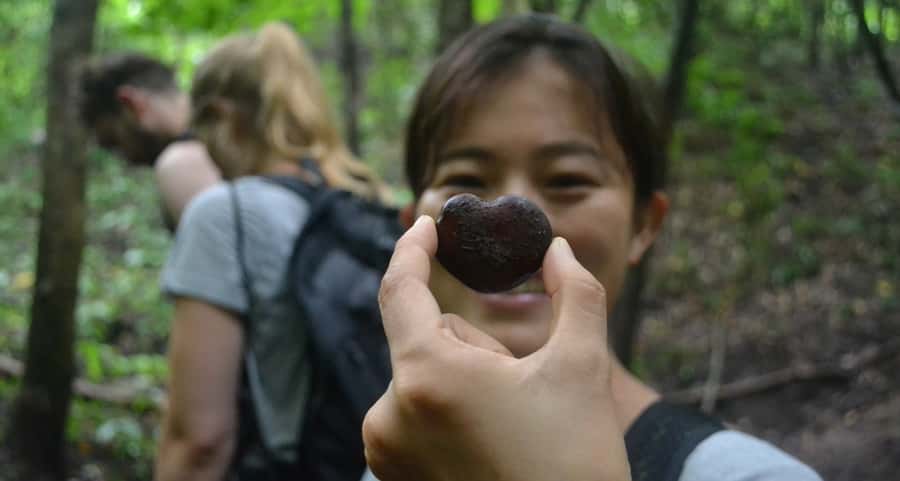
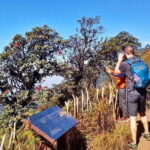
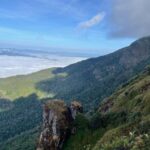
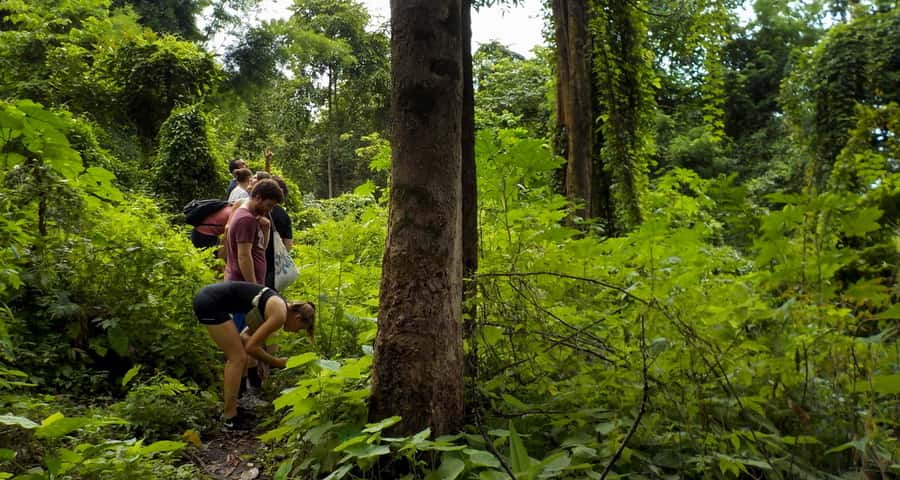
The hike is about 5 kilometers and takes around three hours. Expect undulating terrain, not steep scrambling, but enough ups and downs that you’ll feel it by the end. This is the part of the tour that feels most grounded. You’ll follow an experienced English-speaking guide along a scenic trail through hill countryside where you may see villagers working.
On the trail, the guide talks plants and what’s around you. From what you can learn and spot, it’s not just generic “look at nature” talk. You can expect points on native flora and fruit orchards in the area—coffee, tea, banana, wild mango, avocado, guava, and even macadamia trees have shown up on past routes. You may also notice details like termite mounds and other small “forest engineering” structures that most visitors would walk right past.
A big bonus: this isn’t an isolated trail where you’re always staring at the ground. You’ll get breaks where you can look around, and you’ll get context for what you’re seeing. For me, that’s the difference between a hike and a story. This one gives you the story of how people live close to the land.
Practical note: you’re moving on a real path. Wear comfortable shoes with grip. Bring insect repellent and plan for sun—there’s nothing relaxing about getting distracted by bugs or heat.
Lunch in the Countryside: Thai Food at a Restaurant or Private House
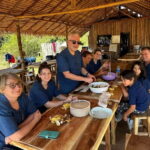
After the hike, you’ll eat Thai lunch with two possible setups: at a local restaurant or at a private house. The setting can change, but the goal stays the same—food that tastes like northern Thailand, served in a place tied to the day’s route.
Lunch typically lasts about 45 minutes. That gives you time to refuel without losing the momentum of the afternoon cycling. If you’re hoping for a meal that actually matches the region you’re exploring, this part delivers. In one past experience, the lunch included Pad Thai served at a tea-factory spot up in the mountains, complete with a view.
Dietary needs can be accommodated with prior notice, including vegetarian and other needs. If you have a dietary restriction, it’s worth flagging it in advance so the meal is handled properly rather than improvised.
What to do during lunch: slow down and drink water. You’ll cycle right after the meal, and you’ll want your energy steady. If you’re the type who likes to document details, this is also a good time to ask the guide quick questions—like what crops are most common right now and what’s seasonal.
Jeep Down the Valley: Reset Before the Bike Portion
Right after lunch, there’s a short transfer by jeep/SUV (around 40 minutes) down the valley. This matters more than you might think. It saves your legs for cycling and lets you start the ride at a position where the route can feel more like a countryside cruise than another steep slog.
That transport also keeps the day comfortable and efficient. You’re not spending your best energy on “getting to the good part.” The hike does the work up in the hills, then the ride takes over in the valley.
Afternoon Cycling: 15–20 km Through Villages, Rice Fields, and Quiet Roads
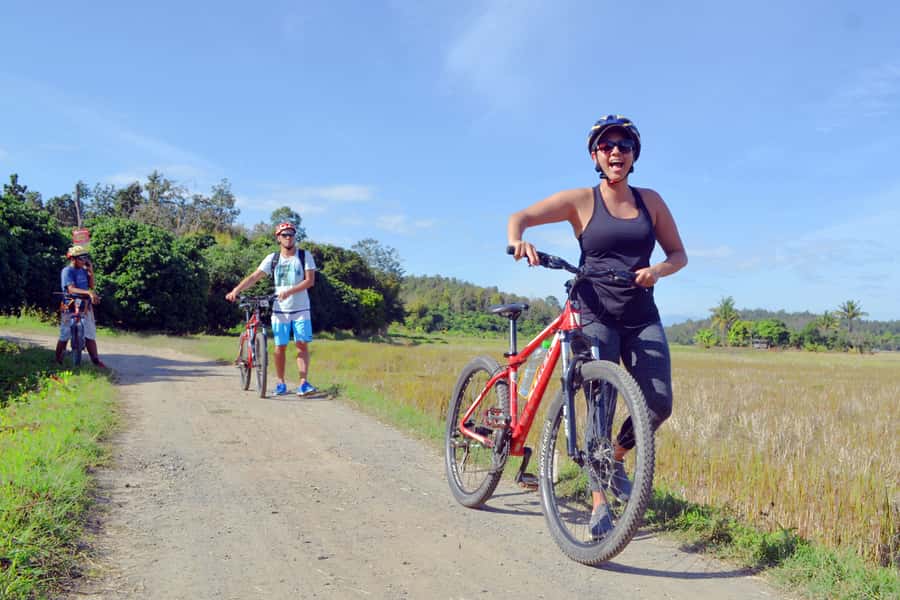
The cycling segment covers about 15 kilometers and typically runs around two hours, with a note that distances can be adjusted up to about 20 km depending on conditions. The route is described as flatter than the hike and suitable for physically fit participants with prior experience.
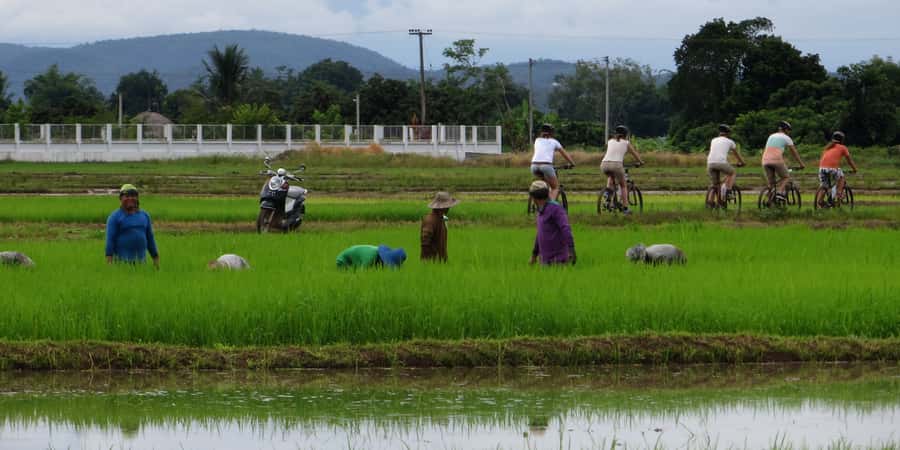
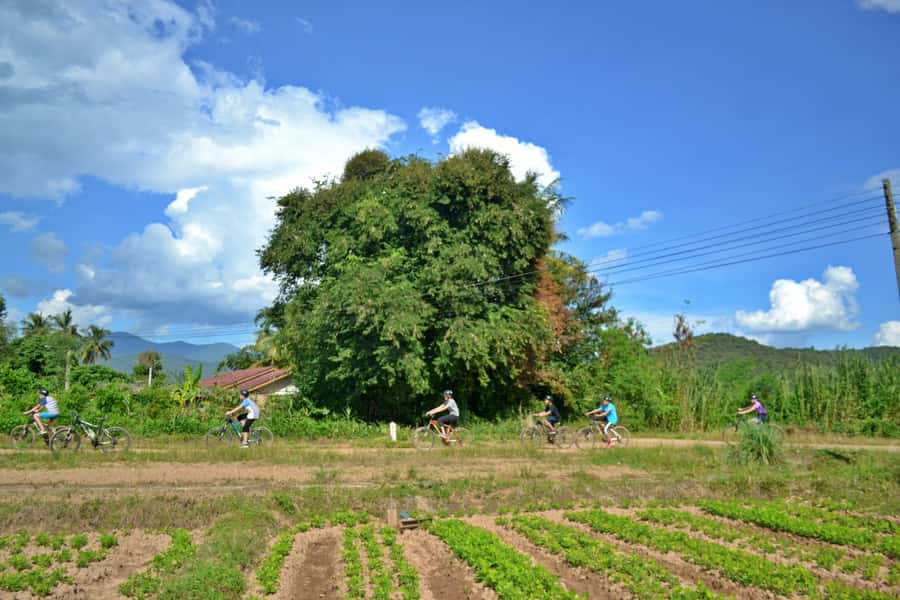
So what does that mean on the ground? You’ll spend your time rolling through rural areas, village alleyways, and rice fields. You’ll pass local homes and fields in a way that feels close-up, because you’re not driving past in a vehicle box. A bike gives you a human pace—slow enough to notice details, fast enough to cover ground.
The roads and tracks may not be the smoothest in the world. That’s why the bike setup matters. You’ll get mountain bikes with 24 gears and front suspension, plus a helmet. You’ll also get water and snacks during the activities, which is crucial for a ride in Thailand’s sun.
This is a good segment for people who like active travel that isn’t too punishing. If you can ride confidently and manage short climbs or uneven patches, this works well. If your riding skills are rusty, you’ll want to pay attention early and stick to the guide’s pace.
One thing I’d watch: hydration. Water is provided, but cycling tends to make you underestimate how much you’re sweating. Start the ride with a couple of slow sips right away, not at the first sign of thirst.
You can also read our reviews of more hiking tours in Chiang Mai

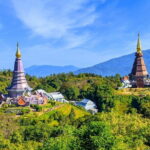
Wat Ban Den Photo Stop: A Quick Cultural Thread Before You Return
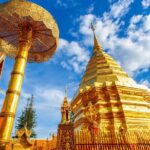
Before the return to Chiang Mai, the day includes a stop at Wat Ban Den for about 30 minutes. You’ll have time for photos and a quick visit.
This isn’t a long temple tour. Think of it as a cultural punctuation mark that helps break up the day’s activity. It’s also a chance to slow down, stretch your legs, and reset before the final transfer back.
What the Guide Brings to the Day (Not Just “Point and Go”)
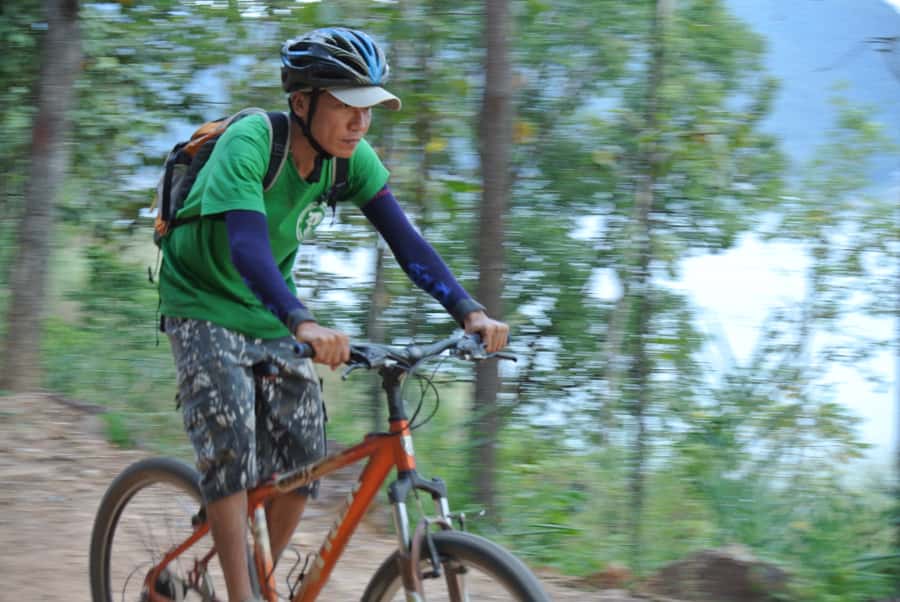
The quality of this tour comes from the guide’s explanations. You’re not only hiking and biking; you’re learning how to read the place.
In past experiences, guides have been especially strong at plant identification and trail interpretation. Expect pointers on fruit and crops you’ll recognize once you see them up close—things like coffee and tea, plus familiar fruits such as banana and avocado. You may also hear about daily customs of northern village life and how rice cultivation shapes the landscape.
If you’re lucky enough to get Tri as your guide, that adds an extra layer. One experience described Tri as highly skilled and focused on sharing practical details, including hints on plant life and traces of animals (like signs you might not spot without someone teaching you what to look for).
This “learning-by-walking” approach is what makes the day feel worth the effort. It turns the hike into more than cardio, and it turns the bike ride into more than scenery.
Bike Comfort, Equipment, and Fitness Reality Check
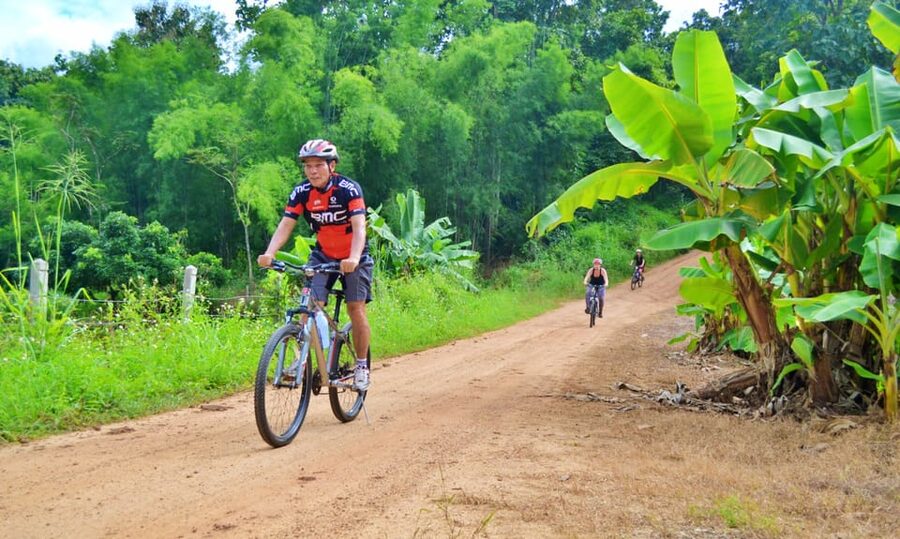
Let’s be honest: this is a physically active day. The hike is about three hours and includes undulating terrain. The cycling is flat ground and should be manageable for experienced riders, but it still takes time and effort.
So who is it best for?
- People in decent shape who can walk for about three hours at a steady pace
- Cyclists who can handle a countryside route at a relaxed-but-active pace
- Travelers who like learning about crops, local customs, and daily life, not just taking photos
Who should reconsider?
- Anyone with poor fitness or medical conditions
- People with heart problems
- Anyone with mobility impairments
- Anyone who can’t comfortably ride a bike for the time/distance given
What you’ll want to bring:
- Comfortable shoes
- Sunglasses and a sun hat
- Sunscreen and insect repellent
- A daypack
- Cycling clothing if you have it (or at least clothes you can move in)
What you don’t bring:
- Luggage or large bags
If you’re trying to pack light, this is doable. Just remember you’ll need your hands free for water and your own small essentials, and the no-large-bags rule keeps the vehicle ride tidy.
Price and Value: Is $83 a Good Deal?
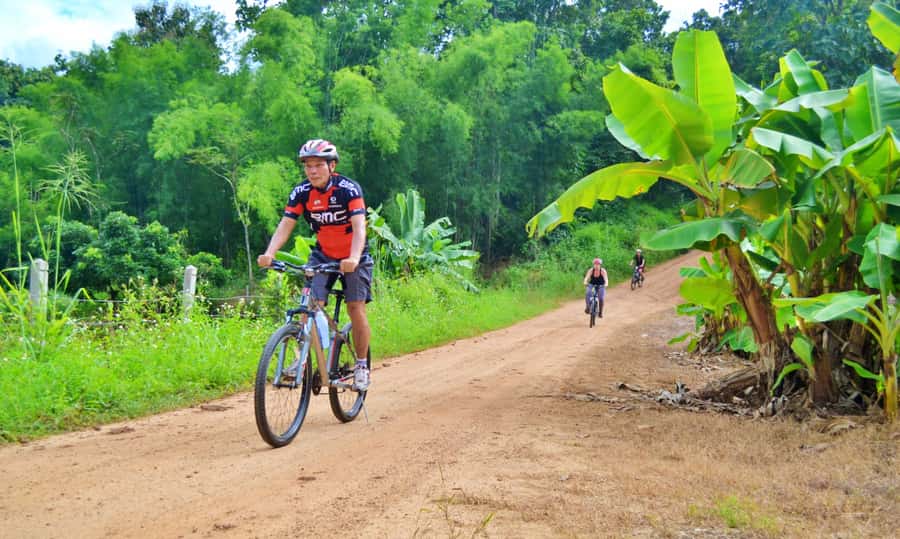
At about $83 per person for roughly seven hours, the value depends on what you compare it to.
Here’s what’s included:
- Hotel pickup and drop-off in Chiang Mai
- Transportation by covered pickup truck/Jeep-type vehicles
- English-speaking adventure tour guide
- Water and snacks during activities
- Mountain bikes with 24 gears and front suspension
- Cycling helmets
- Thai lunch (restaurant or packed lunch option)
When you add up those pieces—especially the guided hike plus the bike equipment plus lunch—the price can make sense. You’re not just paying for driving out to a viewpoint. You’re paying for organized route leadership, gear, and meals that keep the day flowing.
It’s also the kind of price that works best if you’re traveling as a couple or small group, because the guide is a big part of the cost, and you’re getting that guide experience for most of the day.
If you already have a bike and strong local navigation skills, you might save money by going on your own. But if you want the learning component—plants, crops, customs—and a smooth, scheduled flow with pickup and timing, $83 is a pretty fair trade.
Weather and Route Changes: Plan for the Real World
Thailand weather changes how the day feels. Routes can shift depending on the season, rain, and local events. The tour also may adjust whether you cycle in the morning or hike in the afternoon.
That means you should pack for flexibility:
- Bring sunscreen and insect repellent no matter the forecast
- Expect some uneven ground
- Carry a daypack so you can keep essentials close
If you’re the type who hates surprises, this might feel slightly unpredictable. But the structure is stable. You’ll still get the same core experience: hike, lunch, cycle, and a temple stop.
Who Should Book This Mae Taeng Hike & Bike Tour
Book it if you want:
- A guided, active day that combines walking and cycling
- A local-trail hike where you can learn about plants and village life
- An afternoon ride through rice fields and quiet rural roads
- A structured day with pickup, gear, lunch, and water handled
Skip it if:
- You’re looking for a slow sightseeing day
- You’re not confident biking for 15–20 km
- You have health or mobility limitations that make walking/cycling risky
Should You Book This Mae Taeng Hike and Bike Day Trip?
Yes—if you like active travel with real context. This isn’t only about views. The guide-led plant and customs learning turns the day into something you can remember, not just something you did.
It also tends to work well because the day is balanced: hike in the hills, cool down with a vehicle transfer, then cycle mostly flatter ground in the valley. The bikes and helmets are handled for you, and lunch is included so you’re not hunting for food while you’re tired.
Just be honest about fitness and riding comfort. If you can handle a steady hike and a couple of hours on a bike, this is a strong, good-value way to see Mae Taeng without wasting the day on logistics.
FAQ
How long is the Mae Taeng Valley hike and bike day trip?
It runs for about 7 hours total.
What distances are included for hiking and cycling?
You’ll hike about 5 km (around 3 hours) and cycle about 15–20 km on flatter ground (around 2 hours).
Is hotel pickup and drop-off included?
Yes. Pickup is included from your Chiang Mai hotel, and you’ll be dropped back at the end of the tour.
What kind of bike do you get?
You’ll be provided with a mountain bike with 24 gears and front suspension, plus a cycling helmet.
What time do you visit Wat Ban Den?
Wat Ban Den is included as a photo stop and quick visit for about 30 minutes.
Can the lunch accommodate dietary needs?
Vegetarian and other dietary needs can be catered for if you notify the provider in advance.
What should I bring, and what’s not allowed?
Bring comfortable shoes, sunglasses, a sun hat, sunscreen, insect repellent, and a daypack. Large bags or luggage aren’t allowed.