REVIEW · CHIANG MAI
Chiang Mai – Doi Suthep Temple & Wat Pha Lat Hike
Book on GetYourGuide →Operated by CanalTour x ExploreSiam · Bookable on GetYourGuide
A forest temple plus a famous stupa in one day. You get Wat Pha Lat peace and Doi Suthep drama without it feeling like a checklist. The payoff is the mountain views over Chiang Mai, including options for sunrise.
I like that the route mixes light trekking with real temple time, and your English guide helps you read what you’re seeing instead of just photographing it. One thing to plan for: the Monk’s Trail involves uneven, sometimes muddy ground, so good shoes matter and rain can make it slick.
In This Review
- Key Highlights You’ll Notice Fast
- Doi Suthep: Golden Stupa and the Best View Angle on the Mountain
- Wat Pha Lat: The Forest Temple People Slow Down For
- Monk’s Trail Hike: What the Walk Feels Like (And How to Prepare)
- Sunrise or Dusk: Picking Your Moment on Doi Suthep
- Your Guide Makes the Temples Click
- Getting There: Red Car Pickup and Local Songthaew Transport
- What You’ll Pay: $25 Value, Plus the Temple Fees
- Temple Etiquette: Simple Rules That Save You Stress
- Who This Tour Fits Best (And Who Might Struggle)
- Should You Book This Chiang Mai Temple Hike?
- FAQ
- Are entrance fees included in the $25 price?
- How long is the tour?
- What’s included in the tour price?
- Where do you meet if my hotel is outside the pickup area?
- What should I wear or bring?
- What if I can’t do the hike up the mountain?
Key Highlights You’ll Notice Fast
- Wat Pha Lat’s hidden forest setting feels calmer than the main temple area
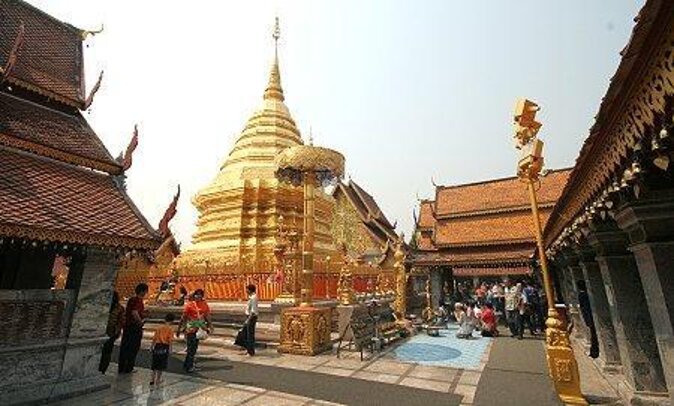
- Doi Suthep’s golden stupa and carvings make more sense with a guide’s explanations
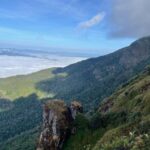
- Panoramic city views from the mountain—best when timing gives you clear light
- Sunrise option starting at 5:00 that can include monk chanting and alms routines
- A short forest hike (often a couple of kilometers) with a down-mountain finish on the morning program
- Songthaew-style transport that’s local and practical for getting around the hill roads
Doi Suthep: Golden Stupa and the Best View Angle on the Mountain
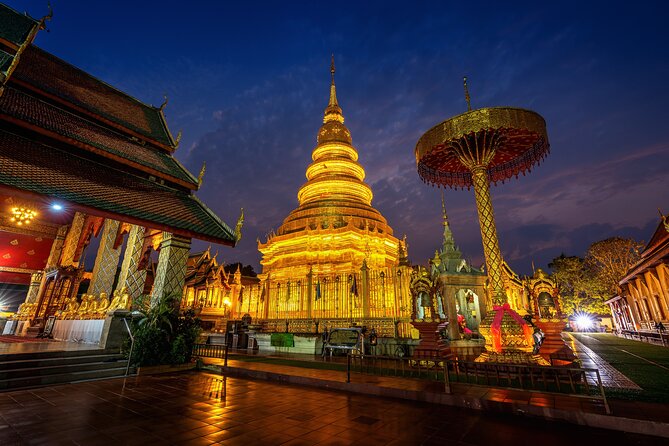
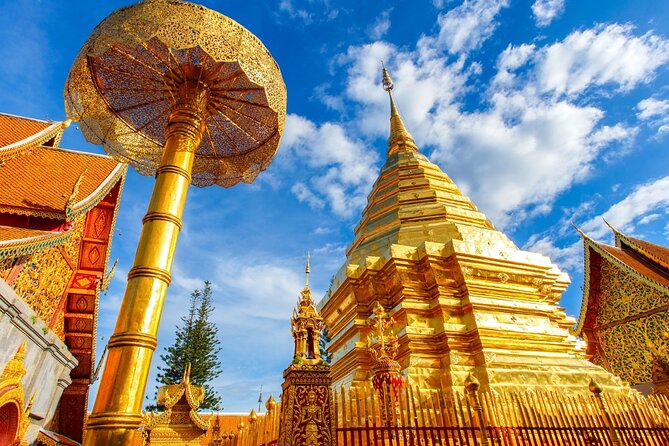
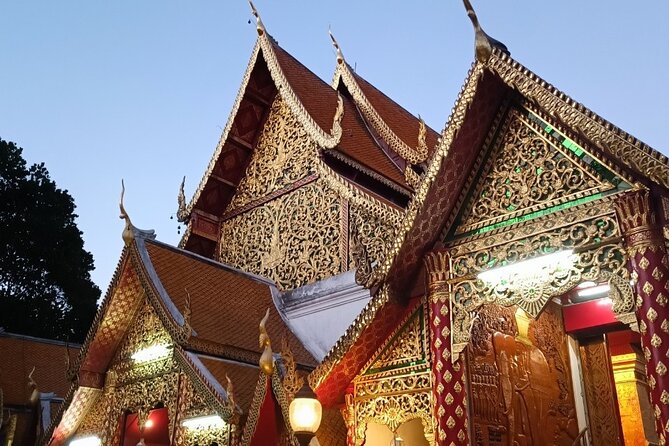
Doi Suthep Temple is the big-name stop for good reason. Even if you’ve seen plenty of Thai temples before, the setting still hits: you’re on a mountain, the air feels cooler, and you get that sweeping sense of Chiang Mai spread below you. This is where your guide’s explanations pay off, especially around the stupa symbolism and the carved details you might otherwise rush past.
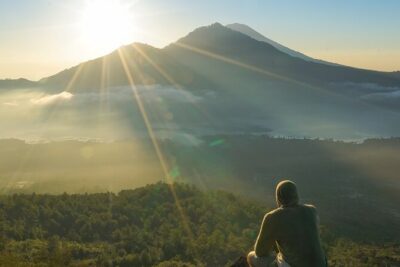
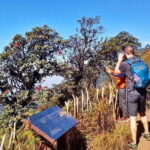
If you choose the sunrise timing, your morning starts early (the program notes a 5:00 start). In that schedule, you visit Wat Phra That Doi Suthep first. That ordering matters because it lets you experience the temple atmosphere while it’s quiet—before the day crowds. On clear mornings, sunrise turns the view into something you actually remember, not just something you take a quick photo of.
Practical note: Doi Suthep is a temple site with steps and sacred areas. Dress code is not optional here. Shoulders and knees need coverage, and sleeveless shirts aren’t allowed. Also bring cash for any entrance items that are not included (more on that later).
You can also read our reviews of more hiking tours in Chiang Mai
Wat Pha Lat: The Forest Temple People Slow Down For
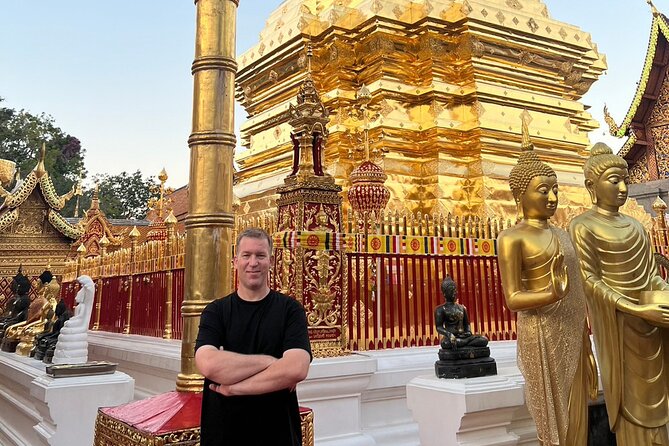
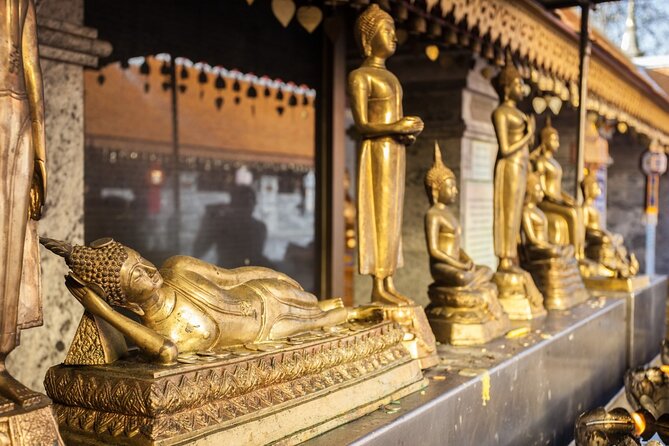
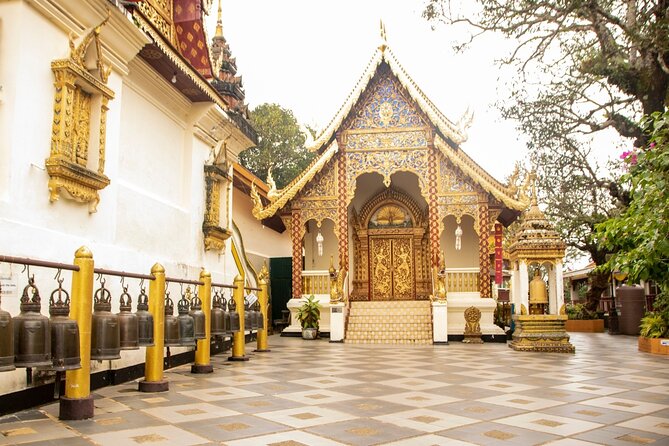
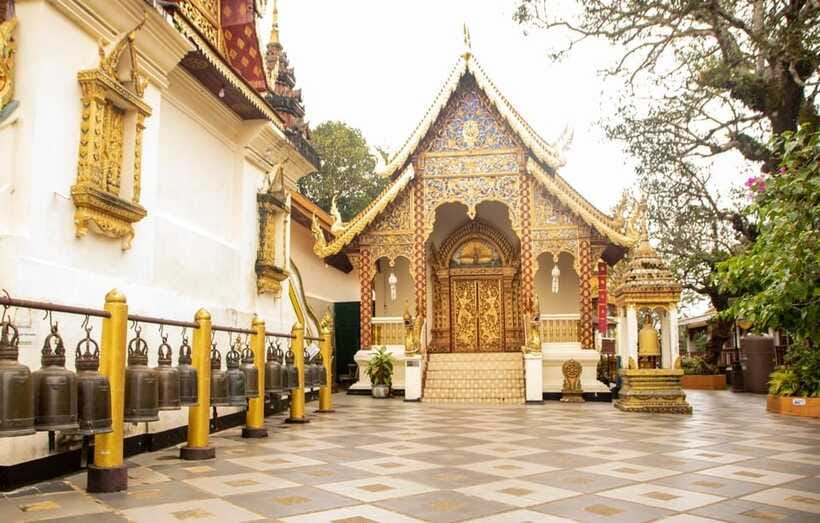
Then comes the “wait, how do we even find this place?” moment: Wat Pha Lat. This is the hidden forest temple on Doi Suthep’s grounds, and the vibe is different. Instead of the main temple energy, you step into a quieter garden area with statues and a peaceful feeling that comes from being surrounded by trees.
I like this stop because it balances the day. Doi Suthep can feel grand and busy. Wat Pha Lat feels like you’re visiting a sanctuary that happens to be attached to a major holy mountain. It’s the kind of place where you naturally lower your voice and take your time with the details—temple elements, Buddhist iconography, and the overall atmosphere.
On the morning program, Wat Pha Lat becomes the turnaround point. After sunrise at Doi Suthep, you continue to Wat Pha Lat and then start the Monk’s Trail from there, hiking down the mountain rather than going up. If you’re trying to avoid the steeper “up” leg, this direction can make the experience feel more manageable.
Monk’s Trail Hike: What the Walk Feels Like (And How to Prepare)
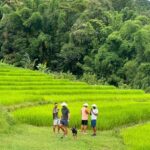
This tour’s signature experience is the small trek through the woods to reach Wat Pha Lat. The distance you’ll cover depends on the exact path conditions, but expect a hike that’s meant to be doable for most people who can walk steadily. One guide-led experience described a stretch around the 2–3 km range through woodland areas, including older temple spots and even water features like falls.
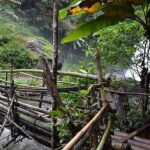
Here’s the honest part: the Monk’s Trail can be rocky, muddy, or slippery after rain. Several experiences mention muddy stretches and suggest proper walking shoes. You’re also dealing with temple terrain—uneven surfaces and stairs at points—so sneakers with grip are the smart choice, not flip-flops.
If you can’t do the mountain hike up, the tour notes a workaround: you can go up using the songthaew (that converted pickup with benches). That’s useful if your fitness level is limited but you still want the temple views. The trade-off is that you’ll miss some of the walking experience, but you’ll keep the core temple time and the view.
Bottom line: treat this as a nature walk as much as a temple tour. The forest is part of the product.
Sunrise or Dusk: Picking Your Moment on Doi Suthep
The timing you choose changes the feeling of the whole day.
- Sunrise program: You start at 5:00 and visit Doi Suthep first. Sunrise can light up the mountain and the city below. If conditions line up, you may also catch monk chanting and alms giving routines. After sunrise, the itinerary continues to Wat Pha Lat and you hike down the Monk’s Trail.
- Dusk or later slots: You trade the early quiet for softer evening light. Some time windows can also line up with city lights, so the view becomes a mix of temple silhouettes and a glowing Chiang Mai.
If you’re deciding between the two, my simple rule is this: if you hate crowds and love early mornings, go sunrise. If you prefer an easier wake-up and you want a gentler light over the city, go the later option. Either way, the tour is designed to connect the temples with the viewpoint instead of treating them like separate errands.
Your Guide Makes the Temples Click
This is one of those tours where the guide doesn’t just point and explain. They help you interpret what you’re seeing: carvings, stupa meaning, Buddhist concepts, and temple purpose. Plenty of the experiences tied to named guides highlight this style—people remember the explanations, not just the photos.
You might meet guides like Yoong Ka, Jane, Bright, Ata, Margaret, Layla, Nancy, Saman, Tu, Jean, Amy Amor, or Zack (Suea Noi). Across these different names, the common thread is the same: clear English, patient answers, and a pace that lets you actually understand the place you’re standing in.
That matters because Thai temple architecture can feel complicated fast. With a good guide, you start noticing symbols and patterns. And if your group asks a lot of questions, the guide’s explanations can turn your temple visits into an education you don’t hate.


Getting There: Red Car Pickup and Local Songthaew Transport
Logistics sound boring, until you realize they shape the whole experience. This tour includes pickup and drop-off in specific areas—mainly hotels/accommodations in Chiang Mai’s old city or just outside the city center. If you’re outside the pickup zone, the meeting point is in front of Burger King at Thapae Gate.
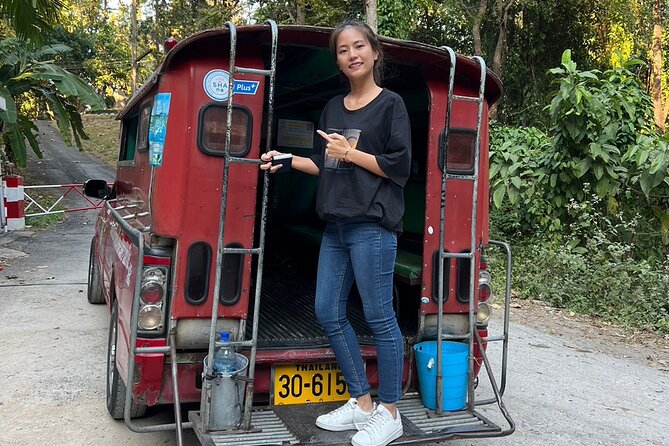
Once you’re moving, you’ll ride a typical Thai songthaew for the temple-hill travel. It’s an authentic option: converted pickup truck, benches in the back, open sides, and no air-conditioning. That’s why you’ll want to be ready for sun, humidity, or a breeze depending on the day. The ride is part of the character of the outing.
Also included in the package: a signature Chiangmai red van-style transport segment, plus bottled drinking water and an English-speaking guide. That’s a good value add because it keeps the tour focused on temples and trail time instead of you hunting transport on your own.
What You’ll Pay: $25 Value, Plus the Temple Fees
The listed price is about $25 per person for a 4-hour experience with guide, water, and hotel pickup in the covered zone.
What’s not included:
- Entrance fee & cable car costs for Wat Phra That Doi Suthep
- Entrance fee for Wat Pha Lat Monk’s Trail: 100 THB per person
- Personal expenses
This is normal for Thailand temple tours. The value here isn’t that the price is low—it’s that you’re getting transport, a guide, and a guided hike connection that would cost you time and effort to assemble yourself. If you budget correctly, the trip feels like a bargain.
Tip: bring cash. The tour specifically notes cash as something you should have on hand, and temple-related fees are usually where it matters.
Temple Etiquette: Simple Rules That Save You Stress
Temple sites in Thailand ask for basic respect, and this tour follows that. Before you go, plan your outfit around the dress code: cover shoulders and knees. Sleeveless shirts are not allowed.
Also, bring practical items:
- Walking shoes with grip for the trail (mud happens)
- A bit of cash for the Monk’s Trail fee and any Doi Suthep entrance/cable car costs
- Light clothing you can comfortably hike in, since you’ll be walking and riding in open transport
If it rains, the guide adjusts the order based on weather, which matters. Bad conditions can reduce the quality of the city-view part, but the tour can still deliver a good experience because you’ll still reach Wat Pha Lat and hike the trail.
Who This Tour Fits Best (And Who Might Struggle)
This works best for you if:
- You want two very different temples in one half-day
- You enjoy walking through nature, even if it’s not a long trek
- You care about understanding Buddhist symbolism, not just checking boxes
- You want a viewpoint over Chiang Mai and you don’t mind early mornings if you pick sunrise
It may be harder if:
- You have limited tolerance for uneven ground. One experience notes that the end of the tour can involve descending for the mountain on rough terrain, which could be tough for some mobility situations.
- You’re expecting a fully flat, no-steps walk. The temple areas include stairs and walking.
One reassuring option: if you can’t manage the hike up, you can ride up by songthaew. That gives you a way to keep the key sights without forcing you through the hardest portion.
Should You Book This Chiang Mai Temple Hike?
If your ideal Chiang Mai day has both culture and a short nature break, I’d book it. The mix of Doi Suthep’s golden stupa and panoramic viewpoint with Wat Pha Lat’s forest calm is the exact kind of contrast that makes a half-day feel like more than a half-day.
Choose this tour especially if:
- You like sunrise (and want a quieter, more spiritual start)
- You want a guided experience where explanations make temple details easier
- You’re okay bringing cash and wearing proper shoes
Skip it or plan carefully if:
- You hate slippery trails or you can’t handle stairs and uneven steps
- You’re not prepared for the open-air songthaew ride and changing weather
FAQ
Are entrance fees included in the $25 price?
No. Entrance fees for Wat Phra That Doi Suthep (including cable car costs) and the Wat Pha Lat Monk’s Trail fee are not included. The Monk’s Trail fee is listed as 100 THB per person.
How long is the tour?
It runs about 4 hours.
What’s included in the tour price?
You get a signature Chiangmai Red Car, bottled water, an English-speaking guide, and hotel pickup/drop-off within specific regular service areas.
Where do you meet if my hotel is outside the pickup area?
If you’re outside the pickup zone, the meeting point is in front of Burger King at Thapae Gate in Chiang Mai.
What should I wear or bring?
Wear proper walking shoes and dress with shoulders and knees covered. Avoid sleeveless shirts. Bring cash for on-site fees.
What if I can’t do the hike up the mountain?
The tour notes that if you can’t do the hike up, you can go up using the songthaew.