REVIEW · CHIANG MAI
Chiang Mai: 7-Hour Doi Suthep National Park Summit Hiking
Book on GetYourGuide →Operated by CHIANG MAI MOUNTAIN BIKING & KAYAKS · Bookable on GetYourGuide
Steep trails, temple payoffs, jungle quiet. This Doi Suthep National Park hike turns a standard temple visit into a real highland walk, with guided monk trails that link Wat Suthep to the deeper jungle paths above Chiang Mai. I especially like the way the route is paced with temple breaks built in, so even the tough uphill feels manageable instead of punishing.
You’ll also like the practical support for a long day: cool drinks, water stops, a meeting point truck for hydration, and the kind of guiding that can keep you smiling on rocky sections. One drawback to plan for: this is a serious hike with uneven, steep terrain, so if you are not used to sustained uphill walking, you’ll probably feel it in your legs and timing (lunch tends to land later than you expect).
In This Review
- Key things I’d plan around
- Why This 7-Hour Doi Suthep Hike Is More Than a Temple Visit
- Starting From Chiang Mai and Getting Your Bearings
- Wat Pha Lat Monk Trail: A Cooler, Quieter Way Into the Hills
- Wat Phra That Doi Suthep: Views, Temple Details, Then Back to Walking
- The Main Event: Doi Suthep-Pui National Park Jungle Trek
- Doi Pui Hill-Tribe Village Stop: Ridge Views and a Human Pause
- Lunch Timing Reality: It’s Included, But It’s a Late One
- Hydration and Gear: How to Avoid the Common Mistakes
- Guides Make the Difference on a Hard Trail
- Transportation and the Flow of the Day
- Price and Value: What $60 Buys You (Plus the One Extra Cost to Plan For)
- Trail Conditions and Route Changes: Rare, But Know the Why
- Who This Tour Fits Best (And Who Should Rethink It)
- Should You Book This 7-Hour Doi Suthep Summit Hike?
- FAQ
- How long is the Chiang Mai Doi Suthep summit hiking experience?
- Is hotel pickup included in Chiang Mai?
- What language does the guide speak?
- What group size should I expect?
- What’s included for meals and dietary needs?
- Do you provide water during the hike?
- Do they provide a hydration pack or backpack?
- Is park entry and insurance included in the price?
- What should I wear for the trek?
- What happens if trails need to be changed?
Key things I’d plan around
- Wat Pha Lat monk trail style walking: cool shade, temple pauses, and a clear sense of where you are headed
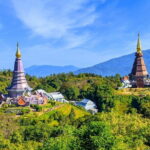
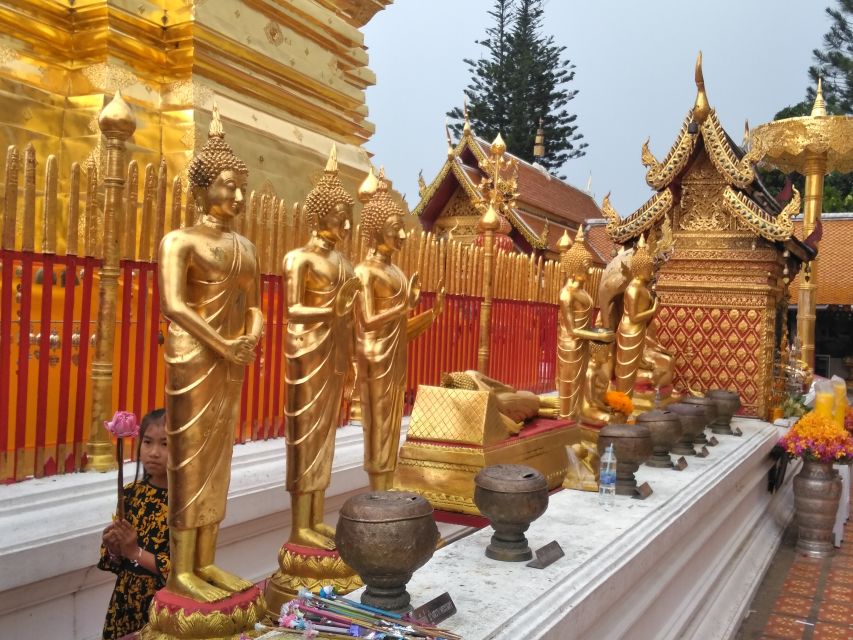
- Two Wat Phra That Doi Suthep photo moments, including a return visit with postcard-like viewpoints
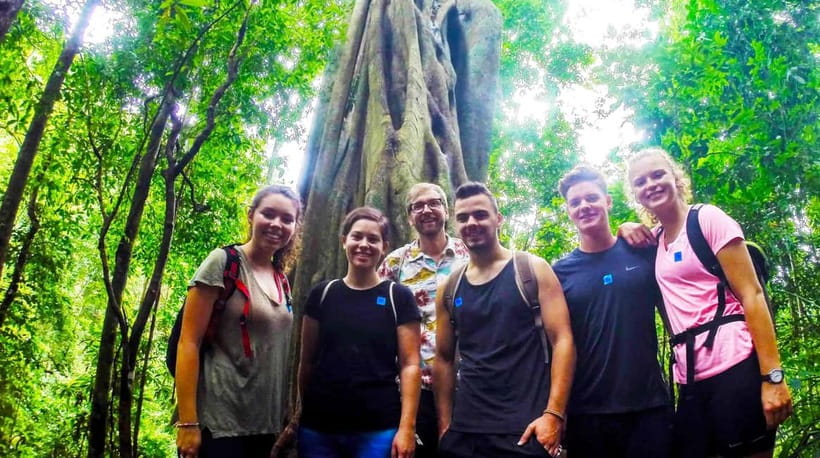
- Doi Suthep-Pui National Park jungle trekking for about 2.5 hours, with rocky, muddy, undulating footing
- Doi Pui ridge stop with time to explore and rest before the drive back down
- Small group up to 15 and guided by professional mountain guides with first aid/CPR certification
- Hydration support, plus a hydration backpack provided and bottled water available along the way
Why This 7-Hour Doi Suthep Hike Is More Than a Temple Visit
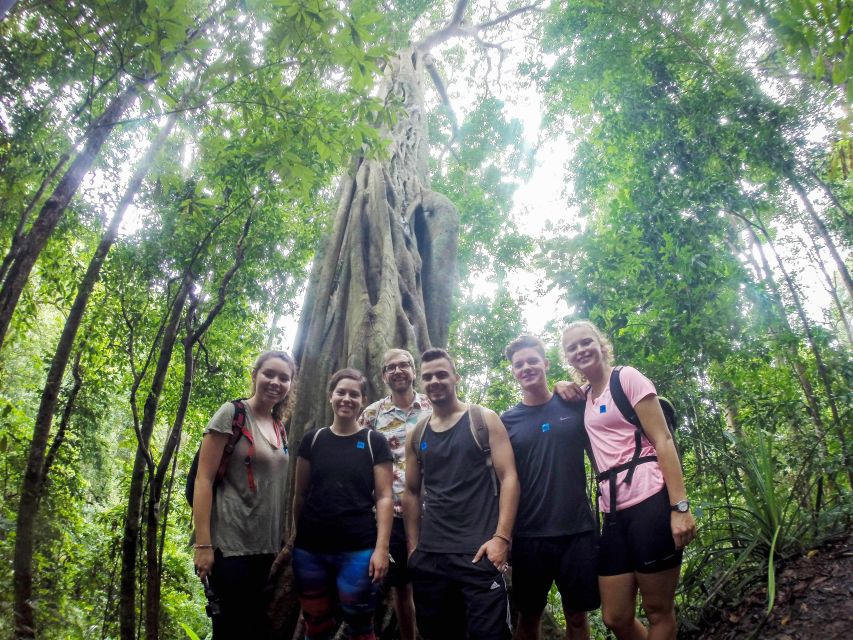
If you only go up to the main pagoda area at Doi Suthep, you miss the part that makes this region special: the highland jungle between Chiang Mai and the ridges. This hike spends the day where the air feels different, where the trail squeezes you through trees, and where temple stops are more like checkpoints than a quick photo stop.
I love that the day is structured around real walking time. You start with pickup in Chiang Mai, then work your way upward toward the Wat Doi Suthep area, before you trade vehicles for trails. Most people come expecting a workout. They leave appreciating the plan behind it: you get short rests at meaningful places, so the overall experience stays enjoyable instead of turning into a grind.
You can also read our reviews of more hiking tours in Chiang Mai

Starting From Chiang Mai and Getting Your Bearings
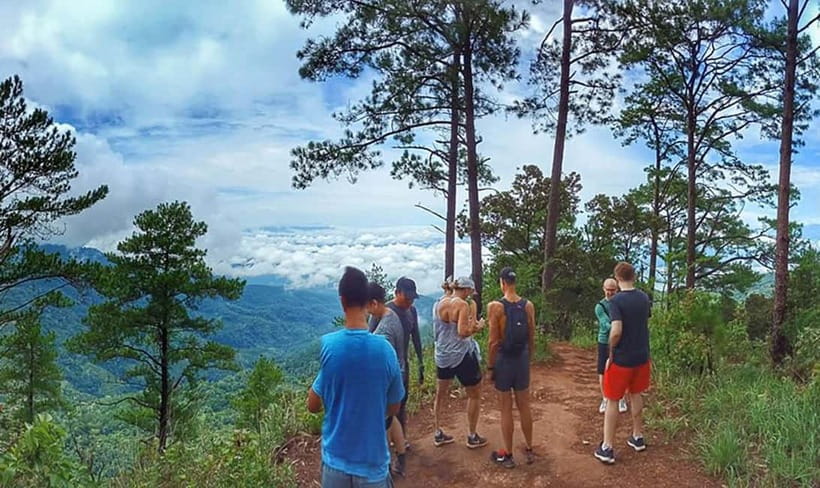
Your day typically begins with hotel pickup in Chiang Mai. After that, you’ll travel upward toward Wat Doi Suthep, and there’s even a short orientation moment so you can picture what’s ahead. You’ll also get basic safety guidance before you head onto the trails.
That matters more than it sounds. When you can visualize the ridge and the temple-to-village-to-summit flow, the hike feels less random. You know why you’re climbing, why you’re descending, and where the best pauses are likely to be.
Wat Pha Lat Monk Trail: A Cooler, Quieter Way Into the Hills
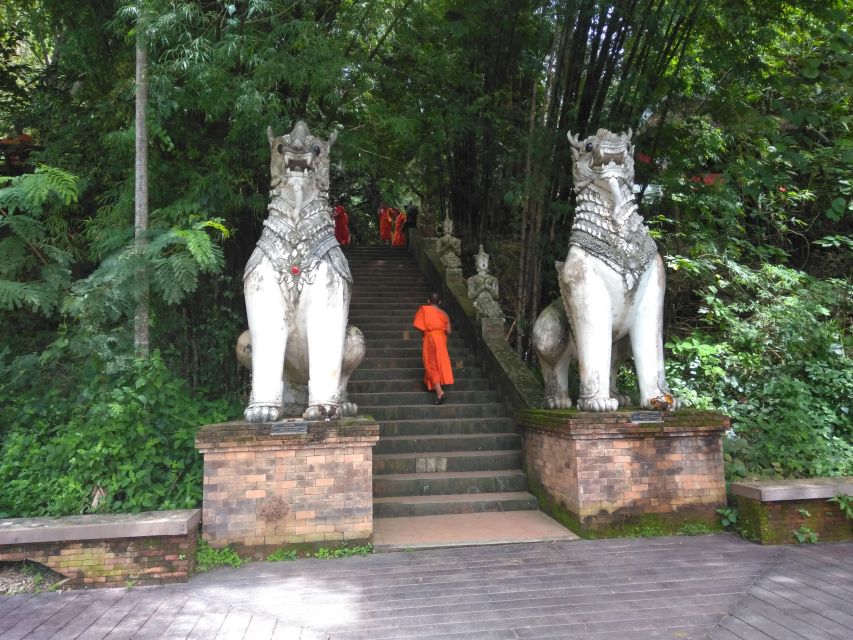
One of the smartest parts of this tour is the early move onto the Wat Pha Lat monk’s trail route. You’ll hike with a guide through a stretch that feels more like a mountain walk than a crowded sightseeing corridor. Expect a climb that’s steady enough to work up a sweat, but broken by guided sightseeing and photo-friendly moments.
Wat Pha Lat itself becomes a useful pause point. Even when you don’t plan to linger long, it gives your body a chance to reset before the bigger ridge trek. This is also where the guide’s tempo becomes clear: you’re not just walking toward a view, you’re learning the trail rhythm—when to push, when to breathe, when to stop and look.
Wat Phra That Doi Suthep: Views, Temple Details, Then Back to Walking
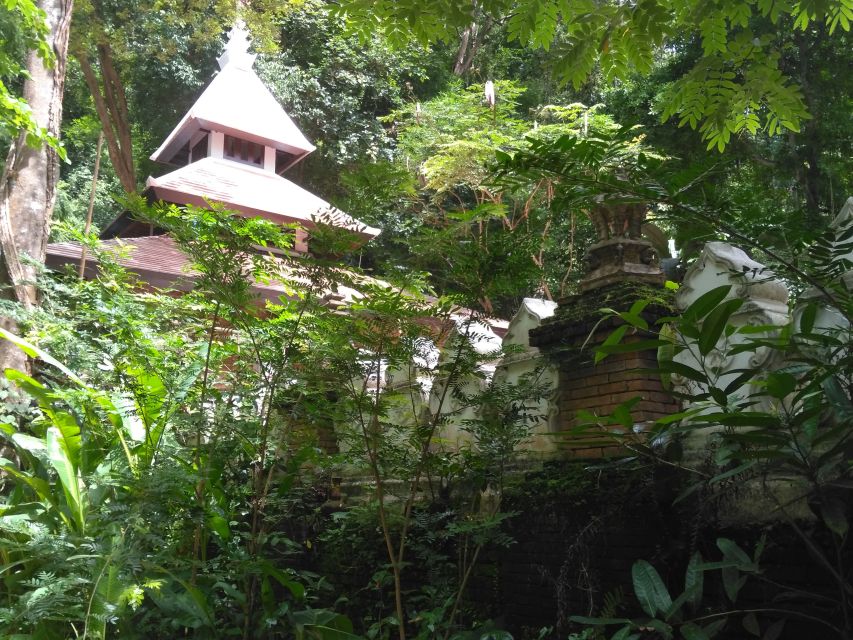
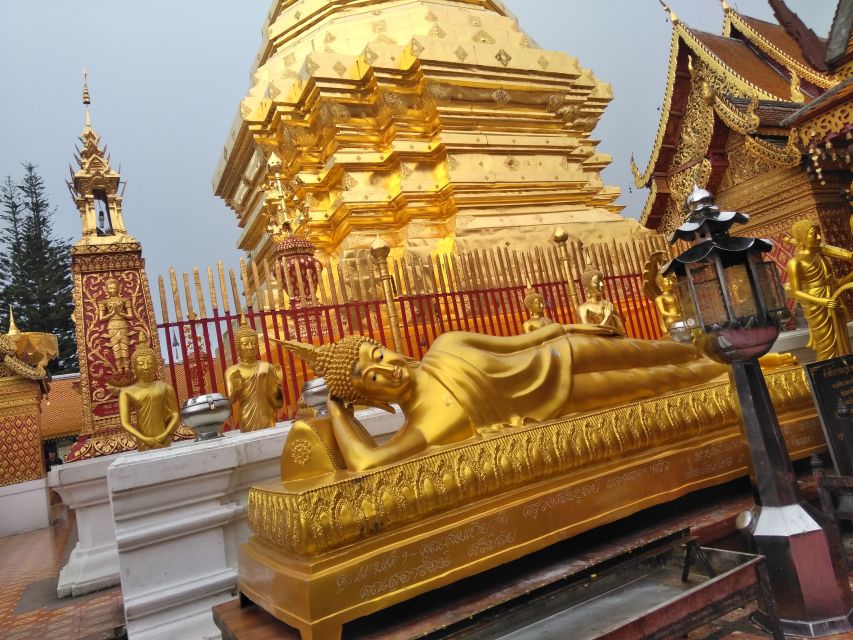
From the earlier trail section, the route brings you to Wat Phra That Doi Suthep again as a key milestone. You’ll get a break time and a photo stop, with sightseeing and a bit of walking around the temple area.
The value here is timing and perspective. On the first pass, you’re still climbing your way into the experience, so you get views but also energy. On the later return trip, you’re seeing it from a different angle of the day—after jungle trekking—so those panoramic moments land harder.
If you like details, this is also a great time to ask questions. Guides often point out what you are seeing and how the trail connects back down toward Chiang Mai and the Mae Ping Valley area.
The Main Event: Doi Suthep-Pui National Park Jungle Trek
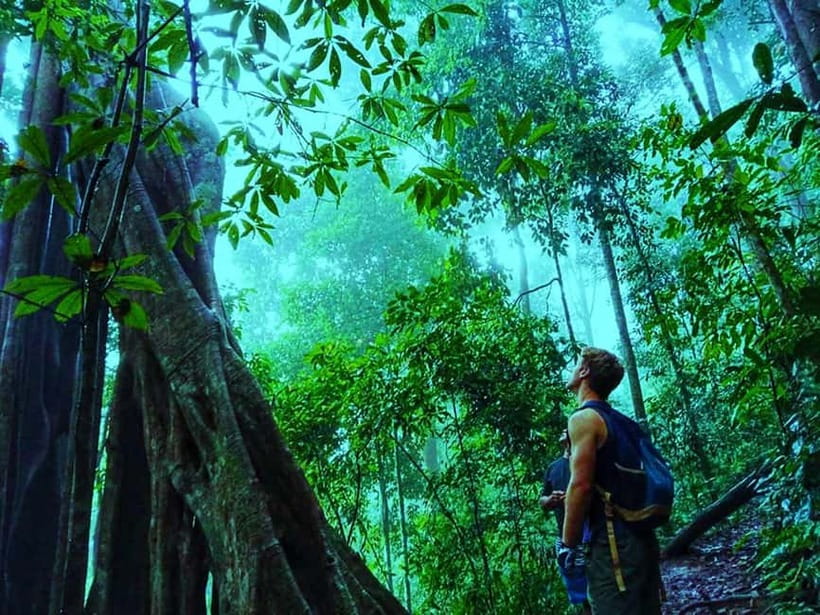
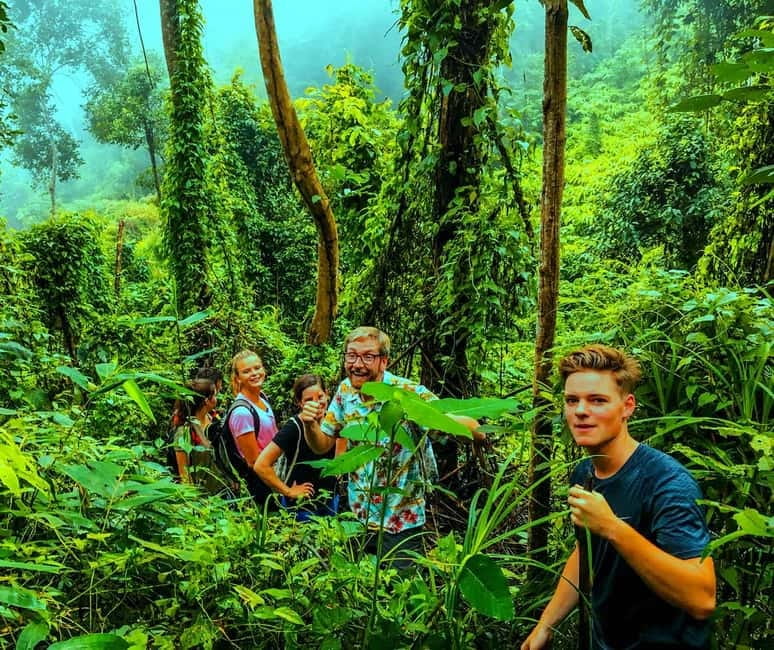
This is the heart of the hike: a solid stretch through Doi Suthep-Pui National Park that runs about 2.5 hours. This part is where people’s legs get their workout, and it’s also where you can feel how far you are from the city.
Here’s what you should be ready for:
- uneven and rocky sections
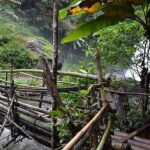
- muddy, damp stretches (conditions can change with weather)
- uphill and undulating terrain that turns it into a glute-and-legs challenge
Many hikers describe it as strenuous, and I think that’s fair. The trick is not expecting a smooth “fitness trail.” You’re walking real terrain. The guide’s job is to manage pace, select footing, and keep the group safe—especially when the ground gets slick.
One reason the tour feels good despite the effort is how the day keeps breaking the trekking into usable chunks. You’re never just climbing for hours with no meaningful stops. Your guide can also adapt the route if conditions require it, which is important in forest areas.




Doi Pui Hill-Tribe Village Stop: Ridge Views and a Human Pause
Near the end of the ridge exploration, you reach Doi Pui for a break and a chance to visit the area. This is more than a “look around and go” stop. You’ll have time to slow down, take photos, and experience the hill-country village setting at altitude.
That village stop is also the cultural balance point of the day. The jungle trekking is physical and earthy; Doi Pui adds a different kind of attention—people, place, and how communities live in the highlands.
One thing to keep in mind: this is still part of a hike day. Even with rest time, it’s not a long, sit-down excursion. It’s a pause that helps you finish strong for the return.
Lunch Timing Reality: It’s Included, But It’s a Late One
Yes, lunch is included, with vegetarian and vegan options. You’ll also have bottled water and hydration support throughout.
But here’s the practical truth: lunch tends to be later than many people expect. Depending on the day’s pace and conditions, it can land around the time you’d normally be thinking about a late afternoon snack. Several hikers note they received lunch around the 2/3 PM window, and others experienced it closer to 4 PM.
So I recommend bringing a small snack for yourself just in case. It’s not because the lunch isn’t coming—it’s because the hike is long enough that low blood sugar can make the whole day feel harder.
Hydration and Gear: How to Avoid the Common Mistakes
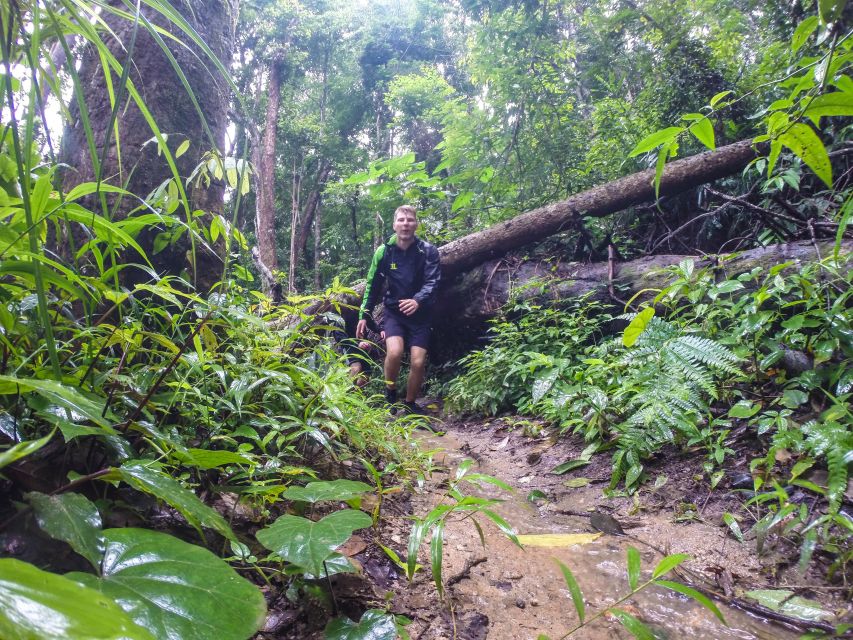
Hydration is handled, but you still need to think like a hiker.
Water is available at multiple points, and there’s support along the way. The tour also provides a hydration backpack and bottled water, and a support truck is on standby with secure storage for valuables.
Still, I’ve seen the lesson repeat: bring the right hydration setup for your conditions. One hiker recommended a water bladder because bottles can behave oddly with temperature, especially if you end up storing water in a way that cools it down overnight. If you prefer bottles, that’s fine—just plan so you actually drink enough during steep sections.
Footwear is the other non-negotiable. The tour specifically asks for firm hiking shoes. The trails can be rocky, muddy, and uneven. Flip-flops are not the move. If you have hiking boots, use them. If you have trail runners with solid grip, make sure they’re comfortable for long uphill days.
Guides Make the Difference on a Hard Trail
This is one of the most consistently praised parts of the experience. You’ll be with professional mountain guides, and they carry first aid and CPR certification. That safety layer matters on steep, uneven ground.
In terms of guiding style, names show up again and again: A and Nop are a frequent pair, and others like Ai, Danai, Tway, Tui, and Tony also appear in real day experiences. One thing these guides share is energy. People describe them as friendly, funny, and attentive to the group pace.
Guides also act like living trail apps. They point out what you’re seeing, help manage difficult segments, and keep photo breaks from feeling awkward. If you want to learn while you walk, this kind of guiding turns “I’m tired” into “I’m glad I’m here.”
Transportation and the Flow of the Day
Most of the time you travel by air-conditioned van, with 4×4 SUVs used for smaller groups. Your day includes a mix of vehicle time and trail time, so you’re not constantly bouncing around in the truck, but you are also not stuck in one long walking loop.
The day can feel longer than the hiking duration because pickup, orientation, breaks, and return transport add up. Many hikers mention being back around 6 PM, even when the active hike time is shorter on paper. Plan for a full-day rhythm.
Also expect a return by truck after the main trekking. There’s even another pause at Wat Phra That Doi Suthep for more views and photos, so you don’t feel like you just rush to finish.
Price and Value: What $60 Buys You (Plus the One Extra Cost to Plan For)
At $60 per person for a 7-hour hike, the value is mostly in the guided structure and the support system. You’re not just paying for someone to walk beside you—you’re paying for professional mountain guides, first aid/CPR readiness, transport from your hotel, and the logistics that keep a hard day from becoming chaotic.
Two more practical notes:
- Park entry and insurance are listed as not included, with a 250 baht charge mentioned, and you may need to provide passport details at check-in.
- Lunch is included, with vegetarian and vegan options, which helps you avoid the “hike cost creep” that hits many tours.
If you’re someone who would otherwise hire a guide, buy your own trekking logistics, and coordinate transport, the pricing starts to make a lot more sense. This is also a small group experience (up to 15), which helps the pacing and safety.
Trail Conditions and Route Changes: Rare, But Know the Why
Trail closures are rare, but conditions can still change due to weather or park management. If that happens, you’ll switch to an alternative route that matches the skill level and scenery. Safety and guest satisfaction come first.
There’s also the real-world highland factor. Haze and seasonal issues (like burning season) can affect what the park allows. When that happens, your guide may adjust the plan so you still get a satisfying day without taking unnecessary risks.
Who This Tour Fits Best (And Who Should Rethink It)
This tour fits best if you:
- enjoy walking and can handle steep uphill stretches
- wear proper hiking shoes and don’t mind rocky, uneven footing
- want a day that blends temples with jungle trekking and a hill-tribe village stop
If you are new to hiking or you prefer flatter, easier routes, this may feel too intense. The hike is described as challenging by people who are regular hikers, and you should take that seriously. Consider taking on a gentler Doi Suthep option if you want more sightseeing time and less uphill effort.
That said, the pacing helps. Many hikers say the breaks at the temples make it feel more doable than the steep sections alone suggest. In other words: it’s tough, but it’s not a random death march.
Should You Book This 7-Hour Doi Suthep Summit Hike?
Book it if you want the full Chiang Mai highland experience: temples, jungle trekking, ridge views, and time near Doi Pui—guided with a safety-first team and real walking time built into the day.
Skip it or look for an easier alternative if you hate steep, uneven trails or if you’re recovering from injuries and unsure about sustained uphill walking. Even with guides and breakpoints, you still need to show up with hiking shoes, a hydration plan, and realistic expectations about lunch timing.
If you’re an active traveler who likes earning the views, this is a strong choice—one that trades bus tours for a genuine mountain day in Doi Suthep National Park.
FAQ
How long is the Chiang Mai Doi Suthep summit hiking experience?
It lasts about 7 hours, though you may spend more time overall due to pickup, breaks, and return transport.
Is hotel pickup included in Chiang Mai?
Yes, hotel pickup is included.
What language does the guide speak?
The live tour guide speaks Thai and English.
What group size should I expect?
The group is limited to 15 participants.
What’s included for meals and dietary needs?
Lunch is included, and vegetarian and vegan options are available.
Do you provide water during the hike?
Yes. Water for hydration packs and bottled water are available throughout the event.
Do they provide a hydration pack or backpack?
Yes, a hydration-backpack is provided for the excursion.
Is park entry and insurance included in the price?
No. Doi Suthep National Park & insurance are not included, and there is a listed 250 baht cost. You may need to provide passport details at check-in.
What should I wear for the trek?
You should wear firm hiking shoes.
What happens if trails need to be changed?
Trail closures are rare, but if they happen due to weather or park management, the route can be substituted for an alternative route matching your skill level and providing similar scenery.