REVIEW · CHIANG MAI
Chiang Mai: Doi Inthanon Park and Pha Dok Siew Hike Day Trip
Book on GetYourGuide →Operated by CHIANG MAI DAY TRIP · Bookable on GetYourGuide
Doi Inthanon makes Chiang Mai feel far away. This 11-hour day trip runs high into the mountains to Thailand’s highest point at 2,565 meters, with forest bird sounds, the famous Twin Pagodas, and a real hiking stretch on the Pha Dok Siew Nature Trail. You also get two hill tribe culture stops in the same loop, so the day feels more like learning the region than just checking boxes.
I really like the way this tour mixes viewpoints, worship sites, and walking. The 2-hour Pha Dok Siew hike is the part most people end up remembering, and for me it’s the most personal part of the day because you’re actually on the trail, not just watching from a car window. I also appreciate the hill tribe visits and the chance to slow down with simple coffee time before heading back.
One drawback to plan for: group size can affect how much you hear from the guide. On busier days the hiking and viewpoints can feel more scheduled, with more waiting and less detailed talk—especially if your group is large (I’ve seen groups around 19 people).
In This Review
- Quick hits you can plan around
- Price and what your $62 actually covers
- Chiang Mai pickup timing: how to avoid losing an hour to traffic
- The van ride and luggage rules that matter in real life
- Entering Doi Inthanon: highest point, forest sounds, and the pace of the day
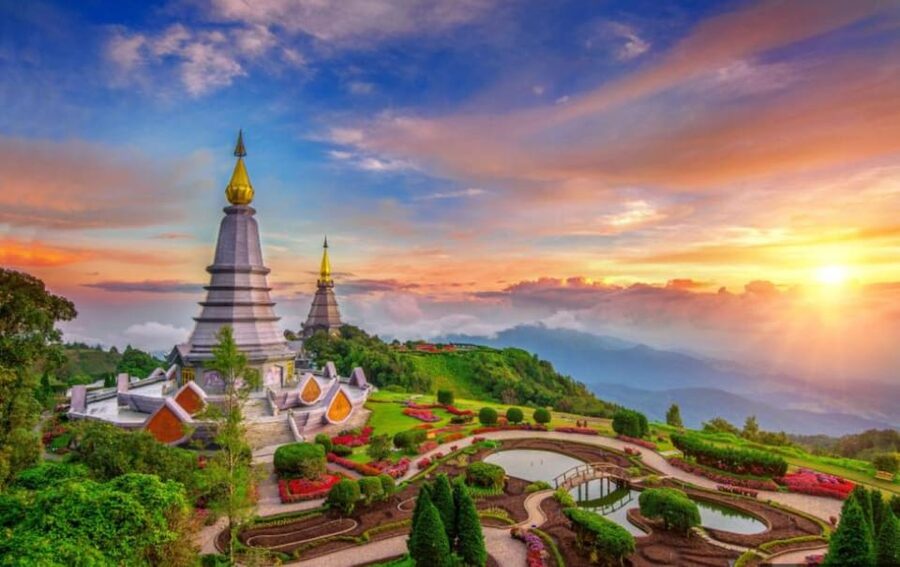
- Twin Pagodas of King Bhumibal and Queen Sirikit: why the views are worth the climb
- Hmong village lunch: a good break, plus a reality check on timing
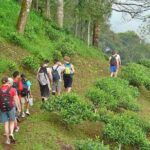
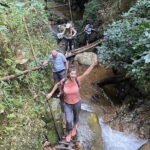
- Pha Dok Siew Nature Trail: the 2-hour hike that usually steals the show
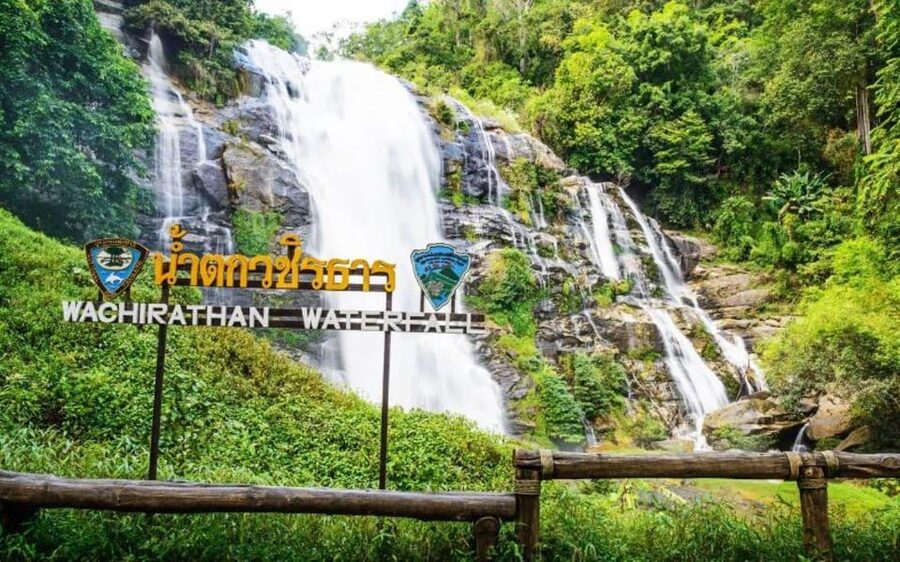
- Wachirathan Waterfall: how to handle the swim question seasonally
- Karen Hill Tribe Village and the coffee stop before you head back
- Price and which tour option changes your day (economic vs regular)
- Who this day trip suits best
- Should you book this Chiang Mai Doi Inthanon day trip?
- FAQ
- What time does pickup usually happen?
- Where do I meet if my hotel is outside the pick-up area?
- How long is the trip and when will I return to Chiang Mai?
- Is lunch included, and is vegetarian food available?
- What are the entrance fees if I choose an option that does not include them?
- Can I swim at Wachirathan Waterfall?
- What should I bring, and what is not allowed?
- Can I cancel for a full refund?
- What luggage can I bring on the van?
Quick hits you can plan around
- 2,565-meter high point at Doi Inthanon National Park for big altitude views
- Honor King Bhumibal & Queen Sirikit pagodas for classic mountain scenery
- Pha Dok Siew Nature Trail: about 2 hours of forest walking and viewpoints
- Wachirathan Waterfall stop with a seasonal swimming reality check
- Hmong and Karen village time for culture stops plus lunch/coffee moments
- Tour value depends on your option (entry fees and lunch may or may not be included)
Price and what your $62 actually covers
At about $62 per person, this day trip can feel like good value if you pick the option that includes entry fees (and ideally lunch). You’re paying for round-trip transport in an air-conditioned van, an English-speaking guide, a full day’s schedule, and the park/pagoda access fees—unless you choose the economic option.
Here’s the smart way to think about it: if you select the cheaper economic setup, you may pay extra on-site. The Doi Inthanon National Park entry fee is 300 Thai Baht, and the Twin Pagoda entry fee is 100 Thai Baht. Lunch is also listed as included with the regular tour option, while it is not included with the economic option (vegetarian is available for included lunch).
So before you book, check two things: whether your ticket includes entrance fees, and whether you’re comfortable paying for lunch if you choose the economic option. If you want a simpler day with fewer extra purchases, the regular option usually fits better.
You can also read our reviews of more hiking tours in Chiang Mai

Chiang Mai pickup timing: how to avoid losing an hour to traffic

This tour starts early. Pickup is typically 07:00–07:45, and if traffic is heavy you may wait an extra 5–10 minutes. The van rides are long enough that getting on-time matters; even a small delay can compress the later stops, especially the pagodas and the waterfall timing.
You’ll usually roll back into Chiang Mai around 18:00. That timing is important because you’re committing to an 11-hour day, not a flexible half-day. If your hotel is far from the pick-up area, you’ll need to plan for one of the meeting points.
Also, communication is handled by WhatsApp, and the operator sends pickup details about one day before. If you don’t use WhatsApp or you don’t share the correct property name, you can end up hunting for the van—so make that part easy on yourself.
The van ride and luggage rules that matter in real life

This isn’t a “suitcase friendly” tour. You can bring only one small personal item that fits within 50cm(H) x 35cm(W) x 20cm(D) and up to 7kg, and it has to sit on your leg (not blocking other seats). If you’re traveling with luggage over 7kg, you may need to book an additional seat or the guide may not be able to take you in the van due to limited space.
So if you’re coming from another city or you’re carrying heavy gear, adjust your packing. Comfortable walking shoes, sunscreen, and insect repellent are part of the plan—but you don’t need a full “day hiking” kit that weighs you down.
Entering Doi Inthanon: highest point, forest sounds, and the pace of the day
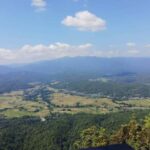
Doi Inthanon National Park is the core of the trip, and the tour is built around the big elevation moment first. You’ll go high into lush forest while the guide points out nature along the way. The experience description specifically calls out native bird melodies, and the overall goal is to give you a sense of the mountain atmosphere, not just a photo stop.
You’ll also reach the highest spot in the park at 2,565 meters. Keep expectations realistic here: this is a long day, and the highest-point visit can feel quick. The upside is that you still get the payoff—clearer mountain air and the feeling of having really left Chiang Mai behind—without turning the day into a long grind.
Health note: this is not suitable for everyone. The tour is not recommended for people with heart problems, wheelchair users, or those who might have altitude sickness. If altitude affects you, be cautious before you choose a high-mountain day like this.
Twin Pagodas of King Bhumibal and Queen Sirikit: why the views are worth the climb
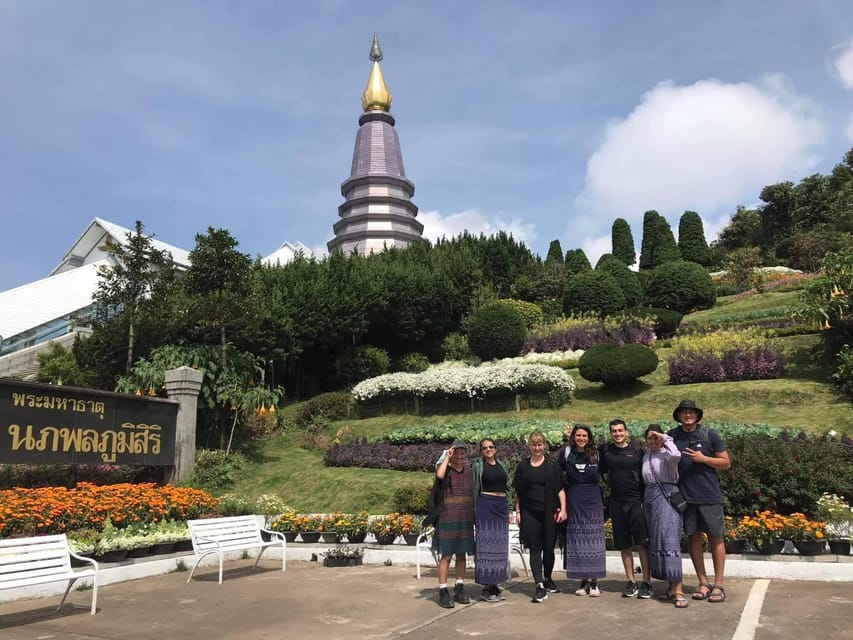
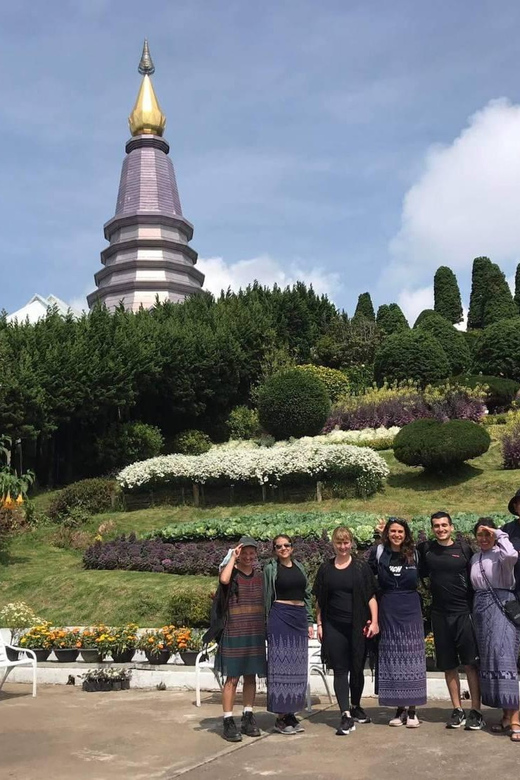
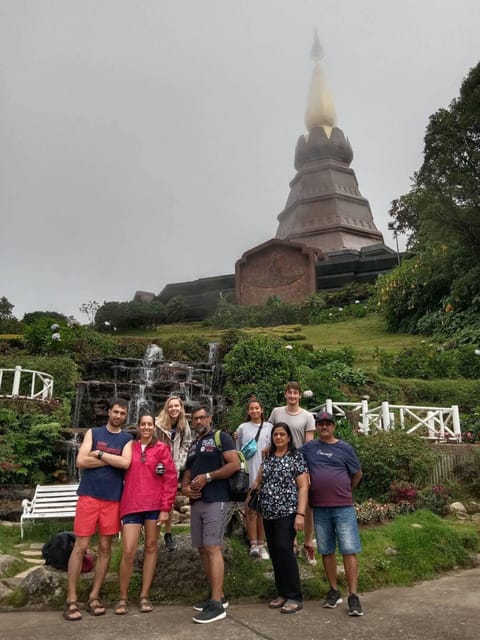
The Twin Pagodas are one of the most memorable stops because they sit on a viewpoint designed for looking out. You visit the Honor King Bhumibal pagodas and the Queen Sirikit pagodas, and the guide typically explains the cultural meaning behind them so you’re not just walking through static scenery.
From a practical standpoint, this stop also acts like a “pause button” in the itinerary. The tour shifts from forest hiking to an overlook setting, so it’s a chance to breathe, reset your legs, and take photos without a trail underfoot.
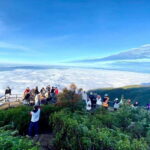
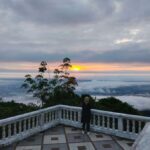
One consideration: fog or cloud can happen around the pagodas. If visibility is limited, the experience can feel more like quiet exploration than dramatic views. If you’re traveling on a day with low cloud, don’t fight it—enjoy the atmosphere and use the time to ask the guide about what you’re seeing.
A few more Chiang Mai tours and experiences worth a look


Hmong village lunch: a good break, plus a reality check on timing
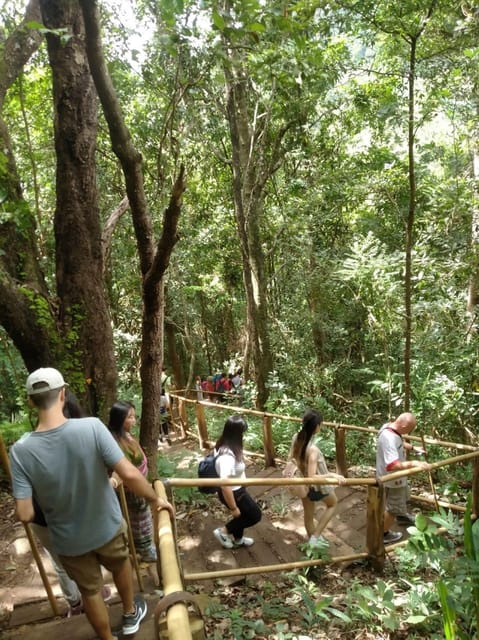
Hmong Village is where your day gets a lunch stop and a culture moment in the same location. The tour plan includes a lunch at the Hmong Market for the regular tour option, with vegetarian available. The setting is described as a place where you can sample local produce and watch the everyday rhythm of the market.
The value here is simple: you’re eating closer to the people and crops of the mountain area, not in a generic roadside restaurant. Lunch can also help you pace energy for the hike later—so it’s not just a meal, it’s part of your day management.
The possible downside is crowding. The coffee and lunch areas can get packed, and a packed lunch stop can steal time from the hike or other viewpoints. If your schedule feels tight, aim to order quickly, keep drinks simple, and save browsing for a moment when the group regroups.
Pha Dok Siew Nature Trail: the 2-hour hike that usually steals the show
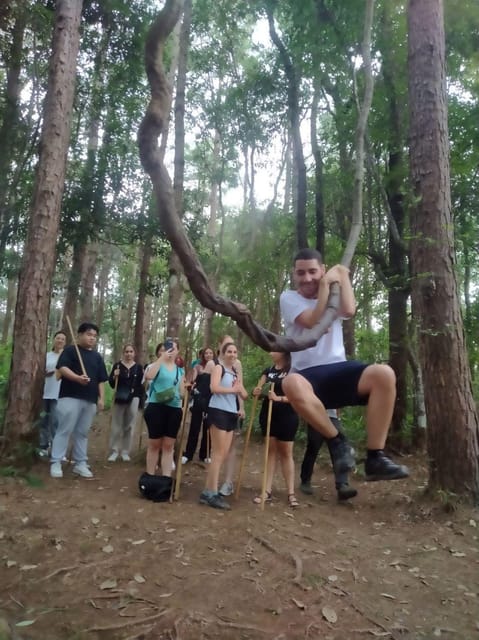
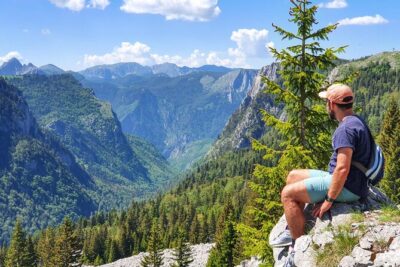
If you’re choosing this tour for one reason, it’s likely the Pha Dok Siew Nature Trail. The plan calls for about 2 hours walking through tall trees and jungle-like forest, with natural viewpoints along the way. This is the part where you’re not just observing; you’re moving, breathing, and hearing wildlife.
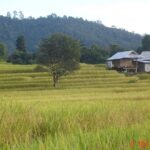
I love this kind of guided trail time because the guide’s job becomes practical: pointing out plants and wildlife signals, and explaining what you’re looking at. In the tour experience details, you’ll also learn about rice terraces and their significance, which helps the hike feel grounded in how people live in mountain areas—not only a workout.
One factor to watch: if the group is large, your time on the trail can feel less fluid. With more people, you may stop more often, wait for slower walkers, and hear less explanation if the guide can only talk in one direction. The hike still works, but it’s good to know what affects your quality of attention.
Wachirathan Waterfall: how to handle the swim question seasonally
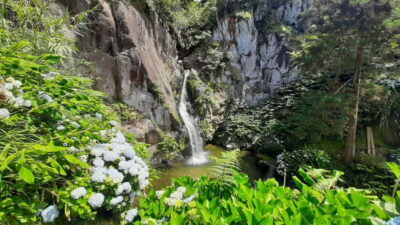
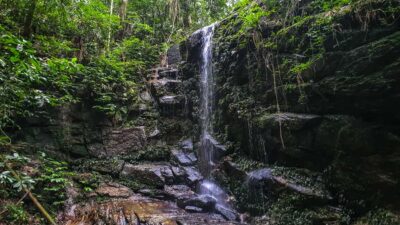
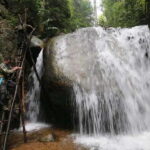
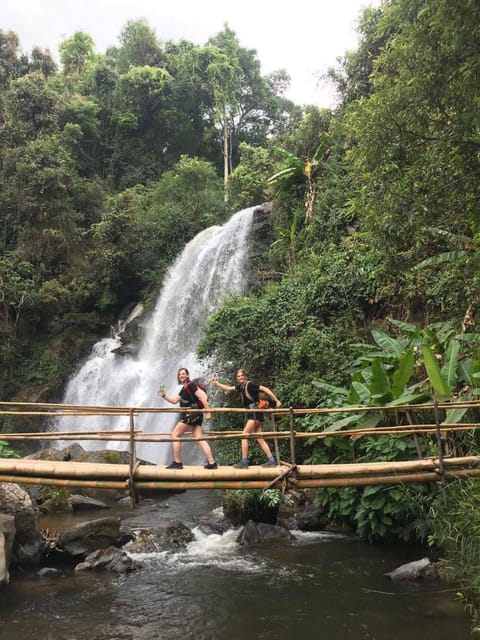
Wachirathan Waterfall is a highlight stop for many visitors, and the itinerary builds in a break for visits and sightseeing. The tour also flags a key issue: swimming depends on conditions.
Swimming might be allowed from February to June, depending on the waterfall condition and the normal climate that year. Swimming is prohibited in other months due to danger from the rainy season or cold-season conditions. So if swimming is on your personal checklist, don’t assume. Check the seasonal reality before you bring a swimsuit, and keep safety first.
Even if you don’t swim, the waterfall stop is still useful. It gives you a sensory contrast from forest trekking—cool mist, sound, and a wider view of the area’s water power. Just remember this day has a lot packed in, so keep your photo stops efficient and follow the guide’s timing.
Karen Hill Tribe Village and the coffee stop before you head back
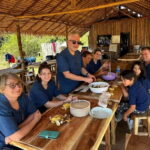
The end of the hiking section is followed by the Karen Hill Tribe Village, where you can see traditional village life and slow down for culture. The tour also includes the idea of finishing with freshly served coffee before returning to Chiang Mai.
This part matters because it turns the day from nature-only into people-and-place. You’re not just learning about the mountains; you’re learning how communities live with those mountain surroundings and what daily rituals look like up close.
One practical note: the description also mentions learning and walking earlier around different hill tribe stops, so bring curiosity and respect. Ask questions when the guide invites discussion, and remember that time here can be shorter than you’d like if the group is moving on schedule.
Price and which tour option changes your day (economic vs regular)
The biggest difference between tour options is what you’ve already paid for. If you don’t select the option that includes entrance fees, you’ll pay on-site:
- Doi Inthanon National Park: 300 Thai Baht
- Twin Pagodas: 100 Thai Baht
Lunch is another split:
- Regular tour option: lunch included (with vegetarian available)
- Economic tour option: lunch not included
So if you’re trying to keep costs down, economic can work. Just be aware it adds extra decisions during the day—where to eat, what to buy, and how much extra time you’ll spend. For a long itinerary with hiking and waterfalls, fewer “shopping moments” can actually make your day smoother.
Also included across options are the essentials that usually raise trip value: round-trip AC van, an English-speaking professional guide, a bottle of drinking water (500ml), and traffic accident insurance.
Who this day trip suits best
I’d suggest this tour if you want a single-day hit list that still includes real walking and real culture. It’s a good fit for:
- People who like guided hikes and don’t mind early mornings
- Travelers who want Doi Inthanon’s highlights plus Pha Dok Siew in one go
- Anyone comfortable with a long day and changing weather/conditions at altitude
It’s not a great choice if:
- You’re sensitive to altitude (the tour specifically notes altitude sickness risk)
- You have heart problems
- You need wheelchair-friendly access
- You’re carrying heavy luggage or a lot of bulky bags
Should you book this Chiang Mai Doi Inthanon day trip?
Yes, you should book if your priority is the 2-hour Pha Dok Siew hike, the Twin Pagodas, and the hill tribe culture stops in one organized loop. The day earns its value when your guide can keep the group moving and when you’re comfortable with a full schedule.
Don’t book (or at least rethink) if you’re very time-sensitive, dislike crowds, or get stressed when group pacing reduces guide interaction. If you’re the type who wants lots of spoken detail in a small group, know that group size can change the experience.
My practical advice: choose the option that includes entrance fees and lunch if you want fewer on-the-day purchases, and don’t underestimate the morning start. This is the kind of tour that works best when you show up rested, packed light, and ready for a real mountain day.
FAQ
What time does pickup usually happen?
Pickup is scheduled around 07:00am to 07:45am. You might wait an additional 5 to 10 minutes if traffic is heavy.
Where do I meet if my hotel is outside the pick-up area?
If you’re outside the pick-up area, you’ll need to meet at a designated point: Wat Phra Singh or the Starbucks at Maya Shopping Mall.
How long is the trip and when will I return to Chiang Mai?
The tour runs for about 11 hours, and you generally return to Chiang Mai at around 18:00pm.
Is lunch included, and is vegetarian food available?
Lunch is included with the regular tour option, and vegetarian is available. For the economic tour option, lunch is not included.
What are the entrance fees if I choose an option that does not include them?
If entry fees are not included, you pay on-site: 300 Thai Baht for Doi Inthanon National Park and 100 Thai Baht for the Twin Pagodas.
Can I swim at Wachirathan Waterfall?
Swimming might be allowed from February to June depending on waterfall conditions and normal climate. Swimming is prohibited in other months due to dangerous conditions from rainy or cold seasons.
What should I bring, and what is not allowed?
Bring comfortable shoes, sunscreen, and insect repellent. Pets are not allowed, and you can’t bring luggage or large bags. Alcohol and drugs are also not allowed in the vehicle.
Can I cancel for a full refund?
Yes. The tour offers free cancellation up to 24 hours in advance for a full refund.
What luggage can I bring on the van?
You’re allowed one small personal item that must not exceed 50cm x 35cm x 20cm and 7kg, and it must sit on your leg. Large luggage is not allowed.