REVIEW · SAN SEBASTIAN
Camino de Santiago hike in San Sebastian
Book on GetYourGuide →Operated by Local Experts Tours · Bookable on GetYourGuide
Your feet meet the Atlantic first, and this Camino de Santiago walk from San Sebastián strings together ocean-view trails with classic sea-wind wayfinding. I love how the climb to Mount Ulia delivers big lookout energy toward the Faro de la Plata. You’ll follow the familiar scallop-shell and yellow-arrow markings while the Basque coast mixes sea air, cliffs, and pockets of forest.
One important consideration: this hike is not suitable for people with mobility impairments, back problems, or heart problems, since it involves real walking and viewpoints on uneven ground. If you need a flatter, fully accessible option, you’ll want to choose another route.
In This Review
- Key things to know before you go
- Starting in San Sebastián at the Kursaal ticket office
- Mount Ulia: the coastal climb with real lookout power
- Camino waymarkers on cliffs and footpaths
- The finish in San Pedro (Pasaia): where the sea story sticks
- Guide quality: what you gain from a local expert
- Price and value: is $46 for 5 hours a good deal?
- Itinerary in motion: timing and what each segment feels like
- What to wear and pack for a coastal Camino
- Who should book this (and who should skip it)
- Quick decision: should you book this San Sebastián Camino coastal hike?
- FAQ
- How long is the tour?
- Where do I meet the guide?
- Are there different starting points?
- Does the price include taxi return?
- Is hotel pickup included?
- Is lunch included?
- What languages are available for the live guide?
- Should I bring rain gear?
- Is the tour suitable for people with mobility issues?
- Can children join the tour without an adult?
Key things to know before you go
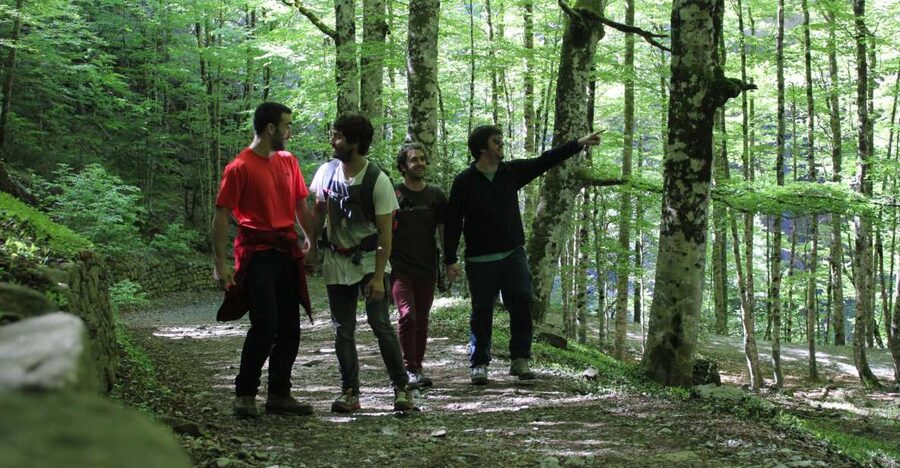
- Mount Ulia viewpoints: you’ll walk up to a natural balcony over the Cantabrian Sea with dramatic bay views.
- Camino waymarkers, right on the path: scallop shells and yellow arrows guide you in true pilgrim style.
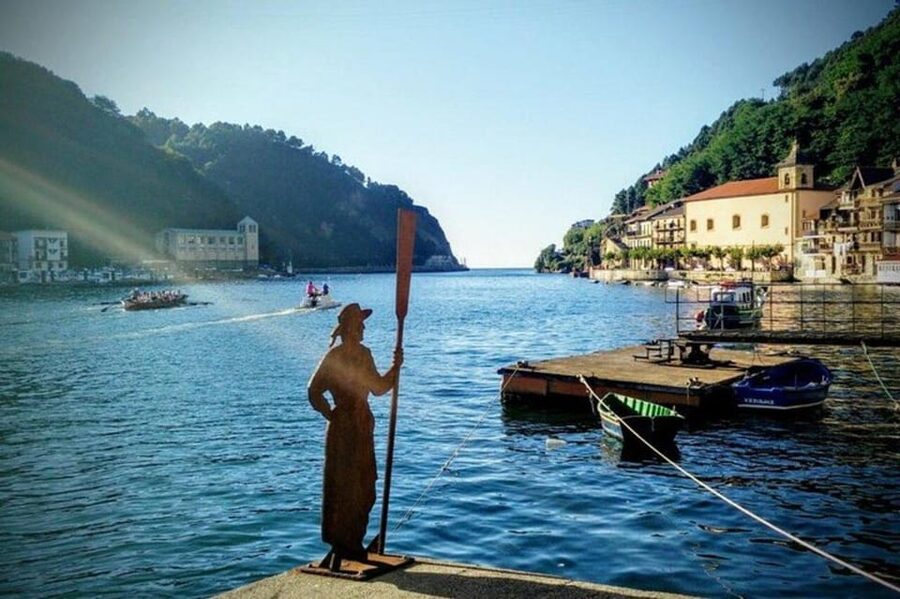
- A sea-town finish in San Pedro (Pasaia): stone houses and quays help you feel the maritime soul of the Bay of Biscay.
- Taxi return is included: you won’t burn your day figuring out transport after the hike.
- Small-group feel (private or small groups): you can ask questions as you go, in Spanish or English.
- A 5-hour outing: it’s long enough to feel like a real hike, short enough to still enjoy San Sebastián afterward.
Starting in San Sebastián at the Kursaal ticket office
The tour starts at the Ticket Office of the Kursaal building in San Sebastián, on Av. de Zurriola, 1. The Kursaal area is easy to find, and it also gives you a clean “begin here” point before you head into the hills.
You get two starting location options that both tie back to the Kursaal, which is handy if you’re already around the waterfront. Plan to show up a little early so you can get oriented and meet your guide without stress.
If you’re thinking about doing this on your own, this is still a smart place to begin: it keeps you from wasting the first hour hunting for the right trailhead. And if you’re new to Camino routes, having that first handhold matters.
You can also read our reviews of more hiking tours in San Sebastian
Mount Ulia: the coastal climb with real lookout power
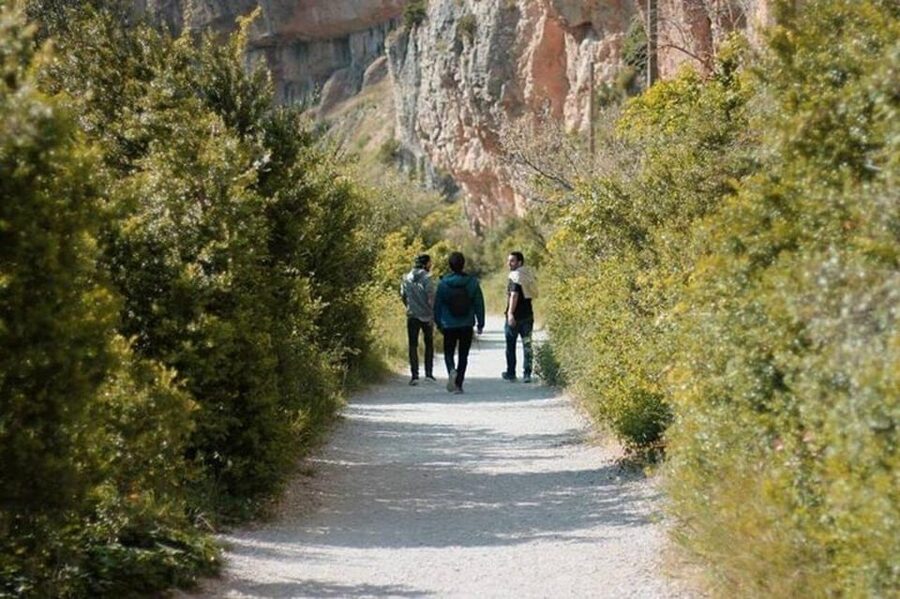
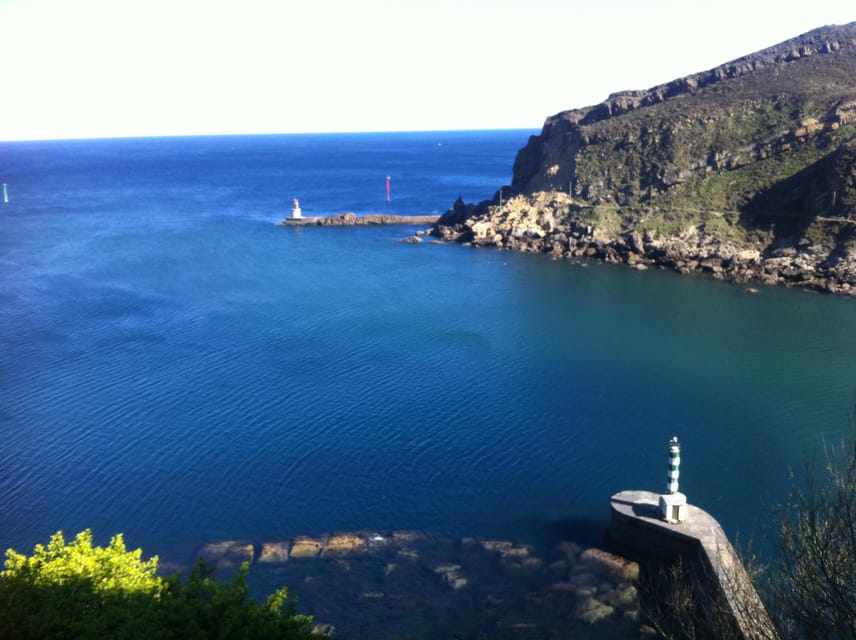
From the Donostia area, the route rises up into Mount Ulia. Think “coastal hike with views” more than “park walk.” As you climb, you’ll get those classic Cantabrian Sea panoramas that make you pause without meaning to.
Mount Ulia is where the air changes. You feel the Atlantic and you start noticing the cliffs, the salt smell, and the way the vegetation clings to the coast. That mix is exactly why this stretch works so well for pilgrims: the walking feels both practical and poetic.
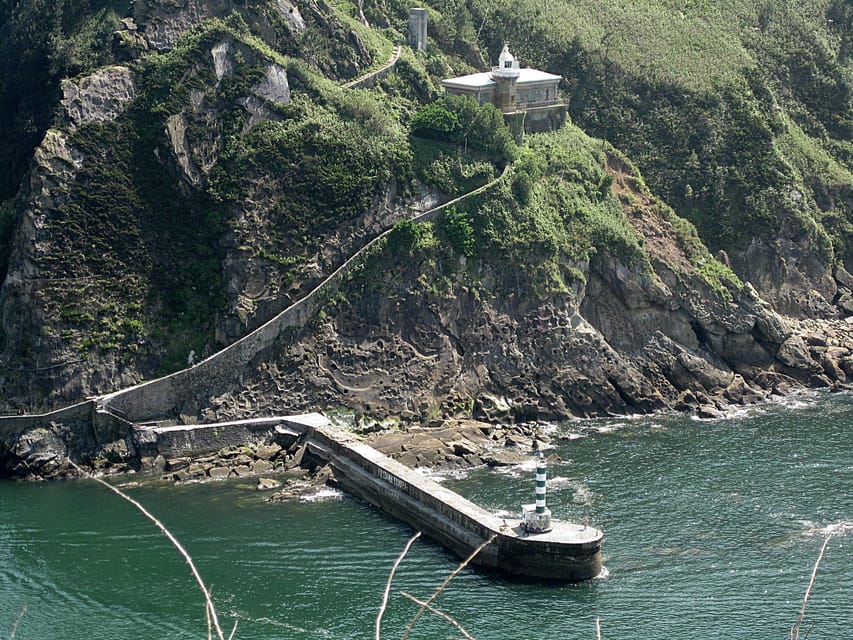
A big moment is when the views angle toward the Faro de la Plata. It’s the kind of landmark that helps you understand where you are on the Basque coast, instead of just “moving uphill until you’re tired.” Your guide will help connect the dots between the geography and the Camino story.
Camino waymarkers on cliffs and footpaths
This route isn’t just a scenic hike. It’s a Camino de Santiago experience, with the path marked by scallop shells and yellow arrows. Seeing those markings in place as you walk matters, because it turns your “exercise outing” into a route with meaning.
On coastal trails, it’s also reassuring. If fog or wind shifts your attention, the waymarkers help you keep your direction. You’ll get the sense of following in other pilgrims’ footsteps, not guessing where to go next.
The best part is how the route blends settings. You’ll move between sea-facing stretches and sections that feel more forested. That variety keeps the hike from going flat. And it also makes the timing feel right for a 5-hour day: enough time to get the views, enough time to finish while you’re still energized.
The finish in San Pedro (Pasaia): where the sea story sticks
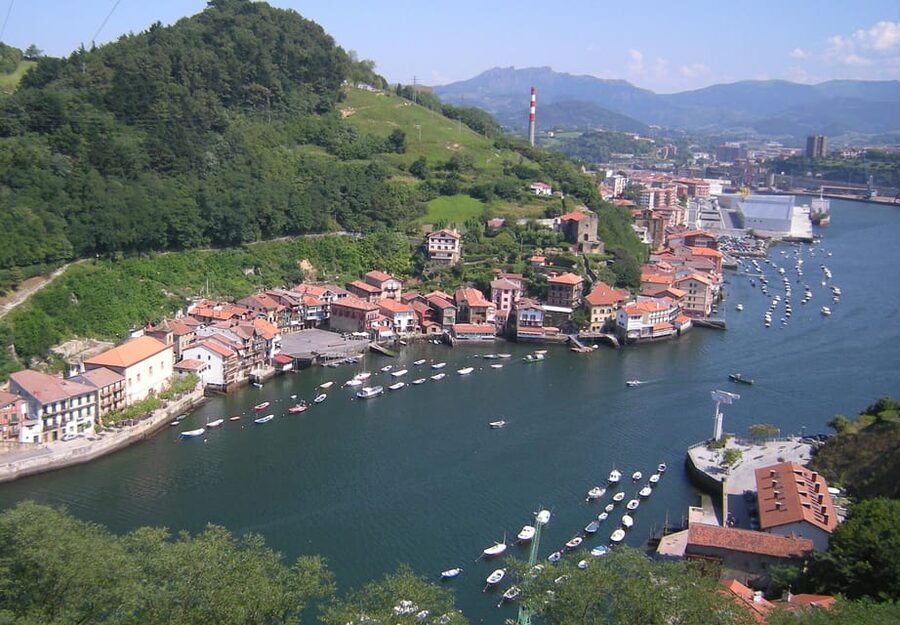
The hike ends in San Pedro, a small fishing town in Pasaia. This is the part I like most for the “why people keep walking” feeling. The setting is built from stone houses and charming quays, so the place looks like it has been doing this work—boats, nets, and daily life—forever.
You’re not only getting scenery. You’re getting context. In San Pedro, the maritime atmosphere helps you understand why so many pilgrims followed routes toward Santiago de Compostela. When you see how connected these towns are to the sea, it makes the Camino feel less like a concept and more like a network of lived journeys.
Expect a visit that lets you slow down and take photos without feeling like you’re racing the clock. It’s a good “landing” after the climb, and it also gives you local tips for what to do next in the area.
Guide quality: what you gain from a local expert
You’ll have a live guide, available in Spanish and English, and the whole point is to connect what you’re seeing with what it means. Guides share history, nature, and culture as you walk at your own pace.
From the feedback I’ve seen, Jonathan is highlighted for being particularly strong on Basque insights and answering questions well. Another guide is praised for being warm, friendly, and good at making the route feel understandable and approachable.
That said, one review note worth respecting: guide energy can vary. If you’re the kind of traveler who wants constant narration, it may be worth choosing a day and group format that fits you. If you’re happy walking with minimal talk, you’ll still get plenty from the scenery and wayfinding.
Private or small groups are a plus here. Less crowding means you can ask questions without waiting your turn, and you can adjust your pace without feeling rushed.
Price and value: is $46 for 5 hours a good deal?
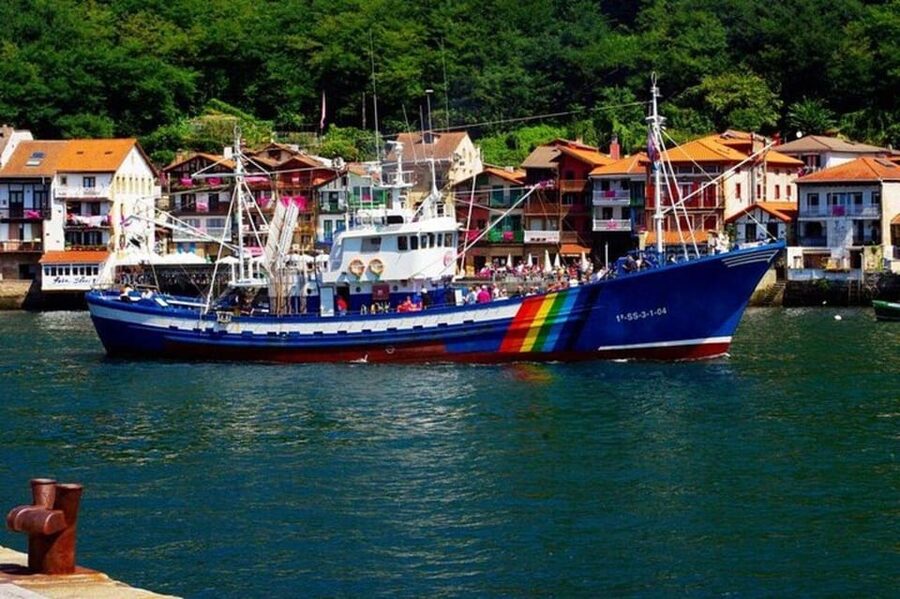
$46 per person for about 5 hours is usually fair for a guided half-day plus included logistics. Here, part of the value is simple: you get a guided hike with Spanish/English interpretation and a focused route experience, and you also get taxi return handled for you.
What you don’t get is also part of the math. Hotel pickup isn’t included, lunch isn’t included, and rain gear isn’t provided. If you’re already comfortable meeting at the Kursaal and packing your own basics, the price becomes easier to justify.
In plain terms: this is a good value if you want structure, wayfinding help, and local context without spending extra time organizing transport. If you’re already a strong independent hiker and want to DIY, you might do it cheaper on paper—but you’d lose the interpretive parts that help the Camino story click.
Itinerary in motion: timing and what each segment feels like
You’ll spend the day doing three main blocks: starting in San Sebastián, hiking up Mount Ulia, and finishing with a visit in San Pedro (Pasaia).
The Mount Ulia section is the “workout” part, and it’s also where the payoff lives. You’ll be climbing with ocean views that keep refreshing your motivation. The pacing is at your own level, which helps if you need to slow down for photos or wind breaks.
The San Pedro visit is the decompress moment. It’s where you shift from hiking mode into “wander and understand” mode. Stone streets and quays are made for slow walking and looking closely at everyday maritime details.
On the back end, taxi return is included. That’s genuinely useful. It keeps you from turning your day into a transport project, especially if you want to grab a drink or pinxto afterward in San Sebastián.
What to wear and pack for a coastal Camino
This is a hike, so wear what you’d wear for uneven ground and long walking. Bring comfortable shoes and comfortable clothes. You’ll want footwear with grip, because coastal areas can feel slick or windy.
Rain gear is not included. If the forecast looks sketchy, bring rain clothes or an umbrella yourself. Coastal weather can change fast, and you’ll enjoy the hike more if you’re not fighting drizzle.
Lunch isn’t included either. If you want food, plan for a snack or eat after you finish. The good news: the outing is only 5 hours, so you’re not committing to a full travel-day of meals and waiting.
Also note what’s not allowed: unaccompanied minors aren’t accepted. If you’re traveling with kids, make sure the tour matches your group setup.
Who should book this (and who should skip it)
This experience fits best if you want a guided Camino de Santiago flavor without a multi-day commitment. You get ocean views, Camino wayfinding, and a finish in a real working fishing town in just 5 hours.
It’s not suitable for people with mobility impairments, back problems, or heart problems. The route includes walking and viewpoints, and you should choose a different format if your body needs flatter, more controlled conditions.
If you’re traveling with someone who’s adventurous but not into training plans, this is a nice middle ground. The climb to Mount Ulia delivers the sense of effort, while the guide helps you move smoothly and stay on the right path.
Quick decision: should you book this San Sebastián Camino coastal hike?
Book it if you want meaning plus views—a Camino route that feels authentic because it uses the scallop-shell and yellow-arrow markings, and a guide who connects the scenery to the Basque and Jacobean story. It’s also a smart choice if you prefer not to manage return transport, since the taxi return is included.
Skip it if accessibility or medical considerations apply. Also skip it if you’re the type who refuses guided narration; while you’ll still enjoy the scenery, the main value is having someone explain what you’re walking through.
If you’re open to a realistic coastal climb and you want a guided “starter Camino” feeling in the Bay of Biscay, this one is an easy yes.
FAQ
How long is the tour?
The duration is 5 hours.
Where do I meet the guide?
Meet at the Ticket Office of the Kursaal building in San Sebastián, at Av. de Zurriola, 1, 20002 Donostia, Gipuzkoa.
Are there different starting points?
Yes. There are two starting location options, and both are tied to the Kursaal area.
Does the price include taxi return?
Yes. Taxi return is included.
Is hotel pickup included?
No. Hotel pick-up is not included.
Is lunch included?
No. Lunch is not included.
What languages are available for the live guide?
The guide is available in Spanish and English.
Should I bring rain gear?
Rain clothes or an umbrella are not included, so it’s smart to bring them if weather looks uncertain.
Is the tour suitable for people with mobility issues?
No. It is not suitable for people with mobility impairments.
Can children join the tour without an adult?
No. Unaccompanied minors are not allowed, and the tour requires a minimum group of 2 adults to run.