REVIEW · TETEBATU
Mt Rinjani Trekking 2 Days 1 Night Summit
Book on Viator →Operated by HaLoMi Trekker · Bookable on Viator
Mt Rinjani is tough, tight, and worth it. This 2-day 1-night summit trek balances real climbing time with real support, including a guide who leads and photographers who help you capture the hard parts. I especially like that you sleep on the crater rim camp level, so the trip feels intense from start to finish, not like you’re just passing through. The main drawback to plan around: this is a physical challenge, and key cold-weather gear like a head lamp, jacket, and trekking shoes isn’t included.
What makes this package feel practical is how much the basics are handled for you—meals, bottled water, camping, and the national park fees—while you keep your own load light. In fact, some climbers reported that they only carried personal items while the group team managed the heavier camp needs. Still, you should treat preparation seriously: one safety concern was raised in a cold-weather moment near the climb, so bring proper layers and speak up fast if you start feeling unwell.
In This Review
- Key Highlights You’ll Feel Fast
- Rinjani in 2 Days: The Real Shape of This Summit Trek
- How Day 1 Works: Briefing, Waterfalls, and Getting Your Bearings
- Day 2 From Sembalun: The Pace-Setting Climb to Crater Rim Camp
- Day 3: Summit at Sunrise, Then Down to the Village
- Camp, Food, and Water: What You Get and What You Must Bring
- Guides and Photo Support: Having Help You Can Actually Use
- The Waterfalls Add-On and What It Does to Your Mood
- Pickup, Drop-Off, and How Gili Fits After the Summit
- Price and Value: What $280 Covers in Plain Terms
- Who This Trek Suits Best (And Who Might Struggle)
- Should You Book HaLoMi Trekker’s 2D/1N Summit Trek?
- FAQ
- What time does the trek start?
- How long is this Mt Rinjani experience?
- Is pickup and drop-off included?
- What does the tour include for food and drinks?
- Do I camp overnight?
- Are trekking shoes and a jacket included?
- Is a head lamp included?
- Is vegetarian food available?
- Is this tour private?
- Cancellation and Changes
Key Highlights You’ll Feel Fast
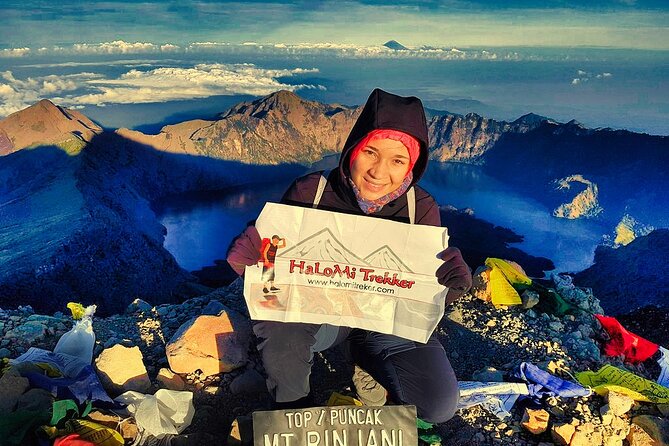
- Two-day summit focus with a night camping on the crater rim
- Arrival waterfall time at Sindang Gile and Tiu Kelep before the big climb
- Guide + photographer support so you’re not just hiking in silence
- Meals and bottled water included during the trek, plus tea or coffee
- All the key fees covered (national park and Reef Tax), not just logistics
- Free Gili boat transfer after the trek to extend your island days
Rinjani in 2 Days: The Real Shape of This Summit Trek
You’re signing up for a short window and a high payoff. Mt Rinjani isn’t a casual hike. In this setup, you’re moving from Sembalun toward the summit, camping overnight on the crater rim, and then turning around for the walk down toward a village area.
The “private” part matters more than it sounds. Since it’s only your group, your pace and timing usually depend less on random group bottlenecks. That can help when you’re trying to manage breathing on steep sections, or when you need a quick rest stop without disrupting a bigger crowd.
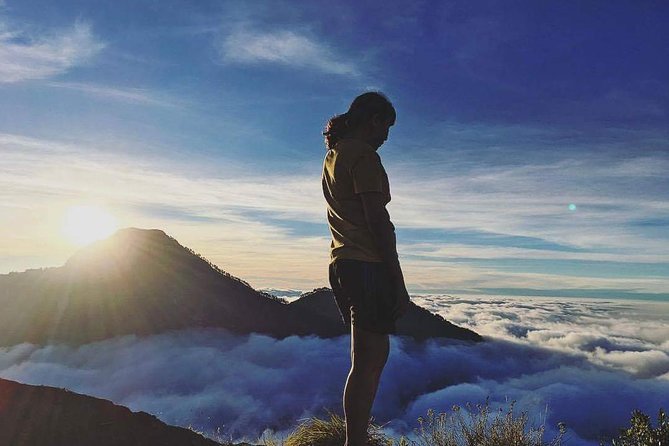
Also, the schedule is built around you getting visibility at the right time of day. One highlight that keeps showing up is reaching the summit at sunrise. That’s not guaranteed in every mountain moment, but it’s clearly part of what your guide aims for, and it’s why the trek’s nighttime push exists in the first place.
The bottom line: if you want a compact summit experience with support and meals handled, this format is a strong match. If you want a leisurely, multi-day acclimation slog, you might find the 2D/1N timing too intense.
How Day 1 Works: Briefing, Waterfalls, and Getting Your Bearings
Day 1 starts with a meeting at 8:00 am, then a briefing. That briefing step isn’t just paperwork. On Rinjani, it’s where you learn what the guide expects from you: how you’ll move, what to prioritize for warmth and energy, and how the group handles camp basics.
After that, you get a waterfall outing at Sindang Gile and Tiu Kelep. This is a smart add-on. You start your Rinjani journey with something scenic and water-based, which helps break the mental load before the harder climbing days. You’ll also get a sense for trail conditions—often uneven, often damp—so you can think about footwear and traction before the summit section.
Practical take: waterfalls are fun, but they can also mean slippery rocks and muddy edges. Even if you don’t have full trekking boots included, you’ll be happiest if you show up with shoes you can trust on wet ground and a quick-dry plan for socks.
Day 2 From Sembalun: The Pace-Setting Climb to Crater Rim Camp
Day 2 is the day you start the main trekking rhythm: moving from Sembalun toward the crater rim campsite at Sembalun level. In a 2-day summit format, this day usually feels like the “work day.” You’re still finding your legs, but you’re also stacking up the effort you’ll spend later in the early-morning summit pull.
What I like about this structure is that you end the day right where you need to be. Camping on the crater rim turns the overnight into more than a rest stop. It’s part of the summit plan, and it’s part of what makes the experience feel dramatic rather than rushed.
Gear note based on what isn’t included: you’ll want to plan for night practicality. A head lamp isn’t included, and that matters because you’re going to need light around camp and during early timing. Also, a trekking jacket and trekking shoes aren’t included, and people who pack wrong tend to suffer most during the cold hours.
One more practical detail you should think about: how much you actually carry. Some climbers reported that they carried personal items while the porters handled tents and larger camp loads. That’s a big deal for comfort. You’ll likely feel better if you pack light, keep your essentials easy to reach, and trust the team with the heavy logistics.
Day 3: Summit at Sunrise, Then Down to the Village
This is the day you’ve been waiting for: the hike up to the summit and then the walk down toward the village. If you’re aiming for the classic sunrise moment, you should expect early starts and a lot of effort concentrated into a smaller time window than you’d get on longer treks.
The summit push is also where weather and your body’s signals matter most. One safety concern was raised about a hypothermia situation near about an hour from the summit. You don’t need panic, but you do need seriousness. Pack warmth, move steadily, and tell your guide early if you feel cold, shaky, or unusually drained. On a mountain schedule like this, waiting too long can turn a manageable problem into a bigger one.
The payoff is real. Multiple guides and teams are praised for reaching the summit at sunrise, and for taking care of climbers in the hardest stretches. Names you may see associated with strong performance include guides like Wir, Adi, Mul, Eddie, Andy, and Edi, plus porters such as Wirnadi and Jitrani in one account. You can’t guarantee the exact team you’ll get, but you can use this as a hint: the operator seems to staff experienced people who know how to manage the rhythm of a summit day.
And when you finally start coming down, don’t underestimate it. Descents can be rough on knees and calves, even when your heart is relieved. A “successful summit” is only half the story—finishing the walk down is the other half.
Camp, Food, and Water: What You Get and What You Must Bring
This package covers a lot of the practical mountain stuff. Included items list meal service during the trek (breakfast, lunch, and dinners), plus snacks and coffee and/or tea. Bottled water is included, and the overnight accommodation is part of the trek package.
That’s the value: it reduces decision fatigue. You don’t need to calculate mountain calories or carry a heavy food system. It also means your guide and camp team can keep you on schedule.
Where you need to be ready is what’s not included. You’ll want to bring:
- head lamp/hand torch
- trekking shoes
- trekking jacket
- small backpack/daily pack (and also a small bag / daily pack type item)
- long pants/trousers
If you skip those, you may end up renting or improvising on-site, and that can turn a hard climb into a messy one.
One detail worth noting from how porters operate in practice: food preparation and camp setup can be intense. In accounts of this trek, meals were praised as hearty and well organized. That aligns with the broader idea that your energy needs to be managed day to day, not just during the summit.
Guides and Photo Support: Having Help You Can Actually Use
This trek includes a driver/guide, a local guide, a professional guide, and a professional photographer guide. That sounds like a lot of roles, but what it usually means for you is simple: someone is handling navigation and group control, and someone is handling photos during the most important moments.
If you like mountain photos but hate slow, awkward picture stops, this kind of structure can work well. Your guide can time movements, and the photographer can capture the moment without you losing your place in the line too long.
Some climbers gave specific shout-outs to guides by name. If you want to request someone, you might try asking for Hendri (one recommendation was straightforward: ask for Hendri). You can’t control everything, but it’s a reasonable request if the operator can accommodate it.
Also, keep an eye on the human side. Guides and porters are repeatedly praised for being attentive and for making sure people feel safe and together. That matters on a climb where everyone’s body reacts differently, especially in colder morning hours.
The Waterfalls Add-On and What It Does to Your Mood
The waterfall stops—Sindang Gile and Tiu Kelep—aren’t just random scenery. They act like a reset before the summit effort. You get movement, views, and a break from the “only one goal” mindset.
A balanced plan like this can keep you mentally fresh. When you’re gearing up for a sunrise summit, it helps to start with something that feels rewarding without the same level of suffering.
Just remember the trade-off: waterfall time adds an extra block of activity on Day 1. If you’re the type who burns out early or you’re sensitive to long days, you’ll want to keep your energy and hydration steady from the first morning.
Pickup, Drop-Off, and How Gili Fits After the Summit
The logistics here are a big part of the value. You get hotel/port pickup and drop-off, plus transport by private vehicle. The driver can collect you from Lombok the day before departure and drop you at your next mainland Lombok destination after the trek—anywhere that works for you on the island.
Then, on departure, there’s a free bonus: a boat transfer to Gili Island after the trek. That’s one of those smart moves that keeps your holiday flowing instead of turning the end of the climb into a separate travel project.
Why this matters: after Rinjani, you’re likely tired. Having a known path to Gili reduces stress. You can switch into recovery mode faster—slow beach time, easy meals, and the mental satisfaction of having completed the hard part.
Price and Value: What $280 Covers in Plain Terms
At $280 per person, you should judge this trek by what’s included, not by what you’re hoping for.
Included value signals:
- national park fees and local taxes
- Environmental Management Charge (Reef Tax)
- meals (breakfast, lunch, and dinners during the trek)
- bottled water plus coffee/tea and snacks
- camping and overnight accommodation
- professional guide support plus a photographer guide
- hotel/port pickup and drop-off plus private vehicle transport
- free Gili transfer after the trek
So your cost isn’t just “someone leads you up a mountain.” It’s more like a structured package where the operator manages a lot of the friction points: fees, food, camp, and movement between Lombok and your next stop.
What isn’t included is also important: trekking shoes, jacket, head lamp, and a small daily pack aren’t covered. That’s normal for hikes, but it’s still your responsibility. If you already have your gear, you’ll feel the deal more clearly. If you need to buy everything new, budget that in.
Who This Trek Suits Best (And Who Might Struggle)
This experience says most travelers can participate, but the reality is still mountain physics.
You’ll likely love it if:
- you want a focused summit goal in a short time window
- you prefer having meals and camp logistics handled
- you like the idea of a private group for steadier pacing
- sunrise summit moments matter to you
You should think twice if:
- you’re not comfortable with sustained steep effort for a summit day
- you don’t have proper cold-weather layers and night light (head lamp)
- you dislike rough footing on wet trails
This is a great choice for active couples, friends traveling together, and hikers who like structure and support. If you’re a beginner, you can still potentially do it, but you’ll need to be honest about your fitness and bring the right gear so you’re not fighting avoidable problems.
Should You Book HaLoMi Trekker’s 2D/1N Summit Trek?
If you want a compact Mt Rinjani summit plan that handles the hardest logistics—meals, water, camping, fees, guide support, and the Gili finish—this package is a strong option. The high recommendation rate and frequent praise for guides and porters suggest the experience is often well run, with enough attention to safety and pacing to get people to the summit.
I’d book if you’re ready for effort and you pack like a summit climber, not a sightseeing traveler. Bring the items that are not included (especially head lamp, jacket, trekking shoes, and long pants). And if you’re sensitive to cold, plan extra layers and tell your guide quickly if you feel off.
One more practical note: the experience is non-refundable and cannot be changed for any reason. So you’ll want to feel confident in your dates and health before you commit.
FAQ
What time does the trek start?
The meeting time is 8:00 am.
How long is this Mt Rinjani experience?
It’s a 2 days 1 night summit trek, with the overall experience listed as approximately 3 days due to the added waterfall and island transfer.
Is pickup and drop-off included?
Yes. There is hotel/port pickup and drop-off, plus transport by private vehicle, and pickup can be arranged from Lombok the day before departure with drop-off afterward.
What does the tour include for food and drinks?
During the trek you get breakfast, lunch, and dinner (plus coffee and/or tea, snacks, and bottled water). Alcoholic drinks are not included.
Do I camp overnight?
Yes. The overnight part is included, and the trek includes camping on the crater rim.
Are trekking shoes and a jacket included?
No. Trekking shoes and a trekking jacket are not included, so you should bring or arrange them yourself.
Is a head lamp included?
No. A head lamp/hand torch is not included.
Is vegetarian food available?
Yes, a vegetarian option is available if you advise the operator at the time of booking.
Is this tour private?
Yes. It’s a private tour/activity, and only your group participates.
Cancellation and Changes
This experience is non-refundable and cannot be changed for any reason.