REVIEW · CAO BANG
2 Days Motorbike Tour Ban Gioc Waterfall & Mt. Angel Eye Hike
Book on Viator →Operated by Cao Bang Green Riders Adventures · Bookable on Viator
Cave, waterfall, and craft villages in two days.
This 2-day motorbike tour in Cao Bang threads together big-ticket nature stops and small, human-scale village craft work, with an English-speaking guide from Green Riders House. You’ll do short hikes, cross scenic valleys, and end each day with a homestay dinner that feels more local than staged.
What I like most is how it mixes adventure and everyday life without feeling rushed. I love the setup: helmets, basic rain gear, water, meals, and travel insurance are included, so you can focus on the road and the views. I also like that the team keeps the group small, with a max of 10 riders, which makes photo stops and pace control easier.
One consideration: you’re still riding and climbing a bit on both days, so you’ll want moderate fitness and good weather. In colder months, homestays can be chilly, so pack layers.
In This Review
- Key highlights worth planning for
- Two days in Cao Bang: what this ride is really built for
- From Green Riders House to the road: gear, timing, and how it feels
- Day 1: Núi Thủng at Mount Angel Eye and the valley hike
- A realistic note
- Day 1 after lunch: Trung Khanh valleys, viewpoints, and Truc Lam
- Day 1 night: homestay dinner and what to expect at the stopover
- Day 2: Nguom Ngao (Tiger Cave) first, then Ban Gioc raft time
- Ban Gioc waterfall: shared wonder with Vietnam and China
- Quang Uyen craft villages: steel forging, paper, and incense
- Phúc Sen forcing village: knives, scissors, and everyday metal work
- Dia Tren paper village: bark-to-paper steps and Nùng An tradition
- Phia Tháp incense sticks: watching how daily life looks in daylight
- Food, pace, and the comfort math that matters
- Price and value: is $155 fair for what you get?
- Who this 2-day motorbike loop suits best
- Should you book this Ban Gioc and craft villages motorbike tour?
- FAQ
- FAQ
- What is the duration of the tour?
- How much does the tour cost?
- Where do I meet the tour?
- Is pickup offered?
- Is the group small?
- What does the tour include?
- What is not included in the price?
- Do I need moderate fitness?
- Is there a cold-weather concern for the homestay night?
- Where does the tour end?
Key highlights worth planning for
- Ban Gioc and raft time on a transnational waterfall shared by Vietnam and China
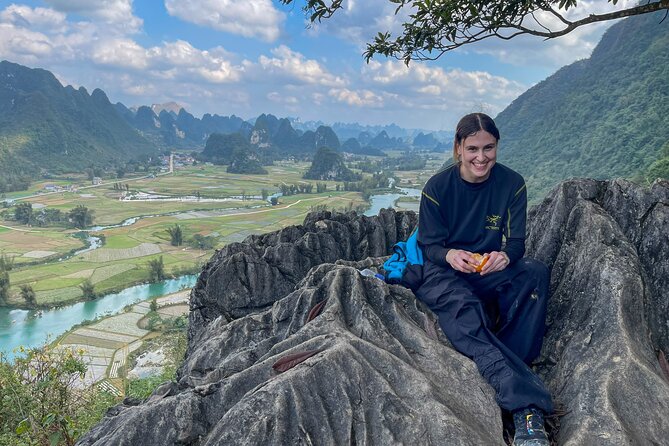
- Angel Eye hike to Núi Thủng, a through-hole mountain rising above the valley
- Nguom Ngao (Tiger) Cave with many chambers and stalactites shaped like everyday scenes
- Quang Uyen craft villages where people still make steel tools, paper, and incense by hand
- Small-group feel (up to 10) with an English-speaking guide and a common base at Green Riders House
Two days in Cao Bang: what this ride is really built for
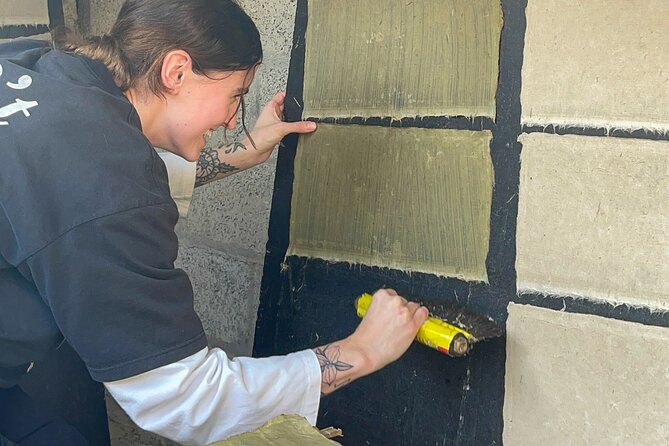
This is not a checklist tour. It’s a loop designed to get you from major nature highlights to the quieter, more personal things that make Cao Bang feel different from other parts of Vietnam.
In two days, you’ll cover the region’s signature outdoor sights—Mount Angle Eye, Nguom Ngao Cave, and Ban Gioc waterfall—then slow down in the craft villages around Quang Uyen, where you can watch the same kinds of manual work that are gradually disappearing elsewhere.
If you like motorbikes, want great scenery without doing a full multi-day circuit, and enjoy seeing how locals make things with their hands, this hits a good sweet spot.
From Green Riders House to the road: gear, timing, and how it feels
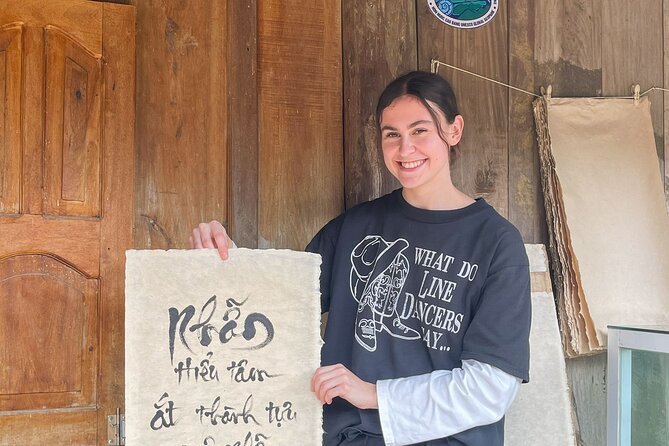
The tour starts at Green Riders House in Cao Bằng. You’re picked up at about 7:30 am, then you spend a short window getting ready—gear, paperwork, and a quick briefing—before the departure time around 8:00 am.
What matters for you: you’re not left to figure out basics on your own. Motorbikes, helmets (3/4 with visor), basic rain gear, and protective elbow and knee pads are included, plus bottled water. There’s also free storage for excess luggage, which is a small detail that makes your day smoother.
Group size is capped at 10 travelers, and that shows in how the day works. Breaks and transitions tend to be easier when fewer people are moving together, especially around viewpoints, caves, and village workshops.
Day 1: Núi Thủng at Mount Angel Eye and the valley hike
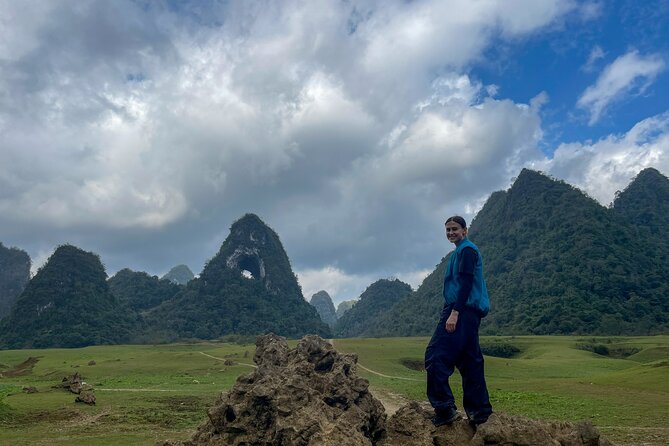
Day 1 begins with the Mount Angel Eye stop, also known as Núi Thủng (a mountain with a through-going hole). The tour typically arrives around 9:00 am, depending on weather.
If the weather cooperates, you’ll drive or walk into the valley and hike up to the eye of the mountain. The scale here is part of the wow factor: the through-hole is roughly 50 meters in diameter, and the opening sits about 50 meters above the ground. On a clear day, you also get the sense of how this landmark anchors the broader valley scenery near the Thang Hen Lake area of the Non Nước Cao Bằng UNESCO Global Geopark.
How I’d plan for this: wear shoes you trust for uphill and uneven ground. Also, bring something light but warm enough for mornings. Even in “warm” regions, mountain starts can feel cool.
A realistic note
Admission time is included here, and the day is structured so you’re not stuck waiting around. Still, if conditions are foggy or rainy, hiking enjoyment can change. This tour works best when you can actually see what you’re hiking toward.
Day 1 after lunch: Trung Khanh valleys, viewpoints, and Truc Lam
Around 11:00 am, you head to Trung Khanh for lunch, then you move through the countryside toward Phong Nam Valley and local villages. This stretch is where you notice the slower rhythms—farmers working, buffalo grazing, and long limestone mountain lines in the background.
After lunch, the route includes a hike up to a viewpoint in the Ngọc Con area. The point isn’t a hard summit climb; it’s more about getting high enough to appreciate the way the valley opens up—rice fields, villages, and a calmer river thread running through the view.
Then you reach the late-day panoramic stop: Truc Lam Buddhist temple on Phia Nham mountain, usually around 4:30 pm. From here, the payoff is huge: a wide overlook that can include the valley, Ban Gioc waterfall, and the Chinese border area.
Practical tip: late afternoon light can be beautiful for photos, but it can also get chilly. The included setup helps, but your own layers still matter.
Day 1 night: homestay dinner and what to expect at the stopover
After the temple view, you head to a nearby homestay to check in, eat dinner, and sleep overnight. This part is often where the tour shifts from scenic to genuinely personal.
From the way the program is described, the experience aims for hospitality rather than a tourist performance. That matches what you’d hope for in a craft-and-rural-focused itinerary: you’re not just driving past communities—you’re spending the evening with them.
One caution if you’re visiting cold months: homestays can be chilly because insulation is not always a thing. Pack layers you can actually wear comfortably overnight.
Day 2: Nguom Ngao (Tiger Cave) first, then Ban Gioc raft time
After breakfast, you drive to Nguom Ngao Cave, also called Tiger Cave. “Nguom Ngao” means Tiger Cave in the Tay ethnic language. You’ll typically have around 2 hours here, with admission included.
Inside, the cave is described as a set of limestone chambers, floors, stairs, and corridors with stalactites and stalagmites shaped like recognizable forms—things like a coral reef, a ship, a waterfall, an overturned lotus flower, or terraced fields. The experience is the kind where you look up, then keep looking, because new shapes show up as your eyes adjust.
Practical cave advice: wear shoes you can grip on uneven surfaces. Bring a light layer or rain shell if damp air makes you cold, even if it’s warm outside.
Ban Gioc waterfall: shared wonder with Vietnam and China
Around 10:00 am, the day moves to Ban Gioc waterfall (Detian Falls). The tour frames it as the 4th largest transnational waterfall on earth, shared by Vietnam and China.
Admission is included, and you’ll take a raft experience as part of the visit to get closer to the waterfall’s power and sound. That’s the best way to understand why this spot is a star attraction—photos don’t do “scale + roar” justice.
One detail to plan for: the tour also notes that in rainy season there may be an extra boat ride in the lake to reach the hike starting point, and that one is not included (listed as $7 for two people). So if you’re traveling during wet months, bring a little extra cash buffer.
Quang Uyen craft villages: steel forging, paper, and incense
This is the part I think you’ll remember most for the right reasons.
On Day 2, after Ban Gioc, the route continues toward Quang Uyen, focusing on traditional crafts still made by hand. Instead of just stopping at a shop, you get time in villages where the work is part of daily life.
Phúc Sen forcing village: knives, scissors, and everyday metal work
In Phúc Sen, local craftsmen forge steel manually based on long experience—starting from choosing raw materials and continuing through the forging process. You may see them make knives, scissors, hoes, and sickles, and the village is described as full of hammering sounds.
The most useful takeaway for you: this isn’t “look and leave.” It’s a working context, so it feels alive. If you like watching how something is actually made, this is where the tour earns its keep.
Dia Tren paper village: bark-to-paper steps and Nùng An tradition
Next up is Dia Tren paper village, with 65 households practicing traditional papermaking as part of the Nùng An ethnic group tradition.
The process described is detailed and multi-step. Paper is produced from the bark of May Sla (local language), and if you’re lucky, you can witness how the paper is made and hear the story behind it. You can also buy souvenirs like fans, notebooks, or sheets of paper used for writing and calligraphy.
Practical advice: if you buy paper items, ask how they’re meant to be used and stored. Handmade products can react to moisture, and knowing care helps you keep them in good condition.
Phia Tháp incense sticks: watching how daily life looks in daylight
The final craft stop is Phia Tháp, where the Nùng An people make incense sticks from natural materials. Incense is described as important in daily Vietnamese life, and on sunny days, you can even see incense drying on roads in the village.
In a tour like this, that means you’re not only learning about craft. You’re seeing craft as infrastructure—part of how a village runs from morning to evening.
Food, pace, and the comfort math that matters
Meals included are breakfast and dinner, plus two lunches during the two days. Bottled water is included too, which helps when you’re on the road and don’t want to hunt for drinks at every stop.
The pacing is built around transitions:
- Morning nature and hikes
- Midday lunch in a town
- Late-day viewpoints
- Then homestay dinner
- A second day that starts early with a cave and finishes with crafts and drop-off
This matters because a “too full” tour can feel exhausting. Here, the structure seems designed to give you breaks at natural points: after rides, during meals, and between stops with admission times or short hikes.
If you’re prone to motion sickness, you may want to take it slow in the first hour and keep hydrated. The motorbike format can feel intense early on, even when the drivers are careful.
Price and value: is $155 fair for what you get?
At $155 per person for roughly two days, the value comes from what’s bundled, not just the sightseeing.
Included items that reduce your own planning and costs:
- Motorbikes and fuel (petro)
- Helmet + visor and basic rain gear
- Protective pads (elbows and knees)
- Breakfast, dinner, and two lunches
- English-speaking guide
- Travel insurance up to VND 30,000,000 per case
- Admission tickets for key attractions (Mount Angel Eye, Nguom Ngao Cave, Ban Gioc)
- Free storage of excess luggage
- A free dorm bed if you arrive by night bus between 4:00 and 8:00 am at Green Riders House
Then there are optional upgrades and add-ons:
- Easy rider option is listed as +$20/person (if you want that arrangement)
- Private car option +$45
- Private room +$10/day
- Tips are not included
My take: the price is fair if you want the full package—rides, guide, meals, and major admissions—without piecing everything together. It’s also a better deal if you travel with friends, because a small-group setup tends to keep the experience personal while still sharing cost.
Who this 2-day motorbike loop suits best
This tour fits you if:
- You want a short North Vietnam taste that feels more grounded in rural life
- You enjoy motorbike travel or at least want it to be organized and safe
- You’re happy doing short hikes with moderate effort
- You care about crafts and don’t just want pretty photos
It may be less ideal if:
- You hate riding for long stretches and want slower days
- You’re extremely sensitive to cold at night
- You need a very low-activity vacation
If you’re the kind of traveler who likes conversations, watching hands at work, and then rewarding outdoor views right after, you’ll likely click with this route.
Should you book this Ban Gioc and craft villages motorbike tour?
I’d book it if you want Cao Bang to feel human, not just famous. The mix of Nguom Ngao Cave, Ban Gioc waterfall, and the craft villages at Quang Uyen gives you variety across two days, and it’s supported by the practical inclusions—gear, meals, and insurance—that make the whole loop less stressful.
Do it with a weather mindset and a layers plan. Bring warm clothing for evenings, wear grippy shoes for the hikes, and keep some extra cash for the specific rainy-season boat transfer if your dates fall in wet conditions.
If that’s your style of travel, this is a strong choice.
FAQ
FAQ
What is the duration of the tour?
It runs for about 2 days.
How much does the tour cost?
The price is listed as $155.00 per person.
Where do I meet the tour?
The start meeting point is Green Riders House Cao Bằng – Motorbike Rental & Tours.
Is pickup offered?
Yes. Pickup from your hotel or homestay is offered, with pickup around 7:30 am.
Is the group small?
Yes. The tour has a maximum of 10 travelers.
What does the tour include?
It includes breakfast and dinner, two lunches, bottled water, motorbikes plus fuel, helmets with visor, basic rain gear, protective elbows and knees, free luggage storage, travel insurance (up to VND 30,000,000 per case), and an English-speaking guide. Admission tickets are included for Mount Angel Eye, Nguom Ngao Cave, and Ban Gioc waterfall.
What is not included in the price?
Not included are tips/gratuities, alcoholic beverages if not provided by a third party, a rainy-season lake boat ride to the hike starting point (listed as $7 for two people), and optional upgrades like easy rider, private car, or private room.
Do I need moderate fitness?
Yes. The tour is listed as suitable for travelers with moderate physical fitness level.
Is there a cold-weather concern for the homestay night?
The tour information does not specify temperatures, but night temperatures can be cold in some seasons, and you should plan to bring layers for sleeping.
Where does the tour end?
It ends back at the meeting point in Cao Bằng (Green Riders House).