REVIEW · VIKOS AOOS NATIONAL PARK
Vikos Gorge Beloi Viewpoint 3-Hour Hike
Book on GetYourGuide →Operated by Hikes 4 All · Bookable on GetYourGuide
A balcony above Vikos Gorge is a serious reward for modest effort. This hike takes you to the Beloi viewpoint for wide-open panoramas, then adds a slice of Zagori walking history with the old Vradeto rocksteps—all with a guide who keeps things moving at an easy family pace. I love the way the gorge views pop quickly, so you get that wow feeling without a full-day commitment. I also like that you walk real, traditional stone paths—what used to connect Vradeto to the outside world. One consideration: this route isn’t suitable for wheelchair users, and it can be a hard miss if mobility is limited.
You’ll be in good hands with an English/Greek live guide, and experienced leaders like Nikos and Lazaros are specifically praised for pacing and for practical hiking help (including coaching hiking-pole use). The route is positioned as one of the easier hikes in the Pindus Mountains, which matters if you’re traveling with kids, or if you just don’t want to white-knuckle every step.
You start near the Chapel of Profitis Ilias, walk through Pindus-style terrain with limestone and dolomite scenery, then wind back to Vradeto for a short coffee break at a traditional kafenion with a photo exhibition. After that, you finish with the famous Vradeto rocksteps and end near Kapesovo for your transfer back.
In This Review
- Key things to know before you go
- Beloi Viewpoint: Why Vikos Gorge Feels So Big
- The 3-Hour Plan From Profitis Ilias to Beloi
- Vradeto Rocksteps and Skala Steps: Walking a Link That’s Still There
- The Flora and Fauna Angle: What You Can Actually Notice
- Coffee in Vradeto: A Real Break Before the Final Steps
- Price and Value: Is $106 Worth It?
- Comfort Checklist: Shoes, Bags, and the Pace That Keeps Kids Happy
- Who This Hike Fits Best (and Who Should Skip It)
- Should You Book the Vikos Gorge Beloi Viewpoint Hike?
- FAQ
- Where is the meeting point for the hike?
- How long is the hike?
- How far do you walk?
- What’s the main destination?
- What’s included in the price?
- What’s not included?
- What language will the guide speak?
- What should I bring?
- Are there restrictions on luggage?
- Who is the hike not suitable for?
Key things to know before you go
- Beloi viewpoint first, big views fast: plan on panoramic gorge views as the main payoff.
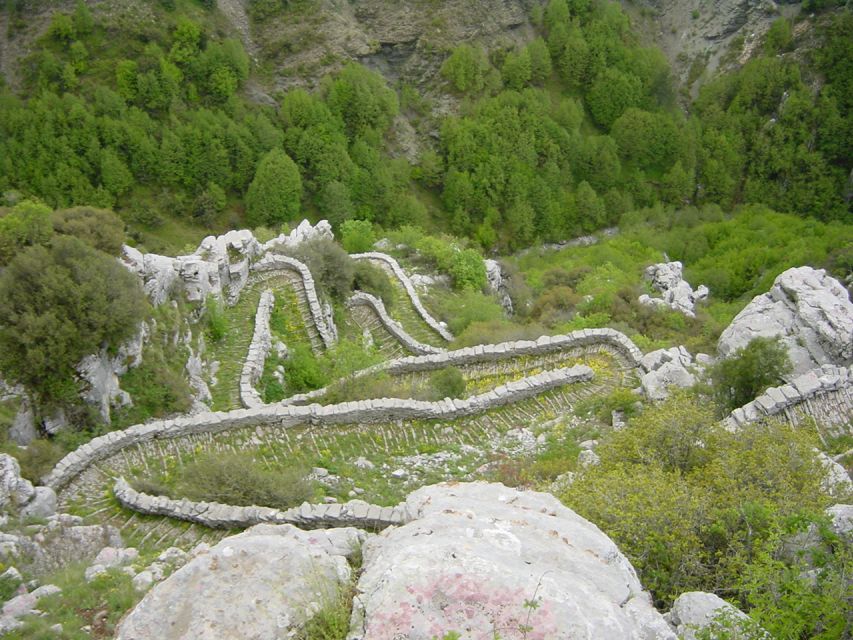
- A real stone walkway, not just a trail: the Vradeto rocksteps are part hike, part living history.
- Easy by Pindus standards: it’s described as one of the easiest routes in the area, great for families.
- Short total distance: about 3.5 miles (6 km) over roughly 3 hours.
- Coffee + local atmosphere: a kafenion stop with a photo exhibition breaks up the hike.
- Transport is included twice: you get shuttles from the meeting point to the start and back again.
Beloi Viewpoint: Why Vikos Gorge Feels So Big
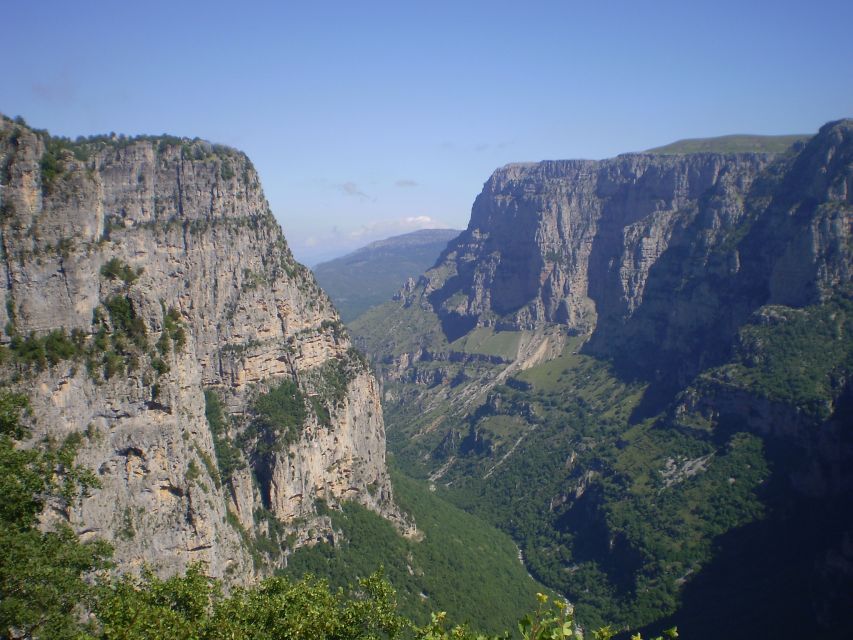
The star of this hike is the Beloi viewpoint—your balcony over Vikos Gorge. What I like about this kind of stop is the timing: instead of spending hours just getting to elevation, you’re guided to the views at a pace that works for real-world family travel.
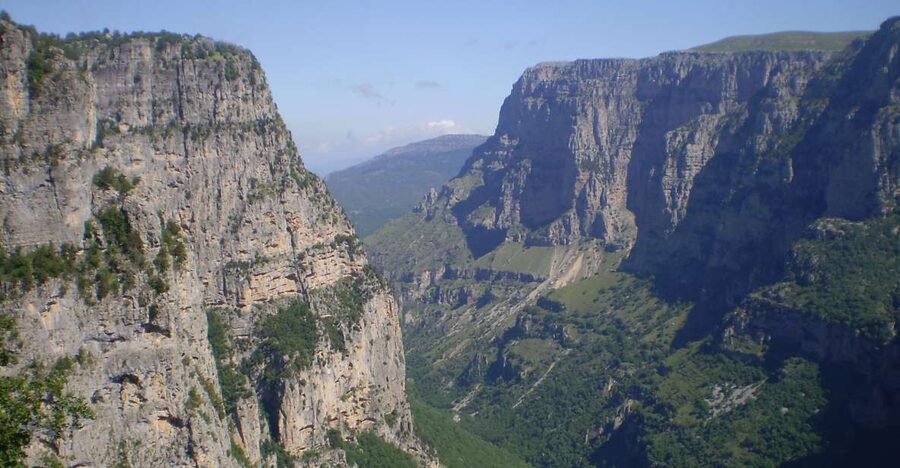
From Beloi, you can take in the gorge’s long stretch of dramatic limestone and dolomite rock. The tour is built around panoramas of the entire length of Vikos Gorge, and that matters because it changes how you understand what you’re looking at. It’s not just a cliff-edge moment—it’s the scale of the gorge reading like a whole system.
If you’re the type who enjoys geology without getting lost in textbook details, you’ll still get something satisfying here: the way the rock layers and gorge walls frame the view. And if you’re traveling with kids, this is one of those hikes where the scenery earns its keep quickly.
You can also read our reviews of more hiking tours in Vikos Aoos National Park
The 3-Hour Plan From Profitis Ilias to Beloi
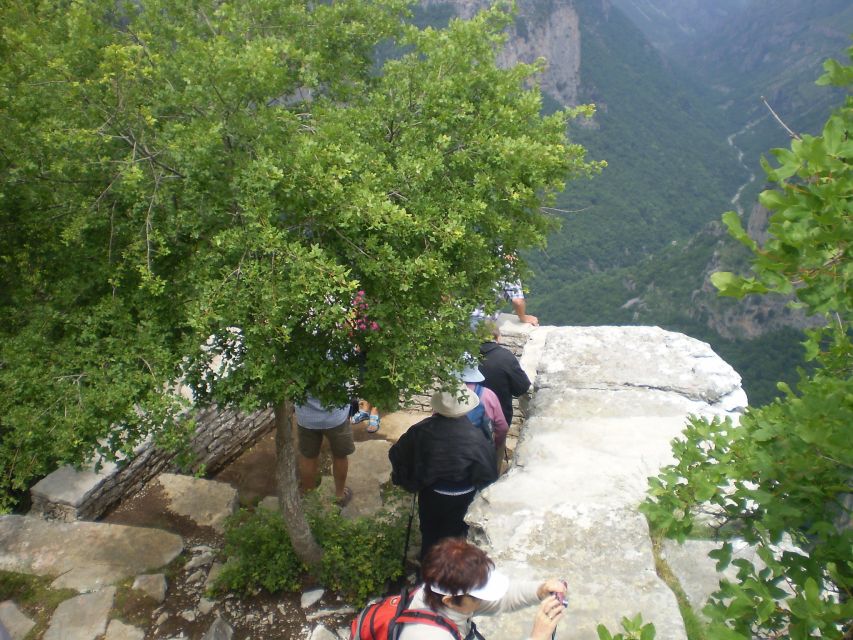
The hike runs about 3 hours total and covers roughly 3.5 miles (6 kilometers). You’ll get transportation from Vradeto village to the start area near the Chapel of Profitis Ilias, which is a smart setup when you want to focus on walking and not on logistics.
From there, you’ll follow a traditional stone path through the Pindus Mountains toward the Beloi viewpoint. The route is described as “light” and family-friendly, and that’s the point: you’re not signing up for a technical scrambling day, but you are walking an honest trail with real footing.
Along the way, you’re meant to notice the area’s fauna and flora—especially the mix of vegetation described as virgin in character. Even if you don’t become a plant-name person, you’ll still feel the difference between a managed park path and a more natural hillside corridor.
A practical reality: because the experience is short, you’ll want to treat the hike like a “fresh legs” activity. Bring comfortable shoes (not fancy sandals), and don’t over-plan your timing if you’re already tired from driving in. The guide is there to match the pace to the group, but your footing choices are still on you.
Vradeto Rocksteps and Skala Steps: Walking a Link That’s Still There
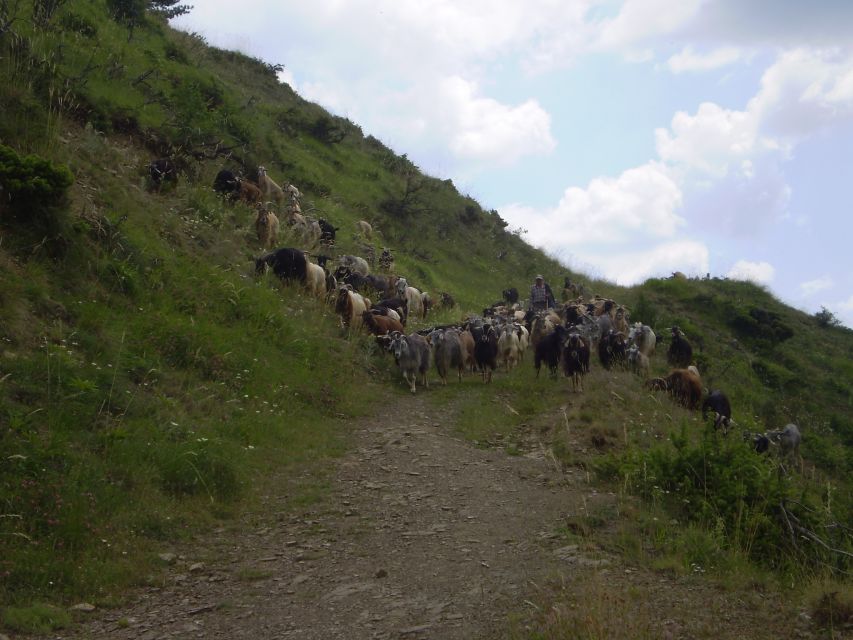
After the viewpoint, the tour brings you back to Vradeto for a short coffee break, and then the famous rocksteps come into play. The Vradeto rocksteps are more than scenery; they’re the walking link that used to connect Vradeto to other settlements. That historical purpose changes how you experience the stone under your feet.
The tour includes time to walk these rocksteps in a way that’s not just photo-stop hopping. Guides praised for good pacing have specifically slowed down for rougher step sections (including areas people call Skala Steps), which is a big deal if you’re walking with older parents or kids who get fidgety when the trail turns step-heavy.
What you’ll likely feel is a rhythm: step, breathe, look ahead. That rhythm is exactly what makes this portion worth it. You get a sense of effort without turning the day into a grind, and you finish with the satisfying feeling that you actually walked a route tied to how people lived here.
One more consideration: it’s not marketed as steep-exposure climbing, but it is still a steps-and-stone experience. If you’re cautious with uneven footing, you’ll be happiest with a steady pace and a guide who understands group stamina.
The Flora and Fauna Angle: What You Can Actually Notice
This hike doesn’t ask you to “find wildlife” like a safari. It’s more grounded than that. The tour frames the walk as an experience with stunning flora and fauna in what’s described as the world’s deepest gorge area.
So instead of expecting a guaranteed animal sighting, expect a better sensory kind of noticing. You might find yourself slowing down at the edges of the trail to look at how vegetation handles limestone and the gorge-influenced microclimate.
Also, because the route is relatively short, your attention stays fresh. You’re not trudging for hours in a sameness loop, so it’s easier to actually look around instead of just staring at the ground to avoid tripping.
This is one of those hikes where the guide can help you translate what you’re seeing into something you understand—like why certain plants grow where they do, or why the gorge setting shapes the living space. If that’s your thing, you’ll appreciate how some guides focus on explanation, not just direction.
Coffee in Vradeto: A Real Break Before the Final Steps
Back in Vradeto, you’ll get a short coffee break at a traditional kafenion. The important detail isn’t the caffeine—it’s the reset. After time on the trail, a warm drink and a chance to sit makes the remaining rocksteps feel manageable instead of exhausting.
There’s also a photo exhibition visible there, which turns a simple stop into a cultural interlude. It’s a nice way to “land” the day in the village context before you continue walking.
If you’re traveling as a family, this is the smart pacing choice. Kids who start flagging often perk up during a break, and adults get a moment to regroup without the stress of hunting for food while you’re supposed to be meeting a group schedule.
Keep it low-key: grab your coffee, use the restroom if needed, and don’t turn the break into a long sit-down that throws off your energy for the steps portion.
Price and Value: Is $106 Worth It?
The price is listed at $106 per person for about a 3-hour experience. On paper, it might look like “just a hike,” but you’re paying for a few practical things that add up fast in Greece’s more rural areas.
First, you’re getting a professional trekker leader who handles pacing, route flow, and the interpretation that turns scenery into an actual experience. Second, transportation is included from the meeting point to the start area and then back again at the end. For places like Vradeto and the surrounding Zagori network, that transport piece can be the difference between a smooth day and a frustrating one.
Third, the hike is designed as a family-friendly option: shorter distance (about 6 km), manageable time, and a structured itinerary with a built-in break. That structure is part of the value, not just a convenience.
So for who it’s worth: if you’d otherwise be driving around, guessing trail connections, and trying to piece together a safe, meaningful route, this kind of guided, transport-supported hike is often better value than you’d expect.
For who might feel it’s not worth it: if you’re an experienced hiker who wants total freedom and you already know the route well enough to navigate comfortably on your own, the guide and shuttle components are what you’d be paying for. In that case, you might compare against the cost of your own transport and how much you personally value structured storytelling.
Comfort Checklist: Shoes, Bags, and the Pace That Keeps Kids Happy
You’ll want comfortable shoes—that’s the only clothing requirement spelled out, but it’s not optional advice. Rock and step paths need grip and support, and a “looks fine in town” shoe can become misery on stone.
There’s also a rule that luggage or large bags aren’t allowed. That’s a blessing for some travelers because it keeps the day light, but if you’re packing for a full day in Zagori, make sure you travel with only what you need for the hike and that you can keep it contained.
What about hiking poles? The tour data doesn’t claim poles are provided, but guides such as Nikos have been praised for lending hiking poles to help with knee comfort and for showing how to use them properly. If you own poles, you’ll probably be glad to bring them. If you don’t, at least know that some leaders are comfortable adjusting to knee comfort needs.
Finally, pay attention to pace. This hike is positioned as one of the easier options in the Pindus Mountains, but “easy” still means you’ll walk and climb steps. The guide’s job is to keep the group together and slow down when needed—especially down more step-heavy sections.
Who This Hike Fits Best (and Who Should Skip It)
This experience is designed for the entire family and is described as one of the easiest routes in the Pindus Mountains. That makes it a good choice if you want a standout gorge viewpoint without a half-day of intense hiking.
It’s also a solid pick if you enjoy combining nature and culture in one outing: viewpoints, traditional stone paths, a village coffee pause, and an end that keeps you from backtracking.
But it’s not for everyone. It isn’t suitable for pregnant women, people with mobility impairments, or wheelchair users. The presence of rocksteps and uneven stone paths is the practical reason behind that limitation, so don’t try to force it.
If your group includes anyone who gets uncomfortable on steps, plan for extra patience and a steadier pace. You’ll likely enjoy it more if expectations match what the route actually is: a short hike with stone steps, not a stroller-friendly walk.
Should You Book the Vikos Gorge Beloi Viewpoint Hike?
Yes, if you want a high-reward viewpoint hike with a built-in culture pause and you’d rather spend your energy enjoying scenery than figuring out logistics. The combo of Beloi panoramas, Vradeto rocksteps, and a kafenion coffee stop hits a sweet spot for many families and mixed-skill groups.
I’d especially book it if you value a guide who adjusts pacing and knows how to handle step sections without turning the hike into a race. The strongest signal here is that experienced leaders (including Nikos and Lazaros) are praised for keeping groups comfortable and for being attentive when knees or energy levels need help.
I’d think twice if mobility is limited or if your group includes someone who can’t handle stone steps. In that case, you’ll likely feel happier choosing a different type of activity where the walking can be easier and more even.
If you’re staying in the Zagori area and you want one memorable half-day hike that feels connected to the place—this is one of the better bets.
FAQ
Where is the meeting point for the hike?
The meeting point is Vradeto village.
How long is the hike?
The duration is about 3 hours.
How far do you walk?
The hike is approximately 3.5 miles (6 kilometers).
What’s the main destination?
You hike to the Beloi viewpoint (the Beloi balcony of Vikos Gorge).
What’s included in the price?
The price includes a professional trekker leader, transportation from the meeting point to the start point, and transportation from the end point back to the meeting point.
What’s not included?
Insurance is not included, so you’ll need to arrange your own.
What language will the guide speak?
The live tour guide offers English and Greek.
What should I bring?
Bring comfortable shoes.
Are there restrictions on luggage?
Yes. Luggage or large bags are not allowed.
Who is the hike not suitable for?
It’s not suitable for pregnant women, people with mobility impairments, and wheelchair users.