REVIEW · PUEBLA
From Puebla: Hiking in the Iztaccíhuatl all included
Book on GetYourGuide →Operated by Unlimited Experiences Puebla · Bookable on GetYourGuide
A volcano day in Mexico starts at a trailhead. This Iztaccíhuatl hike is a long, high-altitude trek with 14 km along Paso de Cortés and a real destination at La Joya (3,900m), plus guidance that keeps you moving and thinking about what you’re seeing. I also like that you’re not just left to struggle; you get safety gear like trekking poles and an oximeter and a bilingual guide. The main thing to consider is that it’s demanding at altitude, so if you’ve got heart or respiratory issues (or mobility limits), this is likely not a good match.
You’ll be picked up from Puebla city center and driven into the Iztaccíhuatl-Popocatépetl area, where the air is crisp and the views tend to be dramatic even when the weather has other ideas. The route climbs through pine forest toward high meadows, then takes you to a panoramic viewpoint meant to connect you with both the scenery and the science of this protected volcanic region. If you’re prepared with proper boots and water, you’ll end the day with that very specific sense of having earned the view.
In This Review
- Key things I’d circle on your trip plan
- From Puebla to high altitude: what the day feels like
- The drive and registration stop: don’t treat this like dead time
- Paso de Cortés: the 14 km climb that gives you real views
- The altitude factor (and why the guide’s tools help)
- La Joya at 3,900m: where the work pays off
- Getting back down: why the descent is its own challenge
- Safety, gear, and the small rules that matter
- Guides and drivers: the difference between a tough hike and a rewarding one
- Price and value: $110 for a high-altitude, guided day
- Who this hike suits (and who should skip it)
- Practical packing checklist (what you’ll actually use)
- Should you book this Iztaccíhuatl hike from Puebla?
- FAQ
- How high do we hike on this tour?
- How long is the hike and how long is the full day?
- Is lunch included?
- Do I get hotel pickup in Puebla?
- What should I bring?
- Is the national park open every day?
Key things I’d circle on your trip plan
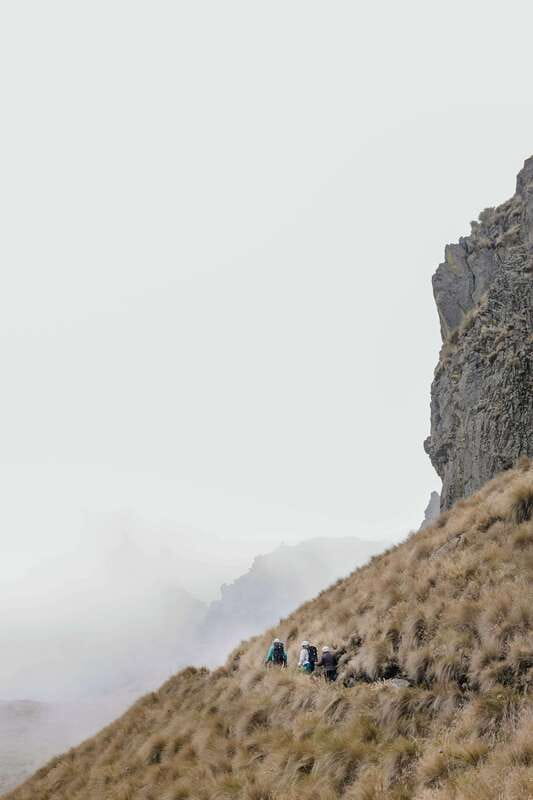
- Paso de Cortés, a historic 14 km trek with big sights of Iztaccíhuatl and active Popocatépetl
- La Joya viewpoint at 3,900m where the panorama is the payoff for the climb
- Bilingual guidance (English and Spanish) with pacing, motivation, and explanations of geology and biodiversity
- Altitude support gear, including an oximeter, first-aid kit, and helmet plus trekking poles
- Park checkpoint registration before you start, so you’re in the right system from minute one
- Important clothing rules (hiking boots required; no jeans or sports shoes)
From Puebla to high altitude: what the day feels like
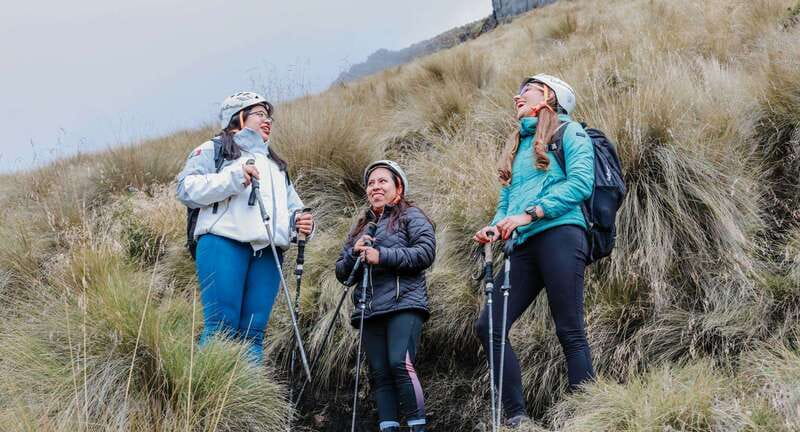
This is a full-day hike built around one simple idea: you’ll spend most of the time moving up in the Iztaccíhuatl-Popocatépetl National Park area, starting around 3,500 meters. You’re not just “walking for photos.” You’re climbing into a thinner-air world where your pace matters, your breathing matters, and your guide’s job is to keep everything steady.
Pickup is from Puebla city center, and the drive sets the tone. Even before you lace up, the volcano scenery is the warm-up act—big slopes in the distance, huge sky overhead, and that feeling that you’re leaving normal altitude behind. Once you reach the park entrance, you’ll check in at the park checkpoint before heading onto the trail, which helps the day run more smoothly than casual “meet us here” hikes.
The day’s timing is long (it runs about 11 hours), but that’s because you’re doing the real work on the mountain and then still getting back to Puebla at the end. For me, the best part of a long day like this is that it doesn’t feel rushed; you get time to breathe, stop, and look, instead of sprinting between viewpoints.
The drive and registration stop: don’t treat this like dead time
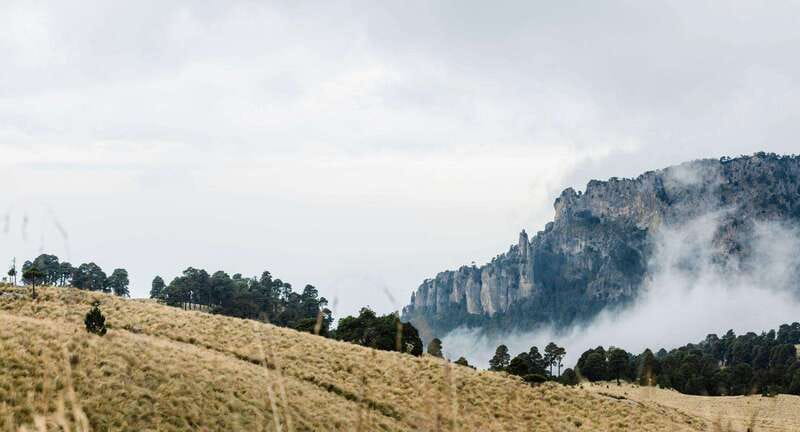
In a hike like this, the route to the trailhead is part of the experience. You’re crossing from Puebla into an environment where temperatures can drop and air feels sharper. That makes the drive feel practical, not scenic-only—because you’ll arrive with your body already settling into the altitude rather than being slammed with it right at the first step.
Once you arrive, you’ll register at the park checkpoint. It’s a small step, but it matters. It keeps you in the official flow of the protected area and helps ensure your timing, safety, and group coordination are in sync from the start. It also means you’re less likely to feel that awkward scramble you get with tours that act like check-in is optional.
This is the moment to confirm you’ve got your basics ready: water, snacks, and the right footwear. If you forget something, there’s usually no magic convenience store on a volcano pass—so it pays to do a quick personal checklist while you’re still in the vehicle.
Paso de Cortés: the 14 km climb that gives you real views
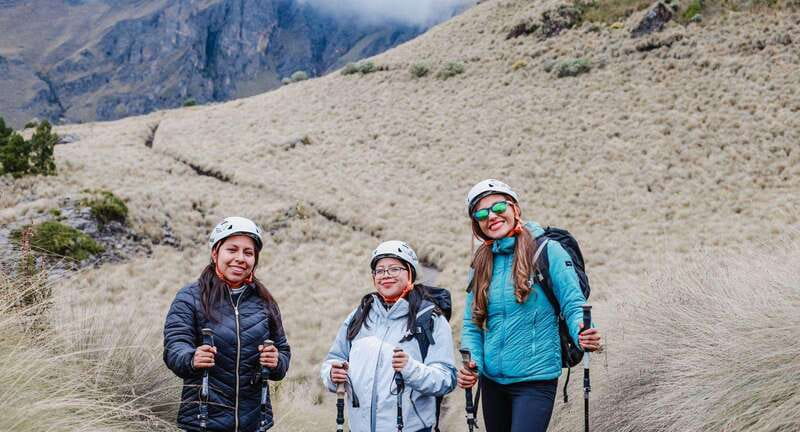
The heart of this experience is the hike along Paso de Cortés, a historic mountain pass named after Hernán Cortés. That name isn’t just trivia. It’s a reminder that people have crossed these routes for centuries, and you’re walking a line that connects geography with human movement.
The total trek is 14 km round trip (about 8.7 miles). You’ll ascend from pine forests toward high-altitude meadows, and that change in plant life is one of the best ways to understand the altitude shift. Your guide’s role here is more than “keep moving.” You’ll hear explanations about endemic flora and fauna, plus background on the area’s geology and history. It turns the walk into something you can actually learn from, not just endure.
This is where pacing matters. One of the smartest things the tour includes is motivation and support from an expert guide who sets the rhythm. In real groups, guides such as Hiram, Arron, Ariel, and Juan Pablo have been praised for combining steady pacing with strong knowledge and easygoing support. You don’t need a drill sergeant on a mountain; you need someone who helps you find your tempo.
The altitude factor (and why the guide’s tools help)
You start at a high elevation and climb higher, but the tour also includes safety tools that make the day more reassuring: a first-aid kit and an oximeter for altitude monitoring, plus trekking poles and a helmet. That doesn’t mean altitude is “easy,” but it does mean you’re not hiking in ignorance.
If you’ve never hiked above roughly 3,000 meters before, take altitude seriously even if you feel fine at sea level. Your breath may shorten, your legs may feel heavy, and you might get tempted to rush just to “get it over with.” The best approach is steady effort, frequent short pauses, and sipping water.
La Joya at 3,900m: where the work pays off
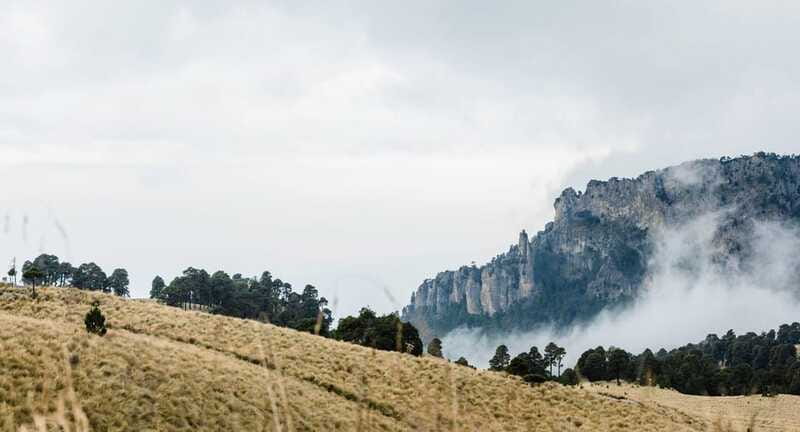
The destination is La Joya at 3,900 meters (12,795 ft). This is the viewpoint that makes the day worth it: panoramic angles on the volcanic terrain around you, with Iztaccíhuatl and Popocatépetl in the broader picture.
This part is also when your guide’s explanations start to click. When you’re standing at high altitude with a big sky and wide visibility, geology and elevation become more than words. You can better understand how volcanic landscapes shape what grows and where water and wind patterns go.
Your day includes time to rest and take photos, plus room to enjoy the scenery without feeling like you’re only doing check-the-box stops. That pause is important. The climb is physical, but the viewpoint is mental—this is where you absorb what you’ve been working toward.
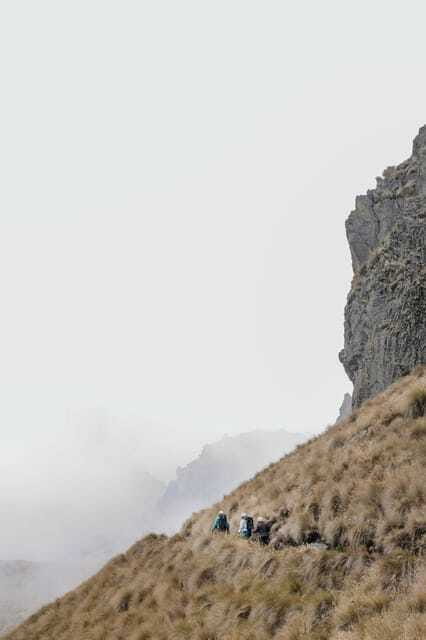
One practical note: visibility depends on conditions. On cloudy days, you may see less of the volcano outlines than you want. That’s normal on mountains. Your best strategy is to still treat the viewpoint as the main goal and keep expectations flexible.
Getting back down: why the descent is its own challenge
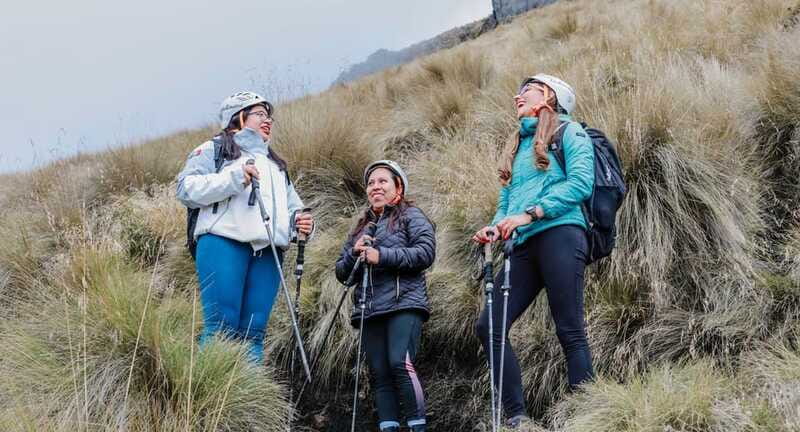
The tour doesn’t just end when you reach La Joya. After that break, you’ll descend back toward the starting point and then return by vehicle to Puebla. The descent can feel easier than the climb, but it often challenges your knees and ankles more, especially after high-altitude effort.
That’s another reason the hike includes trekking poles. They can reduce strain and help you manage footing on uneven ground. You’ll also want boots with real traction, not just something that looks good in photos. Waterproof shoes are strongly advised, because mountain conditions can shift and wet paths happen.
Even if your “viewpoint goal” is the reason you booked, pay attention to the trail safety once you start down. That’s when people sometimes get casual because the hardest part seems over.
Safety, gear, and the small rules that matter
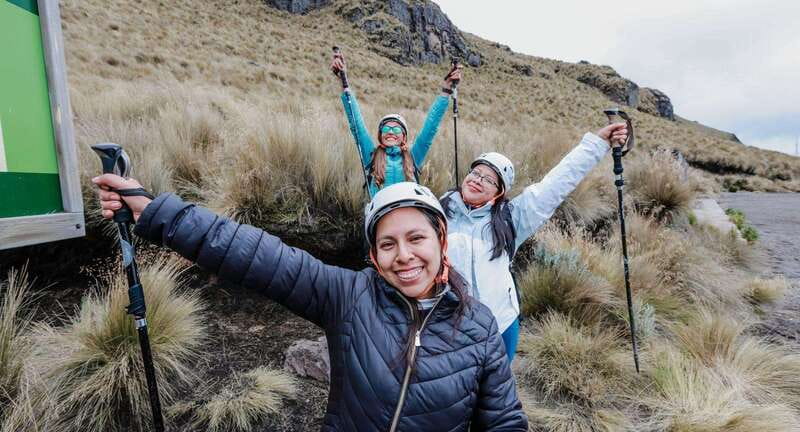
What I appreciate about this tour is that the safety setup isn’t just a vague promise. You get helmet plus trekking poles, and the team brings a first-aid kit and oximeter. There’s also adventure insurance, which is worth caring about on a high-elevation hike where weather and trail conditions can change quickly.
Now, about the clothing rules. They’re not there to be annoying. They’re there because the terrain is serious:
- Hiking boots are required. Tennis shoes aren’t suitable.
- No jeans.
- No sports shoes.
- Bring food and drinks, and water.
- Waterproof shoes are recommended.
It’s a good example of “small details that actually affect your comfort.” If you show up in the wrong footwear, the day stops being fun fast.
Guides and drivers: the difference between a tough hike and a rewarding one
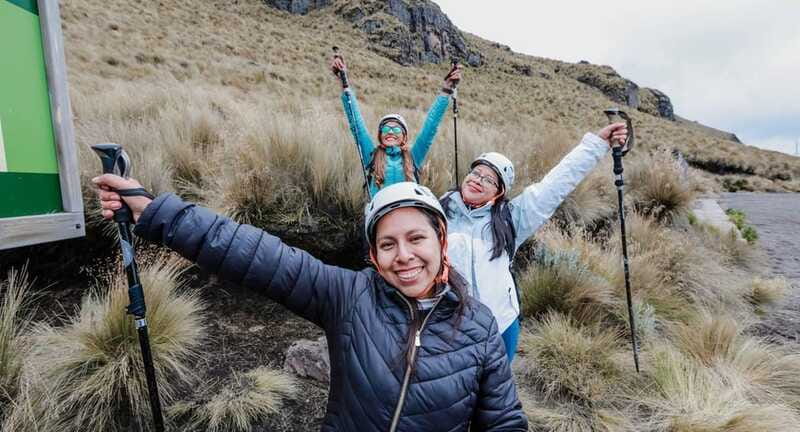
The experience depends on how the day is led. You’re getting a professional bilingual guide (Spanish and English), and their job is to manage pace, support you on the climb, and add context as you walk through changing habitats.
In groups that have gone before, guides like Hiram, Arron, Ariel, Juan Pablo, and teams including Pablo and Olivia have been highlighted for being organized and informative. You can think of it like this: on a 14 km climb at altitude, the route matters, but so does the mental rhythm. A good guide helps you keep moving without getting frantic.
Transport also matters. One driver praised in the experience was Eduardo, mentioned for bringing people safely across rougher roads. That’s not the “hiking part,” but the whole day is one system—if the transfer stresses you, the climb feels harder.
Price and value: $110 for a high-altitude, guided day
At $110 per person for a full 11-hour outing, this isn’t a bargain hike—but it also isn’t overpriced when you consider what’s included. You’re paying for:
- Hotel pickup and drop-off in Puebla city center
- Round-trip transportation
- Entrance fees and park registration
- A professional bilingual guide
- Trekking poles and helmet
- First-aid kit and oximeter
- Adventure insurance
- The guided Paso de Cortés hike plus time at La Joya
That list is the value. The altitude tools and guide support alone push this into a different category than a basic “meet and walk” tour. You’re buying guidance, safety structure, and access to the national park area in an organized format.
One caution from real booking experiences: sometimes the final price can shift if you’re traveling solo, depending on how the booking is handled. Before you lock it in, check your total carefully and confirm whether any single-person supplement applies.
Also remember lunch isn’t included, so budget for food on your own. A cloudy day can also affect visibility, but you still get the structure, the hike, and the viewpoint goal built into the day plan.
Who this hike suits (and who should skip it)
This is a serious hiking option. It’s not suitable for:
- Children under 13
- People with back problems
- People with mobility impairments
- People with heart problems
- People with respiratory issues
If you’re generally healthy and you enjoy steep, high-altitude days, you’ll likely find this rewarding. The hike is ideal for adventurers who want a clear goal, a historic trail, and a guide who explains what you’re seeing beyond just “keep walking.”
If you’re new to altitude hiking, go in with humility. This isn’t about being tough; it’s about being smart. Keep your effort steady, follow guide instructions, and don’t treat the viewpoint as a race.
Practical packing checklist (what you’ll actually use)
For a day like this, I’d keep your packing simple and mountain-ready:
- Hiking boots (required)
- Waterproof shoes recommended
- Water
- Food/snacks (lunch isn’t included)
- Weather-ready layers (the air at elevation can feel much colder than in town)
Also, don’t bring jeans or sports shoes. The rules are real, and your comfort depends on footwear traction.
Should you book this Iztaccíhuatl hike from Puebla?
Yes—if you want an organized high-altitude adventure with a real objective and the help of a bilingual guide. The combination of Paso de Cortés (14 km), the La Joya viewpoint (3,900m), and altitude safety gear like the oximeter makes this feel like a serious hike that’s also managed.
Skip it if you fall into the listed health or mobility categories, or if you don’t want to commit to proper hiking footwear and a steady pace. Also consider your weather expectations: clouds can reduce how clearly you see the volcano profile, but the hike and viewpoint time are still the point.
If you’re ready for a full day outside your comfort zone—one with big mountain air, historic trail vibes, and payoff views—this is a strong match.
FAQ
How high do we hike on this tour?
You’ll start around 3,500 meters and reach La Joya at 3,900 meters.
How long is the hike and how long is the full day?
The guided hike covers about 14 km round trip and the full tour runs about 11 hours.
Is lunch included?
No. Lunch is not included.
Do I get hotel pickup in Puebla?
Yes. Hotel pickup and drop-off are included for Puebla city center.
What should I bring?
Bring food and drinks and water, and wear waterproof shoes. Hiking boots are required.
Is the national park open every day?
The Iztaccíhuatl-Popocatépetl National Park is closed on Mondays.