REVIEW · TERCEIRA
Terceira Island: Mistérios Negros Hiking
Book on GetYourGuide →Operated by TuriAzores · Bookable on GetYourGuide
Black lava makes Terceira feel otherworldly. On this Mistérios Negros hike, you walk a circular 5 km route through volcanic domes, small lakes, and dark lava rock, ending with the climb toward Pico Gaspar. I especially like that the scenery changes as you go, not just at the start or end, and you get a real nature experience instead of a quick look-and-leave stop.
I also like the human side: the trip runs as a small group (up to 8) with a live guide who talks you through what you’re seeing. People have singled out guides such as Elisabeth, Miguel, and Leo for making the hike feel unhurried and informative.
One caution: a small number of bookings reported pickup confusion or last-minute cancellations. Most trips likely run smoothly, but I’d still keep some flexibility on your schedule and make sure you’re reachable right before pickup.
In This Review
- Key highlights worth getting excited about
- Getting To Mistérios Negros: Hotel Pickup And A Smooth Start
- The 5 km Circular Hike: How The Black-Lava Route Feels
- Pico Gaspar: The Climb That Turns The Hike Into A Real Moment
- Vegetation On Terceira: Japanese Cedar, Juniper, And Blueberry
- Birdlife And Fresh Air: The Part You Feel, Not Just See
- The Small Group And The Live Guide Difference
- Timing And Pace: A Moderate Hike That Still Needs Prep
- Price And Value: Is $84 Worth It?
- Who This Hike Fits Best (And Who Should Skip It)
- Should You Book Mistérios Negros Hiking on Terceira?
- FAQ
- FAQ
- Where does the Mistérios Negros hiking tour start?
- How long is the hike?
- What distance do you cover on the trail?
- What will I see during the hike?
- Is the hike difficult?
- What kind of vegetation and wildlife might I encounter?
- Does the tour include a guide?
- What languages are available for the guide?
- Is the tour suitable for people with mobility impairments?
Key highlights worth getting excited about
- Pico Gaspar volcano: a climb tied to an eruption from about 15,000 years ago
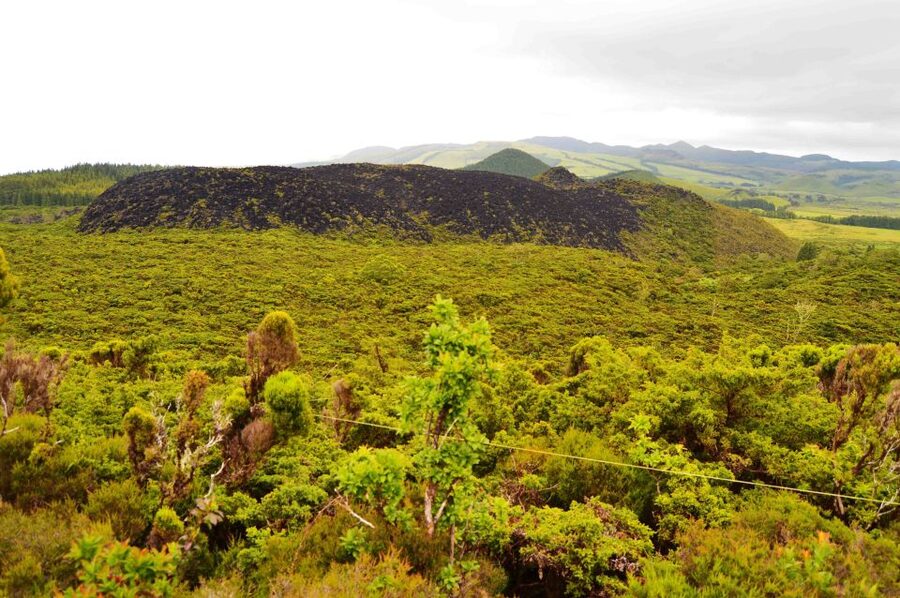
- Mistérios Negros scenery: dark lava rock that gives the area its name
- A true circular trek: 5 km with changing terrain instead of a backtrack hike
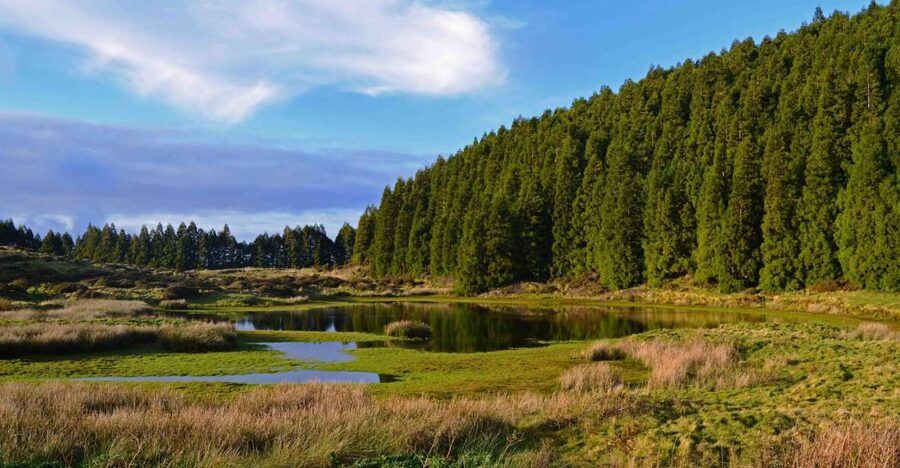
- Small lakes and volcanic domes: the landforms feel like they’re still in the making
- Native plants and birdlife: you’ll pass stands of Japanese cedar, juniper, and blueberry
- Guided pacing: small group size helps you move comfortably on a moderate route
Getting To Mistérios Negros: Hotel Pickup And A Smooth Start
This hike is built around convenience. You start with hotel pickup and drop-off from Angra do Heroísmo or Praia da Vitória, then you’re taken to the trail start. It helps if you don’t want to deal with buses, finding parking, or navigating your way across Terceira just to get onto the first stretch.
The total experience runs about 3.5 hours, with roughly 2.5 hours hiking. That’s a practical length: long enough to feel like you did something outdoors, short enough that you still have energy for dinner afterward.
One practical detail: since you’re moving through real volcanic ground and native vegetation, good footwear matters more than speed. Comfortable shoes that are secure on uneven terrain are your friend. If the forecast looks iffy, you’ll also want to think about weather and visibility. A couple of past participants noted vehicle conditions like condensation during rain, which is exactly the kind of thing that makes a difference on a damp Azores day.
You can also read our reviews of more hiking tours in Terceira
The 5 km Circular Hike: How The Black-Lava Route Feels
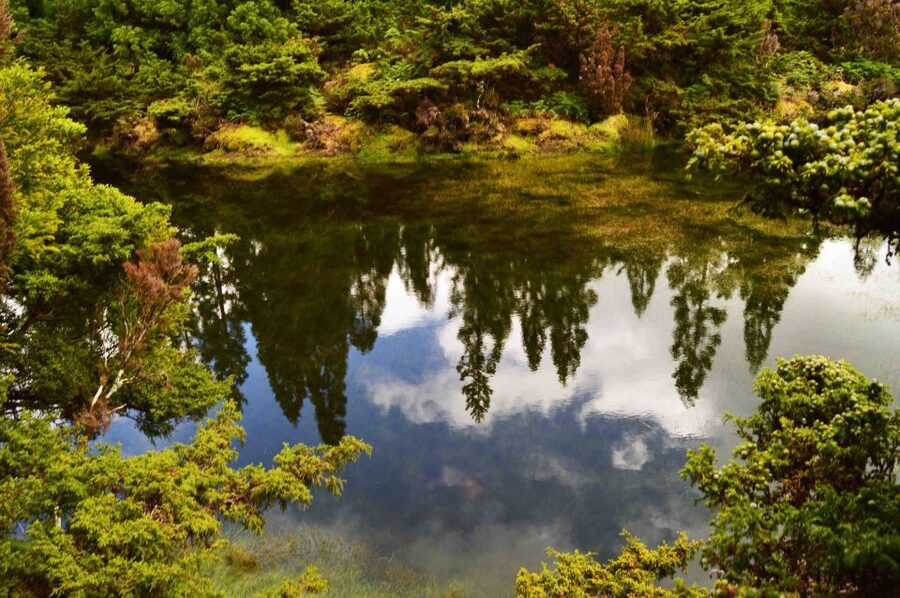
The star of the day is the Mistérios Negros trail, a moderate circular hike of about 5 kilometers. The route is designed so you don’t just walk through one kind of scenery. You’ll see multiple landforms connected to the island’s lava history, and that’s what keeps the hike mentally interesting.
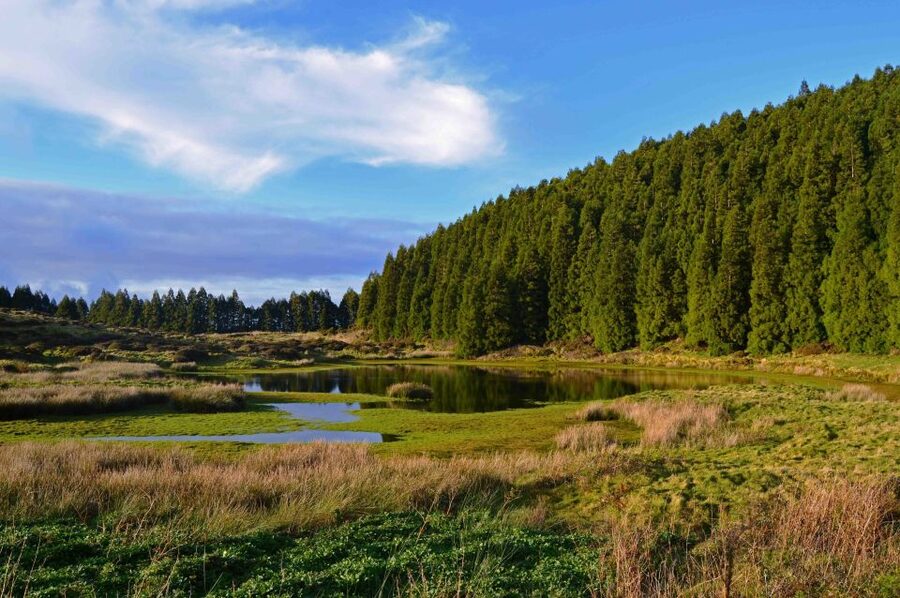
As you move along the trail, expect a mix of volcanic textures and forms. The dark lava rock creates a stark visual rhythm, and it changes how the light hits the ground and vegetation. That’s not just pretty for photos. It also helps you notice where the lava stopped, where it shaped hollows, and where the terrain gives you clues about older eruptions.
The hike includes small lakes and volcanic domes. Those features make the trail feel a bit like walking through a natural science model at ground level. You see the results of eruption and cooling, not just the idea of volcanism. If you like geology, you’ll feel rewarded quickly. If you don’t, the guide’s explanations can make it click without turning the day into a lecture.
And because it’s circular, you get a full route arc. You come out where you started, which is a relief when you’re trying to plan the rest of your day.
Pico Gaspar: The Climb That Turns The Hike Into A Real Moment
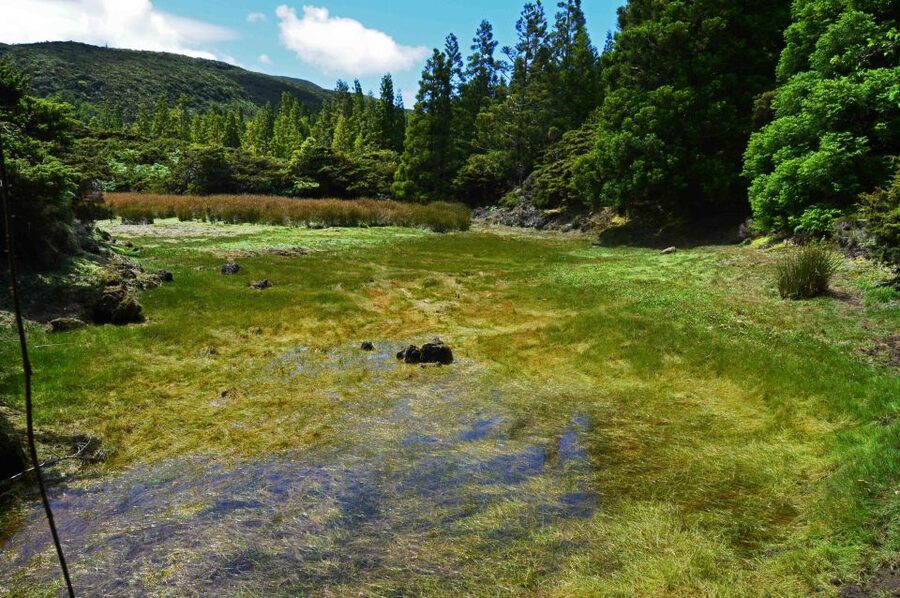
At some point you’ll head toward Pico Gaspar, a volcano associated with an eruption around 15,000 years ago. This is the section that turns a scenic walk into something you’ll remember when you’re back in town.
Why it matters: volcanoes on Terceira aren’t just historical facts. They’re part of the everyday terrain. When you climb as part of the route, you’re not merely approaching a viewpoint. You’re gaining elevation and context, which makes the volcanic features around you easier to read.
You’re also getting a sense of scale. From ground level, lava formations can look like random dark patches. As you climb, they start to arrange themselves into patterns: ridges, basins, dome-like lumps, and areas where water collects. Even if you’re not a geology nerd, the change in perspective helps you understand why this area is called Mistérios Negros and why the terrain looks the way it does.
Go at a steady pace. This is a moderate hike, and the goal is comfort, not sprinting. If you arrive sweaty and slightly breathless, that’s normal. If you push too hard early, the later segments will feel steeper than they are.
Vegetation On Terceira: Japanese Cedar, Juniper, And Blueberry
One of the best surprises on this hike is how alive the volcanic landscape feels. The trail passes through native vegetation, including Japanese cedar, juniper, and blueberry plants.
This matters because it shows you something important about islands: volcanic ground doesn’t stay barren. Over time, plants work their way in, adapt, and reshape the look and smell of the trail. You’ll likely notice the contrast between darker, tougher-looking lava areas and patches where vegetation takes hold more densely.
Also, these plants give you natural pauses. You’re not staring at rocks the whole time. The greenery breaks up the visual field and offers shade at different points, which can make a noticeable difference if the sun is strong.
If you’re the type who likes stopping to look closely, this is a good day for it. You’ll have chances to slow down and really see the mix of volcanic structure and plant life without feeling like you’re off the route or holding anyone up.
Birdlife And Fresh Air: The Part You Feel, Not Just See
You’re not only hiking across lava and domes. You’re also hiking through a living environment. The guide will encourage you to watch for local birdlife, and that’s one of those details that can quietly make the day feel richer.
Even when you don’t spot something immediately, the act of looking changes how you experience the trail. Instead of treating the hike like a photo stop, you start scanning for motion, sound, and movement between branches. That’s where the fresh country air comes in too. The Azores have a way of making outdoor time feel clean and simple.
If you want to maximize this side of the hike, bring a camera you can actually use one-handed when you spot birds, and keep your pauses short but frequent. Big long stops can be tiring, but quick still moments help you catch that wildlife “pop” that makes you smile.
The Small Group And The Live Guide Difference
This isn’t a huge bus-and-line situation. It’s a small group limited to 8 participants, and that makes your guide’s job easier too. You get time to ask questions, and you’re less likely to feel like you’re competing for attention.
The live guide is offered in English, French, Portuguese, and Spanish, which is a big deal if you want more than basic descriptions. People have praised guides such as Elisabeth, Miguel, and Leo for strong explanations and for letting the group keep a comfortable pace. In plain terms: you can usually enjoy the hike rather than being rushed from one checklist item to the next.
If you like interpretive travel (learning while you walk), this kind of guiding pays off. The volcanic features mean more when someone connects what you’re seeing to how the island formed.
One note: guides also sometimes adjust timing based on how the group is moving. If you’re the slow-and-steady type, that flexibility helps.
Timing And Pace: A Moderate Hike That Still Needs Prep
Plan on around 2.5 hours of hiking inside a 3.5-hour total block. That means you’ll cover meaningful distance, but you’re not doing an all-day endurance hike.
Your best strategy is to treat it as a steady effort:
- Start comfortable.
- Take short breaks when you need them.
- Save your energy for the sections with more climb toward Pico Gaspar.
What to bring is straightforward, but don’t wing it:
- Comfortable shoes (secure on uneven ground)
- Sun hat
- Camera
- Hiking shoes if you have them (more grip helps)
- Sunscreen
Even if it’s not blazing hot, volcanic trails can be exposed in places. Sun protection is still smart in the Azores, especially if you’re taking photos and stopping frequently.
And since you’ll be on natural terrain, avoid anything slippery or soft-soled. You want traction, not fashion.
Price And Value: Is $84 Worth It?
At about $84 per person, this hike sits in the mid-range for guided experiences on islands. Whether it’s a good deal depends on what you value.
Here’s why I think it’s priced fairly for the experience:
- Hotel pickup and drop-off reduce your stress and cost versus figuring out transport yourself.
- A live guide means you’re learning while walking, not just following a path.
- The small group size (up to 8) helps you feel included.
- You get a full circular 5 km route with distinct volcanic features rather than a short scenic segment.
If you’re traveling independently, you might hike on your own. But the guide component is what turns lava rock and plant names into something you understand in real time. For many visitors, that’s the value: better meaning, not just better photos.
The total time also fits typical holiday schedules. You’re not sacrificing a whole day, but you’re getting a real chunk of outdoor Terceira.
Who This Hike Fits Best (And Who Should Skip It)
This tour makes sense if you want:
- A guided way to see volcanic landforms on Terceira
- A moderate hike around 2.5 hours
- Native vegetation and a chance to watch for birds
- A small group experience with room for questions
It’s not suitable for people with mobility impairments, based on the nature of the hike.
If you’re a seasoned hiker, you might finish feeling like you could do more. But if you’re looking for a solid walk with strong payback in views and meaning, it hits the sweet spot.
Should You Book Mistérios Negros Hiking on Terceira?
Yes, I’d generally book it if your priority is volcanic scenery you can walk through, plus a guide who helps the terrain make sense.
Book it if:
- You want a 5 km circular hike with changing features
- You care about Pico Gaspar and the black-lava mystery behind the name
- You like learning outdoors, not just checking boxes
Consider a different plan if:
- Your schedule can’t handle potential service hiccups, since a few participants have reported pickup or cancellation issues
- You need a fully accessible option, because this one isn’t designed for mobility impairments
- You’re expecting a long, strenuous trek. This is moderate and sized for comfort.
If you go in ready with good shoes, a camera, and patience for nature’s pace, you’ll come away with a very Terceira feeling: dark lava, living plants, and a volcanic climb that turns the whole island into one big outdoor classroom.
FAQ
FAQ
Where does the Mistérios Negros hiking tour start?
You’ll get hotel pickup and drop-off from Angra do Heroísmo or Praia da Vitória, then you’ll be taken to the start of the trail.
How long is the hike?
The hike is about 2.5 hours, and the overall tour duration is about 3.5 hours.
What distance do you cover on the trail?
It’s an approximately 5-kilometer circular trek.
What will I see during the hike?
You’ll see dark lava rock in the Mistérios Negros area, small lakes, volcanic domes, native vegetation, and a climb toward Pico Gaspar.
Is the hike difficult?
It’s described as a moderate level hike.
What kind of vegetation and wildlife might I encounter?
The trail includes native plants such as Japanese cedar, juniper, and blueberry, and you can keep an eye out for local birdlife.
Does the tour include a guide?
Yes. There’s a live tour guide.
What languages are available for the guide?
The guide is offered in English, French, Portuguese, and Spanish.
Is the tour suitable for people with mobility impairments?
No. It’s listed as not suitable for people with mobility impairments.