REVIEW · CHILE
Stargazing Hiking Valle de Elqui
Book on Viator →Operated by Collasuyo Astronómico SPA · Bookable on Viator
Night skies meet Andean culture here. This 4.5-hour Elqui Valley experience blends a sunset mountain viewpoint with a guided night-sky session that connects astronomy to local tradition. You start with safety guidance at Casa Pumagui, then ease into the dark with meditation and sound therapy bowls before you learn the constellations.
I really like the fact that this isn’t just star watching. You’ll use astronomical binoculars (a Celestron 20×80 on tripod) to actually track what the guide points out, rather than just guessing at the sky. I also appreciate the cultural framing around indigenous worldview and ancestral links, so the sky has meaning beyond a quick wow.
One thing to consider: it’s not a stroller-friendly stroll. You’ll need moderate physical fitness, proper hiking shoes, and you must be on time. If you’re hoping for a super laid-back evening, this hike-and-quiet session might be more active than you expect.
In This Review
- Key Things That Make This Stargazing Hike Worth It
- Why Valle de Elqui Works So Well for the Stars
- Casa Pumagui and the Sunset Viewpoint: Start With Setup, Not Chaos
- Meditation, Sound Therapy Bowls, and Indigenous Worldview
- Learning the Andean Constellations With Astronomical Binoculars
- Astrophotography: How You Turn the Night Into a Real Memory
- Hiking Details: Pace, Shoes, and the Included Gear That Actually Helps
- Timing and Meeting Points: When the Tour Starts in Each Month
- Value for $100: What You’re Really Paying For
- Who Should Book This (And Who Might Feel Frustrated)
- Should You Book Stargazing Hiking Valle de Elqui?
- FAQ
- What is the duration of the Stargazing Hiking Valle de Elqui experience?
- Where does the tour start and end?
- What time does it run?
- Is the tour private?
- What’s included in the price?
- Do I need astronomy experience?
- What should I wear?
- How active is it?
- Is there an age limit?
- What if the weather is bad?
- Can I cancel for free?
Key Things That Make This Stargazing Hike Worth It
- Casa Pumagui safety briefing first, so you start the evening confident and calm
- Sunset viewpoint with mountain-color drama before the stars arrive
- Meditation + sound therapy bowls to slow your brain down for the night sky
- Indigenous worldview meets astronomy, so the constellations feel grounded in place
- Celestron 20×80 binoculars on tripod, built for clearer sky viewing
- Astrophotography included, so you can take home more than memories
Why Valle de Elqui Works So Well for the Stars
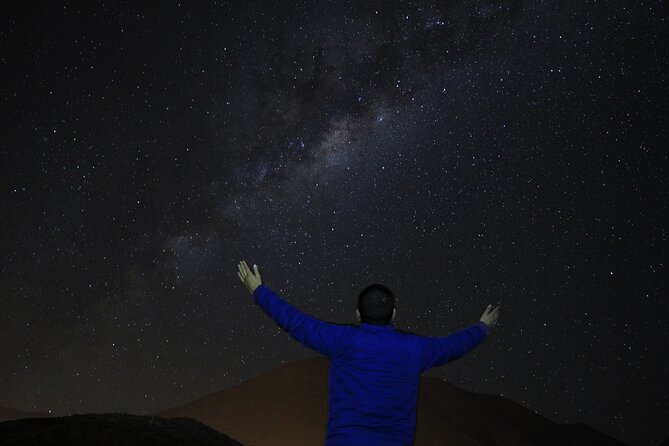
Valle de Elqui is one of those places where the sky isn’t an accessory. It’s the main event. The darkness you need for stargazing is the reason people come to this region again and again, and that makes your evening here feel different from a random lookout in town.
But what I like about this specific experience is that you don’t just show up at night and get handed binoculars. You’re guided through a sequence: light fades, your body and attention settle, and then the sky lessons start. That order matters. When you’re mentally ready, the stars feel easier to recognize and connect with.
And the cultural angle helps, too. Learning what you’re seeing is one thing. Learning why certain communities have looked at the same sky for generations is something else. This tour aims to do both.
Casa Pumagui and the Sunset Viewpoint: Start With Setup, Not Chaos
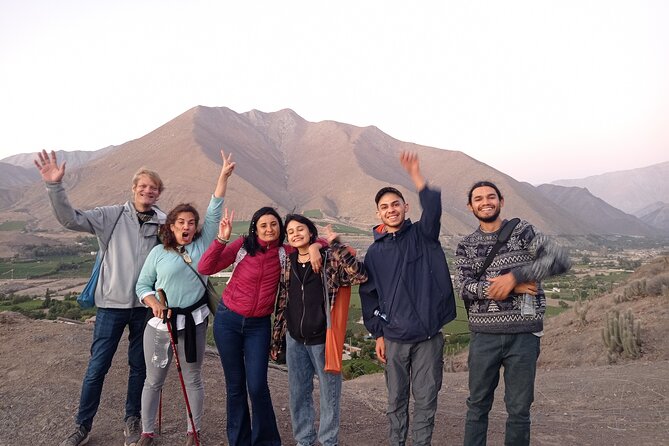
The evening begins at Casa Pumagui, where you get safety recommendations before you head out. I’m a big fan of this approach. In good stargazing experiences, you want calm and clarity early, because the rest of the night runs on attention and timing.
Next comes the viewpoint—your first real payoff. You’ll hike toward a spot with a majestic view, and you’ll watch the sunset over the mountains as colors shift across the horizon. This is more than pretty scenery. It’s practical training for your eyes: you’ll start learning how the light changes, and you’ll get your bearings before darkness takes over.
If you’re the type who hates arriving late to a plan, this tour rewards you. You’re required to arrive 15 minutes before departure, and delays of more than 10 minutes can mean you get turned away from the experience. That sounds strict, but for sunset-to-stars timing, it’s honestly necessary.
Meditation, Sound Therapy Bowls, and Indigenous Worldview
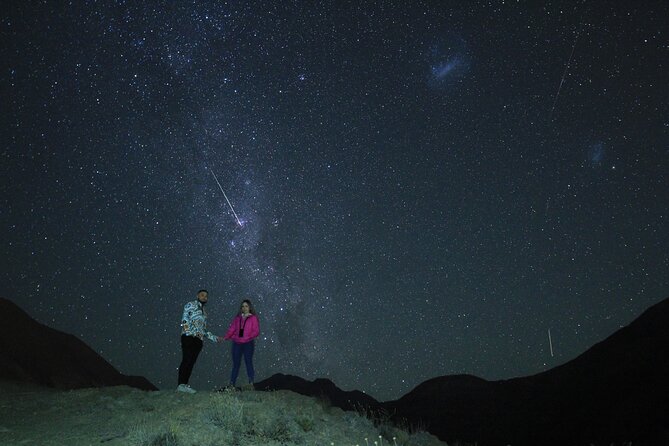
This is where the experience becomes more than a technical astronomy lesson.
After the sunset portion, you’ll start a guided session with meditation and sound therapy bowls. The bowls are used as a way to connect with the environment and settle into the night. Whether you fully love meditation or just tolerate it for better star results, the intention is clear: slow down so you can actually notice the sky instead of constantly thinking about your phone, your cold hands, or the next step.
Then the guide brings in an indigenous worldview and ancestral links between cultures and astronomy. That matters because constellations aren’t only scientific objects. They’re also stories, references, and seasonal markers in many traditions. When the guide frames the night sky this way, the constellations can feel less like random dots and more like a map with meaning.
I also like that this emotional and cultural setup happens before the technical binocular viewing. It’s easier to follow directions when you feel present.
Learning the Andean Constellations With Astronomical Binoculars
Once it’s dark enough, you’ll shift into constellation time. Your guide will guide your gaze toward the Andean constellations and explain what you’re seeing. The big tool here is the astronomical binocular setup: Celestron 20×80 binoculars on tripod.
A quick reality check: binoculars won’t magically make every star of the Milky Way jump out like a movie. But 20×80 optics are built for better views than typical handheld binoculars, and the tripod support makes a huge difference. When your binoculars are stable, you spend less effort fighting the shake and more time actually noticing structure.
This part is also ideal if you’re not an astronomy expert. You don’t need star charts or prior knowledge. The guide’s job is to point you to recognizable patterns, then help you connect those patterns to the stories being shared.
Also, this is a private tour/activity. Only your group participates, which usually means more back-and-forth and fewer issues with people wandering off or blocking each other.
Astrophotography: How You Turn the Night Into a Real Memory
You’ll have astronomical photography included, which is a big deal if you’ve ever tried to photograph stars with a phone. Phone photos can work for moonshots and occasional bright objects, but stars at night often turn into blurry noise or weak dots.
This tour includes the photography element as part of the experience, not as an afterthought. You’ll also have a portable chair included, which helps you stay seated comfortably during setup and longer moments when you’re waiting for the right conditions.
One more practical note: you’re doing this in the real world, so your best results depend on weather and darkness. Since good weather is required, you may get rescheduled if conditions aren’t right. If the sky cooperates, you’ll have a better chance of capturing the cosmos as more than just a dark sky backdrop.
Hiking Details: Pace, Shoes, and the Included Gear That Actually Helps
This is a hiking-and-stargazing evening, so the details matter.
You’re expected to have moderate physical fitness. It’s not described as extreme, but it’s also not an effortless walk. You should be comfortable hiking in the evening and staying balanced as light drops.
Wear hiking shoes. Not fashion shoes, not sandals, not anything slippery. You’ll also be given trekking poles, which is useful for stability on uneven ground. Poles can be the difference between enjoying the hike and constantly bracing yourself.
For the darker part of the evening, you’ll have a portable chair. That sounds minor until you realize you might sit and wait while the guide prepares viewing and photography moments. Comfort buys you focus.
And you’ll get coffee and/or herbal tea plus snacks. That’s a smart inclusion for an evening that lasts around 4 hours 30 minutes (approx.). Even if you don’t need food, warm drinks help you keep your body relaxed and less tense from cold.
Timing and Meeting Points: When the Tour Starts in Each Month
This experience runs in the evening, and the start time changes with the season. It’s listed as:
- January: 8:00 PM to 9:00 PM
- February: 7:30 PM to 9:00 PM
- March: 7:00 PM to 9:00 PM (Monday–Saturday)
Your meeting point is in the Vicuña area: Navarino, Peralillo, Vicuña, Coquimbo, Chile. The activity ends back at the meeting point.
There’s also private transportation for a specific leg: transfer from Vicuña to Villaseca is included. If you’re staying outside those areas, the tour notes that transfers from other places are not included. You might find it easiest to plan your accommodation so you can get yourself to the meeting area without a complicated pre-trip.
Also, the tour is private, and it says it’s near public transportation. That’s helpful if you want flexibility, but don’t count on public transit being your main plan for the nighttime timing. Use it as a backup.
Value for $100: What You’re Really Paying For
At $100 per person for about 4.5 hours, you’re not just buying a view. You’re paying for several things that would be hard to DIY as a first-timer:
- A structured flow: safety briefing, sunset viewpoint, meditation/sound therapy, constellation guidance, then photography
- Equipment support: tripod-mounted Celestron 20×80 binoculars and a chair
- Guided learning tied to a cultural lens, not only a science lecture
- Photography included as part of the activity, which helps avoid the most common beginner frustration (bad star photos)
The price also feels more reasonable because it includes drinks, snacks, and the Vicuña-to-Villaseca transfer. A lot of stargazing experiences quietly charge extra for logistics and gear. Here, those basics are handled.
And because it’s private, you’re not sharing your group experience with strangers who may not care about the same details. That’s part of the value too.
Who Should Book This (And Who Might Feel Frustrated)
This is a good match if you:
- enjoy outdoors evenings and you can handle a moderate hike
- care about astronomy and culture together
- want help identifying constellations without needing to study first
- appreciate a guided, calm approach (meditation and sound bowls are built into the flow)
The age guidance is 14+, and it’s not suitable for children under 14. So if you’re traveling with younger kids, this isn’t the right fit.
It’s also not for people attending under the influence of alcohol, and the guide reserves the right of admission. If you’re planning a party night in town and hoping to sober up under the stars, plan on drinking earlier or choosing a different activity.
If you’re someone who hates any hiking at all, you might feel the hike portion more than you want. But if you can handle an evening walk with proper shoes, trekking poles, and a chair waiting afterward, it’s a strong combination.
Should You Book Stargazing Hiking Valle de Elqui?
If you want a star experience with structure and meaning, I’d book it. The best reason is simple: you’re getting both the sky and the context. The meditation/sound bowls step makes it easier to actually see what’s above, and the indigenous worldview angle gives the constellations a sense of place.
Book it especially if you’re the type who enjoys doing things well the first time—stable binocular viewing, guided constellation pointing, and astrophotography support—rather than trying to cobble it together yourself with a phone and luck.
Skip it only if you know you won’t meet the physical and timing needs. This tour expects hiking shoes, moderate fitness, and punctual arrival.
FAQ
What is the duration of the Stargazing Hiking Valle de Elqui experience?
It lasts about 4 hours 30 minutes.
Where does the tour start and end?
It starts at the meeting point in Navarino, Peralillo, Vicuña, Coquimbo, Chile and ends back at the same meeting point.
What time does it run?
In January, it runs 8:00 PM to 9:00 PM. In February, it runs 7:30 PM to 9:00 PM. In March, it runs 7:00 PM to 9:00 PM (Monday–Saturday).
Is the tour private?
Yes. It’s a private tour/activity, and only your group participates.
What’s included in the price?
Included items are trekking poles, astronomical photography, a portable chair, astronomical binoculars, coffee and/or herbal tea, snacks, and private transportation transfer from Vicuña to Villaseca.
Do I need astronomy experience?
No. The guide helps you with the sky view and constellation guidance, using the provided astronomical binoculars.
What should I wear?
You should wear hiking shoes.
How active is it?
You should have moderate physical fitness. Trekking poles are provided to help with walking.
Is there an age limit?
Yes. It’s designed for travelers 14 and up, and it’s not suitable for children under 14.
What if the weather is bad?
This experience requires good weather. If it’s canceled due to poor weather, you’ll be offered a different date or a full refund.
Can I cancel for free?
Yes. You can cancel up to 24 hours in advance for a full refund. Canceling less than 24 hours before the start time is not refunded.