REVIEW · EHRWALD
Ehrwald: Zugspitze Snowshoe Hiking Tour with Mountain Views
Book on GetYourGuide →Operated by Bergsport Scheiber · Bookable on GetYourGuide
A short snowshoe walk can feel like a full day out in the Alps. This Zugspitze tour gives you that snowy-world feeling fast, with clear instruction, free modern snowshoes, and panoramic mountain views that make the effort worth it. I especially like the way you start out away from the tourist crowd for a calm introduction, and the fact that the guide helps you spot winter wildlife. One thing to think about: it’s not a gentle stroll—there’s a climb, so you’ll want decent winter stamina and footwear sense.
You meet in a simple place by the parking area at Ebne 5, then you get what you need to move confidently on snow. The tone stays relaxed, and the route can be adjusted based on how you’re doing. If conditions aren’t ideal, you’ll still hike—just with the right traction setup when snowshoe coverage isn’t enough.
For most people, the value comes down to this: equipment + guided time + safety coaching for one set price, for a compact 2-hour outing. After that, you’re back at Ebne 5 with views in your camera roll and snow skills you can actually use again.
In This Review
- Key things I’d plan around
- Ebne 5 starting point: easy to find, easy to focus
- The first minutes: snowshoe basics and safety that actually helps
- Zugspitze hiking for 2 hours: views, a climb, and a steady pace
- Wildlife watching moments you won’t get rushing past
- Snowshoes vs. crampons: what happens when snow isn’t perfect
- What’s included—and what you must bring yourself
- Guide-led experience: friendly leadership and local context
- Price and value for an $80, 2-hour guided winter outing
- Who this snowshoe hike suits best (and who should skip it)
- Weather changes: how the tour keeps the hike going
- Should you book this Zugspitze snowshoe tour?
- FAQ
- How long is the Ehrwald Zugspitze snowshoe hiking tour?
- Where do I meet for the tour?
- Are snowshoes included?
- Does the tour include instruction?
- What languages is the guide available in?
- Is food included?
- What gear should I bring?
- What happens if there isn’t enough snow for snowshoes?
- Is the tour suitable for everyone?
- Are there family options?
Key things I’d plan around
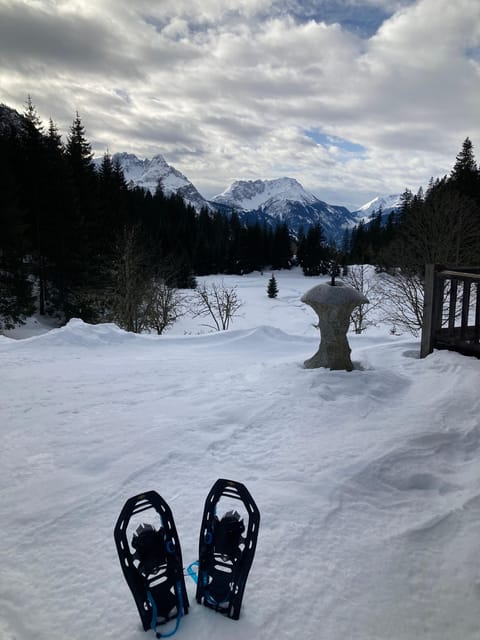
- Free snowshoe rental so you don’t burn money or time hunting gear
- Basic instruction first (gear, safety, and how to walk in snow)
- Panoramic views toward Zugspitze without a half-day commitment
- Route flexibility when you want an easier or more direct line
- Wildlife watching focus rather than just “walk and pose”
- Weather-aware alternatives if snow conditions aren’t right
Ebne 5 starting point: easy to find, easy to focus
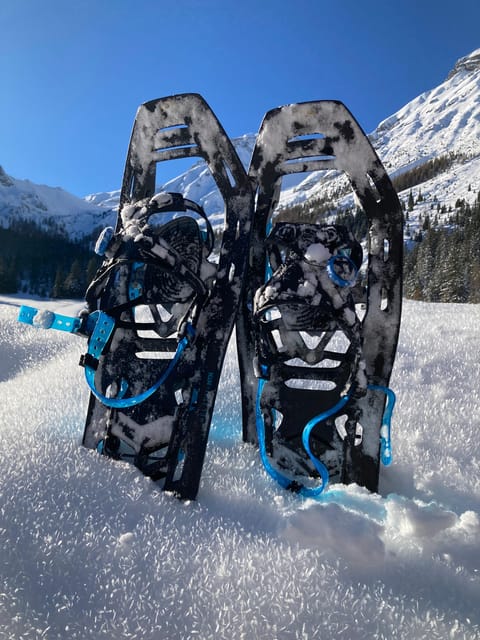
The tour starts at Ebne 5. You’ll drive to a car parking area, then look for the Meeting Point sign. It’s the kind of setup that keeps things simple: you don’t need complicated transfers, and you can get your layers sorted before you step onto snow.
This matters more than it sounds. Snowshoeing goes smoother when you’re not rushing gear. I’d show up a bit early so you can:
- check you have a daypack (for snacks, water, spare layers)
- confirm you know where the guide is standing
- take a minute to think about gloves, hat coverage, and how warm your socks feel
Once you’re set, the guide welcomes the group and you head out. Starting from a parking area is also practical for families—less hassle, less waiting, less logistics stress.
The first minutes: snowshoe basics and safety that actually helps
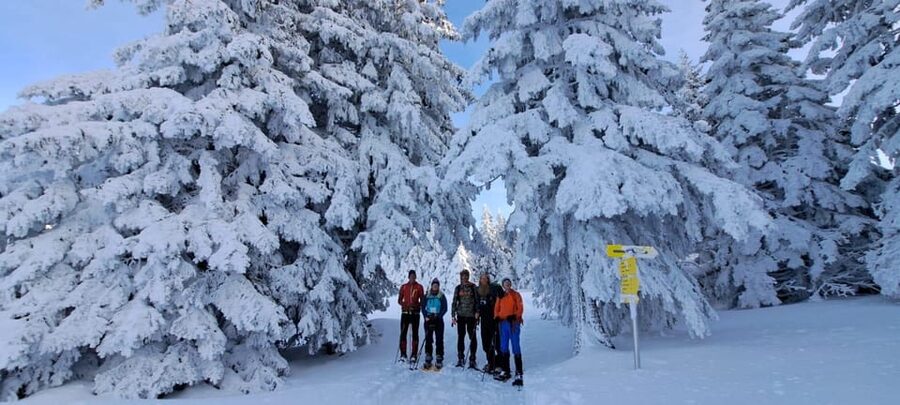
Before you walk far, you get the kind of intro that prevents the “I’m fine” mistakes. The tour includes basic instruction plus some theory. Expect guidance on:
- Right gear basics for winter walking
- Safety instructions for moving on snow
- How to read winter conditions and stay comfortable
This is the part I like most, because it turns snowshoeing from a guess into a skill. Even if you’re new, you’ll learn how to put weight down, how to avoid overstriding, and how to keep your balance when snow is uneven.
The guide also frames what’s happening in the environment. That means you’re not just walking through white space—you’re learning what to watch for: winter wildlife cues, snow condition clues, and natural details that you might miss if you were wandering alone.
In the group, the pace stays calm. People who felt the climb later have still said the guide took time and adjusted as needed—so you won’t be left to “figure it out” on your own.
Zugspitze hiking for 2 hours: views, a climb, and a steady pace
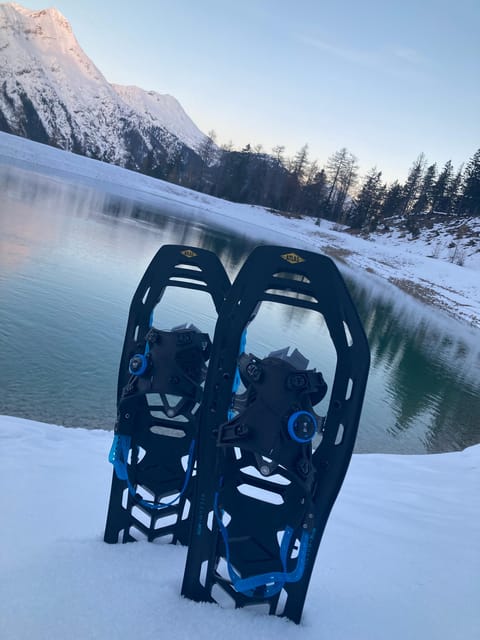
The main walking time is about 2 hours centered on a hike toward the Zugspitze area. You’re not doing an all-day epic, which I think is perfect for a first snowshoe trip. You’ll get enough time to feel the rhythm of walking in snow, but not so much that you’re spent before the best views.
What you should expect:
- Big panoramic views as the route opens up
- A winter workout feel (yes, there’s typically some climb)
- A guided pace where the leader watches footing and group comfort
One review highlight that matches the reality of this hike: there’s often a climb that feels tougher at the start, especially if you’ve never walked on snow before. The good news is that the guide keeps things manageable. If you need to slow down, you can. The tour supports that idea directly, so you can choose how hard you want to push.
And then there’s the best part: the view. Multiple accounts called out that the ascent is challenging enough to earn the payoff, and the payoff is exactly what you came for—Zugspitze-area panoramas that look like they belong on a winter postcard.
Wildlife watching moments you won’t get rushing past
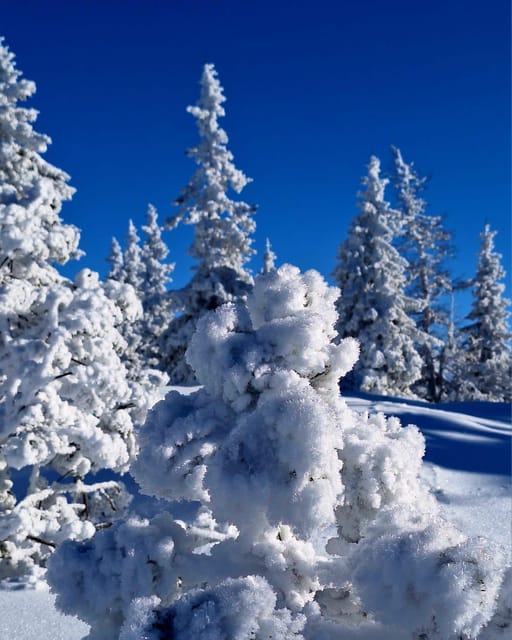
Snowshoeing can become “step, pose, repeat” if the guide treats it like a photo walk. This one has a different focus: you get wildlife watching as part of the experience, plus attention to snow conditions.
That changes how you move. Instead of racing ahead, you start noticing:
- where animal tracks or signs might appear
- how sound carries in winter air
- how snow texture can hint at what the area is doing that day
Even if you don’t spot wildlife instantly, you’ll still come away with a better read on the winter setting. This is also why starting away from bigger crowds helps. Less foot traffic and less noise makes it easier for wildlife to show up—and it makes the walk feel more peaceful for you.
Snowshoes vs. crampons: what happens when snow isn’t perfect
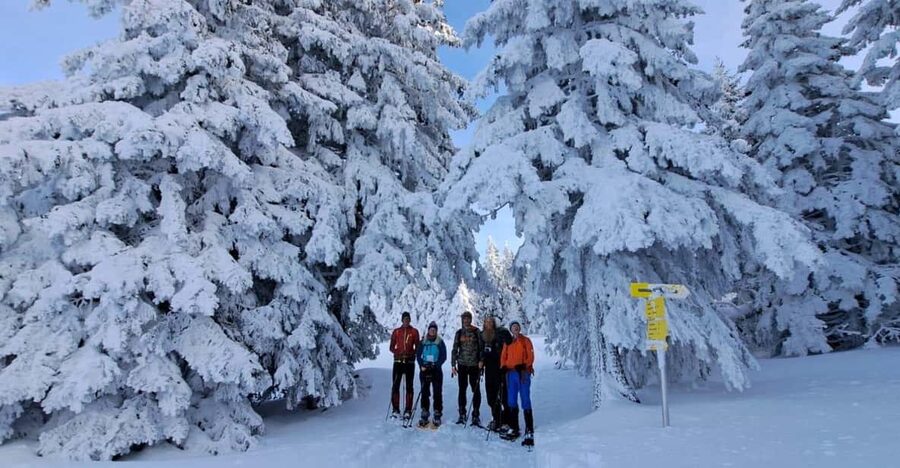
Winter doesn’t always cooperate. The tour is set up with a fallback plan: if snow conditions aren’t enough for snowshoes, the hike can switch to crampons if needed. The operator provides the necessary gear, so you’re not stuck improvising with random traction.
That’s a big practical advantage. It means you’re planning for safety and comfort, not just hoping the weather behaves. You still get a winter hike, not a canceled “maybe tomorrow” situation.
Before you go, think about your personal gear and comfort:
- You’ll want warm outdoor clothing that lets you layer
- Bring gloves and a hat you can rely on
- Pack a daypack for snacks and drinks
- Wear winter boots suited to snow travel (the tour provides snowshoe equipment, not your footwear)
Also, since you’ll be moving steadily for about 2 hours, I’d avoid cotton-heavy outfits that trap sweat. Dry comfort matters in cold air.
What’s included—and what you must bring yourself
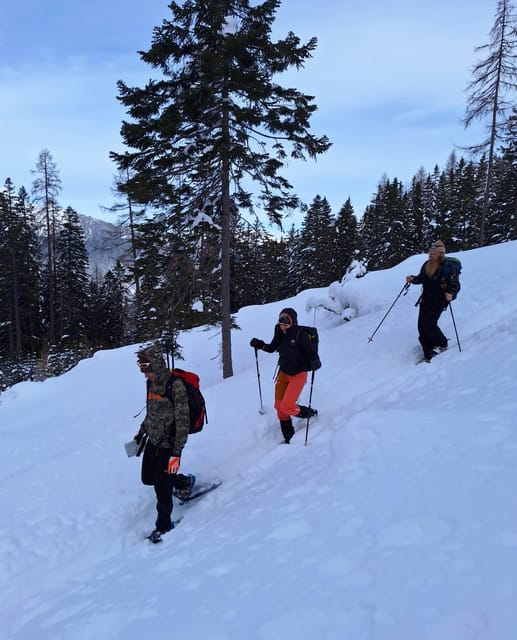
This tour is designed around one simple idea: you should be able to show up and hike. Included in the price:
- snowshoe rental
- instruction and guidance
- wildlife watching focus and attention to snow conditions
Not included:
- food
- personal gear
So you need to handle your own fuel. I’d bring food and drinks appropriate for cold weather. Even if the hike is only 2 hours, your body works harder in snow and cold, and you’ll feel better with a snack and water on board.
Outdoor clothing is also on you. The guide gives the training and winter walking coaching, but you’re responsible for staying warm and dry.
Guide-led experience: friendly leadership and local context
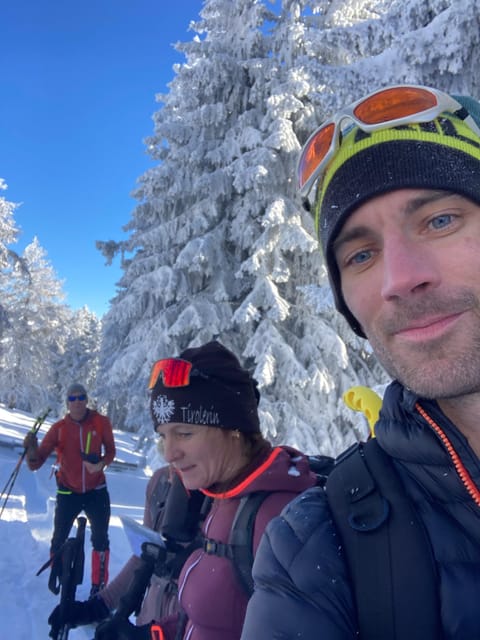
A lot of snow tours fail at one thing: they treat the guide like a traffic cop. This one doesn’t. People highlight that the guide, Simon, was friendly and full of local knowledge—especially stories about the area and the range of winter activities nearby.
That local storytelling does two things for you:
- It makes the time feel less like commuting to a viewpoint and more like learning where you are.
- It helps you understand what the mountains and winter conditions mean for what you’re doing.
You can also tell the guide manages effort. One key detail that keeps showing up: the climb can feel hard if you’re inexperienced, but the guide takes his time. That’s what makes it feel achievable rather than intimidating.
And if you’re planning as a group or with family, it helps that the tour has options for families. The goal is to keep everyone comfortable enough to enjoy the views, not to force a one-size-fits-all pace.
Price and value for an $80, 2-hour guided winter outing
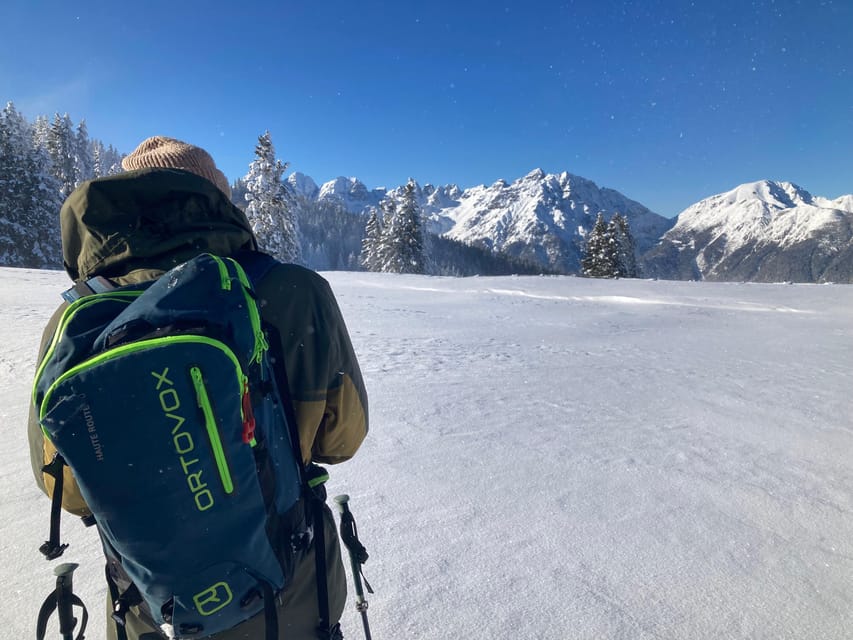
At $80 per person for about 2 hours, this tour is priced like a focused guided activity: short enough to fit most schedules, but substantial enough that you’re paying for real instruction and time.
Here’s why I see it as good value:
- You don’t pay extra for snowshoes. That alone often changes the whole cost equation for first-timers.
- You’re paying for guidance plus safety coaching, not just standing around while you walk.
- The price includes the core experience elements: instruction, guidance, snow and wildlife attention, and gear support.
The main reason someone might think twice is also simple: you’re paying for a guided winter activity, not a standalone hike. If you already own your own snow gear and prefer total independence, a DIY route might feel cheaper. But if you want the confidence and winter walking guidance without guessing, the price makes sense.
If you’re watching your budget, treat this as a “learn the basics” session. You’ll gain skills you can reuse when you plan your next snowy day.
Who this snowshoe hike suits best (and who should skip it)
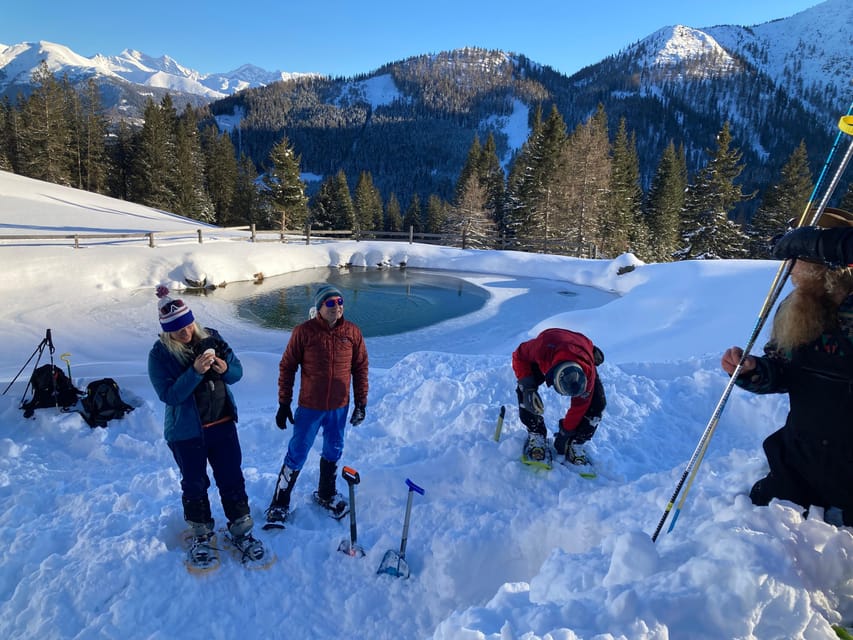
This is a winter outdoor activity that can be fun and very doable for many people—especially if you’re comfortable walking and you follow instructions.
It’s a strong match if you:
- want mountain views in a short time window
- like winter exercise that feels like an adventure
- are new to snowshoeing and want proper coaching
- want a group experience with a friendly guide and wildlife attention
It may not be right for you if you have any of the listed constraints:
- pregnant women
- people with mobility impairments
- wheelchair users
- people with heart problems
- people with respiratory issues
- people who have a cold
- people who are visually impaired
- people with kidney problems
- people with recent surgeries
- people over 70 years
That list isn’t just legal fine print. Snowshoe hiking can involve cold exposure and uneven footing, even when the group pace is relaxed.
Weather changes: how the tour keeps the hike going
Winter in Bavaria can shift fast. The operator notes that if weather conditions are unfavorable, alternative tours can be carried out. If snow coverage isn’t enough for snowshoes, you may hike with crampons instead.
What this means for you as a planner is straightforward:
- you’re not betting everything on one single perfect snow scenario
- you’ll still get an active winter experience
- your guide is watching conditions and adapting for safety
The big payoff is that you’re less likely to end up with a wasted trip day.
Should you book this Zugspitze snowshoe tour?
If you want a guided winter hike with clear instruction, free snowshoe rental, and serious mountain views, I’d say this is a smart choice. The best reason to book is simple: you get the basics done right, then you enjoy Zugspitze-area scenery with a guide who keeps the experience relaxed and responsive.
Book it if:
- you’re new to snowshoeing and want to learn without stress
- you care about views and want them within 2 hours
- you like a local-guide vibe, like Simon’s area stories and friendly tone
- you want family-friendly options
Skip it if:
- you don’t do well with cold exertion
- you fit one of the listed health or mobility limitations
- you want a fully independent hike where you control every variable
FAQ
How long is the Ehrwald Zugspitze snowshoe hiking tour?
The tour duration is 2 hours.
Where do I meet for the tour?
You meet at Ebne 5 at a car parking place where you’ll see a sign that says Meeting Point.
Are snowshoes included?
Yes. Snowshoe rental is included.
Does the tour include instruction?
Yes. The tour includes instruction and guidance, including safety information and gear basics.
What languages is the guide available in?
The live guide is available in German and English.
Is food included?
No. Food is not included, so you should bring your own.
What gear should I bring?
Bring outdoor clothing, a daypack, and food and drinks.
What happens if there isn’t enough snow for snowshoes?
If snow conditions aren’t enough for snowshoes, the tour can be done with crampons if needed. Necessary gear is provided by the tour operator.
Is the tour suitable for everyone?
No. It is not suitable for pregnant women, people with mobility impairments, wheelchair users, people with heart problems, respiratory issues, a cold, visual impairments, kidney problems, recent surgeries, or people over 70 years.
Are there family options?
Yes. Family tour options are available.