REVIEW · FUERTEVENTURA
Fuerteventura: volcanic hike to the crater edge
Book on GetYourGuide →Operated by Fuerte Authentic Tours · Bookable on GetYourGuide
Volcano views with real footing. I love the crater-edge promise and the up-close feel of walking on volcanic rocks with local guides, and I also like the plain snack-and-rest rhythm that keeps the day relaxed. The possible drawback: this is a middle-level hike on uneven, sometimes slippery boulders, so you’ll need solid shoes and steady legs.
This tour works well if you’re tired of only seeing the obvious spots. You get picked up from the south (Morro Jable, Esquinzo, Tarajalejo, Costa Calma), ride out by van, then spend the heart of the day in a protected volcanic area with experienced guides.
And yes, you’re walking away from the usual tourist lanes, with a small group feel. The guides are local and story-focused—some even weave in extra local food moments like tapas, aloe products, or farm-style add-ons such as goat cheese and local wine.
In This Review
- Key things I’d circle before you book
- Gayria Volcano crater-edge views you earn on foot
- The 5-hour flow: pickup, van ride, hike, and return
- What the trail is really like (and why shoes matter)
- Reaching the crater edge: why the viewpoint hits harder up close
- Wild snack break and local food moments (what you should plan for)
- Guides, storytelling, and the small-group feel
- What to bring (and what to skip)
- Who this hike is for (and who should pass)
- Price and value: what you’re really paying for
- A few smart tips to make your day easier
- Should you book the Gayria Volcano crater-edge hike?
- FAQ
- Where does pickup happen?
- How long is the tour?
- How long will I hike?
- Is the hike difficult?
- What should I wear and bring?
- Is pickup and drop-off included?
- What languages are the guides?
- How big is the group?
- Can children or older adults join?
- What are the cancellation rules?
Key things I’d circle before you book
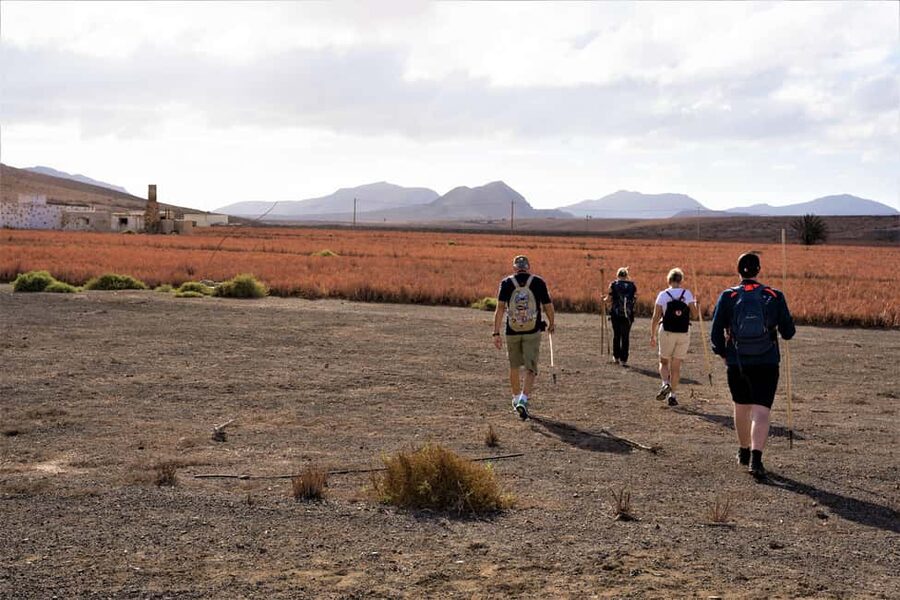
- Crater edge access via a narrow path for those “I can’t believe I’m here” views
- 6 km total hiking distance with about 3 hours in the protected volcanic area
- Volcanic rocks and boulders underfoot that can be slippery, so traction matters
- Wild snack break at the crater viewpoint (sandwich provided, plus local flavours depending on the day)
- Local guide stories on flora, fauna, and volcano myths while you hike
Gayria Volcano crater-edge views you earn on foot
Fuerteventura is famous for sun and beaches, but the island also has a darker, quieter side: old lava fields, volcanic boulders, and a rugged, almost otherworldly feel. This hike focuses on that raw terrain instead of rushing past it.
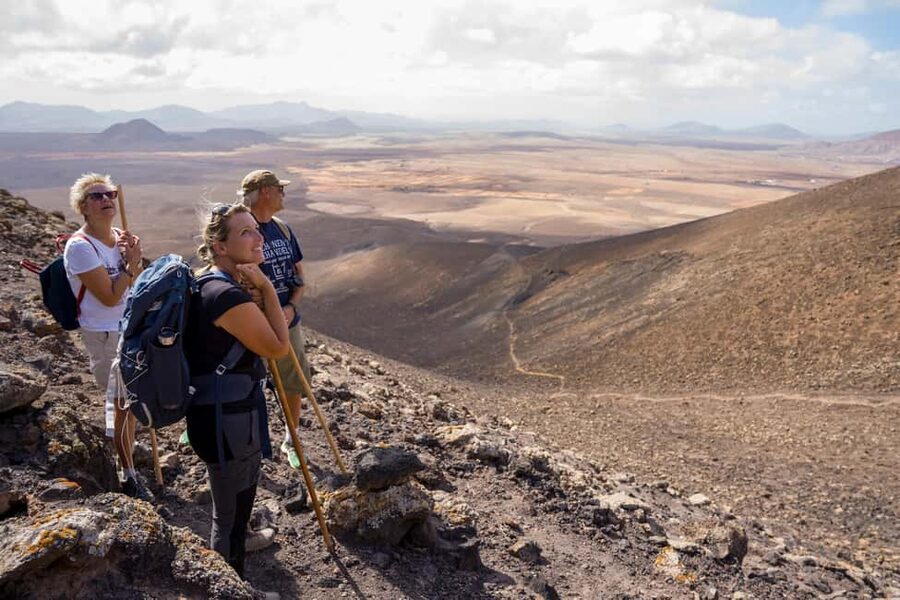
The big draw is the walk up to the Crater of Gayria and then reaching the crater edge. That’s where the scenery snaps into place. Instead of just looking at rock from a distance, you’re standing at the rim and understanding the scale—layer on layer of ancient flows, plus the surrounding mountains pulling your gaze in every direction.
I also like that the tour doesn’t treat the crater like a photo stop and a goodbye. It builds in rest, time to explore from the viewpoint, and photo breaks along the climb. You feel like you’re in the place, not just passing through it.
The 5-hour flow: pickup, van ride, hike, and return
This experience is timed like a half-day adventure: about 5 hours total from pickup to drop-off. You’ll get a van ride out from the south of the island, then a hiking-focused block in the middle, and finally the return ride to your drop-off point.
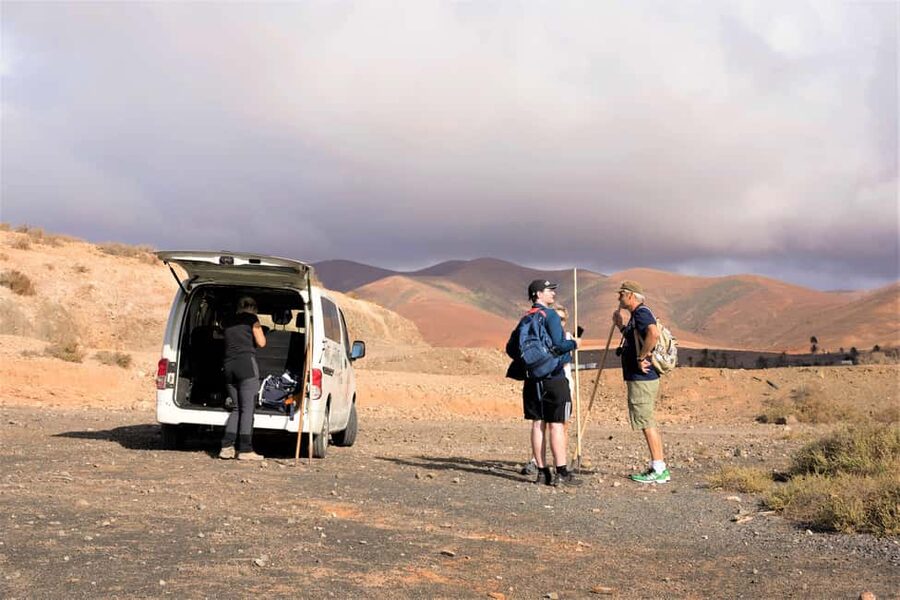
The tour starts with pickup from Morro Jable, Esquinzo, Tarajalejo, or Costa Calma. From there, you’re transferred by van to the hiking starting area, with a drive time of about 55 minutes. That matters because it saves you the stress of finding the right trailhead and parking on your own.
Once you’re dropped at the start, the walking part is the main event. You’ll spend around 3 hours in the protected area, climbing to the volcanic crater with stops to rest and take photos.
Then it’s back down to the starting point and back by van, again about 55 minutes, with drop-offs back to those same south locations.
Practical takeaway: if you want Fuerteventura’s volcanic side, this schedule is realistic. You get a meaningful hike without turning your day into a full-day road trip.
What the trail is really like (and why shoes matter)
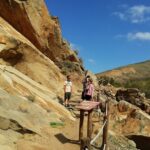
This is not a paved, “stroll in the park” hike. The ascent and descent run over volcanic rocks and boulders, and the ground can be slippery. That’s why you’ll see strict footwear rules, and it’s also why the tour labels it “middle level.”
The total distance is 6 kilometers. The hike time is roughly three hours in the protected area, which usually means a steady pace rather than a slow wandering stroll. Expect some uphill work, plus sections that feel more like scrambling than walking.
If you’re thinking about comfort, plan for two things:
- Traction: closed-toe hiking shoes are the difference between enjoying the climb and white-knuckling it.
- Dirty clothing: you’re walking on volcanic ground. Even if it looks “dry,” it can kick up grit.
Also, keep your expectations about speed in check. You’re here for the crater edge and the view, not for a fitness PR. Guides will stop along the way, and the tempo works best when you focus on footing, not marching forward.
Reaching the crater edge: why the viewpoint hits harder up close
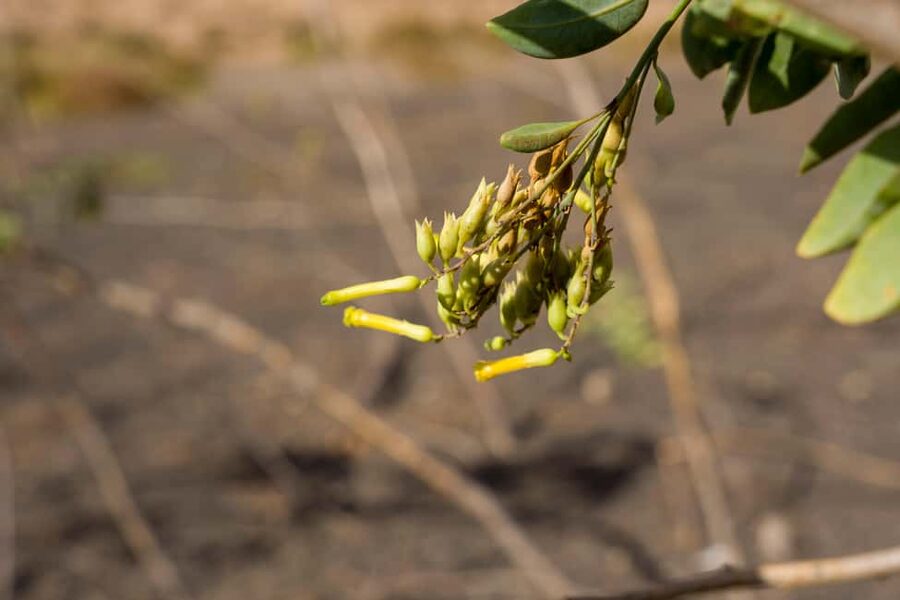
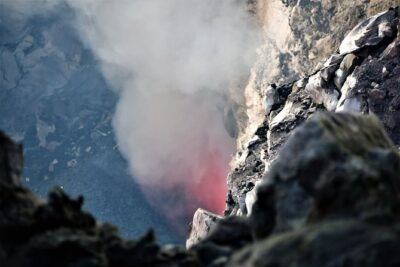
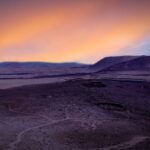
The climb leads you through what can feel like a lunar-style setting—black rock, pale ash-tones, and a lot of open sky. As you get higher, you’ll start seeing the bigger picture: old lava flows stretching outward and the mountains rising in the distance.
When you finally reach the crater edge, it changes your perspective. From down below, a volcano is a shape. From the rim, it becomes a system—channels, layers, and the way the terrain curves around itself. It’s the kind of view that sticks in your memory because your body is involved. You know the effort it took to get there.
The tour also builds in a break at the viewpoint with a provided sandwich. That’s not just a food moment. It slows you down at the exact time your brain wants to race to the next photo. Take the pause. Eat. Look around. Then keep exploring before you descend.
Wild snack break and local food moments (what you should plan for)
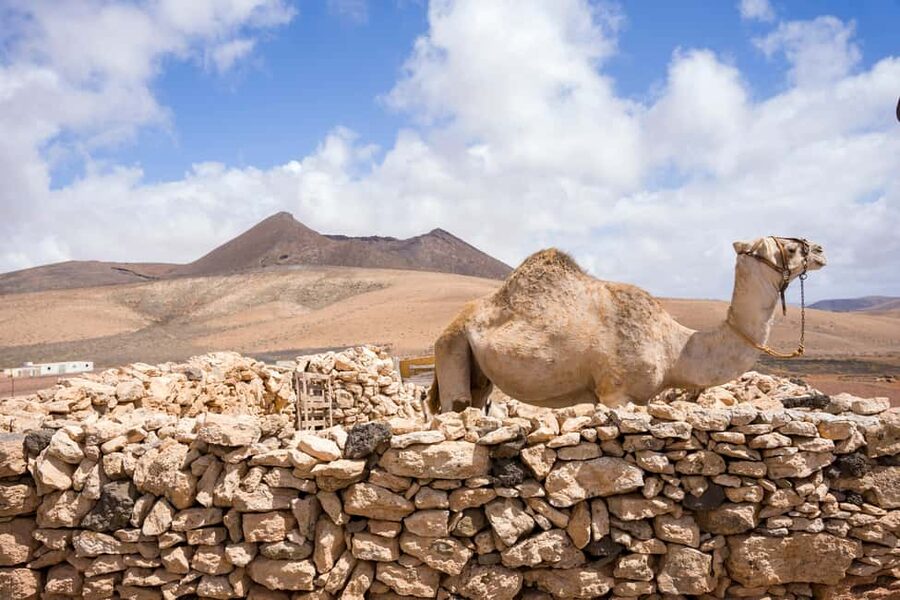
The core “eat” part is simple and practical: you’ll have a sandwich at the crater viewpoint. This is a good choice on a hike because it’s quick, filling, and doesn’t turn into a long sit-down meal.
Beyond that, the experience seems to lean into local flavours in a way that varies a bit day to day or with the guide. In past encounters connected to this provider, the food side has included tapas and local wine, plus some guides have shared aloe-related products. There have also been mentions of a goat farm stop with goat cheese and local wine.
So here’s my advice: assume you’ll definitely get the sandwich, but keep your mind open for extra local touches. If a guide mentions a farm-style add-on or a specific local product, treat it as part of the value of going with a guide rather than hiking on your own.
One more thing: alcohol and drugs are not allowed on the tour. That doesn’t kill the “local flavour” vibe—it just keeps the day safer and more manageable for the hike.
Guides, storytelling, and the small-group feel
A good hiking guide can make the difference between just seeing a crater and actually understanding it. This tour is led by local guides who share stories as you hike—talking about local flora and fauna, plus myths and legends tied to the volcano.
I’ve also seen how guides here balance enthusiasm with practicality. One guide (Kristina) was specifically praised for teaching hiking basics and handling details with real care. Another named guide (Anne-Marie) was described as authentic, with the experience feeling genuinely rooted in local culture rather than generic facts.
You’ll likely feel this most in the way the group stays together. The tour is marketed as a small group limited to 8 participants. At the same time, the operator notes a maximum of 16 people per tour guide depending on the setup. Either way, the group size is small enough that you’re not disappearing into a herd, and you can hear what the guide is saying.
And yes—service details matter. One memorable example was a guide who returned forgotten sunglasses the next day by driving back to drop them off. That’s not something you can plan on, but it hints at the mindset behind the operation.
What to bring (and what to skip)
This hike has clear rules. Follow them, and you’ll have a smoother day.
Bring:
- Hiking shoes (closed-toe and made for traction)
- Comfortable clothes that can get dirty
- Water
- Sun protection (hat/sunscreen are smart)
- Hiking sticks if you prefer extra support
Skip:
- Sandals or flip-flops
- Open-toed shoes
- Bare feet
- Alcohol and drugs
A practical packing tip: wear clothes you won’t worry about after you’ve walked on volcanic ground. Even with careful footing, you’ll likely get dust on your legs.
Who this hike is for (and who should pass)
This is a crater-edge walk that demands real footing. It’s described as suitable for people with a good fitness level and it’s labeled a middle level hike.
It is not suitable for:
- Children under 9
- Pregnant women
- People with heart problems
- People with respiratory issues
- People over 75
- People with mobility impairments
So who should go? Choose it if you:
- Want volcanic scenery up close
- Can handle uneven footing and slippery rock
- Enjoy guided storytelling as part of the hike
- Like your food simple and functional (sandwich + snack timing)
If you’re unsure about your ability on rocky terrain, be honest with yourself. This tour goes to the crater edge, and narrow paths plus boulders mean you’re responsible for your own safety as much as the guide is.
Price and value: what you’re really paying for
We don’t have the cost in the info I’m working from, so I’ll focus on value instead.
You’re paying for:
- Pickup and drop-off from south resorts
- A local guide who explains flora, fauna, and volcano legends
- Access to the crater edge via hiking routes (not just looking from afar)
- Time built for stops, photos, and a viewpoint break
- Included sandwich for the crater viewpoint
If you try to do this on your own without a guide, you’d likely spend more time figuring out logistics and would miss the story layer. And on a hike like this—rocks, narrow paths, and slippery sections—that guide support is part of what you’re buying.
A few smart tips to make your day easier
These are small things that add up.
- Start with dry confidence: If your shoes aren’t broken in for rocky ground, bring the version you trust.
- Plan for a workout, not a stroll: The 6 km distance is short on paper, but volcanic terrain changes how it feels.
- Sun hits hard: Bring sun protection and use it early. There’s a lot of open sky on this kind of hike.
- Bring a phone camera plan: You’ll want photos at the crater rim and during rest stops. Keep your hands free when you climb—don’t let “one more shot” turn into a balance problem.
Should you book the Gayria Volcano crater-edge hike?
Book it if you want a guided walk that gets you to a real volcanic rim and gives you the time to look around—plus a viewpoint break that doesn’t feel like a rushed snack.
Skip it if rocky, slippery footing stresses you out, or if you fall into one of the health/mobility categories listed as unsuitable. This tour is built for people who can handle uneven ground and stay focused.
If your ideal day in Fuerteventura is sun and stone—volcano air, strong shoes, and a guide who tells the story while you hike—this is a very solid choice.
FAQ
Where does pickup happen?
Pickup is included from several locations in the south of Fuerteventura, including Morro Jable, Esquinzo, Tarajalejo, and Costa Calma.
How long is the tour?
The total duration is about 5 hours.
How long will I hike?
You spend about 3 hours hiking in the protected area, and the hike is 6 kilometers long overall.
Is the hike difficult?
It’s described as a middle level hike. It helps to have good physical condition, since the route includes volcanic rocks and boulders and can be slippery.
What should I wear and bring?
Wear closed-toe hiking shoes and comfortable clothes that can get dirty. Bring water and sun protection. Hiking sticks can be helpful if you use them.
Is pickup and drop-off included?
Yes. You’re picked up from and dropped off at multiple spots in the south of the island (Tarajalejo, Morro Jable, Costa Calma, and Esquinzo).
What languages are the guides?
The tour offers a live guide in English and German.
How big is the group?
It’s a small group, limited to 8 participants. The operator also notes groups may be up to 16 people per tour guide.
Can children or older adults join?
Children under 9 are not suitable, and people over 75 are not suitable either.
What are the cancellation rules?
Free cancellation is available up to 24 hours in advance for a full refund.