REVIEW · HILO
Secret Tide Pool Hike – Jungle & Coast – Private
Book on GetYourGuide →Operated by Secret Jungle Tide Pool - Short Hike - Private · Bookable on GetYourGuide
A tide pool feels like finding your own world. This private jungle-to-coast hike blends a lava-rock trail with cliff views, then lands you in a calm, crystal-clear tide pool where fish and opihi snails are part of the scenery. The main drawback is the hike is rugged, with scrambling over uneven lava rocks.
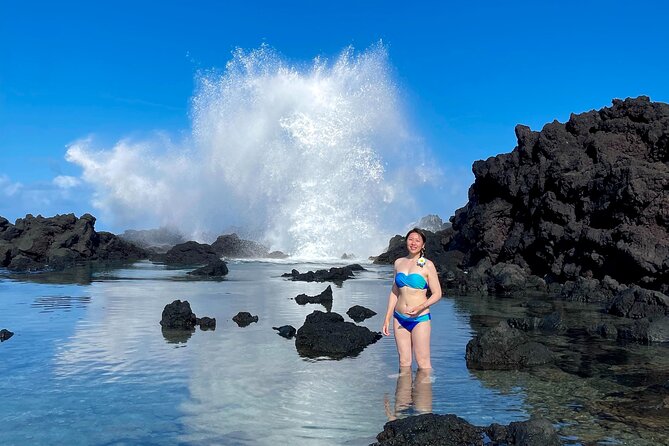
You get the kind of coastline drama that makes photos feel unfair to your camera: waves hitting the cliffs can shoot water like a blowhole, and sea turtles are often spotted offshore in the distance. If rough ocean conditions roll in, swimming and snorkeling can get tricky, so it’s not the safest plan for people who hate surprises.
Your guide is Josh, 33, who has hosted this hike for three years and has been living off-grid in Big Island’s jungles since 2018. I like how he shifts with the group: giving space when you want to relax, then stepping in with tide pool biology and local ecosystem details when curiosity kicks in.
In This Review
- Key takeaways before you go
- Entering the jungle-to-tide-pool flow
- Meeting point and the short car ride to the trailhead
- The 1/2-mile lava-rock hike: where the view comes from
- Who should avoid it (based on the trail type)
- Makaukiu Point: wildlife spotting plus wave-splash magic
- The tide pool lesson: opihi, brittle stars, and pink coralline algae
- Depth, access, and when swimming is possible
- What to pack: reef-safe sunscreen and the right shoes
- Price and value: how $100 makes sense for a private ecosystem stop
- Conditions, safety, and what to expect if the ocean changes plans
- Who this private tide pool hike is best for
- Should you book Secret Tide Pool Hike: Jungle & Coast – Private?
- FAQ
- How long is the private tide pool hike experience?
- Where does the experience start?
- Do I need to arrange transportation?
- How long is the hike and what’s it like?
- Is this tour okay for children?
- Can I swim or snorkel in the tide pool?
- What shoes should I bring?
- Are there bathrooms at the tide pool?
Key takeaways before you go
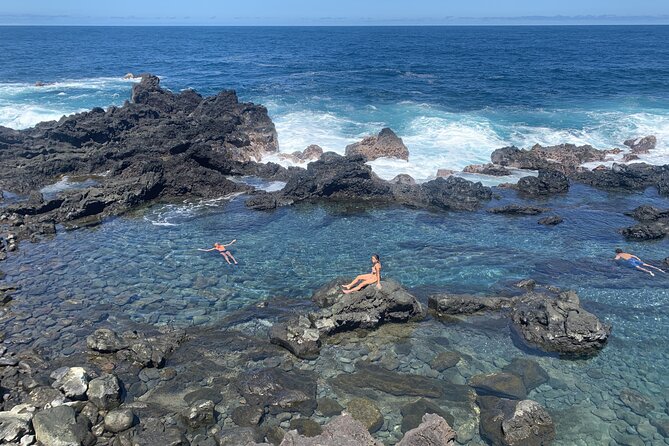
- Private time in the tide pool: you get guidance plus quiet exploration, not a rushed stop-and-go.
- Jungle + coast trail combo: about 10 minutes through jungle, then 20–30 minutes along the coast each way.
- Sturdy-shoes required: expect scrambling and uneven, sometimes razor-sharp lava rock.
- Clear water, deep-and-shallow spots: the pool includes deeper (about 4–7 ft) and shallower (about 1–4 ft) areas.
- Ecosystem teaching is the point: you’ll learn what you’re seeing—opihi, brittle stars, sea cucumbers, and pink coralline algae.
- Ocean conditions matter: blowhole-style spray is amazing, but wind and waves can limit snorkeling.
Entering the jungle-to-tide-pool flow
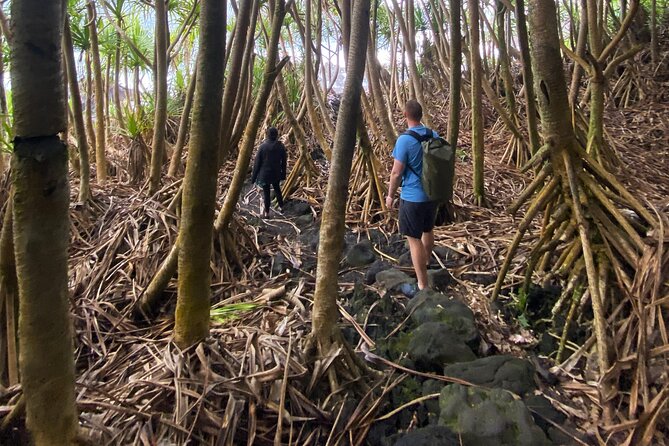
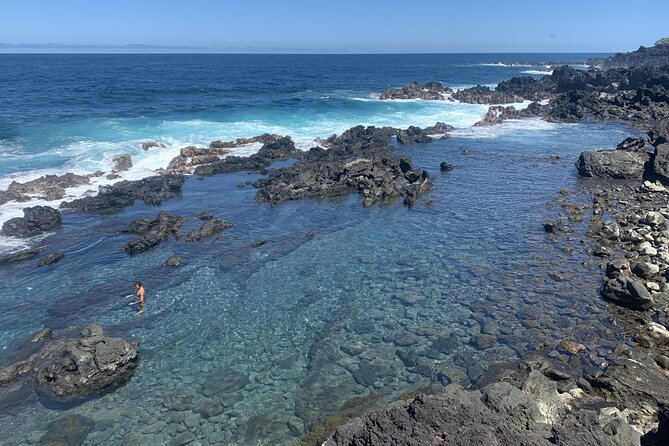
This tour works because it strings together two very different Big Island worlds: a short jungle/lava-rock hike and then a sheltered tide pool that feels like you’ve stepped into a natural infinity pool. The goal isn’t just to reach water—it’s to understand the ecosystem while you’re there, then enjoy time to look, relax, and soak in the view.
The tide pool itself is calm enough for a swim for most people when conditions cooperate. You’re also likely to have the place to yourself since it’s not a mainstream stop. That matters. When you’re alone (or nearly alone), you notice the small stuff: movement in the rocks, algae color changes, and the way the ocean noise fades once you’re inside the pool.
Josh adds a learning layer that makes it feel more like an outdoor class than a simple walk. And because he reads the group energy, the experience doesn’t always feel like a lecture. If you’re the quiet type, you’ll still get answers. If you’re curious and hands-on, you’ll get more of that too.
Meeting point and the short car ride to the trailhead
You’ll start at Waiakahi’ula Beach Park (Department of Parks & Recreation, County of Hawaii). Park on the side of the road near the porta-potty, then meet Josh so you can follow by car about 2 miles to the trailhead.
There’s also a scenic drive involved: about 10 minutes to Pāhoa before the hiking segment. If you’re using Uber, the plan is simple but specific: you can ride with Josh to the trailhead (up to 4 people), or you can have the Uber follow after you meet.
At the end, the activity finishes back at the same meeting point. That “back where you started” detail is helpful if you’re coordinating the rest of your day on the island.
The 1/2-mile lava-rock hike: where the view comes from
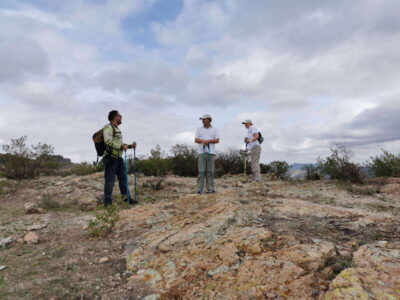
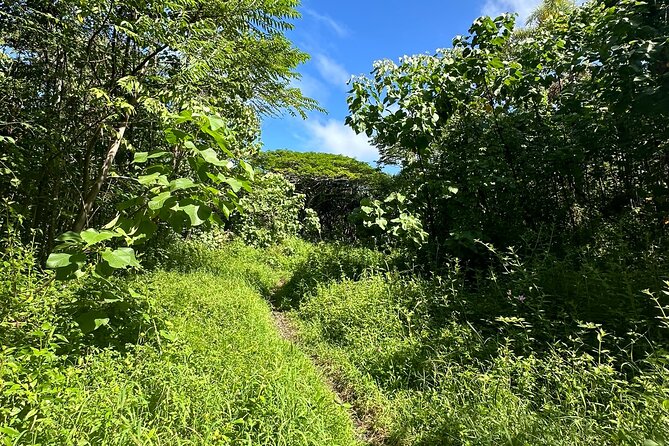
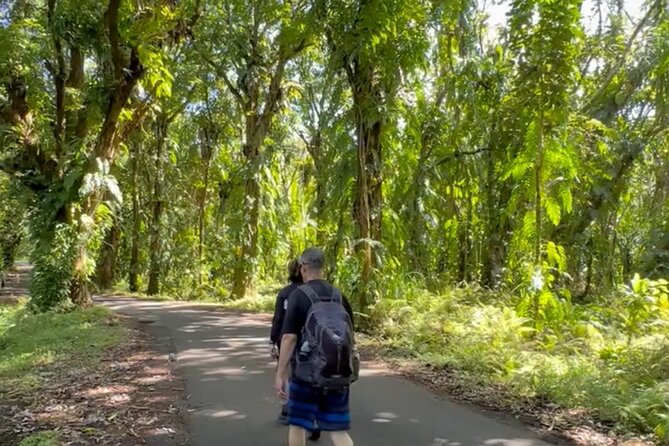
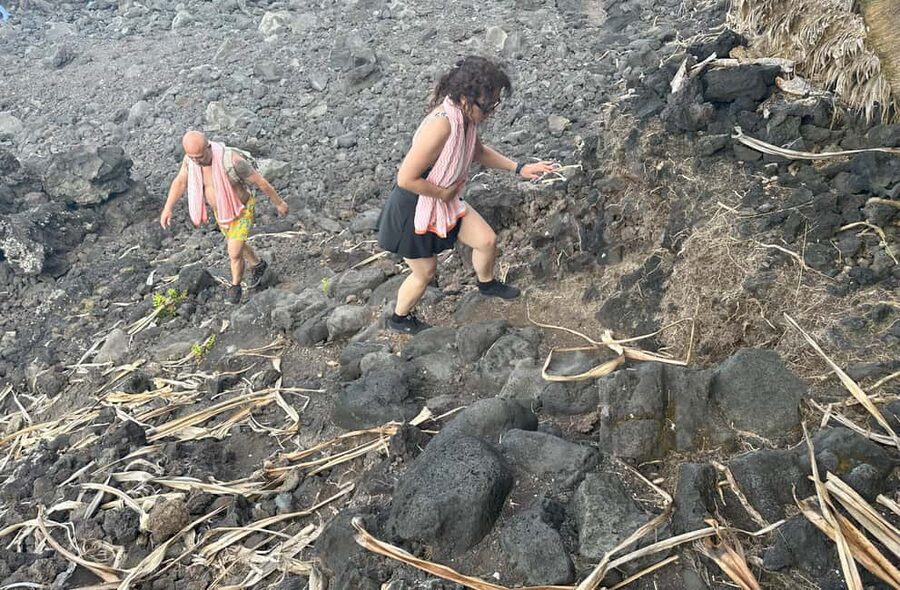
This is a short hike—only about 1/2 mile—but it’s not a stroll. Each way takes around 30–40 minutes, and the route mixes jungle, boulder fields, and jagged lava terrain. Expect uneven and sometimes loose rocks, plus sections that require scrambling. A few spots involve ascending or descending a small hill of solid lava rock.
The good news: there are always places to put your feet and hands, and the lava is stable. The bad news: you need the right footwear and a calm head. One review summed up the feeling well—this hike can be a little scary in the way adventure is scary, not in a dangerous way if you’re prepared and careful.
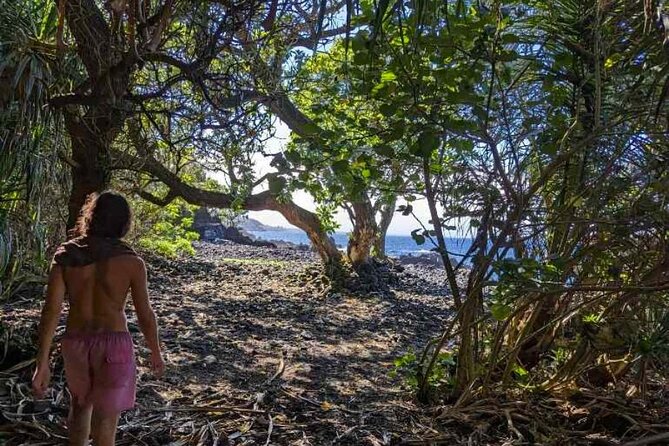
You’ll also get elevation gain, which is what makes the effort worth it. That climb opens up coastal views, and later you’ll be in the exact area where waves hitting cliffs can create that blowhole-style spray.
Who should avoid it (based on the trail type)
I wouldn’t pick this if you have mobility impairments. It’s also not suitable for children under 7. Even if someone is strong, the terrain is the limiting factor: rugged rock, scrambling, and no guarantee of gentle footing.
Makaukiu Point: wildlife spotting plus wave-splash magic
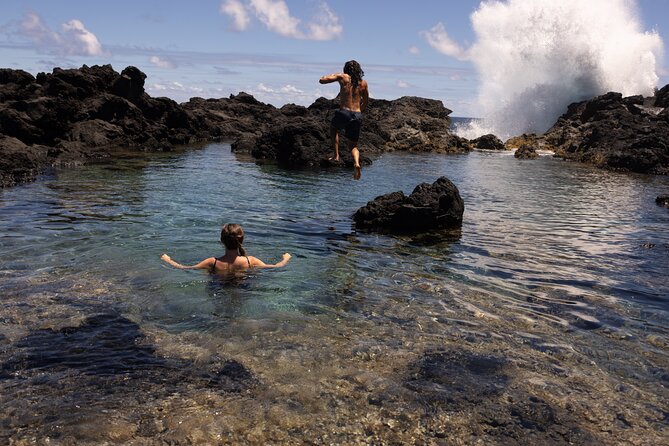
After the hike portion, you’ll spend about 1.5 hours at Makaukiu Point. This time is built for sightseeing, swimming, snorkeling, scenic views, and wildlife viewing. You’ll also get the best chance for those big “wow” moments when ocean power meets rock.
Two highlights that often show up here:
- Sea turtles are commonly seen offshore in the distance.
- When waves strike the cliffs just right, water shoots up in the air like a blowhole. The height depends on conditions, so you’re watching and waiting for nature to set the scene.
Because ocean energy drives everything at this stop, you should treat snorkeling and swimming as condition-dependent. If winds are strong or waves are pounding, the water can get rough, and even getting in can feel sketchy. That’s not the guide failing; that’s the ocean doing its ocean thing.
If you’re comfortable getting wet and shifting plans based on real-time conditions, you’ll probably love this part. If you need calm, guaranteed water access, you’ll want a different activity.
The tide pool lesson: opihi, brittle stars, and pink coralline algae
This is the part that turns the whole experience from sightseeing into something memorable. Josh teaches you about the tide pool’s ecosystem and the local environment while you’re standing in the middle of it. Since he’s focused on tide pool biology—and even fruit trees, which tells you he likes understanding living systems—his explanations tend to connect cause and effect.
The tide pool ecosystem includes:
- Fish
- Hermit crabs and rock crabs
- Sea cucumbers
- Shrimp
- Snails and shells
- Opihi (a unique type of snail)
- Brittle stars
- Spaghetti worms
- Pink coralline algae
- Seaweed
- Cool rocks that act like mini habitats
And because the water is often crystal clear, you can actually see what you’re learning. That clarity makes the biology “stick.” It’s one thing to read about sea creatures. It’s another to watch how they cling, graze, and hide among the rock.
Josh also balances instruction with space. If your group wants quiet time to look closely, he gives it. If someone wants to understand everything, he’ll help you connect the dots.
Depth, access, and when swimming is possible
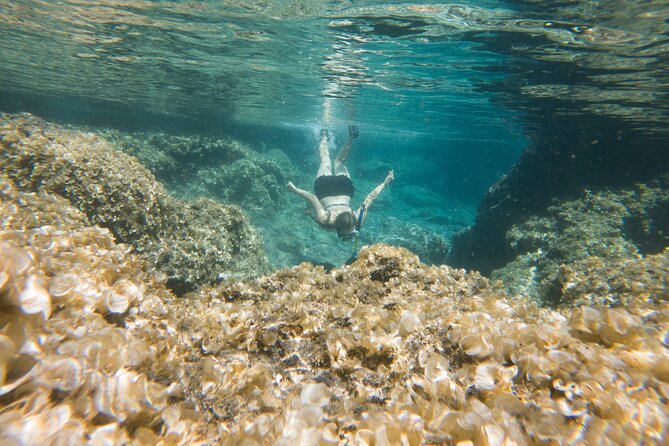
The tide pool has both deeper and shallower areas, generally:
- Deep: about 4–7 ft
- Shallow: about 1–4 ft
It’s also described as calm and safe, which is what makes it workable for many people. Still, the tide pool is very rocky. Sometimes you’ll have full access to the best areas; other times, only certain sections are reachable. Almost always there’s an area where you can submerge yourself, but rarely conditions or tide levels are too low or too rough for swimming.
The vibe here is practical, not reckless. You’re on a coastline with powerful surf nearby, so you’ll want to pay attention to what the guide is watching for. If the ocean is acting up, that affects how you should use the pool area.
One more reality check: there are no bathrooms at the tide pool. Plan ahead and bring what you need for comfort, because you’ll be navigating rocky terrain while you’re also managing wet-sand logistics.
What to pack: reef-safe sunscreen and the right shoes
This hike gets physical, then it gets wet. Your packing should match that reality.
Wear:
- Hiking shoes, hiking sandals, or athletic shoes for the trail (hiking shoes are most ideal).
- Water shoes at the tide pool: closed-toe with durable soles. Flip-flops aren’t recommended.
Bring:
- A bathing suit
- A towel
- A snorkeling mask or goggles (many people bring their own)
- Reef-safe sunscreen, applied before you reach the tide pool to minimize contact with the water
- Bug spray is unnecessary here—there are no ticks and very few mosquitoes/bugs
Optional:
- A small first aid kit, especially if you’re the type who likes to be ready. The terrain can mean bumps and cuts, and you’ll be on uneven lava rock, so it’s not a bad idea to have basic supplies.
Price and value: how $100 makes sense for a private ecosystem stop
The cost is $100 per person, and the price decreases as group size increases. That’s the big value equation: if you can share the experience with others in your party, you often get a better per-person deal while still keeping the tour private.
What you’re really paying for isn’t just “access to a tide pool.” You’re paying for:
- Private guidance and time in the pool
- Ecosystem teaching that helps you understand what’s around you
- Josh’s local, hands-on perspective from living off-grid in the jungle since 2018
- Recommendations for what else to do on Big Island
Transportation isn’t included, so factor that into the real cost. If you’ll need an Uber or a car anyway, price comparisons with fully included tours can be misleading. But if you already plan to move around the island and can get to the meeting point, this can feel like fair pricing for a guide-led, biology-forward experience.
Also, it’s 2.5 hours. For an active excursion with instruction, that’s a solid time investment without dragging into a full half-day.
Conditions, safety, and what to expect if the ocean changes plans
This tour is the kind of thing where the ocean runs the show. The blowhole-style spray is breathtaking when it’s happening, but rough waves and high wind can also make snorkeling or even entering the water less comfortable—or unsafe.
So the best way to think about it is:
- The tide pool itself is designed to be calm and safe.
- Your ability to swim and snorkel depends on how rough the surrounding conditions are that day.
- You should show up ready to adapt quickly.
You’re also walking on rugged volcanic terrain, so treat this as an adventure exercise. It’s short, but it can be intense on your ankles and feet. If you’ve got the right shoes and you’re okay with being a little banged up, you’ll likely have a great time. If you want guaranteed comfort and zero scrambling, look for something flatter.
Who this private tide pool hike is best for
This is most ideal for adventurous people who like physical activity and can handle uneven lava rock. There’s no upper age cutoff, and there’s no strict fitness requirement, but the trail does demand balance and basic scrambling comfort.
It’s a good match for:
- Couples and small groups who want privacy
- People who enjoy nature learning, not just a photo stop
- Travelers who are comfortable with rugged terrain and changing conditions at the coast
It’s a tough match for:
- Children under 7
- People who have mobility impairments
- Anyone who hates physical activity or wants completely smooth walking surfaces
Also, if you’re someone who gets stressed by unpredictable surf, you’ll want a different plan. Here, the fun and the risk are linked to the same ocean forces.
Should you book Secret Tide Pool Hike: Jungle & Coast – Private?
Book this if you want a private, guided tide pool experience where you’ll learn the living details of the rocks, not just stand and look. If you’re happy wearing water shoes, bringing reef-safe sunscreen, and doing a short-but-rugged hike, the payoff is huge: crystal-clear water, deep-and-shallow pool areas, and that feeling of finding a quiet pocket of ocean life.
Skip it if you need easy walking, barrier-free access, or predictable calm water for snorkeling. The ocean can be powerful here, and the trail is lava-rock rugged by design.
If you’re on the fence, ask yourself one question: are you the type who enjoys a little adventure gear check at the start and then trusts the guide once you’re there? If yes, this is a very strong choice.
FAQ
How long is the private tide pool hike experience?
The duration is about 2.5 hours, with starting times depending on availability.
Where does the experience start?
Meet at Waiakahi’ula Beach Park (Department of Parks & Recreation, County of Hawaii). Park near the porta-potty, and then follow Josh by car to the trailhead.
Do I need to arrange transportation?
Transportation is not included.
How long is the hike and what’s it like?
The hike is about 30–40 minutes each way, covering roughly 1/2 mile. Expect jungle trail, boulder fields, and jagged lava terrain with uneven rocks and some scrambling.
Is this tour okay for children?
It’s not suitable for children under 7. The exact lower age cutoff can depend on the child and parent.
Can I swim or snorkel in the tide pool?
The pool is generally calm and safe, with deep and shallow areas. Swimming is often possible, but sometimes only certain parts are accessible or conditions are too rough or levels too low.
What shoes should I bring?
Wear hiking shoes (most ideal) or athletic shoes for the hike. At the tide pool, bring water shoes with closed toes and durable soles. Flip-flops are not recommended.
Are there bathrooms at the tide pool?
No. The tide pool area does not have bathrooms.