REVIEW · GUANAJUATO CITY
Guanajuato City: Hiking Tour at La Bufa
Book on GetYourGuide →Operated by TURISMO ALTERNATIVO EN GUANAJUATO · Bookable on GetYourGuide
A mountain hike with big Guanajuato views. This La Bufa hiking tour mixes dam history, panoramic outlooks, and dry-land nature so the city feels new after you leave it behind. What I liked most was the panoramic viewpoints over Guanajuato’s old buildings and the way the guide, including Raúl, ties what you see to stories and plant life.
Two things really make it click: you get both the city scenery and the hillside details, not just one or the other. The possible drawback is that it’s a serious outing for your legs: about 14 km total and the trail can feel more challenging on parts of the descent, especially if your footing isn’t great.
- La Olla dam start: quick history and context before you climb
- Cerro de la Bufa summit views: a wide, classic overlook of Guanajuato
- Different-feeling ascent and descent: you don’t just march back the same way
- Cactus-and-endemic plant spotting: the guide points out what you’d otherwise walk past
- Private group pacing: Raúl slows down when someone needs it
- Safety and support included: sticks, first aid, insurance, and mechanical support
In This Review
- La Bufa in 4 Hours: Why This Hike Feels Different
- Starting at Turismo Alternativo en Guanajuato (and the Hotel Option)
- De la Olla Dam: History First, Then You Climb
- Faro Viewpoint: Panoramic Guanajuato and Old Building Views
- Entering the Hill: Endemic Flora, Cactus Spots, and Real Outdoors Time
- Las Comadres and Cerro de la Bufa: The Places That Make the Views Worth It
- The Descent: Same Area, Different Trail Feel
- Pace, Support, and the Stuff That Keeps You Comfortable
- Price and Value: What $57 Buys You Here
- What to Bring (and What to Skip)
- Who Should Book This Hike (and Who Should Rethink It)
- Should You Book the La Bufa Hiking Tour?
- FAQ
- How long is the La Bufa hiking tour?
- Where does the tour start?
- What language is the guide?
- What is included in the price?
- Is food included?
- What should I bring, and what isn’t allowed?
La Bufa in 4 Hours: Why This Hike Feels Different
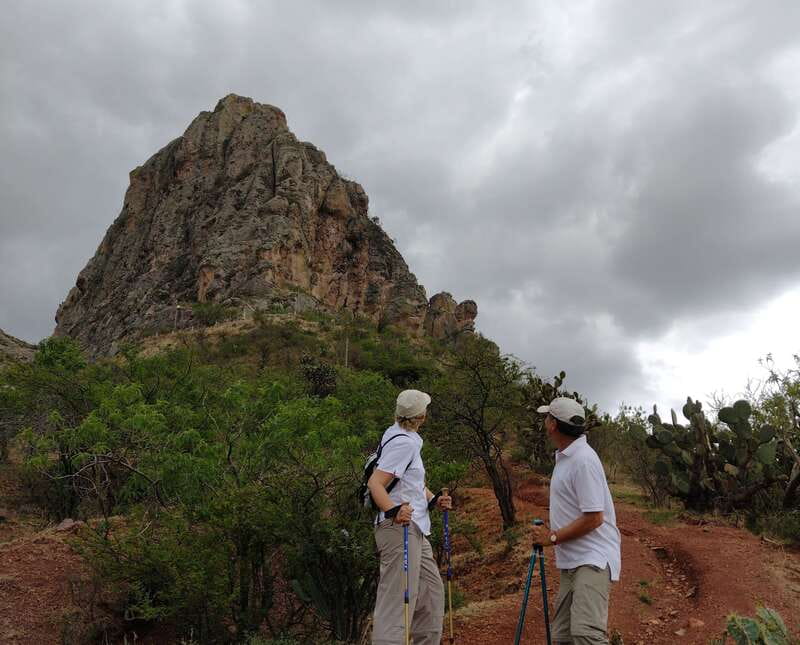
This is the kind of Guanajuato tour that doesn’t just move you between photo stops. It’s built as a true hiking experience: around 4 hours, roughly 14 km, and a route that changes enough that you’ll notice how the terrain and plants shift as you go up and down.
I also like that the tour is set up for more than sightseeing. You start with history right away, then you spend time on the hillside learning how the area works, including spotting cacti and other local plants with your guide.
The private-group format matters, too. When you’re not stuck with a big crowd, it’s easier for the guide to manage pace, answer questions, and handle uneven ground without rushing the group.
Starting at Turismo Alternativo en Guanajuato (and the Hotel Option)
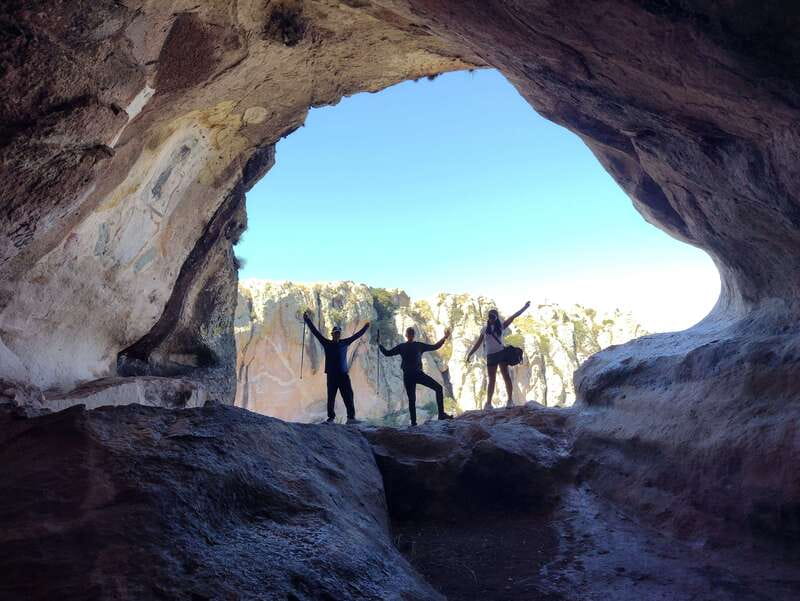
You’ll meet at the tour operator’s offices, and your pickup can depend on where you’re staying. That hotel-based transfer option is a practical plus in Guanajuato, where walking uphill and finding the right start time can be its own little adventure.
Expect a straightforward start: you’ll get a safety briefing and a route overview before moving out. That matters because you’ll be walking on hillside terrain where good footing and pace really help, even if you’re fit.
In a few reviews, I saw a pattern: the guides take the group’s ability level seriously. If you’re not sure how you’ll do, this is one of those hikes where you can still have a good time because the guide is willing to adjust the pace.
De la Olla Dam: History First, Then You Climb
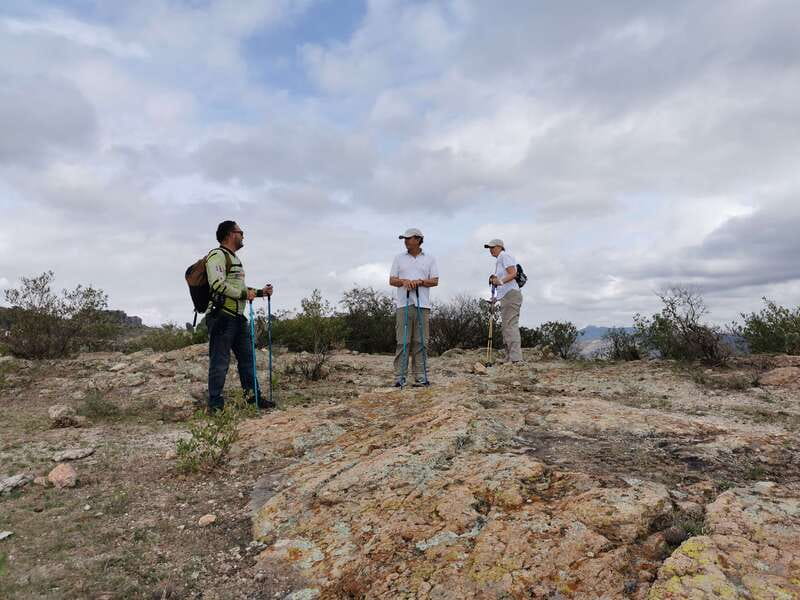
The hike begins near the famous dam called de la Olla. The guide starts there with Guanajuato history, so the morning isn’t just about getting steps in. You get context for the area, then you immediately feel the change once the walking starts.
What I like about starting with the dam is that it gives you something to hold onto. Instead of “walk, look, repeat,” you’re learning why this region matters, and you’re doing it before the views steal your attention.
If you enjoy history that’s tied to place, this part sets the tone well. You also get a mental warm-up: once you understand what you’re looking at, the scenery makes more sense on the climb.
Faro Viewpoint: Panoramic Guanajuato and Old Building Views
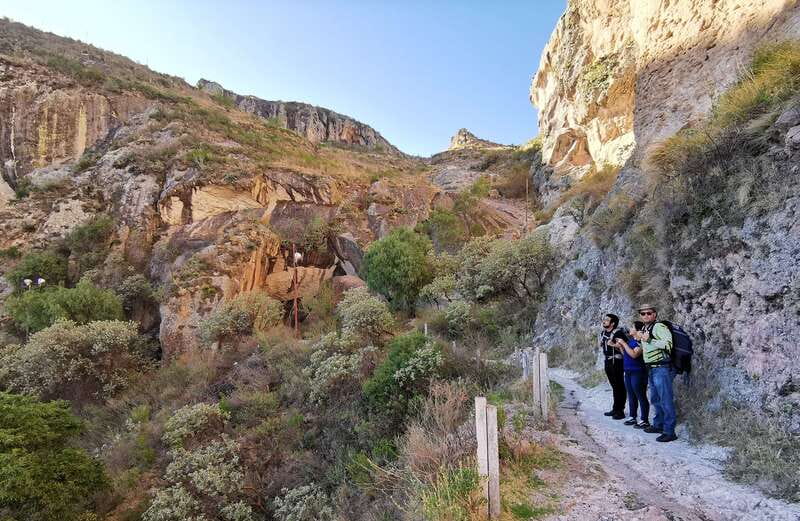
After you’ve started along the route, you continue toward the Lighthouse viewpoint to get one of the best panoramic looks over the city and its older buildings.
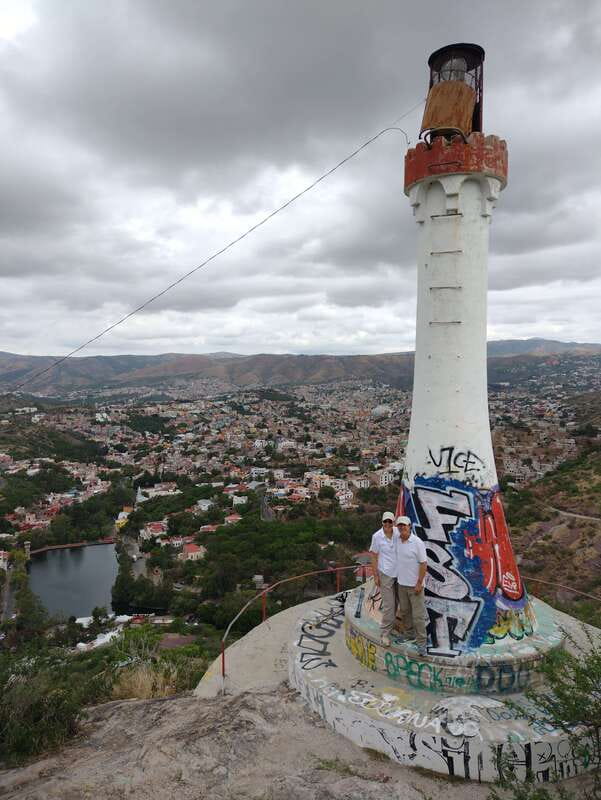
This is where the hike transitions from “getting there” to “this is why you came.” Even if you’ve seen pictures of Guanajuato, walking into that viewpoint with the guide’s timing makes a difference. You notice depth, the curve of neighborhoods, and how the city sits against the hills.
A practical tip: bring a phone that’s ready for both photos and quick reference. The guide is likely to explain what you’re seeing from the viewpoint, and it’s easier to follow along when you can zoom or switch angles during stops.
Entering the Hill: Endemic Flora, Cactus Spots, and Real Outdoors Time
Once you go into the hills, the hike becomes more about the environment than the city. You’ll change panoramas, breathe fresher air, and spend time looking for endemic flora and fauna in the area.
This is the point where a good guide earns their fee. The route isn’t just “pretty plants.” It’s the kind of landscape where, without guidance, you might only notice the obvious shapes. With your guide, you start spotting cacti and other plants you wouldn’t pick out on your own.
You might even see animals along the way. Some hikes here include roaming cows and horses during the walk, which adds a real-world, non-touristy feel. It’s also a reminder to stay alert on uneven sections and keep your attention on the trail when the scenery gets tempting.
Las Comadres and Cerro de la Bufa: The Places That Make the Views Worth It
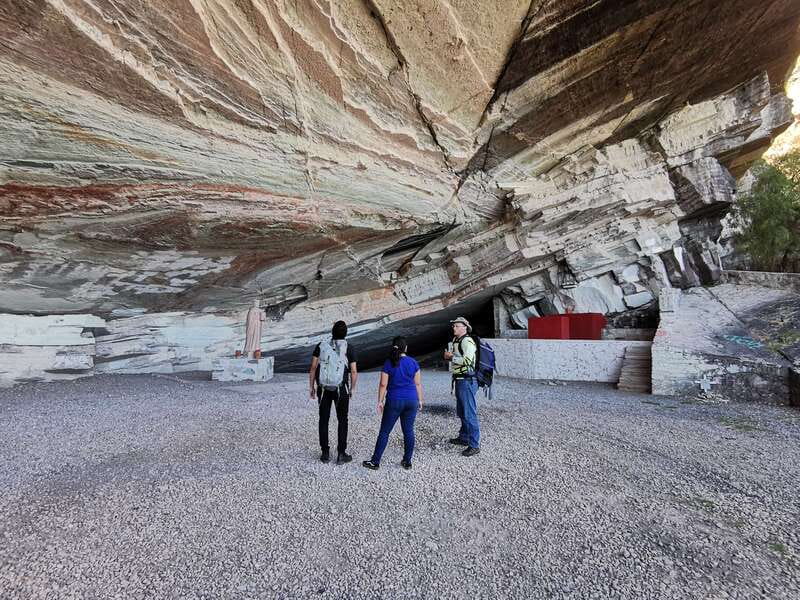
As you continue, you’ll look for key named stops that help define the hike’s character, including las comadres and el cerro de la bufa.
This is where the trail earns its name. The ascent toward the summit is the part most people remember, partly because the air changes and partly because the effort makes the payoff feel earned. You’ll likely notice the vegetation shift, too, as the route takes you through different pockets of the hillside.
At the top, you’ll get those wide views over Guanajuato and the surrounding areas. Several people highlight that the scenery can be stark and beautiful, with cactus and rocky terrain playing a big role in what you see.
And here’s a detail I really appreciate: guides tend to stop several times to point out what’s around you and take photos. That turns the hike from nonstop walking into a guided outdoor lesson.
The Descent: Same Area, Different Trail Feel
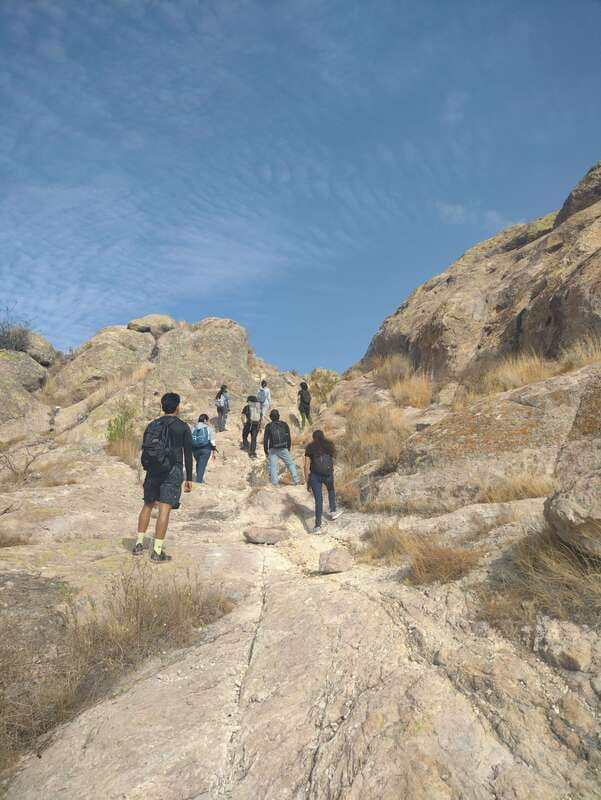
One of the nicest surprises is that the return often doesn’t feel identical. The experience is set up as a loop-style walk rather than an out-and-back. That means the return can bring a different feel and sometimes a more complex trail surface.
In at least one account, the ascent was cleaner and the descent felt a bit trickier, with different vegetation and a slightly different atmosphere. That’s normal on hikes like this: the same mountain, different angles, different ground.
So if you’re choosing between comfort and challenge, I’d plan for the descent to require care. Good shoes help a lot, and staying calm on steep or rocky sections keeps you from rushing.
Pace, Support, and the Stuff That Keeps You Comfortable
This tour is built around a few support items that quietly improve your experience. You’re provided walking sticks, plus an amphora (useful for carrying water). You also get a specialized guide, plus required permissions and entries for the route.
There’s mechanical support, first aid on hand, and civil liability and personal accident insurance. You don’t think about insurance during a view stop, but it’s the kind of behind-the-scenes coverage that helps you relax and focus on the hike.
Guide pacing is another big factor. Raúl, in particular, was described as slowing down throughout the 4 hours so the group could keep moving comfortably. That’s exactly what you want if you’re not training for a marathon.
If you’re the kind of traveler who gets impatient when a tour rushes, this is a tour where timing can be more human. It’s still 4 hours of hiking, but the guide’s approach can keep it from feeling like a sprint.
Price and Value: What $57 Buys You Here
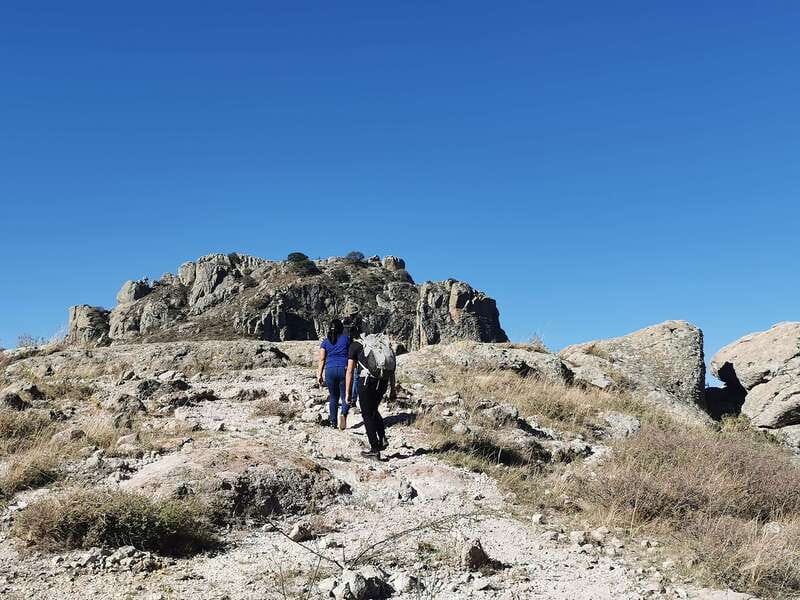
At $57 per person for about 4 hours and roughly 14 km, this isn’t just a sightseeing ticket. You’re paying for a guide, the hiking gear basics (walking sticks and an amphora), permissions/entries, and transfer support based on your hotel location.
You’re also getting the safety framework: first aid support staff and insurance. Even if those details don’t sound glamorous, they’re part of what makes hiking tours feel safe enough to enjoy.
Food isn’t included, so you should plan for a snack or meal before and after. That’s the one part where the value calculation changes: you may spend a bit more to stay fueled, especially if you’re sensitive to hunger during hikes.
Still, for what you get—guided history at the start, summit viewpoints, and structured time on the hillside—this price often feels fair. You’re paying for access to a guided outdoor route and for expertise that helps you notice what matters.
What to Bring (and What to Skip)
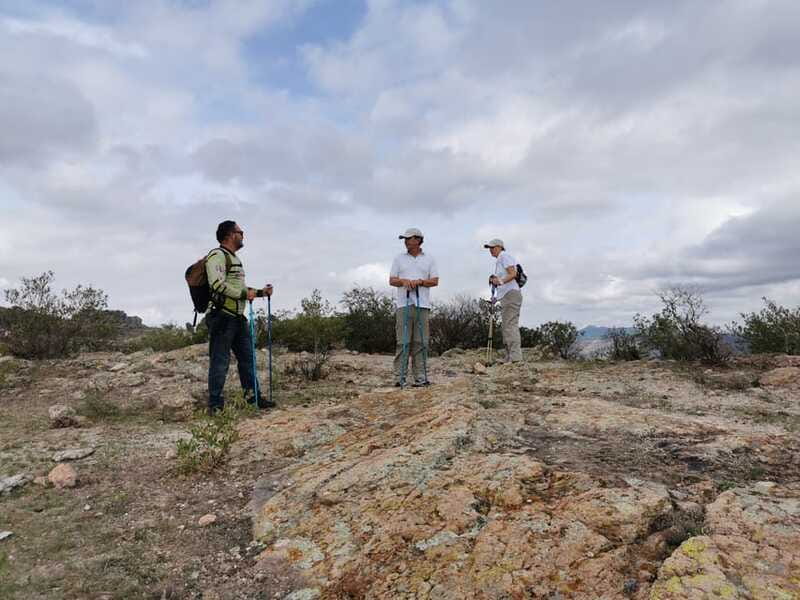
Pack like you’re doing a real hike, not a casual city walk. You’ll want:
- Passport or ID card
- Comfortable clothes
- Comfortable shoes, ideally hiking shoes
You’ll be outside for the whole 4 hours, so dress for active walking rather than museum time.
Also note what’s not allowed: alcohol and drugs. It’s a basic safety and conduct rule, but it also keeps the hike more focused and comfortable for everyone.
If you’re sensitive to sun or dry air, plan accordingly. This is cactus and rocky terrain country, so a little extra hydration planning goes a long way.
Who Should Book This Hike (and Who Should Rethink It)
This tour fits best if you want more than city photos. If you like the idea of combining history (starting near de la Olla) with real time outdoors (plants, cacti, and changing trail feel), you’ll probably enjoy it a lot.
It’s not for everyone. It’s not suitable for children under 5 and it’s also not recommended for pregnant women. The route is a 14 km hike with uneven terrain, so it’s simply not the right match for those groups.
If you’re comfortable walking uphill for a few hours and you have decent footwear, you should be in good shape. And if you’re unsure, remember: the guide can adjust pace for the group, as shown in multiple experiences.
Should You Book the La Bufa Hiking Tour?
I’d book this tour if you’re in Guanajuato and want one day that feels outdoorsy and guided, without being overly complicated. The mix of panoramic views, named hillside stops like las comadres, and guide-led plant and cactus spotting is a strong combo for travelers who enjoy seeing the real place behind the postcards.
Skip it (or choose a gentler option) if you hate hikes that involve careful footing on a longer route. It’s 4 hours and about 14 km, so you’ll want to be ready for sustained walking.
FAQ
How long is the La Bufa hiking tour?
The duration is about 4 hours, including the full hike.
Where does the tour start?
You’ll start at the tour operator’s offices, with pickup possibly available from your hotel depending on where you’re staying.
What language is the guide?
The live tour guide speaks English and Spanish.
What is included in the price?
Included items are walking sticks and an amphora, a specialized guide, required permissions/entries, transfer to and from the start (depending on your hotel), mechanical support, first aid support, and civil liability/personal accident insurance.
Is food included?
No, food is not included.
What should I bring, and what isn’t allowed?
Bring an ID card or passport, comfortable clothes, and comfortable or hiking shoes. Alcohol and drugs are not allowed.