REVIEW · PUERTO NATALES
Puerto Natales: Base of the Towers Day Hike
Book on GetYourGuide →Operated by Paine Travel / ChileTour · Bookable on GetYourGuide
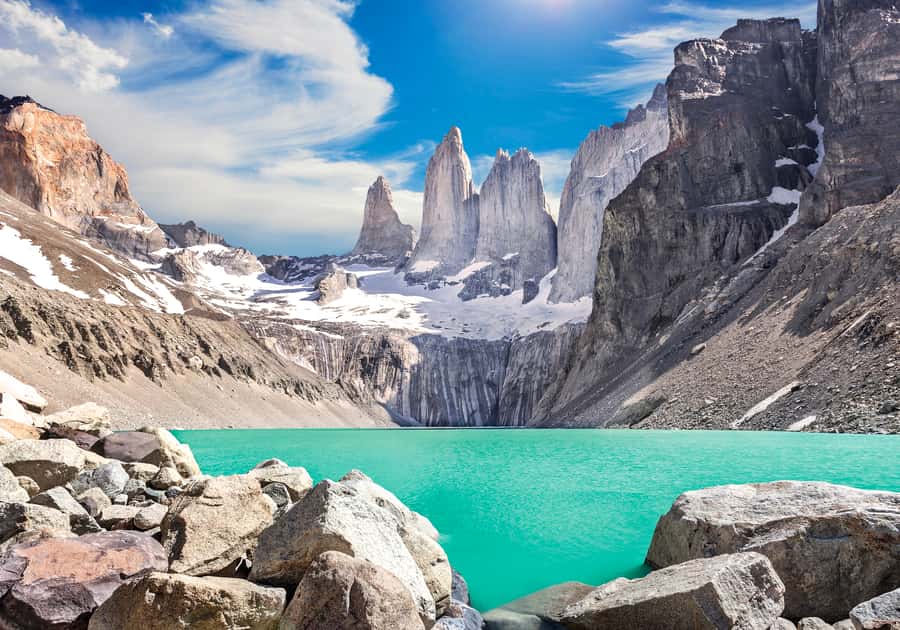
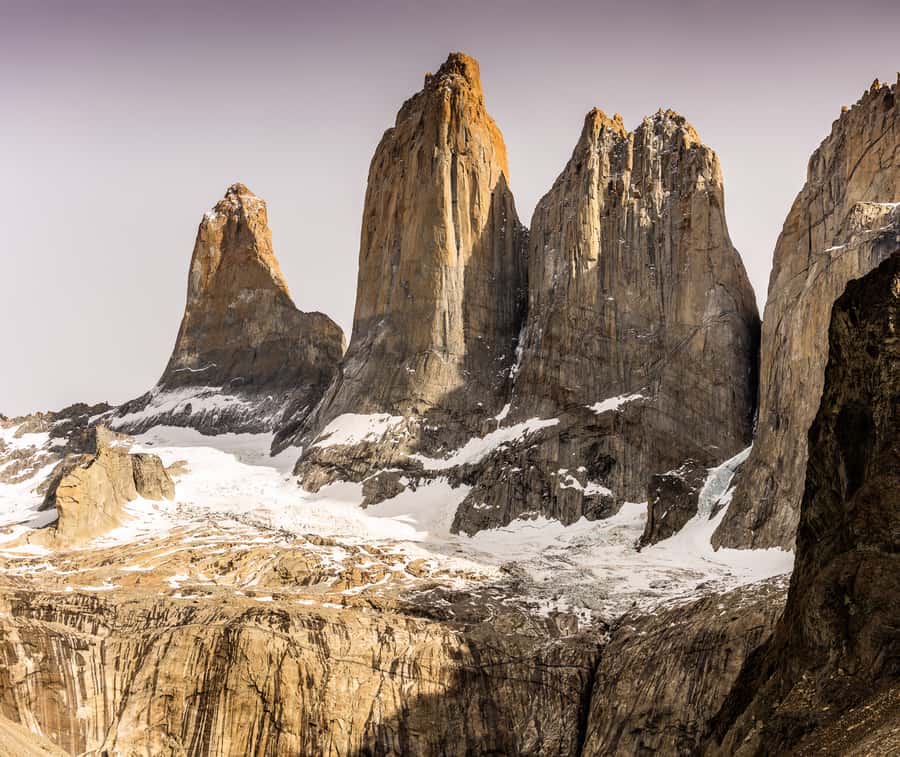
Torres del Paine starts with a long, early morning. I love how the bilingual guides manage the pace in a way that keeps the whole group safe on steep, uneven ground. I also love the payoff: the granite towers base with views of Torre Sur, Torre Central, Torre Norte, and Cerro Nido de Cóndor.
Just be ready for one honest drawback: this is an advanced 22 km day hike, and the finish line is also the hardest part on the way up and down. If you’re not used to rugged trails and long hours, your legs will notice by the time you’re headed back to Puerto Natales around 21:00–21:30.
In This Review
- Quick takeaways for the Base of the Towers day hike
- Base Torres from Puerto Natales: a full-day hike with real structure
- Pickup at 6:15–6:45: why the early start is worth it
- Valle del Ascencio downhill: setting the tone on your way to El Chileno
- Millennial lenga forest to the base route: where the terrain turns serious
- The climb to Torres del Paine’s base: the last push and the rocky reality
- Lake Nordenskjöld and Almirante Nieto Mountain: more than a single trophy view
- The best views need patience: how long you’ll actually spend at the top
- Coming down hurts too: why the descent is a bigger deal than people expect
- Guided pacing and safety: what the guide team really does
- What you actually get for the $90 price
- Packing list that matches the Patagonia reality
- Who this hike suits best, and who should skip it
- Should you book this Base of the Towers day hike from Puerto Natales?
- FAQ
- How long is the Base of the Towers tour from Puerto Natales?
- How far is the hike?
- Is Torres del Paine National Park entry included?
- What hiking gear is included?
- What food and drinks should I plan for?
- Is this tour suitable for children or older adults?
Quick takeaways for the Base of the Towers day hike
- Guides keep you moving safely with a pace plan that includes slower support near the back of the group
- Trekking poles are included, and they can make a big difference on rocky footing
- The scenery is stacked all day from Valle del Ascencio to El Chileno to Lake Nordenskjöld views and Almirante Nieto Mountain
- Expect a challenging last push with scramble-style terrain near the towers’ base
- Don’t underestimate the descent. Coming down can take the same kind of effort as climbing up
- Budget for extras: food/drinks and Torres del Paine park entry are not included
Base Torres from Puerto Natales: a full-day hike with real structure
If you want Torres del Paine without planning your own logistics, this is a strong option. You get picked up in Puerto Natales, driven into the park, and put on a clear schedule that still leaves room to enjoy the views when conditions allow.
The value here is less about comfort and more about having a plan for a hard day. You’re tackling a long, advanced trek—about 22 km total—so the guide’s role matters. In the best moments, it feels like you’re hiking with professionals who read the trail and adjust pacing so fewer people get dropped or rushed.
The other reason this works is what you actually see. You’re not just hiking to a single photo stop. The route threads through Patagonian terrain, including a millennial lenga forest, glacier streams, and viewpoints that tie into Almirante Nieto Mountain and Lake Nordenskjöld.
Pickup at 6:15–6:45: why the early start is worth it
Your day kicks off with pickup from your accommodation in Puerto Natales, usually between 6:15 and 6:45. Then you’ll ride toward Torres del Paine National Park for about two hours.
That early timing isn’t just a logistical quirk. It helps you get into the park and start your hiking window with the most reasonable conditions for a long trek. Patagonia weather loves surprises, so starting early gives the guide team better odds of matching the day’s safety needs with the hike plan.
Plan to treat the van ride as part of the day. You’ll want a quick snack in the morning and to make sure your layers are ready before you start moving downhill.
Valle del Ascencio downhill: setting the tone on your way to El Chileno
Right after you enter near the gateway before Hotel Las Torres, the trek starts with a downhill walk toward Valle del Ascencio. This section matters because it’s where your body settles into the rhythm. Even if you feel great in the morning, that downhill start can still be tricky on uneven ground.
You’ll continue until you reach El Chileno Mountain Lodge. This is where the route starts to feel like a story, not just a straight line: changes in vegetation, more “wow” moments from shifting viewpoints, and more chances to stop for water and photos without turning the hike into a stop-and-go mess.
What I like about this staging is that it breaks the day into pieces you can mentally handle. You’re not thinking only about the towers. You’re building toward them step by step.
Millennial lenga forest to the base route: where the terrain turns serious
After the lodge area, the trail passes through a millennial lenga forest. This is one of those Patagonian details you’ll remember even after your legs are sore: tall, rugged trees and a trail that feels more “wild” than “tourist.”
Then you move onto the path that leads you to the base of the rock formation. This is where the hike shifts from scenery-walking into proper effort. The ground becomes more uneven, and the climbs become more noticeable.
Also keep an eye out for water features along the route. The glacier streams are part of what makes the day feel special, not just the towers themselves. They can be a simple mental reset when your pace slows.
The climb to Torres del Paine’s base: the last push and the rocky reality
The moment you start the challenging ascent to the towers’ base is when you should stop negotiating with yourself. The hike is described as advanced, and the trail has inclines and rugged terrain. The final approach can include scramble-style sections, especially near the viewpoint.
This is where guide support really shows up. Many hikers say guides will slow down and go at your pace instead of turning this into a race. Some guide teams even work with different paces within the group, so you’re not stuck behind the fastest walkers or forced to sprint to keep up.
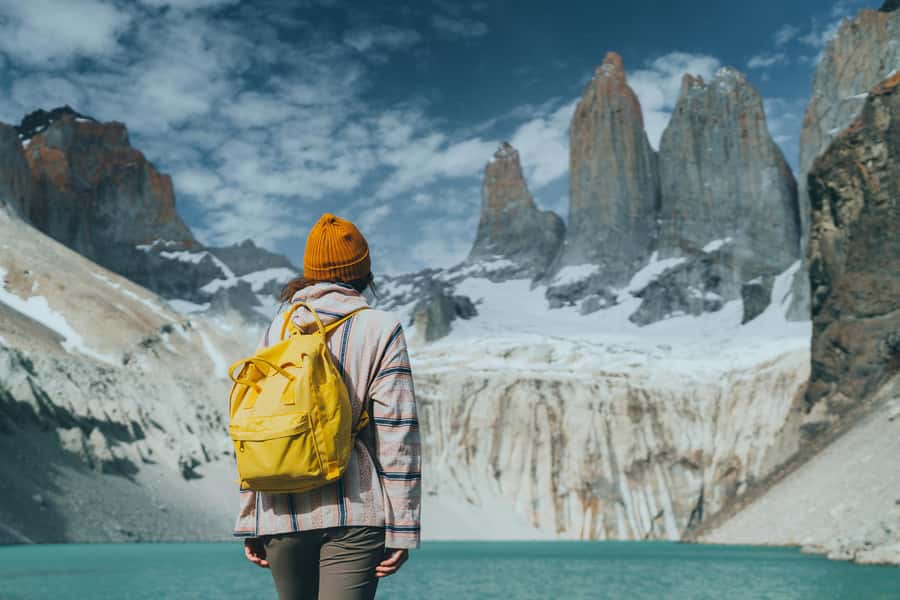
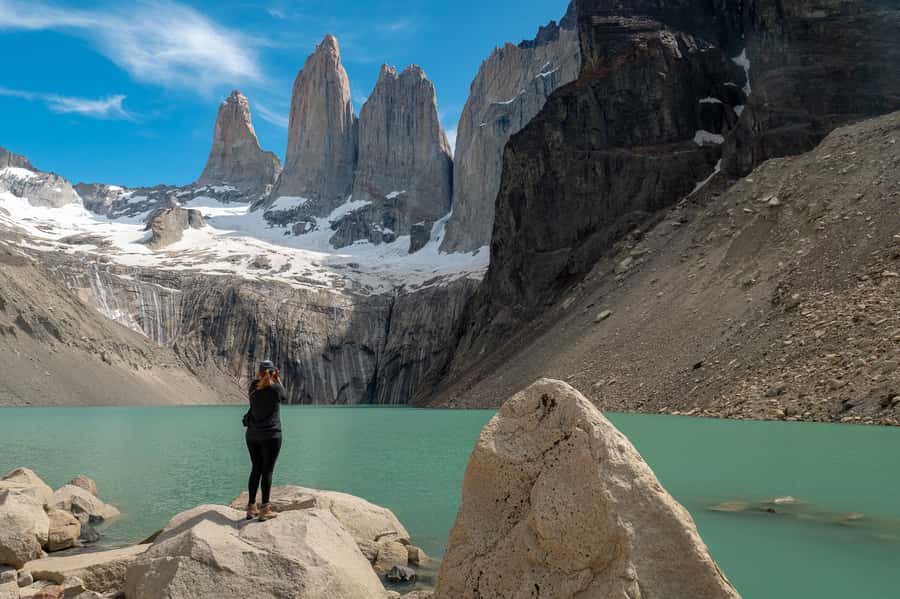
You’ll also get panoramic views around the towers area: Torre Sur, Torre Central, Torre Norte, and Cerro Nido de Cóndor. On a clear day, that’s the kind of scene that makes the effort feel worth it instantly.
On the flip side, if the wind or weather worsens, conditions near the top can change fast. The route can vary for safety reasons, and your guide will make the call if conditions aren’t safe.
Lake Nordenskjöld and Almirante Nieto Mountain: more than a single trophy view
One reason this day hike earns its reputation is that Torres isn’t the only star. The route ties into views along the way, including Lake Nordenskjöld and Almirante Nieto Mountain.
Think of it like this: even if you had somehow seen a hundred tower photos, this hike keeps delivering fresh angles and different kinds of scenery. You get glacier-fed water elements, big sky, and the feel of Patagonian scale as you move across the park.
This matters because the hike is long. When you’ve been climbing for hours, it’s helpful to have multiple moments of meaning, not just one final payoff.
The best views need patience: how long you’ll actually spend at the top
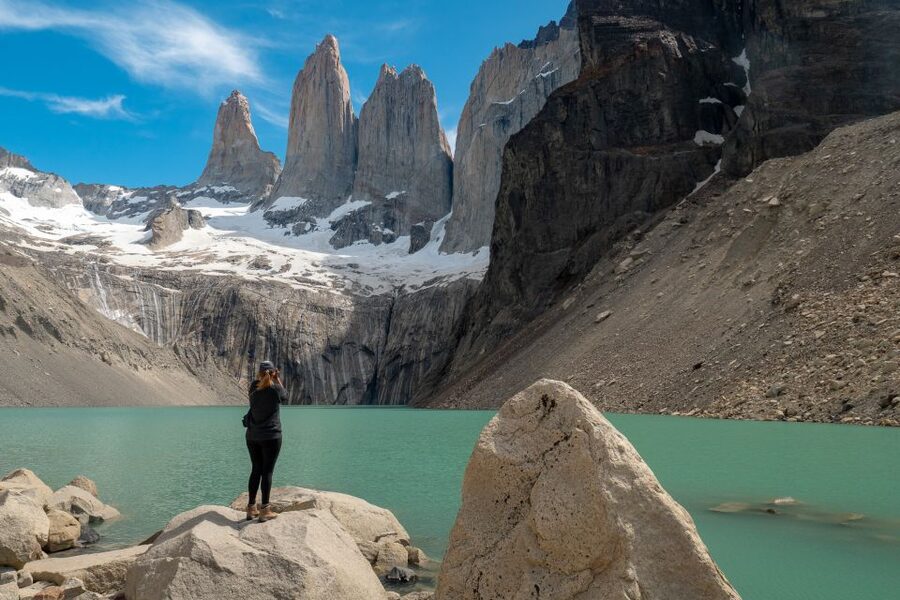
You’ll have a chance to admire the towers after reaching the base. The exact amount of time can vary with conditions and the group’s pace, but the goal is to let you enjoy the viewpoint without turning the day into a long standstill.
A practical tip: decide what you’re going to do at the top before you get there. If you want photos, pick a spot, take them, and then leave enough time to truly look around. Wind can shift fast at Torres, and the light can change even when skies look stable.
If weather cuts visibility, you’ll still get an epic hike day. But if you’re coming purely for a clear, iconic photo, you’ll want to be honest with yourself about Patagonia’s unpredictability.
Coming down hurts too: why the descent is a bigger deal than people expect
Here’s the part that surprised me when I looked at how people describe this hike: the descent can take a serious toll. Many hikers note that the hike down is challenging and can take time and focus.
That makes sense. Downhill travel on uneven terrain punishes your quads and your balance. The last stretch near the rocky sections can be just as demanding as the climb, especially if your footing isn’t secure and the trail is wet or windy.
This is where trekking poles feel like a cheat code. Poles help you control your stride on descents and reduce stress on your knees. If you didn’t bring poles, you still get them included on this outing, which is one less thing to manage.
One more smart move: don’t treat the way down as vacation mode. Keep your pace steady, take the breaks your guide suggests, and let the guide know if you’re struggling so you can adjust before you get wrecked.
Guided pacing and safety: what the guide team really does
This tour runs with a certified bilingual local guide and includes a safety briefing and a first aid kit. That’s not just paperwork. In real terrain, it means your guide is watching for slips, fatigue, and changing conditions.
Guide teams also seem built for mixed fitness levels. You may split into subgroups by pace, with guides staying at the front and back so nobody gets left behind. Several hikers mention a strategy like one guide near the front to set the flow, and others looking after those who need to move slower.
Names that show up repeatedly in feedback include Camilo, Hugo, Alexis, Joaquín, José, and Ricardo, plus others like Armando, Edgar, Cristóbal, Guillermo, and Francisca. The pattern is consistent: friendly encouragement, clear communication, and practical help when someone tires out or needs extra time.
If you have a medical issue risk (like back pain flare-ups), this is exactly the kind of day where you should think twice. The hike is described as not suitable for people with back problems, and the trail is advanced with inclines and uneven terrain.
What you actually get for the $90 price
At $90 per person, the pricing makes sense when you list what’s included versus what you must plan yourself.
Included:
- Pickup and drop-off in Puerto Natales (hotels and nearby areas)
- Trekking poles
- A certified bilingual guide (English and Spanish)
- First aid kit and safety briefing
Not included:
- Food and drinks
- Torres del Paine National Park entry
That last part matters. Torres del Paine entry fees can change your overall budget, so check before you go. Also, this isn’t a meal-included hike, so plan snacks and water like you mean it.
As for the money question: if you’re the kind of traveler who wants the hardest part taken care of—transport, timing, guiding, and route structure—this price feels fair for what you avoid spending energy on. If you’re already a strong independent hiker and want full control, then a guided group trek may feel like extra cost. Still, on this terrain, most people choose guidance because it reduces risk and stress.
Packing list that matches the Patagonia reality
This hike is all about weather and footing. Bring the basics and you’ll thank yourself.
You should pack:
- Passport or ID card
- Warm clothing and a windbreaker
- Sunglasses, hat, and sunscreen
- Hiking shoes and hiking pants
- Food and drinks (and keep water plentiful)
- Sunscreen and extra layers
Practical notes from real days: guides may offer places to refill bottles from glacial stream sources, but it’s still smart to carry enough water between refill points. One stop includes a place where you might buy things, but water may not be sold there, so don’t treat it as your only source.
Also, if it’s wet or snowy, you’ll feel it. Some hikers recommend bringing a change of clothes, plus a rain-proof layer and backpack protection. Even if the day starts calm, Patagonia can shift.
Finally: wear proper hiking footwear. Sneakers can work in a pinch for casual trails, but on scramble-style sections and rocky descents, it’s a bad trade.
Who this hike suits best, and who should skip it
This is not for casual walkers. The trek is described as advanced with inclines and uneven terrain, and the hike is long enough that most people feel it for days after.
Not suitable:
- Children under 10
- Pregnant women
- People with back problems
- People over 70
If you’re in good hiking shape and can handle 22 km plus a tough rocky final stretch, you’ll likely love this. If you’re unsure, choose a calmer day or a different trail option.
And one more honesty point: the weather can force changes or cancellations for safety. That means you should be flexible, especially if you only have one day in Torres del Paine.
Should you book this Base of the Towers day hike from Puerto Natales?
Book it if you want:
- Professional guidance on a long, advanced trail
- A structured day with transport taken care of
- The chance to reach the base viewpoint and see Torre Sur, Central, Norte, plus Cerro Nido de Cóndor
- Built-in help with pacing, trekking poles, and safety
Skip it if:
- You don’t handle rocky, steep terrain well
- You’re sensitive to long days with heavy fatigue
- You fall into the listed “not suitable” categories
- You want a relaxed hike with lots of leisurely time on every bend
If you do book it, prep like it’s a real expedition day: bring enough food and water, dress for wind and rapid weather swings, and plan for sore legs on the descent. Then trust the guide team when they adjust pace and route for safety.
FAQ
How long is the Base of the Towers tour from Puerto Natales?
The full experience runs about 15 hours, including pickup, driving, hiking time in the park, and returning to Puerto Natales.
How far is the hike?
The trek covers about 22 km total.
Is Torres del Paine National Park entry included?
No. Park entry is not included in the tour price.
What hiking gear is included?
You get trekking poles. You should still bring your own hiking shoes and the clothing you’ll need for cold and wind.
What food and drinks should I plan for?
Food and drinks are not included, so you’ll want to bring enough for a full day. There may be a stop where you can purchase items, but water may not be sold there, so carry water and refill where possible.
Is this tour suitable for children or older adults?
No for children under 10, and it’s also listed as not suitable for pregnant women, people with back problems, and people over 70.