REVIEW · FUJIKAWAGUCHIKO MACHI
Private Local Hiking to enjoy the nature and culture of Mt.Fuji
Book on Viator →Operated by Yuki(ゆうき) · Bookable on Viator
Fuji views with room to breathe. This private local hike at the foot of Mt. Fuji mixes culture and nature in places most people skip: an old Fuji shrine, the Jukai forest, and even a sacred lava cave. I particularly loved Yuki’s perspective from 40+ Mt. Fuji climbs, and I liked the way the route moves between quiet lakes and scenic trails. One catch: the best Fuji views depend on weather, and pickup is limited to the Kawaguchiko/Fujiyoshida areas.
This is also one of the rare tours that feels practical, not just scenic. You get rental hiking gear (shoes, poles, rain layers, and gloves), plus private transport and a guide who can shape the pace for your group. If you’re set on seeing Mt. Fuji perfectly, plan for cloud cover and come ready to enjoy the walk anyway.
In This Review
- Key Points to Know Before You Hike Mt. Fuji
- Why This Private Mt. Fuji Hike Feels Local (Not Tourist-Route Local)
- Meet Yuki: The Guide Who Connects Fuji Worship, Trails, and Timing
- The Morning Flow: 9:00 Start and a Calm 5–6 Hours
- Lake Kawaguchiko and the “Fuji First” Mindset
- Fuji Omuro Sengen Shrine: Where People Tried to Settle the Mountain
- Saiko Lake: The Quiet Contrast to Kawaguchiko
- Aokigahara and Jukai Forest: Walking Through an Eruption’s Aftermath
- Ryugudoketsu-iriguchi: The Sacred Lava Cave Before the Climb
- Sankodai Viewpoint Hike: The Part That Turns Scenic Into Special
- Menkyo-kaiden and Yoshida Udon: Fuel That Actually Feels Like the Region
- Fujisan Onsen Hotel Kaneyamaen: Matcha in a Public Japanese Garden
- Price and Value: Why $131.38 Can Make Sense Here
- Who This Tour Fits Best (And Who Should Rethink It)
- Quick FAQ for Mt. Fuji Hiking at the Lakes
- FAQ
- How long is the Mt. Fuji private hiking tour?
- What time does the tour start?
- Is pickup available from anywhere in the Fuji area?
- What hiking difficulty should I expect?
- What gear is included?
- Is lunch included in the price?
- What food do we eat during the tour?
- Is there a place to relax after the hike?
- What happens if the weather is bad?
- Should You Book This Private Local Mt. Fuji Hiking Tour?
Key Points to Know Before You Hike Mt. Fuji
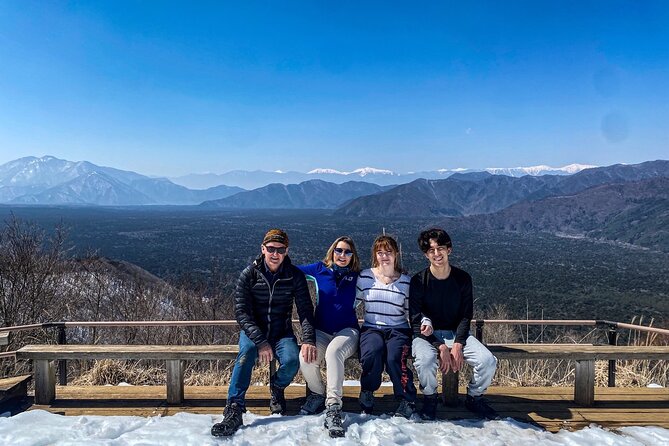
- Yuki (and sometimes other guides like Danny) leads with serious local know-how, including Mt. Fuji experience.
- Aokigahara’s Jukai forest and a sacred lava cave add true culture and geology to the trek.
- Lake Kawaguchiko to quieter Saiko Lake gives you variety without rushing through big crowds.
- You’ll try local food at a place tourists usually miss, plus a matcha break in a garden.
- Moderate effort with supportive gear, but you still need comfortable shoes and a weather-ready mindset.
Why This Private Mt. Fuji Hike Feels Local (Not Tourist-Route Local)
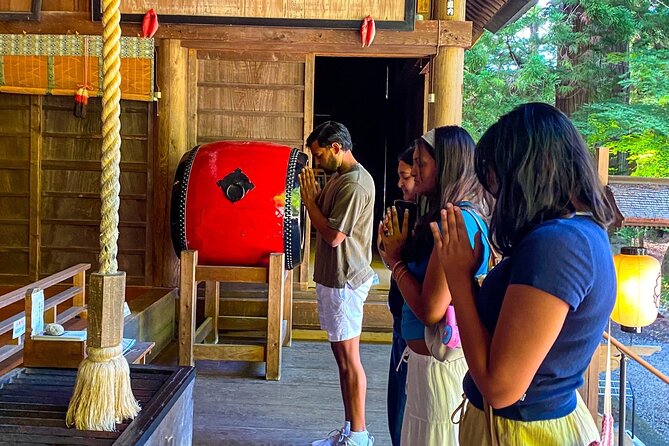
This tour is designed around the foot of Mt. Fuji, but it deliberately avoids the loud, over-scheduled feeling of the most famous viewpoints. Instead, you’re moving through a chain of meaningful stops: places tied to Fuji worship, quiet water views across the five-lake region, and trails shaped by past eruptions.
The private part matters more than you might think. When you’re not in a big pack, the guide can pause when the view opens, slow down when the ground is uneven, and spend extra time where it actually clicks. One review even noted the guide spending more time than planned, which usually only happens when the group stays comfortable and the route makes sense.
Meet Yuki: The Guide Who Connects Fuji Worship, Trails, and Timing
The guide is Yuki (ゆうき), a certified mountain guide who has climbed Mt. Fuji more than 40 times, and he’s also described as a licensed local hunter. That combination may sound unusual, but it fits the tour’s tone: you’re not just walking for photos. You’re being taught how people read the land.
In real-world terms, this shows up in the kind of small details that make a hike smoother:
- choosing a route that makes sense for the day’s conditions
- explaining why certain places are sacred
- knowing where to stand for stronger Fuji visibility when the sky cooperates
I also saw that other groups reported a guide named Danny on a similar outing. That suggests the service is built around the same style—local pacing, clear guidance, and a calm rhythm—rather than a one-size-fits-all experience.
The Morning Flow: 9:00 Start and a Calm 5–6 Hours
You start at 9:00 am, and the tour runs about 5 to 6 hours. In practice, that’s long enough to feel like an actual adventure, but not so long that you’re burning your whole day before lunch plans.
You’ll likely begin with transport into the Fuji lakes area, then head to the first shrine and follow the route from there. The tour uses mobile ticketing, and you should get confirmation when you book.
Because the itinerary blends short stops with hiking time, your comfort will depend on one thing: how your body handles moderate walking on uneven trails. The good news is that the route is described as moderate, and you can rent gear on the spot.
Lake Kawaguchiko and the “Fuji First” Mindset
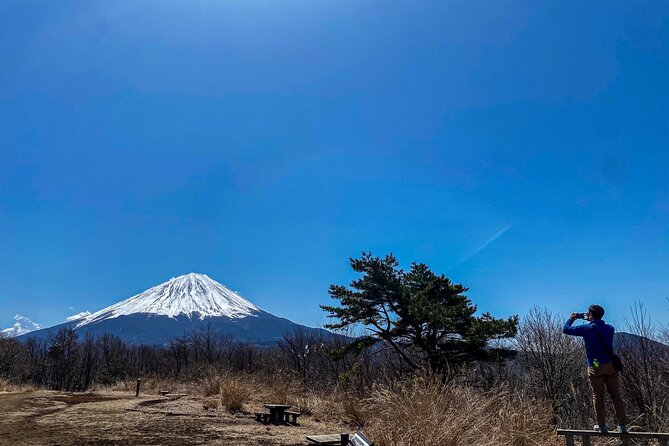
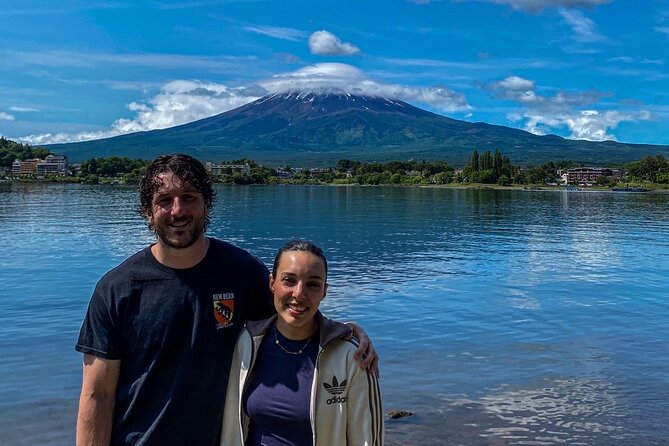
Lake Kawaguchiko is the star of the five lakes. It’s popular for a reason—Mt. Fuji reflected or framed by the water can look almost too perfect. Here’s how this helps you as a hiker: it’s a natural warm-up stage.
The tour uses Kawaguchiko as a “get your bearings” moment. If it’s sunny, you can enjoy an iconic view of Fuji right from the trail. If it’s cloudy, you still have the calm lake setting and a scenic start that doesn’t feel wasted. The guide’s job is to time the best possible angles while keeping you moving.
Practical tip: plan layers. Fuji weather can change fast, even when the morning starts clear.
Fuji Omuro Sengen Shrine: Where People Tried to Settle the Mountain
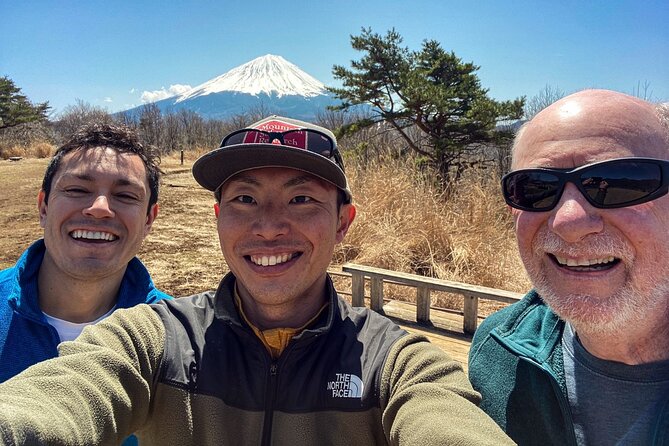
At Fuji Omuro Sengen Shrine, you get the spiritual context behind the hiking. This shrine is tied to Mt. Fuji worship and connections to major eruptions. The basic idea is that ancestors built and supported the shrine to help calm or “settle” the eruptions—then the worship grew from there.
This stop works because it doesn’t feel like a random detour. It gives you a reason for why later stops in the forest and caves matter. It also helps you slow down and notice things you might otherwise rush past.
Admission here is free, so you’re not paying extra just to appreciate the setting.
Saiko Lake: The Quiet Contrast to Kawaguchiko
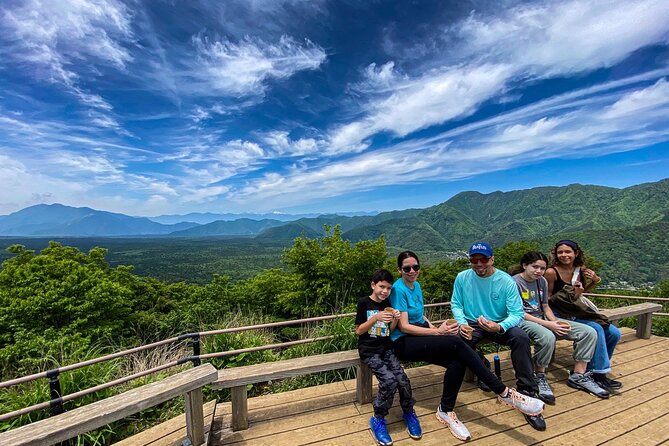
After the more famous lake, you shift to Saiko Lake, which the tour describes as much quieter. This matters. You’re not just doing a scenic checklist—you’re changing the mood.
Saiko Lake is where Mt. Fuji views often feel more intimate, because the surroundings are calmer. Even when Fuji isn’t sharply visible, the combination of water and forest edges still gives you that “back to nature” feeling.
Again, admission is free, so the value is in the experience and the pacing rather than any ticketed attraction.
Aokigahara and Jukai Forest: Walking Through an Eruption’s Aftermath
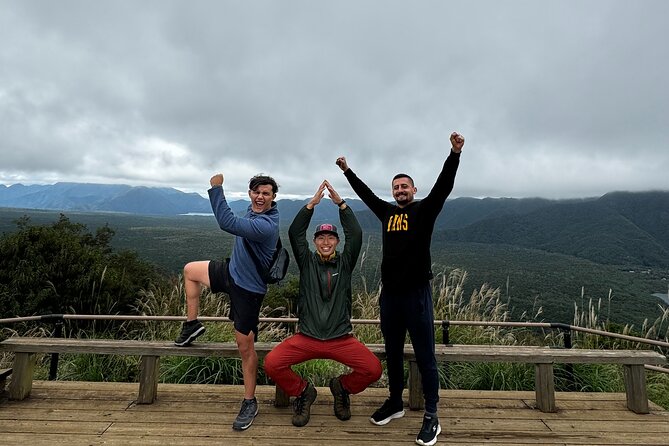
Then comes one of the most memorable parts: Aokigahara Forest, also called Jukai, the sea of trees. The tour describes the nickname as something you notice from viewpoints—like standing above a moving wave of greenery.
What makes this stop more than pretty scenery is the connection to Mt. Fuji’s past eruptions. One of the biggest eruption events about 1,200 years ago shaped this forest environment. So as you walk, you’re not just seeing trees—you’re seeing a long-term result of the mountain’s history.
There’s also an emotional difference here. In reviews, people described the scenery as stunning and the day as both informative and beautiful. That makes sense: Jukai has a strong atmosphere, even without a dramatic “attraction” object. You’re in it.
Ryugudoketsu-iriguchi: The Sacred Lava Cave Before the Climb
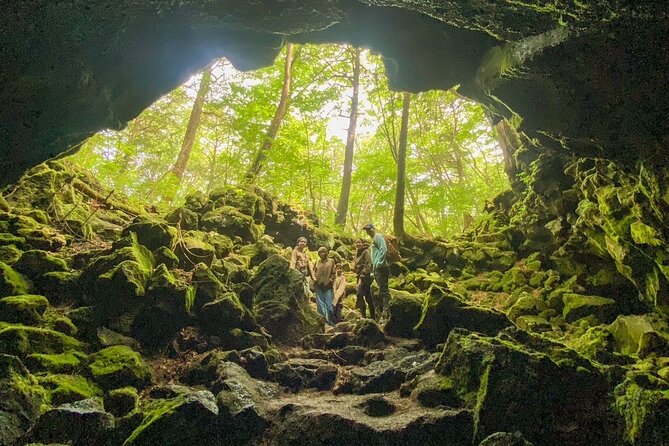
Next you’ll visit Ryugudoketsu-iriguchi, described as a sacred cave where people used to pray for the goddess of Mt. Fuji before climbing. The belief was that the cave represented the goddess’s inner space—so worship happened right at the threshold of the mountain journey.
This is a neat contrast after the forest. You go from “sea of trees” to “sacred underground space,” and it helps explain why the tour frames the day as more than physical exercise.
Admission is free. The payoff is the story and the change of setting, not a ticket booth.
Sankodai Viewpoint Hike: The Part That Turns Scenic Into Special
The big view comes at Sankodai. The description says it’s about an hour hike one way to the viewpoint, with a route suitable for outdoor beginners. You’re aiming for a wide look that combines Mt. Fuji, Jukai, and Lake Saiko at the same time.
This is where the day’s effort makes sense. You’re not hauling yourself uphill for a tiny payoff; you’re walking for a big framing shot of the whole region.
Timing details can be fuzzy across similar routes, but one review mentioned the overall hike taking about 2 hours round trip, with a break at the top. That aligns with the tour’s “moderate” label: plan for steady walking, a little climbing, and time to catch your breath when the viewpoint opens.
Gear note: with trekking poles and supportive shoes, you’ll feel safer on the descent.
Menkyo-kaiden and Yoshida Udon: Fuel That Actually Feels Like the Region
After you earn it, you stop for local food at Menkyo-kaiden, guided to a spot tourists often can’t find on their own. The signature dish here is Yoshida udon, and the cost is about 1,000 yen per person.
This is a good moment to reset. Even if you’re not a “foodie” traveler, this kind of guided meal tends to be more satisfying because it’s chosen for taste and convenience during the hike. It also keeps the day cohesive: view, walk, story, then food in the middle of the Fuji experience rather than after.
Lunch isn’t included as part of the basic price, and the tour itself lists lunch around 1,000 yen. So think of meal costs as part of your day budget.
Fujisan Onsen Hotel Kaneyamaen: Matcha in a Public Japanese Garden
To close the day, you head to Fujisan Onsen Hotel Kaneyamaen, an older hotel in Fujiyoshida city with a large Japanese garden that opens to the public.
This is where the tour shifts from “active outdoors” to “slow down.” You can enjoy matcha with a Japanese sweet (optional, about 1,000 yen per person) or just chill in the garden.
The garden stop is more than dessert. It gives you a decompression moment after the forest and cave, and it’s a nice way to soak up the day without rushing back into transport mode.
Price and Value: Why $131.38 Can Make Sense Here
At $131.38 per person, this tour isn’t the cheapest way to move around Mt. Fuji. But you’re buying a package of practical value:
- a private guided itinerary that connects multiple locations
- private transportation
- free rental gear (shoes, poles, rain layers, gloves)
- guide fees included
You still pay for food (like Yoshida udon) and any optional matcha sweet, and insurance isn’t included. But for the combination of guide expertise and real logistics—especially gear and transport—this often works out better than doing it yourself with random drivers and then paying for rentals separately.
Also, private hiking with a local guide can be a huge win if you care about meaning. If you only want one photo spot, you’d probably do cheaper. If you want a day that tells you what you’re looking at, it’s a strong value.
Who This Tour Fits Best (And Who Should Rethink It)
This hike is a great fit if you want:
- Mt. Fuji views plus quieter nature around the lakes
- cultural stops that explain why places matter
- a moderate trail day without complicated planning
- a guided meal and a calm finish in a garden
I’d rethink it if:
- you need a guaranteed clear view of Mt. Fuji (weather matters here)
- you can’t handle moderate walking on uneven trails
- you’re outside the pickup-friendly area (pickup is only described for Kawaguchiko or Fujiyoshida stays, or you’ll come on your own)
Quick FAQ for Mt. Fuji Hiking at the Lakes
FAQ
How long is the Mt. Fuji private hiking tour?
It runs about 5 to 6 hours.
What time does the tour start?
The start time is 9:00 am.
Is pickup available from anywhere in the Fuji area?
Pickup is available only if you’re staying in the Kawaguchiko or Fujiyoshida area, or you can come to the areas on your own.
What hiking difficulty should I expect?
The trail is described as moderate, with about 1 hour up and 30 minutes down, and the Sankodai viewpoint hike is described as suitable for outdoor beginners.
What gear is included?
The tour includes trekking shoes, trekking poles, rain jackets and pants, and gloves.
Is lunch included in the price?
No. Lunch is listed as around JPY 1,000, and the guided meal at Menkyo-kaiden (Yoshida udon) is about 1,000 yen per person. Matcha sweets are optional.
What food do we eat during the tour?
You’ll enjoy Yoshida udon at Menkyo-kaiden.
Is there a place to relax after the hike?
Yes. You’ll visit Fujisan Onsen Hotel Kaneyamaen, where you can enjoy matcha (with an optional sweet) in a Japanese garden.
What happens if the weather is bad?
The tour requires good weather. If it’s canceled due to poor weather, you’ll be offered a different date or a full refund.
Should You Book This Private Local Mt. Fuji Hiking Tour?
If your idea of a great Mt. Fuji day includes more than one view photo, book it. The structure is strong: shrine meaning, quiet lakes, Jukai atmosphere, a sacred cave stop, a real viewpoint hike, then Yoshida udon and matcha in a garden. That flow makes the time feel earned.
If your main priority is guaranteed clear skies, keep expectations realistic. Plan to enjoy the forests, caves, and lakes even if Fuji is coy. And if you’re staying outside Kawaguchiko/Fujiyoshida, double-check how you’ll get to the start areas, because pickup isn’t described as universal.
Bottom line: this is a thoughtful private day that trades crowds for context—and it’s worth it for that.