REVIEW · MARESON
One day hike with snowshoes to discover Dolomites
Book on GetYourGuide →Operated by dolomiti explorer · Bookable on GetYourGuide
Snowshoes make the Dolomites feel close. This 6-hour winter hike in Veneto pairs hands-on snowshoe training with an expert guide so you can focus on the views: steep cliffs, frozen valleys, and those unmistakable Dolomite forms. I like that the small group stays limited to 6 people, which means more attention on technique and safety.
I also like how your guide (often noted as Elisa) adapts the day to your preferences and the conditions. One thing to plan for: you’ll provide your own packed lunch, warm clothing, and proper footwear, and the route can change with snow and weather.
In This Review
- Key Things You’ll Remember
- Why Snowshoeing in the Dolomites Works So Well
- Meet Your Guide: Snowshoe Training, Safety, and Elisa’s Trail Craft
- Hotel Pickup by Blue Subaru and the Calm Small-Group Pace
- From Practice Runs to Snow-Covered Valleys: What the Morning Feels Like
- Reading the Winter Clues: Animal Tracks and Mountain Facts on the Move
- Route Changes With Snow and Weather (and Why That’s a Good Thing)
- Lunch With Vertical Peaks: The Midday Pause That Makes the Day Click
- Getting Back When the Light Starts Fading
- What to Pack for a Warm, Comfortable Snowshoe Day
- Who This Dolomites Snowshoe Hike Is For (and Who Should Pass)
- Value Check: Guide Time, Equipment, and Real Dolomites Views
- Should You Book This Snowshoe Hike?
- FAQ
- How long is the snowshoe hike in the Dolomites?
- Is snowshoes and trekking pole equipment included?
- Do I need to bring a packed lunch?
- What should I wear or bring?
- Is hotel pickup included?
- Which towns have hotel pickup and drop-off?
- What happens if there isn’t enough snow?
- What languages does the guide speak?
- Is the tour suitable for mobility or health limitations?
Key Things You’ll Remember
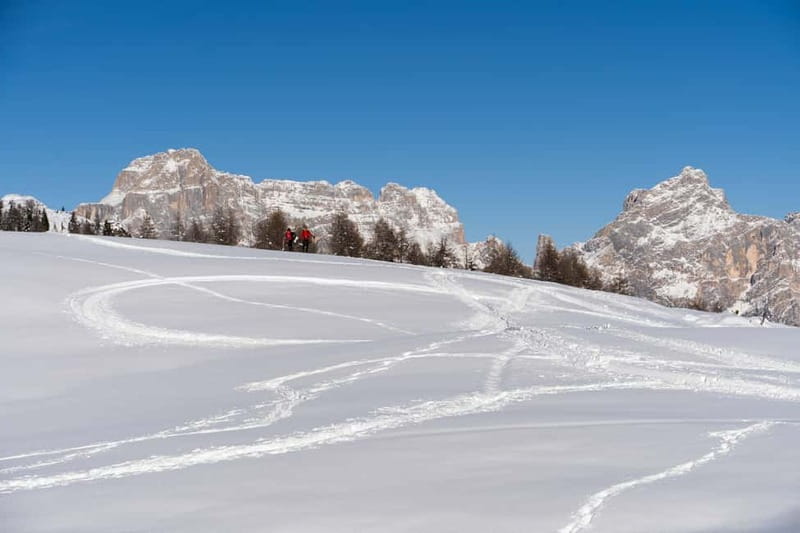
- Learn snowshoe basics first with practice steps before you head out on the trail
- Small-group hiking (max 6) keeps the pace calm and the instruction personal
- Animal track spotting turns quiet winter walking into a learning adventure
- Lunch with big vertical views breaks the hike and gives your eyes a rest
- Route adjusts to snow conditions; if snow is limited, it becomes a normal hike
Why Snowshoeing in the Dolomites Works So Well
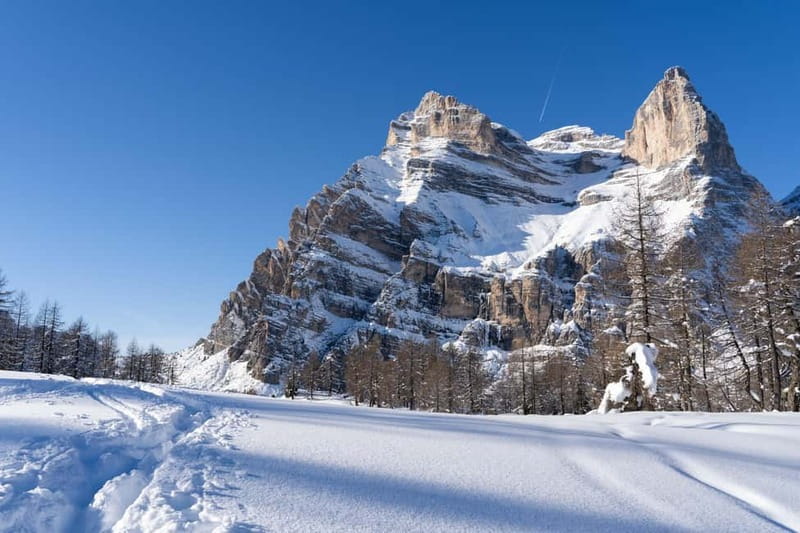
The Dolomites look dramatic in summer, but winter changes the whole texture. Snow softens the ground, quiets the forest, and turns familiar slopes into a slower, more deliberate way of moving. When you’re on snowshoes, your steps feel purposeful rather than rushed, and that matters on steep-feeling terrain.
This style of hike also helps you “read” the mountains. You’re not just passing by viewpoints; you’re walking through the valleys and up toward panoramas that reveal cliffs, pinnacles, and glacial-like features from above. It’s the kind of day where the mountains feel close enough to study.
Meet Your Guide: Snowshoe Training, Safety, and Elisa’s Trail Craft
This experience is built around having the right guide in your corner. Before you meet, your guide reaches out to learn about your experience level and gives clothing advice. Then, in the morning, you get taught how to use snowshoes properly.
You’ll start with a few practice runs. That’s not wasted time—it prevents the usual “I’m walking like a penguin” struggle later. Once you’re comfortable, you begin the real hike with guidance focused on staying safe in winter conditions.
From the reviews, Elisa stands out for tailoring the trail to the weather and your preferences. That’s a big deal because snow quality and visibility can change fast in the Dolomites. If conditions shift, a guide who adjusts beats one who sticks to a plan no matter what.
Hotel Pickup by Blue Subaru and the Calm Small-Group Pace
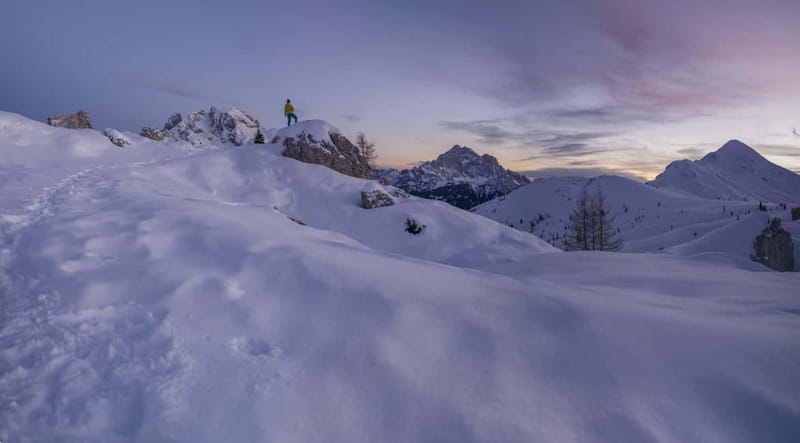
The day starts with an organized meeting, and that’s a real comfort in winter. You’ll meet the guide in the morning in front of your hotel, looking for a blue Subaru. For select towns, pickup and drop-off are included, so you don’t have to juggle buses, taxis, or parking.
Pickup is available if you’re staying in Zoldo, Cortina d’Ampezzo, Canazei, Alleghe, or Agordo. If you’re in Bolzano, Ortisei, or Bressanone, pickup isn’t provided. If you have a car, you can meet the guide directly at the trail starting point.
The group size stays tight—limited to 6 participants. That keeps things from turning into a slow-moving conga line on snow. It also gives you a better chance to ask questions about what you’re seeing and hearing around you.
From Practice Runs to Snow-Covered Valleys: What the Morning Feels Like
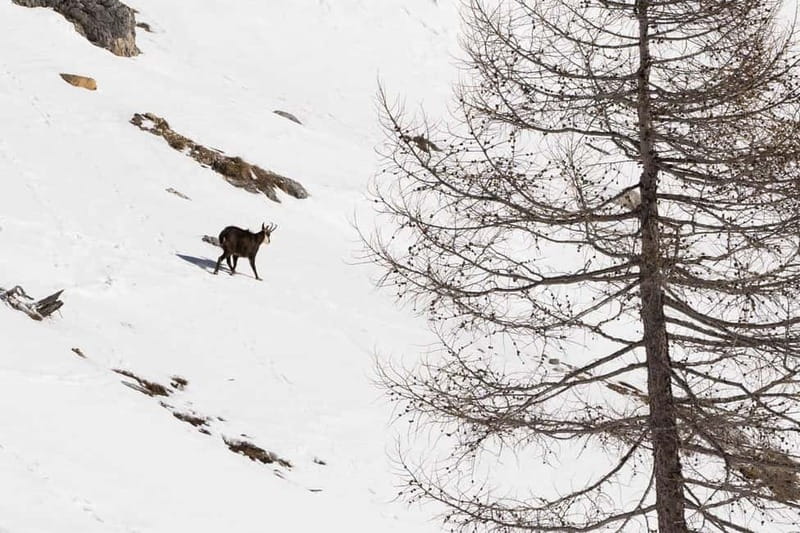
After the morning check-in and equipment, you’ll begin with short practice steps. This is where you learn how to handle snowshoes and manage balance on uneven ground. It also sets expectations: winter hiking here isn’t about speed, it’s about control.
Then you start walking through snow-covered trees and up toward higher viewpoints. The pace is guided so you can experience the mountains at that winter quiet level—when the world feels still, and your own steps sound louder than usual. You’re surrounded by frozen forms and steep terrain that look different when they’re capped with snow.
A nice part of this morning is the way the guide turns the walk into a learning trail. You’re not just staring; you’re observing. You learn about safety rules in the snow and what to watch for as conditions change.
Reading the Winter Clues: Animal Tracks and Mountain Facts on the Move
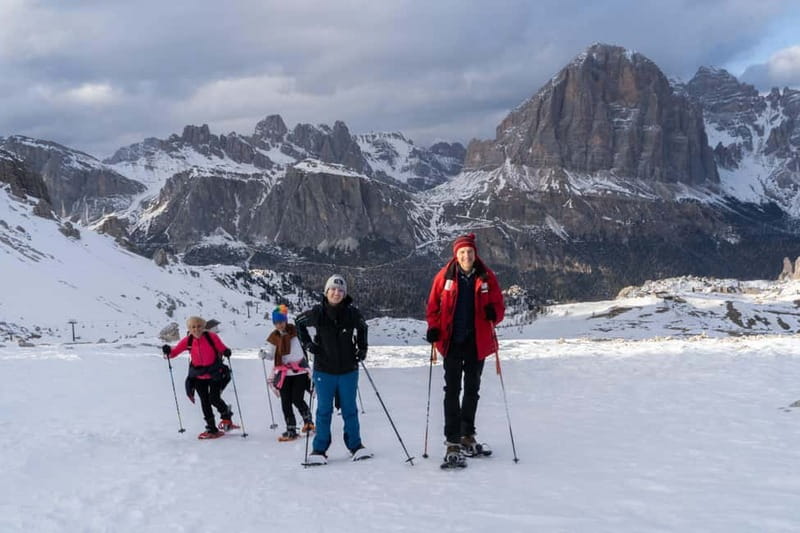
One of the most memorable parts is the track-spotting focus. As you hike, the guide explains how to recognize animal tracks and what you can learn from them. It turns the silence into information, because footprints and signs tell a story even when you don’t see animals directly.
This kind of guided attention makes a big difference. Without it, you might walk past tracks as random marks in snow. With it, you learn to interpret patterns—where something moved, how it stepped, and what kinds of animals might leave signs in the area.
You also get practical winter context. Your guide discusses rules for staying safe, which matters because trails can be slippery or unexpectedly icy. They’ll also adjust the route if a path isn’t safe.
Route Changes With Snow and Weather (and Why That’s a Good Thing)
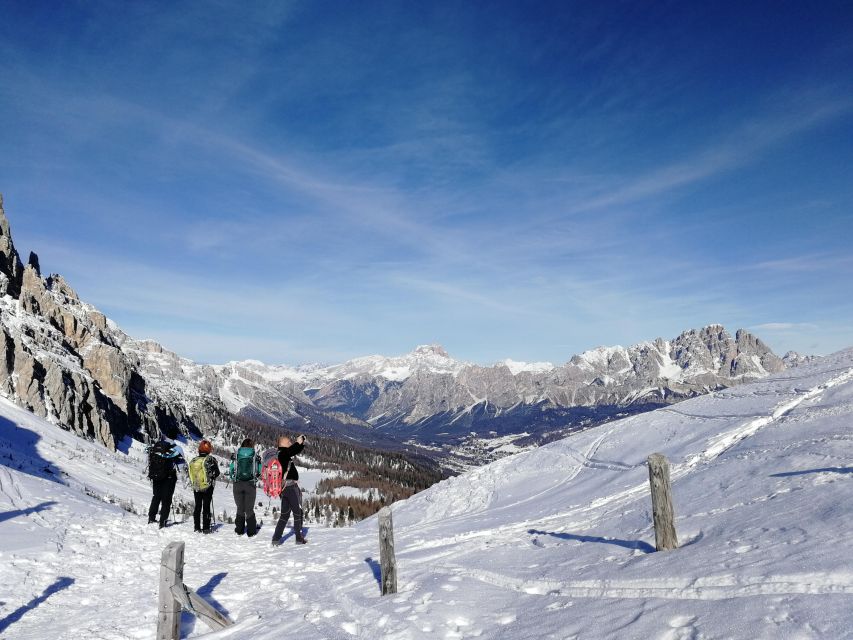
You should expect some flexibility built into the experience. The route is decided a few days in advance based on weather and snow conditions, and your guide has the authority to change it if conditions don’t work.
If there isn’t enough snow, the activity still runs as a normal hike rather than canceling your outing immediately. In bad weather, the guide decides whether to continue, postpone, or cancel. That means you’re not just hoping for good conditions—you’re being managed by someone watching them closely.
This is one place where planning smart beats planning rigid. If you’re the type who hates uncertainty, it can feel annoying at first. But in winter mountains, adaptability is usually what keeps the day enjoyable instead of stressful.
Lunch With Vertical Peaks: The Midday Pause That Makes the Day Click
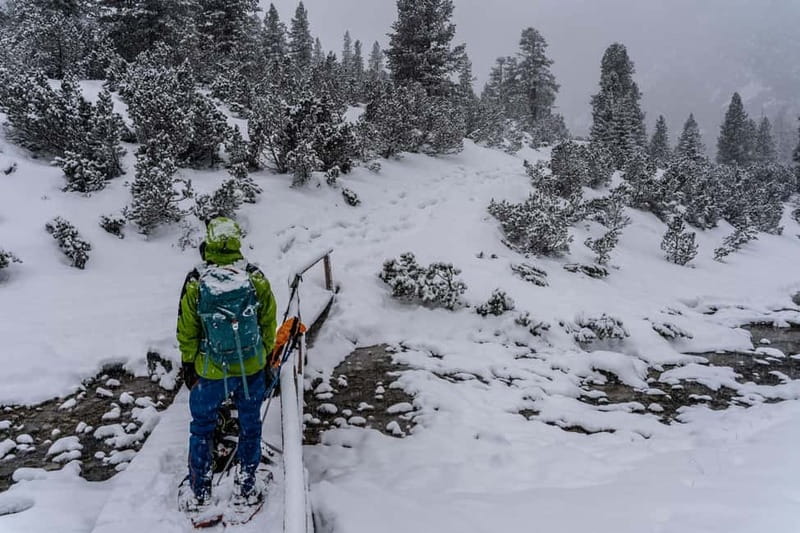
About halfway through, you stop for lunch. This is more than just a break to eat. It’s a chance to admire the vertical, snow-capped peaks from a calmer vantage point.
Because the lunch stop happens during the hike, it changes the rhythm of the day. The morning work and the afternoon return feel connected by that mid-journey pause. You’re also more able to take in the geometry of the Dolomites—cliffs, ridgelines, and those tall spires—when you’re not constantly moving.
Important practical note: packed lunch is not included, so bring what you need. You’ll want it because this is outdoors and you’re not going to run out for a quick sandwich halfway up the mountains.
Getting Back When the Light Starts Fading
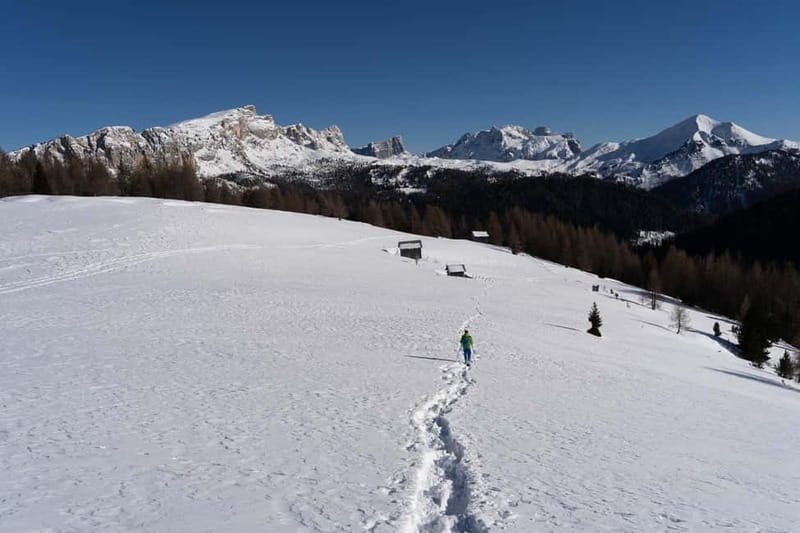
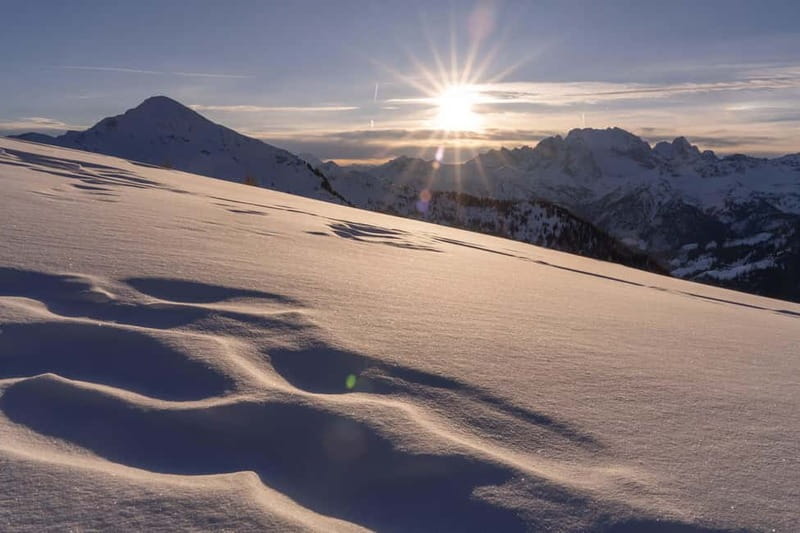
After lunch, you return to the starting point as the colors of the day shift toward sunset. That timing matters because winter light makes the mountains look sharper and more contrasty. Even if you don’t consider yourself a photographer, you’ll likely notice how the scenery changes every hour.
The return route also benefits from the snowshoe technique you practiced earlier. By this point, your steps should feel more natural, and you’ll be able to focus more on what’s around you—trees, cliffs, and the quiet of the valleys.
At the end of the day, pickup and drop-off are handled for the listed towns, so you’re not stuck figuring out transportation in the dark.
What to Pack for a Warm, Comfortable Snowshoe Day
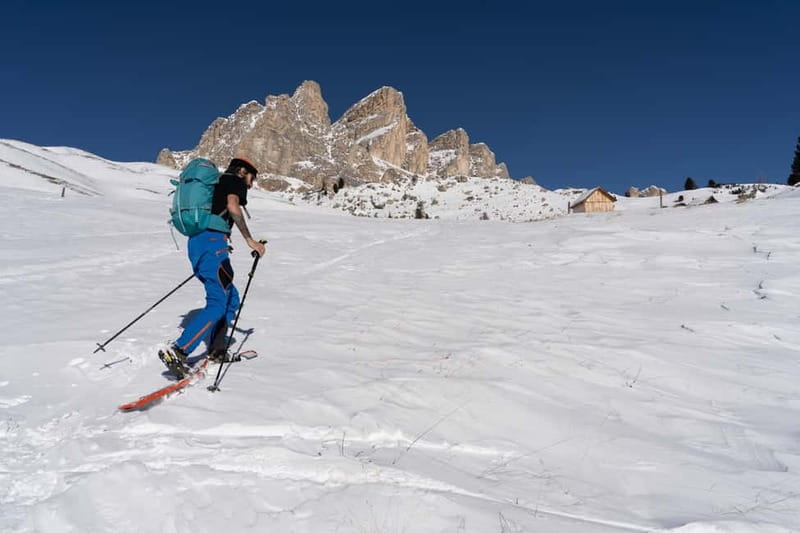
This is winter hiking, so your clothes matter. The experience includes snowshoes and trekking poles, but it does not include boots or comfortable clothes. You’ll want to wear hiking shoes (or boots if that’s what you normally hike in), plus warm layers.
Bring:
- Sunglasses
- Packed lunch
- Hiking shoes
- Water
- Warm clothing
A practical trick: if your water bottle is exposed, it can get cold quickly. Keep it protected with a bit of insulation if you have one. Also, sunglasses are not optional “nice-to-have” here. Snow glare is real, and it’s easier to manage with proper eye protection.
Also consider that this trip teaches snowshoe use at the start, so wear what you’ll be comfortable walking in for several hours. If you have bulky layers that restrict movement, test them beforehand.
Who This Dolomites Snowshoe Hike Is For (and Who Should Pass)
This hike is a good fit if you want guided winter walking with real context—snowshoe technique, mountain safety, and the fun of noticing animal tracks. The pace is handled by the guide, and the small group makes it feel friendly without being chaotic.
It’s not suitable for:
- People with back problems
- People with mobility impairments
- People with heart problems
That’s not a minor warning. Winter trails can require balance and steady effort, even if the route changes.
If you’re a solo traveler, this can also work well because the guide and group structure keep the day social without making it feel like a tour bus experience.
Value Check: Guide Time, Equipment, and Real Dolomites Views
You’re getting more than a walk in the snow. You’re paying for guided structure: pre-contact, snowshoe instruction, safety coaching, and interpretation of what you’re seeing. That turns a winter outing into something you remember for the learning and not just the photos.
Equipment is included:
- Snowshoes
- Trekking poles
- A tour guide
Hotel pickup and drop-off are included for certain towns, which adds value because winter logistics can be the difference between a relaxing day and a stressful one. In a place like the Dolomites, removing transportation friction is a real win.
And because the trail can be tailored to weather and preferences, the guide’s flexibility helps protect your time outdoors. You’re less likely to feel like the day got wasted by conditions.
Should You Book This Snowshoe Hike?
Book it if you want an organized, guided winter day in the Dolomites with hands-on snowshoe training, a small group, and a lunch stop with mountain views. You’ll also enjoy it if you like nature details—especially animal tracks and the kind of quiet mountain learning you don’t get on a basic walk.
I’d hesitate if you don’t have packed lunch ready, don’t want to wear warm layers, or fall into the trip’s non-suitable health categories. Also, if you hate any chance of route changes due to snow and weather, winter hiking will always feel a bit unpredictable.
FAQ
How long is the snowshoe hike in the Dolomites?
The duration is 6 hours.
Is snowshoes and trekking pole equipment included?
Yes. Snowshoes and trekking poles are included.
Do I need to bring a packed lunch?
Yes. Packed lunch is not included, so you should bring your own.
What should I wear or bring?
Bring sunglasses, hiking shoes, warm clothing, water, and your packed lunch.
Is hotel pickup included?
Hotel pickup and drop-off are included for certain locations. Meet the guide in front of your hotel, looking for a blue Subaru.
Which towns have hotel pickup and drop-off?
Pickup and drop-off are available if you are staying in Zoldo, Cortina d’Ampezzo, Canazei, Alleghe, or Agordo. If you are staying in Bolzano, Ortisei, or Bressanone, pickup is not available.
What happens if there isn’t enough snow?
If there is not enough snow, the activity still takes place as a normal hike.
What languages does the guide speak?
The live tour guide speaks English and Italian.
Is the tour suitable for mobility or health limitations?
The tour is not suitable for people with back problems, mobility impairments, or heart problems.