REVIEW · RHODES
Rhodes: Hiking Tour to the Summit of Akramitis with Photos
Book on GetYourGuide →Operated by Trekking Hellas Rhodes · Bookable on GetYourGuide
Akramitis rewards you for getting off the main road. This guided hiking day trip takes you from the rural village of Monolithos up to the second-highest summit on Rhodes, through a Natura 2000 protected area where you’ll move from cypress shade to rocky climbs and then out to sky-wide views.
I especially like the 360-degree viewpoint from the top and the fact that the trail stays off the obvious tourist routes. It also feels grounded and local: you get traditional snacks, souvenir photos, and a guide who talks plants, myths, and Rhodes history along the way.
One real consideration: the ascent includes steep, rocky sections where you’ll clamber over stones, so you need decent hiking shoes and a calm attitude for uneven ground. If you want a totally smooth, easy walk, this won’t be it.
In This Review
- Key things that make the Akramitis summit hike special
- Why Akramitis is a smarter Rhodes hike than the usual picks
- Monolithos start: rural Rhodes, cypress shade, and bay views
- The first climbs and the rockier trail: where good shoes matter
- Snack and photos at the St John chapel stop
- The long way up: meadows, shrubs, and a focused summit climb
- Summit payoff: 360-degree views across Rhodes and the Dodecanese
- The descent through tall pines: different route, easier rhythm
- Timing and distance: what the schedule really means for your day
- Price and what you’re really paying for (at $76 per person)
- Who this trek suits best (and who should think twice)
- Practical gear: pack like you’re hiking, not strolling
- Should you book the Akramitis summit hike?
- FAQ
- How long is the Akramitis hiking tour?
- Where do I meet the guide?
- Is hotel pickup and drop-off included?
- How far do we hike?
- Is the hike suitable for children?
- What’s included in the price?
- What should I bring?
- What level of fitness do I need?
Key things that make the Akramitis summit hike special
- Natura 2000 hiking through forests, meadows, and rocky peaks
- St John’s tiny chapel stop with traditional pie-style snacks and photos
- A summit that shows Rhodes from both sides plus nearby islands and Attaviros
- Seasonal plants and flowers (including Rhodian orchids in spring)
- Two-route flexibility with a different descent through a tall pine forest
- Equipment + snack + water handled so you hike lighter and worry less
Why Akramitis is a smarter Rhodes hike than the usual picks
Rhodes has plenty of famous viewpoints, but Akramitis feels more like a local secret you can earn. You’re hiking the second-highest mountain on the island, so the effort pays you back with sweeping sightlines: western Rhodes coast, inland areas, and the shape of the island stretching under you.
What makes this trip practical is that it’s structured for a guided day, not a random self-guided scramble. You get a trekking guide, first-aid kits, and enough support to keep the group moving at a comfortable pace. That matters on a hike where the ground changes often, from green slopes to rockier sections.
And yes, the views are the headline. But the bigger win is the journey through protected terrain—walking through cypress, shrubs, meadows, and then into pine on the way down. It’s the kind of hike where you’ll keep looking up, then down again, to notice what you’re stepping through.
You can also read our reviews of more hiking tours in Rhodes
Monolithos start: rural Rhodes, cypress shade, and bay views
You begin in Monolithos, a village that helps set the tone: rural, quiet, and a lot less “tour bus stop.” After pick-up from selected areas is offered (including Rhodes town and many coastal resorts), you meet your guide near Taverna Christos Corner at the north entrance to Monolithos.
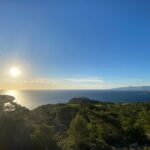
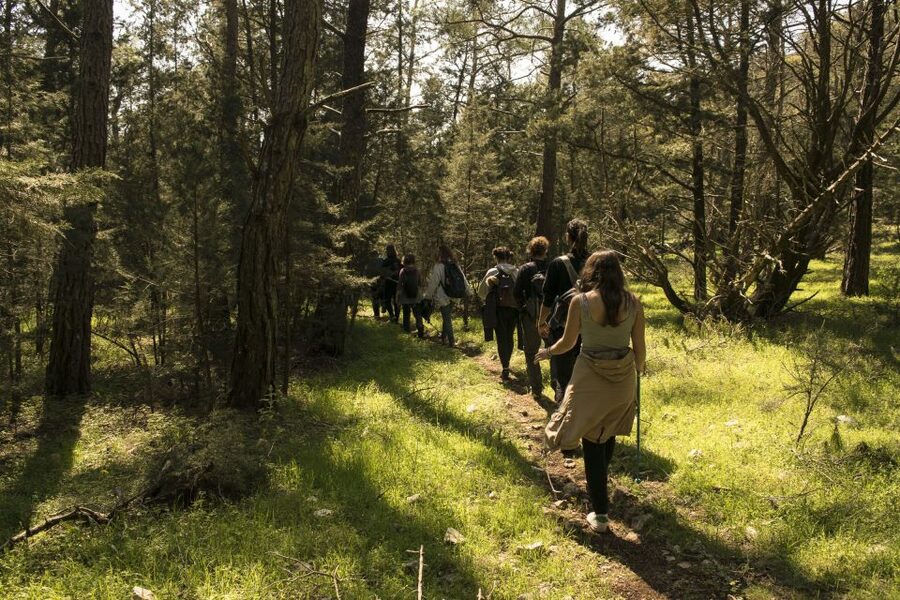
From there, the first stretch climbs green slopes under cypress trees. Right away, you get over-the-bay views of Apollakia, so even before things get steep, you’re already working for photos. This is a good moment to pace yourself. The early elevation is noticeable, but it’s not all rock yet—you’re building rhythm.
This part is also a great example of what the guide adds. Guides on this trek share local context like myths, legends, and stories tied to Rhodes, plus details about plants and the terrain you’re moving through. You’ll feel like you’re hiking with someone who’s lived with these paths, not just read about them.
The first climbs and the rockier trail: where good shoes matter
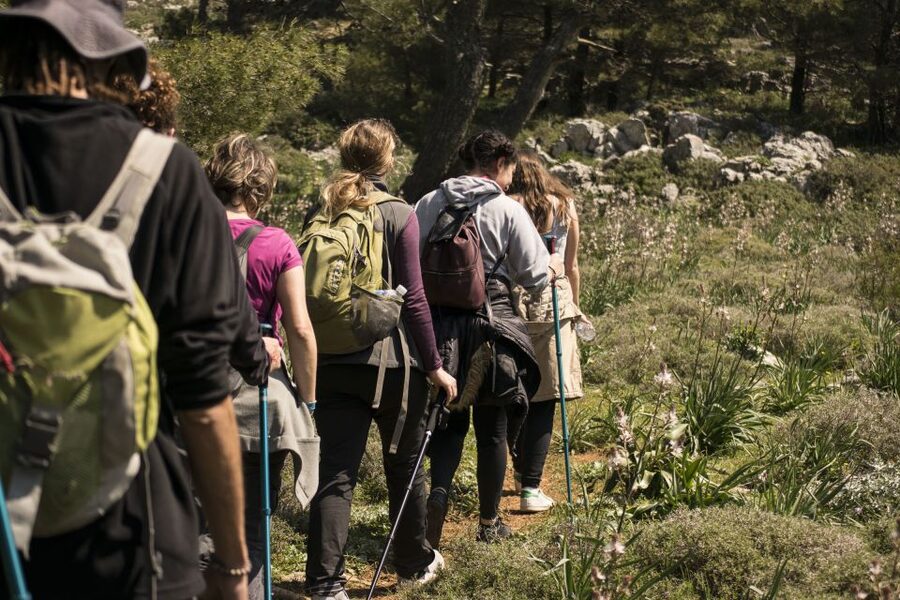
As the route progresses, it turns more demanding. You’ll move onto rocky ground and start clambering over stones as the trail angle increases. One thing I’d take seriously: this is not a flat nature walk. It’s a real hike.
For you, that means comfort and footing become the difference between enjoying the day and thinking about your ankles. Hiking shoes are strongly recommended, and while boots aren’t required, sturdy footwear helps a lot. The ground can be uneven, and you’ll benefit from long hiking pants and a windproof layer as conditions shift at altitude.
If you’re the kind of person who likes to set a steady pace and let the view come to you, this trek fits. Guides will aim for a comfortable walking rhythm and can tailor to different fitness levels within the group.
Snack and photos at the St John chapel stop
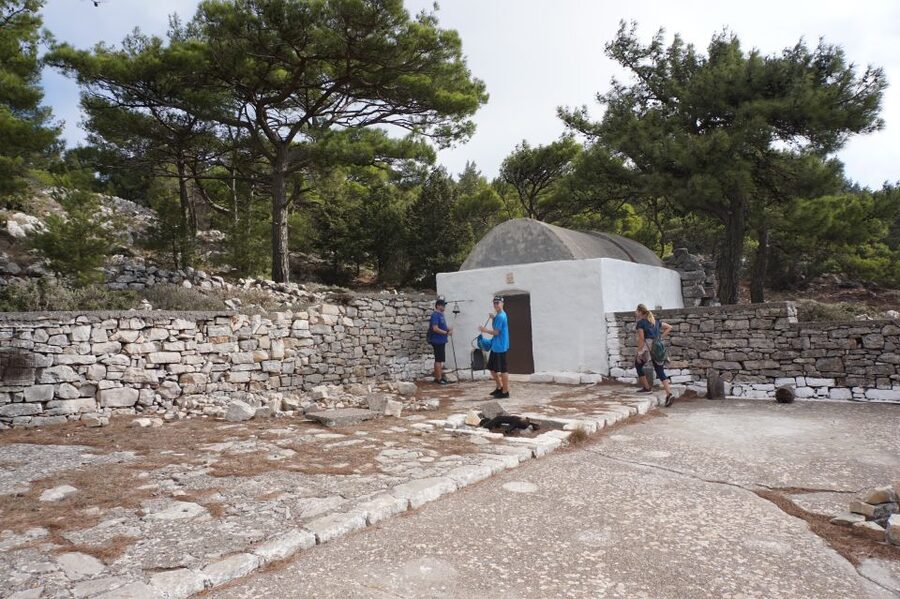
At roughly the midpoint of the morning, you reach the tiny old chapel of St John. It’s a small pause with big payoff: you sit, reset, and take a breather before continuing upward.
This stop includes a welcome snack—one of the Greek pies Rhodes is famous for—plus time for souvenir photos. It’s short (about 15 minutes), but that’s part of the design. You don’t lose the day; you get a quick, satisfying break and keep your energy for the steep push that comes next.
A chapel stop like this also does something quietly useful: it breaks the hike into chapters. Instead of thinking you have to finish the whole mountain before you eat, you get a clear checkpoint and a chance to regroup with the group.
The long way up: meadows, shrubs, and a focused summit climb
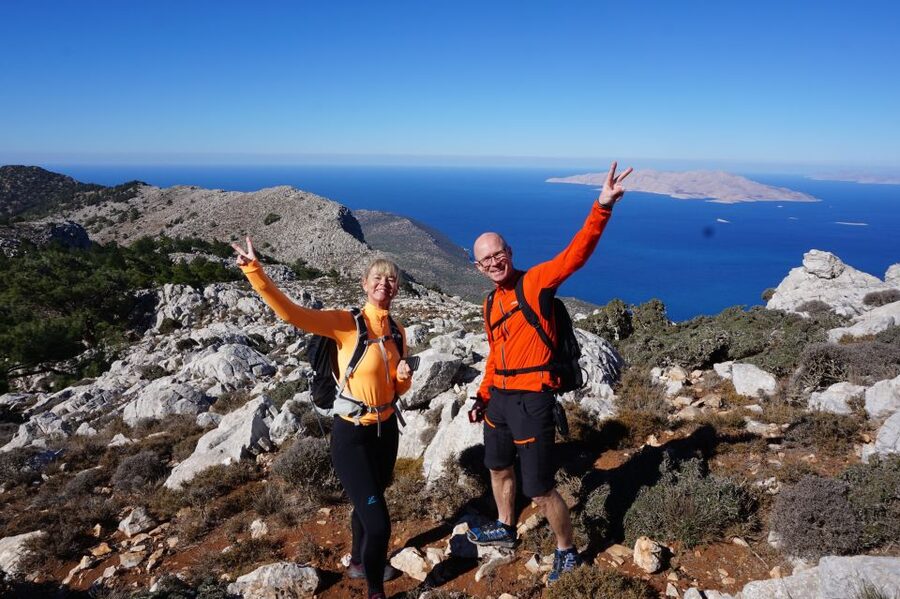
After the chapel, the route keeps rising. You move through a meadow-like, colorful zone with shrubs that look totally different than the cypress slope you started on. This section feels like a transition zone—less about tight footing, more about staying alert and steady as the mountain “tilts” upward.
Then comes the more strenuous part: just before you reach the summit, you’ll climb over rocks for a short time. It’s not constant all day, but it’s the kind of finishing challenge that makes the top feel earned.
If you’re traveling with limited hiking experience, don’t panic. The key is not speed; it’s balance and careful steps. You’ll want to take your time on the rockier bits, and you’ll likely appreciate that your guide can manage pacing so everyone stays together.
Summit payoff: 360-degree views across Rhodes and the Dodecanese
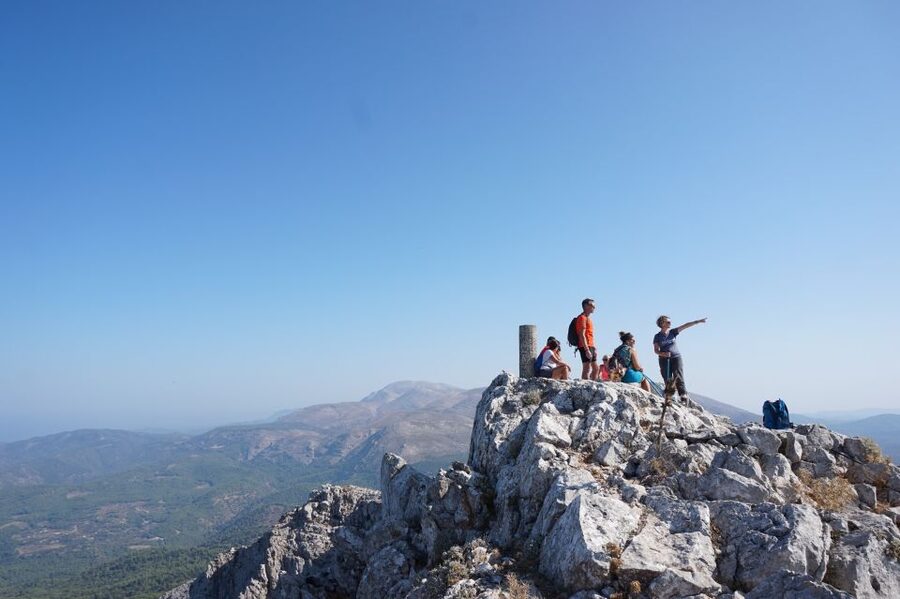
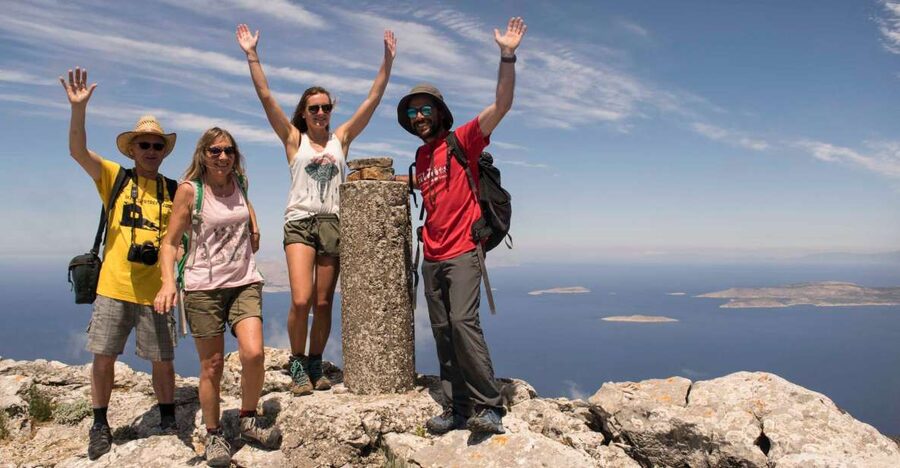
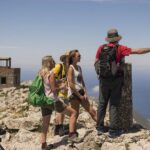
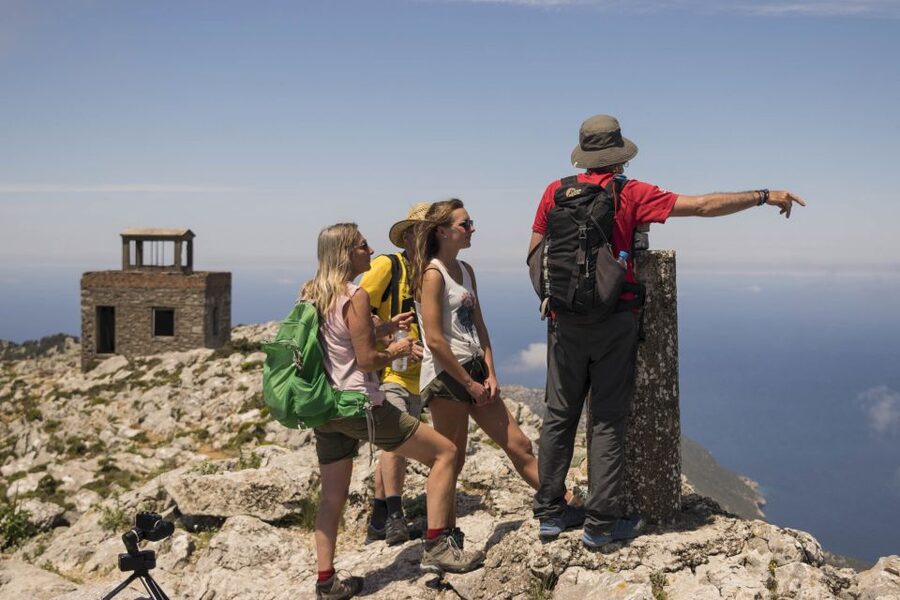
When you reach Akramitis, the best part arrives fast. From the top, you get views on both sides of Rhodes—plus nearby islands, the lake area at Apollakia, and Attaviros (the highest mountain on the island). Inland Rhodes also spreads out beneath you, so you’re not just looking at sea and sky.
This is where the “little-known” feeling earns its keep. Even with plenty of scenery in Rhodes, this kind of wide-angle mountain view doesn’t happen at every viewpoint. You’ll see the island’s geography as a whole: coastlines, inland ridges, and how the terrain connects.
Expect a strong photo moment. If you’re serious about pictures, bring sunglasses and keep your eyes on where the light hits the ground. Even in a short break on the summit, the light can change quickly.
The descent through tall pines: different route, easier rhythm
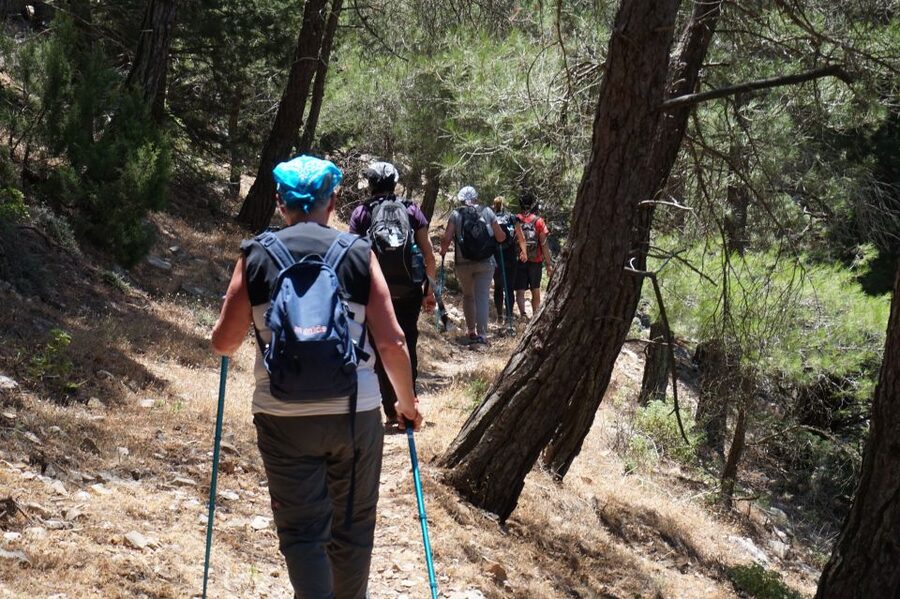
One of the smartest touches is that the way down doesn’t mirror the ascent. You return via a different route that takes you through a forest of tall pine trees. That makes the descent feel like a reset.
Practically, it’s also easier on your brain. After you’ve spent the day climbing and managing rocky sections, moving through pine shade gives your legs a calmer rhythm. You’ll still have to watch your footing, but you’re less in the “clamber mode.”
This is also when you’ll likely enjoy the small details: how the air feels under the trees, the smell of pine, and the way the terrain shifts back toward a more walkable path.
Timing and distance: what the schedule really means for your day
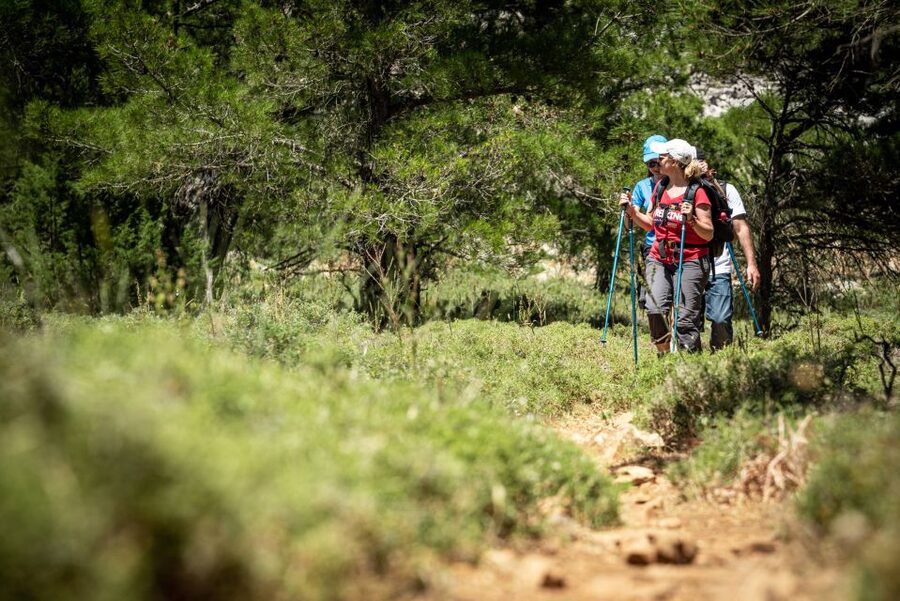
This is a 5–6 hour activity overall, with the main hiking time listed around 4 hours. The total hiking distance is about 9.1 km. What matters isn’t just the numbers; it’s the terrain mix—some steep sections, some rocky ground, and then a shaded forest descent.
If you’re planning a packed day around it, give yourself buffer time. You’ll want time for hotel pick-up where offered, the hike itself, and the drop-off back to selected areas (including Rhodes, Lindos, and multiple eastern and western resort towns).
Price and what you’re really paying for (at $76 per person)
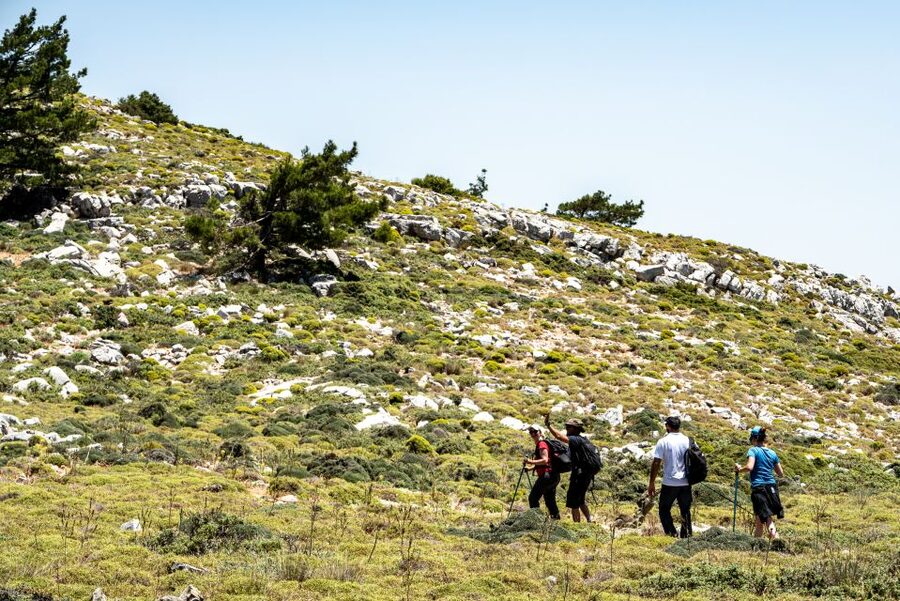
At $76 per person, this hike has decent value because the essentials are included. You don’t just pay for a guide and a map. You also get:
- hotel pickup and drop-off if you choose that option
- a trekking guide
- a traditional snack
- water
- first-aid kits and necessary equipment
- souvenir photos
When a tour includes photos, water, and gear support, you can travel lighter and spend less time worrying about small items. And because the hike uses a protected-area route with real elevation changes, a guide is the difference between wandering and understanding what you’re walking through.
It also helps that the service quality appears consistently high, with an overall rating of 4.8 and strong scores for transport. For a day on uneven terrain, that kind of reliability matters.
Who this trek suits best (and who should think twice)
This hike suits you if:
- you want a Rhodes hiking experience that goes past the main sightseeing circuit
- you like guided nature walks with history and myth stories
- you’re comfortable with some steep uphill sections and rocky trail moments
It may not suit you if:
- you need step-free or mobility-friendly routes (it’s not suitable for people with mobility impairments)
- you’re traveling with kids under 10
Fitness-wise, think “active day.” One part of the trail is clearly more strenuous than the rest, and sturdy footwear is the smart move.
Practical gear: pack like you’re hiking, not strolling
Bring a windbreaker and a sun hat. Even if the morning starts mild, altitude and exposure can shift fast. Sunglasses help too, since the summit views involve bright, wide-open angles.
You should also plan on:
- hiking shoes (boots aren’t necessary, but shoes that grip matter)
- long hiking pants
- a second T-shirt
- a windproof jacket as recommended
- a daypack
For basics, the tour provides water, but you’re asked to bring your own sun block and an additional bottle of water. That’s a small cost that can make your day smoother.
Should you book the Akramitis summit hike?
Book it if you want a Rhodes day that feels hands-on: a guided trek through protected nature, a real mountain climb with a strong payoff, and a descent that shifts to pine shade. The included snack, equipment support, and photo handling make it easier to enjoy the day without turning it into a logistics puzzle.
Skip it if your ideal vacation is a gentle stroll with no rocky climbing. This route includes stone scrambling near the top, so you’ll want to go in with the right shoes and realistic expectations.
If you’re the kind of traveler who loves views but also loves learning the meaning behind a path, Akramitis is a smart way to spend your time.
FAQ
How long is the Akramitis hiking tour?
The duration is listed as 5–6 hours, with about 4 hours of hiking time. Plan your day around pickup and drop-off as well.
Where do I meet the guide?
You meet your guide next to Taverna Christos Corner at the north entrance to the village of Monolithos.
Is hotel pickup and drop-off included?
Hotel pickup and drop-off are included if you select the pickup option. Pickup is available from many areas around Rhodes, and drop-offs are offered to multiple locations after the hike.
How far do we hike?
The hiking distance is listed as 9.1 km.
Is the hike suitable for children?
It’s not suitable for children under 10.
What’s included in the price?
Included items are hotel pickup/drop-off (if selected), a trekking guide, a traditional snack, water, first aid kits and necessary equipment, and souvenir photos.
What should I bring?
Bring a windbreaker, sunglasses, sun hat, hiking shoes, and a daypack. You should also bring your own sun block and an additional bottle of water.
What level of fitness do I need?
The route includes steep uphill sections and rocky terrain where you may clamber over stones. Good hiking shoes and comfort with uneven ground are important.