REVIEW · MUNNAR
Munnar mountain hiking (Full day)
Book on GetYourGuide →Operated by Munnar Info · Bookable on GetYourGuide
Tea, spice, and a 2000-meter finish. This full-day guided hike from Munnar Info is interesting for two big reasons: the tea plantation walking route and the way guides bring the area to life with hands-on explanations. I also really liked the cardamom + shola forest stretch where bird life tends to steal the show. The main drawback to plan for is simple: it’s a long 14–18 km day, so if your fitness is low, you’ll feel it.
What makes it work is the pacing and the guide. English-led, trained guides like Rajan, Ramesh, and King Raja keep the walk organized with refreshments and steady stops, not a constant grind. You’ll get natural breaks for snacks, too, so you’re not just walking for seven hours straight.
Come prepared for the basics: good shoes and sunscreen matter here. You start at about 1420 meters and work up to the highest point near 2000 meters, so the uphill sections are real, even if the overall difficulty is often described as moderate.
In This Review
- Key takeaways
- Starting at Munnar Info: where the day begins
- Tea plantations at altitude: the walk that feels like education
- Beyond the tea: cardamom forests and the shola-woods feel
- The highest point goal: 2000 meters and how hard it really is
- Wildlife chances without the hype: what you might spot
- Lunch, snacks, and why you should travel light
- The afternoon descent back toward Munnar
- Price and value: why $24 feels fair here
- Who should book this Munnar full-day hike
- Should you book? My quick decision guide
- FAQ
- FAQ
- How much does the Munnar mountain hiking full-day tour cost?
- How long is the hike?
- How far do you hike and what’s the highest point?
- Where do we meet, and is pickup offered?
- What’s included in the price?
- Is there a chance to see wildlife on this hike?
- What should I bring?
- What’s not allowed during the activity?
- Who isn’t the tour suitable for?
- Is cancellation possible for a refund, and can I pay later?
Key takeaways
- 14–18 km route with a climb up to around 2000 meters
- Tea plantation walking with harvesting and plant talk
- Cardamom forests and shola wood vibes with bird-spotting chances
- Wildlife odds: Malabar squirrels, black monkeys, and wild elephants
- Packed lunch + mineral water plus planned refreshment stops
- English-speaking trained guide and entry fees handled
Starting at Munnar Info: where the day begins
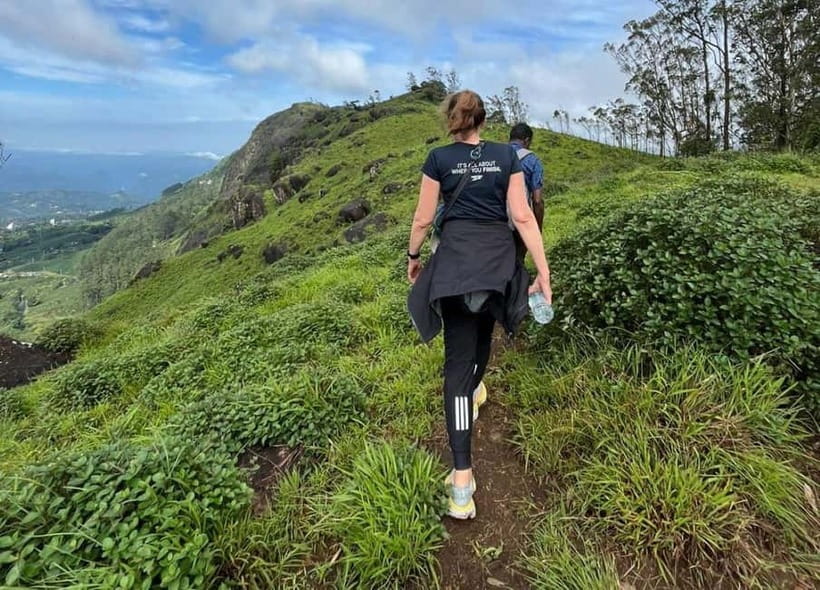
Your day starts at Munnar Info, with pickup arranged from the Munnar town area. That’s helpful if you don’t want to organize your own getting-there details on a tight day.
Right away, you’re set up for a guided walk with a live English tour guide. This matters because the hike isn’t just about miles—it’s about what’s around you. Guides are the difference between seeing tea rows and understanding what tea workers actually do, what different tea types mean, and why the plants look the way they do.
The meeting point setup also helps you get moving without wasting time. Once the group gathers, the trek follows a clear rhythm: walk, pause, drink, snack, then continue.
You can also read our reviews of more hiking tours in Munnar


Tea plantations at altitude: the walk that feels like education
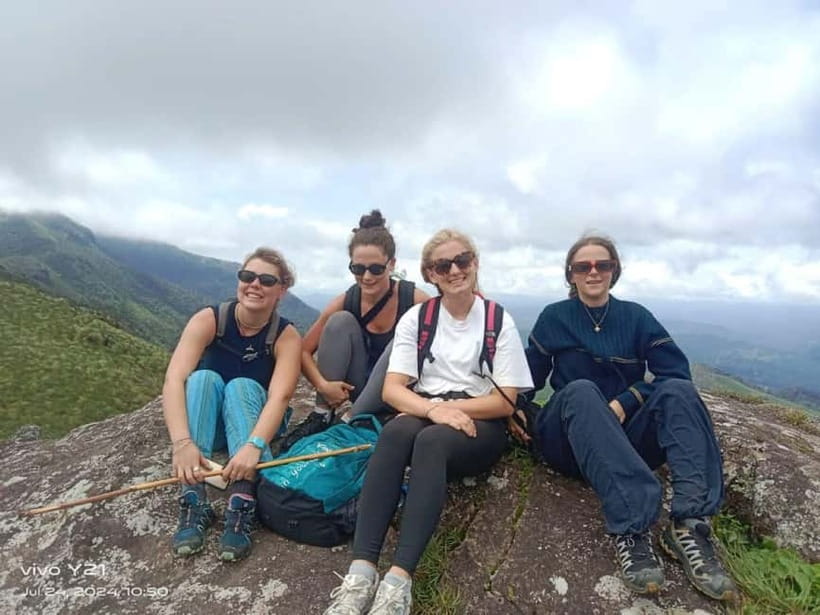
The hike begins at roughly 1420 meters above sea level, and as you gain elevation you’ll feel the air get cooler. That’s not just “nice weather.” Cooler conditions make a long walk more manageable, especially when you’re climbing toward a high point near 2000 meters.
The biggest “yes” here is the tea plantation portion. The route takes you through Kerala’s tea industry heart—neat tea bushes in long green stretches, with plenty of moments to stop and look closely. The guide-style experience is what lifts it above a standard countryside stroll.
In real terms, you can expect explanations like:
- how tea is harvested and what the harvesting rhythm looks like
- how different tea types are understood by locals
- which plants you’re passing and why they’re important
Even better, your guide may point out other useful plants and explain how people use them, including medicinal uses. That extra layer is one reason people come away talking about the guide as much as the views.
A small practical tip: you’ll pass through areas where the air changes as you climb. Tea regions often feel fragrant and cool at the same time, and that makes breaks feel better. Use that time to reset your legs before the next hill.
Beyond the tea: cardamom forests and the shola-woods feel
After the tea fields, the trail shifts toward cardamom forests. You’ll likely notice a spicy aroma in the air—cardamom has a scent that stands out fast. It’s a different atmosphere than the open tea plantations, with a more enclosed feel as the vegetation thickens.
Then comes one of the most interesting ecosystems on this hike: shola woods. In simple terms, shola forests are part of the Western Ghats’ high-elevation ecology, with dense canopy and a “bird sounds first” vibe. You may hear birds before you see them, and then spot color flitting overhead.
This is also a birdwatcher-friendly section. The chance to see endemic birds is built into the experience, even though you can’t treat any wildlife sighting as guaranteed. Still, if you enjoy watching wildlife behavior—how birds move, how they react to people—this portion rewards attention.
As you move through this greener, thicker zone, look down as well as up. The forest floor can be carpeted with ferns and mosses, and those details are part of why this hike feels more than just scenic.
The highest point goal: 2000 meters and how hard it really is
The trek is designed around reaching the hike’s high point at about 2000 meters. Starting around 1420 meters means you get real climbing, but not a technical mountain assault. It’s more about endurance and steady effort.
In practice, the route is 14 to 18 kilometers for the full day. That sounds intimidating until you realize the plan includes scheduled stops for refreshment and a packed lunch. Many people describe the day as moderately intense—long, yes, but not a relentless uphill grind.
Still, there are longer uphill sections at times. If you tend to move slowly, you’ll want to keep a steady pace early so you don’t burn out before the upper stretches.
A good mental model: think of it as a day of “walking with breaks,” not as a single hard ascent. You can enjoy the views more when you’re not fighting your own pace.
Also, your shoes matter more than you might expect. Even if the terrain isn’t described as technical, you’re walking a long distance on natural ground.
Wildlife chances without the hype: what you might spot
This hike is built around nature watching, with explicit chances to see:
- Malabar squirrels
- black monkeys
- wild elephants
The key word here is chance. You’re walking through habitats, and wildlife appears when it wants to. When you do spot animals, give them space and don’t chase. If you hear movement ahead, pause and let your guide handle the approach.
Elephants are especially memorable if you’re lucky. Some wildlife sightings can be at a distance, and some can be close enough that you wait briefly while the animals move on. The main takeaway: stay calm, follow your guide’s cues, and treat wildlife like the priority it is.
For monkeys, keep an eye on tree lines and listen for chatter in the canopy. For squirrels, watch for quick movement along branches at eye level.
And since birds are a major focus, bring attention to your eyes and ears. Shola woods can make bird spotting feel like a scavenger hunt: quick flashes of color, sudden calls, then silence again.
Lunch, snacks, and why you should travel light
Food is part of the value here. The tour includes a packed lunch, plus mineral water. Many people also emphasize that the snacks and refreshment breaks feel generous, including tea along the way.
That’s one big reason this day hike feels doable. If you’ve ever done long hikes where you’re stuck halfway through with dry snacks and warm water, you’ll appreciate having the supplies handled.
Also, don’t overpack. If water and food are already planned, your backpack can be lighter, and your shoulders won’t hate you by mid-afternoon. If you prefer carrying your own snacks for comfort, you can—but try not to duplicate too much.
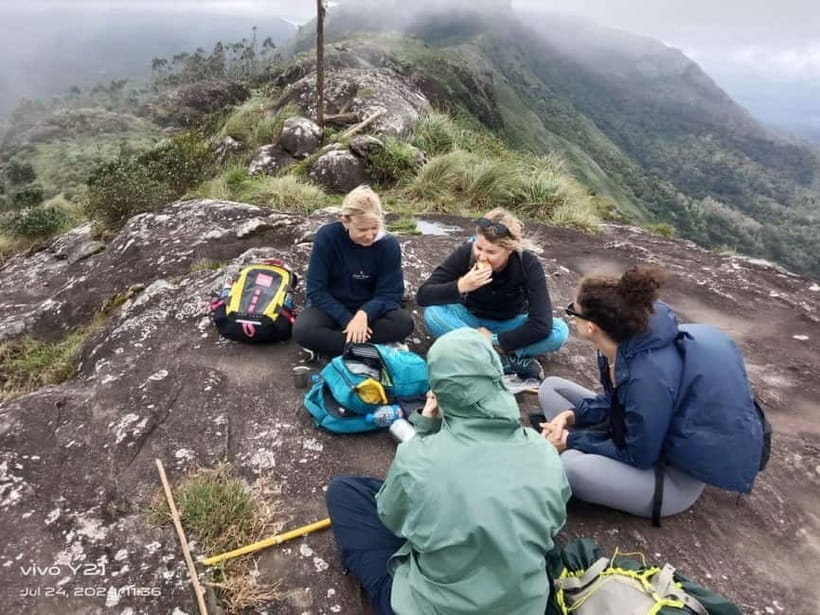
One more practical note: there are scheduled stops. That means you can refuel without awkward timing. When you’re eating outdoors, timing and hydration are everything, especially when you’ve been walking uphill.
The afternoon descent back toward Munnar
The hike wraps with a descent back toward Old Munnar, typically in the 3:00–5:00 pm window. Descent hours matter because they shape how you feel at the end of the day. Downhill can be tough on knees and ankles, especially after a long walk.
The good part: the descent still runs through the forest portions, so the day doesn’t feel like you’re just walking back through the same bare path. You’re in shola woods again under the afternoon light, which can change the look of the foliage and the mood of bird calls.
If you’re planning a dinner right after, keep your expectations realistic. You’ll likely be tired but satisfied—this is the kind of outing where your brain is calm because your body did something solid.
Price and value: why $24 feels fair here
At about $24 per person for a 7-hour guided hike, the price stacks up well because several essentials are included:
- packed food
- mineral water
- all entry fees
- a trained guide (live, English)
Most people pay extra for these parts when they book independently—especially the guide and access/entry fees. Here, the cost is mainly covering the guided experience, logistics, and what you need to keep going for most of the day.
The “value” isn’t only the math. It’s that the guide adds meaning. Tea rows without explanations can feel repetitive. Tea rows with harvesting talk, plant identification, and the forest ecology context feels like a real day outside, not just exercise.
Who should book this Munnar full-day hike
This hike is a great fit if you want a guided day outdoors that mixes:
- tea plantations and spice-forest atmosphere
- birdwatching and shola-woods ecology
- a chance at wildlife sightings (no guarantees, but the habitat is right)
- a long walk that’s managed with breaks, lunch, and water
You should skip it if:
- you have low fitness and aren’t comfortable with a 14–18 km day
- you’re traveling with a baby under 1 year
- you’re over 95 years old
If you’re a casual hiker, the route still may work, but you’ll want comfortable shoes and a steady pace mindset. The day is described as moderately intense rather than a tough technical expedition, but the distance is still the distance.
Should you book? My quick decision guide
If you like tea as more than a drink, and you enjoy noticing plants, birds, and forest details, this is a strong booking choice. The included lunch, water, and entry fees help keep it fair, and the guide-led explanations (from Rajan/Ramesh/King Raja styles) are the reason the day feels special.
If your main goal is a short workout, you’ll be happier elsewhere. This is built for a full-day trek with nature and ecosystem focus, not a quick hit.
FAQ
FAQ
How much does the Munnar mountain hiking full-day tour cost?
It costs $24 per person.
How long is the hike?
The duration is about 7 hours.
How far do you hike and what’s the highest point?
You’ll walk roughly 14 to 18 kilometers, reaching the hike’s highest point at about 2000 meters above sea level.
Where do we meet, and is pickup offered?
The meeting point is Munnar Info. Pickup is arranged from the Munnar town area.
What’s included in the price?
The price includes a trained guide, packed food, mineral water, and all entry fees.
Is there a chance to see wildlife on this hike?
Yes. You may see Malabar squirrels, black monkeys, and wild elephants, depending on conditions.
What should I bring?
Bring comfortable shoes or hiking shoes and sunscreen.
What’s not allowed during the activity?
Bikes aren’t allowed. Alcohol and drugs are not allowed, and alcoholic drinks in the vehicle aren’t allowed.
Who isn’t the tour suitable for?
It’s not suitable for people with low fitness, babies under 1 year, or people over 95 years old.
Is cancellation possible for a refund, and can I pay later?
Yes. You can cancel up to 24 hours in advance for a full refund. You also have the option to reserve now & pay later.