REVIEW · INDONESIA
Mount Rinjani: 3D2N Summit, Lake & Senaru Crater Rim
Book on GetYourGuide →Operated by Rinjani Climbing Tours} · Bookable on GetYourGuide
Cold mornings, big rewards. This 3-day Rinjani trek via the Torean Route gives you big altitude goals plus some of the island’s most scenic volcano scenery, and I especially love the Segara Anak Lake payoff and the route’s waterfall stop at Penimbungan. Having an English guide like Ajis also helps, because the trip is tough enough without needing to guess what you’re looking at in the dark.
One consideration: this is not a relaxed hike. You’ll be up around 2:00 am for the summit push, and the summit itself is cold. If you have vertigo or low fitness, the steep volcanic steps and cliffy final approach can be a rough fit.
In This Review
- Key highlights to look forward to
- Why the Torean Route makes this Mount Rinjani trip feel worth it
- The real challenge: elevations, steep sections, and cold mornings
- Day 1: Sembalun Village, posts 1–3, and sunset on the crater rim
- Day 2: Summit sunrise, then Segara Anak Lake swimming and hot water baths
- Day 3: Rainforest descent to Senaru Village and a possible black monkey sighting
- Price and what you’re truly paying for at around $145
- What to pack so you don’t suffer for no reason
- Who this trek suits (and who should skip it)
- Should you book this Mount Rinjani 3D2N plan?
- FAQ
- How high is Mount Rinjani on this trek?
- Where does the trek start and where does it end?
- What time do you start trekking on Day 1?
- What time do you start the summit climb on Day 2?
- Is the National Park entry ticket included?
- How much water is provided during the trek?
- Is this trek suitable for people with heart problems or vertigo?
Key highlights to look forward to
- Torean Route to two crater rims: Camp at the Sembalun rim, then again at the Senaru rim with different sunset views
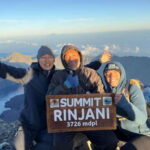
- Sunrise summit timing: Wake early and reach the 3,726 m summit for morning light
- Segara Anak Lake time: Walk down to the lake, rest by the shore, and get a chance to swim
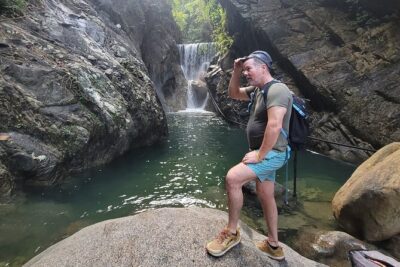
- Penimbungan Waterfall on Day 1: A rainforest trek break that feels like a reset button
- Hot water soak option: Bathing in the lake area hot water is known for helping aches and pains
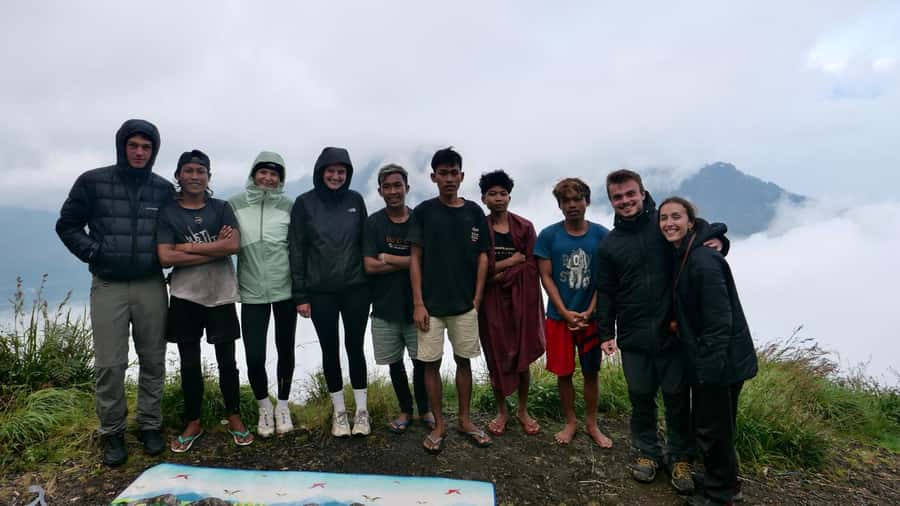
- Experienced guide + porters: Porters handle camping gear and cooking equipment, so you can focus on hiking
Why the Torean Route makes this Mount Rinjani trip feel worth it
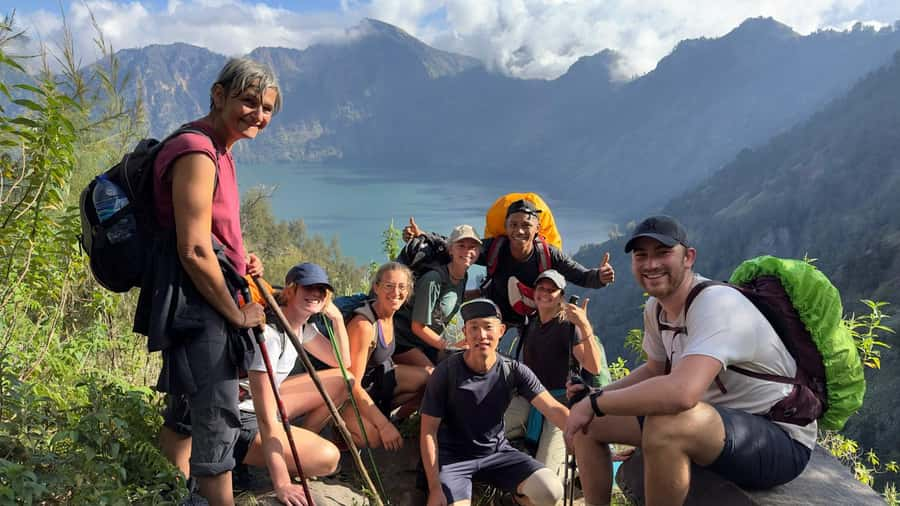
Most Rinjani treks sell you the summit. This one does that too, but it also builds in the other reasons people come to Lombok’s volcano country: crater rim camping, changing viewpoints, and Segara Anak Lake time.
On the route you’ll start from Sembalun and climb through open grasslands before moving toward thicker forest. That mix matters. You’re not just “walking up.” You’re cycling through very different environments, which helps your brain stay engaged when your legs start counting steps.
Then there’s the lake and crater pairing. Getting down to Segara Anak after the summit is no small thing. It turns the second day into a full sensory block: early darkness, then sunrise at 3,726 m, then a descent into a crater lake setting where you can actually slow down for a while.
And yes, the guide quality matters here. In the experience you shared, Ajis is singled out as very helpful for getting people to the top. On a hike like this, that isn’t just “nice.” It often means better pacing, clearer expectations, and fewer wasted minutes.
The real challenge: elevations, steep sections, and cold mornings
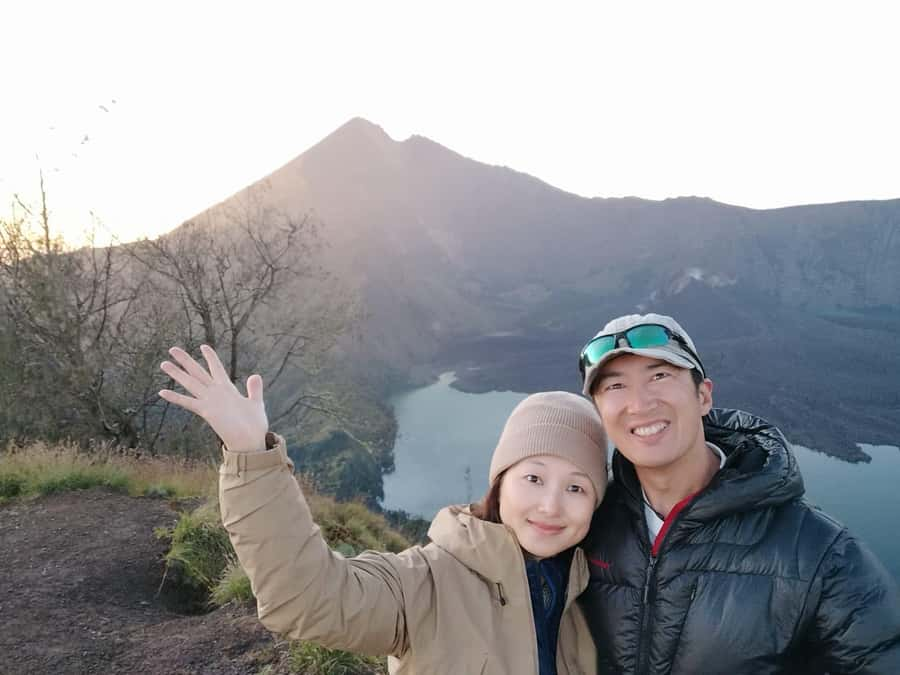
Mount Rinjani sits at 3,726 m, and this trip is built for people with strong fitness. The itinerary is packed but it’s not random. You hike to staging posts on Day 1, camp high, then go for the summit early on Day 2.
Day 1 climbs from Sembalun Village at 1,100 m up to post areas (about 1,300 m, then 1,500 m, then lunch at roughly 1,800 m). After lunch, you push toward the crater rim of Sembalun at 2,639 m, which the itinerary notes takes about 3 hours including a long steep climb.
Day 2 is where the altitude stress turns up. You wake around 2:00 am, start climbing at 3:00 am, and reach the summit around 6:00 am. The final approach is described as climbing up a steep volcanic cliff. That means you’re not only managing breath. You’re also managing footing and grip on rock.
Then you descend—first to the Sembalun crater rim (about 2 hours), then further down to Segara Anak Lake (about 3 hours). That’s a lot of downhill work right after the summit.
Also plan for cold at the summit. Warm clothing is explicitly recommended. If you treat this like a “warm island hike,” you’ll pay for it.
Day 1: Sembalun Village, posts 1–3, and sunset on the crater rim
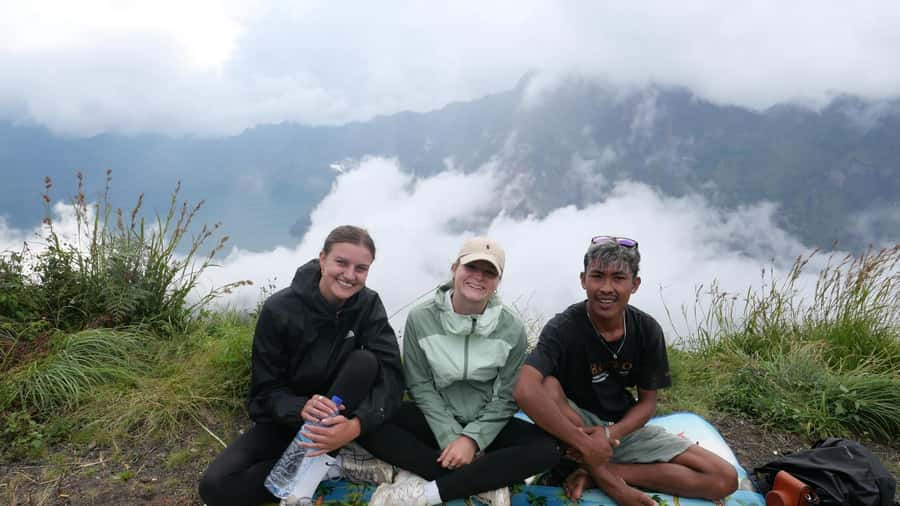
Day 1 starts early with a 6:00 wake-up and breakfast. Then you drive to Sembalun Village (about 1,100 m) and register at the Rinjani information center. That bit is more than paperwork. It’s a good moment to confirm your route details before you go into the quiet climb.
You start trekking around 8:00 am with a gentle climb through open grasslands. Two hours in, you reach Post 1 at around 1,300 m. Then it’s about 40 minutes to Post 2 at roughly 1,500 m.
From there you continue to Post 3 at about 1,800 m for lunch. This is a smart structure for a multi-day summit trek. Lunch at the higher post helps you pace your energy before the final push toward the crater rim.
After lunch and rest, the itinerary heads to the crater rim of Sembalun at 2,639 m. You’re looking at about 3 hours for this segment, and the route description calls it a long steep climb. This is where a slower pace really helps. It’s not the time to go full hero mode.
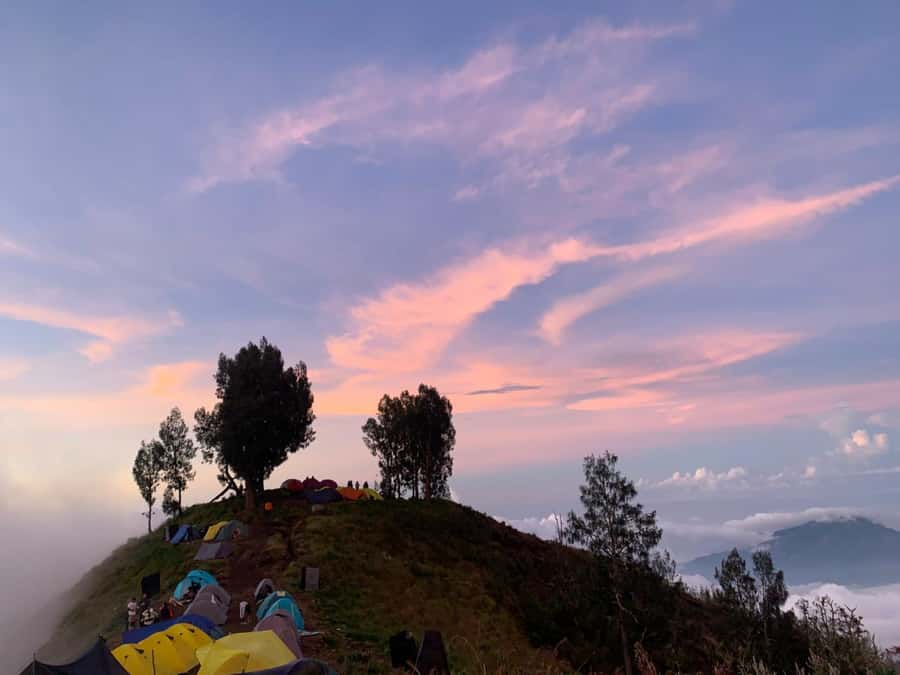
You’ll camp overnight on the crater rim and enjoy sunset views. Crater rim camping changes the whole mood of the trip. Your world becomes sky, volcanic slopes, and whatever light is left.
Day 2: Summit sunrise, then Segara Anak Lake swimming and hot water baths
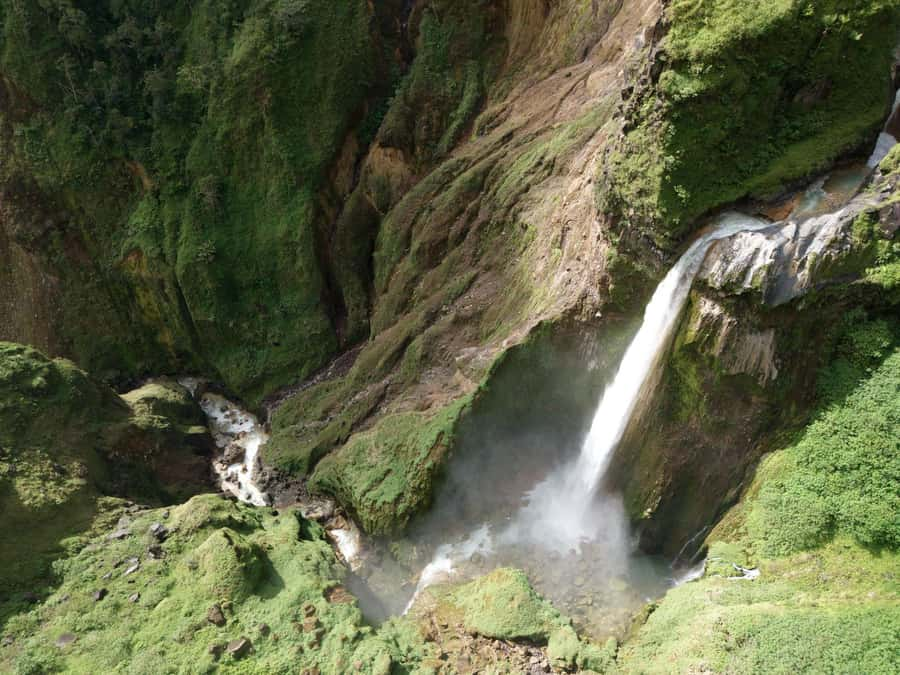
Day 2 begins in the dark. You wake around 2:00 am, drink something warm, and eat a light breakfast. Then you start the summit climb around 3:00 am.
The climb starts with a moderate section, then includes an easier-but-longer climb. The final approach is a steep volcanic cliff. This is where good guidance is worth its weight. Ajis being helpful fits that need: steady direction and calm pacing when visibility and footing are both challenging.
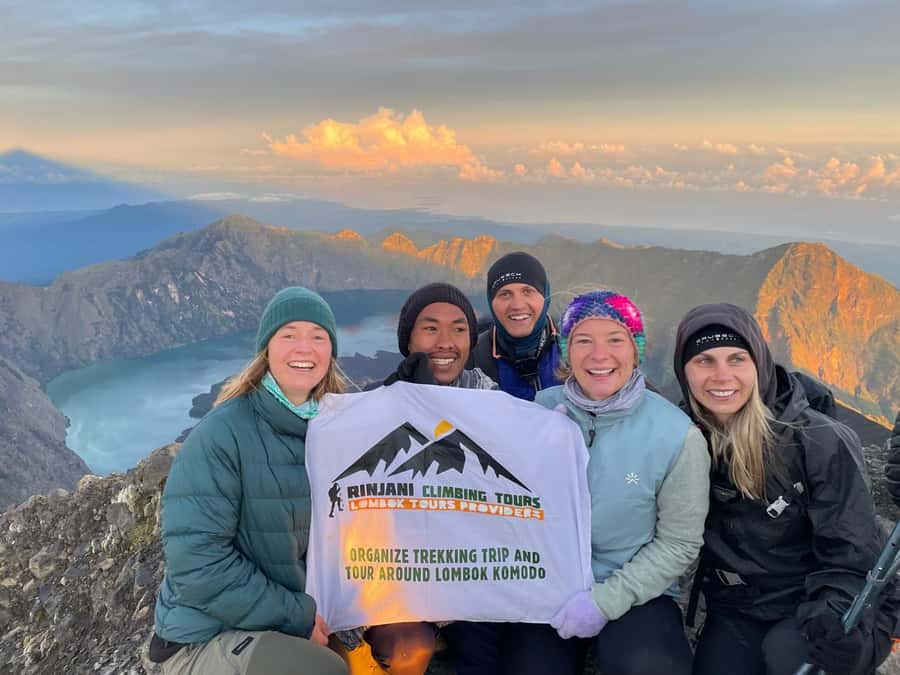
At about 6:00 am, you reach the summit at 3,726 m. The payoff is sunrise plus a wide view that includes Lombok, Bali, Sumbawa, and Segara Anak Lake. Even without a background in geology, you can feel the scale. This is one of those moments where you stop thinking about how many steps are left.
After the summit, you descend back to the crater rim of Sembalun in about 2 hours and have breakfast there.
Next comes the lake day section: a further descent to Segara Anak Lake for about 3 hours. You stop along the side of the lake to rest. You’ll also have time to enjoy the view of the lake and swim, if conditions allow and your guide thinks it’s safe.
The itinerary notes that bathing in hot water can help relieve aches and pains, and it’s widely known locally for natural healing powers. I’m not saying this replaces sleep or training, but after a summit day, your body will absolutely understand why people want a warm soak.
Lunch is prepared by the porter after you’ve settled near the lake area. This matters because it keeps the day from becoming a constant “find food, eat, keep hiking” cycle.
After lunch, you leave the lake area and climb up to the Senaru crater rim (about 2,641 m). You camp here for the night. The Senaru crater rim is described as having spectacular views: sunset over Mount Agung in Bali, plus smoke from a new volcano on the edge of the lake. That kind of evening view is the reason you accept the early mornings.
Day 3: Rainforest descent to Senaru Village and a possible black monkey sighting
Day 3 starts with breakfast, with sunrise mentioned. Then you leave Mount Rinjani and descend to Senaru Village through rainforest.
If you’re lucky, you might spot rare black monkeys. You can’t count on it, but the itinerary clearly flags it as a possibility on the rainforest segment, which tells you the environment here is more than just “stones and dust.”
The downhill takes about 5 hours. You’ll have lunch along the way and eventually arrive at Senaru Village at around 601 m. From there, you’re picked up by car for your next destination.
This third day is mostly about letting your legs recover while you still move downhill. Your knees will have opinions, but the rainforest can make the descent feel less relentless than open slopes.
Price and what you’re truly paying for at around $145
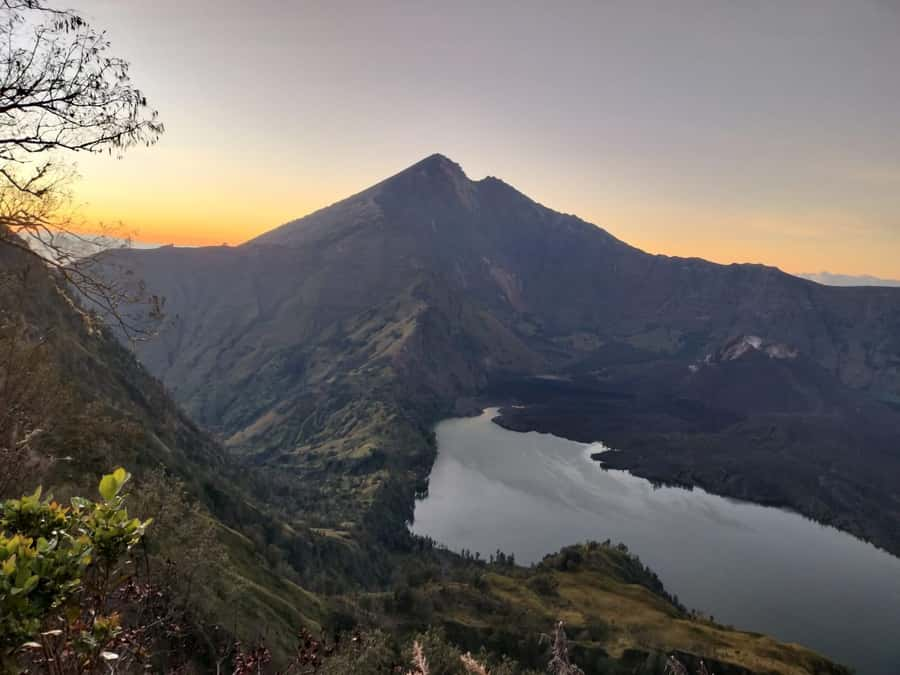
At $145 per person for 3 days and 2 nights, this trek isn’t cheap in an absolute sense. But it’s good value for the scope: you’re getting a guided summit attempt, crater rim camping, porters carrying cooking and camping gear, plus daily meals and water.
Here’s what the package includes:
- Hiking guide and porters (including cooking utensils and camping equipment)
- English-speaking guide and professional porters
- Food and drinking water during the trek, listed as 3 liters mineral water per day per person
- Tent, toilet setup (including toilet paper), sleeping bags, and sleeping mats
- 3 meals a day plus tea and coffee
- Fruit such as pineapple and banana
- Transportation: pickup around Senaru and transport to the starting point
- Storage in the office for your backpack if you don’t need it during the hike
- Trekking insurance
What’s not included is the stuff that often adds up when you’re unprepared:
- National Park entry ticket
- One night accommodation before the tour starts
- Trekking shoes (and warm clothes)
- Tips for guide and porter
- Extra food and extras like GoPro
The smart way to budget is to assume your main “surprises” will be the national park ticket, your clothing/shoes, and tipping. If you already own hiking shoes and a warm layer, your actual out-of-pocket can be much closer to the listed price.
What to pack so you don’t suffer for no reason
The essentials are clear because this trek gets cold and active:
- Warm clothing
- Hat
- Camera
- Snacks (personal use)
- Hiking shoes
- Sunscreen
- Water (even though the package provides water, you’ll want personal carry for comfort)
- Rain gear
That list is practical. The “cold at the summit” note is direct, so pack for temperatures that feel colder than you expect at 3,726 m.
Also, the rules are specific:
- No smoking
- No littering
- No touching plants
Those may seem basic, but on a fragile volcanic ecosystem, small actions matter.
If you don’t have a daypack, the info says a small backpack/daypack is possible to rent, and it’s not included in the main package. Plan ahead either way so you’re not scrambling for something small and comfy.
Who this trek suits (and who should skip it)
This program is designed for experienced climbers and people with strong energy to conquer the 3-day route. It also comes with clear safety limits:
- Not suitable for people with heart problems
- Not suitable for people with vertigo
- Not suitable for people with low level of fitness
If you’re the type who likes steady effort, can handle early starts, and can keep moving downhill without collapsing, you’ll likely get a lot out of it.
If you know you struggle with steep cliffy sections, expect that final volcanic cliff approach will test you. If you’re prone to fear of heights, the vertigo restriction is there for a reason.
Should you book this Mount Rinjani 3D2N plan?
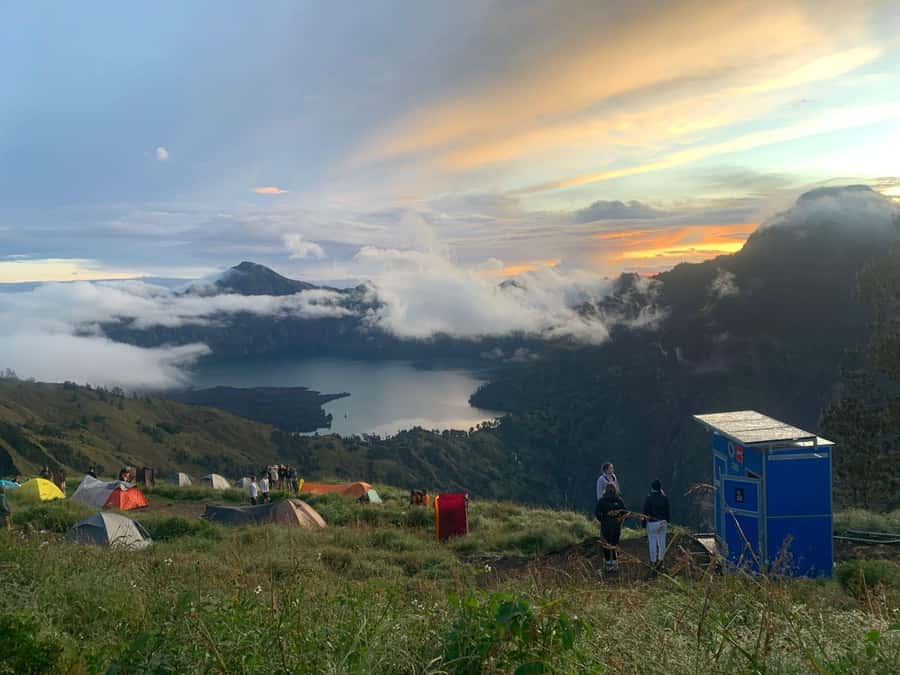
Book it if you want the full Mount Rinjani arc: summit sunrise at 3,726 m, then the Segara Anak Lake experience, then crater rim camping again at Senaru with a high-altitude view that reaches toward Bali.
Think twice if you’re sensitive to cold, dread getting up around 2:00 am, or you’re not confident with steep climbs and long descents. This is challenging by design. The payoff is real, but it requires effort.
One last practical check before you commit: confirm you’re okay covering the national park entry ticket and bringing the warm layers and hiking shoes the trek calls for. When those basics are handled, the $145 price feels like it’s covering the heavy lifting—guiding, porter support, camp setup, and the food and water that keep you moving.
FAQ
How high is Mount Rinjani on this trek?
Mount Rinjani’s summit is listed at 3,726 m. The itinerary includes a summit visit at this height.
Where does the trek start and where does it end?
The 3-day journey starts from Sembalun Village and returns via the Senaru route, with you ending at Senaru Village.
What time do you start trekking on Day 1?
You start trekking from Sembalun Village around 8:00 am after waking up, breakfast, driving to the village, and registering at the information center.
What time do you start the summit climb on Day 2?
You wake up around 2:00 am, have a warm drink and light breakfast, and start heading to the summit at about 3:00 am.
Is the National Park entry ticket included?
No. The national park entry ticket is listed as not included.
How much water is provided during the trek?
The package lists 3 liters of mineral water per day per person during the trek.
Is this trek suitable for people with heart problems or vertigo?
No. The experience is listed as not suitable for people with heart problems and for people with vertigo. It is also not suitable for people with low level of fitness.