REVIEW · INDONESIA
Mount Rinjani Trekking 2D/1N Summit Sunrise & Sunset Views
Book on GetYourGuide →Operated by Mount Rinjani Hike · Bookable on GetYourGuide
One early alarm is all it takes to earn Rinjani views. This 2-day trek hits the summit for sunrise timing, then settles you at the crater rim for lake-and-rim scenery that feels big even in silence. I love the crater rim camp setup (you’re not just hiking through, you’re living there for the night), and I love the very specific sunrise summit schedule that makes the early hours feel purposeful.
You should know the trade-off: this is a serious, strenuous climb. The toughest section is a rocky, loose accent on the way up, and weather can also swing how far the team can push.
In This Review
- Key Things That Make This Rinjani Trek Worth Your Time
- The Real Reason Rinjani Works: Timing Beats Luck
- Day 1: Sembalun to the Crater Rim and the Long Scenic Build
- Camp Life at the Crater Rim: Cold Feet, Hot Food, Real Logistics
- Day 2: The 2:00am Wake-Up and the Loose Rock Climb
- Back Down and the Two Ways Your Descent Can Feel
- What the Views Are Really Like: Segara Anak and Sunrise Physics
- Guides and Porters: The Difference Between Surviving and Enjoying It
- Price and Value: Why $200 Can Make Sense Here
- What to Pack (So Your Summit Isn’t a Suffering Contest)
- Who This Trek Fits Best (And Who Should Skip It)
- Should You Book This 2-Day Mount Rinjani Trek?
- FAQ
- FAQ
- How long is the Mount Rinjani trek?
- Where do you start, and how do you get there?
- Is this trek good for sunrise and sunset views?
- What time do you start hiking for the summit?
- What food and water are included?
- What camping gear is provided?
- Is transportation included after the trek?
- What should I bring, and what is not included?
- Is this trek suitable for everyone?
Key Things That Make This Rinjani Trek Worth Your Time
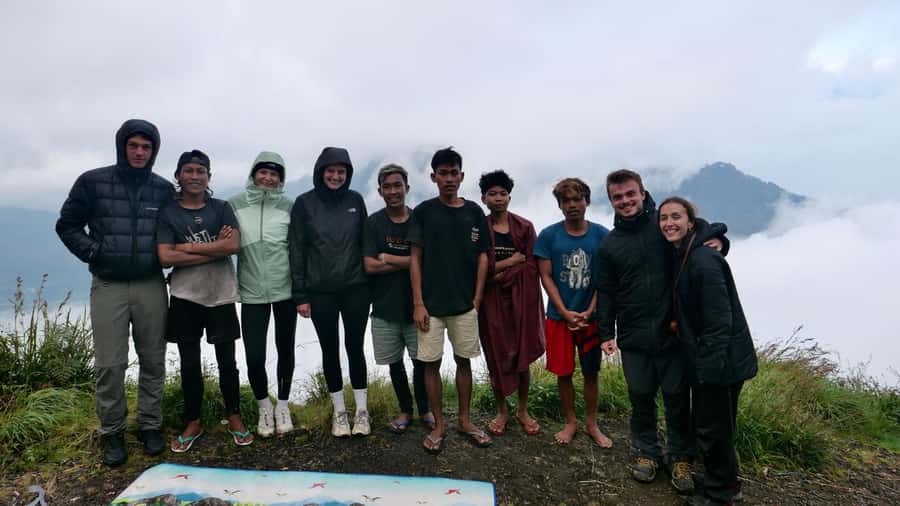
- Crater rim camping near Segara Anak Lake for evening and morning views
- Sunrise summit timing with a push that starts around 2:30am
- A rocky section around 5:00am that’s challenging because the footing is loose
- English-speaking guidance plus porter support handling cooking gear and camp setup
- Meals and drinking water included including about 3 liters per person per day
The Real Reason Rinjani Works: Timing Beats Luck
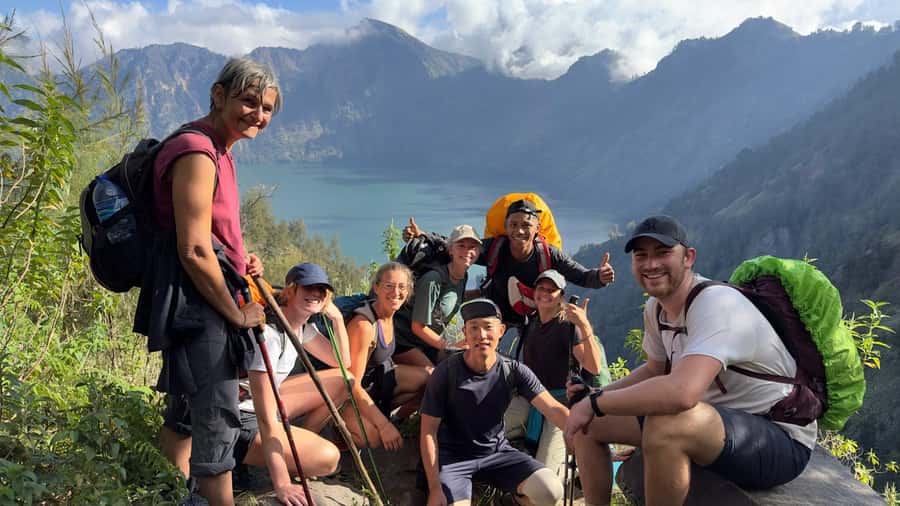
Mount Rinjani is the kind of place where timing matters more than hype. You’ll start your hike in the dark so you can reach the summit just before sunrise, when the world goes from cold and quiet to suddenly worth every aching step. The payoff isn’t only the view. It’s the rhythm: hike, camp, eat, sleep lightly (but safely), then go again.
I also like that the day plan doesn’t feel random. You’re not wandering. You’re moving with clear goals: first to the crater rim, then up to the summit, then back down with a planned break for lunch. In reviews, people consistently call out organization and schedule, and you feel it on the trail when the group never stalls for long.
The other reason this trek works is the way the experience shifts by altitude. Day 1 feels like an all-day slog with steady effort. Day 2 turns into a morning grind followed by a short, intense summit window. Then the descent brings you back to a warmer pace with either a milder drop (if your route takes you toward Sembalun) or more forest time (if your route takes you toward Senaru).
Day 1: Sembalun to the Crater Rim and the Long Scenic Build
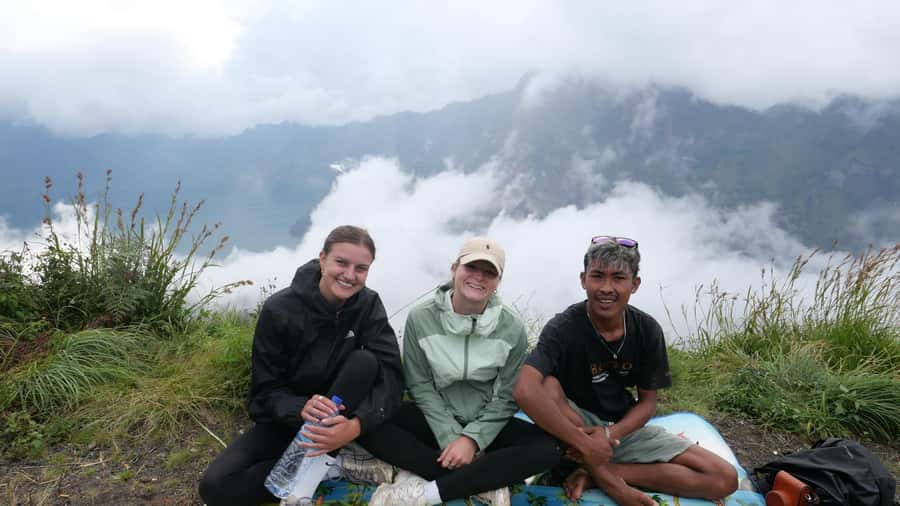
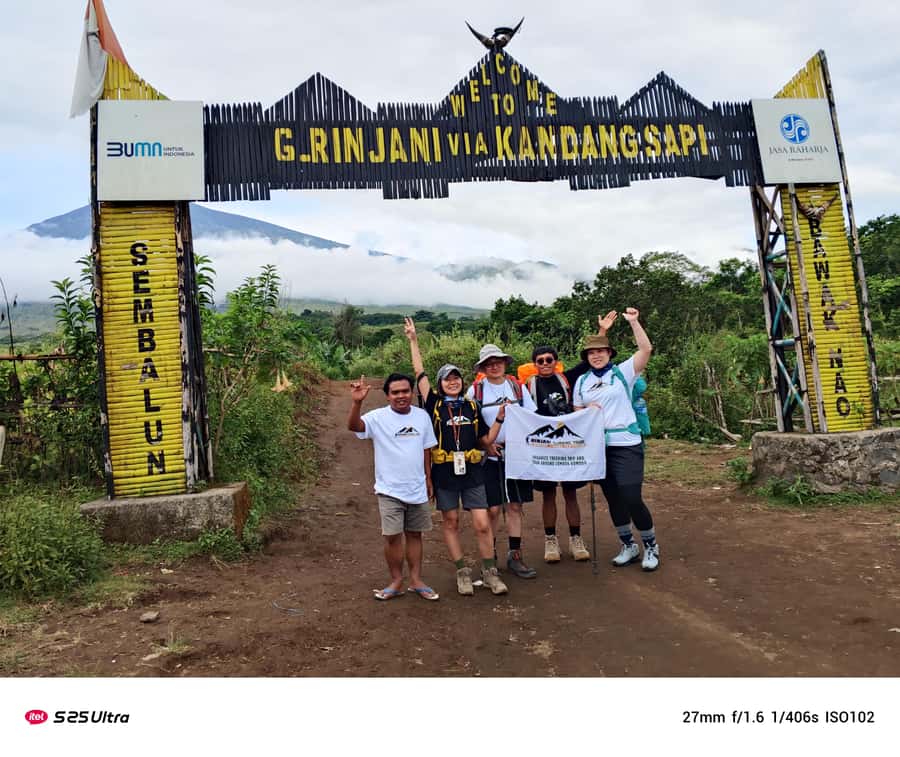
Your day starts with breakfast and a warm drink, then a short drive of about an hour to Sembalun. After that, you hike all day until late afternoon, with lunch in the middle so you’re not stuck fueling on fumes. This first day is where your legs learn the altitude and your breathing finds a sustainable rhythm.
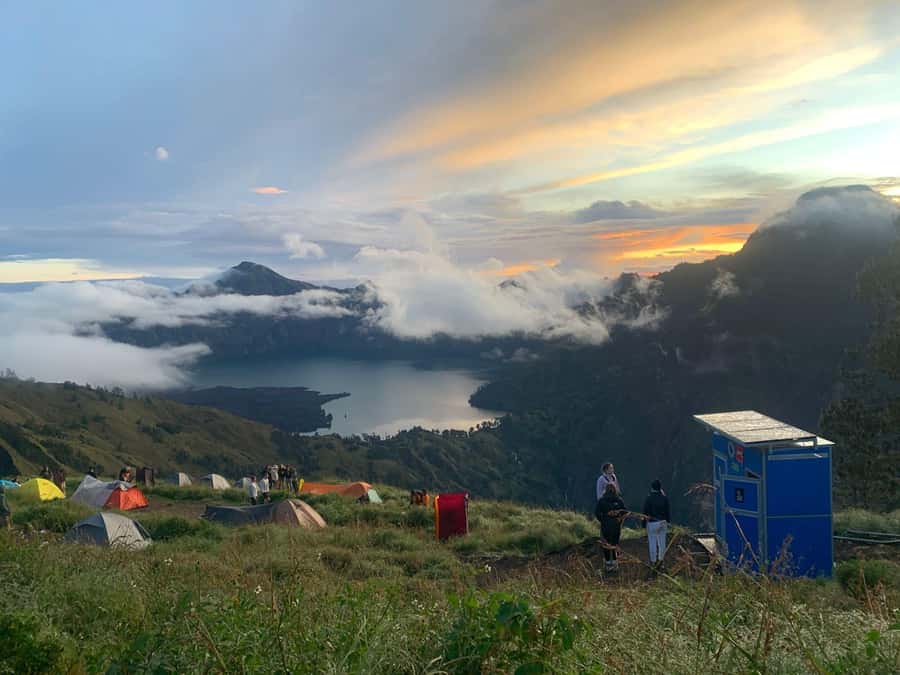
What I like here is the pacing. Even though it’s a full hiking day, the big moment is waiting for you at the end: you arrive at the crater rim late afternoon, just as the light starts to shift and the air gets colder. Porters set up camp, so you can transition from hiking-mode to living-mode without spending the last energy scrambling for gear.
Once camp is ready, the crater rim becomes the main character. You’ll get dinner and then spend the evening enjoying the views from the rim. And because you’re near Segara Anak Lake, you’re looking at more than mountain walls. You’re looking at an entire volcanic setting that feels like it’s its own world, especially after you stop moving and the group settles.
If you’re trying to picture the vibe, think of it like this: Day 1 is about arriving. Day 2 is about earning the peak. And the night at the crater rim is the moment you actually remember, because you see the view in changing light rather than catching a quick photo and moving on.
Camp Life at the Crater Rim: Cold Feet, Hot Food, Real Logistics
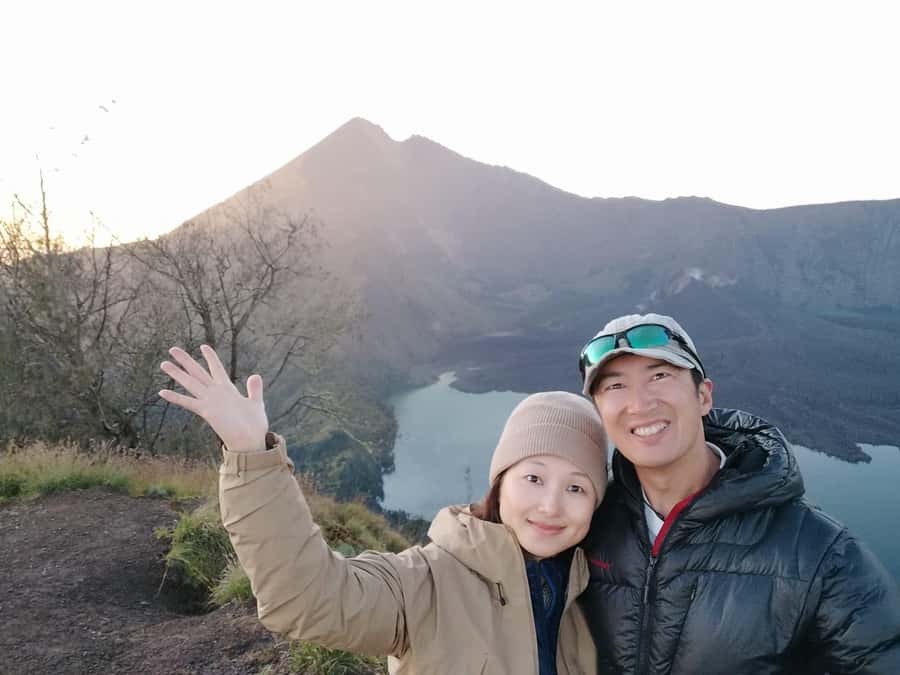
Camping here is part of what makes this trek more than a fast in-and-out climb. You’ll sleep at the crater rim, and you’re not doing it rough-guesswork style. The trekking includes tents, sleeping bags, sleeping mats, and a toilet tent with toilet paper. There’s also cooking gear and camp setup support carried by porters.
That matters, because Rinjani doesn’t give you much room for mistakes. If you have the gear you need, you can focus on comfort and staying warm. If you don’t, you’ll spend the night fighting cold instead of recharging.
Food is also built in. You get 3 meals a day, plus fruit like pineapple and banana, plus tea and coffee during the trek. Water is included too, about 3 liters of mineral water per person per day. This is a big value point because water, snacks, and hot drinks add up quickly on your own, and you don’t want to make tough trade-offs when you’re already carrying a lot mentally.
Practical note: you still need to bring warm layers, a hat, and rain gear. Cold temperatures at the summit are explicitly part of the deal, and evenings at the crater rim can feel sharp even if the hike is tiring. Packing warm clothes isn’t optional if you want to sleep and wake up ready to go.
Day 2: The 2:00am Wake-Up and the Loose Rock Climb
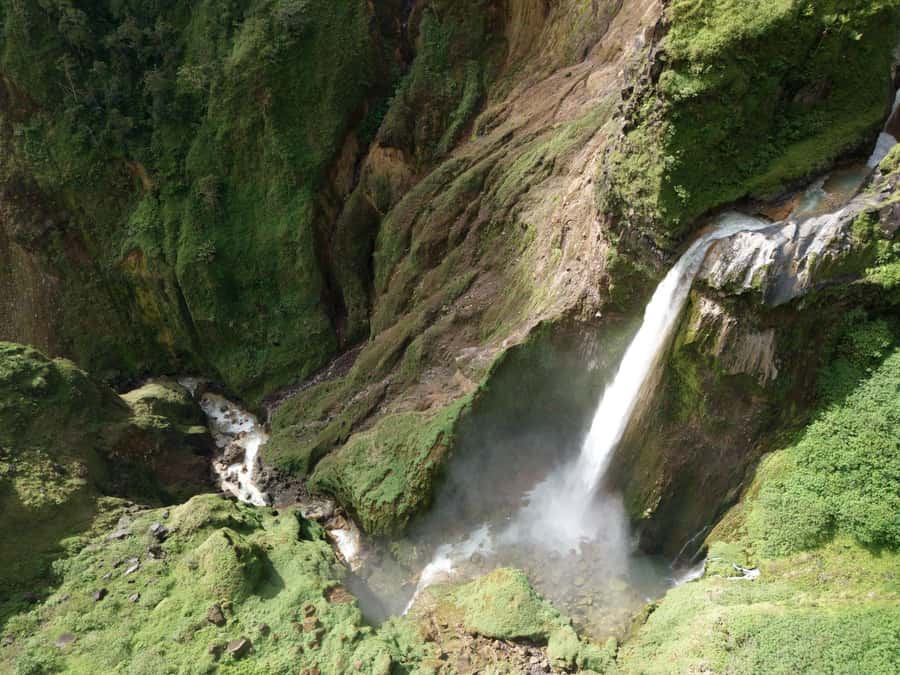
You’ll wake up around 2:00am with a quick breakfast, then start hiking around 2:30am toward the summit. This is the part where you’ll see why people train for elevation and steepness. The route is mostly about effort, but it also demands attention because the ascent isn’t just steep, it’s uneven.
The toughest section comes around 5:00am: a rocky accent to the summit. Reviews describe the footing as loose, like gravel. The important thing is that it’s not presented as a dangerous drop-off situation. It’s strenuous because your steps have to be deliberate, and you can’t rely on stable ground to power through.
At some point, your body stops thinking and starts working. That’s when good guiding helps. English-speaking guides are part of the included package, and several reviews mention guides who stay attentive and keep the group moving steadily. People have named guides like Jack and August, as well as Peaky and Nun, and the common theme is care and efficiency.
Then comes the summit moment. You reach the summit just before sunrise and stay up there about 20–30 minutes. That window is short on purpose. You go for the light, the view, and the feeling of accomplishment, then return to the crater rim.
Back Down and the Two Ways Your Descent Can Feel
After summiting, you head back to the crater rim for a big breakfast. This is a morale booster and also a practical recovery step: you’re refueling before your legs deal with the long return.
From there, you descend. What’s interesting is that your descent experience can vary depending on the direction your route takes after the crater rim. If your itinerary drops you toward Sembalun, the descent is described as mildly steep. If your itinerary drops you toward Senaru, much of the day can run through thick rainforest.
That changes the texture of the hike. A rainforested descent can feel slower and more slippery, with constant attention to footing and moisture. A milder descent feels easier on paper but still long. Either way, you’ll stop mid-day for lunch, then continue and finish with driving back to the port or airport.
If you’re staying in Senaru for other plans, you can also be returned to your homestay after the trek. This reduces the last-day stress of figuring out transport right when you’re tired.
What the Views Are Really Like: Segara Anak and Sunrise Physics
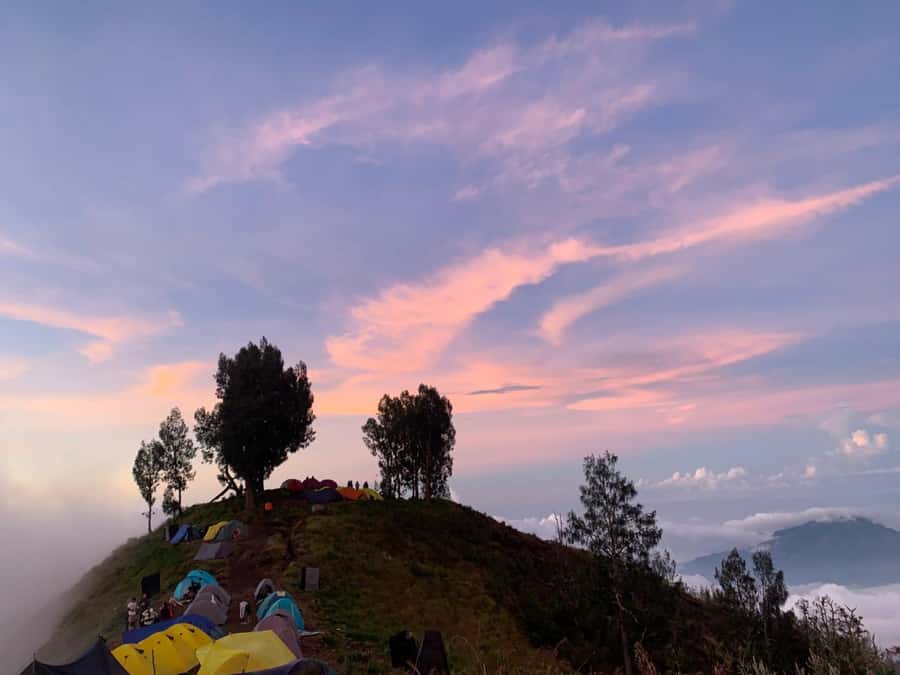
The highlights tell you what you want to see, but it helps to understand what that scenery means in real terms. Segara Anak Lake is part of the draw because it gives the volcano scene a human-scale anchor. Instead of only looking up, you can see a basin and water in the middle of the crater system, which helps the whole place feel real, not just dramatic.
The sunrise summit view is the other big reason people do this trek at all. Sunrise isn’t only pretty here. It’s also a visual reset. In the dark, everything feels urgent. Near sunrise, the world opens up and you get a clear sense of direction, depth, and distance.
Some hikers also mention the best sunset from the Senaru crater rim. Even if your exact timing shifts with weather, this trek’s structure is designed around the kind of light mountain people chase. In a place where clouds can arrive fast, the schedule gives you a chance to catch it.
One more reality check: weather can affect whether the summit push is possible. One review specifically notes the summit was closed due to circumstances. That matches the basic warning that conditions can change the plan, so you should treat sunrise access as the goal, not a guarantee.
Guides and Porters: The Difference Between Surviving and Enjoying It
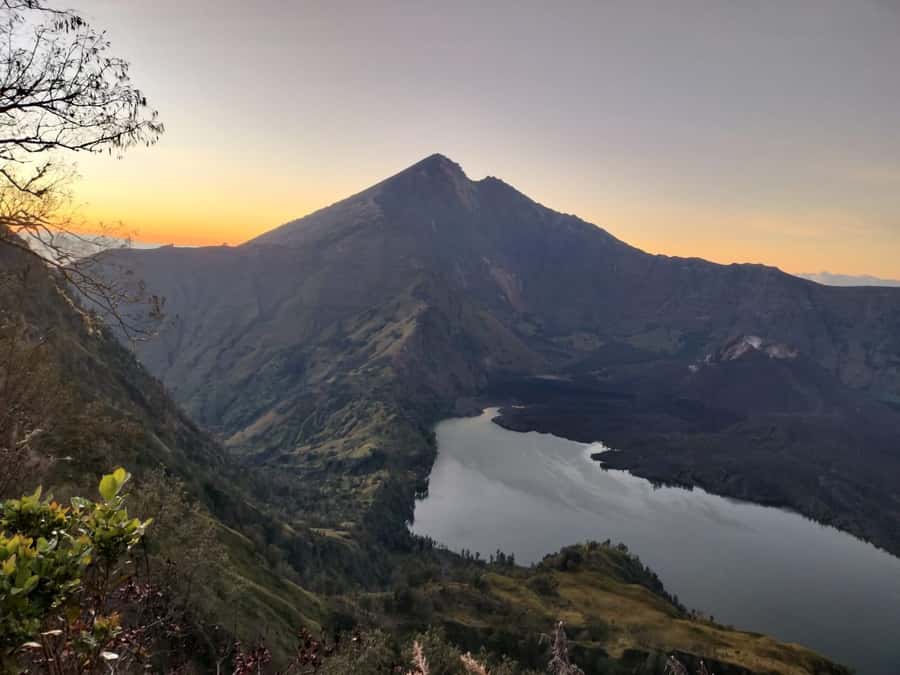
This trek is physically hard. But it’s also managed. The included team includes a hiking guide and porters who carry cooking utensils and camping equipment, plus an experienced English-speaking guide and professional porters.
In the reviews, people praise guides who are attentive and keep things moving, sometimes naming them directly: Jack, August, Peaky, Nun, Ajis, and Wahdi. The specific names matter because they reflect consistency. This isn’t a random walk led by whoever shows up. People repeatedly describe the same kind of support: water, tea, coffee, food on schedule, and steady group guidance.
Porters come up again and again as absolute legends. One review says they were agile and efficient, and another calls out how their good mood and kindness changed the mood of the day. That makes sense. On steep terrain, small delays can become big setbacks. When the camp is set up quickly and the food arrives when it should, your brain stays calmer.
You should still listen to the basics: bring snacks you like, because extra food isn’t included beyond what’s planned. Also consider that breakfast portions might not feel huge for everyone, and one review suggests bringing snacks as a fix. If you’re the type who gets hungry early, pack a little extra.
Price and Value: Why $200 Can Make Sense Here
At about $200 per person for a 2-day package, the value comes from what’s included, not just the number. You’re getting a full guiding team, porters, camp setup, tents, sleeping bags, sleeping mats, a toilet tent with toilet paper, cooking gear, and transportation after the trek to Bangsal harbor or Mataram.
On top of that, you get meals and drinking water for the trek, including about 3 liters of mineral water per day per person, and hot drinks like tea and coffee. You’re also getting storage in the office for your backpack if you don’t want to carry everything, plus pickup around Senaru to get you to the starting point.
Not included are important items: trekking shoes, warm clothes, extra food, and tips for the guide and porter. That’s normal, but it’s worth planning for so you don’t show up missing the basics at altitude. Also, a small daypack might be something you’d rent, and a GoPro isn’t included.
So the real question isn’t whether $200 is cheap. It’s whether you want to handle camp logistics, a porter system, and planned meals yourself during a demanding hike. If you want help with all that, this price has the right shape.
What to Pack (So Your Summit Isn’t a Suffering Contest)
Here’s the practical kit you should take, based on what’s expected for cold and wet conditions.
Bring:
- Warm clothing for cold temperatures
- A hat
- Hiking shoes
- Sunscreen
- Rain gear
- Camera
- Snacks
- Water (even though water is provided, you may still want personal top-ups)
Also useful mindset:
- Have a daypack ready if needed
- Keep small comfort items you’ll actually use, because you’ll be up early and moving for long stretches
And follow the rules:
- No smoking
- Don’t litter
- Don’t touch plants
Those rules keep the experience respectful and protect the place you came to see.
Who This Trek Fits Best (And Who Should Skip It)
This trek is challenging and requires good physical fitness. It’s not suitable for people with heart problems, vertigo, or low fitness levels.
If you’re used to steep hikes, can handle early wake-ups, and don’t mind a tough climb with loose rocks, you’ll likely find the structure helps. The guide and porter system reduces some burdens, so your energy goes into moving rather than hauling.
If you’re nervous about heights or you know your balance doesn’t like uneven footing, pay attention. Reviews describe the second day as the tough one because of the loose gravel-like rocks during the rocky ascent around 5:00am. You’ll still be safe with the route, but it’s not the type of terrain that feels effortless.
Should You Book This 2-Day Mount Rinjani Trek?
If you want a summit sunrise experience plus crater rim camping, I think this is a strong choice. The package includes the big mountain basics: guidance, porter support, camp gear, meals, and transport. You’re paying for the whole system, not just the trail.
Book it if:
- You’re fit enough for a demanding hike with an early start
- You want sunrise from the summit and a full evening at the crater rim
- You appreciate having porters handle camp setup so you can focus on the climb
Hold off if:
- You have heart concerns, vertigo, or low fitness
- Cold early mornings stress you out and you haven’t packed warm layers
- Weather-triggered changes would ruin your mood more than your determination would improve it
One last thought: with weather affecting summit access, it helps to go in flexible. If your priority is light and views, aim for the goal, but accept that Rinjani sometimes writes the schedule for you.
FAQ
FAQ
How long is the Mount Rinjani trek?
It runs for 2 days.
Where do you start, and how do you get there?
You get picked up around Senaru and then travel to the starting point. On day 1 there’s about a 1-hour drive to Sembalun.
Is this trek good for sunrise and sunset views?
Sunrise viewing happens from the summit. There are also sunset views highlighted from the Senaru crater rim.
What time do you start hiking for the summit?
You wake up around 2:00am and begin the summit hike around 2:30am.
What food and water are included?
The trek includes 3 meals a day, tea and coffee, fruit like pineapple and banana, and about 3 liters of mineral water per day per person.
What camping gear is provided?
You’ll be provided with a tent, sleeping bag, and sleeping mat. There is also a toilet tent and toilet paper.
Is transportation included after the trek?
Yes. After the trek you’re transported to Bangsal harbor or Mataram.
What should I bring, and what is not included?
Bring warm clothing, a hat, hiking shoes, sunscreen, snacks, rain gear, and a camera. Trekking shoes and warm clothes are not included, and extra food is not included.
Is this trek suitable for everyone?
No. It is not suitable for people with heart problems, vertigo, or low level of fitness. It is described as challenging and weather can affect the itinerary.