REVIEW · PIANO PROVENZANA
Linguaglossa: Mt Etna Summit Crater Hike with Optional 4×4
Book on GetYourGuide →Operated by Aitne Med Etna Excursions · Bookable on GetYourGuide
Etna breathes when you reach the crater rim. This Linguaglossa hike takes you onto the volcano’s wild northern slope, starting from Piano Provenzana and (optionally) upgrading with a Jeep ride that drops you higher before the walking begins.
I love the guided crater experience that leads you to the Central Crater rim and on to the summit area around Bocca Nuova, with safe views of the south-east and north-east craters. I also like that the route doesn’t just “go up and back down” but finishes with the volcanic amphitheatre of Valle del Bove from Pizzi Deneri.
One consideration: the climb includes an optional 4×4 roundtrip add-on (listed at €50 per person), and the day can feel intense if you’re sensitive to steep, rocky descents or heights.
In This Review
- Key things I’d circle on this Etna crater hike
- Meeting at Chiosco Bar Mareneve in Piano Provenzana
- Optional Jeep/4×4 ride to Piano delle Concazza (and what it’s for)
- From the volcanic desert to the Central Crater rim
- Bocca Nuova and safe-distance crater watching
- Pizzi Deneri and the Valle del Bove caldera viewpoint
- Quarantore gullies, the 2002 fracture, and endemic plant life
- Gear checklist that actually matches Etna’s mood
- Time on trail: what the 5 hours really feels like
- Price and value: $70 hike fee plus the €50 4×4 choice
- Who should book this Etna northern-slope hike
- Should you book Linguaglossa Mt Etna Summit Crater Hike?
- FAQ
- FAQ
- What is the duration of the Etna summit crater hike?
- Where do I meet for the tour?
- Is the 4×4 ride included in the price?
- What time does the tour depart?
- How long is the main trek before reaching the crater rim?
- What language is the guide available in?
- What group size should I expect?
- What should I wear and bring?
- Is the hike suitable for children?
- Can the route change because of volcano activity or weather?
Key things I’d circle on this Etna crater hike
- Small group, big volcano time: limited to 8 participants, so the guide can actually manage pace.
- Crater rim moments: walking to the Central Crater rim where you can feel the active volcano atmosphere.
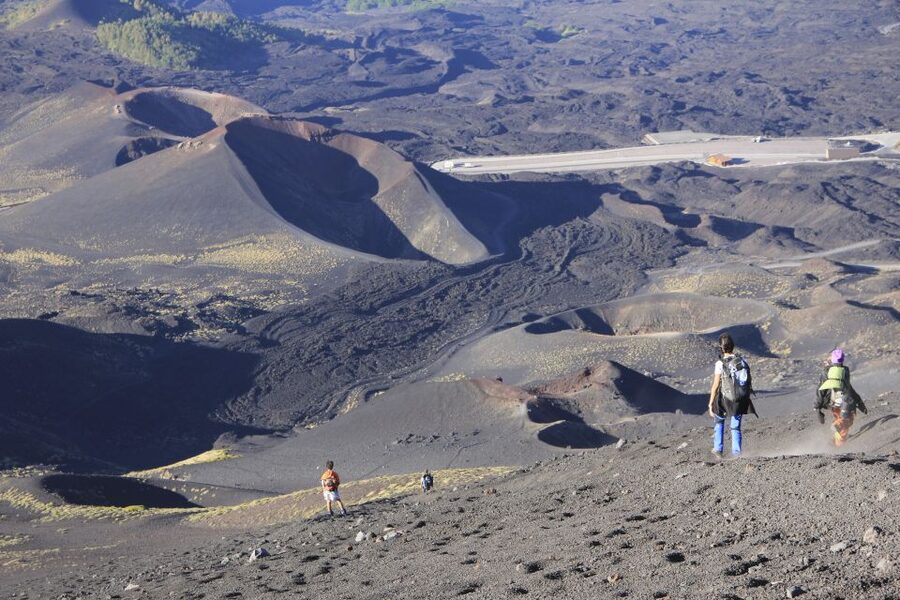
- Real variety of Etna terrain: volcanic desert, sulphur areas, sand gullies, and then the Valle del Bove caldera view.
- Guides who manage the hike: names like Vincenzo, Massimo, and Marco show up in guide feedback, with a strong focus on safety and explanation.
- Steep descent challenge: volcanic sand gullies can be fun, but they’re also where smart footing matters.
- Optional 4×4 transfer: saves energy by starting higher, but it adds cost.
Meeting at Chiosco Bar Mareneve in Piano Provenzana
The day starts in Piano Provenzana at CHIOSCO BAR MARENEVE DI FERRARO. You meet near the parking area (it’s noted at €3 by the coast), and you’ll spot the operator’s logo and your guide waiting there.
Why this matters: Etna hikes live or die on timing. Your start is set for 8 am, and meeting point clarity helps you get moving before the heat and before volcanic conditions change. Also, picking one meeting point (instead of scattered hotel pickups) makes the schedule simpler—though you should plan to get yourself to Piano Provenzana on your own.
Optional Jeep/4×4 ride to Piano delle Concazza (and what it’s for)
After a short 30-minute transfer by Jeep/SUV, you reach Piano delle Concazza (2,800 m). This ride is described as optional, with the 4×4 roundtrip costing €50 per person.
What you’re really buying with the extra ride: less climbing under your own legs. Since the hike includes a 600+ m uphill and a 1,500– m downhill change (plus the total walking distance around 12 km), starting at higher elevation can make the day feel more “sane,” especially on the descent.
Practical caution: the 4×4 is not free, and some people have questioned value when the vehicle feels tightly packed. If you’re the type who wants comfort on transfers, it’s worth mentally budgeting for that €50 as part of your energy-and-comfort equation.
Also note: the tour may change due to bad weather or increased volcanic activity, so the transport plan can shift.
From the volcanic desert to the Central Crater rim
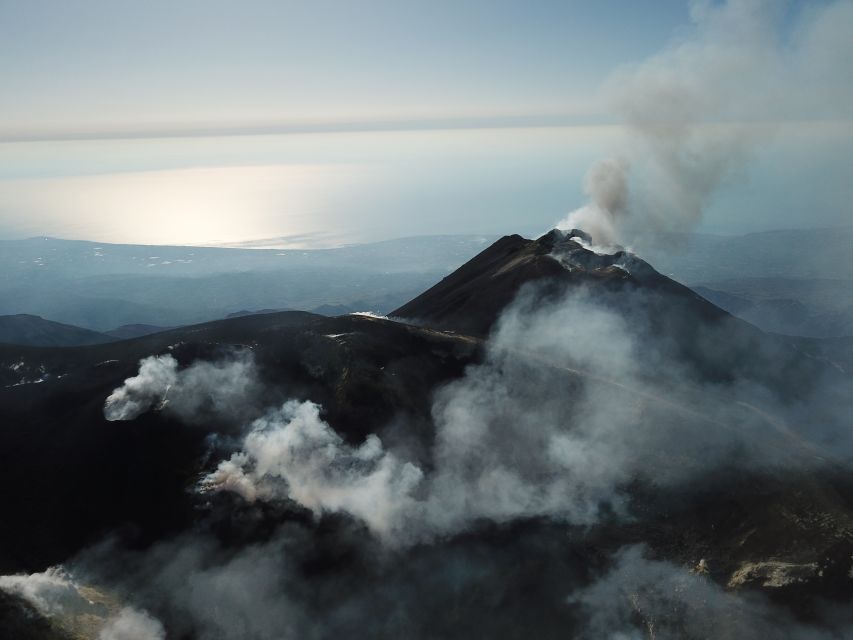
Once you’re dropped off at Piano delle Concazza, the real hike begins. Expect about 1.5 hours of walking through a volcanic desert.
This isn’t a “pretty trail through trees” kind of walk. It’s open ground, with that raw Etna feel under your feet. And the views start early: your outlook sweeps from the Aeolian Islands across toward the Gulf of Taormina. Even if the summit is hazy, these wide panoramas can still make the first leg worthwhile.
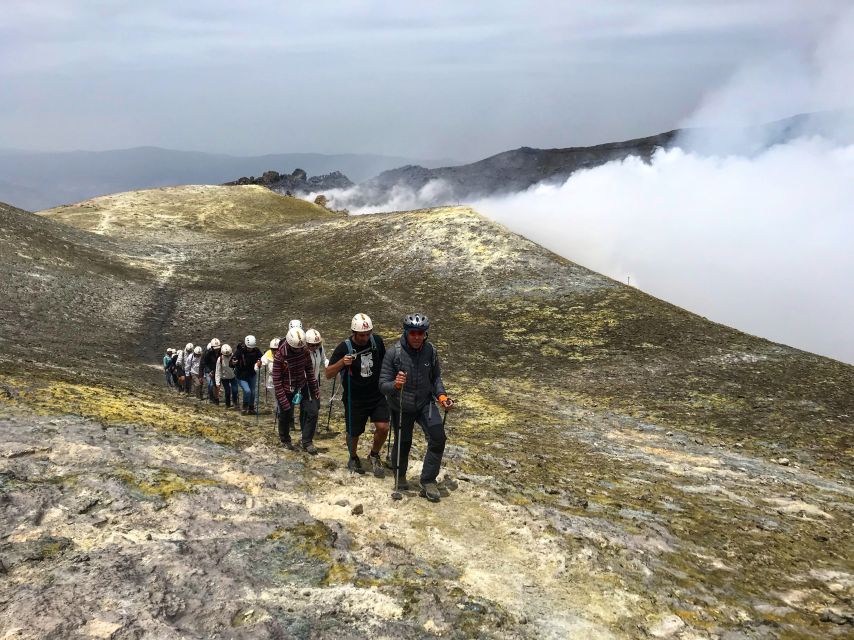
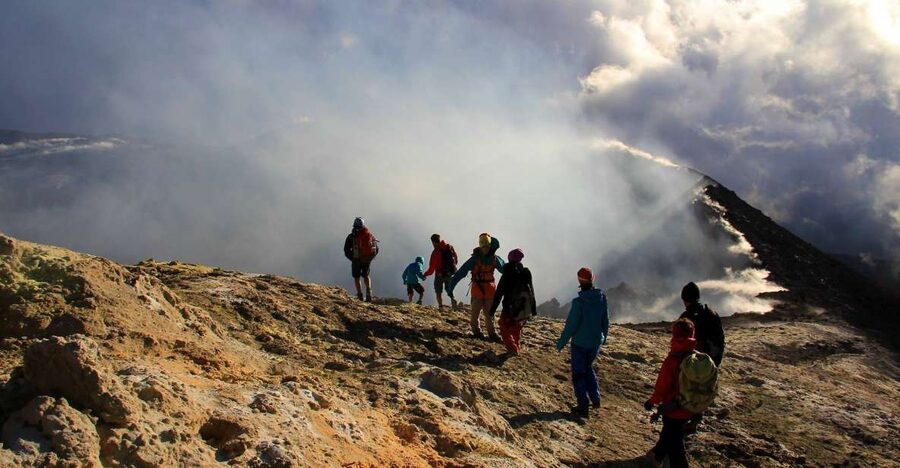
Your destination for this section is the rim of the Central Crater. This is one of the emotional peaks of the day: you can feel the volcano’s breath and watch the crater depression, plus see colourful sulphur sublimates (the idea here is not just “smell it,” but see the gases and mineral effects rising).
If you’re prone to vertigo or nervous about exposure, take the warnings seriously. The route includes steep walking areas later, but the crater rim moment is where your mind can go “okay, wow.”
Bocca Nuova and safe-distance crater watching
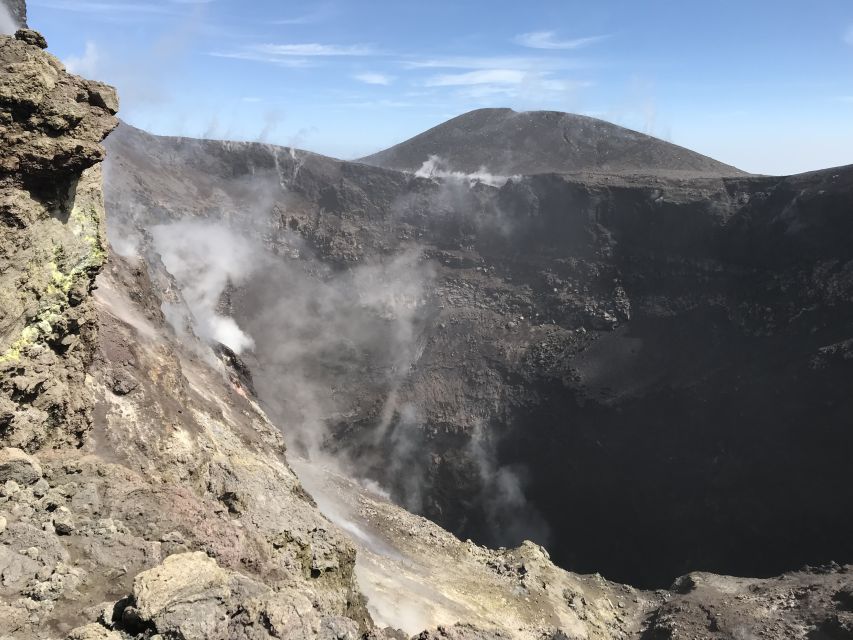
After the crater rim, the tour continues into the summit area. You’ll have a chance to admire Bocca Nuova and take in the South-East crater and North-East crater—from a safe distance.
This segment is less about “standing right on top of danger” and more about learning how active volcanoes are structured. A good guide here makes the difference between seeing rocks and understanding what you’re actually looking at.
In particular, guides like Vincenzo have been praised for explaining a lot about the volcano and managing the group’s speed. So if you’re the type who likes to ask questions, this is a tour where those questions can turn into real geology moments—not just “look over there” photo stops.
Pizzi Deneri and the Valle del Bove caldera viewpoint
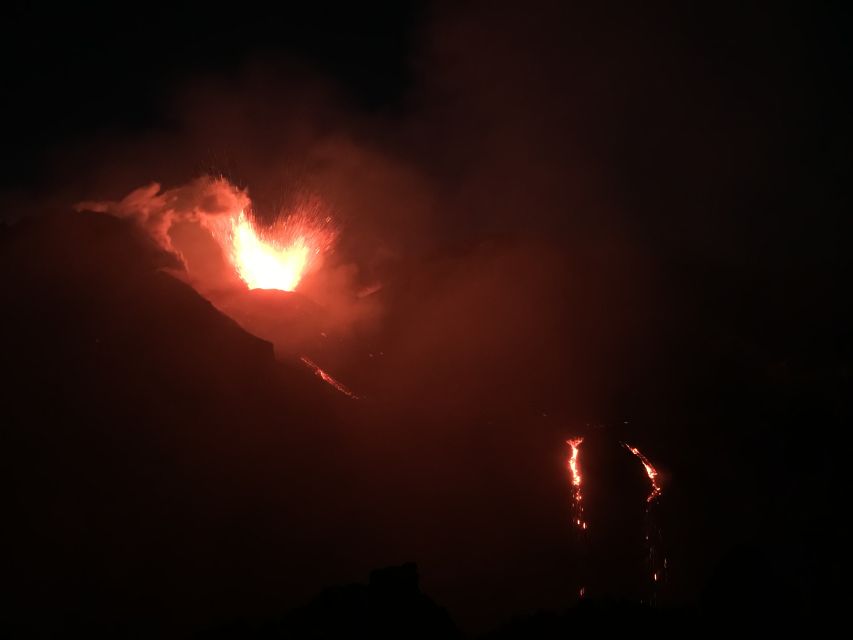
The descent starts along steep volcanic sand gullies, which sounds scenic—because it is—but also means you’ll want secure footing and a steady pace.
Eventually you reach Pizzi Deneri, where you get to admire the Valle del Bove volcanic amphitheatre. The scale is spelled out on purpose: the caldera is about 8 km long and 4 km wide. When you stand in the right position, you can read it like a giant natural bowl carved into the volcano’s body.
This stop is valuable because it shifts the day from “craters and fumes” into “how Etna shapes itself over time.” It’s also where a lunch break tends to happen afterward, so you can recharge before the final downhill push.
Quarantore gullies, the 2002 fracture, and endemic plant life
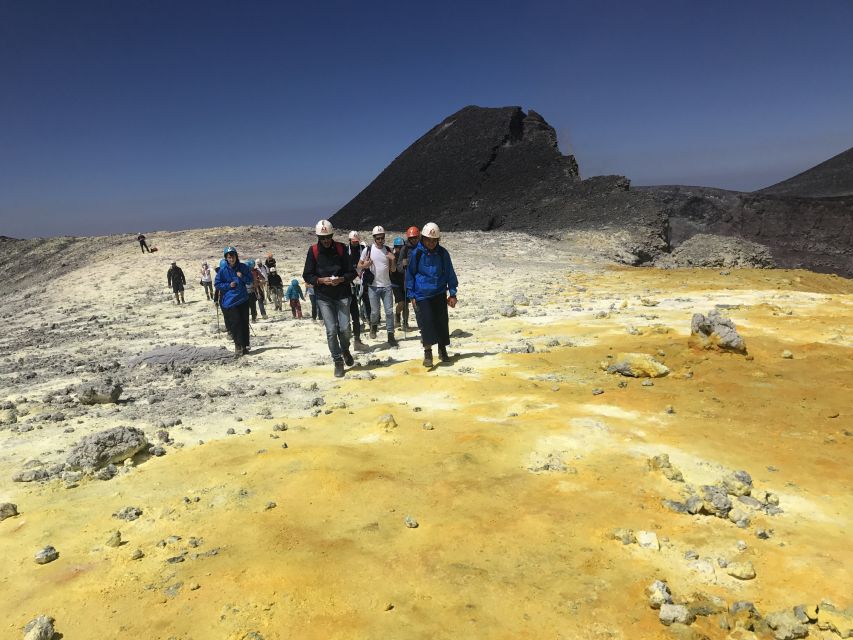
After lunch, you continue downhill along the Quarantore gullies. You’ll get a view of the 2002 eruptive fracture. That’s a concrete anchor for the story: not just “Etna is alive,” but “this eruption literally left a visible mark you can still track.”
You’ll also walk through a path rich in plant species endemic to Etna. That detail is a reminder that this is not only about rocks. Volcano zones can be harsh and still support life—often specialized life.
If you’re planning your energy: this part can feel long because you’re moving downhill on uneven volcanic terrain. Pace matters. And if conditions are cold or icy, extra care is needed on gravelly, steep passages.
Gear checklist that actually matches Etna’s mood
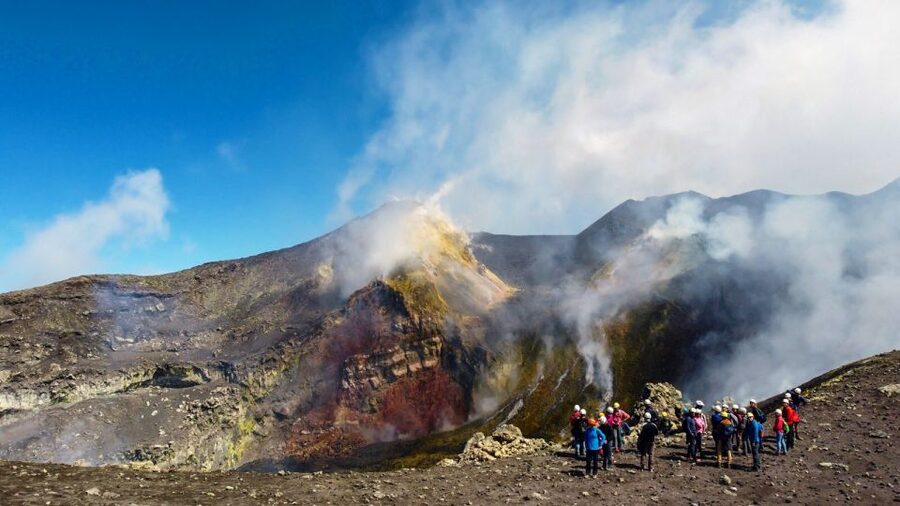
Etna weather and volcanic conditions can be wildly changeable. The hike’s guidance is clear about what to wear, and it’s not just for comfort.
I’d plan for:
- Trekking shoes with grip (included as trekking shoes, but still bring your best socks)
- Windproof jacket
- Long trousers
- Gloves (important for holding on to sharp rocks on rough sections)
- Hat plus a neck warmer to help protect from gases and volcanic sand
- A sweatshirt layer for temperature swings
Also bring a packed lunch and at least 1.5 liters of water per person. You’re out for 5 hours, and the combination of elevation plus active walking makes hydration non-negotiable.
Difficulty is listed as medium-high. The hike is not recommended for heart patients and is forbidden for children under 8. Avoid it if you have vertigo, altitude sickness issues, or if you’ve had recent surgeries. Weight and age limits are also stated: over 100 kg and over 80 years are flagged.
Time on trail: what the 5 hours really feels like
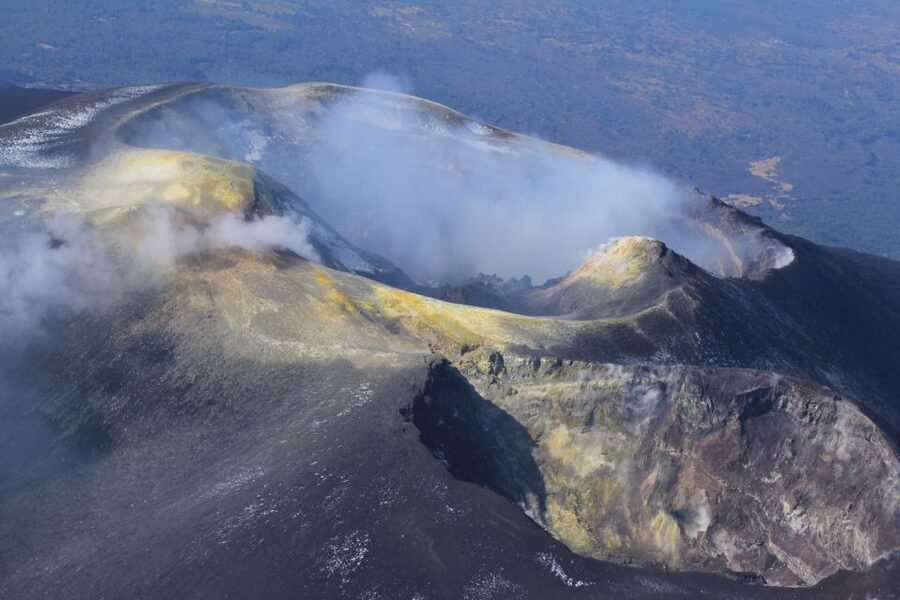
The total duration is 5 hours. The day is structured in chunks that make the effort manageable:
- A short transfer by Jeep/SUV
- About 1.5 hours to reach the Central Crater rim
- Summit area walking and crater viewing
- A steep, fun-in-a-real-way descent to Pizzi Deneri
- Lunch break
- Continued descent via Quarantore gullies
- Return to Piano Provenzana
This pacing is helpful because Etna doesn’t reward rushing. The most “worth it” approach is slow and steady, especially on the descent where volcanic sand and gravel can make your legs work overtime.
Group size is minimum 5, maximum 10, though the listing emphasizes small group sizes. That’s a sweet spot: enough people for a lively day, small enough for a guide to keep you safe.
Price and value: $70 hike fee plus the €50 4×4 choice
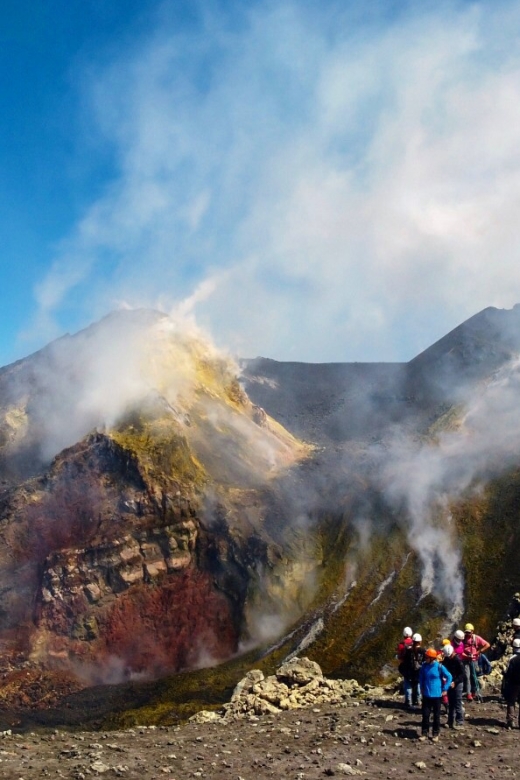
The headline price is $70 per person. But the optional 4×4 roundtrip is €50 per person on top, so your real all-in cost can be higher depending on whether you take the ride.
What makes the $70 more than just “a walk with a person”:
- Volcano guide
- Trekking shoes
- Wind jacket
- Helmet and trekking poles
- Insurance
That equipment list is exactly what helps on a volcano day. When you’re dealing with cold wind, sharp rocks, and steep terrain, having the right gear matters more than having the right motivation.
And then you decide about the Jeep ride:
- If you want to spend your energy on the crater experience, the 4×4 makes sense.
- If you’re watching budget tightly, skip it and expect a tougher day under your own legs.
One caution about value: if you’re sensitive to cramped rides, remember the 4×4 is an extra-paid component, and some people have found the cost hard to justify for the vehicle’s comfort. I’d treat the Jeep as a “reduce fatigue” tool, not a luxury transport upgrade.
Who should book this Etna northern-slope hike
This is a great match if you want:
- An active volcano experience with crater views you can’t get from a roadside viewpoint
- A guided day that includes explanations about Etna’s geological story
- Small-group pacing with room for questions
- A route that balances dramatic summit moments with a caldera viewpoint at Valle del Bove
It’s not a good match if:
- You have vertigo or strong fear of heights
- You have heart problems
- You struggle with steep descents on unstable surfaces
- You’re below the stated age guideline (under 8)
- You’re outside weight or age limits (over 100 kg, over 80 years), or have had recent surgeries
- Altitude is an issue for you
If you’re unsure, be honest about your comfort level with steep rocky terrain. This hike is labeled medium-high for a reason.
Should you book Linguaglossa Mt Etna Summit Crater Hike?
Book it if you want the north side of Etna—wild, open, and dramatic—and you’re okay with a serious hike that includes crater rim air, sulphur effects, and a steep volcanic sand descent. The small group size and the guided structure make it feel like a real volcano outing, not a casual stroll.
Hold off (or choose a different style of Etna experience) if you’re worried about heights, vertigo, heart conditions, or you dislike steep rocky downhills. Also, budget for the optional 4×4 if you’d rather save your legs for the crater and Valle del Bove highlights.
FAQ
FAQ
What is the duration of the Etna summit crater hike?
The tour lasts about 5 hours.
Where do I meet for the tour?
You meet in Piano Provenzana at CHIOSCO BAR MARENEVE DI FERRARO, in front of the parking area.
Is the 4×4 ride included in the price?
No. The 4×4 roundtrip ride is listed as an additional €50 per person.
What time does the tour depart?
Departure time is 8 am.
How long is the main trek before reaching the crater rim?
After the transfer to Piano delle Concazza, you walk for about 1.5 hours to reach the rim of the Central Crater.
What language is the guide available in?
The live guide is available in English, French, and Italian.
What group size should I expect?
The group is small, with a minimum of 5 and a maximum of 10 participants.
What should I wear and bring?
Wear trekking shoes, a windproof jacket, long trousers, gloves, and a hat. Bring a neck warmer, and plan on a packed lunch plus at least 1.5 liters of water.
Is the hike suitable for children?
No. It is forbidden for children under 8 years old.
Can the route change because of volcano activity or weather?
Yes. The tour may change due to bad weather conditions or increased volcanic activity.