REVIEW · PIANO PROVENZANA
Linguaglossa: Mt Etna Summit Crater Hike with Optional 4×4
Book on GetYourGuide →Operated by aitne · Bookable on GetYourGuide
Etna exhales, and you hike into it. This guided summit outing is all about the wild north side of Mount Etna, with time at the Central Crater rim and then up toward Bocca Nuova. I love how you’re not just sightseeing from a bus window, you’re standing close enough to feel the volcano’s mood. The trade-off is real: this is a medium-high hike with steep volcanic sand and altitude, so it’s not the right fit if you have vertigo or heart concerns.
What makes it work well is the structure and support. You meet at the Piano Provenzana area, get geared up (including boots, a wind jacket, helmet, and poles), and move with a small group capped at 10. One more consideration: the route can change if weather turns or volcanic activity increases, so build in some flexibility.
In This Review
- Key Highlights You’ll Care About
- Entering Etna’s Wild North Side: What You Really See
- Route and Pace: 12 km, Big Elevation Change, 5 Hours Total
- Optional 4×4: How the Add-On Changes the Day
- Meeting Point and Timing: Start at Piano Provenzana
- Stop at Bocca Nuova: Rim Views and Sulphur in the Air
- Descent to Pizzi Deneri: Valle del Bove’s Scale Hits Hard
- Lunch Break and the Quarantore Gulleys: Recent Eruption View
- Gear and Safety: What’s Included vs. What You Still Need
- Price and Value: Does $67.97 Make Sense on Etna?
- Who This Hike Fits Best (And Who Should Skip It)
- Should You Book This Etna Summit Hike?
- FAQ
- FAQ
- How long is the Etna summit crater hike?
- Where does the tour start and end?
- Is the 4×4 ride included?
- What’s included in the price?
- Do I need to bring food?
- How difficult is the hike?
- Are there age limits?
- Who should not book this tour?
- What should I wear?
- What languages are offered?
Key Highlights You’ll Care About
- North-slope Etna views stretching from the Aeolian Islands to the Gulf of Taormina
- Central Crater rim time, including deep crater depressions and sulphur sublimates
- Bocca Nuova summit area plus safe-distance views of surrounding craters
- Pizzi Deneri and Valle del Bove, with the caldera’s big scale (8 km by 4 km)
- Gear included: trekking shoes, wind jacket, helmet, and trekking poles
- Optional 4×4 add-on for the ride to higher starting points (50€ roundtrip)
Entering Etna’s Wild North Side: What You Really See
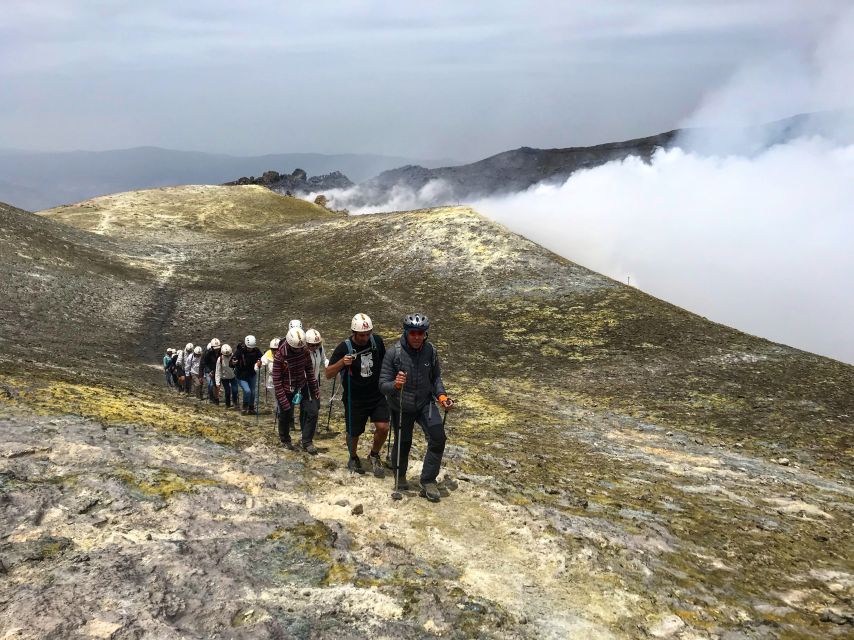
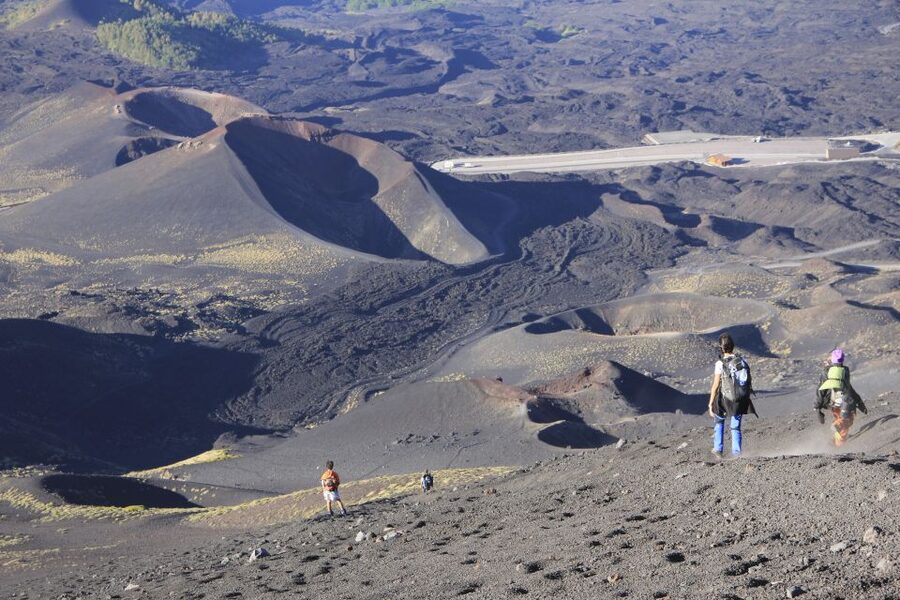
Mount Etna has a way of making you understand the mountain, not just admire it. On this hike, you head for the northern slope, where the volcanic terrain feels rougher and more exposed than what you might expect from a classic sightseeing stop. From the higher start point, your view line opens out across the island geography, with sweeping panoramas that reach toward the Aeolian Islands and down to the Gulf of Taormina.
The scenery shifts as you climb and later descend. You’ll spend time in volcanic desert terrain—think pale ground, volcanic sand, and stark forms around the crater zones—then continue toward viewpoints where the terrain folds out into something bigger than your brain wants to measure. This tour also keeps the geology front and center. The guide isn’t just pointing; they’re explaining Etna’s geological history while you’re standing in the exact place the story happened.
If you like hikes where your brain stays switched on—routing, safety, and interpretation—this one does that job. It’s not a long trek for bragging rights. It’s a focused Etna route designed to connect you to what’s happening underfoot and ahead.
Route and Pace: 12 km, Big Elevation Change, 5 Hours Total
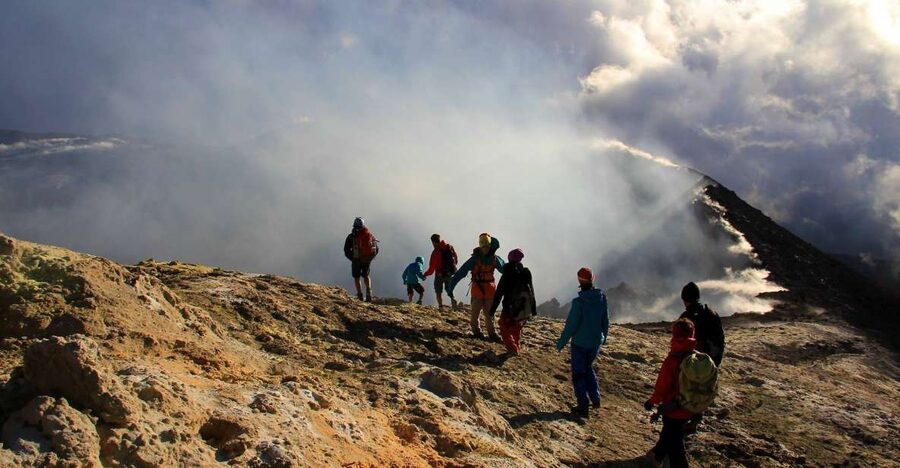
This is a 5-hour hike with a total distance of about 12 km. The elevation profile is where you should pay attention: it lists 600+ meters up and 1500 meters down. Translation: you’ll work for altitude early, then spend a lot of energy controlling your footing on the descent.
The walking rhythm is broken up into clear chunks. After getting up near the crater zone, you’ll hike for about 1.5 hours in volcanic desert terrain to reach the rim of the Central Crater. Then you’ll move through the summit areas with guided stops and viewing time.
Later, the descent uses steep volcanic sand gullies that lead you toward Pizzi Deneri, where you get that expansive look at the Valle del Bove caldera. After that, there’s more downhill trekking—specifically along the Quarantore gullies—plus time to take in views tied to more recent activity.
Difficulty rating is medium-high, and that matches the reality of volcanic sand underfoot. If your knees don’t love downhill walking, or if you’re not comfortable with unstable footing, plan carefully. Also note the restrictions: the hike is not recommended for heart patients and for anyone with vertigo, and it’s not suitable for people afraid of heights or dealing with altitude sickness.
Optional 4×4: How the Add-On Changes the Day
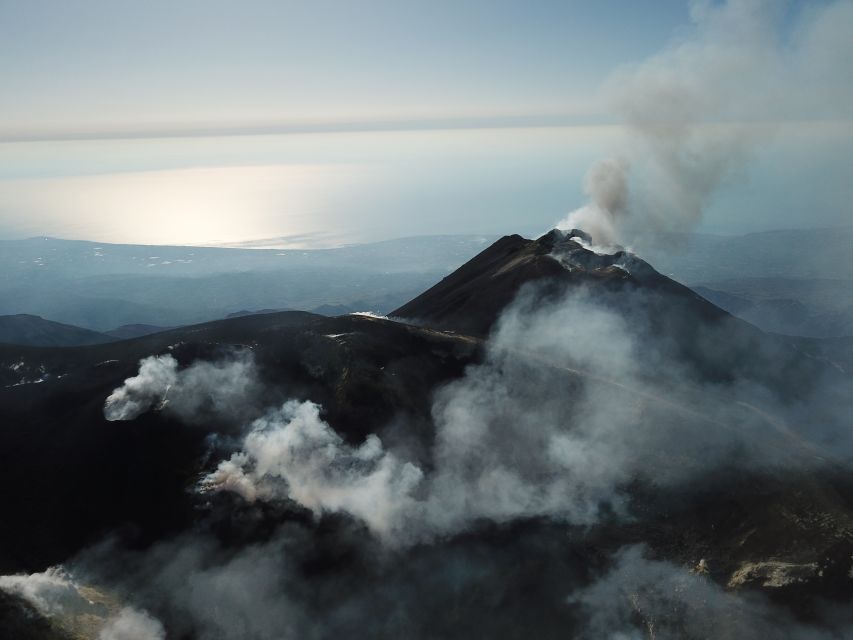
The tour offers an optional 4×4 roundtrip ride that costs 50€ per person and is not included in the base price. The route description makes it clear that the day starts at Piano Provenzana (1800 m) and then uses a vehicle to reach Piano delle Concazza (2800 m)—which is a big elevation jump.
So what does the add-on actually do for you? It changes how much time you spend climbing before you reach the crater zones. If you want to protect your energy for the summit walking and the later descents, the 4×4 option can make the route feel more manageable without taking away the core Etna experience.
There’s also a simple logistics benefit. The itinerary includes two Jeep/SUV segments of about 30 minutes each. That means you still get the mountain day feel, but you’re not spending the entire morning on one long slog up from the first parking area.
Bottom line: if you’re fit enough for a medium-high hike and you enjoy earning your views slowly, you might skip the add-on. If you want more time at the crater rims and viewpoints, adding the 4×4 can be a practical way to get there with less fatigue.
Meeting Point and Timing: Start at Piano Provenzana
You’ll start in the Piano Provenzana area, in front of Chiosco Bar Mareneve di Ferraro. The tour guide should be easy to spot, since they wait for you by the meeting spot with the logo for Aitne Volcano Guide.
There’s also a parking detail worth knowing early: parking costs 3€. If you’re driving yourself or renting a car, don’t treat that like a throwaway expense. It’s small, but it’s one more line item that can affect your day plan.
The base duration is 5 hours, and the exact start times depend on availability. The day starts around 8 am in the recommended schedule. Because the route can shift due to weather or increased volcanic activity, arriving on time matters. You’re not just chasing a start. You’re getting in sync with the guide’s safety and timing plan.
Stop at Bocca Nuova: Rim Views and Sulphur in the Air
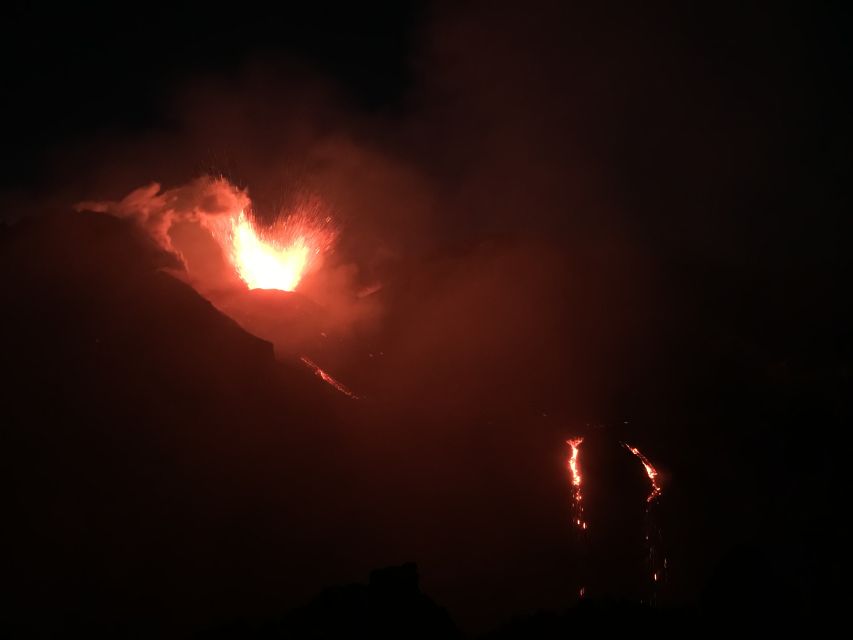
The itinerary’s biggest viewing block is around Bocca Nuova, with about 2 hours for photo stops, walking, and guided touring. This is where you really feel the volcano as a working system.
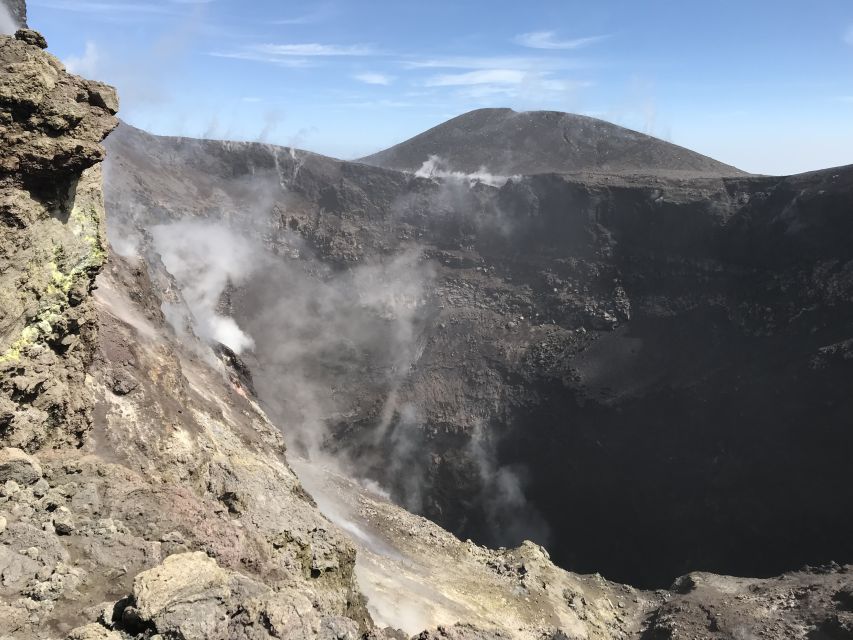
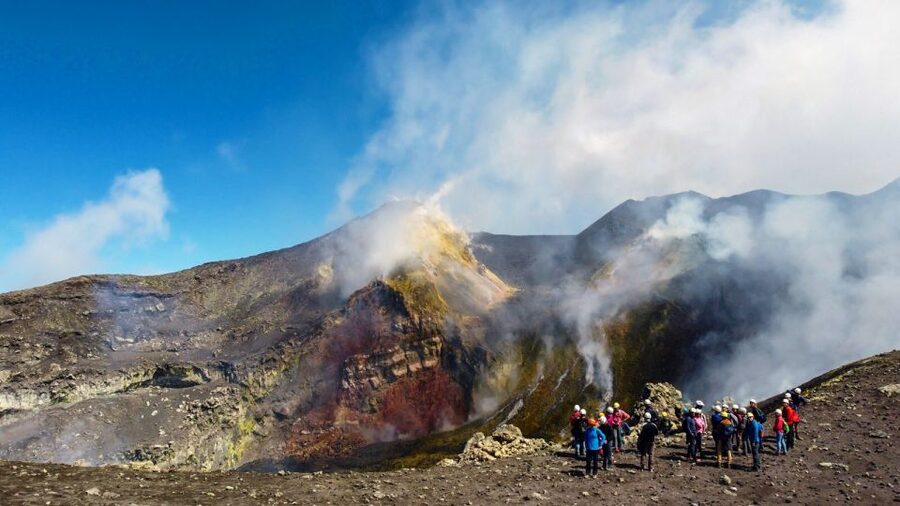
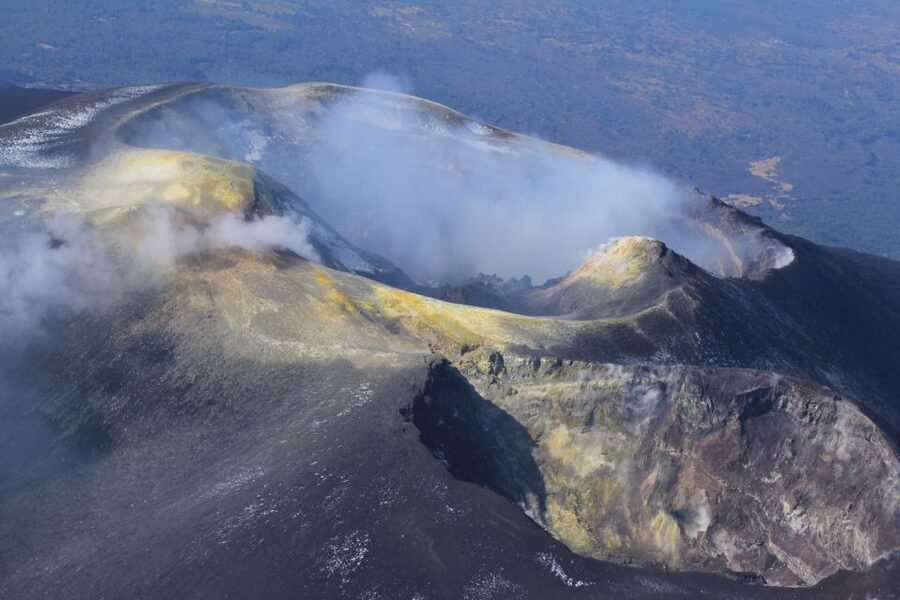
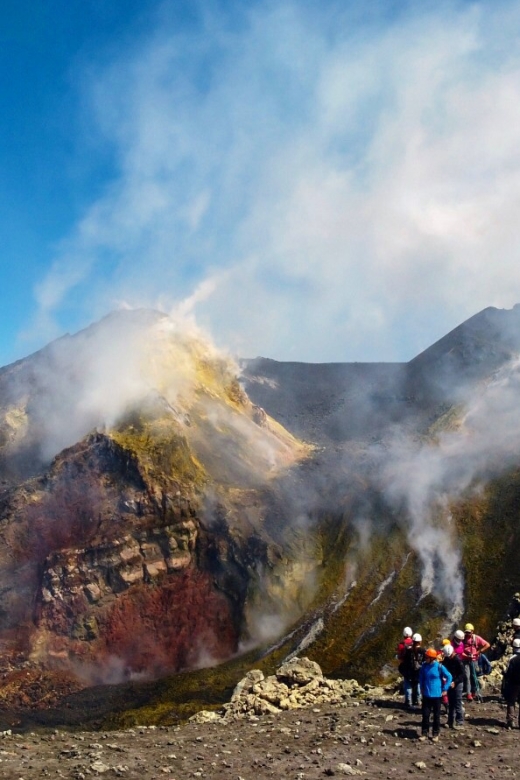
You’ll reach the rim of the Central Crater and get a close look at the deep crater depression. The description also calls out colourful sulphur sublimates, which is exactly the kind of detail that turns Etna from scenery into science. If the air is active, that sulphur presence can be strong, which is why they recommend a neck warmer to protect from volcanic gases and volcanic sand.
This stop area also includes safe-distance viewing of crater points around Bocca Nuova, including the South-East crater and the North-East crater. You’re not rushing into danger. Instead, the guide works with viewing points that keep you positioned safely while still giving you the drama of the crater field.
One practical note: even if you’ve hiked volcanic terrain before, crater zones can bring wind shifts fast. Bring layers you can manage. They provide a wind jacket, but you’ll still want a sweatshirt and a hat setup that you can adjust as conditions change.
Descent to Pizzi Deneri: Valle del Bove’s Scale Hits Hard
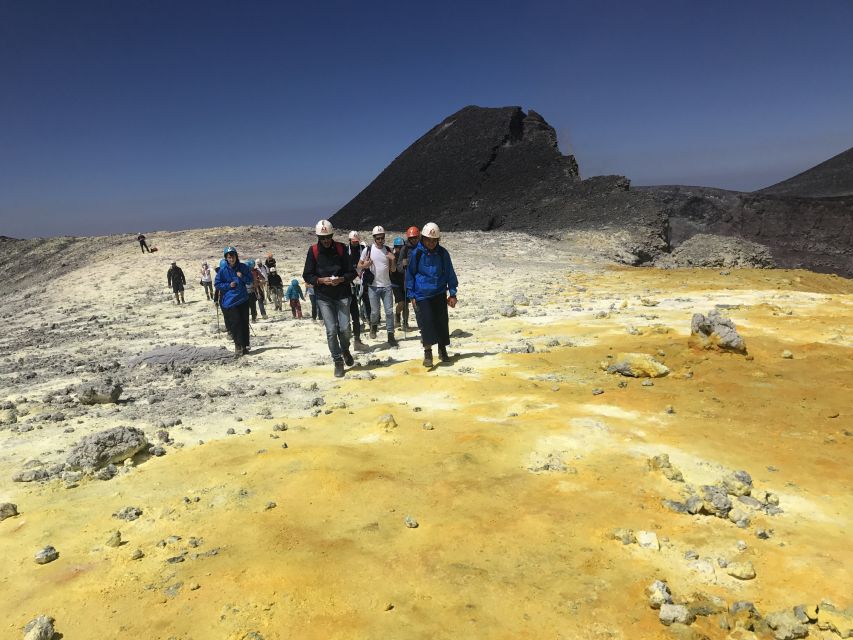
After the summit-zone viewing, you move into the next major segment: Pizzi Deneri. The itinerary gives this stop about 1.5 hours for guided sightseeing and hiking.
This part matters because you go from seeing individual craters to seeing the volcano’s bigger architecture. The descent uses steep volcanic sand gullies to get you down to Pizzi Deneri. That means your feet work more than your eyes do. The good news is that once you arrive, your reward is major: you’ll admire the volcanic amphitheatre of Valle del Bove, described as a caldera about 8 km long and 4 km wide.
It’s hard to understand a caldera like that until you’re looking out at the scale. Valle del Bove isn’t a small feature you can frame nicely in a photo. It’s a system. Etna built it, and the view is a reminder that volcanoes shape land over time, not in one moment.
The guide’s role is key here. They’ll connect what you’re seeing back to the mountain’s geological history while you’re standing at a viewpoint that would be hard to find on your own.
Lunch Break and the Quarantore Gulleys: Recent Eruption View
After you reach the Pizzi Deneri viewpoint, there’s a lunch break before you continue downhill again. The tour doesn’t include food, so you’ll want to show up prepared with a packed lunch. They also recommend at least 1.5 liters of water per person. With volcanic days, dehydration creeps in faster than you think, especially when wind and sun keep drying you out.
From there, the itinerary moves along the Quarantore gullies. This is where the hike adds an extra layer of meaning. You’ll have a splendid view of the 2002 eruptive fracture through a path rich in plant species endemic to Etna.
That combination is one of the best parts of the day. It’s not just rocks and air. It’s evidence of recovery and adaptation—life that belongs here. You get both the “why” (geology) and the “what now” (plants and the way the environment changes after activity).
Gear and Safety: What’s Included vs. What You Still Need
The tour includes a lot of the hard-to-buy gear, which is a big value win if you’re traveling light. You’ll get:
- Trekking shoes
- Wind jacket and pull
- Helmet and trekking poles
- Insurance
- A volcano guide
Still, you’ll want to bring the basics that help you stay comfortable and protected. The recommended clothing list includes long trousers, gloves, a hat, and a neck warmer to protect from gases and volcanic sand. Even with provided gear, you’ll be more comfortable if your clothing fits you well and you don’t end up walking with gaps exposed to wind-driven grit.
Safety rules are strict for good reason. This hike is forbidden for children under 8. It’s not recommended for heart patients and for those with vertigo. It’s also not suitable for people afraid of heights, those dealing with altitude sickness, people over 100 kg, and people over 80 years, plus anyone with recent surgeries or low fitness.
If any of those apply to you, don’t “tough it out.” Ask for advice before booking so you don’t end up on a route your body can’t handle.
Also keep in mind that the tour can change due to bad weather or increased volcanic activity. That’s not a marketing disclaimer; it’s how volcanic hiking stays safe.
Price and Value: Does $67.97 Make Sense on Etna?
The listed price is $67.97 per person, and the optional 4×4 add-on is 50€ roundtrip (not included). Here’s how I’d judge value:
You’re paying for more than a walk. You’re getting a guide, included protective equipment, and insurance. That’s a real cost saver if you don’t want to rent or buy trekking poles, a helmet setup, or sturdy footwear on short notice. The small group size (minimum 5, maximum 10) also matters. Smaller groups typically mean better control and quicker communication when conditions change.
Food isn’t included, so you still need to bring a packed lunch and enough water. But the day is designed around that reality, with a lunch break built into the schedule.
The optional 4×4 is where your value math gets personal. If you’re strong and want a more active start, you might skip the add-on. If you prefer to arrive higher and spend your energy on the crater rim moments and the later viewpoints, the 50€ can feel like paying for a smoother day, not just transportation.
In short: the base price is fair for guided volcanic access with gear and safety coverage. Add 4×4 if it helps you enjoy the hike instead of surviving it.
Who This Hike Fits Best (And Who Should Skip It)
This is best for you if:
- You enjoy guided hiking with real interpretation, not just photo stops
- You can handle medium-high effort and steep, sandy sections
- You want the north-side feel of Etna and crater viewing time
- You like geology and want to connect “what you see” to “how Etna formed”
You should skip this tour if:
- You have vertigo, heart problems, or altitude sickness concerns
- Heights scare you and you’re not comfortable being near exposed areas
- You’re low fitness, have recent surgery, or you’re above the listed limits (over 100 kg or over 80 years)
- You’re traveling with kids under 8 (this tour is not appropriate)
Should You Book This Etna Summit Hike?
If you want Etna that feels grounded in real terrain, not just postcard views, this is a strong choice. The combination of crater rim time, Bocca Nuova summit area viewing, and the Valle del Bove scale from Pizzi Deneri gives you variety in one loop. The guide support, included gear, and the small group size make it easier to focus on enjoying the mountain instead of managing equipment and logistics.
Book it if you’re comfortable with steep descents and volcanic sand footing, and if you’re within the health and mobility limits. Skip it if vertigo, heart concerns, or exposure fear would make you anxious. On Etna, calm confidence beats bravery.
FAQ
FAQ
How long is the Etna summit crater hike?
The duration is listed as 5 hours.
Where does the tour start and end?
It starts in Piano Provenzana at Chiosco Bar Mareneve di Ferraro and ends back at the same meeting point.
Is the 4×4 ride included?
No. The 4×4 roundtrip ride costs 50€ per person and is not included in the base price.
What’s included in the price?
Included are a volcano guide, trekking shoes, wind jacket and pull, helmet and trekking poles, and insurance.
Do I need to bring food?
Food is not included. A packed lunch is recommended, and at least 1.5 liters of water per person is recommended.
How difficult is the hike?
It’s rated medium-high. The route is about 12 km, with height change listed as 600+ meters up and 1500 meters down.
Are there age limits?
Yes. Children under 8 are not allowed. It’s also not suitable for people over 80 years.
Who should not book this tour?
It’s not recommended for heart patients and not suitable for people with vertigo. It also isn’t suitable for people afraid of heights, those with altitude sickness, people over 100 kg, those with recent surgeries, and people with low fitness.
What should I wear?
The recommended clothing includes trekking shoes, windproof jacket, sweatshirt, long trousers, gloves, a hat, and a neck warmer to protect from gases and volcanic sand.
What languages are offered?
The live tour guide is available in English, French, and Italian.