REVIEW · KILAUEA
Kīlauea hike and lava gazing with Native Hawaiian
Book on GetYourGuide →Operated by Kalaninuimehameha · Bookable on GetYourGuide
Kīlauea hits different with a local guide. You’ll hike from Puʻu Puaʻi’s cliffs toward Halemaʻumaʻu, guided by a Native Hawaiian, with Hawaiian language and stories that connect Pele to the living ecosystem. My favorite parts were the way the guide brings the hike to life through plant and history talk, and how the lava-lake viewing turns into a quiet, meaningful moment rather than just a photo stop. One thing to plan for: it’s not suitable for everyone, including people with altitude sickness, and you’ll need to be comfortable on uneven trails.
This is a hands-on cultural nature experience in real volcanic terrain. You’ll learn why cooled lava matters for what grows next, and you’ll hear Hawaiian history and spirituality woven into what you see in front of you. The hike is wheelchair accessible, but it still involves getting around the area, so think about your own comfort level and weather readiness before you go.
In This Review
- Key things I’d circle in your notes
- First steps: meeting at the rainforest-backed trail area
- Why Pele’s story shapes what you see
- The hike itself: Puʻu Puaʻi to Halemaʻumaʻu cliffs
- Watching life begin again from cooled lava
- Lava-lake gazing at Halemaʻumaʻu: what to focus on
- Hawaiian language and history: how it makes the guide’s expertise feel personal
- Price and value: what $200 buys you (and what to check first)
- What to bring (so the day doesn’t get miserable)
- Who should book this Kīlauea hike (and who should skip)
- Should you book this experience with a Native Hawaiian guide?
- FAQ
- What is the duration of the Kīlauea hike and lava gazing?
- Who leads the tour?
- What languages are used during the tour?
- Where do we meet for the hike?
- What should I bring?
- What is not allowed during the tour?
- Is it wheelchair accessible?
- Is NPS vehicle access included?
Key things I’d circle in your notes
- Native Hawaiian guide who speaks Hawaiian and shares culture through the hike
- Puʻu Puaʻi to Halemaʻumaʻu route, with time focused on lava-lake viewing
- Endemic plants and animals pointed out in context, not just named
- Pele’s home explained through Hawaiian history and spirituality
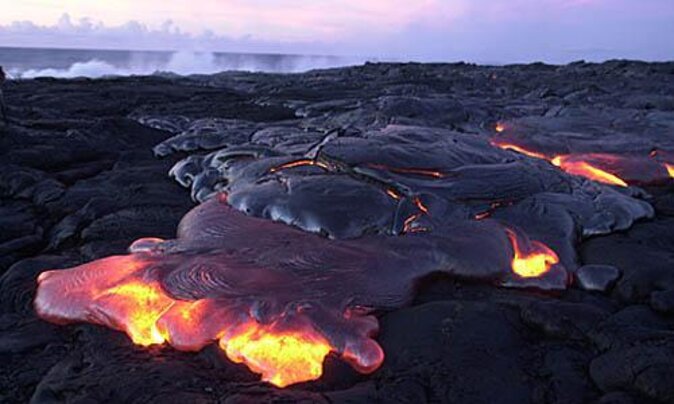
- Sensory, watch-what’s-happening style—cools lava, then life returns
First steps: meeting at the rainforest-backed trail area
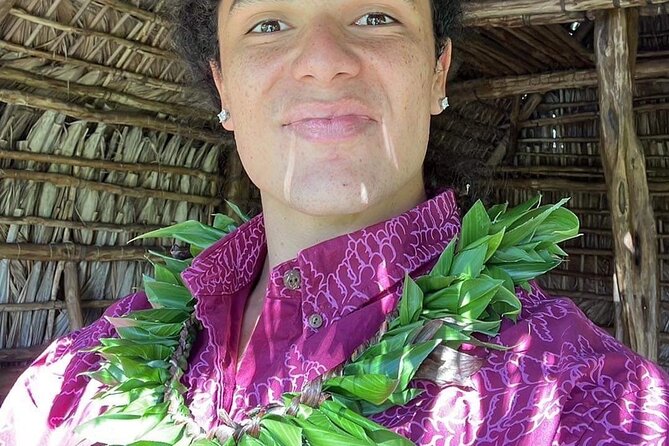
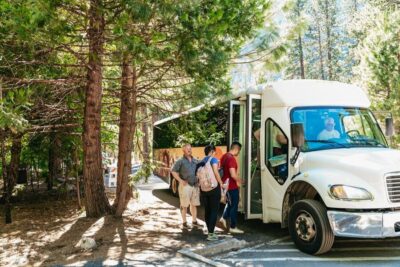
You start in a small grassy field backed by rainforest, just left of the trailhead. Look for the Monarch guide in bright colors so you can spot the group fast and avoid wandering around the wrong access point.
This kind of start matters. On Kīlauea, conditions can change quickly, and you’ll get more out of the hike if you begin with the right pace and gear, not with a scramble. The meeting area also sets the tone: this isn’t a drive-up-and-look stop. It’s a guided walk where the culture and the terrain are meant to connect.
If you’re trying to line up your day, plan around the total 4 hours. That duration is long enough for real storytelling and multiple look-outs, but short enough that you won’t feel dragged through the day.
One practical note: NPS vehicle access is not included. If you’re relying on someone else to handle road access or entry transport, confirm what you still need to arrange on your side so you don’t lose time before you even start the hike.
Why Pele’s story shapes what you see
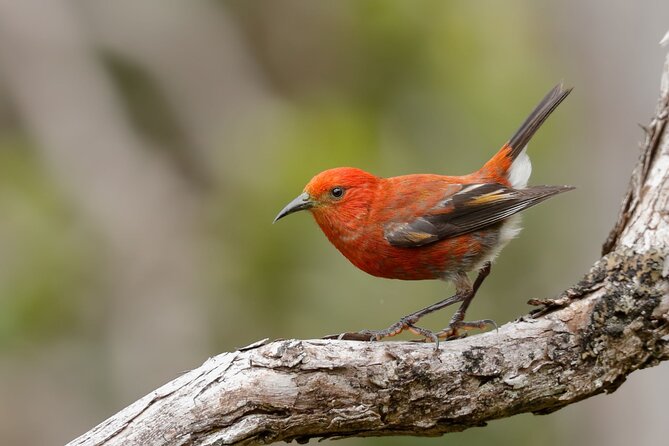
The heart of this experience is the idea of Pele, the fire goddess of Hawaiʻi. The tour frames the hike as a visit to Pele’s home at Kīlauea, the most active volcano on the planet, and that context changes how you interpret the ground beneath your feet.
Instead of treating lava as just scenery, the guide ties it to Hawaiian spirituality and history. You’ll hear Hawaiian history recited, and you’ll also hear Hawaiian language spoken during the hike. Even if you only understand a few words, you’ll feel the structure: the land is not separated from the people. The meanings are spoken while you’re standing where the volcanic process shows itself.
I love experiences like this because they help you slow down. You’re not just looking for the next dramatic view. You’re learning what to notice: where cooled lava ends, where new growth starts, and why that matters in Hawaiian storytelling.
You may also notice the guide’s style is interactive. In past comments from guests, people highlighted that the guide took time to get to know individuals and made learning feel conversational, not like a lecture. That’s exactly what you want on a hike like this. When someone cares about your interests—plants, history, language—you’ll remember more than you would from a standard audio tour.
The hike itself: Puʻu Puaʻi to Halemaʻumaʻu cliffs
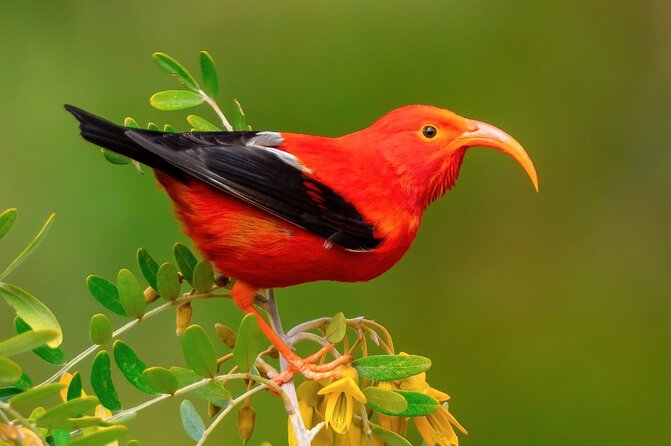
Your walking route centers on the cliffs at Puʻu Puaʻi, then continues toward the southern cliffs of the Halemaʻumaʻu lava lake. This is the part where you’ll feel the scale of Kīlauea, because the terrain places you with views that make the volcano’s activity feel immediate.
What makes this hike worth your time is the pacing. The guide doesn’t just lead you forward and point. They connect what you’re seeing to endemic plants, endemic animals, and the way life returns after volcanic change.
Here’s what to expect on the ground:
- You’ll be moving along designated areas with safety in mind.
- You’ll stop more than once to look and listen.
- The focus shifts between the lava lake view and the living details on the cliffs and nearby growth.
A possible drawback is simply the nature of a volcano hike: you’ll need proper footwear and weather readiness. Bring comfortable shoes and clothing you can move in, plus rain gear. This is Hawaiʻi, but it can still get wet and change fast. If you show up without water, you’ll feel it.
Watching life begin again from cooled lava
One of the most compelling promises of this tour is what you see as the hike progresses: the feeling that life starts from the darkness of cooled lava flows. That line can sound poetic, but on the ground it becomes practical.
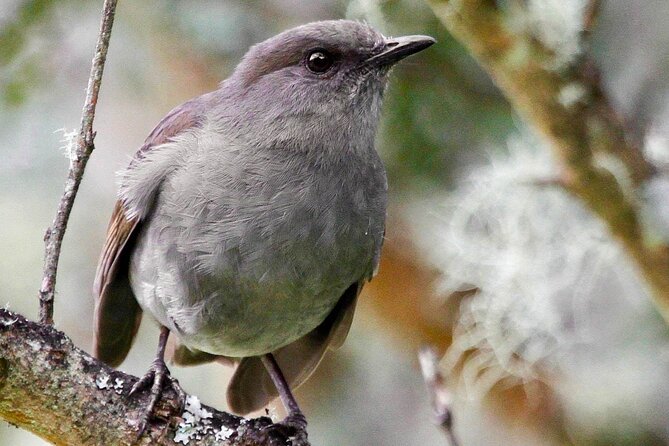
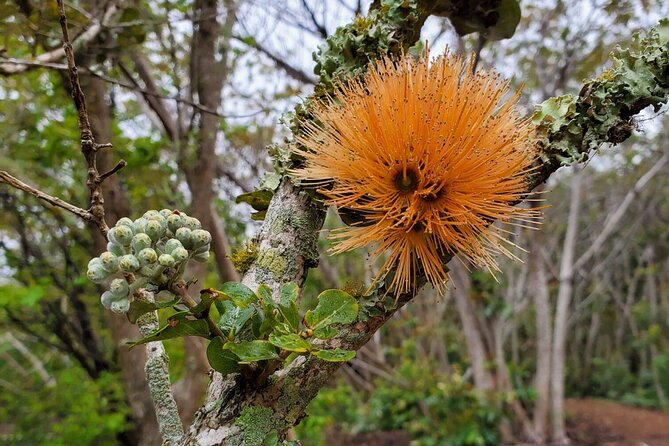
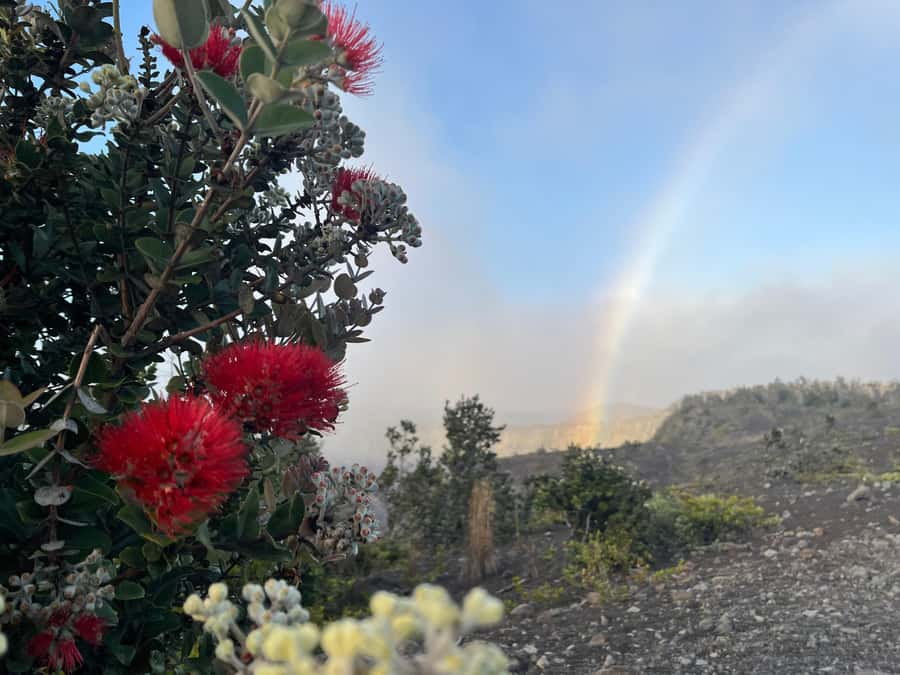
As you walk, the guide points out endemic plants and explains what they’re doing there—how they fit into the ecosystem that recovers after eruption activity. You’ll also get a sense of the animals and natural rhythms that share the area.
This is where the tour pays off for people who love nature but hate generic “nature talk.” You’re not just told that something is rare. You’re taught how the Hawaiian ecosystem works and why Hawaiian culture uses those living details as part of its worldview.
In comments from guests, a standout theme was plant identification. If you like learning by seeing—leaf shapes, growth patterns, and what makes an endemic plant special—this tour tends to deliver. I’d expect you to come away knowing more than you planned to, because the guide explains myths and history alongside the real ecology.
Lava-lake gazing at Halemaʻumaʻu: what to focus on
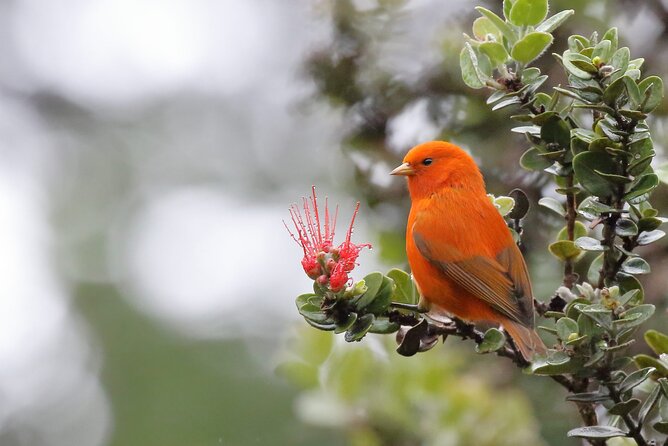
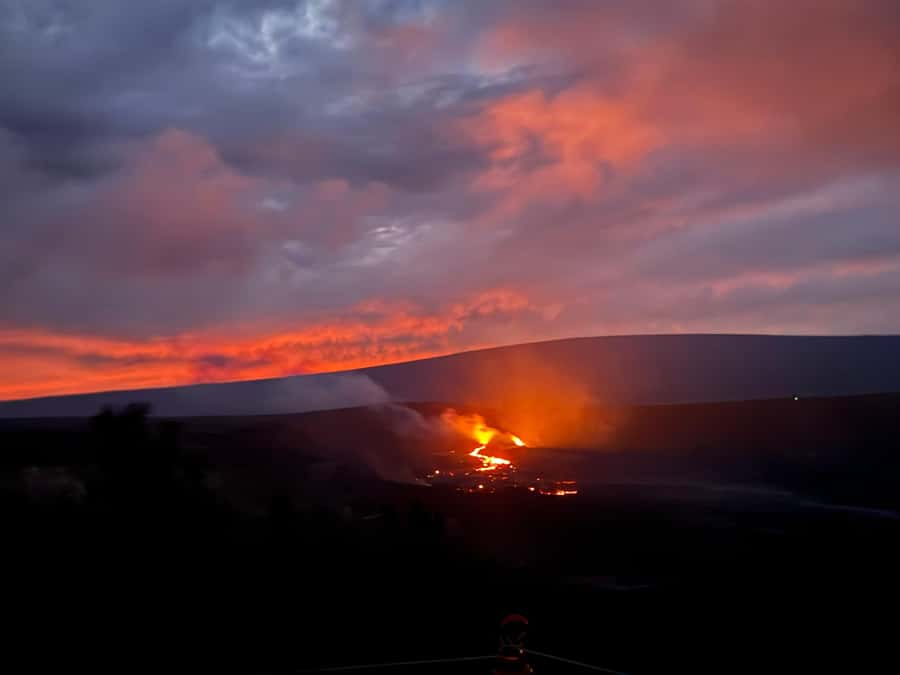
The lava-lake viewing portion is the payoff. From the southern cliffs of Halemaʻumaʻu, you’ll have a chance to watch activity and take in what the volcano is doing in real time.
But here’s the important part: don’t treat lava gazing like it’s only about the view. During this tour, the guide connects what you’re seeing to Pele’s presence and Hawaiian spirituality. That turns “look at fire” into a moment with meaning.
When you’re standing there, pay attention to three things:
- How the cooled lava textures look from up close.
- How the surrounding growth (and lack of it) tells a story about recovery.
- How the guide’s language and history talk gives you a framework for understanding the site.
Also, remember you’re in a sensitive environment. The tour rules include that feeding animals is not allowed, and you should stay on designated trails for safety. This isn’t just about protecting nature. It also keeps the cultural meaning intact, because you’re visiting a significant place, not just a scenic stop.
If you’re worried about crowds and noise, you’ll likely like the format. The tour uses time for listening and looking, not constant movement for the sake of movement. That makes it easier to feel the quiet power of Kīlauea rather than getting distracted by the usual tourist rhythm.
Hawaiian language and history: how it makes the guide’s expertise feel personal
This is a Native Hawaiian cultural tour, and the guide’s use of Hawaiian language is a big part of why it feels authentic. You’ll also hear Hawaiian history recited, not as trivia, but as context for why the land is revered.
One reason guests rate this so highly is the guide’s accessibility. People described the experience as engaging, with interactive explanations, and with time taken to understand individual interests. That matters because different people come for different reasons: some want plants, some want story, some want to understand the spiritual layer, and some simply want to see lava without missing the meaning.
You’ll also see that attention to people show up in how the guide communicates. In guest comments, there were mentions of children learning plant identification and of adults being able to follow along with stories without feeling talked down to. That’s a good sign if you’re worried about whether you’ll get something out of the cultural part, not just the walking.
And yes, broader Hawaiian history may come up too. One guest specifically referenced Kamehameha, suggesting that stories can connect volcano beliefs to wider Hawaiian narratives. I can’t promise which stories will land best on your day, but it’s a good indicator that you’re not stuck with only one narrow subject.
Price and value: what $200 buys you (and what to check first)
At $200 per person for a 4-hour experience, the price isn’t “cheap.” It’s in the category of guided tours that focus on meaning, not just logistics.
So what are you really paying for?
- A Native Hawaiian guide leading the hike and interpreting the land with culture and language.
- Hawaiian language spoken during the experience.
- Hawaiian history and spirituality connected directly to what you’re seeing.
- Focused route time from Puʻu Puaʻi toward the Halemaʻumaʻu lava lake.
- A tour style that guests described as interactive and personal.
For me, that’s the value story: you’re buying context and interpretation from someone who treats the place as living and significant. You could probably arrange a lava-lake view on your own with planning and luck. But you won’t easily get the same understanding of endemic plants, Hawaiian stories, and the meaning of Pele while you’re standing there.
What could reduce value for you is if you aren’t ready to handle the practical access side. Since NPS vehicle access is not included, you’ll want to make sure you’re covered for getting to the area you need to reach. Also, the hike isn’t suitable for everyone, including kids under 15 and people with altitude sickness, so it may not be the right fit if your group has mixed needs.
Finally, check your timing. Starting times vary based on availability. If you’re visiting during a busy season, lock in your preferred start and keep flexibility in mind.
What to bring (so the day doesn’t get miserable)
This is a hike, so the basics really matter. Plan your kit around the realities of lava-area weather and trail comfort.
Bring:
- Comfortable hiking shoes
- Water
- Rain gear
- Comfortable clothes
You should also avoid a few things:
- Feeding animals is not allowed
- Stick to designated trails for safety
If you’re the type who hates carrying a lot, you can still travel light. But don’t skip water. And if rain gear is in your bag, you’ll enjoy the hike instead of rushing to get out of the damp parts.
Who should book this Kīlauea hike (and who should skip)
This is best for:
- Adults and teens 15+ who want cultural meaning plus real nature learning
- People who enjoy Hawaiian language, history, and the stories tied to place
- Anyone who likes plant spotting and wants endemic ecosystems explained clearly
- Visitors who prefer a guided walk with time to listen and watch
It’s not a fit for:
- Children under 15 years
- People with altitude sickness
And it may feel like the wrong match if you’re only after a quick photo. This tour is structured for learning and observation, including time at Halemaʻumaʻu. If you can’t slow down for that, you might prefer a shorter option.
The good news: reviews emphasized that the guide adapts the experience for different people and keeps it interactive. That makes it easier for first-time visitors to feel included.
Should you book this experience with a Native Hawaiian guide?
Yes, if you want Kīlauea to mean something beyond the view. The strong reason to book is the combination: Native Hawaiian guidance, Hawaiian language, and a walking route designed to connect Pele and lava activity to how ecosystems recover.
I’d book it sooner rather than later if:
- You care about Hawaiian culture and want it delivered in a respectful, place-based way
- You want more than a sightseeing stop and prefer learning while you walk
- You’re excited to hear about endemic plants and see how the land changes over time
I’d think twice if:
- Your group includes kids under 15 or someone dealing with altitude sickness
- You don’t want an actual hike (even a relatively paced one)
- You haven’t confirmed how you’ll handle NPS vehicle access, since it isn’t included
FAQ
What is the duration of the Kīlauea hike and lava gazing?
The tour lasts 4 hours.
Who leads the tour?
A Native Hawaiian guide leads the experience, and the live tour is in English.
What languages are used during the tour?
The tour is in English, and Hawaiian language is spoken during the experience.
Where do we meet for the hike?
Meet at a small grassy field backed by rainforest just left of the trail head. The Monarch guide will be in bright colors.
What should I bring?
Bring comfortable hiking shoes, water, and rain gear, plus comfortable clothes.
What is not allowed during the tour?
Feeding animals is not allowed.
Is it wheelchair accessible?
Yes, the experience is listed as wheelchair accessible.
Is NPS vehicle access included?
No, NPS vehicle access is not included.