REVIEW · MUSCAT
Jebel Shams summit W4
Book on Viator →Operated by WikiTours Adventures · Bookable on Viator
A hard hike, then stargazing therapy. The Jebel Shams Summit W4 trip is a 2-day escape built around one big goal: a challenging ascent (and a long return) in high-altitude terrain, with a night camp and night-sky viewing to reset your head.
I like the mix of adventure and downtime. You drive from Muscat with a quick stop in Al Hamra for snacks and water, then settle into camp for sunset, dinner, and a guided group discussion before you sleep early for the climb.
The main thing to consider is the commitment. This hike is 24 km round trip with high-altitude walking, and the tour is clear that you need a strong fitness level and good weather.
In This Review
- Key highlights for the Jebel Shams W4 experience
- Muscat to Jebel Shams: the road trip that sets the mood
- Camp night at Jebel Shams: dinner, discussion, and stars
- Day 2 at dawn: the W4 hike to the summit
- What makes the Jebel Shams route feel different
- Gear and supplies: what you get vs what you should plan for
- Price and value: is $600 for the W4 summit worth it?
- Who should book the Jebel Shams W4 summit trip
- Logistics that actually affect your day
- The main drawback: endurance, altitude, and the early start
- Should you book the Jebel Shams Summit W4?
- FAQ
- How long is the Jebel Shams Summit W4 trip?
- What is the hike distance for the summit route?
- What is the price per person?
- What’s included in the price?
- What is not included?
- What fitness level do I need?
- What happens if weather is poor?
- How many people are in a group?
Key highlights for the Jebel Shams W4 experience
- Camp setup plus dinner and star watch on Day 1, with time to slow down after travel
- Expert guidance on the W4 summit hike, described as making the terrain manageable
- 24 km round route to the summit area (one review notes 3009 m) with breaks along the way
- Small group size (max 4 travelers), which can make the pacing feel more controlled
- Pickup and an air-conditioned vehicle, helpful when you’re heading out early
Muscat to Jebel Shams: the road trip that sets the mood
This is not a “jump on a bus and go” kind of day. You start with a road trip from Muscat toward Jebel Shams, and you get a small reality check-and-prep moment with a stop in Al Hamra to grab snacks and water. It’s simple, but it matters. When you’re doing a long hike over sedimentary rock in higher altitude, having your energy sorted early feels like good planning, not overthinking.
The vehicle is air-conditioned, and the tour includes pickup offered. That helps if you’re juggling heat, timing, and the logistics of being ready before sunrise. In practice, it also means you can arrive calm instead of frazzled, which is a real advantage on Day 2 when you’ll want to move fast and steady, not rush.
One more thing I like: the group size is capped at 4 travelers. That can make the whole trip feel more personal and less like you’re just another body in a line. It also tends to make guide communication easier when you’re dealing with pacing, breaks, and getting everyone back on track.
Camp night at Jebel Shams: dinner, discussion, and stars
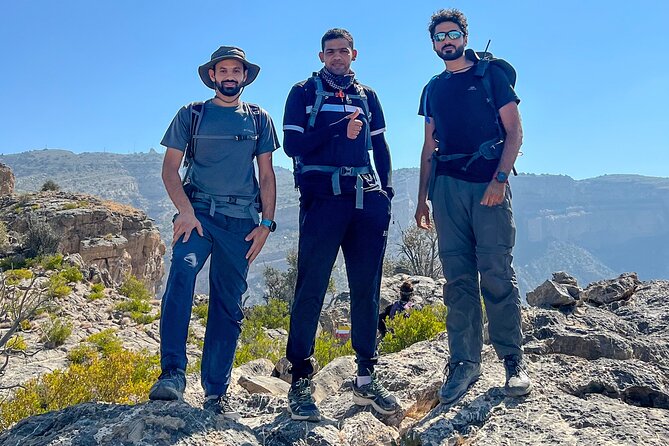
Day 1 is built like a breather between your regular life and the summit effort. You set up camp at Jebel Shams, then the schedule flows naturally: enjoy the sunset, prepare dinner, and join a cultural talk and group discussion focused on personal thoughts and experiences. After that, you get star watch, then sleep early.
If you’re thinking this is just “wait around until bedtime,” you’re missing the point. Camping here does two jobs at once:
- It gives you a mental reset after hours of road travel.
- It sets expectations for the climb. You’re not just told to hike hard—you’re eased into the rhythm of a high-altitude day: earlier rest, earlier start, and fewer distractions.
What stands out from the experiences shared is that the camp experience is genuinely part of the value, not filler. People describe it as part of what made the night feel memorable, and it’s easy to see why. You’re already far from the city. Then the guides steer you toward star watching, and you end the night with real sleep instead of “checking emails until midnight.”
Practical consideration: you’ll likely be dealing with big temperature swings. One review in Arabic specifically notes that winter trips can require warm clothing at the beginning and during stops. Even if you travel outside winter, plan for cooler conditions once the sun drops.
Day 2 at dawn: the W4 hike to the summit
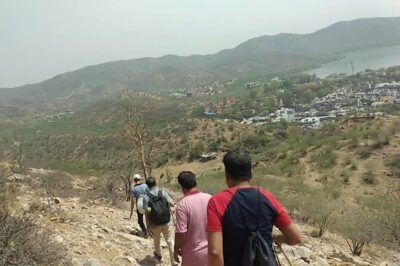
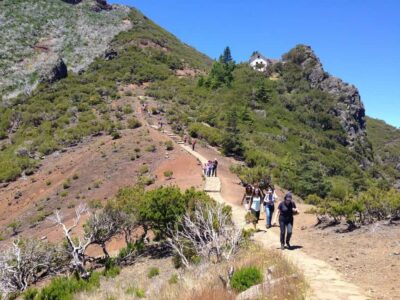
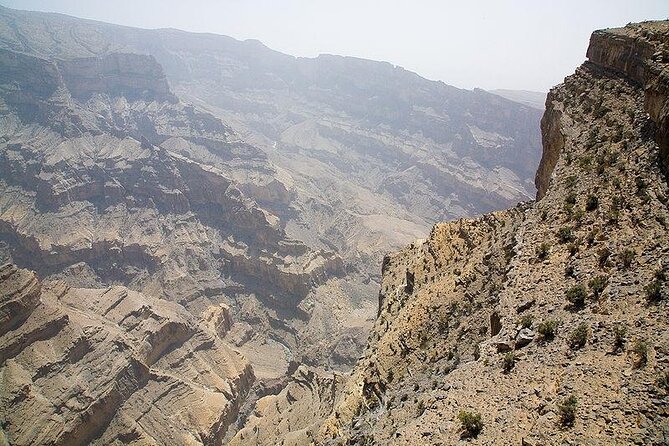
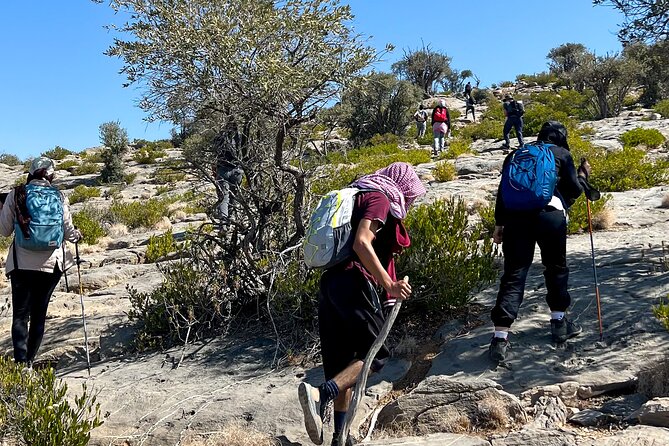
The second day is the whole reason to come. After an early wake-up and breakfast, you start hiking at high altitude. The route is described as moving through sedimentary rocks, with wonderful views of the geological scenes—this is what makes the summit area on Jebel Shams special.
The hike is 24 km round route to the summit area and back to the starting point. The schedule also says there will be breaks for rest and drinking water. That detail matters more than it sounds. On a long hike like this, the “break timing” is often what determines whether the climb feels like an endurance test or a constant grind.
A few things to help you set your expectations:
- Expect a very long day. One shared experience notes the group reached hiking around 7 pm, and another mentions a summit attempt with an overall timeframe that felt like a full 13–14 hour ordeal. The tour itself lists 14 hours on Day 2.
- Expect an early start. Reviews mention starting around 6 am and also around 7 am. So plan to be ready for morning logistics well before you think you need to be.
- Expect steep effort and careful pacing. Even when guides are experienced, 24 km at altitude is still 24 km at altitude.
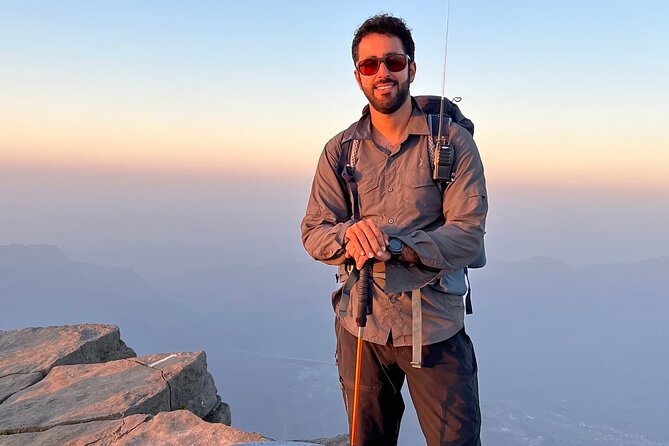
As for guides: I saw several guide names emphasized in experiences—Saif, Hamood, Sulayman, and Seif (spelled slightly differently in different write-ups). The pattern is consistent: guides push the group, keep everyone supported, and help make the terrain feel more manageable than it would alone.
What makes the Jebel Shams route feel different
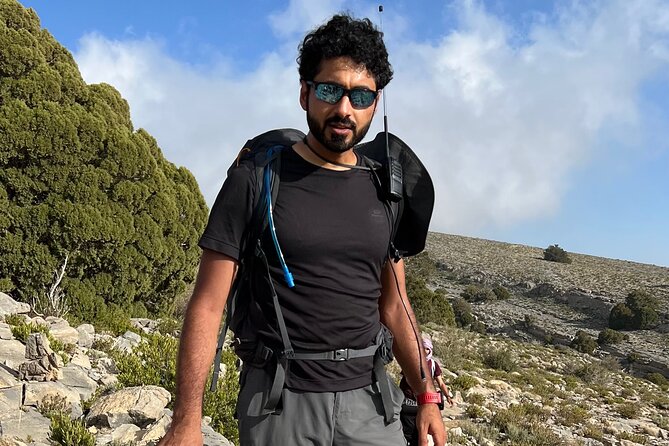
A lot of hikes promise views. This one also delivers the “geology payoff.” The route is specifically tied to the way the sedimentary rocks show up in the high-altitude setting. In other words, you’re not only walking uphill—you’re walking through a place with visible layers and rugged formations.
That matters for your motivation. When your legs are burning and you’re thinking, Why am I doing this? it helps if you can look up and actually see the reason the mountain is famous. The views aren’t a side effect; they’re part of the experience.
The other distinguishing factor is pacing under guidance. Reviews repeatedly connect summit success with guide support—especially when it comes to pushing limits safely and keeping the group together on a demanding route. That’s a big deal when you’re hiking long distance and altitude is involved.
Gear and supplies: what you get vs what you should plan for
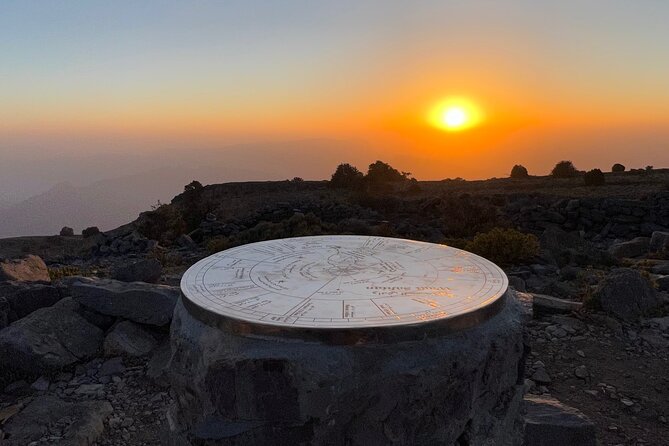
The included gear is solid for a two-day camp setup:
- Standard tent
- Sleeping bag
- Breakfast and dinner
- All fees and taxes
- Air-conditioned vehicle
- Mobile ticket
- Pickup offered
So if you’re coming from outside Oman or you’re flying in with normal travel gear, you’re not stuck sourcing camp sleeping equipment. That’s real value.
What’s not included is straightforward: gratuities. But what you should prepare yourself for comes down to fitness and weather. The tour explicitly says you should have a strong physical fitness level, and it also notes that conditions will be updated for each booking. And since the experience requires good weather, you should expect the team to watch forecasts and adjust dates if conditions aren’t right.
One more practical tip that came through clearly in the Arabic review: in winter conditions, you’ll want warm clothes at the start and during stops, and they mention bringing 3 liters of water. Your exact water needs depend on your pace and season, but the “carry enough to avoid running low” mindset is spot on for a 24 km effort.
Price and value: is $600 for the W4 summit worth it?
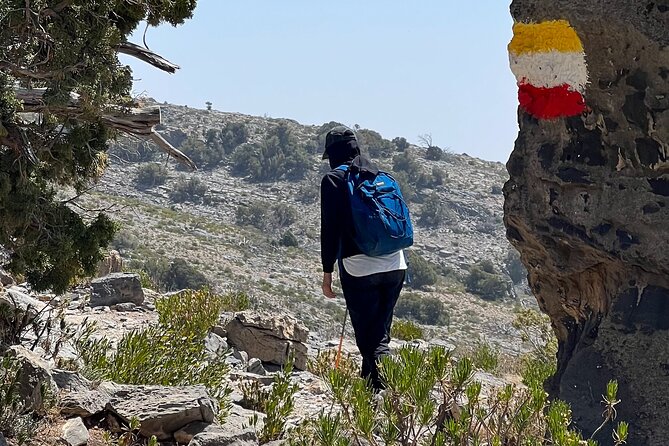
At $600 per person, this isn’t a budget hike. But it also isn’t just “a walk with a view.” You’re paying for the full package: transport from Muscat, camp setup, food, and professional guidance for a very long, high-altitude route.
Here’s how I judge value on trips like this:
- Guides and safety management: The best experiences emphasize that the guides (including names like Saif and Hamood) made the terrain bearable and helped push toward the summit. That human support is hard to replace.
- Camp infrastructure: Having a standard tent and sleeping bag provided reduces the cost and hassle of traveling prepared for camping.
- Time and intensity: This is a two-day schedule with a long Day 2 climb and early morning start. You’re effectively buying a structured plan for a serious physical challenge.
Two details that also support value:
- Maximum 4 travelers means more personal attention potential than bigger group operations.
- Group discounts are mentioned, so if you can travel with friends and qualify, the per-person cost can drop.
The trade-off is simple: you’ll need to be comfortable with a high-effort experience. If you’re hoping for an easy nature walk, this will feel like too much.
Who should book the Jebel Shams W4 summit trip
This trip fits best if you’re one of these types of travelers:
- You’re an avid hiker or training for endurance. The 24 km round route isn’t casual.
- You like the idea of camp + stars as part of the story, not just a one-night pause.
- You want expert guidance rather than navigating the route by yourself.
- You prefer small groups and don’t want a giant crowd experience.
It may feel like a mismatch if:
- You don’t have a strong fitness base for a long Day 2.
- You hate early mornings and long travel-to-hike transitions.
- You’re traveling in conditions you can’t flex around. Weather matters here.
Logistics that actually affect your day
A few planning points matter more than they sound:
Start times and total day length: Day 2 is long, and reviews point to early departures around 6–7 am, with hiking that can carry you toward evening (some reports mention being finished around 7 pm). You’ll want to treat this as your main event, not something you tack on after other plans.
Hydration and clothing: Bring enough water and be ready for cooler air during stops. The trip involves high altitude and a long time outdoors.
Good weather requirement: The experience requires good weather. If it’s canceled due to poor weather, you’ll be offered a different date or a full refund. That’s important because the summit experience depends on conditions.
Small group pacing: With a max of 4 travelers, the hike pacing and break schedule can feel more tailored than big groups. That can help, especially if you’re working to stay consistent and avoid exhausting yourself too fast.
The main drawback: endurance, altitude, and the early start
I’m going to be direct: the biggest downside is the physical demand. The tour calls for strong fitness, and the Day 2 hike is a 24 km round route with high altitude walking. That’s a lot on sedimentary terrain, even when guides are doing everything right.
A second consideration is weather dependence. If conditions aren’t suitable, the trip could shift dates or be canceled. If you’re on a rigid schedule, you’ll want to build some flexibility.
None of that makes it “not worth it.” It just means this isn’t the place for wishful thinking. Train a bit. Prepare for a long day. Then the whole experience makes sense.
Should you book the Jebel Shams Summit W4?
If you want a summit challenge with structure—and you like the payoff of camp dinner, star watching, and a guided group push—this trip makes a lot of sense. The combination of expert-led hiking, provided camp gear, and a clearly intense Day 2 is why people strongly recommend it, including those who specifically credit guides like Saif, Hamood, Sulayman, and Seif for getting everyone to the summit.
Book it if you can handle distance, altitude, and an early start. Skip it if you’re looking for an easy day in nature.
FAQ
How long is the Jebel Shams Summit W4 trip?
It runs for 2 days (approx.). Day 1 includes the road trip, camp setup, sunset, dinner, discussion, and stargazing. Day 2 is the long hiking day plus the drive back.
What is the hike distance for the summit route?
The route is 24 km round trip to the summit and back, with breaks for rest and drinking water during the hike.
What is the price per person?
The price is $600.00 per person.
What’s included in the price?
Included items are breakfast, dinner, an air-conditioned vehicle, all fees and taxes, a standard tent, and a sleeping bag. The tour also includes pickup offered and uses a mobile ticket.
What is not included?
The tour lists gratuities as not included.
What fitness level do I need?
The experience states that travelers should have a strong physical fitness level.
What happens if weather is poor?
The experience requires good weather. If it is canceled due to poor weather, you’ll be offered a different date or a full refund.
How many people are in a group?
The tour has a maximum of 4 travelers.